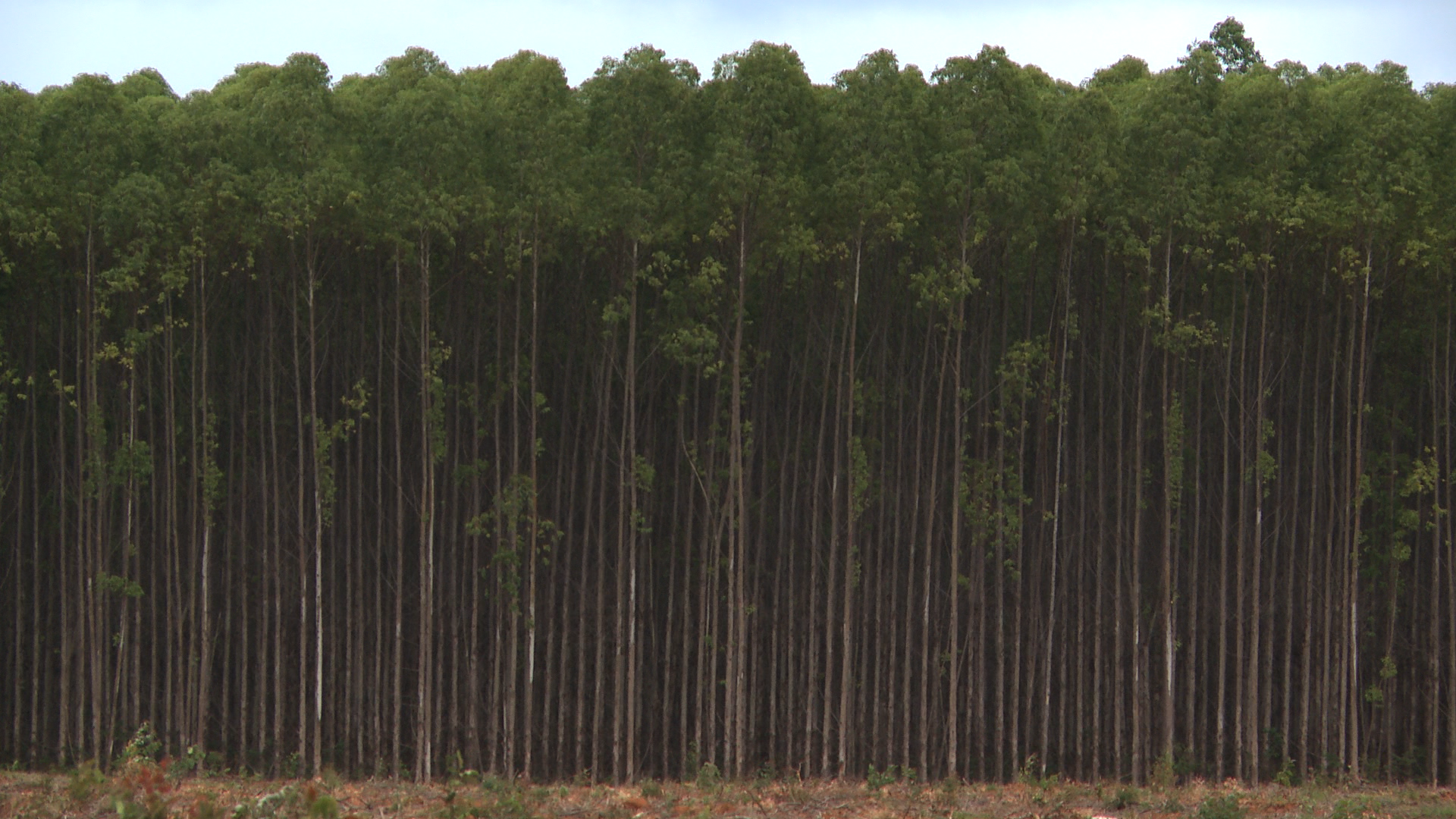
I am from Europe where since the Roman conquest forest and civilization were perceived as antagonistic. Silva, the forest, was wild and needed to be tamed, and ager, the man-made open space was culture. So when Western countries debate of reducing deforestation and planting trees to offset carbon emissions, you can bet they mean elsewhere.
We have shops where you can buy a wooden chair but in exchange you pay for a carbon offsetting voucher which will allow for trees to be planted somewhere. That’s the thinking behind the Clean Development Mechanism (CDM), which allows a country with an emission-reduction or emission-limitation commitment under the Kyoto Protocol to implement an emission-reduction project in developing countries. Director Amy Miller went around the world to meet the communities where some of those offsetting projects were implanted. See the trailer after the jump.
Hundreds of hydroelectric dams in Panama. Incinerators burning garbage in India. Biogas extracted from palm oil in Honduras. Eucalyptus forests harvested for charcoal in Brazil. What do these projects have in common? They are all receiving carbon credits for offsetting pollution created somewhere else. But what impact are these offsets having? Are they actually reducing emissions? And what about the people and the communities where these projects have been set up?
Look here a projection of the Carbon Rush, next to you: http://thecarbonrush.net/news-and-events
 Organikos
Congrats for coming up with this documentary. I am from Mangar Bani, a forest in India facing threat of extinction.
Hi. We were amazed to learn recently that there are still forests in major Indian cities such as Delhi and Mumbai. It’s clear that there is much work to be done to preserve them for future generations. Keep up the good work–we hope to join you there some day!