The most popular activity in the Periyar Tiger reserve is boating on the Periyar river. It’s a lazy, indulgent, moment of enjoyment of sightseeing. The ancient sunken tree trunks, the depth of the woods, the indigenous population fishing along the river…it also offers good chances to sight animals drinking, hunting by the river and excellent opportunities for birdwatching.
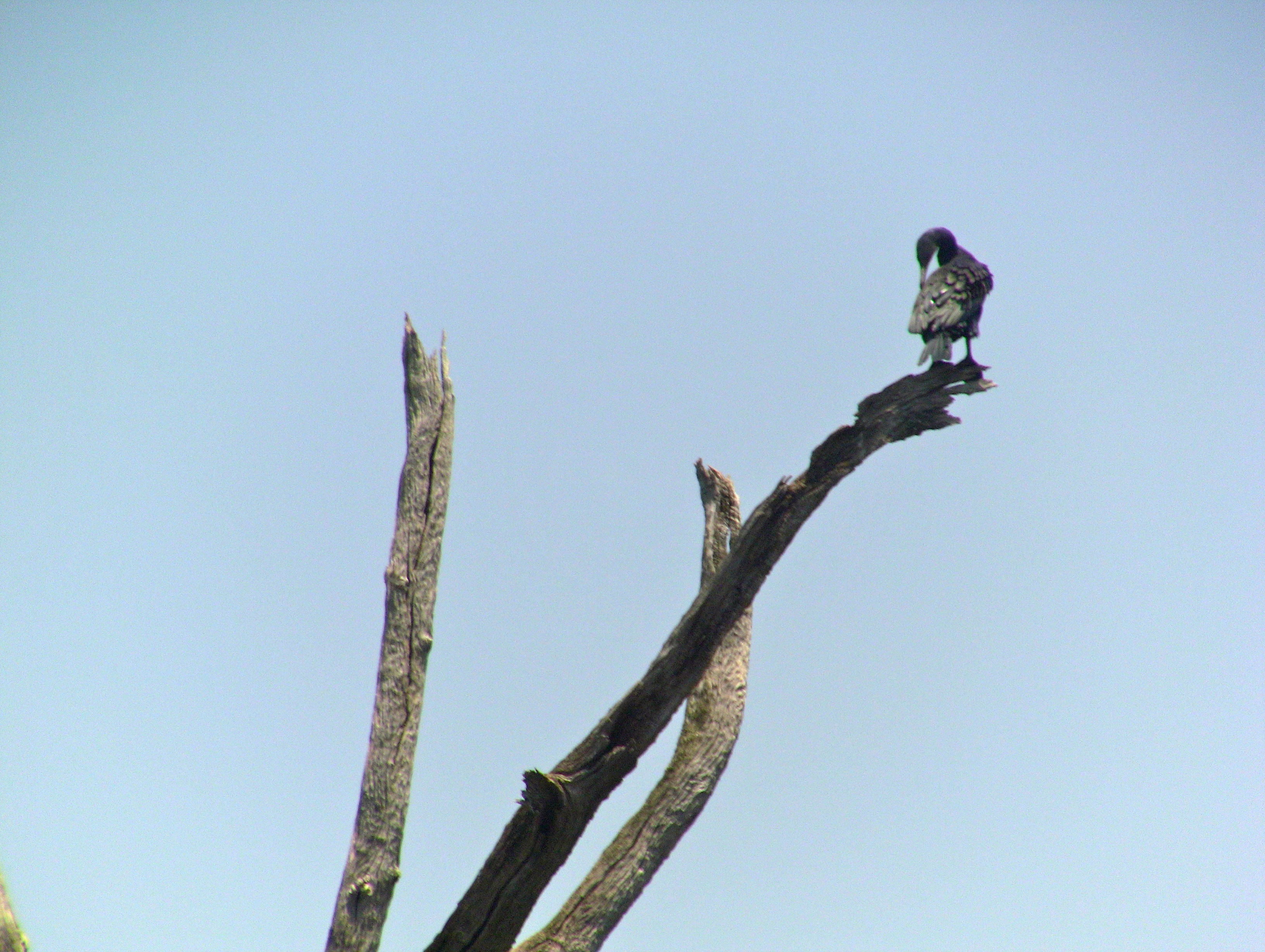
During the cruise I kept thinking it could all be quieter though, the engines of the motor boats seemed to break with the pristine tranquillity of this place…

Wouldn’t it be more sustainable, graceful and secure if the boats were of traditional making ? Like the houseboats we take on the Backwaters, the kettuvalam (kettu meaning “tie” in Malayalam and valam meaning “boat”). This name is derived from the pre-industrial method of building the boats, which made use of coconut fiber rope, called “coir,” to tie together the planks in a way that creates an almost seamless exterior. The fused planks and rope would then be fortified with fish oil for durability and water resistance. The frame was traditionally built of Jack wood and the roof of bamboo.

At an average length of about 100 feet long, Kettuvalams have a very high carrying capacity (about 30 tons for a boat 100 feet in length) because they were used for cargo, facilitating the agriculture industry in Kerala dedicated mostly to rice. The tourism industry gave the new generation inspiration for a new use for the kettuvalams, which were converted into houseboats upon which travellers could experience the area from the inside out. Could the same model be applied to the Periyar river boats ?
 Organikos