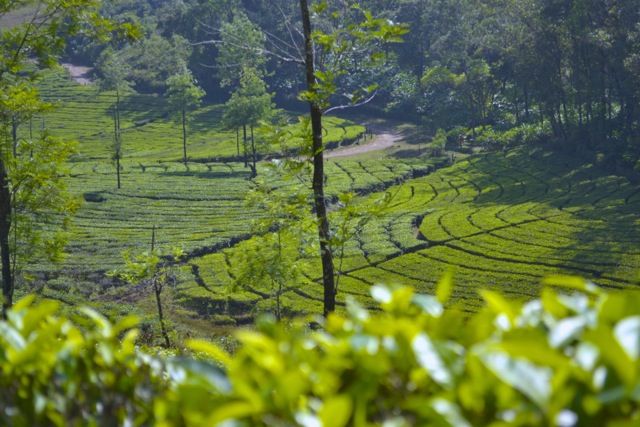
Overlooking a local Chai plantation outside Thekkady
India for the most part is spread out as one can imagine due to sheer size. In Kerala, you have the Kochin Harbor slightly west of the Cochi airport, the Backwaters to the south and to the east you have the third major attraction, the Periyar Tiger Reserve. About a three hour drive outside Cochi, one begins to see the change from the metropolitan to the rural “farmer lifestyle” that is popular in Thekkady. Local farmers mainly specialize in Cardamom, coffee and Chai or tea. However, the most noticeable of these are the Chai plantations which add a striking green layered look to the mountains (especially in the dryer months).
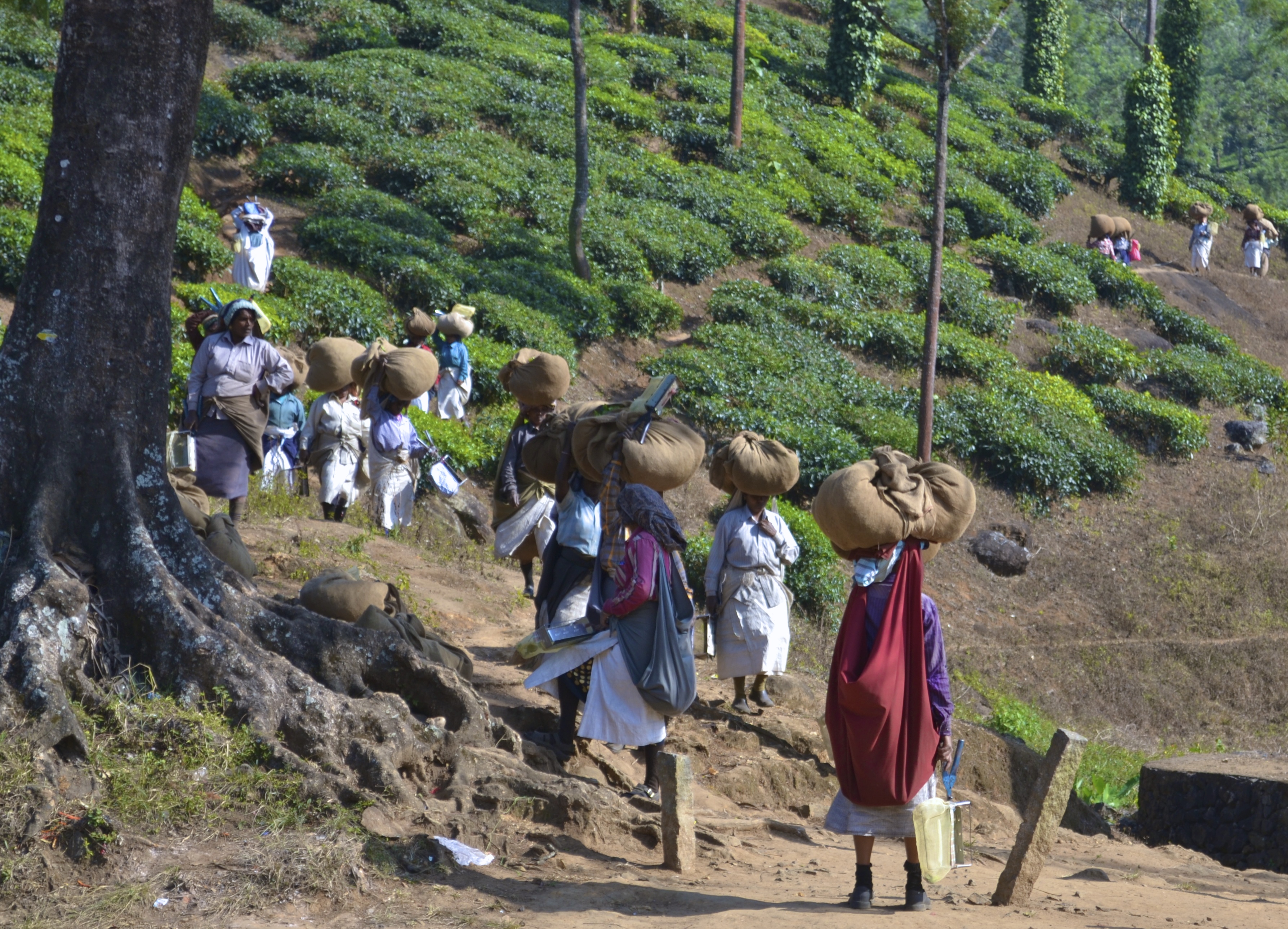
Local woman carrying bundled up Chai
The road winds up, down and around these plantations, giving great perspective and unique photo opportunities around every corner. Historically, women are the ones who harvest the top layer of leaves from these bushes. The leaves are collected into sacks and then transported.
Cardamom County Hotel, located across the road from the tiger reserve offers very comfortable and affordable rooms and a great local Indian (specifically Keralan) cuisine.
Since many guests who stay there come to visit the reserve, it is easy to organize a hike with the forest guides (book a couple days in advance to be sure). Many of the guides who will lead you into the Periyar Tiger Reserve are local tribal people whose family grew up inside that very forest. They project a great sense of responsibility and it becomes contagious the longer you speak with them. When entering the reserve, the idea of seeing a tiger is constantly lingering in the mind.
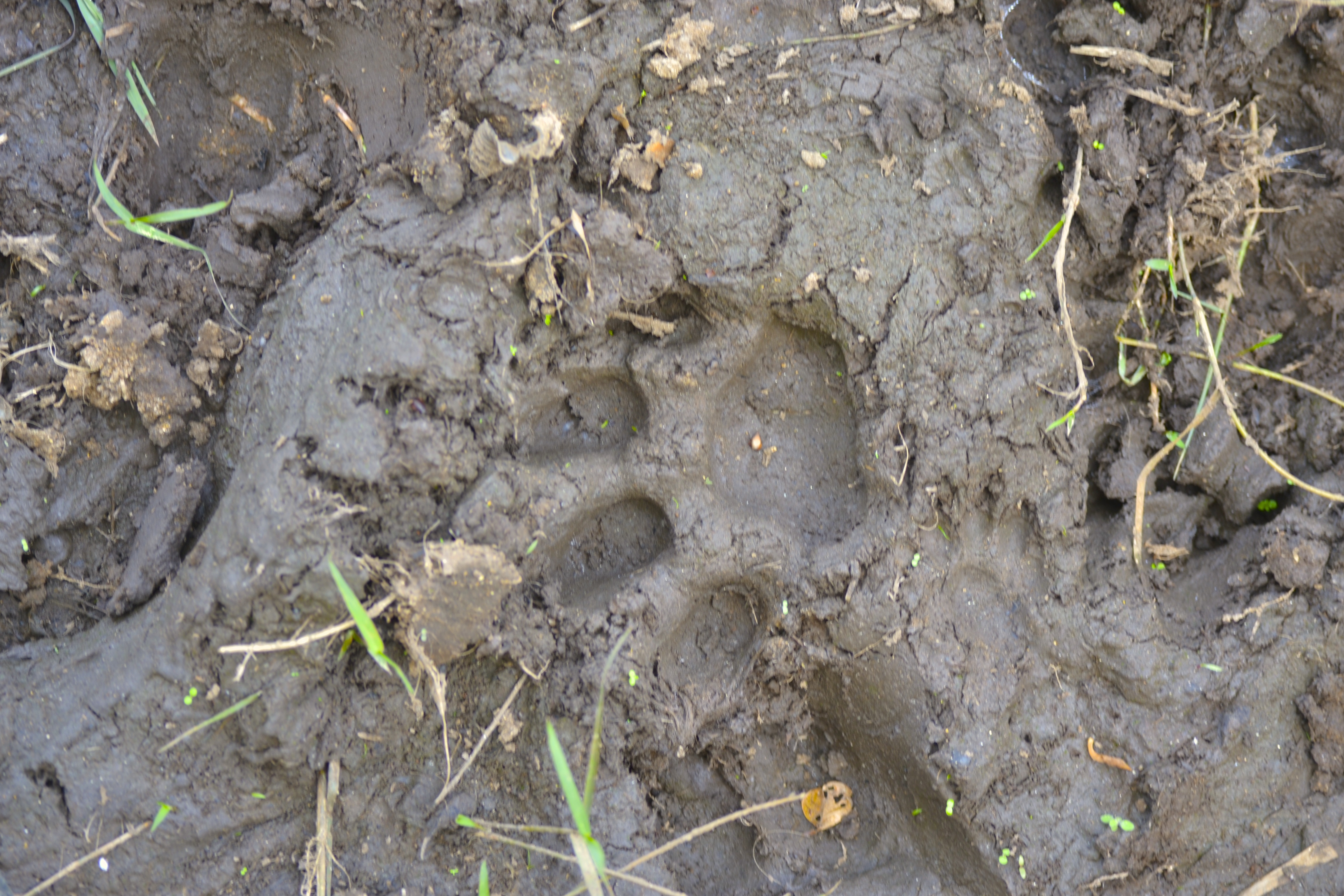
Tiger print (one-two days old)
Tiger sightings do happen, but since there are roughly 45 tigers in an area just under 1,000 square km of thick jungle, it is rare to see them. But it is that excitement of the rarity of the creature that excites most and makes the experience unique and memorable. The clues left behind by the tiger becomes a game from a “Cold Case” episode. Where has this tiger been, what is it eating, why are the scratch marks on the tree in a certain direction etc. All these questions that would not normally be asked without the help of the guide.
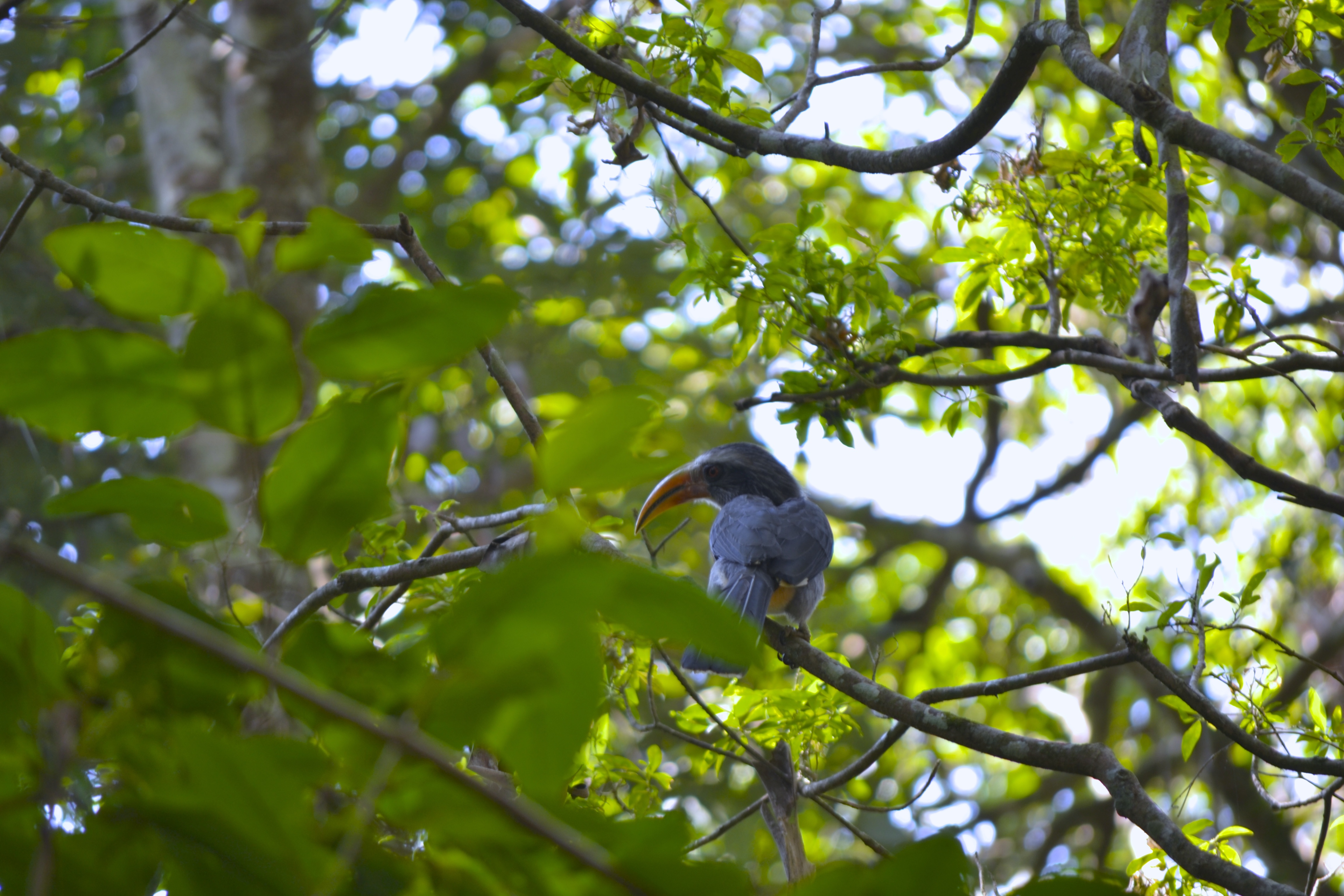
Malabar Grey Horn Bill
Besides the elusive tiger, the elephant is another sighting which most hope to capture. The marks left behind by this animal are obvious and although graceful, the elephant is large enough where it could care less if anyone or anything knew where it is. Sightings are a lot more common, especially in the dryer months where water supply lessens and animals are forced to leave the inner sanctuary of the forest to seek a water supply.
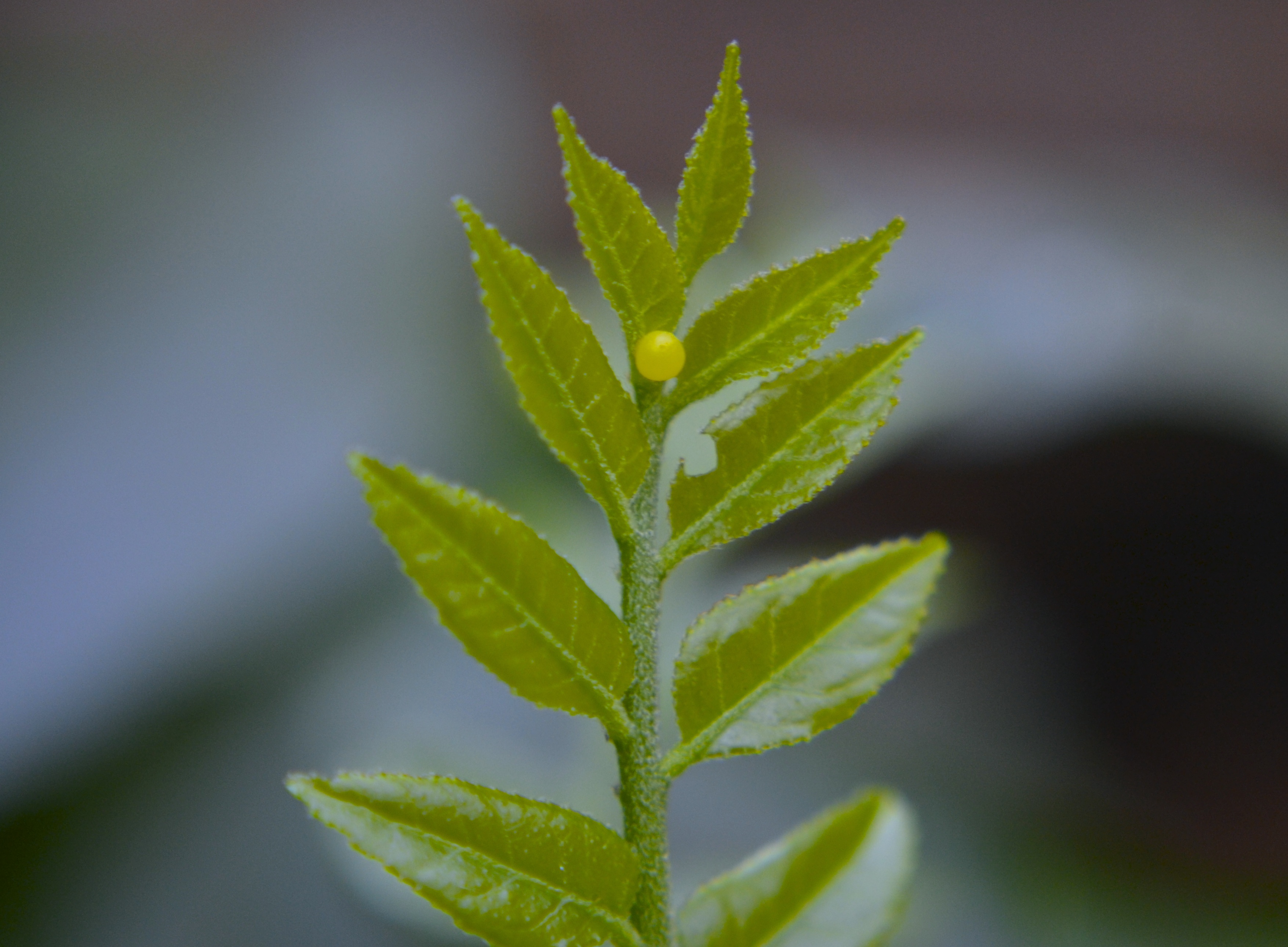
Egg larva from the Mormon Butterfly
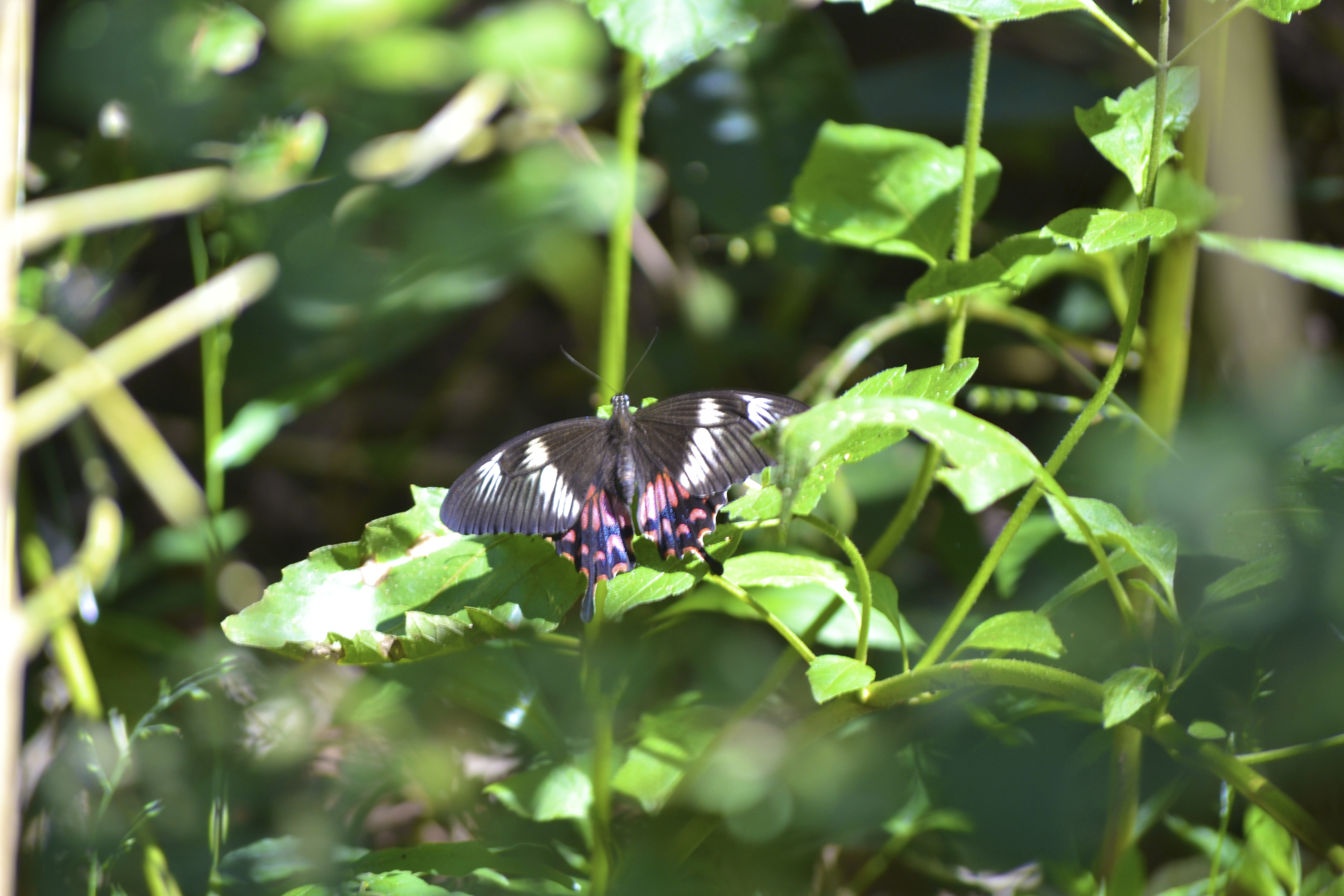
Mormon Swallow Tail Butterfly
 Organikos
Reblogged this on Voices and Visions.
Great blog, I want to go!!! Keep it up!
Wow, Derek, sounds like a really cool place. Can’t wait to visit there.
Impressive