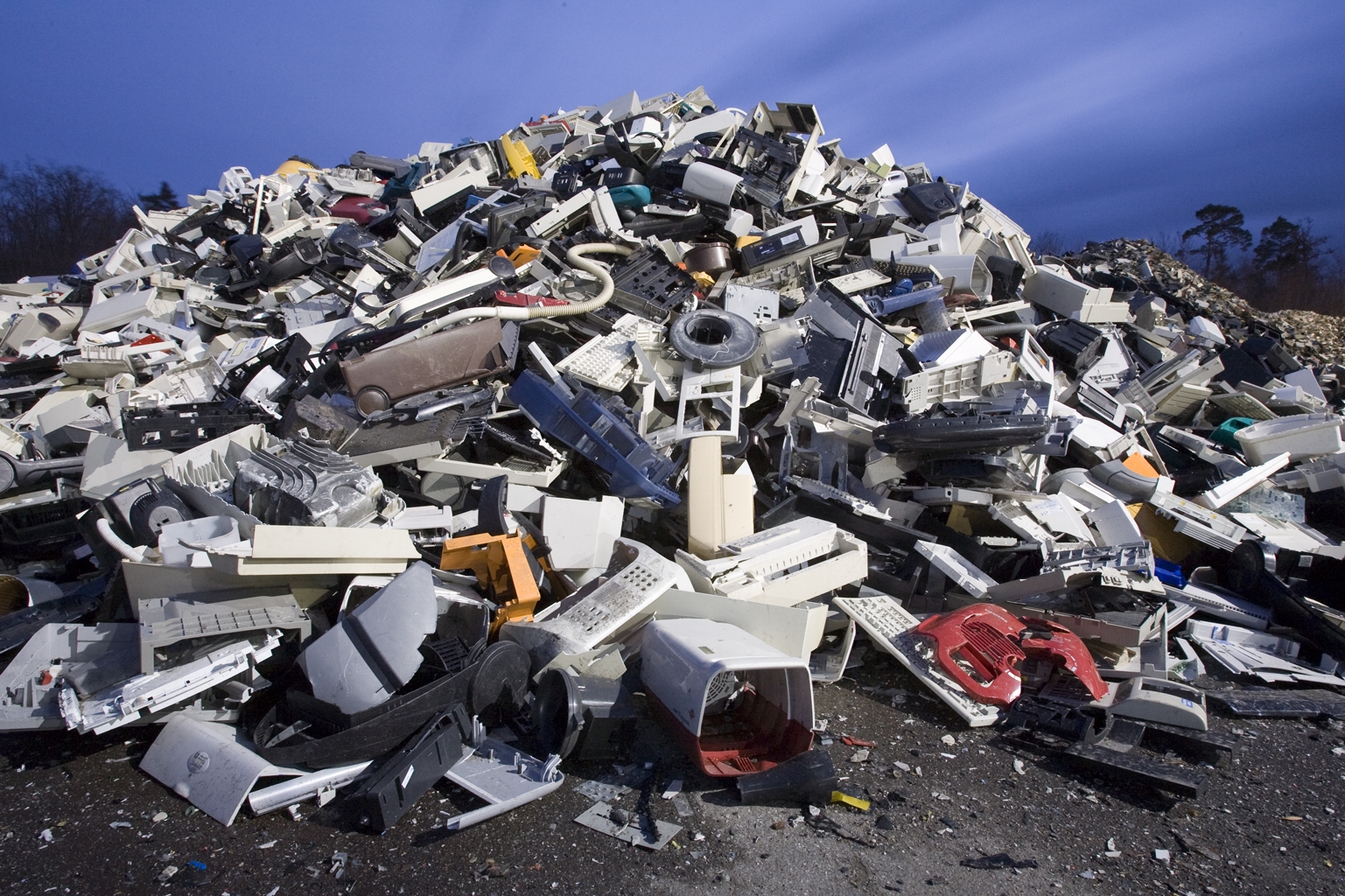
The StEP Initiative forecasts that by 2017, the world will produce about 33 percent more e-waste, or 72 million tons (65 million metric tons). That amount weighs about 11 times as much as the Great Pyramid of Giza.
By 2017, the global volume of discarded refrigerators, TVs, cellphones, computers, monitors and other electronic waste will weigh almost as much as 200 Empire State Buildings, a new report predicts.The forecast, based on data gathered by United Nations organizations, governments, and non-government and science organizations in a partnership known as the “Solving the E-Waste Problem (StEP) Initiative,” predicts e-waste generation will swell by a third in the next five years, led by the United States and China. The StEP Initiative created a map of the world’s e-waste, which is available online. [Infographic: Tracking the World’s E-Waste]
Until now, comprehensive data on global e-waste has been hard to come by, and countries define e-waste very differently. For example, the United States only includes consumer electronics such as TVs and computers, whereas European nations include everything that has a battery or power cord in the e-waste category. Find some figures here.
As with every problem, there’s got to be an effective way around it. And Indian company Karma Recycling is doing its bit. The firm founded in 2013 is extending the reuse cycle of these smartphones. They buy used gadgets from Tier 1 cities and sell them to consumers in tier 3 to tier 7 cities in India. Nearly 1.2 lakh quotations have been made on the site so far. The site has purchased 17,000 devices this year — 95 per cent of these have been reused and resold.
Read more here.
 Organikos