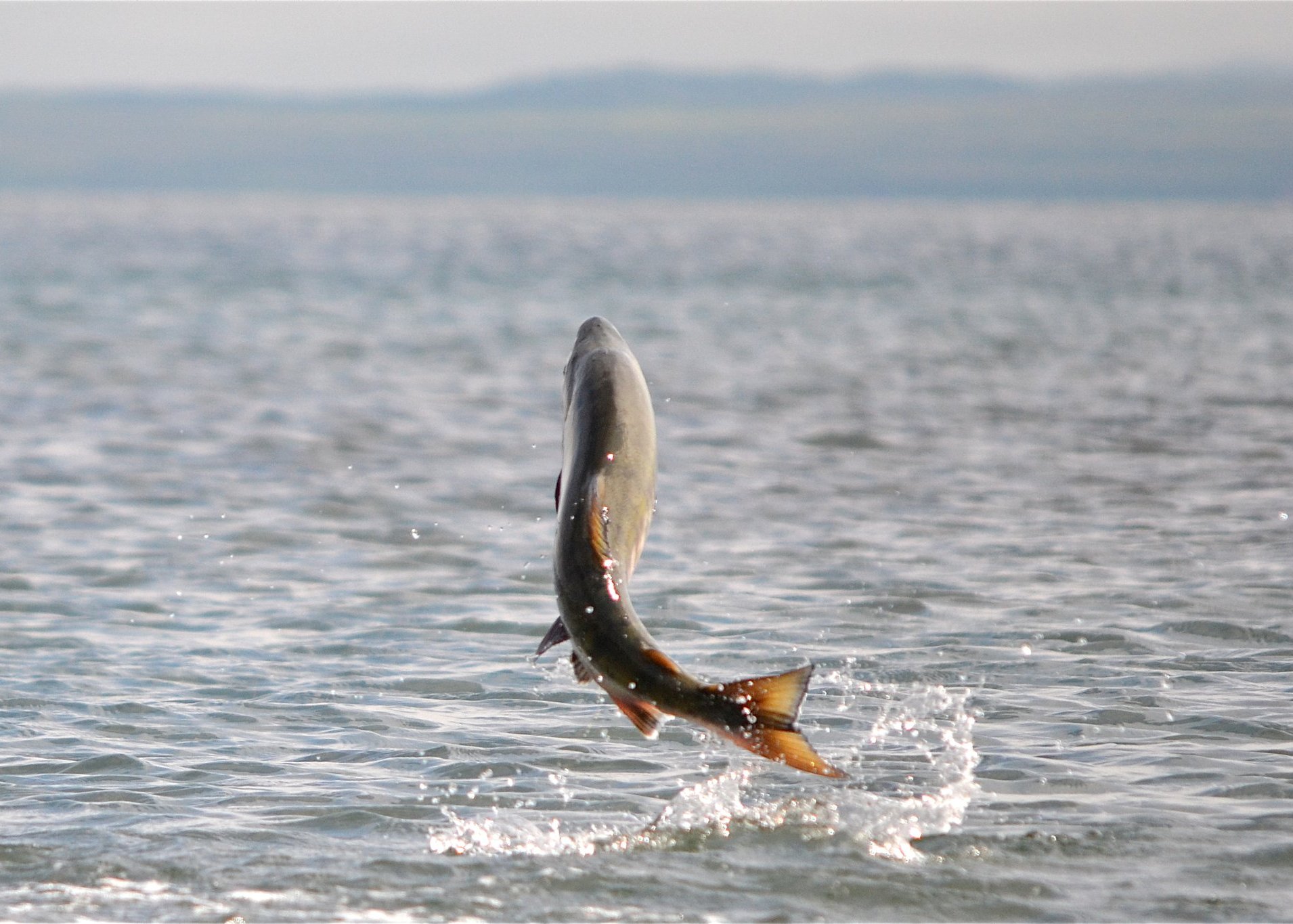
In 2010, environmental NGO Oceana ordered studies of fish in 14 major metropolitan areas and found that roughly one third of the fish found in restaurants and markets was mislabeled . PHOTO: Wikimedia Commons
The efforts of the government to regulate Big Fishing and all its known and unknown evils often have the adverse effect of undercutting people for whom the ocean is something more than mere industry. The realities on the docks aren’t always as legislators understand them, says this first installment of the Medium‘s inaugural episode of Food Crimes: The Hunt For Illegal Seafood.
The United States imported as much as 90 percent of its fish in 2013, up from 54 percent in 1995, according to the National Oceanic and Atmospheric Administration (NOAA). In fact, the United States has tripled the dollar amount of fish it imports, to more than 5 billion pounds of fish worth $18 billion. Couple these figures with the staggering estimate that between one quarter and one third of all fish sold in the United States is illegal, and you’re an equation or so away from going vegan.
In regulator-speak, this portion of the fish trade is dubbed IUU: Illegal, Unreported, Unregulated. IUU fish can include everything from a striped bass that local fishermen offload to friends after they catch more fish than quotas allow to a live lobster that comes in at less than one-eighth of an inch below regulation. But by far the biggest IUU problem is the many tons of international fish that pass through multiple foreign ports and are intentionally mislabeled to fetch a higher sales price or avoid detection as an overfished commodity. The former is an issue that exists at the species level: It’s likely that haddock filet you bought for dinner isn’t haddock at all.
A larger number of American politicians are beginning, gradually, to take a more vocal interest in these problems. In March 2015, the Obama administration announced it would give government agencies more resources to track fish and prosecute people who aren’t providing detailed information on their haul. By fall 2015, in fact, the government will begin to put in place new operational standards for identifying the legality of a fish: who harvested or caught the fish, the name of the vessel, and the type of fishing gear used in the catch. Starting early in 2016, and according to the proposal, seafood restaurants and shops will be required to tell consumers the entire story of a fish’s traceability. The administration is optimistic that by October 2016 all seafood that arrives in markets will be identifiable as legal fish
Read more on how fishing is facing a decreasing viability and sustainable seafood cooperatives like Dock to Dish here.
 Organikos
Pingback: What’s the Real Price of Fish? | Raxa Collective | WORLD ORGANIC NEWS