
Lake Superior Presque Isle Royale National Park Michigan, USA, Great Lakes
We like the idea of a leader of a national park with a “feisty nature,” since sometimes that is exactly what it takes for conservation to succeed, either in the public or the private sector; so this profile from the BBC, in its ongoing appreciation of the National Parks Service’s 100th anniversary, is the kind of story we are especially happy to share:
…Isolated and iconoclastic, Isle Royale National Park is something of an anomaly among US National Parks, with its territory spread over 200 islands and outcroppings emerging from the frigid waters of Lake Superior, part-way between the US state of Michigan and Canada.
Isle Royale’s former Superintendent, Bill Fink (no relation to me), is an iconoclast himself, almost as if the qualities of the archipelago rubbed off on him during his four years running operations there from 1990 to 1993.
“I was landlord, head plumber, chief of police, phone operator; you name it, I did it,” he said. “Being so remote, so far north and being on an island, you really have to become self-sufficient.”
Regular supply boats and ferries arrived from the mainland during the park’s open season from May through September, but even during times of tough weather, faulty supplies or failing electricity, Fink was happy to spend time on the islands. “Better than staying on the mainland during the winter and feeding the administrative monster,” he recalled.
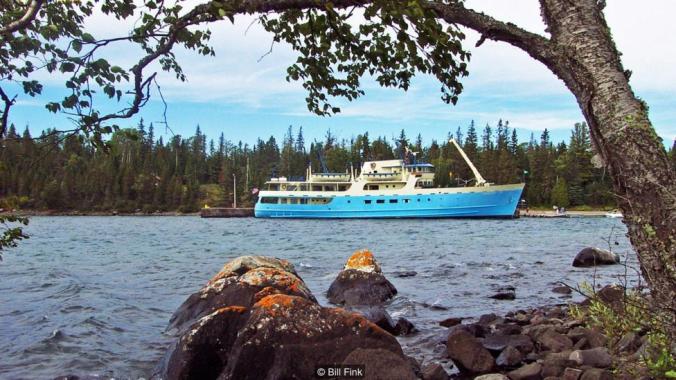
Supply boats and ferries regularly stop off during the park’s open season (Credit: Bill Fink)
Fink’s passion for the national park system continued when he left Isle Royale to helm the Keweenaw National Historical Park, also in Michigan, in 1994. That year, when Congress shut down US government operations during a budget battle and told all federal employees to stay home, Fink refused to leave his post. “I was working hard to provide a good experience for taxpayers, and stopping that just seemed asinine.”…
Read the whole article here.
 Organikos