Source: The Guardian
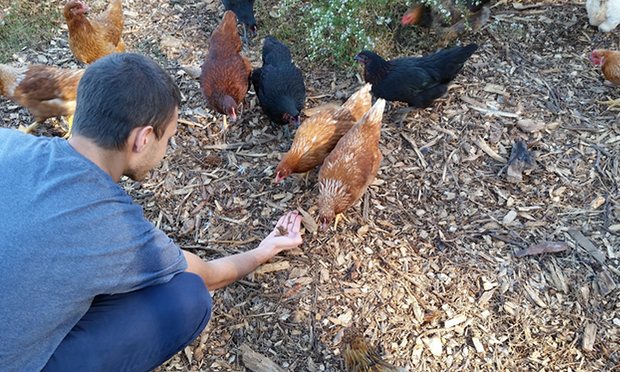
Two Georgia Tech graduates (who also happen to be cousins), Sean Warner and Patrick Pittaluga, are breeding and selling an insect many people consider revolting in order to provide a more sustainable substitute for animal feed (if you are about to eat a meal, I recommend postponing this article for a later, food-free, time). The insect they are growing is larvae, specifically black soldier fly larvae. Grubbly Farms, the name of their company, dries the larvae and sells them whole as chicken treats. This is a more sustainable protein and fat source for chickens, pigs and farmed seafood compared to the more popular animal feed that is based on fish, called fish meal.
Around 75% of the fish used in [conventional fish meal] are wild-caught species of small fish such as anchovies, herring and sardines. Demand for these species will likely increase as the world relies more on fish farming – and less on depleting wild fish stocks – to feed the growing appetite for seafood.
Grubbly Farms’ business plan isn’t just about creating more nutritious and sustainable animal feed, Warner said. It’s also looking to tackle America’s billion-dollar problem with food waste – produce and leftover foods being tossed away by businesses and homes and clogging up landfills at the rate of 52m tons per year. Warner is feeding the larvae fruit and vegetable pulp from a local juicery, and the company has also recently started working with a bakery to add days-old bread to the mix. Warner estimates that once production is up-and-running, they will use around two tons of food waste a day.
The cousins want to eventually set up farms in other parts of the world, such as India, where they could use organic waste, such as human feces, and help to address sanitation issues. Black soldier fly larvae contain antimicrobial properties that could potentially reduce E coli and salmonella in organic waste.
As the larvae eat through the human waste, said Warner, they reduce it in volume and weight while also aerating it, reducing the odor.
“We’d set up a facility similar to a septic tank that would use the larvae to sanitize the waste and provide a protein source for the larvae,” said Warner. “We’re just trying to be as sustainable as possible in most aspects, and close a few loops along the way.”
To learn more about Warner and Pittaluga’s grubby Grubbly story, continue reading here.
 Organikos