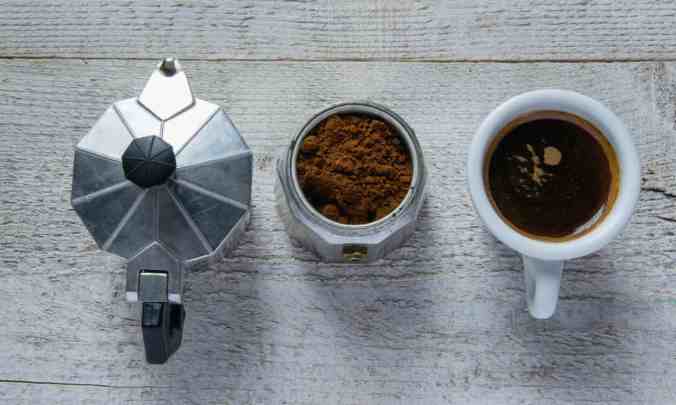
Moka pots … cheap but not cheerful. Photograph: Alikaj2582/Getty Images/iStockphoto
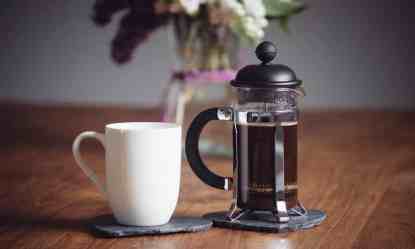
Gritty … a cafetière. Photograph: Getty Images/EyeEm
Tony Naylor’s story in the Guardian about the merits of various coffee makers catches my attention. Not because the coffee made by French press method, aka cafetière, is pronounced inferior to pods (we have long acknowledged that pods can produce excellent coffee but as noted below are ecologically irresponsible), and not just because of the recommendation to keep:
…a stash of single-origin beans in the freezer…
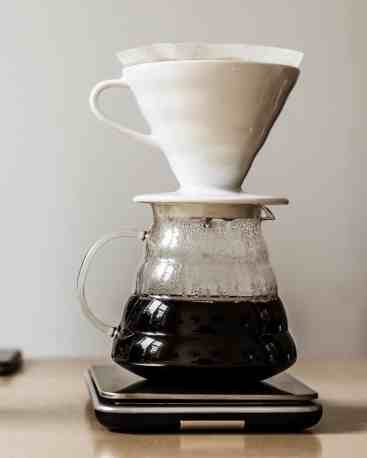
Filter … the best home option? Photograph: Getty Images/Westend61
(I thought by now it was commonly accepted fact that the freezer is an enemy of coffee).
Moka pots are thrashed in this review, and I am in agreement with the assessment. And instant? Talk about straw dog. Mainly I was surprised that the pour over is the overwhelming favorite for an ecologically more sound, gustatorily superior method of producing the best cup of coffee at home. I am using a cheap-o brew machine with a mesh filter (i.e. reusable so no waste) in which I put my freshly ground beans and this method is not even reviewed. Hmm. What am I missing?
Moka pot, machine, filter or instant – which produces the best coffee?
The company behind the iconic Italian stovetop gadget is in financial difficulties – is that because there are now better ways of making coffee? We put the most popular methods to the test
Italians may find their morning espresso tastes awfully bitter this week, as the Bialetti group – the maker of the iconic stove-top moka coffee pot – struggles to stay afloat. The popularity of pod coffee machines, along with a sluggish Italian economy, has put the mockers on the moka, with Bialetti, a reported €68m (£60m) in debt, negotiating a bailout deal with the American hedge fund Och-Ziff Capital Management.
Invented in 1933 by Alfonso Bialetti, the affordable aluminium Moka Express was meant to mimic espresso-quality coffee at home. Water boils in a bottom chamber and is forced up through the grounds to produce an intense hit of caffeine. The pot was once so popular that, according to a 2016 New York Times article, 90% of Italian households had one. Were they on to something? Or is there a tastier, more practical and sustainable way to make coffee at home?
Moka pots
Yes, they’re cheap (John Lewis is selling Bialettis for £20), but the coffee is often hugely bitter and over-extracted rocket fuel. Priming the chamber with coffee that is ground to the right size is fiendishly difficult and coffee should not be boiled. For maximum character, brew at 90C-96C (194F-205F).
Takes practice: 5/10
Bean-to-cup machines
Good ones can set you back £2,000 (look for at least 15 bars of pressure; De’Longhi’s PrimaDonna Deluxe is impressive at about £800), but, indisputably, domestic bean-to-cup machines offer the closest in quality – freshly ground beans, correct serving temperatures, convincingly textured milk – to the coffee at your local hipster-barista hangout.
A prohibitively expensive 8/10
Pod machines
There is nothing suavely George Clooney-like about scalding yourself while removing the pods in a rush. The hunt for a quality capsule and idiot-proof machine (Nescafé’s Dolce Gusto pods or Magimix’s Nespresso range) can be a sisyphean task, and all that plastic and aluminium waste is indefensible. But the coffee? Pretty impressive.
An ecologically unsound 7/10
Cafetières
In theory, this should be a sustainable and superior option to the moka. In reality, it is impossible – blame steeping it too long, your juddering plunge action, a misjudged grind-size or the way the filter bends at its edges – to produce cafetière coffee that isn’t flat in flavour, full of bitter grounds or both.
A gritty 4/10…
Read the whole review here.
 Organikos
Pingback: Coffee-Making Method Matters — La Paz Group – Coffee Break Archaeology