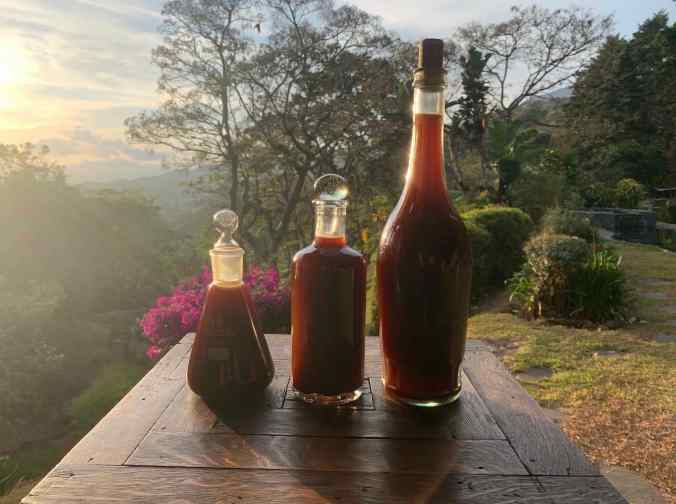
 I have been wondering in recent months whether there is something we can do to further reduce the carbon footprint of the coffee we sell? Is there a way to do that and simultaneously improve the taste of our 12 varieties of coffee? The idea of brewing without heat is not new, but I resisted it. I did not like the name cold brew, nor the concept, for the same reason I resist anything smacking of trendy or fashionable: fads fade. I was wrong, in this case. And as soon as I acknowledged to myself that I might be wrong, I demonstrated it with results that I am happy to share here.
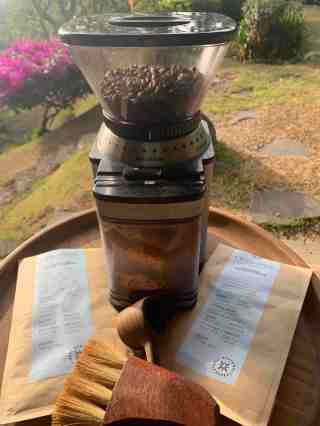
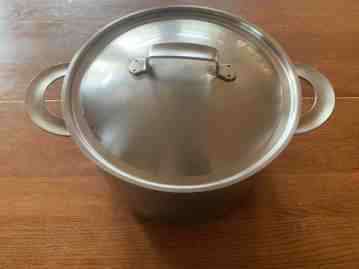 Instead of cold brew, a better name is slow brew, bypassing the carbon footprint of refrigeration. It is as simple as this: grind a pound of coffee at medium and place it in a stainless steel pot. Add two cups of room temperature water (I run tap water through a Britta filter) and gently stir the grounds.
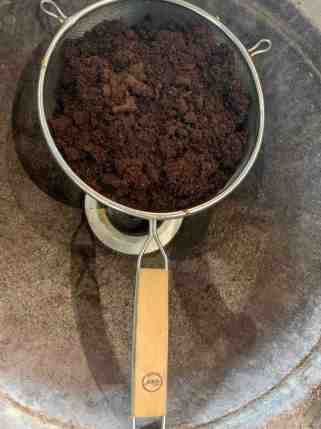 Add eight more cups of water and cover, letting the coffee brew for at least 12 hours. Strain through a medium sieve–1/16 mesh is perfect for coffee ground at medium–into another stainless steel pot, letting it drip until the grounds look dry as in the picture to the right. Next use a fine sieve to strain the brew again. You will have about eight cups of coffee that is much stronger than I normally enjoy, but it is worth tasting for the intensity and complexity. After experimenting I found that combining one portion of slow brew with an equal portion of water created the perfect flavor profile.
 Organikos