
Just as much as we want packaging of our drinking water to be carefully thought out, we also want the channeling of water to make sense:
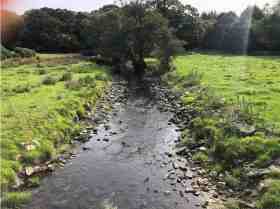
How the beck at James Robinson’s farm looked before the introduction of natural flood management techniques. Photograph: James Robinson
‘The wildlife that has come is phenomenal’: the UK farmers holding off floods the natural way
Planting trees, creating floodplains and rewilding rivers are among the new techniques being used to adapt to a heating climate
The streams, or becks, that run through James Robinson’s Lake District farm used to be cleaned out regularly – with vegetation yanked out and riverbeds dredged, or even completely filled in.
“The becks on our farm have suffered from overmanagement. We’ve got these elevated becks on some of our farm as well as some that have been cleaned up and cleaned out – it’s been a bit rubbish for ecology and for flood management,” he says now.
His family had run the farm for generations, but Robinson was already rethinking the way that things had been done, and had taken the farm organic 20 years earlier. And as flooding started to hit the farm more frequently, he began to wonder if changes could be made to the landscape that could make it more resilient.
He started by making the area around the becks wilder, cleaning them up less, as well as making them larger so they held more water and protected the rest of the farm from floods. “What we’ve done is a bit of ‘beck wiggling’,” he says. “The beck initially went down in straight lines that have been straightened hundreds of years ago. But we’ve created scrapes [shallow pools] and created pond areas.”
The farmland had tended to go right up to the edge of the waterways, and that was another practice Robinson needed to change: “We fenced off a lot of becks from grazing, to help the vegetation growth come back.” Since leaving the sides of the banks to grow, he has started to see forest regeneration, which helps nature as well as averting floods.
He has also planted trees, to hold more water and improve the soil. “We’ve done a lot of planting. We planted about 10 acres [4 hectares] of our pasture last year, and that will benefit the cattle for shade. We are going to get increased temperatures in coming years so cattle are going to need a lot more shade.”…
Read the whole article here.
 Organikos