Pandas & Baboo

dsc01051_zpsamb3vgjs

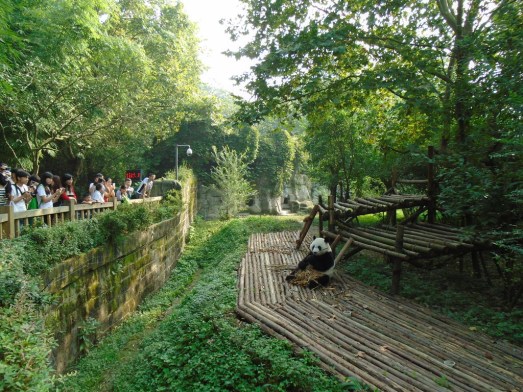
Giant panda feasting on some bamboo at Chengdu Research Base.

Reading this morning’s news about the giant panda being moved from “endangered” to “vulnerable” by the International Union for Conservation of Nature, reminds me of my small stuffed (artificial) panda bear called Baboo and the backstory to getting him.

During my semester abroad in China two years ago, I made a trip to Sichuan province and visited the Chengdu Research Base of Giant Panda Breeding. I had never seen a panda before and the opportunity to watch many of them (not only the giant panda, but also the red panda) was an opportunity I did not want to miss.

Continue reading

Regenerative Agriculture Revolution

kempfhero

Source: Modern Farmer

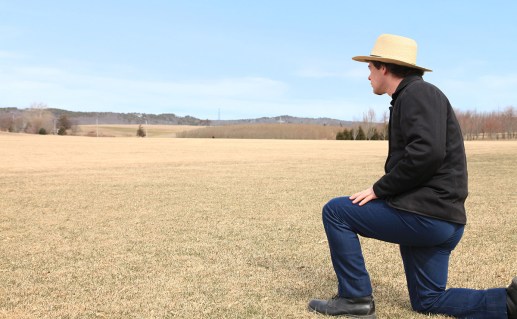
Organic farming is the agricultural “trend” that we keep hearing about for the future, but what about a different type of farming method that is not certified organic but is still environmentally friendly? The following is the story of John Kempf, a young Amish man who embarked on a quest to rescue his family farm from worsening disease and pest problems and from it all, became a staple in the alternative-agriculture lecture circuit and founder of a consulting company, Advancing Eco Agriculture (AEA). Here’s his story as shared on Modern Farmer:

Once he finished school at age 14, Kempf went to work on his family’s fruit and vegetable farm in northeastern Ohio, overseeing irrigation, plant nutrition and herbicide and pesticide applications. In the fields, Kempf used horses instead of a tractor, with a sprayer powered by a small Honda engine.

It was a trying time for the family. Pests and disease were ravaging the crops, and Kempf found himself mired in escalating chemical warfare against them, with little success. Things hit a low point in 2004, when well over half of the Kempfs’ mainstay crops – tomatoes, cucumbers, zucchini and cantaloupes – were lost. With the family staring at an increasingly bleak financial situation, Kempf, then 16, set off on his mission to relearn everything he’d been taught about farming.

Continue reading

Our Attention to Plants (or Lack Thereof)

landscape-1439490128-plants

Compared to “juicy” pop culture news, nature-lovers and conservationists constantly have to fight for people’s attention on subjects like endangered animals or protected wildlife. However, the struggle for plant devotees to garner people’s interest on green eukaryotes is much more difficult, except maybe for some garden-popular flowers and vegetables, and perhaps a few trees, but otherwise plants go unnoticed.

Conservation efforts are devoted overwhelmingly to animals; compared to the hundreds of plant species easily found but mostly overlooked in our environs. There’s even a formal name for this: plant blindness. And in a study published in the journal Conservation Biology, biologists Kathryn Williams and Mung Balding of Australia’s University of Melbourne ask whether it’s inevitable: Are people hard-wired by evolution to ignore the vegetal world? Can something be done about it?

“We are absolutely dependent on plants for life and health, but so often they fade into the background and miss out in the direct actions we take to protect our planet,” says Williams. “I wonder how the world would look if more people, instead of seeing a wall of green, saw individual plants as potential medicine, a source of food, or a loved part of their community.”

Continue reading

National Park of the Week: Ergaki National Park, Siberia

information_items_555

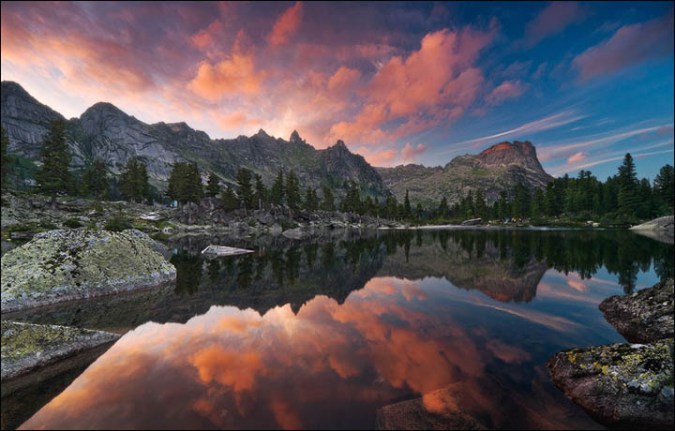
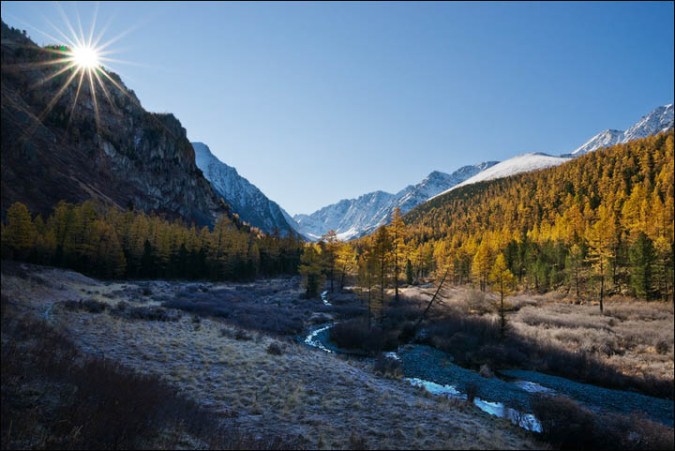
Photos by Moscow based photographer, Alexander Ermolitsky

Colloquially referred to as the “Russian Yosemite,” Ergaki National Park is a mandatory stop for those who ever plan to travel to Russia, and more specifically, to Siberia. Located in the Western Sayan Mountains of Siberia, this 342,873 hectare park of steep mountain ranges and glacial streams and lakes will break your camera lens with its beauty – figuratively speaking.

Continue reading

Solar Energy Benefits for All

h_bostonia_16-9939-solarpanel-116

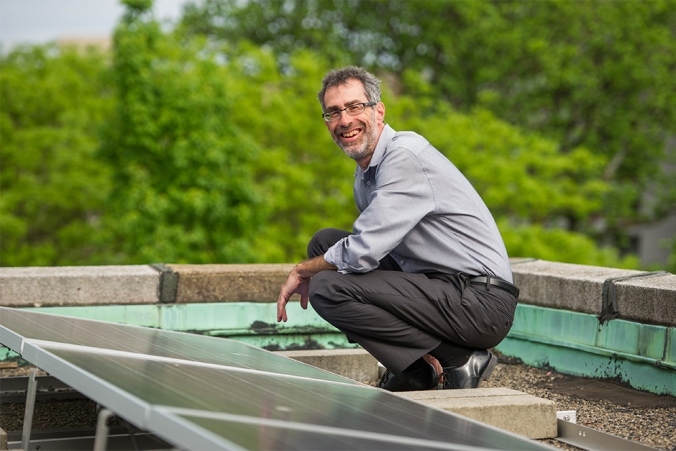
All photos from: Boston University Bostonia

It seems obvious that investing in renewable solar energy saves money for those who install photovoltaic (PV) systems for their homes. However, what might not be so obvious is that PV systems also reduce electricity prices for all those with no solar panels, as professor Robert Kaufmann from Boston University discovered. His research revealed that the approximately 40,000  households and community groups with solar panels in Massachusetts reduce electricity prices for all of the three million electricity ratepayers in the state, including those with no solar panels.

“Until now, people have focused on how much was being saved by those who owned PV,” says Kaufmann. “What this analysis quantified was that it actually generates savings for everybody.”

Continue reading

If You Happen to be in Hong Kong

e10171af-5ded-4e02-ad2a-89768ff00b5e

Source: globaltimes.cn

Milk tea is the liquid blend of East and West, and if you happen to be in Hong Kong, you will find yourself among a populace that covets this sweet, aromatic drink just as much as Americans crave their daily coffee. Milk tea is the equivalent fast and convenient to-go drink in Hong Kong, and the city gulps down about 2.5 million cups a day. The drink is a a local institution that has a a yearly Hong Kong milk tea contest and this year’s competition was steep, to put it mildly.

Milk tea is a blend of black teas, combined with a high proportion of either evaporated milk and sugar, or simply sweetened condensed milk. The use of concentrated milk products gives milk tea a very thick, creamy consistency, and a high sugar content makes the beverage a harder, stiffer, bolder drink than many Americans would associate with tea.

The specific methods and materials are closely kept secrets of individual diner-like cha chaang tengs, the primary drinking establishments for milk tea, but some of the basics remain the same.

Continue reading

Lights Out for Halogens in Europe

4608

Image source: The Guardian

A new light display is illuminating Europe – one that is more energy efficient. As of today, no new retail orders will be possible for directional halogen bulbs in EU countries and therefore the last halogens left in stores will not be replaced with new stock.  Halogen bulbs can waste up to 10 times more energy that LEDs and the first targets of the halogen bulb ban, which will go into full effect in 2018, are GU10 spotlights and PAR30 floodlights.

Which? magazine last month advised its readers to switch to LEDs, which can cut lighting electricity bills by up to 90%, according to the cool products efficiency campaign.

“With bulb purchase costs included, British homes on the average tariff will pay £126 per socket over a 10-year period for halogen lights, compared to £16 for LEDs,” said Jack Hunter, a coolproducts spokesman.

Continue reading

High Fashion Upcycling

om-archist_upcycling

Source: triplepundit.com

The concept of upcycling has become a movement thanks to innovative and sustainable companies that divert our wasteful habits and produce other goods in order to recreate the cycle in nature: nothing goes to waste. An example of one of these companies in the clothing industry is Looptworks. The company only uses excess materials that would have otherwise been incinerated or ended up in landfills to create high-quality bags, accessories and apparel.

Co-founder Scott Hamlin noticed the issue of clothing material waste in the manufacturing process during the time he worked for a large outdoor apparel company.

“Thirty percent of our materials never actually got used in manufacturing,” Hamlin said of his prior work experience with an outdoor gear company. “To me, that was a huge issue that nobody was talking about. It was dealt with as ‘business as usual.’”

Continue reading

The Debate over Wildlife Farming

Indonesians Farm Civet Cats To Produce World's Most Valuable Coffee

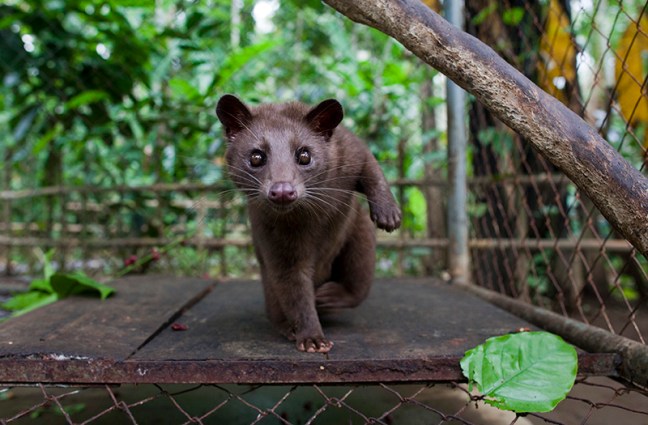
An Asian pal civet at a wildlife farm in Bali, Indonesia. Source: Yale

Whether wildlife farming helps or hurts threatened species is a highly contested question among conservationists and food security consultants. An article written by Richard Conniff in Yale News helps us understand both sides of this controversial and lesser-known practice:

Wildlife farming is … a tantalizing idea that is always fraught with challenges and often seriously flawed. And yet it is also growing both as a marketplace reality and in its appeal to a broad array of legitimate stakeholders as a potentially sustainable alternative to the helter-skelter exploitation of wild resources everywhere.

Food security consultants are promoting wildlife farming as a way to boost rural incomes and supply protein to a hungry world. So are public health experts who view properly managed captive breeding as a way to prevent emerging diseases in wildlife from spilling over into the human population.

Continue reading

Comic Heroes Promote STEAM

steam-comics-01_custom-178e12d22e5a23c61e43f2d12b77fd95c322801d-s800-c85

Moon girl and Spiderman. Image from Marvel

Comic superheroes is a curious topic to cover here, but relevant with the development of Marvel’s new comic series of STEAM Variants. Five of Marvel’s heroes are stepping to into a new role and tackling new challenges in science, technology, engineering, art, and math (hence STEAM, sometimes referred to as STEM, which lacks the art component) with the intent of inspire young readers to explore their passions in those disciplines.

“We plan to continue to motivate our fans to explore their passions in the fields of science, technology, engineering, art, and math and present these disciplines through some of our favorite young heroes who are doing just that — following their dreams and preparing for the challenges that await them ahead,” David Gabriel, Senior VP for Sales & Marketing of Marvel Comics said in a statement.

Continue reading

Who Will Regulate Lab-grown Meat and Milk?

David Parry/PA Wire via Science Magazine

Like most people, we hold reservations about the idea of putting meat, milk, and egg whites made from laboratory cellular agriculture on the market. Will the proteins be safe for humans to consume? Might there be some unforeseen environmental impact even worse than that of raising cattle where rainforests once stood? Are there ethical considerations that outweigh the hope of freeing the chickens that are kept in cages their whole lives just to harvest their eggs?

We don’t have any answers, but are learning more about the whole process this week from Elizabeth Devitt at Science Magazine, where she writes about the fledgling industry and its potential regulators:

The first hamburger cooked with labmade meat didn’t get rave reviews for taste. But the test tube burger, rolled out to the press in 2013, has helped put a spotlight on the question of how the U.S. government will regulate the emerging field of cellular agriculture, which uses biotechnology instead of animals to make products such as meat, milk, and egg whites.

Continue reading

National Park of the Week: Acadia National Park, Maine, U.S.A

ry400

Source: ouracadia.com

I am happy to introduce Acadia National Park in Maine, U.S. as the first feature on our new weekly segment – shout out to Justin for the recommendation! This park is one of many firsts: it was founded as the first national park east of the Mississippi River by President Woodrow Wilson in 1916 (so yes, it is celebrating its centennial along with the National Park Service). In addition, it is famed for being the first place to see the sunrise in the U.S. when standing at the top of Cadillac Mountain during certain times of the year (part of the fall and winter seasons). Continue reading

A New National Monument

gettyimages-454072594_custom-c478935973f2d700617482299bf825218fd6b3e6-s800-c85

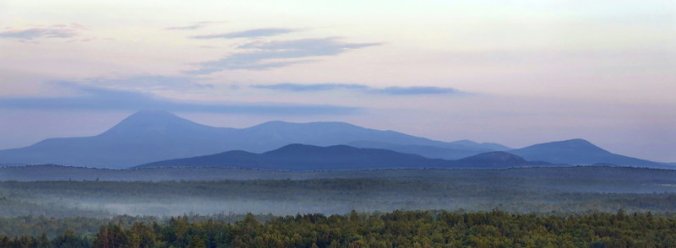
Early morning haze colors from Mount Katahdin and its surrounding mountains. All images from: npr.org

Just in time for the U.S. National Park system centennial, a total of 87,500 acres of mountains, forests and water were donated yesterday by the co-founder of Burt’s Bees, Roxanne Quimby, and then declared a national monument. President Obama announced the creation of the Katahdin Woods and Waters National Monument, a land that used to feed paper mills and is now permanently protected from lumber extraction. The monument will be managed by the National Park Service and allow recreation while protecting resources.

The designation of the woods as protected territory has been in the works for years — and has been controversial among locals, who worried about federal oversight of lands that used to be central to the regional economy.

Continue reading

“Bye Bye” to Dolphin Selfies

5400

Dolphins are one of the most adored aquatic mammals due to their charismatic and friendly nature. In Hawaii, spinner dolphins attract thousands of tourists to the island every year, but the lack of regulation on human interaction with these social creatures is changing their behavior and disrupting their sleep cycle:

Spinner dolphins are nocturnal, foraging in the deep ocean at night and returning to shallow waters to rest during the day, said Susan Pultz, the chief of conservation planning and rule-making for the National Marine Fisheries Service.

“When you get the numbers [of tourists] we’re seeing, they’re constantly disturbed all day long. That’s their resting period,” said Pultz.

“As we all know, if you don’t rest day after day after day, it does affect your fitness.”

Continue reading

Mobile Farmers Market Headed to Austin Neighborhoods

ben-watering-transplants-2

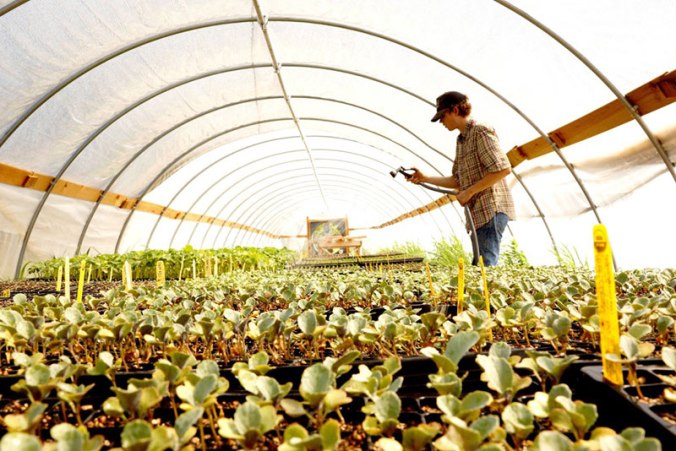
Source: Farmshare Austin

We have shared on previous occasions the benefits of organic farming. Well, getting affordable organic produce to neighborhoods who don’t have a single grocery store is commendable task, and the mission of Farmshare Austin. The non-profit organization received a grant from the city to help launch the program, which will make designated weekly stops in neighborhoods around Austin that lack access to organic fruits and veggies.

“Large areas of the city and county do not have full-service grocery stores, and it can be difficult for people in these places to get fresh, affordable food for themselves and their families,” [says] Taylor Cook, Farmshare Austin’s executive director. The market will target four areas, for now, that need the service most, and it will park in each district through an afternoon and evening. Cook says besides offering fresh seasonal produce from the organization’s 7-acre organic farm, they will also offer other staples, like cooking oil, on hand, so residents will have access to everything they need to cook a meal. The program accepts SNAP benefits and participates in the Sustainable Food Center’s Double Dollars program, allowing consumers using food assistance  to double their buyer power for fruits and vegetables. The pilot program will begin next month and run through the end of December. Cook says they hope to expand the mobile farmers market program in the coming years.

Continue reading

The History of America’s National Parks through Maps

03_gettysburg_battlefield-adapt-1190-1

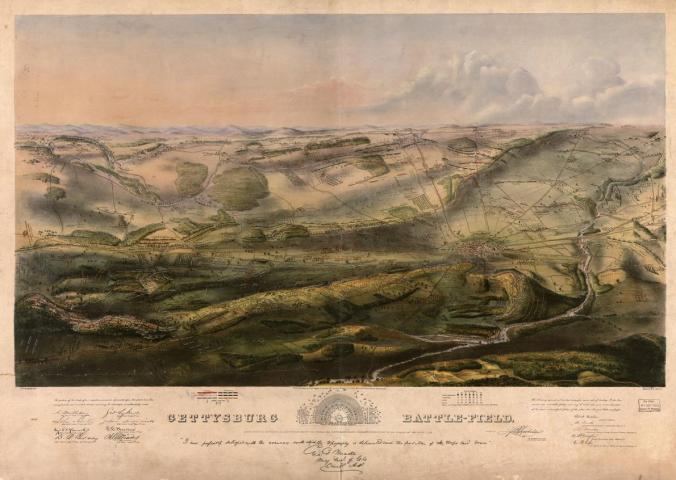
A map depicting the three-day battle of Gettysburg. Source: Library of Congress

Later this week, on August 25th, will be the U.S. National Park Service centennial (more about that on the day in question). So for all history buffs out there, you might enjoy the following article by National Geographic that provides a historical context to several topographical maps of the national parks (a somewhat contrasting view to yesterday’s post on fictional map creation) and their uncharted contribution to historians many years later.

By Betsy Mason

CAMBRIDGE, Mass.—John Badger Bachelder arrived at Gettysburg before the soldiers’ bodies were buried. He spent the next 84 days studying the battlefield by horseback and filling notebooks with the accounts of injured soldiers from both sides of the battle. He even took some of the wounded back to the scene so they could point out their positions and recount what had happened.

Continue reading

The Bosnian Tree Elder

122212_web

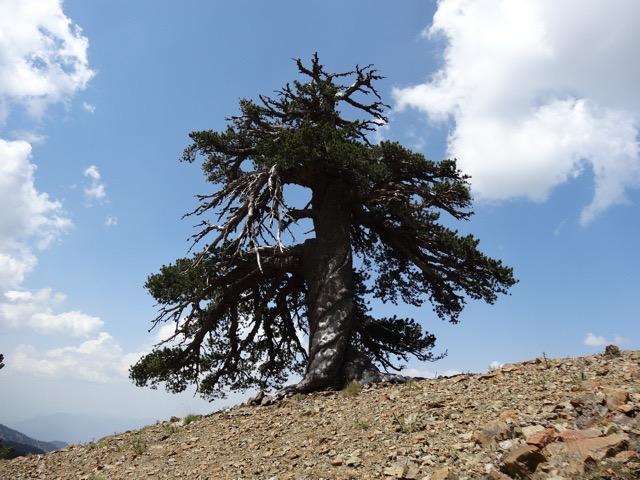
Certain species of trees can grow to be very old, and a group of scientists from Stockholm University  discovered a Bosnian pine (Pinus heldreichii) that would certainly classify as ancient. The solitary Bosnian pine is growing in the highlands of northern Greece and has been dendrochronologically dated– that is, analyzed to see how old the tree is – to be more than 1075 years old, making it the oldest known living tree in Europe.

“It is quite remarkable that this large, complex and impressive organism has survived so long in such an inhospitable environment, in a land that has been civilized for over 3000 years” says Swedish dendrochronologist, Paul J. Krusic, leader of the expedition that found the tree. It is one of more than a dozen individuals of millennial age, living in a treeline forest high in the Pindos mountains.

Continue reading

An Abandoned Quarry Transformed

img_9482-1

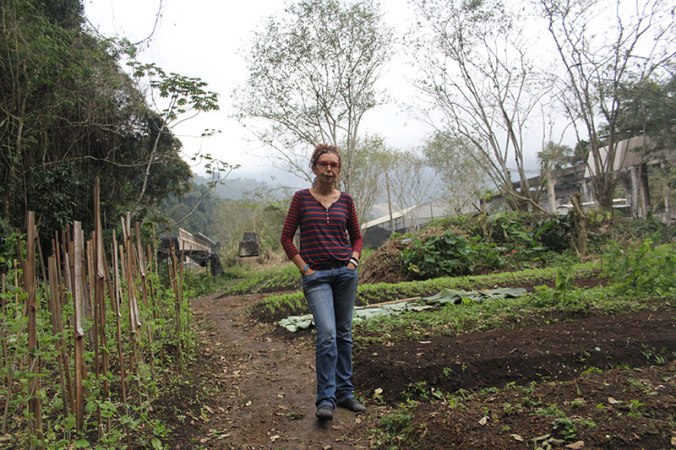
Fátima Anselmo, owner of Orgânicas da Fátima. All photos from: modernfarmer.com

The following is a story about a woman in Rio de Janeiro whose passion for sustainable farming, along with the support of a loyal community, allowed her to transcend an unforeseen hardship and turn an industrial wasteland into a fruitful organic farm. Here’s the story as told on Modern Farmer:

On a steep, forested hillside, in what was once a quarry in Rio de Janeiro, Fátima Anselmo scoops a handful of loose, dark soil from one of her garden beds. “It’s alive!” she says, holding the dirt in the air.

The whole place, in fact, is bursting with life.

Continue reading

Our Landfill Contribution


asset4

The diagram above provides a clear illustration of the amount of waste each person contributes to the landfill per year in the U.S. It is a regrettable outcome that results from decades of unresponsive national policies and unsustainable urban development, but can be remedied with a multilateral shift towards a circular economy, according to Nithin Coca, journalist for Triple Pundit LLC.

One of the reasons that America went down the path of throw-it-away is related to the reason we decided to build vast suburbs instead of dense, sustainable, walkable cities. We have a lot of land compared to most other developed countries. The same space we used to build suburbs, roads and an auto-centric culture, we also used to hide our waste as we moved into a throw-away economy.

Continue reading

A New Weekly Feature!


inside20sun20over20the20mountains

Ergaki National Park. Source: siberiatimes.com

Drawing inspiration from our site’s Bird of the Day, a new weekly feature titled National Park of the Week will publish every Sunday starting on August 28th. We love birds – but other wildlife too! – and we love the environment they (as well as we) live in, so we decided to start this new “column” (if this was a newspaper) to promulgate the protected areas that reflect the range of biodiversity and natural beauty around the globe. Although this weekly article has the words national park in the title, all types of government-protected areas, such as refuges, reserves, sanctuaries, and parks, will be featured in this category.  Continue reading