Coffee Capsules Are Terrible For The Environment, Still

17REVALUED1-master675

An engineer measuring a K-Cup prototype at a Keurig Green Mountain lab in Burlington, Mass. Tony Luong for The New York Times

Way back when, early last year, I thought for sure this company was going to respond seriously to the challenge posed by the fun-yet-serious viral campaign highlighting its environmental atrocities. Many people I know and love use these machines or machines like them. These friends are generally serious devotees of the capsule machines due to their convenience.

Every person every time, once they learn about how environmentally irresponsible the capsule machines are (more specifically, the capsules themselves are the problem), seems genuinely horrified (or expresses some emotion akin to the one generated by the viral video). But, how many have given up the K-convenience? Hmmm. The notable quote in the following story implies that because demand for this convenience is growing, there is not much likelihood of abandoning the technology–expect continued tinkering for the time being (sounds like fiddling while Rome burned):

A Podcast Worthy Of The Binge

startup_logo_small2

Alex Blumberg was only vaguely familiar to me when I listened to an interview with him on a podcast series that accompanied my early morning bicycle rides in late 2015. I had listened to Planet Money on occasion, and found it amusingly interesting most of the time. I had rarely, if ever, listened to This American Life, though many friends had recommended it.

Blumberg caught my full attention in this conversation recorded in October, 2014 as he described the process of sharing his experience starting up a new company. Continue reading

What The Holiday Wrought

071029_r16568c_p646-320

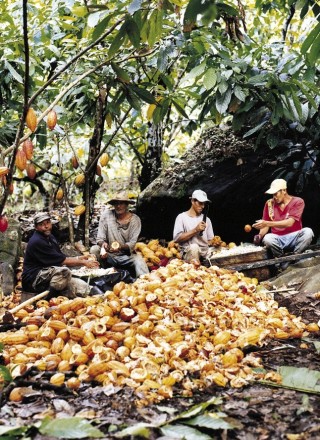
Cutting cacao pods on Diego Badaró’s farm, in Bahia. PHOTOGRAPHS BY JASON FLORIO

Because celebrating the Easter holiday is now so closely associated with chocolate, I presume, this article from the archives is suddenly front and center at one of our favorite websites. During our time in India I have learned from artisanal chocolatiers about Cadbury, among other big candy companies, who incentivized the removal of the high quality cacao that was growing here, in favor of more economical lower quality cacao. Bummer.

I remember first learning about chocolate from this article (click the image to the right to go to it), and it was worth the time to read it again based on my now-expanded interest in chocolate; also because it is a great story of entrepreneurship; and because Bill Buford is one of the greatest long-form writers on food:

Extreme Chocolate

The quest for the perfect bean.

BY BILL BUFORD

On July 7, 2001, Frederick Schilling and his girlfriend, Tracey Holderman, arrived in New York to attend the Fancy Food Show and launch Dagoba, an organic-chocolate company. Schilling had just turned thirty, Holderman was twenty-nine, and the show was the first entrepreneurial event of their lives. Dagoba had no employees and no orders. It had a lease for a ground-floor industrial space in Boulder, Colorado (the “factory”), and an investment of twenty thousand dollars (borrowed from Schilling’s mother and an uncle), which, after flights, a hotel, and a fee for the smallest possible booth, against a dark wall in the basement of the Jacob K. Javits Convention Center, was gone. It also had “launch products”—seven bars, including infusions of raspberry and mint—an amateurish jamboree, confected and poured into molds by a man who had never liked chocolate, hand-wrapped by a woman who rarely ate more than two ounces a year, and tested only by their Boulder friends and roommates, a scraggly crew of ski bums and folksingers. Dagoba was more bedroom than boardroom. In New York, that changed. Continue reading

An Unusual Library With A Conservation Mission

3058058-slide-3-the-rarest-colors-in-the-harvard-pigment-library.jpg

A short note here to link out to a story of interest because of its intersection of conservation, commerce and education. Thanks to this new (to us) source of interesting (to us) news:

The Harvard Library That Protects The World’s Rarest Colors

The most unusual colors from Harvard’s storied pigment library include beetle extracts, poisonous metals, and human mummies.

Today, every color imaginable is at your fingertips. You can peruse paint swatches at hardware stores, flip through Pantone books, and fuss with the color finder that comes with most computer programs, until achieving the hue of your heart’s desire. But rewind to a few centuries ago and finding that one specific color might have meant trekking to a single mineral deposit in remote Afghanistan—as was the case with lapis lazuli, a rock prized for its brilliant blue hue, which made it more valuable than gold in medieval times. Continue reading

Lay Folk Lessons

Konnikova-Resilience-690

Perception is key to resilience: Do you conceptualize an event as traumatic, or as a chance to learn and grow? ILLUSTRATION BY GIZEM VURAL

As science writers get better and better at reaching lay audiences–starting with Daniel Goleman’s work three decades ago for the New York Times that led to his eventual blockbuster success with Emotional Intelligence (and its many spinoffs) and expanding to much more than the several superstars we have been highlighting in these pages since 2011–it gets more and more tempting for we lay readers to think we “get it.” Hopefully we do some, if not all of the time, get the science enough not only to understand it but perhaps even act on it.

This science writer has become one of my favorites, and this particular online posting (two samples are drawn from the middle section) is a perfect example of why, in terms of the valuable actionable knowledge it imparts:

How People Learn to Become Resilient

BY MARIA KONNIKOVA

…Whether you can be said to have it or not largely depends not on any particular psychological test but on the way your life unfolds. If you are lucky enough to never experience any sort of adversity, we won’t know how resilient you are. It’s only when you’re faced with obstacles, stress, and other environmental threats that resilience, or the lack of it, emerges: Do you succumb or do you surmount?… Continue reading

Spotted Owls, Intangible Heritage, Future Fortunes

Screen Shot 2016-02-07 at 8.53.56 AM

About one minute in to Mr. Ziermann’s story, he explains how his intent to pursue a life of timber logging in Oregon was waylaid by the “rules and regulations” (he did not sound happy about these) to protect the spotted owl in the American northwest. I recommend taking five minutes with the video here, and a moment more below if you want my two cents on it.

A Fraught Search for Succession in Craftsmanship

Video by Andrew Plotsky
George Ziermann has been making handmade boots for over 40 years.

Continue reading

Reimagining Trees

TREES-master675

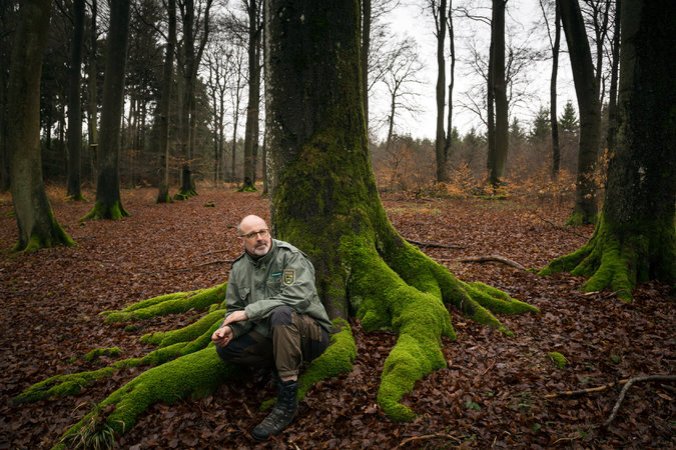
“When I say, ‘Trees suckle their children,’ everyone knows immediately what I mean.” PETER WOHLLEBEN Credit Gordon Welters for The New York Times

There is an article in the Saturday Profile section of the New York Times this weekend that catches my attention for reasons made obvious in these pages since 2011. Thousands of posts about community, collaboration and conservation, many of which have dealt with the importance of forests. But it most importantly reminded me of a conversation I had with a couple who visited Xandari Costa Rica last year. We had trekked together in the forest reserve, all the while discussing our mutual interest in the concept of biophilia, which has been covered plenty in these pages.

Among other things I recall from that strolling conversation was each of us sharing experiences from years earlier that had caused us to rethink the simple pleasure of a walk in the woods, to consider “what a walk in the woods does for us.” Of course, the simple pleasure is still there, but understanding biophilia can intensify the pleasure of a walk in the woods. And then, if we take it a step further, or deeper, it then causes us to consider the importance of forest conservation, and our prospective roles with regard to conservation.

Those conversations with guests are essential components of our work, so (shout out to Andrew and Holly included) I recommend this article for reminding me…:

…After the publication in May of Mr. Wohlleben’s book, a surprise hit titled “The Hidden Life of Trees: What They Feel, How They Communicate — Discoveries From a Secret World,” the German forest is back in the spotlight. Since it first topped best-seller lists last year, Mr. Wohlleben has been spending more time on the media trail and less on the forest variety, making the case for a popular reimagination of trees, which, he says, contemporary society tends to look at as “organic robots” designed to produce oxygen and wood. Continue reading

Ocean Farms & Better Burgers

Shout outs here. First, as a Connecticut boy myself, I say with some homestate pride that this is the coolest thing to come out of the state in my lifetime. Mr. Smith, our hats are tipped to you. Click the image above to see what he is doing.  Great stuff.

Screen Shot 2016-01-29 at 10.17.53 AMNext, take a look at Mr. Headley’s creation by clicking the image to the right, a place which we first read about here; and then again more recently here. The reason both of these came to my attention today, and why I am compelled to share these links, is worthy of 20 minutes of your time if you care about food-related sustainability issues. For that, in the form of a podcast, click here. A summary of the podcast: Continue reading

Can A University Course Change Your Life?

Grossloh_ChinesePhilosophy_Post

It took graduate school for me to have a life-changing experience with a course. As a literature-focused liberal arts undergraduate I had an entire curriculum of life-forming courses, but not one course that stood out as life-changing. Ironically, the Philosophy of Science course I took in graduate school, the one that set me off in a new direction, was also the one that convinced me to reconsider my commitment to an academic life. And so, while I completed my Ph.D. in part thanks to that course, my life veered toward an applied, practical use of my dissertation, which I comment on from time to time in these pages.

The Atlantic has a story about a course that reminded me of the possibility, and the value, of a life-changing course, and this is worth a few minutes’ read in the interest of continuous learning:

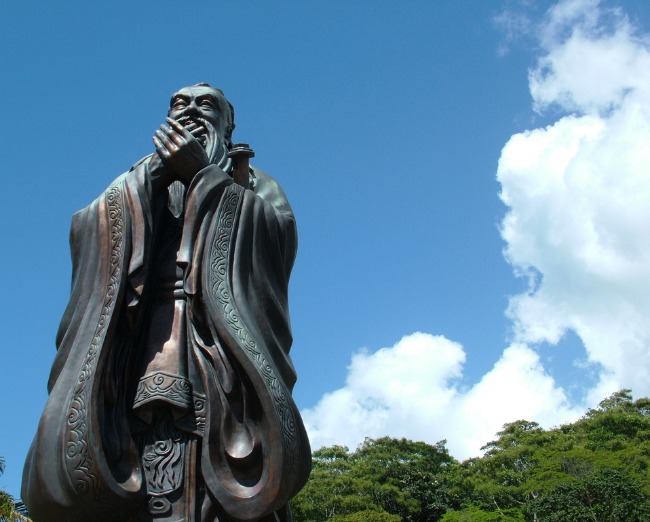
…Puett’s course Classical Chinese Ethical and Political Theory has become the third most popular course at the university. The only classes with higher enrollment are Intro to Economics and Intro to Computer Science. The second time Puett offered it, in 2007, so many students crowded into the assigned room that they were sitting on the stairs and stage and spilling out into the hallway. Harvard moved the class to Sanders Theater, the biggest venue on campus.

Why are so many undergraduates spending a semester poring over abstruse Chinese philosophy by scholars who lived thousands of years ago? For one thing, the class fulfills one of Harvard’s more challenging core requirements, Ethical Reasoning. It’s clear, though, that students are also lured in by Puett’s bold promise: “This course will change your life.” Continue reading

Short Essay On The Commons

160125_r27591-320

ILLUSTRATION BY CHRISTOPH NIEMANN

Several times since 2011 I have referenced my doctoral dissertation, which addressed the “tragedy of the commons,” in these pages. Seth, during his study on the history of environmentalism movements, has also posted on this concept. Now, , excellent writer of one page essays explaining complex economic issues, takes a recent odd news item and helps us understand the role of government in regulating the use of the commons:

Ammon Bundy, the leader of the armed militia that stormed the Malheur National Wildlife Refuge, in Oregon, has a simple solution for fixing the economy of the West: get the federal government out of the way. His group’s chief demand is that the federal government hand over all of Malheur to local control. The ultimate goal, he says, is “to get the logger back to logging, to get the rancher back to ranching, to get the miner back to mining.” Bundy’s tactics make him easy to dismiss as a kook, but his ideology is squarely in the mainstream of Western conservatism, with its hostility to government ownership, skepticism about environmental rules, and conviction that individual enterprise is being strangled by government regulations. Continue reading

Occasional Ideas: Misbehaving With Intent

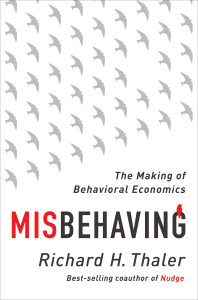
Misbehaving.inddOk, while the tiny habits idea was compelling 48 hours ago, and is already having its impact on me, the notion of a daily series posting ideas I have come across may be too ambitious for all concerned. Hence, occasional.

Richard Thaler was a professor when I arrived as a graduate student at Cornell University in 1988. He was, not surprisingly, awesome. But I had no real clue how much so, since it was all relative to my other professors who were also mostly awesome. In recent years it has become more verifiably clear, the scale of his awesomeness measured well by the popularity of his recent books. Also, awesome enough to make a cameo (in the scene at the casino table alongside Selena Gomez) in the great film The Big Short, which I also recommend. But for now, take advantage of this podcast: Continue reading

Idea Of The Day: Tiny Habits

HBR WordPress

We started the Bird Of The Day series very close to the beginning of this blog in 2011, and it has been our most important ongoing effort here. We get more visitation to those daily posts than to any other series, and in aggregate the series has brought us more new visitors to this site than any other kind of post. We have had a few other series–including “Come to Kerala” which we still write, and Word Of The Day, which we no longer write about–that fit our interests but get little or no traction from our readers.

Today it occurs to me to begin a new stream, largely aimed at our own internal audience of hundreds of people we manage in India, Thailand and Costa Rica.

Ideas. Starting here and now. 17 minutes well spent here with the Harvard Business Review podcast led me to this conclusion. Specifically, about 15 minutes into the podcast of an interview with Matt Mullenweg, founder and CEO of Automattic and co-founder of WordPress, caught my attention as a good idea. Small habits. Listen just for that, but he has plenty of other good ideas as well.

If You Happen To Be In New York City

NYTTS

Come say hello. Amie and I are representing Xandari at the Costa Rica stand in North America’s largest consumer travel show. Today through Sunday they are expecting nearly 30,000 visitors to enter the premises of this show. For $20 you can have a whirlwind tour of the world, and some interesting Event Speakers (for our few recommendations, click the titles to go to the ticket page): Continue reading

Welcoming Asian Oasis

The Raxa Collective blog caught the attention of colleagues in Thailand a few years ago, and we have been exchanging visits, and ideas, with those colleagues ever since. And now we have taken it from informal mutual admiration to formal collaboration. We have just started a strategic alliance with Asian Oasis, a pioneering sustainable tourism/hospitality company in Thailand.

Raxa Collective will now collaborate with Asian Oasis on the global promotion of their properties, which Amie and I have been getting to know with site visits over the last two years. We will begin introducing those properties on this blog, and look forward to your response.

Wild-Asia-Award-logo-Lanjia-Lodge-300x150One of their lodges in Northern Thailand, Lanjia Lodge, was recognized during 2015 as the Best in Community Engagement & Development in Asia by Wild Asia.

And that was last year, the Year of the Wooden Sheep according to local astrological tradition (search on that term for some interesting discoveries). The Year of the Red Fire Monkey (again, search it: you will find results describing it as the year of strength and determination; setting goals and achieving them; and business flourishing)  begins February 8th, 2016 and ends on January 27, 2017. We look forward to earning the Monkey’s goodwill through our good works.


Introductions, 2016 & Onward

saji_alila_goaIn keeping with the resolution made here, to share more in 2016 of what we care about , the buck starts here. No excuses for my recent quietude, but a note of thanks to those I handed off blogging to in 2015 so I could tend to our organization’s growth and development. Rosanna in India, Jocelyn in Costa Rica, Seth in Ithaca & Jamaica & Costa Rica, and a cast of others too numerous to name now, all kept our blog real, lively and on point. Thanks to them for that.

Now it is time for me to share again, and I may as well start with our organization. 2015 was a milestone year, and we have started 2016 with new leaders for both our Asia and our Latin America operations. In the photo to the left you see Saji Joseph, who now oversees La Paz Group’s Asia region from the organization’s home office in Kerala, India. Just one thing to say about him for now.

When we started this organization in 2010 the first thing I did to prepare for what would eventually become La Paz Group was to ask everyone I met in the hospitality business: who do you consider to be the best hotelier in India? The response was consistent, with stories about Saji’s leadership in various stories that sounded far-fetched to me at first, but now I believe completely. Maybe one day he will share some of those stories in these pages…

Continue reading

Rainforest, India Edition

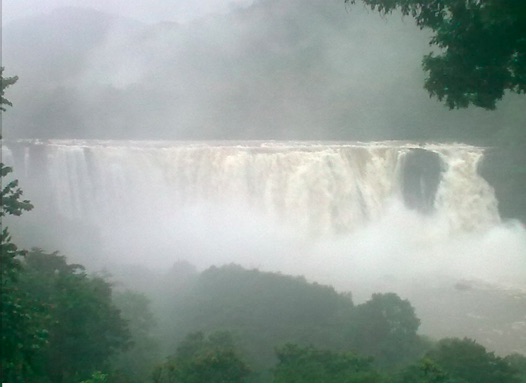
Athirapally Falls

In my last post I mentioned rainforest in the context of Costa Rica and in this post I cross over to India to mention another rainforest. Rainforest, the conservation initiative. Rainforest, the community initiative. We are collaborating with the owner of Rainforest, the resort. It is in the same location where the photo above is taken.

These waterfalls have all kinds of remarkable superlatives attached to them. For me the best is “the Niagara Falls of India,”  but not so much because that sounds funny (which it does, to me). Athirapally is their formal name, and that is funny because as with many names in India there is more than one official spelling. You are likely to see road signs spelling the name Athirapilly on your drive approaching the falls. Continue reading

Leaving the Map Behind

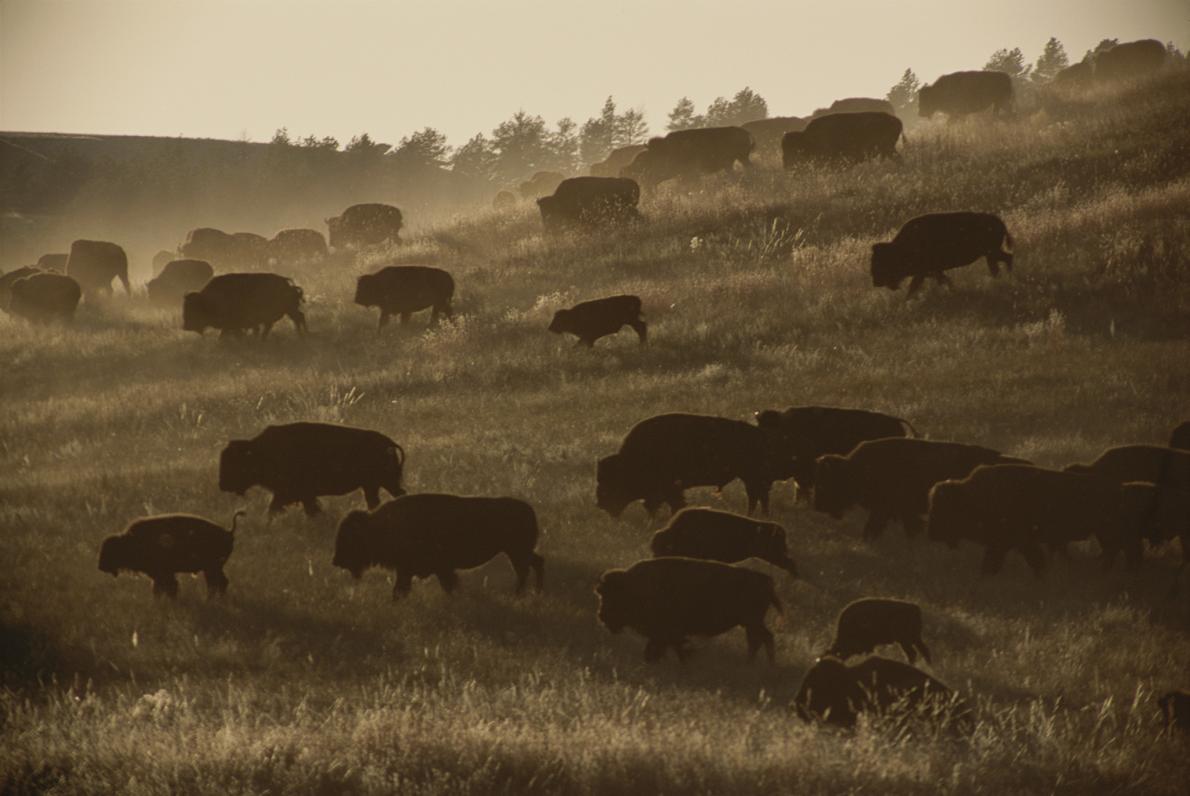
Bison, like these at Custer State Park, in South Dakota, were central to the Plains Indians. But when the U.S. National Parks Service tried to reintroduce them to Lakota lands, it tore the community apart.  PHOTO: SARAH LEEN, NATIONAL GEOGRAPHIC CREATIVE

Bison, like these at Custer State Park, in South Dakota, were central to the Plains Indians. But when the U.S. National Parks Service tried to reintroduce them to Lakota lands, it tore the community apart. PHOTO: SARAH LEEN, NATIONAL GEOGRAPHIC CREATIVE

Rewilding is the idea that, having extirpated many species, by returning large animals and birds like the California condor to the landscape, we can restore key ecosystem functions. The most famous example is probably the reintroduction of grey wolves to the northern Rockies and the Mexican grey wolf to the desert Southwest in the mid-late’90s. There’s a phenomenon called trophic cascade, which means that a large predator like a wolf has a regulatory effect on the entire food chain. In Yellowstone, the return of wolves has meant that the elk can’t be fat and lazy and start to browse in a different fashion, which in turn allows aspen and beavers to come back.
If 20th-century conservation was about drawing lines on a map and saying, this is a park or preserve, 21st-century conservation is about filling in those lines, bringing back animals that have been extirpated.

Rewilding, the need and benefits of having places that are off the map, modern day cave woman Lynx Vildern make for some pages of Satellites In The High Country: Searching For The Wild In The Age Of Man, by Jason Mark, cofounder of the largest urban farm in San Francisco.

Continue reading

A Fitting Anniversary Surprise

Leopard Paw Prints, Periyar Tiger Reserve

Leopard Paw Prints, Periyar Tiger Reserve

Five years ago last week several of us moved to Kerala, India. Sometime in the first year one of us took a photo of a huge tiger paw print while trekking through the Periyar Tiger Reserve. Two of us had the briefest of brief sightings of a tiger, back then as well, with the tiger leaping across the trail we were on, doing its best to avoid us and move on…

Now, exactly five years in, we had what anyone would describe as the ideal nature encounter.  Continue reading

Costa Rica, Punching Above Its Weight, Competitively

“I’m very comfortable with the word ‘revolution,’ ” Figueres said.

“I’m very comfortable with the word ‘revolution,’ ” Figueres said.

Usually “punching above your weight” is a reference to a competition you are not prepared to win. But based on our experience in and observation of Costa Rica it means something entirely different to us. It means something more like: go for it! Give it your best even if the odds are not with you. If not you, then who?

We all have a debt, of one sort or another, to Costa Rica from my perspective if only for this reason. In so many ways it has been inspirational in an against-the-odds sort of way. And who can resist a bit of inspiration?

I shared this article with the La Paz Group teams in India and Costa Rica yesterday, with a note about how it helps understand the challenges related to climate change and what can be done about those challenges—all relevant to the 3 C’s of La Paz Group. Complicated stuff, but clearly important.

I also shared the article for another reason. The woman who features in this article is from Costa Rica, and reading it you can understand a bit better why Costa Rica is so frequently mentioned as an environmentally responsible country. This is important for all of us in La Paz Group because our journey began in Costa Rica, which started our path to Kerala, India and many other places beyond.

To give one small but important example of the long range impact of Costa Rica on La Paz Group, consider the Certification for Sustainable Tourism program developed two decades ago under the visionary leadership of the president of Costa Rica (brother of the subject of the linked article here). Jocelyn is at Xandari Costa Rica specifically to work on getting Xandari to rise up to the highest level from its current status at the second highest level of CST ranking. She has made this the foundation of her career development just after graduating from one of the world’s most prestigious academic institutions. It is impressive that she chose to do so, but equally telling about the lasting impact of Costa Rica’s commitment to sustainable development. Continue reading

Five Years In Kerala

IMG_3080

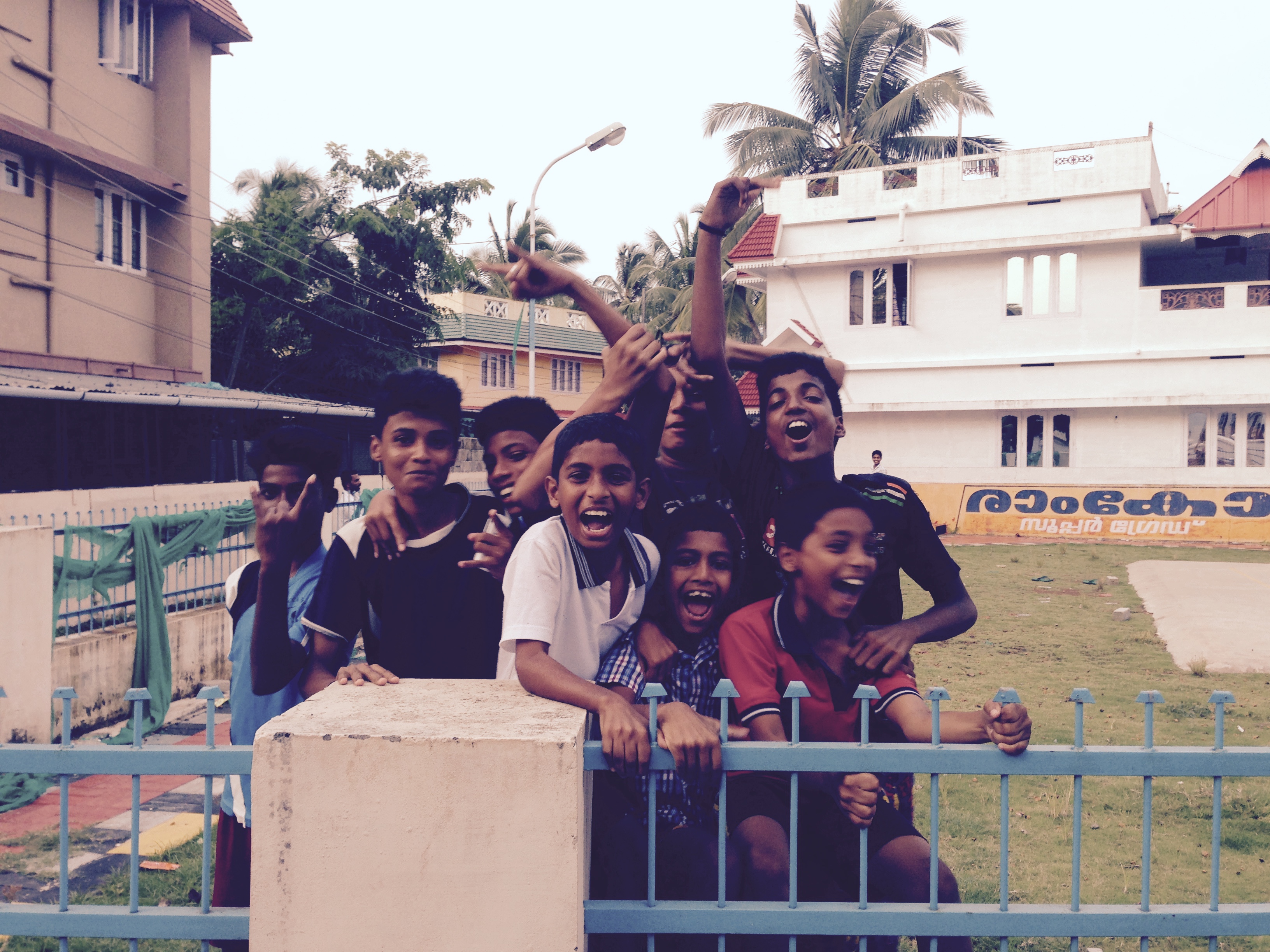
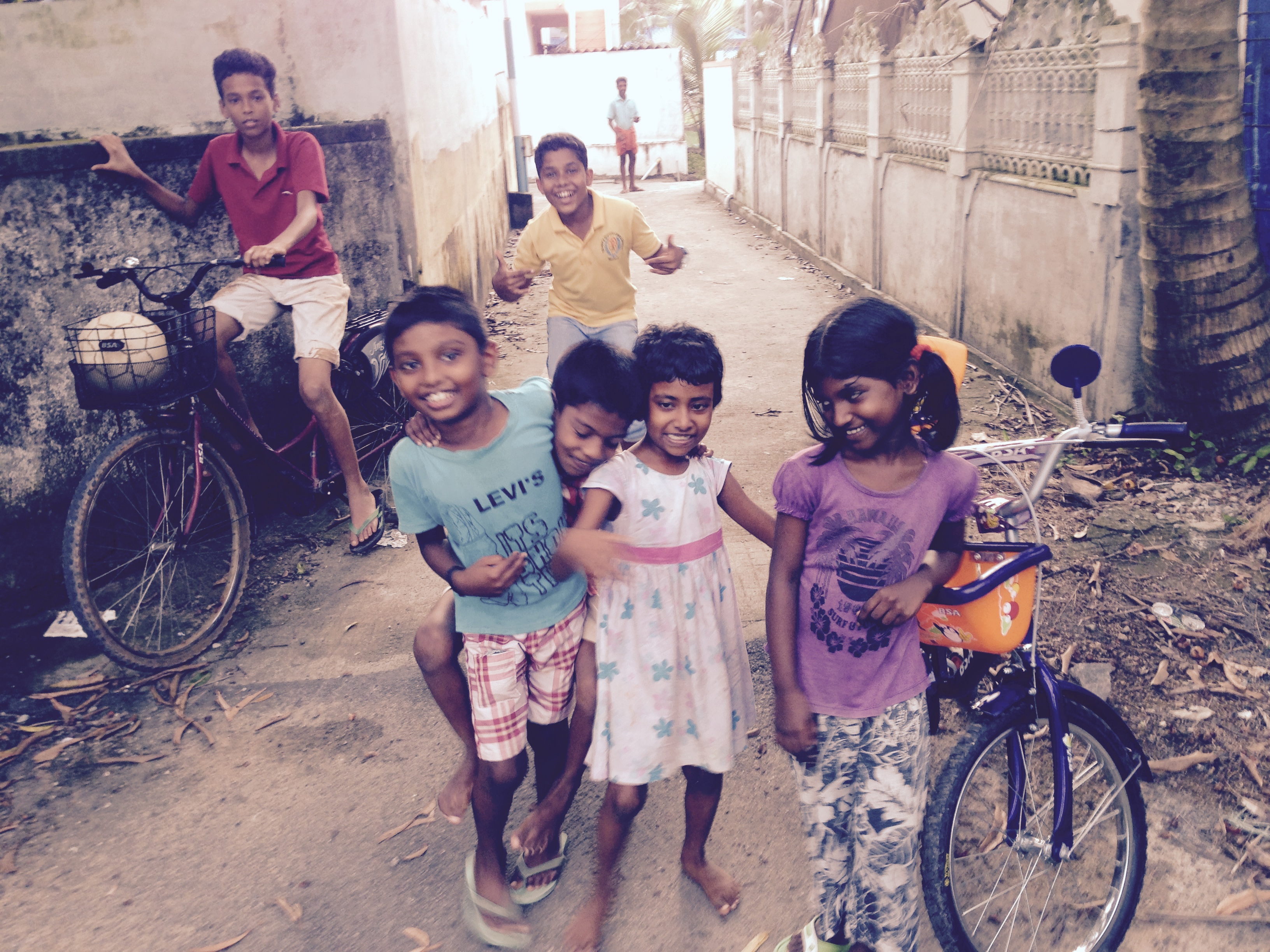
Jocelyn’s post reminds me of my favorite part of the last five years living in the wondrous, sometimes ponderous, always mysterious Kerala: these kids. Our gang, Thevara. My hoodies. They have all been growing by leaps and bounds, while leaping and bounding through the streets. This photo, taken some hours ago, could have been taken five years ago except for the heights of these fellows. And these young ladies on the right side of the photo below (also just taken) were but infants when I arrived into their world.

IMG_3074

They welcomed me with cheers and high fives from day one, and continue to welcome me today with the same enthusiasm as on day one. So I have felt most at home in Kerala when I am walking through our shared neighborhood. My name, to them, is very simple: Saip. It is a term of endearment, at least it seems so to me. They all speak Malayalam, the language of Kerala, and almost zero English. But that is changing. The older sister of the young lady in the white starry dress is the most advanced in English, and now serves as the translator for the neighborhood when I walk through. I will bring her voice into the next post from Thevara. For now, my hat is off to the kids of Thevara, and those in Tacacori, Costa Rica where Jocelyn is having the same opportunity I have had, to make the children the center of our attention.