Wordsmithing: Good

So sly, this one.  Let’s leave OED out of it.  Good comes to mind on enough occasions that we do not notice it; just the sound of the word is enough to lull.  Any one reference would be pointless.  Even without a point, here is a recommendation: listen to this podcast.  There is a good formula and there are plenty of stories of good people.

If you are a regular Radio Lab listener you are likely already familiar with that episode (one of their most listened to, and for good reason, so to speak), in which case find yourself a recording of The Weavers in reunion at Carnegie Hall in 1963.  Listen to Guantanamera and consider this: some years prior Pete Seeger had serious legal problems due to his political views (search it and the story will reward you with a colorful illustration of what “land of the free and home of the brave” really refers to) and yet chose, at the height of Cold War tensions with Cuba, to sing about and quote Jose Marti.  Whether you like the music or not, and regardless of your ideological perspective, listen to Seeger’s voice: no malice, nor fervor; just what sounds to be, by some aural definition, good.

Alternatively (in the ska sense), find The Specials’ original studio recording of Nelson Mandela.  Good sounds and good pleas about a good man.  And for a completely different aural rendition of good, find the original studio recording of Raghu Dixit’s Mysore Se Aayi.  YouTube has some live performance versions of both, but the original recordings are a better place to start.  And it is good to own them.
Wordsmithing: Entrepreneurial Conservation

Two previous posts about words pointed out how common usage can alter the course of their meaning over time in surprising ways. We might not even recognize the original meaning today, some perishing in dungeons and others flying too high for their own good. The risk of writing these particular posts is when their intent seems anything other than constructive. Who wants to cast a stone, first or otherwise? We live in glass houses, and all that. In the spirit of focusing on that intent, this quick post draws together two words: entrepreneurial conservation.

As any phrase should, these words together build something more valuable, more effective, than either could on its own. If words can be cousins, as implied in a previous post, then phrases can be part of an extended family too: these two words, as a phrase, share linguistic DNA with social enterprise, but OED does not know it yet. The phrase (and our work) recognizes that for all the heroic efforts of traditional conservation organizations—The Nature Conservancy, WWF, Conservation International, etc.—not to mention incredible government commitments to national and state parks throughout the world in the last century, there is still a deficit of conservation.

The world still loses more wilderness than it protects. Ditto for intangibles in the domain of cultural heritage. So, what else to do other than pitch in and see what we can do? And if it can be shown that conservation is good business, then more people and organizations will pitch in. Watch Adrien’s posts for more on this in Patagonia, and Reyna’s upcoming posts from the Galapagos Islands. Those are two pristine natural wonderlands with limited human populations. But also watch for posts from Kerala, India — where the story is more complex with regard to population growth and wilderness conservation. Or from Nicaragua, where we feel Morgan’s Rock is leading the way in Central America with a robust mixed-use model that makes use of each idea we have put on the anvil so far: resort (old meaning), luxury (new meaning), entrepreneurial and conservation (combined meaning).

Quito. Hold The Sauce.

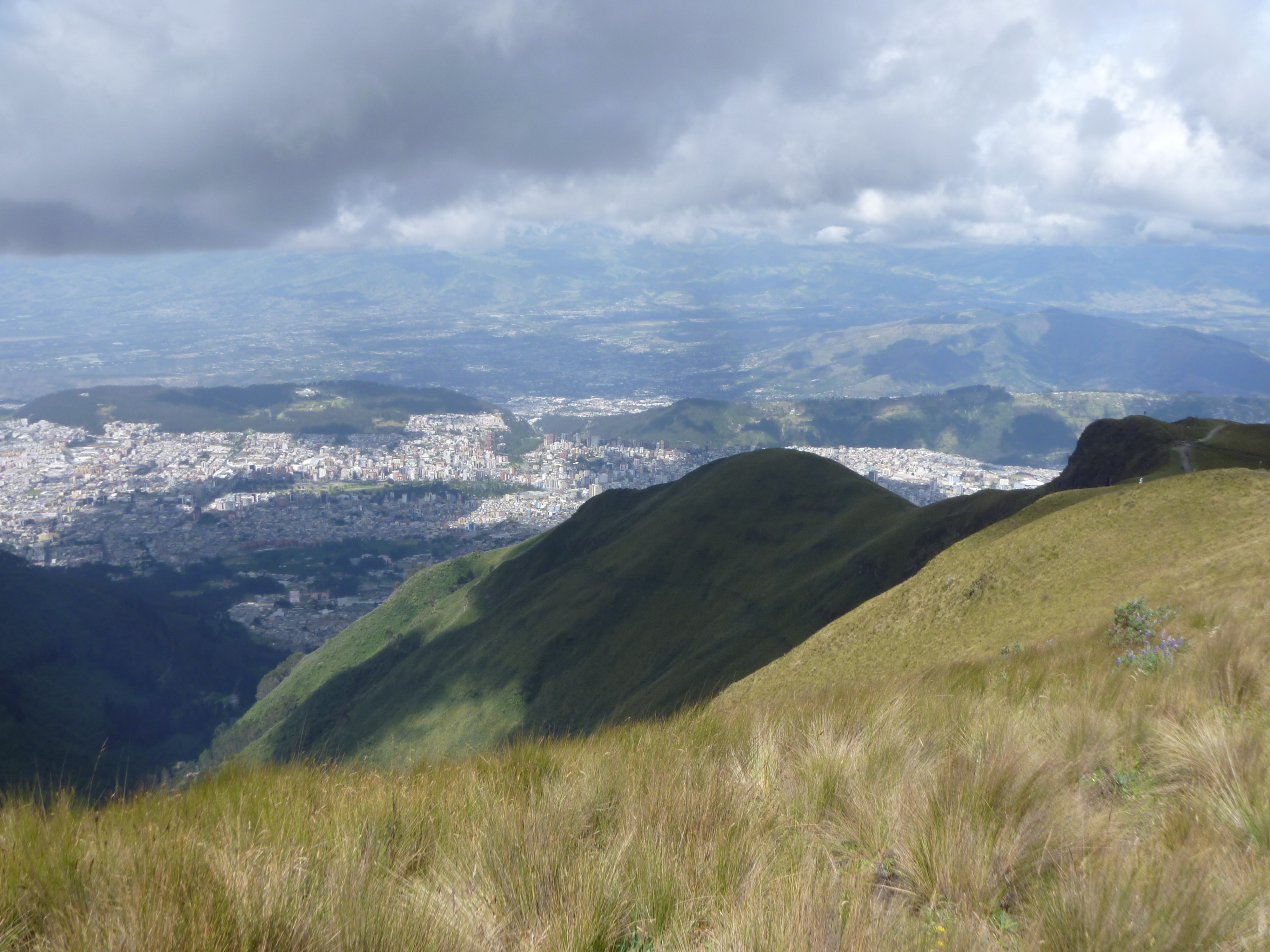
For now, I live in New York City and my brother lives in Quito, Ecuador. A visit to his new apartment last month near Parque Metropolitano, and our subsequent hike up Volcán Pichincha, led to the biggest obvious and most profound difference between Quito and New York: Quito has big mountains and volcanoes and New York doesn’t. Seemingly obvious and superficial (and of course topographical), the reasons started to form in my head while watching the clouds form around me.

Continue reading

Equitable Origin–Certified Responsible Oil Production

Whether one believes that oil is the lifeblood of our modern society, or that we need to rapidly transition to more sustainable forms of energy, it is clear that society will be using petroleum for decades to come. In this post and in those that follow, I’ll describe my present work as well as underline the importance of responsibly produced oil. As it stands, despite the ubiquity of petroleum products in our global economy, there is no internationally implemented standard to monitor the social and environmental impacts of its exploration and production. Through a collective effort that brings together petroleum exploration and production companies (E&Ps), NGOs, academics, governments and indigenous and local communities, my company, Equitable Origin LLC, has created the first stakeholder-negotiated rating system for the oil and gas industry that is objective and verifiable.

Our standard, the EO100 recognizes and rewards world-class performers in the oil and gas industry while ensuring transparency as well as environmental and social accountability. It also allows certified operators to differentiate themselves quantifiably, based on their social and environmental performance, and to realize the added financial and brand value associated with certification. By developing this standard, EO is also creating a new marketplace for responsibly-produced oil and its derivatives, akin to those created for FairTrade Certified coffee, Kimberly conflict-free diamonds and Forest Stewardship Council Certified paper products.

If you’re interested in the work of Equitable Origin please visit our website.