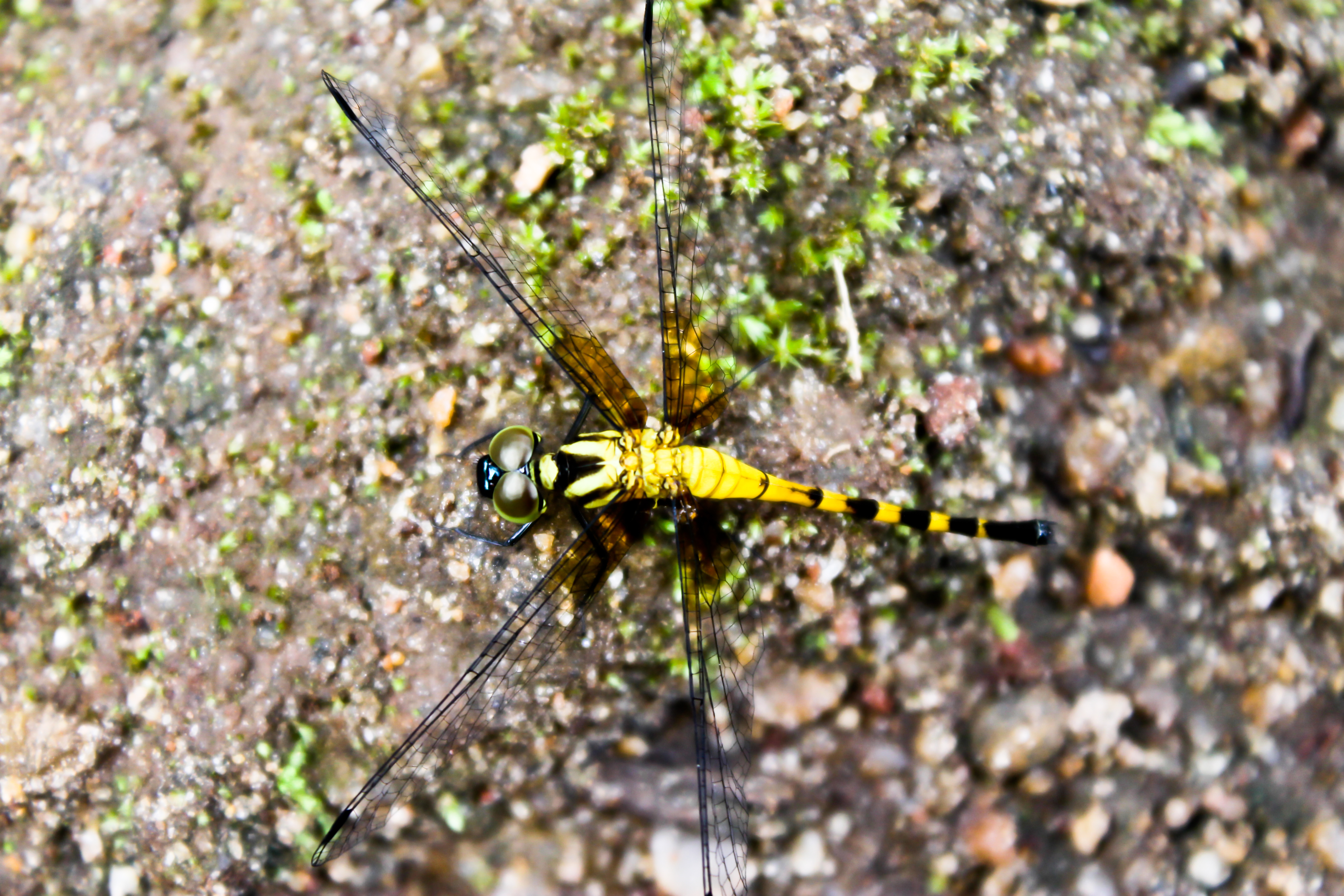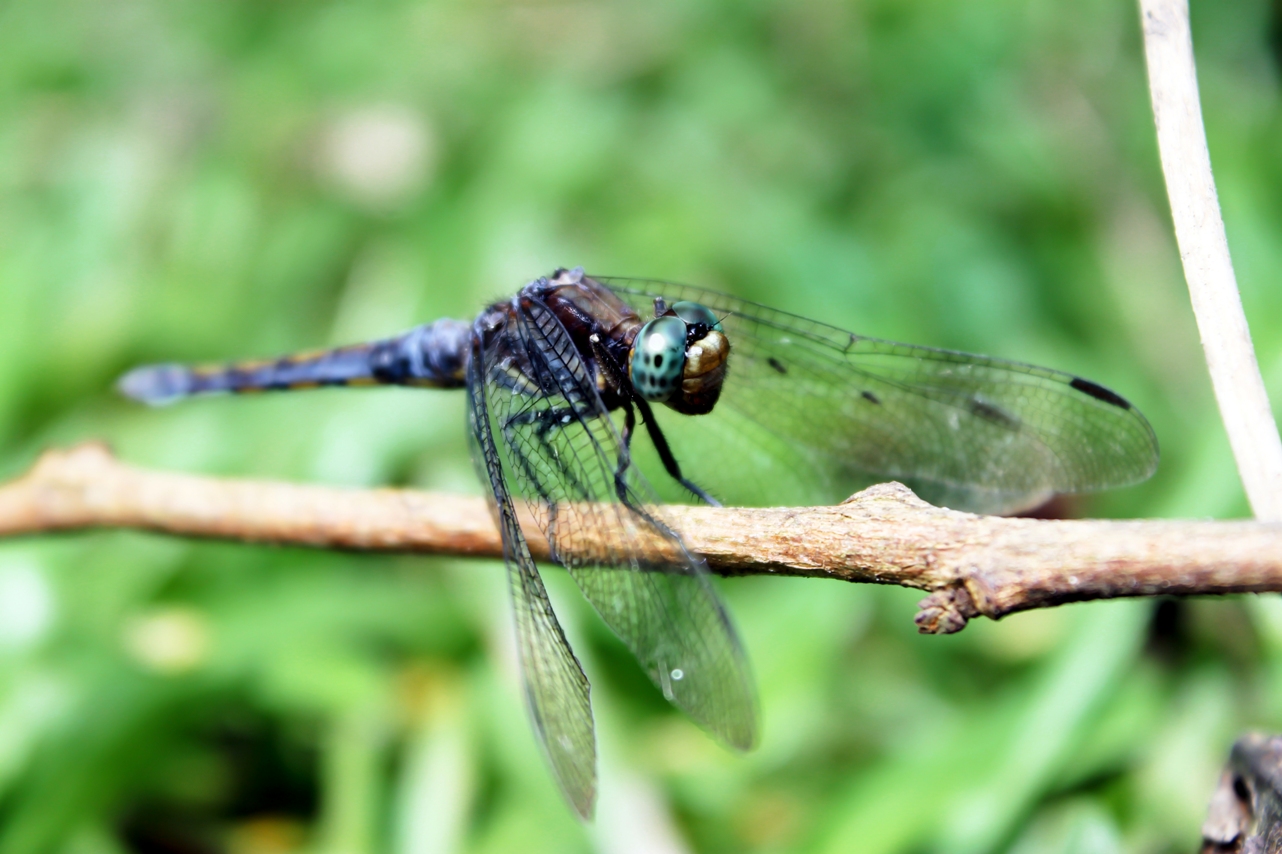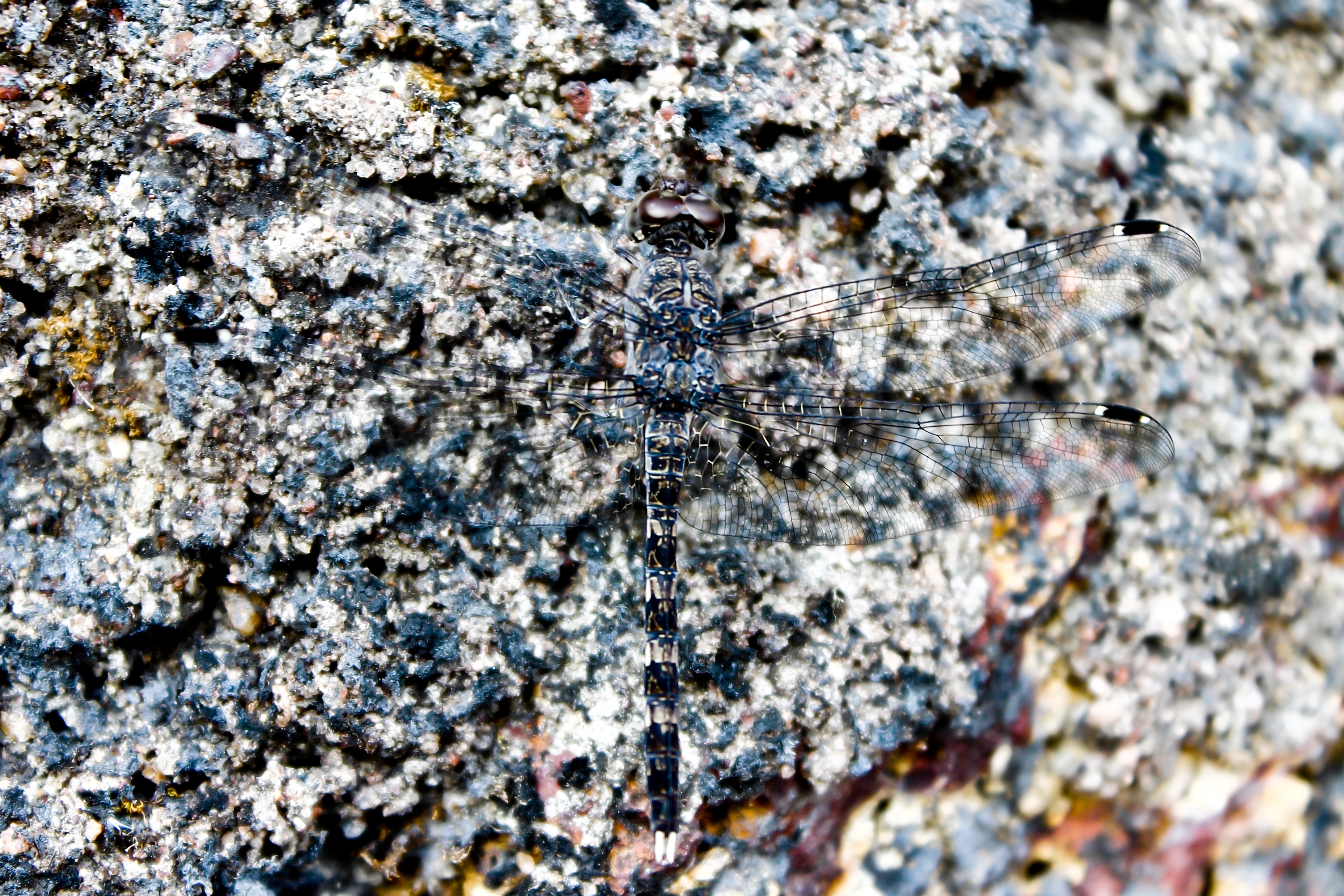
I’m still a student of Indian dragonflies (of the world, for that matter), but one species that has captivated me since I read about it is the Granite Ghost – Bradinopyga geminata. Typically an urban dweller, the species has adapted itself to city life – breeding in water tanks, feeder ponds, and all other pools of water that can be found in a metropolis. The species is so well suited to concrete jungles not only because of its extreme agility and keen hunting senses, but because of its remarkable ability to remain unseen. Continue reading
Author: Milo Inman
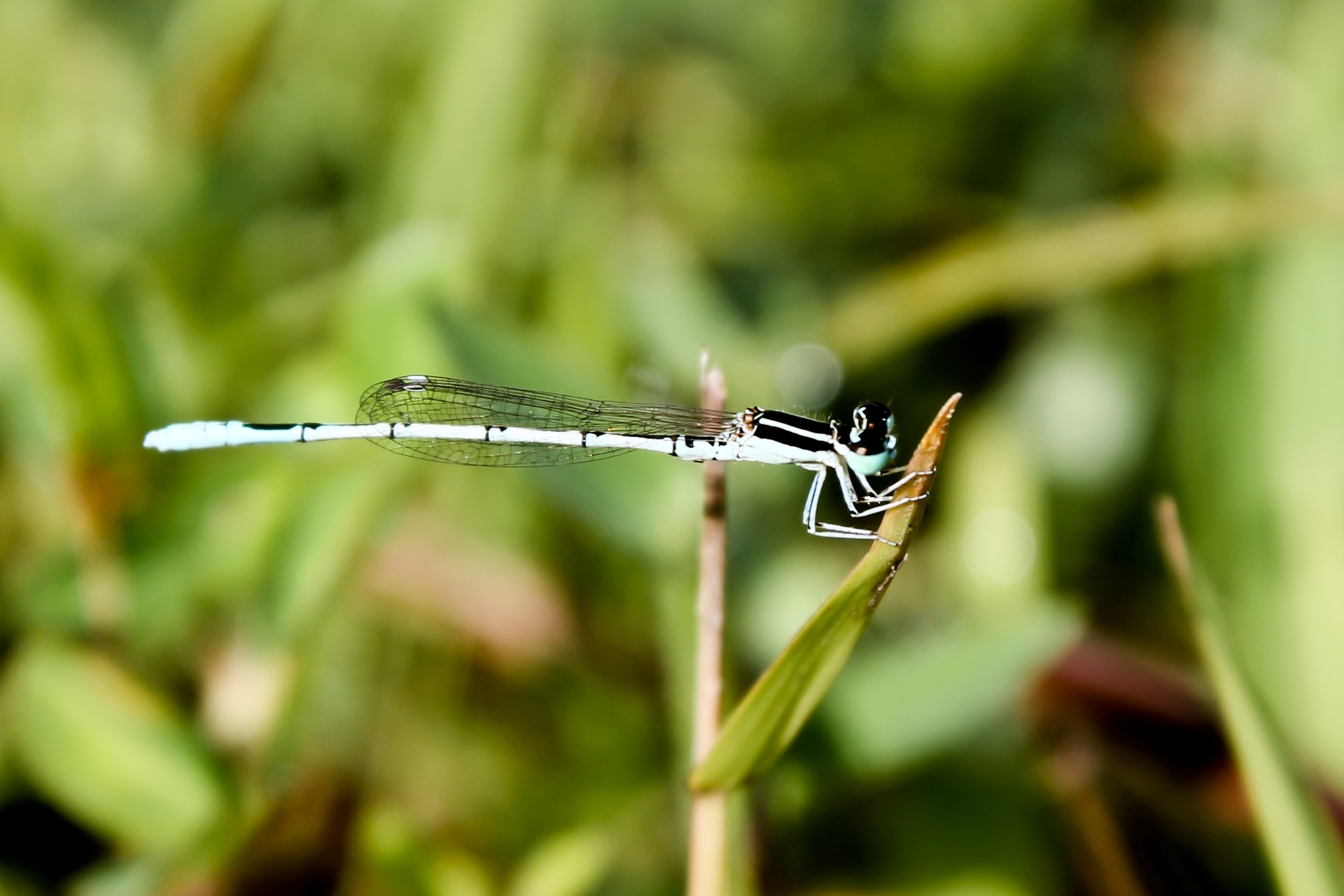
White Dartlet
Small even for a damselfly, the White Dartlet measures about 18mm (under an inch). Continue reading
Rubytailed Hawklet
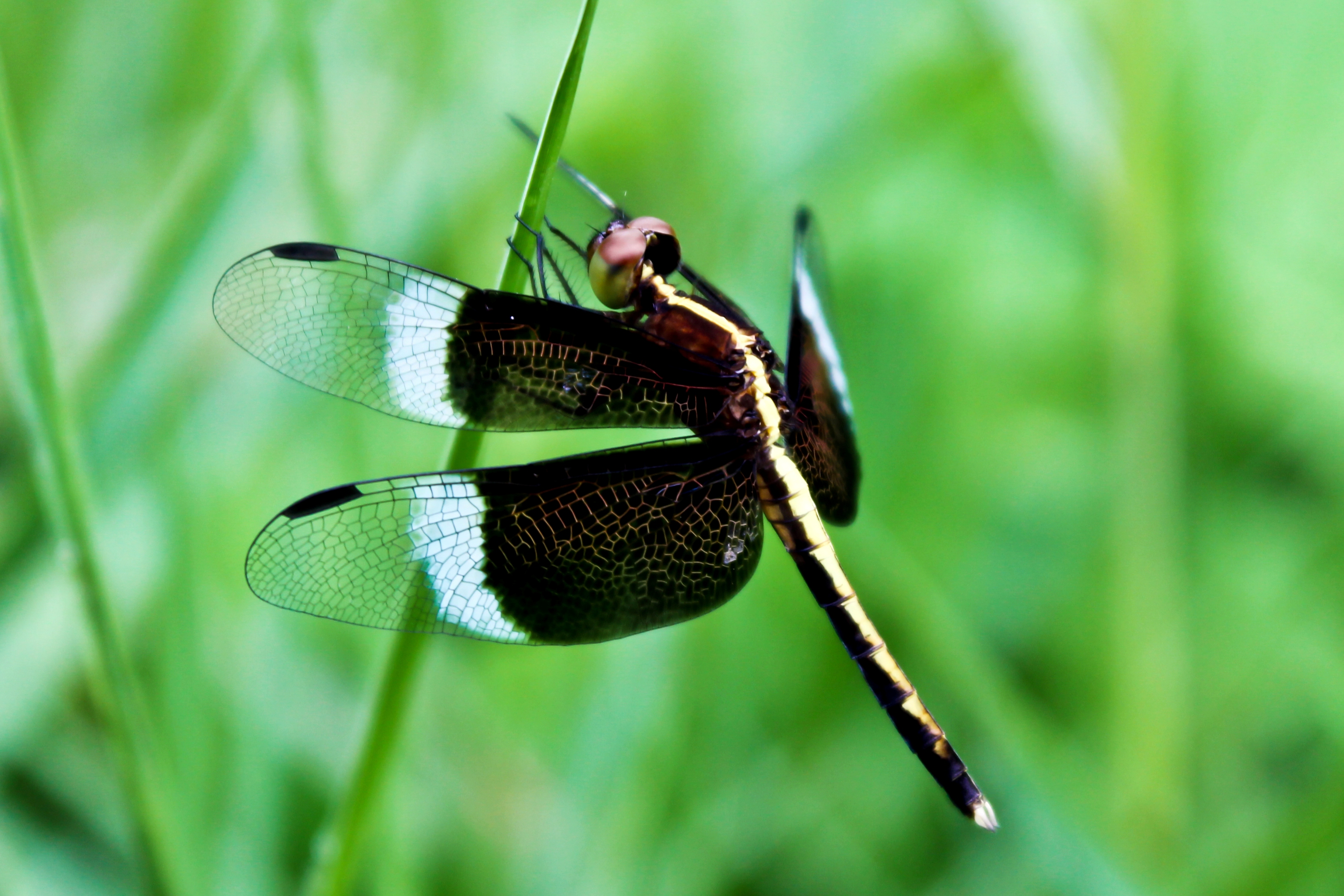
Pied Paddy Skimmer
The Paddy Skimmer is one of the smaller species of dragonfly that can be seen in the Western Ghats. Measuring about an inch long, their flight range is very limited, although apparently their breeding capabilities are unhindered, as they are without a doubt one of the most numerous species to be seen in fields, both wild and cultivated. The teneral (young) male has a black and gold body, green and red eyes, and would be difficult to distinguish from the female if it weren’t for the differences in their wings – the male’s (both in youth and maturity) are about half black, with the other half equally divided between a white strip and a transparent tip. The female’s wings are more complicatedly patterned, although mainly transparent. Continue reading
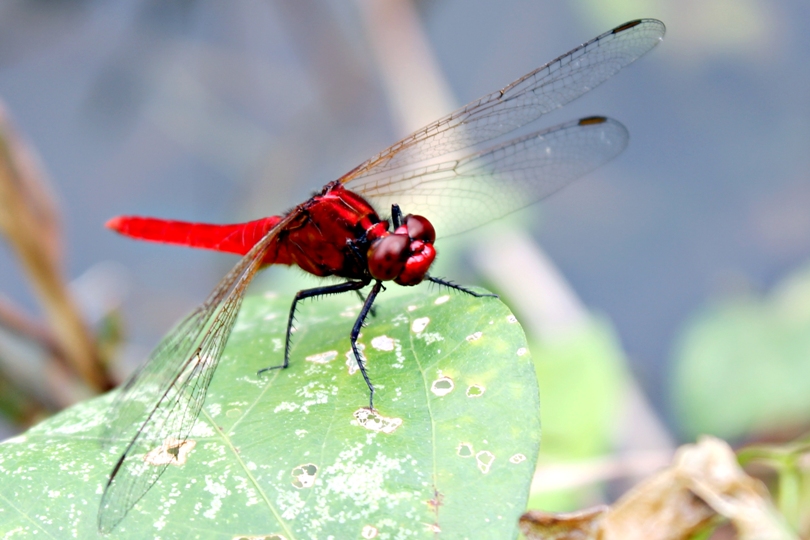
Scarlet Skimmer
One of the fastest and most agile dragonflies I’ve seen, this red male was sighted on a riverbank in Alleppey, Kerala. Although not unusually large, this insect stands out due to its bright red body and head. Most of the red dragonflies I have seen (in the genus Orthetrum for the most part) have some combination of colors – azure eyes, black face, blue thorax and red abdomen (O. pruinosum); black eyes, red face, brown thorax and red abdomen (O. chrysis), etc.
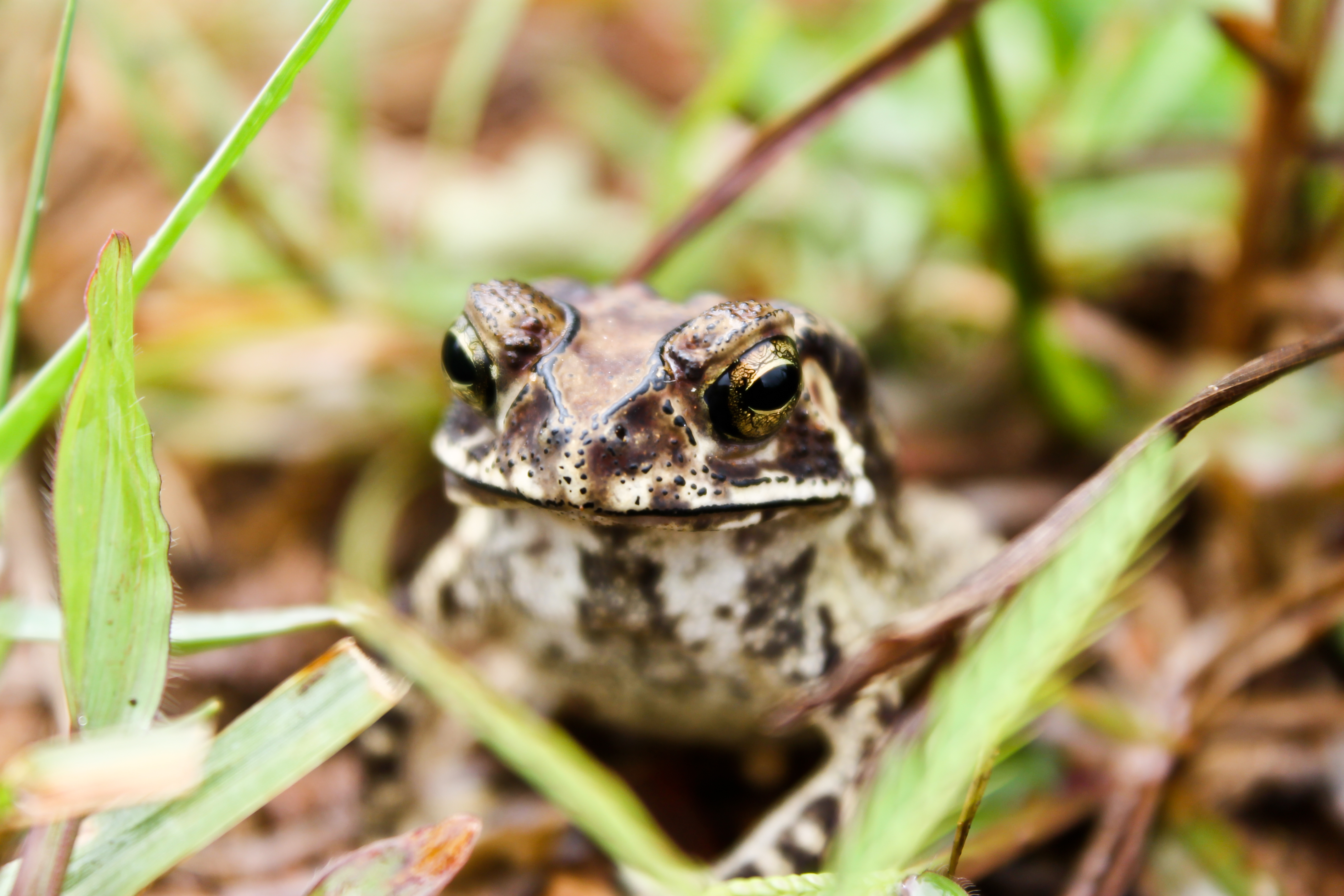
Amphibians of Periyar
So far, my treks in the Periyar Tiger Reserve have yielded a generally consistent array of wildlife sightings. Insects and spiders are a constant, birds of some sort or other are common, boar and gaur are to be expected, deer are a pleasant (but not huge) surprise. Elephants are not uncommon to see, but don’t stand around modelling for pictures, and are usually sighted from a great distance. Tigers are out of the question to see, except for the extremely fortunate. Of course, this leaves out dozens of categories of creatures, and hundreds (possibly thousands) of species. Amphibians are a pretty constant sighting, mainly in the form of frogs and toads. To be honest, I don’t really know the difference, but I do have a definite ID on one species: the Common Indian Toad (Duttaphrynus melanostictus).
Eye of the Beholder
Being a macro photographer without a macro lens is complicated. There are plenty of corners that can be cut, and crutches to lean on, but in the end, the best way to get a high-quality macro image is using the right equipment. The trick I use most often is cropping – my 18-55mm lens can focus on relatively close subjects, although not nearly close enough to get the desired macro effect. If the focus falls upon the right points, the final image can be cropped, and the subject’s size increased without distortion.
These three images are all created from the same one – the one on the left. To see the increased detail, click the picture for a full-size version. Continue reading
Blind Sights
An interesting question to ask about a fully intact and functional brain’s cognitive abilities is this: how do we know that each individual’s perception isn’t unique, whether it’s visual, olfactory, or of any other sense? Processing and emotional responses aside – how do we know that people actually see things the same way, physically? The color I identify as red might appear as residing on the opposite end of the spectrum to someone else, despite the light’s wavelength being constant. The smell I identify as vanilla may be different from another person’s perception of vanilla’s odor, but because we are both correctly identifying the scent as that of vanilla, it is both futile and impossible to determine whether or not the stimulus is perceived identically between the two people.
Enter science! Everyone’s nose (at least those without ‘abnormalities’) has the same scent molecule receptors, meaning we all have the same capabilities for smelling the odors in the air (yes, they are molecules! they are not magically dispersed by the scent fairies, contrary to popular belief). Continue reading
When It Doesn’t Rain, It Pours
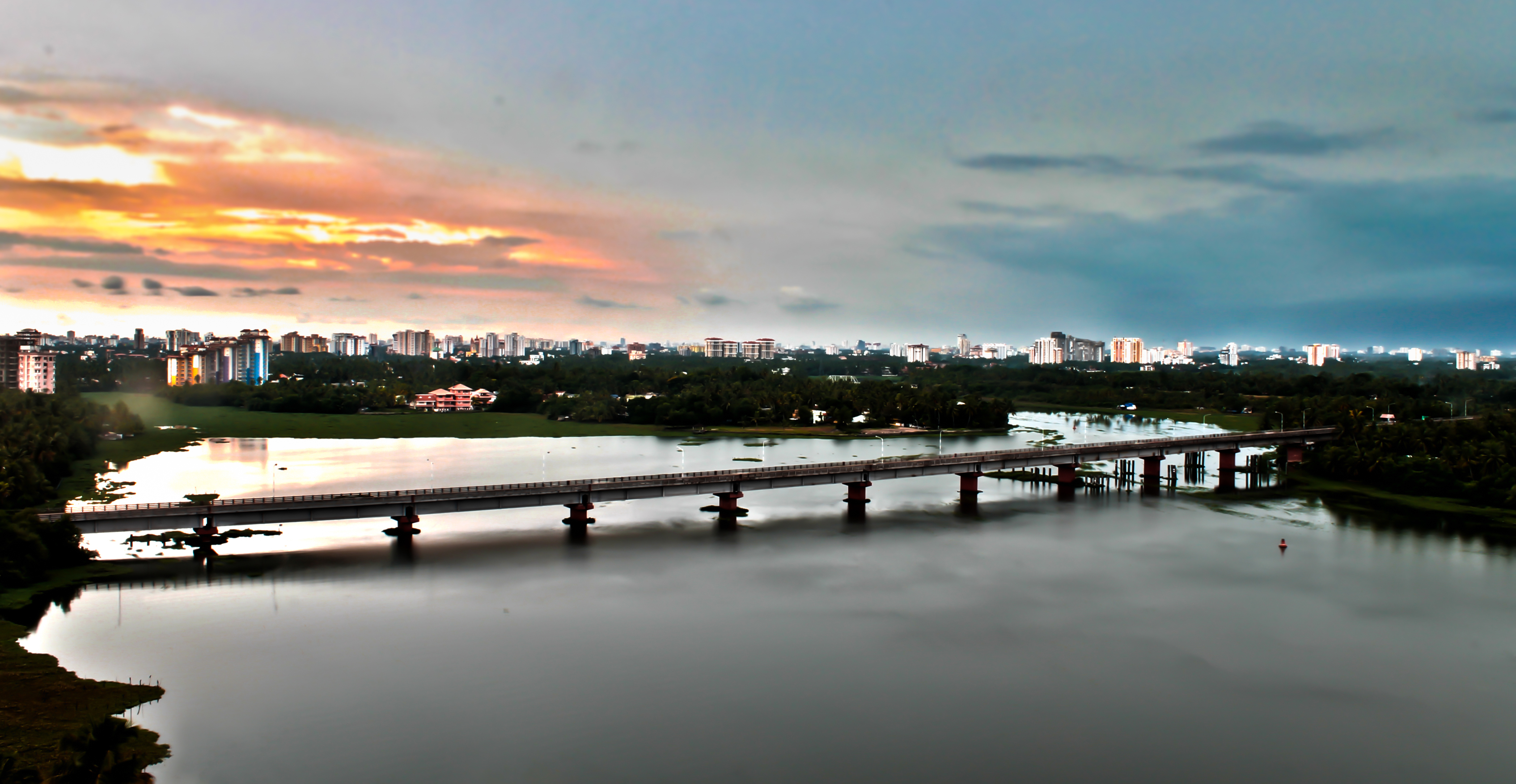
Perhaps it’s a bit of a cliché to use the phrase “calm before the storm”, but that’s exactly what it was. The sun was setting and clouds were gathering – the grey sky occasionally illuminated by a flash of lightning, although thunder never followed. Lately, Cochin has been having rains that are seemingly erratic to someone who hasn’t lived here long, but to the locals, they’re as predictable as… well, the seasons.
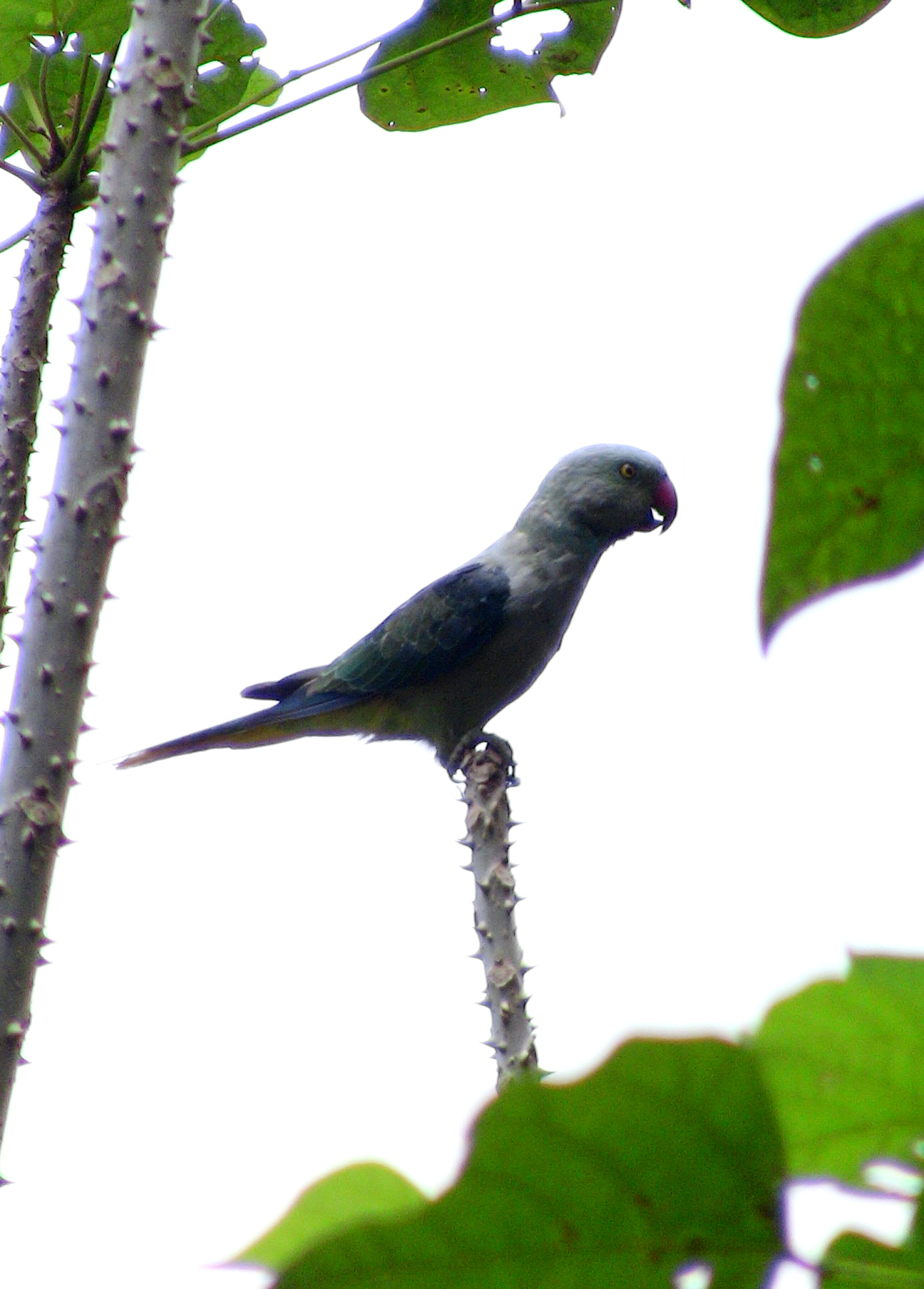
Bird of the Day: Blue-winged Parakeet
Glassy Eyed
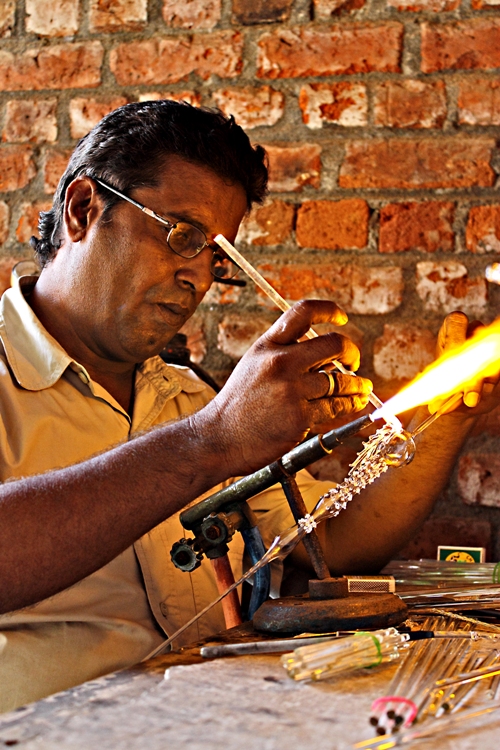
While in Chennai about a week ago, I visited a cultural center, somewhat like a living museum, about an hour outside the city. Dakshinchitra, the name of the display, means “picture of the South” – and it lives up to its name. In addition to being a window to the past, the center, supported by an NPO, supports local artists who set up small stalls on the premises, selling their crafts directly to the buyer, eliminating dealers and price-cranking middlemen. One such artist is Mr. V. Srinivasa Raghavan – a glass blower born and bred in Tamil Nadu.
While I at first felt that the blowtorch-wielding artist was out of place in the century-old surroundings of the compound, I was soon thinking back to my historical education, remembering that glass was being manipulated as far back as the Roman Empire. The means in this case justifies the ends – perhaps the trade’s Continue reading
Bird of the Day: Indian Pitta
What The Night Reveals
In my previous post, I talked briefly about the beauty of contrast between stationary backdrops and objects in motion, waterfalls being my focal point. Still without a tripod (an almost essential piece of equipment for this kind of photography), I have been putting myself and many props in uncomfortable positions to steady my camera as I aimed for enlightenment.
Urbanature
Yes, spotting wild elephants on a mountainside is exciting. Agreed, a field full of flowers that blooms once every dozen years is a heart-warming sight. But not everyone who loves and appreciates nature has the time or money to travel to places where such phenomena can be experienced. Many people who live in cities – myself included – complain about not being able to connect with nature the way they would if they weren’t urbanites. However, I recently had an eye-opening (or re-eye-opening, rather) experience in Chennai, a city proportionally larger and less vegetated than Cochin, where I live, which showed me that nature is never far away. Continue reading
Mad Dogs
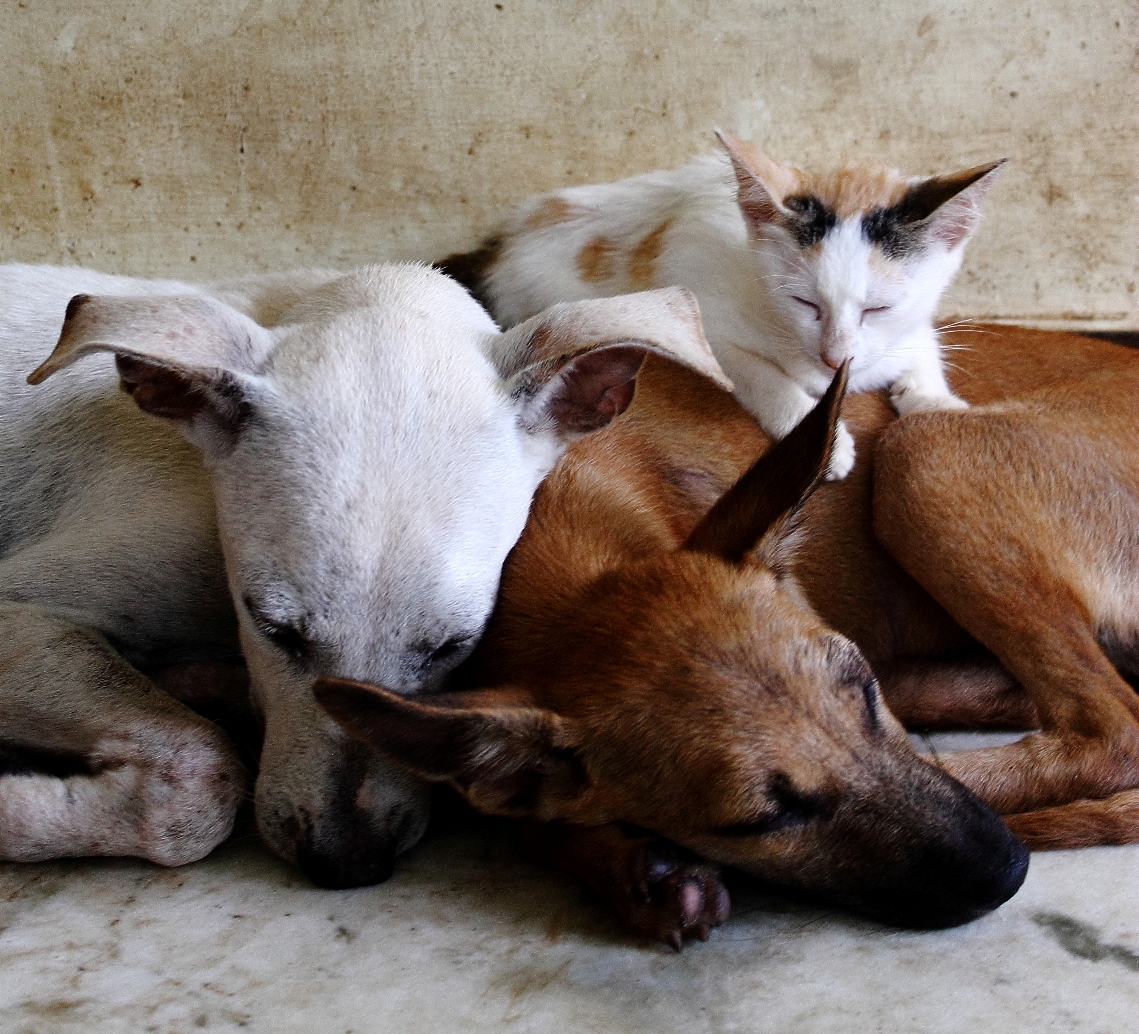
Street life for animals anywhere is hard, but in India it is exceptionally so. The infamous modus operandi of Indian motorists is based in fact, and stray animals on the road frequently bear the consequences of too many cars and people in too little space. Animal cruelty is not unheard of anywhere in the world – even the most modern
of American cities have incidences; India is much less well-organized in terms of prevention and consequences. Despite the sprawling bureaucracy of Kerala’s government, there is no sole agency dedicated to the safety and well-being of urban animals. As such, the responsibility falls to warm-hearted citizens, either by adopting stray animals or taking them to a shelter. Continue reading
Rube Goldberg; Self-Portrait
Blue Marsh Hawk
A female Blue Marsh Hawk (Orthetrum glaucum) photographed in the Periyar Tiger Reserve. In some species of dragonfly, the male and female are remarkably similar. Blue Marsh Hawk males are similar to females, although their ‘face-plate’ is significantly darker and the abdomen is lacking the prominent yellow stripes present on the females. Continue reading
Green Marsh Hawk
Mating pair of Green Marsh Hawks (Orthetrum sabina) in the Periyar Tiger Reserve. The duo is surprisingly aerodynamic – despite the female’s unusual position (as I found out from having to chase the dynamic duo across a field). This was not only the first copula I have seen in person, but the first I photographed – I’m quite happy with the results.
Ditch Jewel
Male Ditch Jewel (Brachythemis contaminata) spotted on a riverbank in Alleppey, Kerala. The Allapuzha District is home to an extensive network of backwaters as well as rice paddies, an ideal breeding ground for dragonflies and damselflies, as well as one of Kerala’s main destinations (for human visitors, that is). The male and female are difficult to distinguish Continue reading
Trumpet Tail
Mature female Trumpet Tail (Acisoma panorpoides) photographed in the Periyar Tiger Reserve. Unfortunately well camouflaged (at least for their prey and photographers), this species is another exceptionally small one. The good news for me was that Trumpet Tails, due perhaps to their small stature (and presumably metabolism) cannot fly for long distances, and therefore are easy to chase and photograph.
I find the abdomen’s structure to be quite beautiful – certainly more so than the straight-and-narrow ones of say, gliders or marsh hawks. Sadly, although I found the male to be more attractive Continue reading