Nature and Her Surprises

photo credit: Ms. Barbara Block

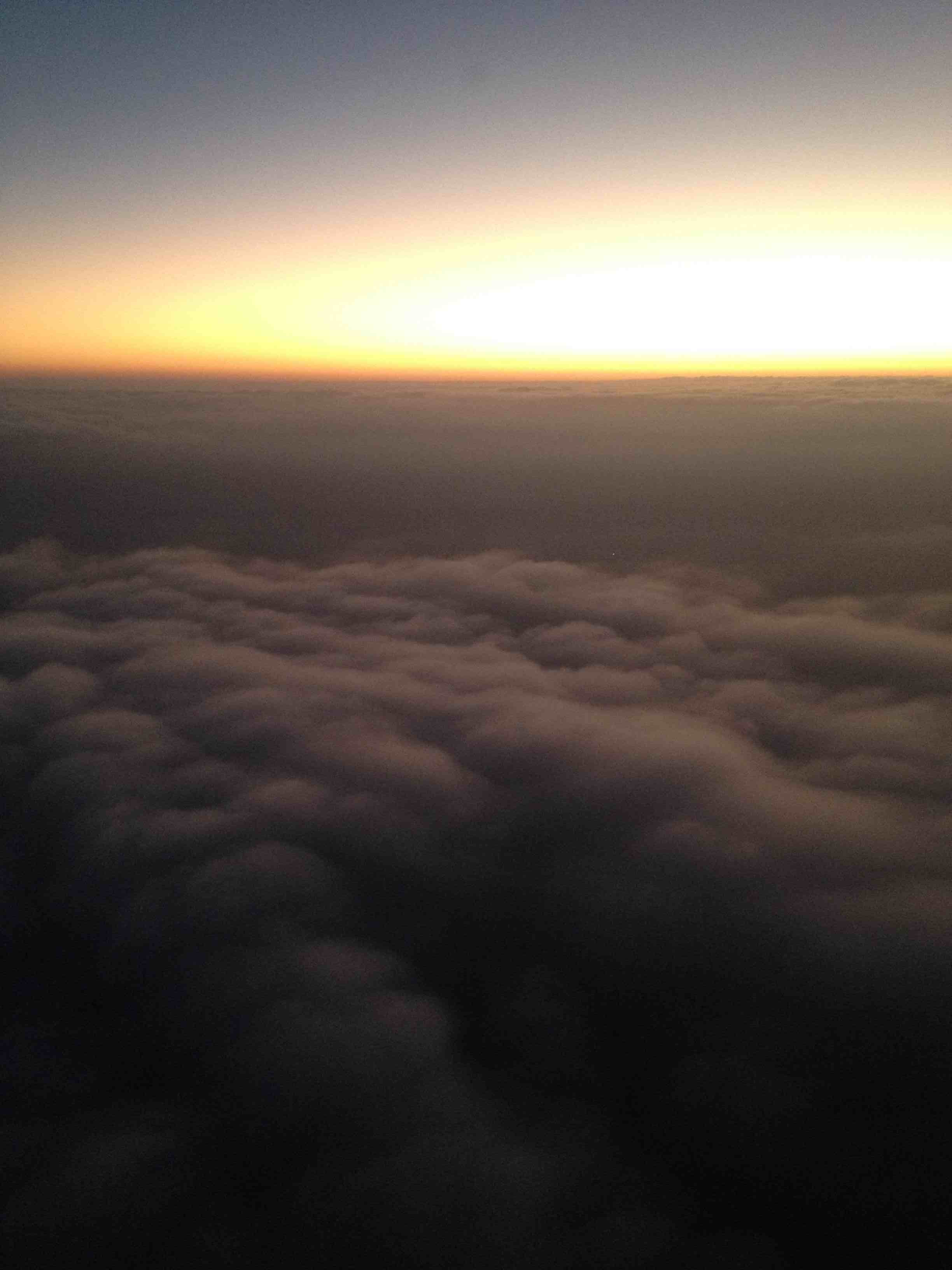
The last time I wrote was about my experience working in Nigeria, where I enjoyed the challenge of balancing the familiar and the new in culture, people, landscape and even weather. I’m now back in India and am happy to explore nature in my own country again.

I am based in the beautiful hill-station Kodaikanal in Tamil Nadu and everytime I look up at the sky and the mountains and the beautiful valley, it takes my breath away! Then I stop to wonder – why do my fellow Indians long to go to Switzerland and other places, when we can experience so many similar things somewhere in our own country? Continue reading
Giant of Africa

Nigeria is known as the Giant of Africa and that’s where I’m currently based. I was looking for a change in my life, so promptly accepted the position when it was offered. Most of you must be wondering why I’m here, and that’s one question I don’t have a clear answer to. Perhaps it’s the adventure and the challenge that comes along with moving into a territory. The nature of the job is different from the regular office administration job that I was used to so that was new as well.

So I packed my bags along with words of advice from family and friends – “don’t mingle too much”; “don’t be over friendly”; “do your work and go directly home”; “don’t get into any unnecessary relationships” etc. etc. It’s not surprising that a woman about to embark on this type of adventure should receive advice like this, so I thanked everyone and was on my way. The journey had it’s challenges, none of which were surprising. I was carrying heavy luggage and changing planes in Mumbai was the toughest. I promised myself that I’ll be taking a different route when I visit India next – not just a different route, I intend to fly Business class! Continue reading

Memories of Vishu


Vishu

When we were kids, we used to wait with great anticipation for Vishu– which falls around the 14th of April each year. Actually it depends on the Malayalam  Calendar, and this year it falls on the 15th. Most Keralaites, especially the older generation, go by the Malayalam calendar for birthdays or any other auspicious occasion.

Vishu is a happy festival, filled with lights, fireworks and bursting crackers as part of the celebration. Other elements of Vishu include the buying of new clothes for the occasion, the tradition of giving money called Vishukaineettam and the culinary treat, the Vishu feast or Sadya.

The most important event in Vishu is the Vishukkani, which means “the first thing seen on the day of Vishu after waking up”. Continue reading

Thrissur Pooram

Thrissur Pooram Kerala Festival Photo Images - 11

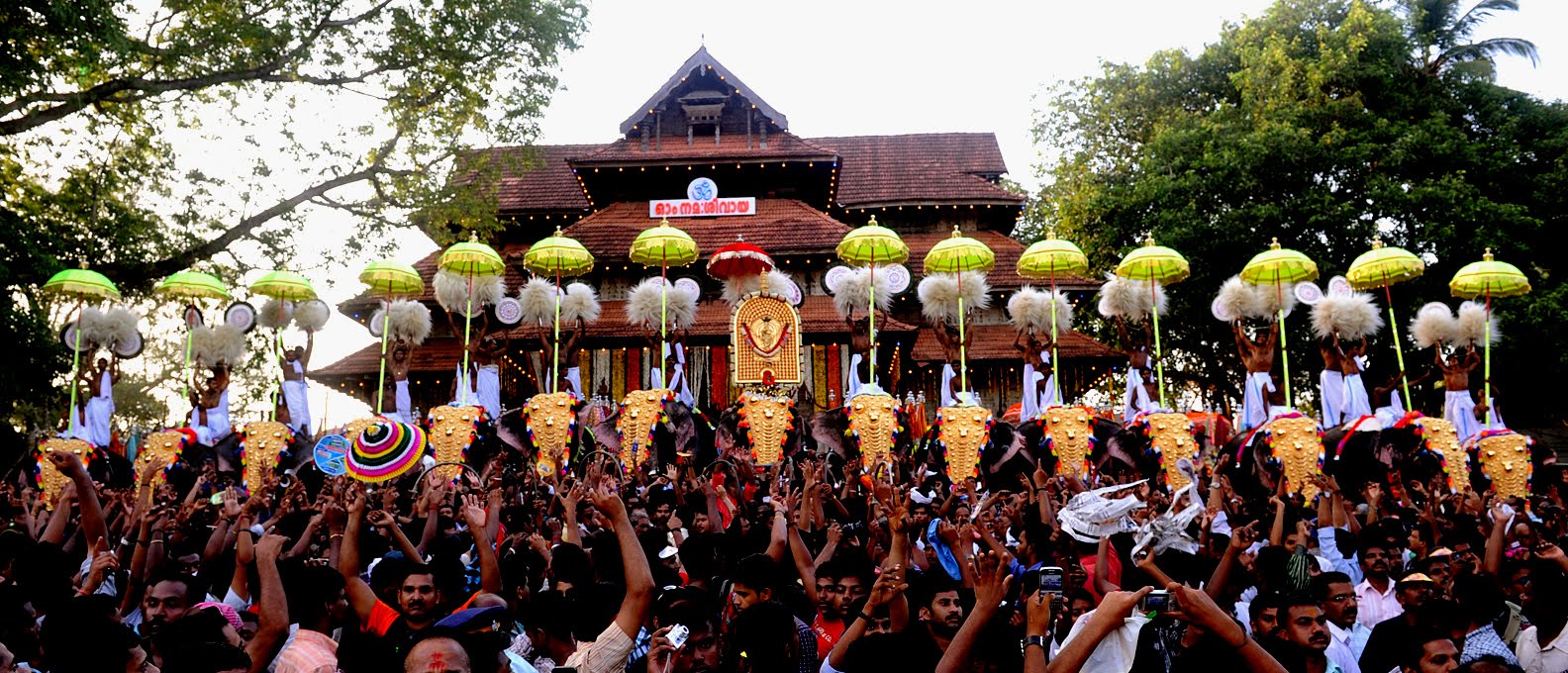
There is a saying in Malayalam – Poorathil Pooram Thrissur Pooram, which means that amongst all festivals in Kerala, the Thrissur Pooram is considered the best and the most sought after. Pooram Day changes annually because it’s a star based on the Malayalam Calendar, but the festival is always held at the Vadakkunnathan Temple in Thrissur town.

Thrissur Pooram was the brain child of Raja Rama Varma aka Shakthan Thampuran, who was the Maharajah of Cochin from year 1790–1805. In 1798, he unified the 10 temples situated around the Vadakkunnathan Temple  and organized the celebration of Pooram as a mass festival. He invited temples with their deities to Trissur to pay obeisance to Lord Vadakkunnathan, (Lord Shiva). Continue reading

Sights of Kerala

DSC_1811

Photo credits: Christoph Hurni

DSC_2375

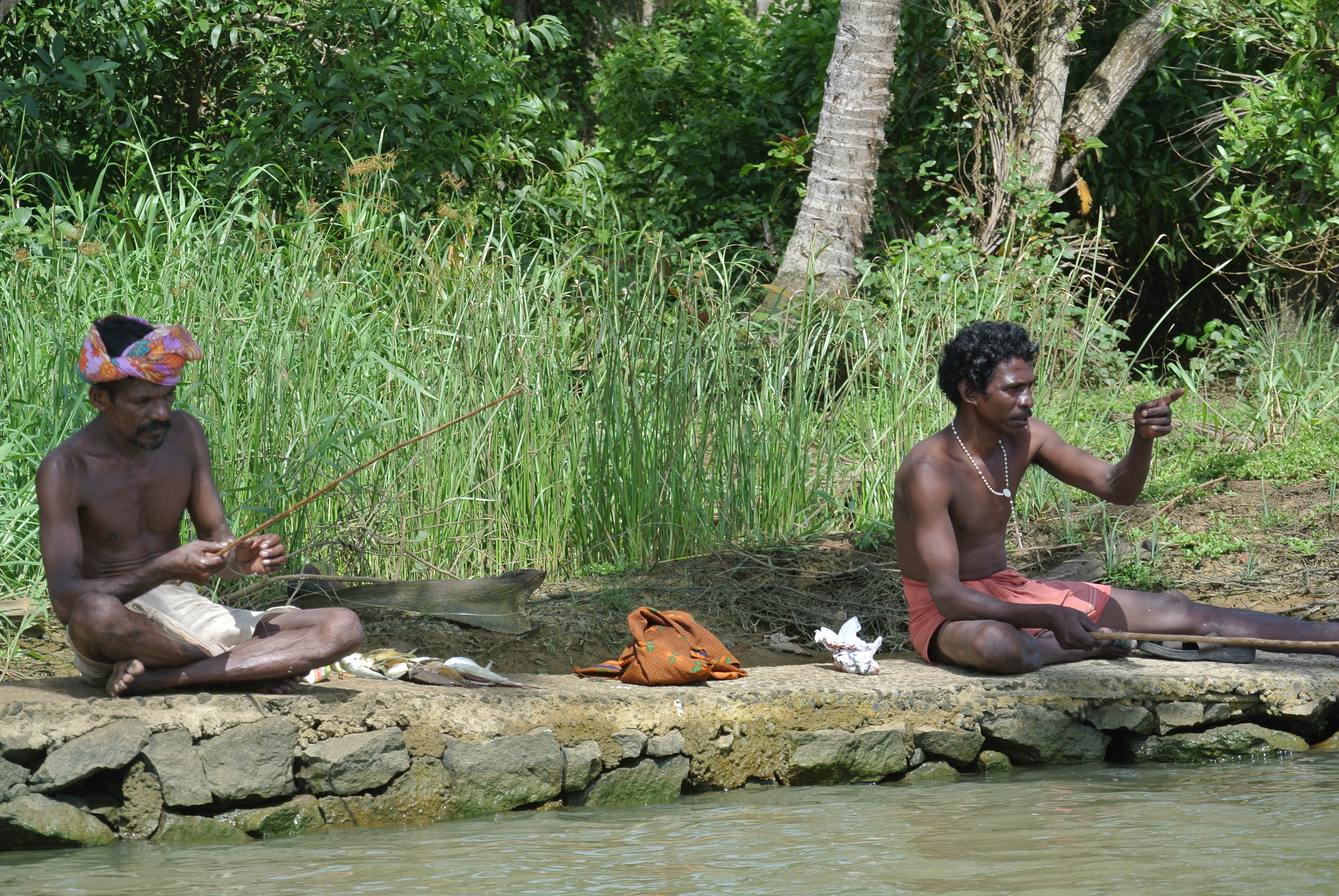
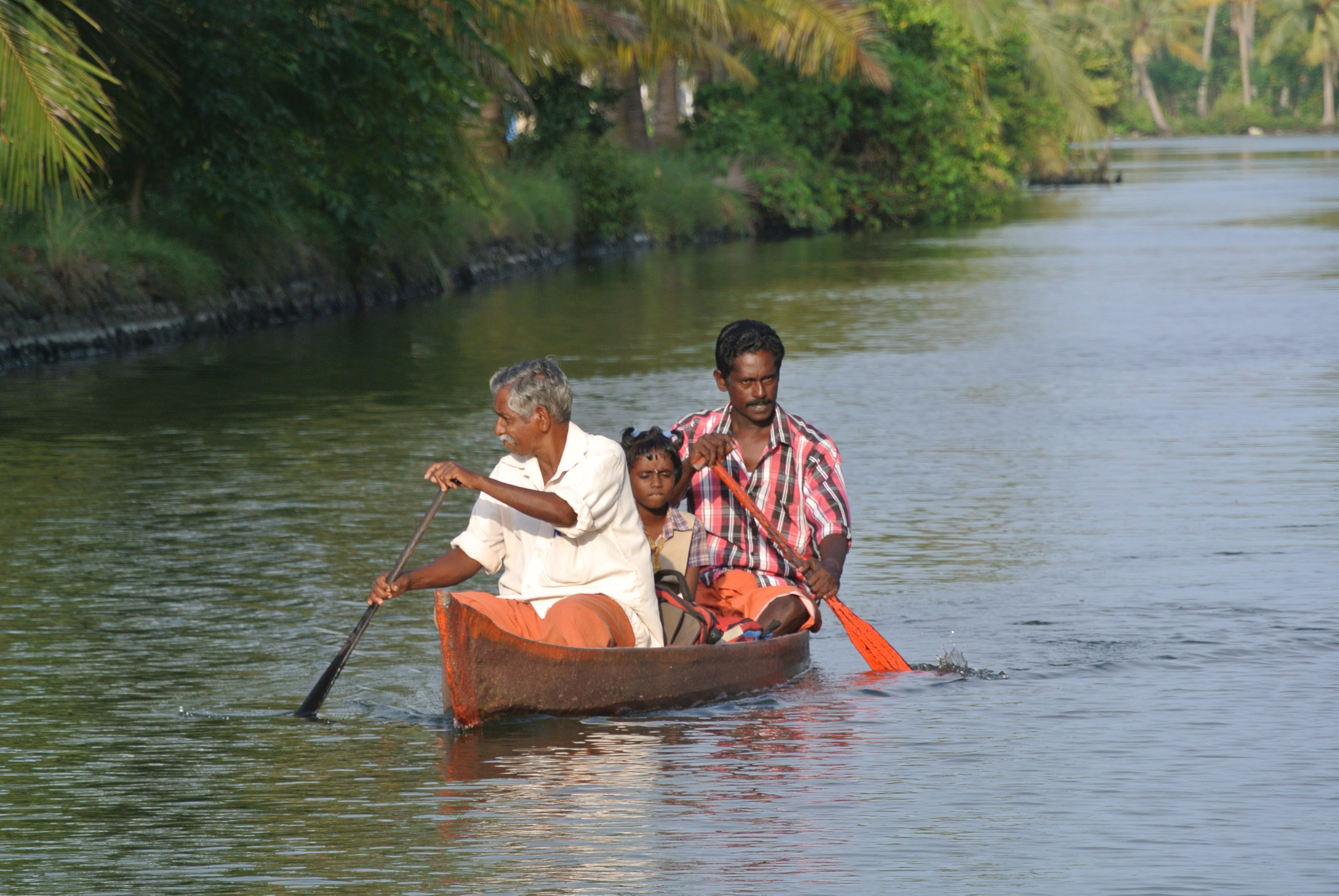
Photographs more than words are often able to capture the true essence of a place, and Kerala is no exception. The backwaters are an iconic example of the region. The rivers and canals that flow silently only kilometers from the coast, sometimes acting as a carrier for boats and people serving as means of transportation and leisure, and an ecosystem where fishermen make their livelihoods.  Continue reading

A Monkey Story

monkeyI love monkeys like I love elephants. I can sit and watch them for hours, they’re so interesting and intelligent. If you get a chance, you should try it some time!

Here’s a story about an experience I had with monkeys in my home town of Nilambur:

The city of Nilambur had lots of monkeys roaming around. They used to come into the city and our houses in search of food. This might sound sinister, but actually the way they came around was hilarious: they’d form a line and march towards the city gate, cross it, and then enter neighborhoods as a group. The problem was, they created havoc! They destroyed all the crops and stole objects that took their fancy,  making a mess of the whole place. My grandmother lost many of her blouses, and since she got very upset, my grandpa decided to keep a dog, named Tommy, just to scare the monkeys away.

I didn’t see the following incident personally, but the way Grandpa told the story, we used to laugh out loud and ask to hear the story over and over again. Continue reading

The Importance of Flowers

Photo credits: Christoph Hurni

Photo credits: Christoph Hurni

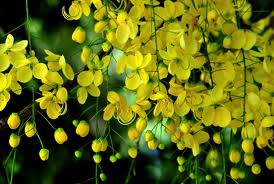
Flowers are quite important in Indian culture. They are needed in the temples to adorn the gods, as well as for other decorations, be it for a wedding or for any other function.

If you walk through a street which is close to a temple, you will see lots of flower vendors. Since it’s said that there are up to thirty-three million gods in Hinduism (isn’t that amazing?!), India clearly needs lots of flowers. Of course, many people don’t actually know all the millions of gods (including me), but luckily there aren’t many restrictions on what flowers can be used to adorn any given god!

Continue reading

Adyanpara Waterfalls


Adyanpara

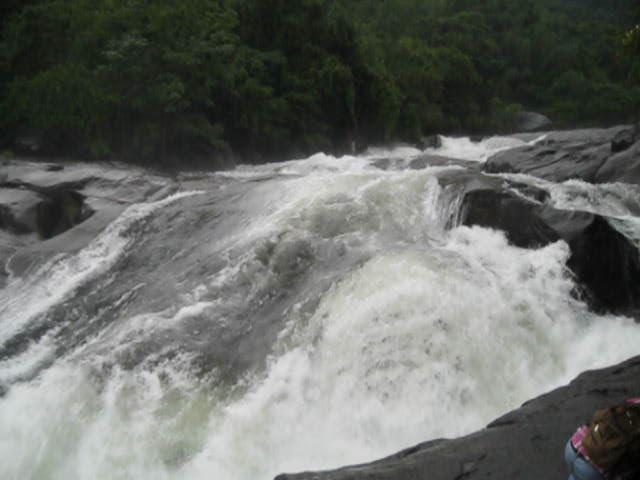
The nightly Adyanpara Waterfalls are nestled near the city of Nilambur. Not many know of its existence. Even though I belong to the same city, I came to know of it only quite recently.

At Adyanpara, the speeding stream finds its way through the ups and downs of the contours of a black rocky terrain that  plummet around 300 feet. The stream flows through the rain forest to the rocky basin with a series of cascades all along the way; however most of them are too tiny to be  taken seriously. The swift stream in due course gets morphed into the bigger and slower River Chaliyar.

Continue reading

The Story of “Kalyana Saungandhika”

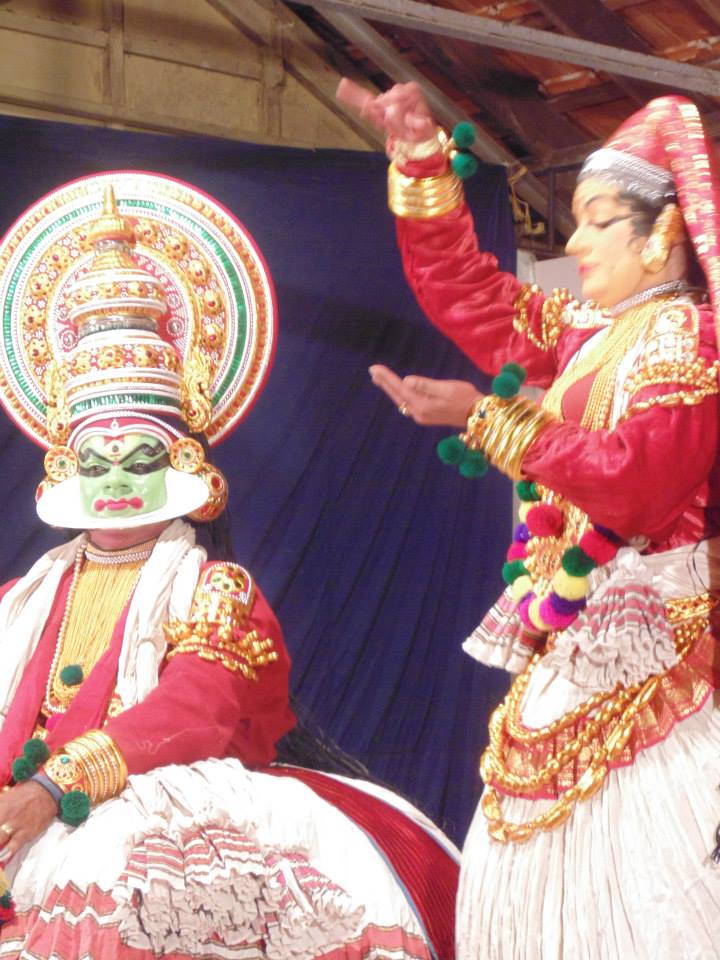
Kalyana Saungandhika–Bhima and Draupadi

The true Kathakali experience that I’ve referred to previously is only understood fully within the context of the grand Indian epic stories that they express. The rightful heirs to the throne of Hastinapur were 5 Brothers called Pandavas. The brothers were beaten in a game of dice by their 100 cousins called the Kauravas and were sent to the forest. The arrangement was such that the Pandavas were required to spend 12 years in the forest (Vanavaasa) and one year incognito (Ajnaathavaasam). If they were to be recognized by the Kauravas during the year of living incognito, they had to repeat the 12 years of forest life.

Many incidents good and bad occurred while they were undergoing Vanavaasa and the story of Kalyana Saungandhika is about one such incident, which also happens to be the favorite of ‘Kathakali’ performers.

Arjun, one of the 5 Pandavas, won his future wife Draupadi through an archery test and due to a misunderstood statement by Kunti the mother of the Pandavas, Draupadi had to accept all 5 of the Pandavas as her husband. Continue reading

Kathakali – An Introduction

Tiraseela

Tiraseela – the cloth that is used both as curtain and dramatic effect

Kathakali is one of the oldest theatre forms in the world. Originating in the area of southwestern India now known as the state of Kerala, it is a group presentation in which dancers take various roles in performances traditionally based on themes from Hindu mythology, especially the two epics, the Ramayana and the Mahabharata.

One of the most interesting aspects of the art form is its elaborate make-up. Characters are categorized according to their nature, which determines the colors used in the make-up. Continue reading

Kerala Culture and Arts – Ranga 2014

Ashtapadi

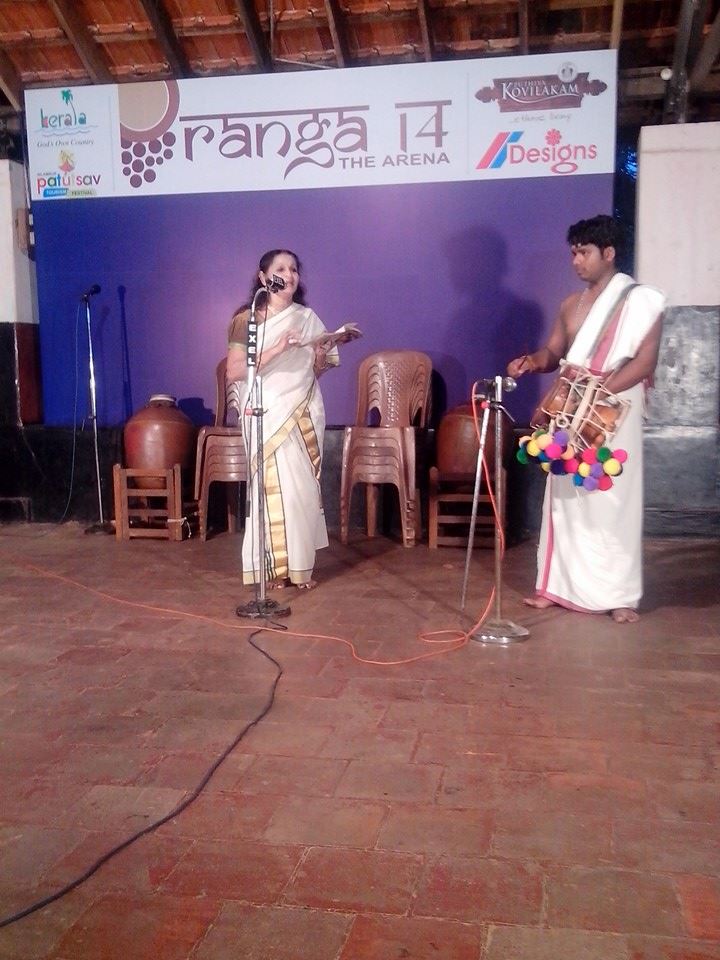
With the goal of conserving the cultural art of Kerala from extinction, Nilambur Kovilakam recently conducted an event called ‘Ranga 2014’ on the 17th and 18th of January.  It was a two day event wherein artists portrayed their talents to a mixed audience of people from the Kovilakam and visitors from farther afield. The major intention of this event was to showcase the cultural heritage of Kerala and demonstrate its art forms to an invited audience from various parts of the world.  Continue reading

Of Festivals and Traditions, the Royal Way….

sarvani

Sarvani Sadya (Food served by the Royal Family)

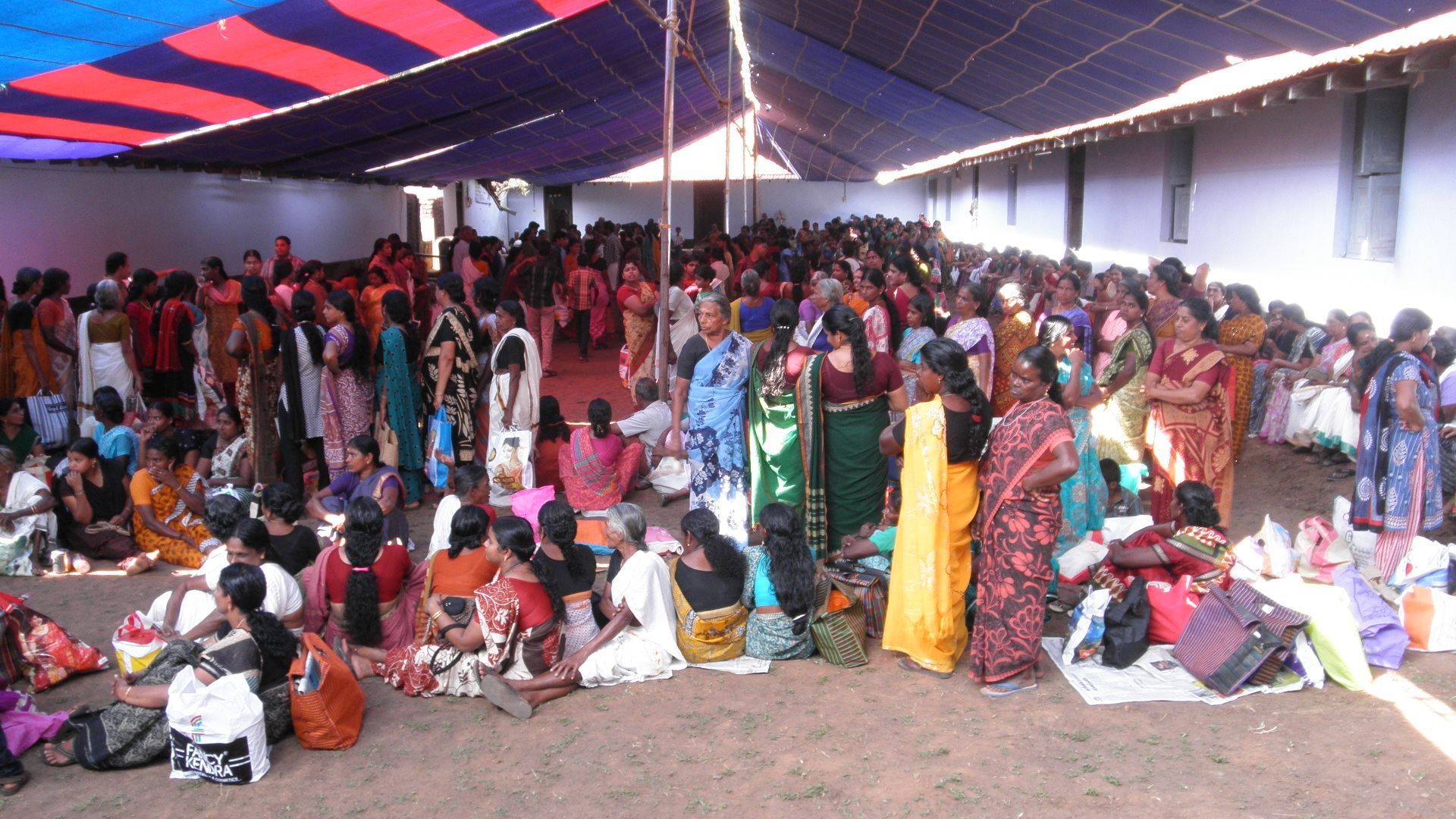
Kerala is known for its culture, traditions and festivals. After a gap of 2 years, I had the chance to attend our family festival at Nilambur Kovilakam. Normally people from outside the family are not allowed to enter the temple, since it is my family’s, but this festival, called ‘Nilambur Pattu’, gives a chance for all to attend and seek the blessings of our family God ‘Vettekkorumakan’. Continue reading

MC’ing Christmas & New Year’s Eve

When I was asked to be the “face of RAXA Collective” during the Christmas/New Year’s Eve celebrations at Cardamom County, my impulsive nature overtook any kind of rational thinking and I said “yes”. I didn’t stop to think for a minute if I could do a decent job or not. But once I’d already made a commitment, I realized that I shouldn’t think too much of it and decided to go with the flow. So when the day dawned, I was my usual self, but honestly, quite anxious.
There were about 120 guests and to keep the crowd occupied is one thing, and entertained is another. Continue reading

Dance and Textiles – A Connection

dance

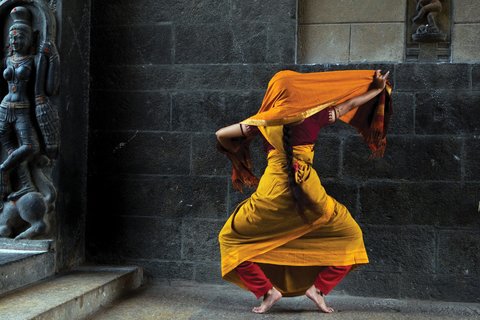
It was mandatory in my family culture that young girls learn dance and music, the traditional dances like Bharathnatyam, Mohiniyattam and Kathakali, as well as Carnatic music. And I was inducted into a well known school of art to learn them.

The theory part included learning about the various dance formats, stories, and most importantly the costume. Continue reading

Periyar Through The Water

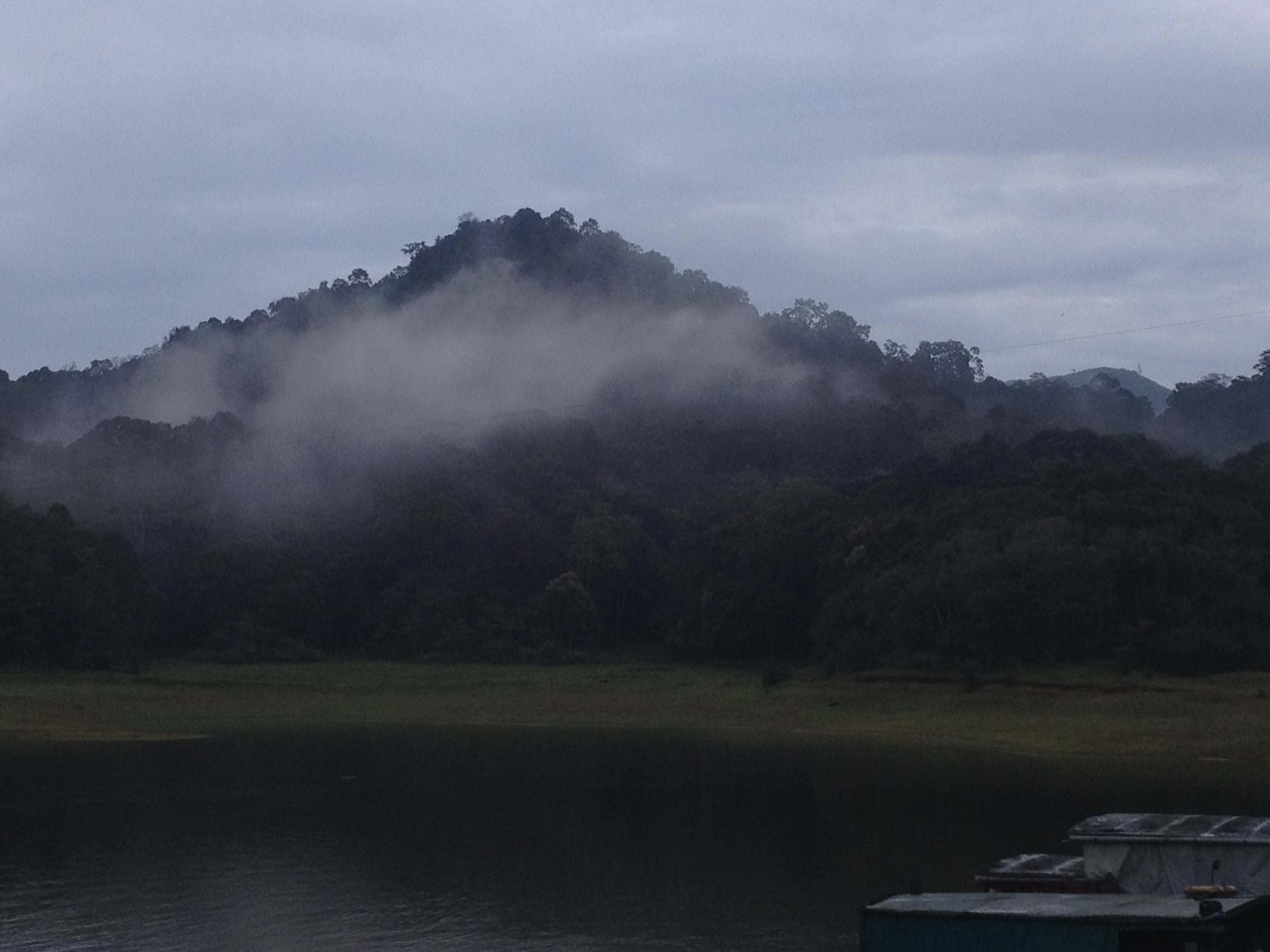
When I think of Thekkady and the Periyar Tiger Reserve, what comes to mind is a lake surrounded by thick, dense forests, and the iconic dried tree snags created when the lake was formed by the Mullaperiyar Dam over 100 years ago, not to mention the elephants that often frequent the water’s edge. It was cloudy when I left for the boat excursion and by the time I reached the boat landing, it was pouring; it is monsoon season after all. Salim said there would be fewer “sightings”, as the locals put it, since the animals tend to take cover in the rain.

Continue reading

Memories and Cardamom County…..

A few weeks ago I joined the RAXA Collective team and have been spending time familiarizing myself with all the properties. The last location to visit was Thekkady.

As a child, I have frequently travelled to Poonjar, my grandpa’s place; each vacation was spent there until about 25 years back. That’s a long time!! Those then remained distant memories until yesterday when I had the chance to travel through the same route. Kaduthuruthy, Pala, Erattupetta, Bharananganam and St. Alphonsa’s Church were familiar small towns which I passed on my way to Cardamom County, Thekkady. Nostalgia and a sense of loss (as both my grandparents have passed) is what I felt and if time had permitted, I would have definitely convinced Amie to drop in at Poonjar for a few minutes – it was only a 5km detour….

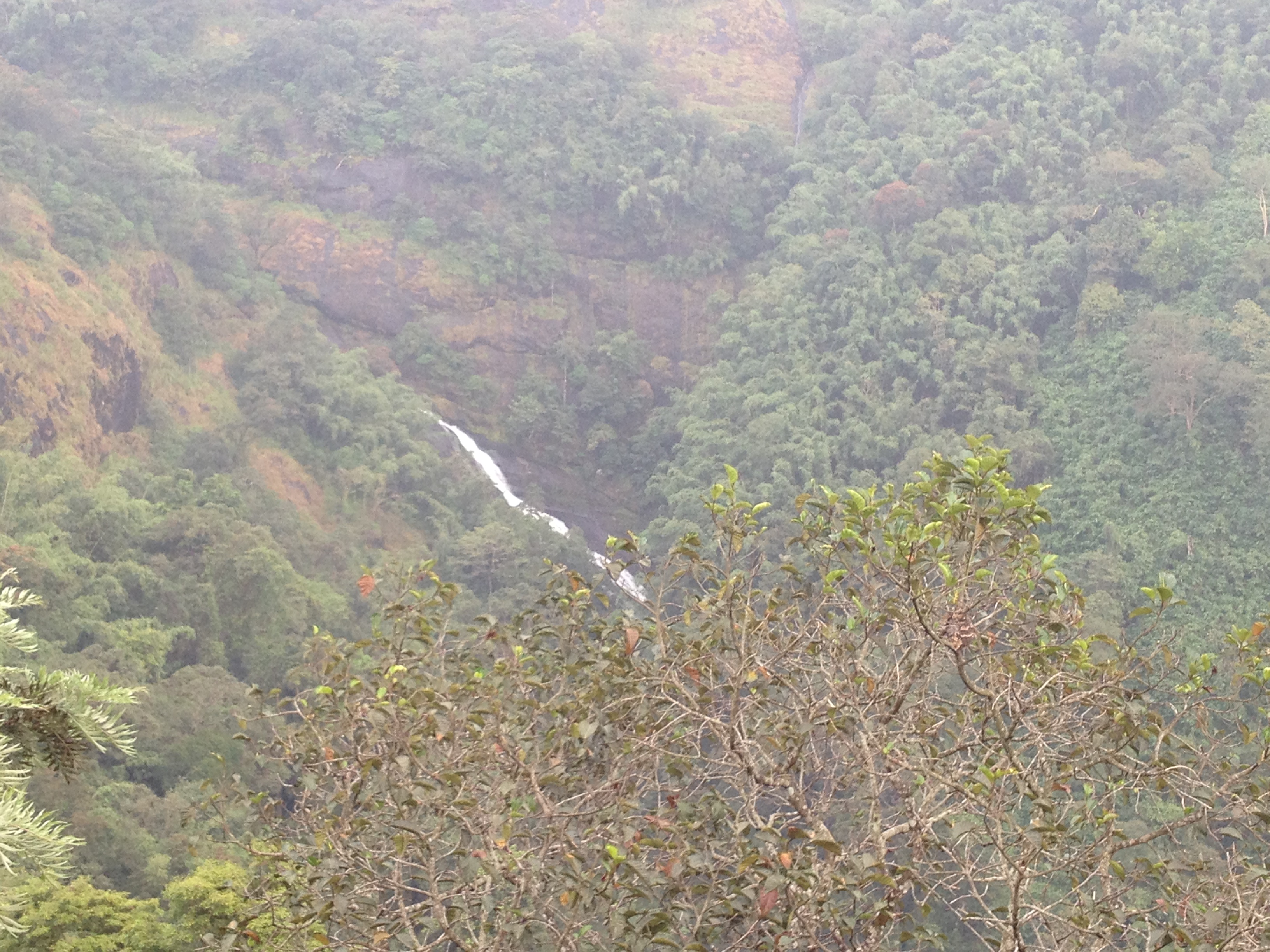
I have a lot of places to cover in Kerala before even I think of exploring other destinations. The small coffee shop placed on a small hill which had a magnificent view to the valley and a majestic water fall was the highlights of the journey.

IMG_1542

After a longish car drive, the yellow lights alongside the Cardamom County garden and the warm ‘garland’ welcome which I received from the staff was quite refreshing. I immediately concluded that I was going to have a whale of a time, even though the trip was official. Continue reading