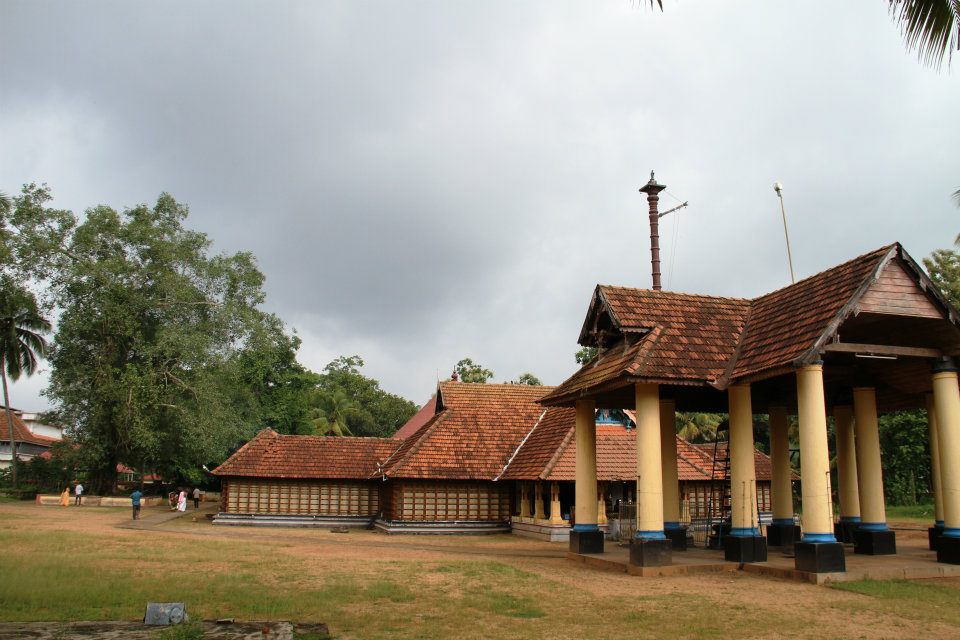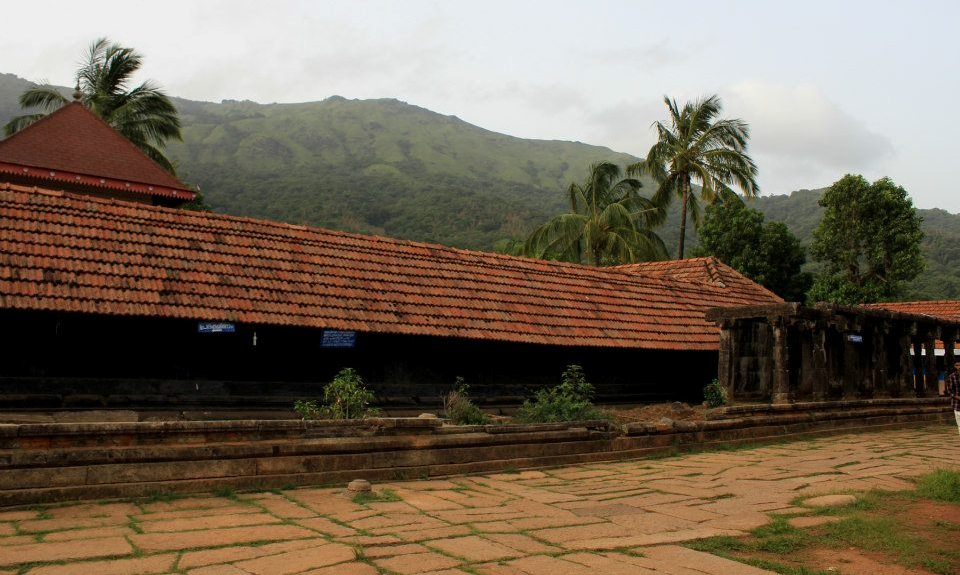
Thirunelli Mahavishnu Temple is one of the most ancient temple in Kerala, situated at the foothills of Brahmagiri in norh Wayanad , surrounded by mountain and beautiful forest.The temple is popularly known as ‘ Kashi of the South’. According to legend, Lord Brahma himself installed the idol of Lord Vishnu in this temple . The waters of the Papanasini River , which flows close to the temple,is said to have mystical powers.It is believed that bathing in the River will wash away one’s sins. Continue reading
Author: Salim.E.I
Mamallapuram – Pancha Pandava Rathas (Five Rathas)
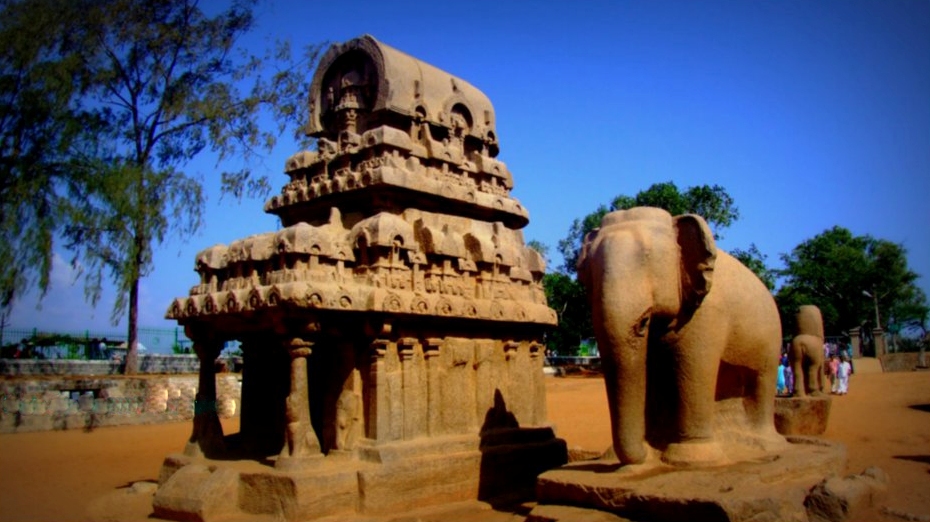
These Rathas (chariots) are the most extraordinary of all the monuments in Mamallapuram. These monolithic shrines near the beach are carved out of granite boulders. There has been much fanciful speculation about them, mostly by people uninformed that similar such monuments exist elsewhere in India. These particular rathas are among the oldest and well-preserved vimana models in Tamil Nadu. Continue reading
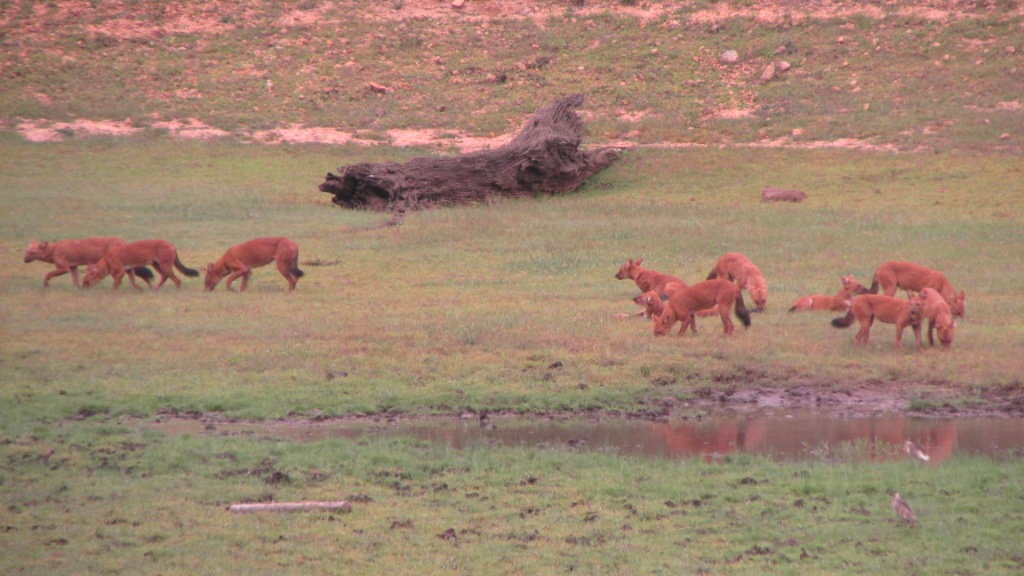
Wild Periyar – Dholes (Asiatic Wild Dog)
Recently disignated as a World Heritage Site by UNESCO, the Western Ghats and Periyar Tiger Reserve are among India’s prime ecological hot spots The rich and productive banks of the Periyar reservoir attract Wild Dogs that gather near the lake looking for Sambar Deer and Wild Boar. Continue reading
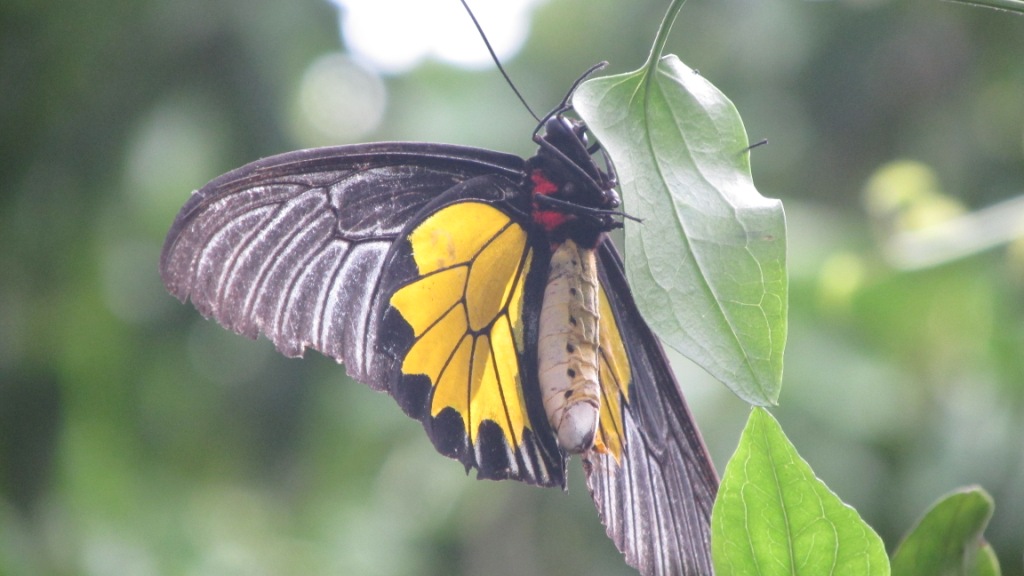
Golden Birdwing Butterfly
Periyar is popular for its bio-diversity and rich in butterfly population. The impressive species diversity of 160 butterflies in Periyar underscores the crucial relationship between plants and animals. The Golden Birdwing Butterfly is common in the entire region of the Western Ghats. Continue reading
Tholpavakoothu – Traditional Shadow Play
Tholpavakoothu is a traditional form of shadow art using leather puppets. It is an important part of the temple festivals in Kerala, especially in Palakkad. The performance spans seven to 21 days; the belief being that the Devi witnesses the performance. Continue reading
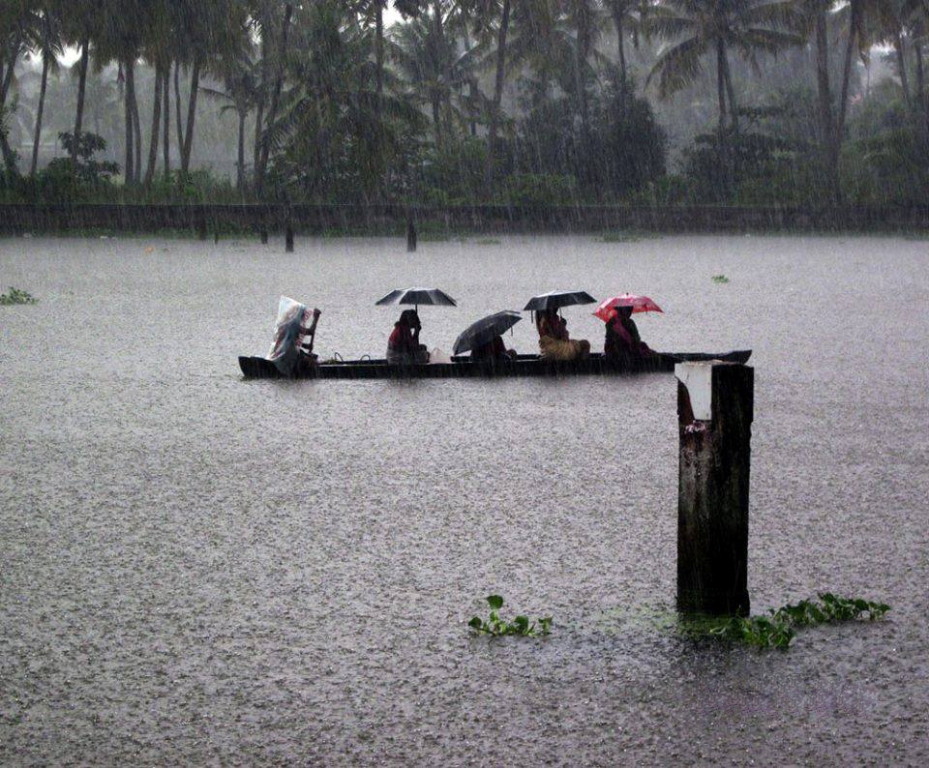
Monsoon – Kerala
Monsoon rains are very much linked to the economy and ecology of Kerala; almost 85 percent of the state’s annual rainfall is received during that period. The slopes of the Western Ghats are among the places in India that receives the highest amount of rain. According to Ayurvedic theory, monsoon is the best season for rejuvenation therapies. It is the period when the atmosphere remains dust-free and cool. The Monsoon also plays an important role in the healthy growth of spices and crops like Cardamom, Pepper and Coffee. Continue reading
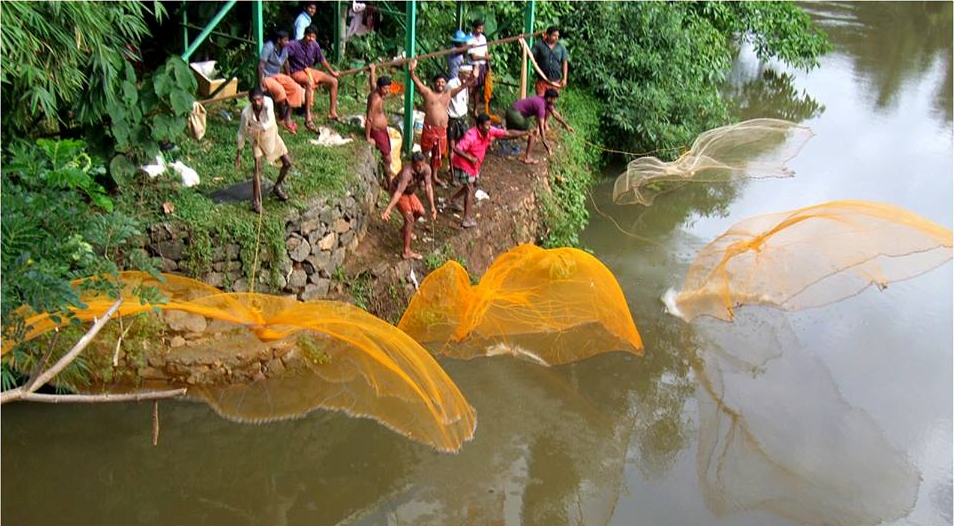
Veeshuvala – Local Fishing Net
There are many fishing techniques employed in the backwaters, rivers and canals of Kerala. The local people have a name for each tool and method employed to trap the fish. The most common is Veeshuvala, where a circular net, six to seven meters in diameter and weighted at the edges, is thrown from the shores in a distinctive fashion – a quick spin of the body to gain momentum, then releasing the gathered net at just the right moment. The weights ensure that the net flares out like a umbrella before it lands on the water. A string attached to the hub is then pulled from the banks to haul in the trapped fish. This method of fishing is very common in Kerala especially during monsoon. Continue reading
Thirvunamalai, Arunacaleshwara Temple – Tamil Nadu
Thirvunamalai Arunacaleshwara Temple is dedicated to Jyothi Lingam, the fire incarnation of Lord Shiva. Situated amidst picturesque surroundings at the base of the 2600-ft Annamalai hills, it is one of the largest and most revered shrines in South India. The nine imposing gopurams of the temple constructed in the Vijayanagar style are a magnificent sight. There is a “thousand pillared hall” with intricate carving of minor deities and demi-Gods. Continue reading
Sadhus – Mendicants
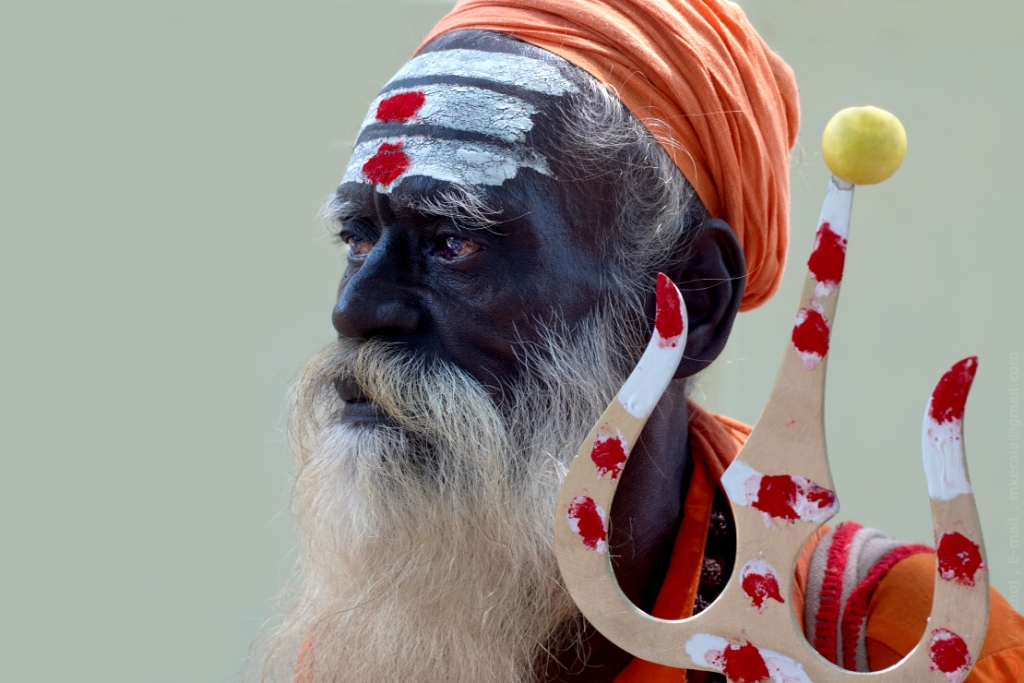
Sadhus are commonly found outside famous temples in India. They live an ascetic life on the fringes of society, free from all family ties with neither possessions or permanent house and eat little. They live off alms given by pilgrims and devotees and often wear saffron coloured clothing. Continue reading
Kalamezhuthu (Floor drawings)
Kalamezhuthu is the art of creating very large pictures on the floor, and is a unique form of art found only in Kerala. Typically, Kalamezhuthu is conducted as part of the general festivals in temples. The patterns that are drawn and the colors that are used are traditionally stipulated. Additionally, the colored powders used for the Kalams (drawings) are prepared solely from natural products. Kalams are drawn in connection with the worship of Gods and Goddesses, and are drawn directly with the hands. No tools are ever used. Continue reading
Cochin Carnival
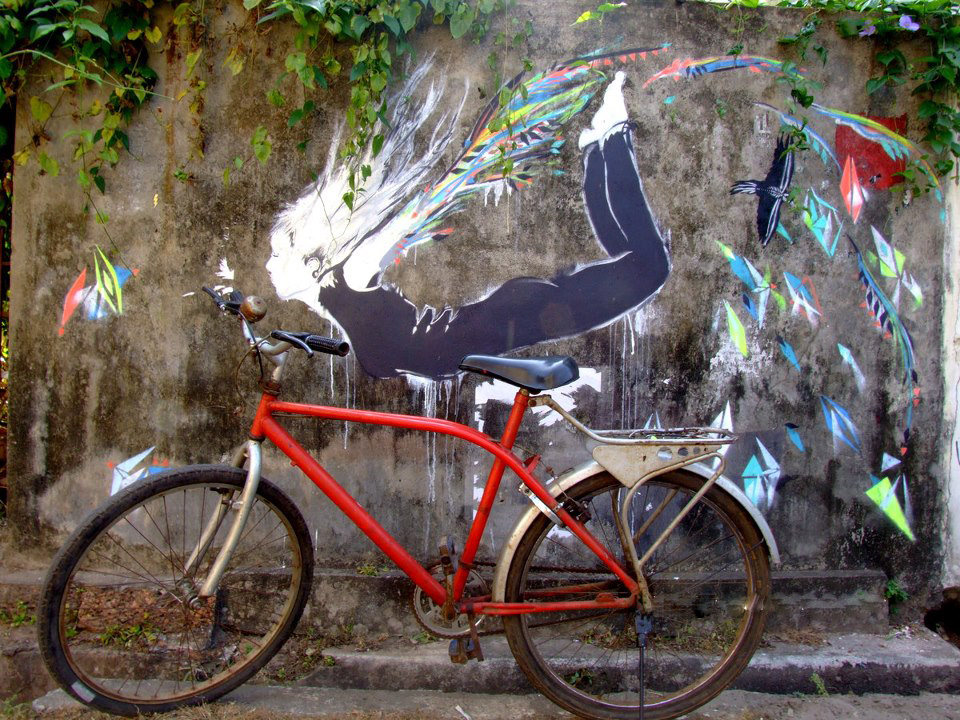
Cochin Carnival is celebrated at Fort Cochin annually during the last ten days of December. The carnival is celebrated as a continuity of the Portuguese New Year festivals during the colonial years. During the carnival period all establishments in the city don white paper buntings. All available space on the streets is used to host traditional competitions such as kalam vara (floor drawing), tug-of-war, and bicycle racing. Additionally, people often play beach volleyball or go for a swim in the sea. The festivity and revelries continue until midnight of December 31st, culminating in a marvelous show of fireworks. Continue reading
Elephants in Kerala

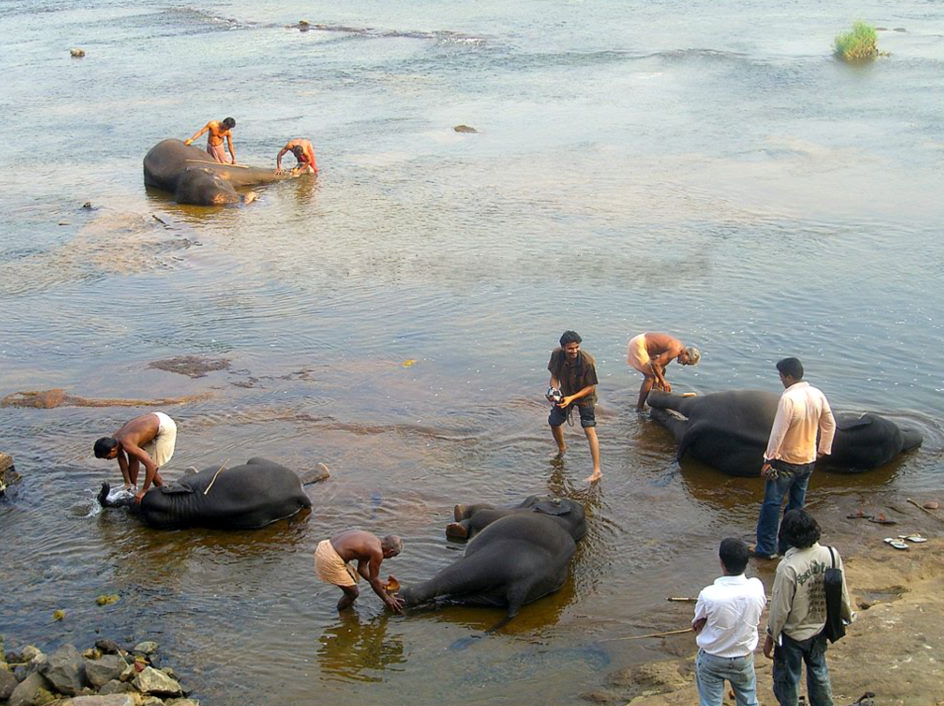
Elephants being bathed by their Mahouts near the Kodanad Elephant Training Center; Photo Credits: Ramesh Kidangoor
A symbol of strength and prestige since ancient times, elephants were used by royalty and feudal lords to display their power. Nowadays elephants are still part of the life and cultural ethos of Kerala. People here consider this animal a harbinger of good fortune, a remover of obstacles. It is an integral and inseparable part of the religious and economic life. Continue reading
Thrikkakara Vamana Moorthy Temple – Cochin
Located near Cochin, Thrikkakara Temple is one of the few temples dedicated to Lord Vamana, the 5th incarnation of Lord Vishnu. The name Thrikkakara means “the Holy place where Lord placed His Foot”. Thrikkakara is famous for the 10-day Onam festival celebrations. Continue reading
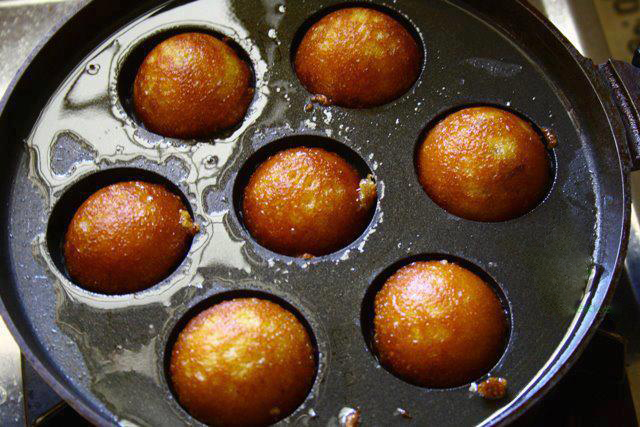
Flavours Of Kerala – Unniappam
Unniappam is a traditional snack popular all over Kerala. They are easy to make, very tasty, and are prepared from the main ingredients of rice, jaggery, banana, and ghee.
How to Prepare
Mix rice powder, jaggery, chopped banana, fried coconut bits, and cardamom powder for flavor, all with water to make the batter. Then, heat the oil in an Unniappam pan and fill the holes with the batter. Continue reading
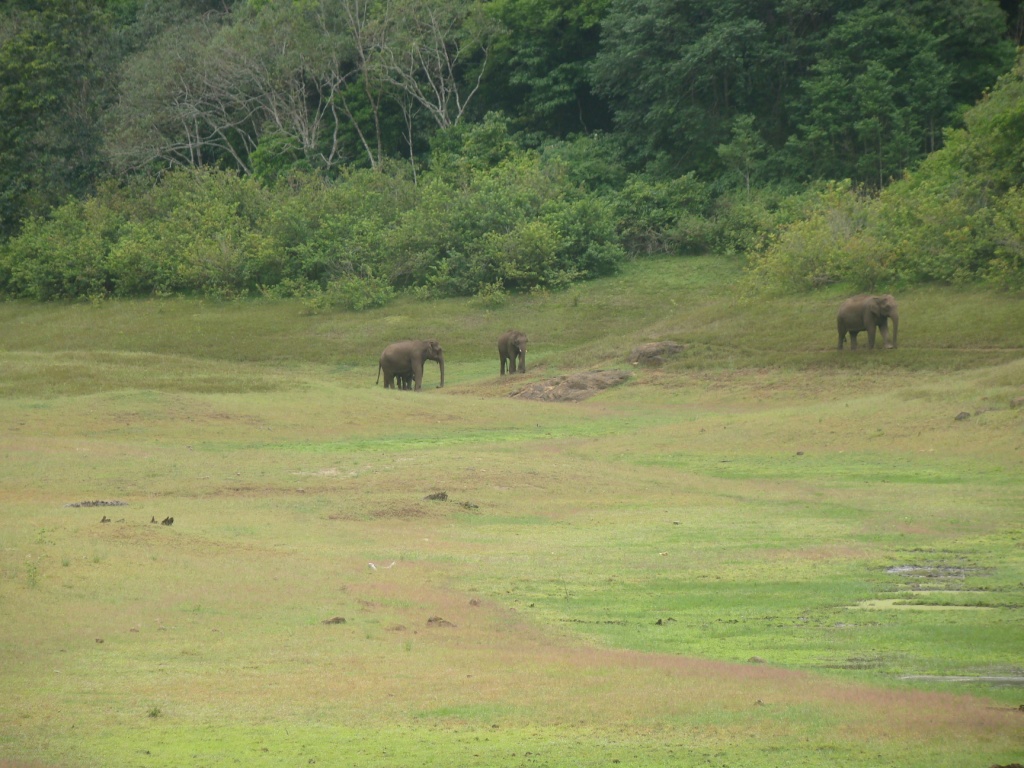
Periyar Sightings June 9th 2013
On the morning of June 9th, Shaleen James went for a nature walk in the Periyar Tiger Reserve. While originally from Mumbai, she was visiting Cardamom County. Shaleen enjoyed her trekking and had many good sightings and consequently, has kindly shared some of her photos with us. Continue reading
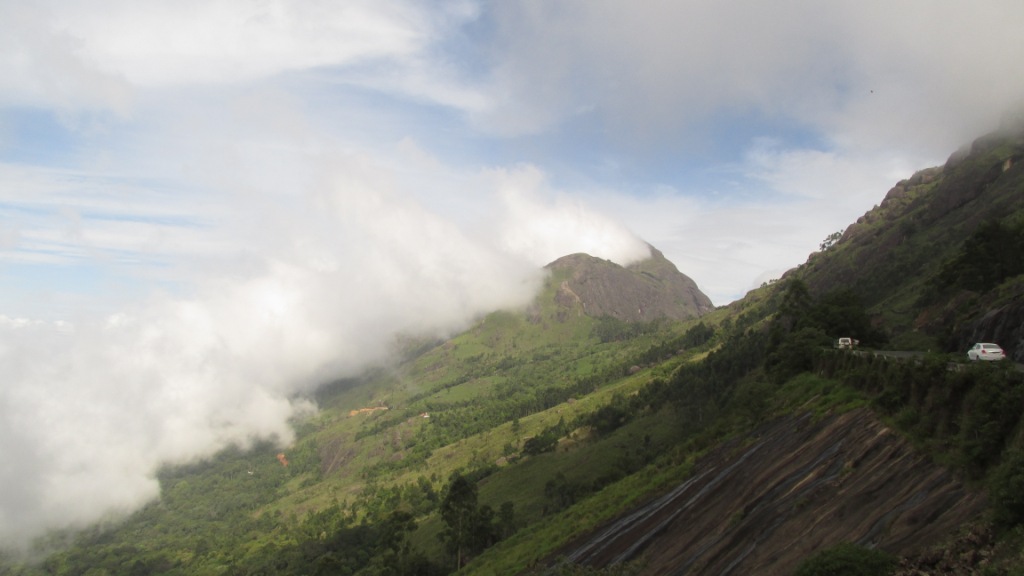
Bodi Mettu – Munnar
Bodi Mettu, the highest peak in South India, is located along the Munnar-Madurai Highway near the border between Kerala and Tamil Nadu. From this point on a clear day one will get a bird’s-eye view of Tamil Nadu and the Bodi town. Continue reading
Cactus plant
Cactus are unique plants found naturally growing in tropical regions, dry areas and deserts. Belonging to the family of cactaceac, instead of leaves from which water can easily evaporate, members of this family have spiney succulent body parts that help to control the water levels. Continue reading
Beauty Of Munnar – Lockhart Gap
Munnar abounds in amazing views. The Lockhart Gap is located near Munnar on the Thekkady road, offering a bird’s-eye view of Bison Valley and the surrounding hills and tea plantations. It is also an ideal place for rock climbing. Continue reading
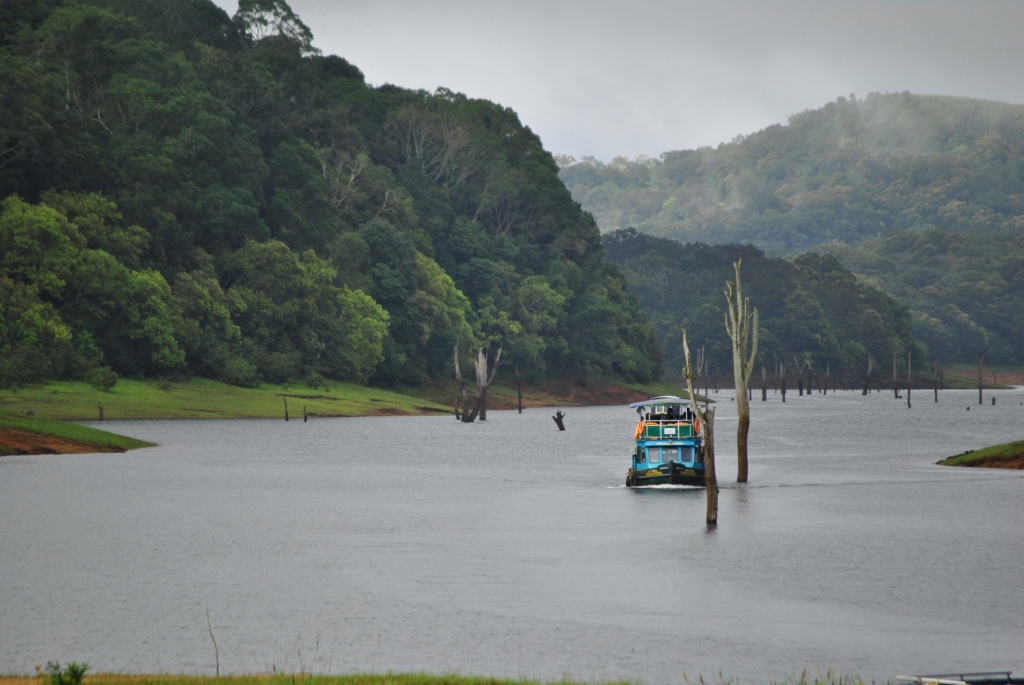
Periyar Sightings, 6th June 2013
Mary Mathew and her family recently joined us at Cardamom for two days. They had some good sightings during their boat excursion in the Periyar Tiger Reserve this morning and shared some of their photos with us. Continue reading
Hill Palace Museum – Tripunithura
Now the largest archaelogical museum in Kerala, the Hill Palace was the official residence of the Kochi Royal family. The 20,000 sq ft palace was built in 1865 in the traditional architectural style of of the state, and includes beautifully landscaped gardens, a deer park and facilities for horse riding. Continue reading