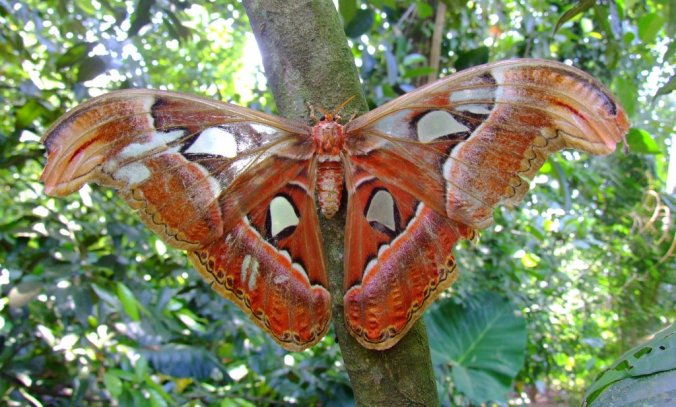
Atlas Moth – Attacus atlas

Photo Credit : Ramesh Kidangoor

The Western Ghats is one of the richest treasure troves of biodiversity on this planet, haven for moths, butterflies and other insects. Among the diverse species is the Atlas Moth, with the largest wing surface area in the world having a span reaching over 25 cm (10 in). Continue reading

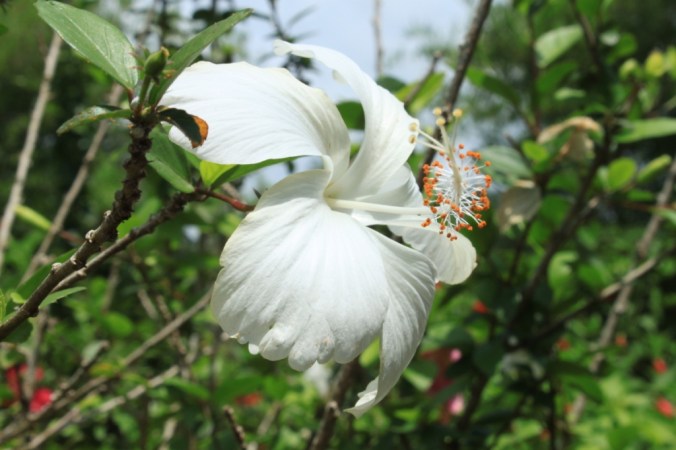
White Hibiscus

White Hibiscus is an ornamental flower commonly growing in the hill ranges of Kerala. In Ayurveda medicine white hibiscus root is used for cough and hair growth. The flower and leaf is also used as shampoo and conditioner.

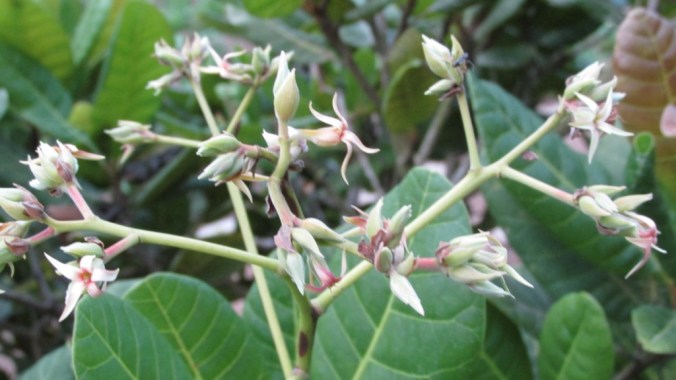
Cashew Tree (Anacardium occidentale)

Cashew is an evergreen tree growing in the tropical and sub-tropical regions of the world. Although it is native to the Americas, it is now naturalized in much of Asia and in Kerala the Kollam district is famous for the best quality Cashew Nuts. Continue reading

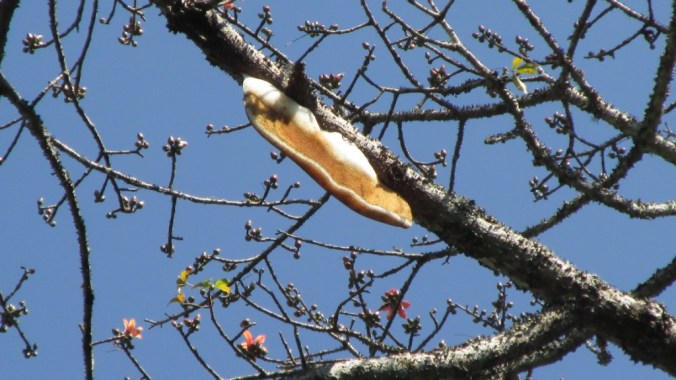
Wild Periyar – Wild Honey

Periyar Tiger Reserve is a unique habitat where nearly 2000 different species of flowering plants exist, including 515 found nowhere else. Butterflies and other uncounted insects live and maintain this wilderness as a natural wonderland. Continue reading

Cassia – Cinnamomum tamala

Cassia is a moderate sized evergreen tree widely growing in the evergreen and semi-evergreen forests of Western Ghats. One of the  popular spices commonly used in the Indian diet, Cassia is generally considered inferior to Cinnamon, but is often used as its substitute. Continue reading

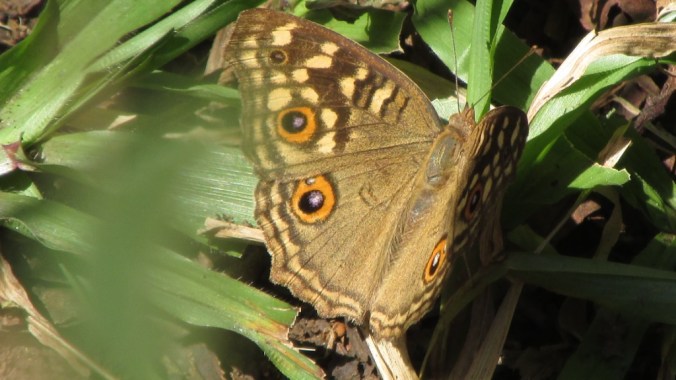
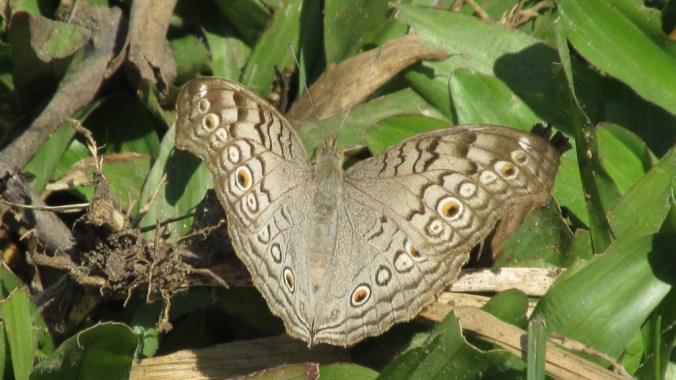
Grey Pansy Butterfly- Junonia atlites

The impressive diversity of more than 150 butterfly species in Periyar underscores the crucial relationship between plants and animals. The Grey Pansy butterfly are one of the larger varieties found commonly in the reserve, usually near riversides and open grasslands. Continue reading

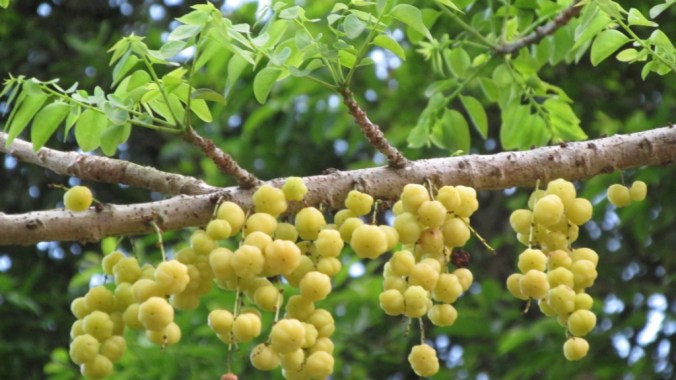
Star Gooseberry – Phyllanthus acidus

Star Gooseberry is a medium-sized deciduous tree that grows up to 7-8 metres high in the tropical and sub-tropical regions of Asia. The round scalloped fruits are mainly used for making pickles in Kerala. Continue reading

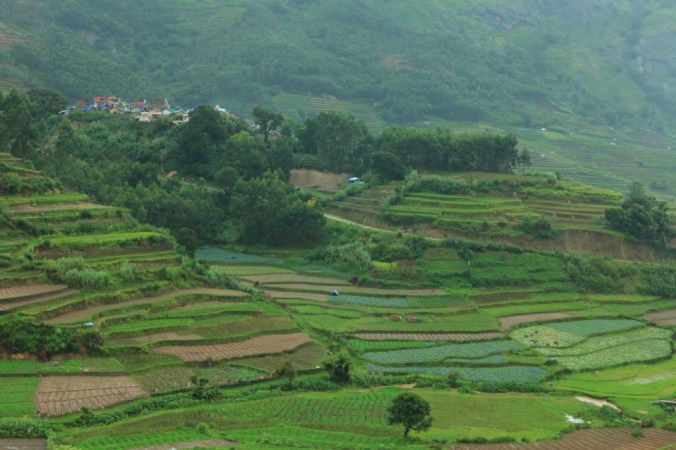
Vattavada Munnar

Vattavada is a serene village situated near Munnar at an altitude of 6000 ft above the main sea level. It is a high range agricultural zone but instead of tea plantations vegetables are predominantly cultivated on the terraced slopes and valleys of the area. Carrot, cabbage, beans, onion, chillies, beetroot, potatoes  and leafy vegetables are the famous crops from Vattavada. Continue reading

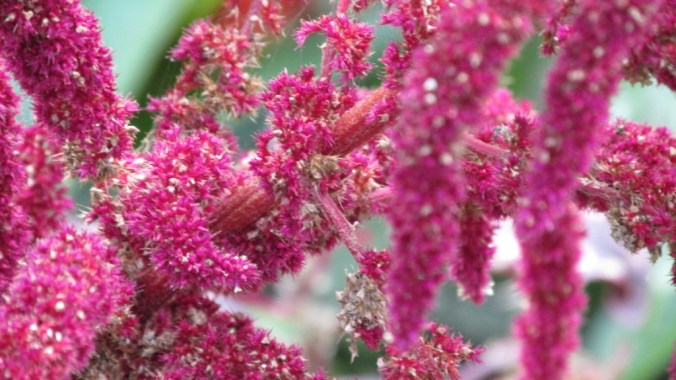
Red Malabar Spinach – Red Amaranthus

Spinach Flower

Red Malabar Spinach is an annual flowering plant , famous for its leaves in vegetable dishes. Fresh spinach is a good source of vitamin A, vitamin C and other essential minerals and it is very low in calories. These plants are widely growing in and around Kerala where it is locally called Cheera. Continue reading

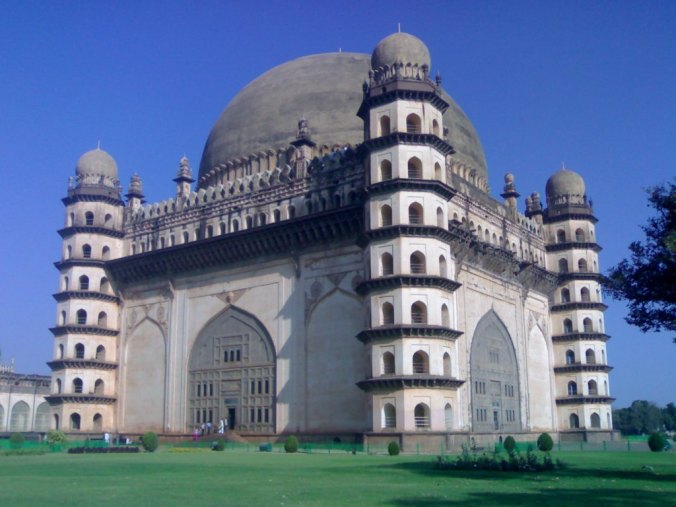
Gol Gumbaz – Bijapur, Karnataka

Photo credit: Ramesh Kidangoor

Gol Gumbaz is the tomb of Mohammed Adil Shah, located at Bijapur in Karnataka state. Built in the 17th century, this renowned example of Deccan architecture took close t0 30 years to complete. The significant feature of the structure is its central dome which stands without the support of pillars. The Gol Gumbaz is the second largest dome in the world of this type. It is particularly known for its central chamber, or “Whispering Gallery”, where every sound is echoed multiple times.

Wild Periyar – Common Castor Butterfly

The Periyar Tiger Reserve is famous for butterflies, in fact 144 species of butterflies have been identified in this region.  The Common Castor (Ariadne merrione) is a frequently sighted example.

Wild Periyar: December 20, 2012

Mr. Shaji, a local photographer, joined one of the morning treks and shared his photos. According to him these are the common sightings he experiences early in the day, which is always the best time for wildlife viewing. Continue reading

Wild Periyar – Indian Sandalwood

Sandalwood (santalum album) is a small evergreen tree that can grow up to 15 metres high. This hemiparasitic tree (feeding off the roots of other plants) is found widely in the Periyar Tiger Reserve, although is considered threatened in many parts of the world. Continue reading

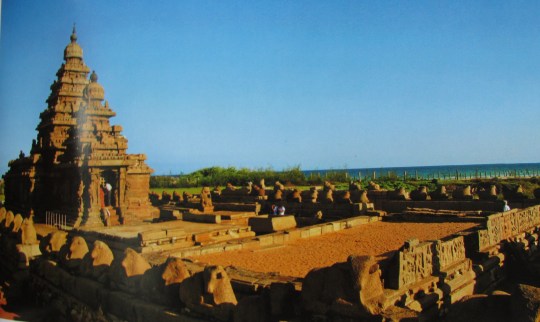
The Shore Temple – Mamallapuram (Tamil Nadu)

Photo Credits: Salim Pushpanath

The Shore Temple is one of the oldest temples in South India. Built during the 8th Century A.D., it is a good example of the Dravidian style of temple construction. Continue reading

Mangrove Forests

Mangroves are an essential element of healthy coastal environment. They provide excellent habitat for migratory birds, serve as breeding ground for many species of fishes, control pollution through natural filtration and protect the shoreline from heavy waves. The important Mangroves plants are Acanthus cillicifolious, Acrostichum aurem and Avicennia officinalis, several of which are found in Kerala. Mangroves are salt-tolerant plants found in tropical and subtropical regions of the world. Continue reading

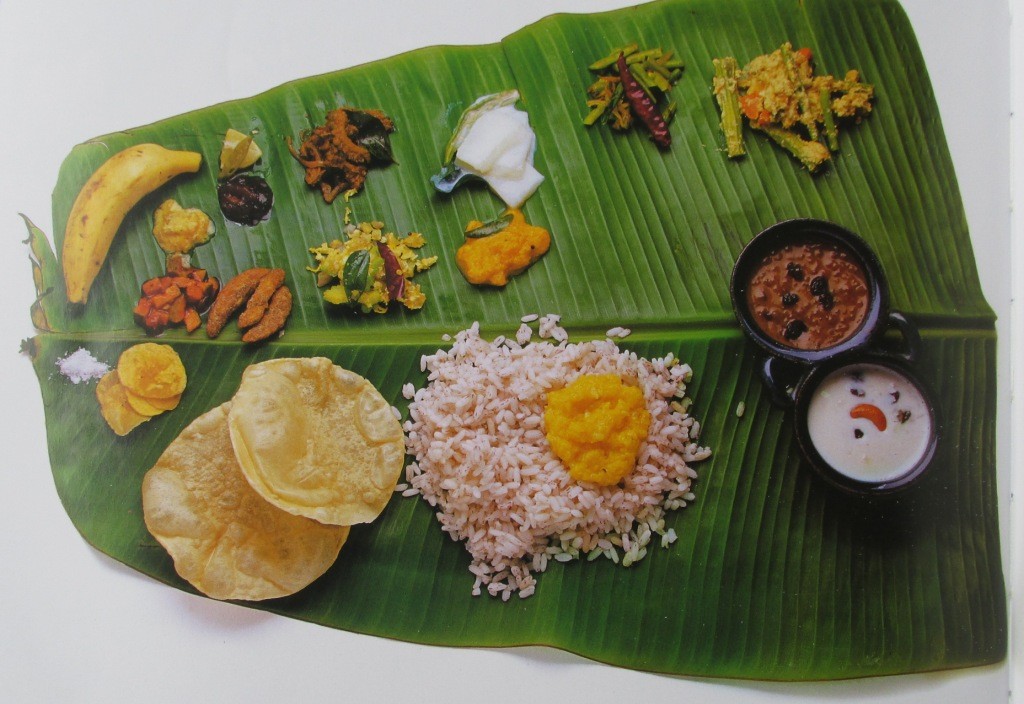
Flavours Of Kerala – Sadya

Food is an important indicator of a region’s history. The diversity that one sees today in Kerala’s food evolved from its past, when profound historical and social events influenced the diet of the inhabitants. Only the end section of the banana leaf is used due to the precise method of serving a Sadya. Starting at the narrow end, individual items are carefully added from left to right with the curries above the dividing spine so they don’t get mixed with the rice which will be  placed on the bottom half later. Continue reading

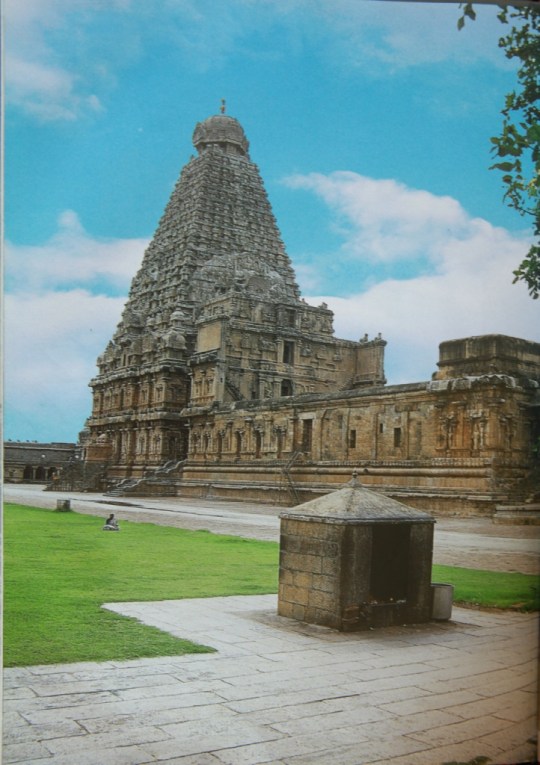
Thanjavur Brihadeeswarar Temple – Tamil Nadu

Brihadeeswarar Temple in Tamil Nadu is one of the greatest artistic accomplishments of the Late Chola period. At 216 feet in height, the shrine of this UNESCO World Heritage Site is the largest and tallest in India. This was an imperial monument to Chola power, built without using bricks, lime mortar or clay. The stones are placed one above the other and are held in place due to sheer weight. Continue reading

Mamallapuram – Arjuna’s Penance

In South India Temple worship has been a glorious tradition; over the years there have been many schools of Temple building: the Ddravadin, Chalukya, Pallava, Hoysala and Pandya. The Temples were constructed with strict observance of the rules put down in the Agama Silpa Shastras (the book of Architectural techniques).  Continue reading