National Park of the Week: Gir Forest National Park, Gujurat, India

Photo via paradisejungletrip.com

The endangered Asiatic Lion. Photo via paradisejungletrip.com

The Gir Forest National Park and Wildlife Sanctuary covers about 1,400 square kilometers in the southwestern region of Gujurat, India’s westernmost state that borders Pakistan and the Arabian Sea. Unlike many of the national parks profiled so far, Gir Forest National Park is not open to hiking on trails, mostly to protect travelers and the wildlife that the Park was founded to preserve, particularly the Asiatic lion, an endangered species found only in this protected area.

lion-gir-forest.blogspot.com

Photo via lion-gir-forest.blogspot.com

The main attraction of the Park is this large cat population, which numbers in the hundreds. But leopards, deer, the four-horned antelope, and many interesting bird species can be found here, along with the vulnerable marsh crocodile and the endangered pangolin. Since walking within the Park on foot is not allowed, jeep safaris are the only way to get around and spot wildlife with the help of a guide. With such a high number of threatened species – whether avian, mammalian, or reptilian – Gir Forest seems a place worth visiting before it is too late to spot some of these majestic and beautiful creatures in the wild. Despite only 83 checklists on eBird, the number of species recorded in the Park is 231, with many of the species only just being reported for the hotspot this year!

The endangered Indian Vulture. Photo via thepetitionsite.com

The endangered Indian Vulture. Photo via thepetitionsite.com

The Park closes from mid-June to September for the monsoon season, and the most comfortable temperatures for visiting are during December-March. For the purposes of wildlife sightings, however, April and May are great despite the extreme heat, since this hot and dry period makes many of the animals more predictable in their search for water. While in the region, consider visiting the Somnath Temple to the southwest or Mount Girnar to the northwest.

New Study on How Boobies Dive Safely

Replicas of gannet skulls from the collection at the Smithsonian Institution allowed researchers to measure the forces a bird’s skill experiences during a dive. (Photo by Sunny Jung/Virginia Tech via Smithsonian)

Replicas of gannet skulls from the collection at the Smithsonian Institution allowed researchers to measure the forces a bird’s skill experiences during a dive. (Photo by Sunny Jung/Virginia Tech)

The title may seem silly, but I can’t help that a whole family of birds are alternatingly called boobies or gannets – most of us have heard of the Blue-footed Booby, but there are several other species, all of which hunt for fish by diving, head first, at extremely high speeds from many meters above the water. For a human entering water at fifty miles an hour, a neck injury would be a certainty, and even organ damage could occur, but boobies/gannets accomplish the dives plenty of times during a day’s hunting, with no apparent problem. It seems that their physiology, as well as the way they contract their muscles during the plunge, save them from harm. From the Smithsonian Insider:

New research from Virginia Tech, the Smithsonian’s National Museum of Natural History, the National Museum of Rio de Janeiro and the North Carolina Museum of Natural Sciences helps explain how the birds manage these high-speed dives.

“We were interested in what happens when objects plunge into water, so we looked for examples in nature; the gannets are incredible,” said Sunny Jung, an associate professor of biomedical engineering and mechanics in the College of Engineering and an expert in fluid biomechanics; he has also studied dogs’ unusual drinking technique and how shrimp use microscopic bubbles to hunt.

Continue reading

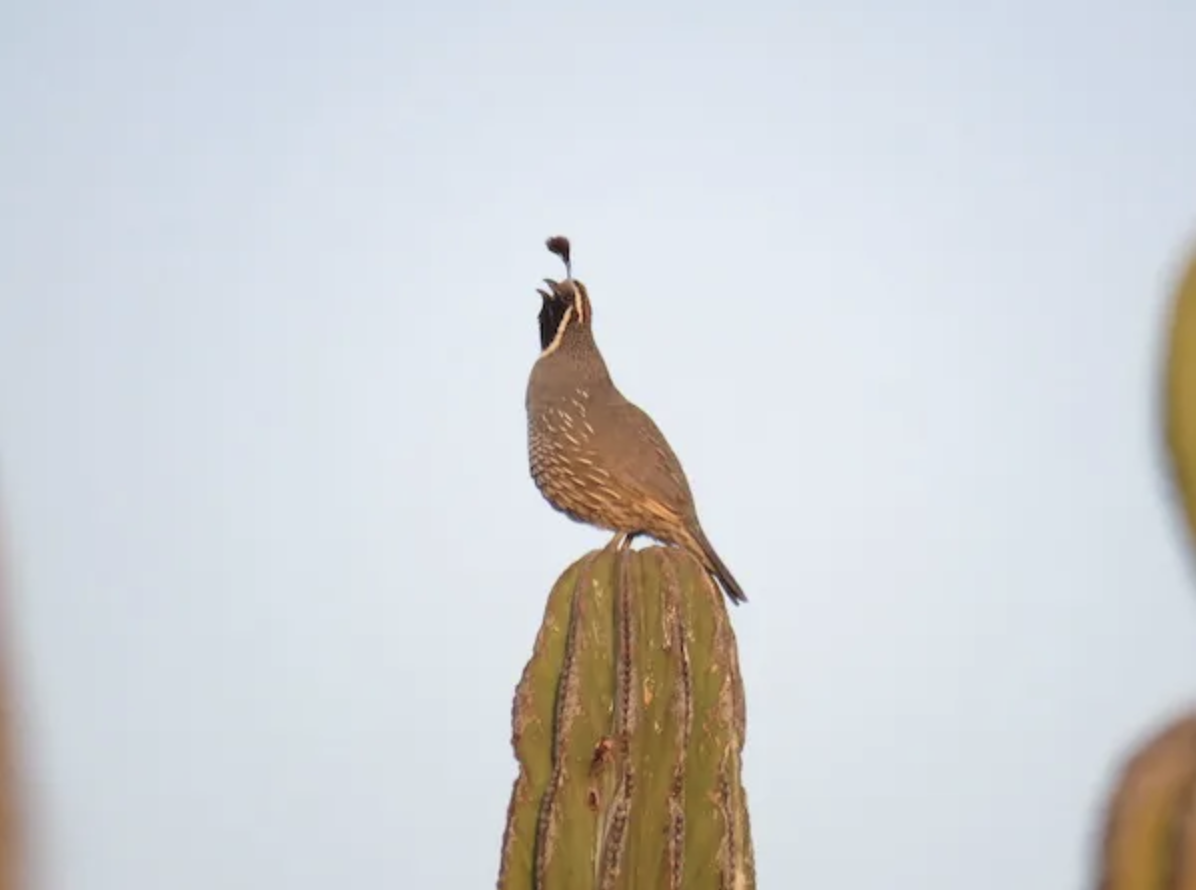
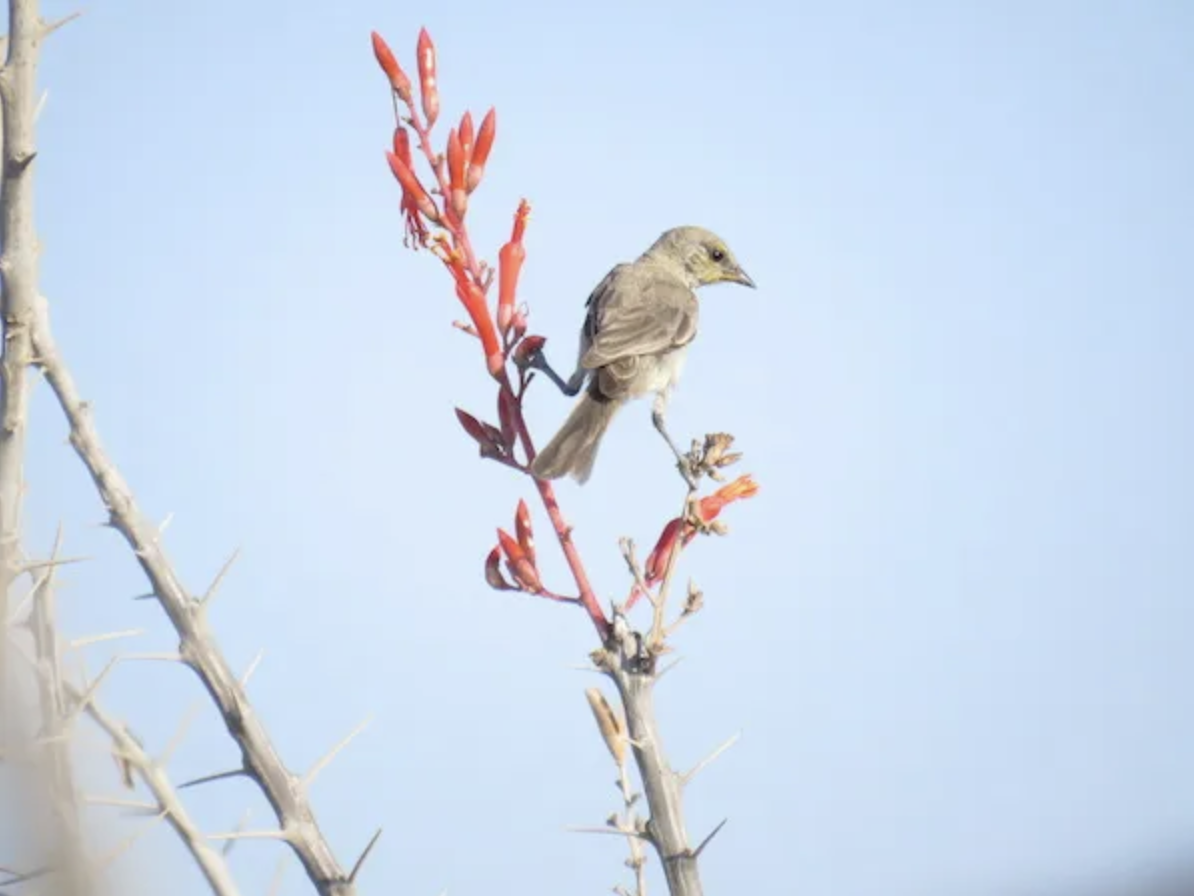
Birding from VdF: Todos Santos

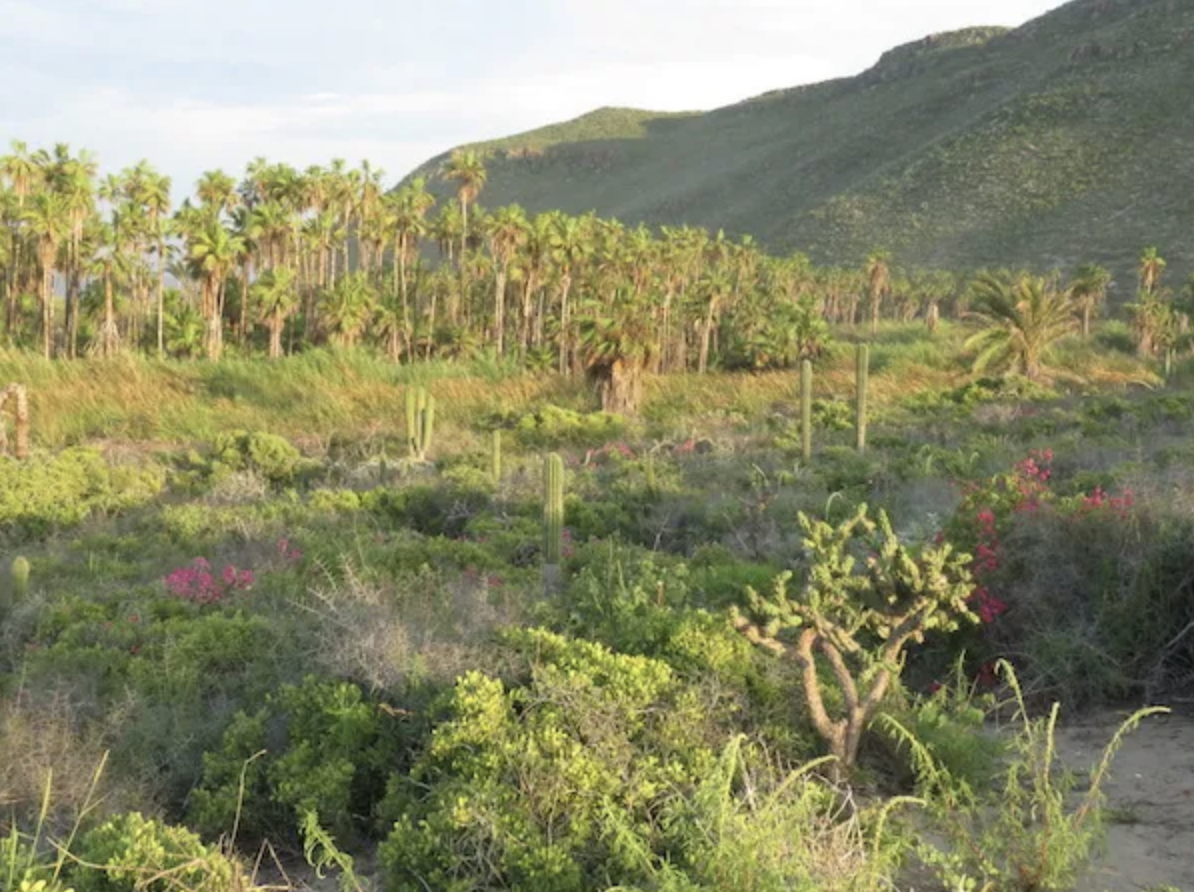
Oasis Playa Las Palmas de San Pedro, near Todos Santos

Check out my last post for an introduction to this series and to read about the Sierra de la Laguna.

At three hours away from Villa del Faro, the town of Todos Santos is a bit of a stretch for a day trip, but could be accomplished by a determined driver or could be an addition to a stay here on the East Cape. Todos Santos is a very pleasant town on the Pacific coast of the southern Baja Peninsula, and two spots in particular are relatively well-visited by birders in the region: a little wetland area right by the beach at the southern edge of town called La Poza de Todos Santos (poza meaning “pool” or “puddle”) and a hotel associated with the spot called Hotel Posada la Poza (posada meaning “inn” or “lodge”).

Continue reading