
Atlanta, Georgia
Atlanta, Georgia

male – Tacacori, Costa Rica
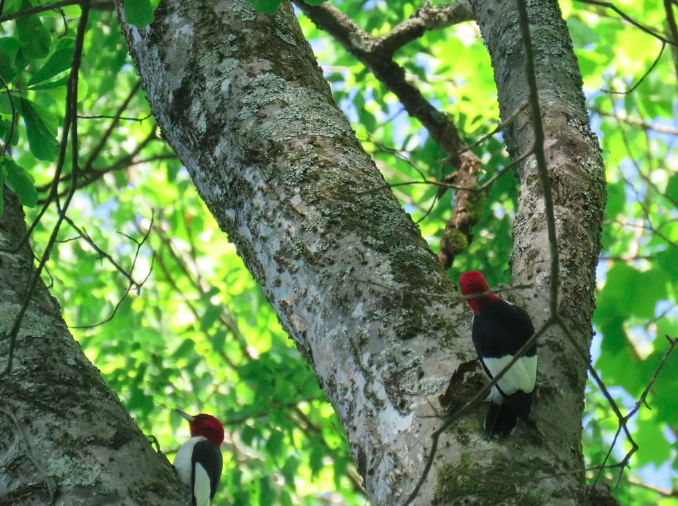
Atlanta, Georgia

Photo via cairngorms.co.uk
Comprising most of the United Kingdom’s high-altitude terrain, Cairngorms National Park in northern Scotland is the largest park in the British Isles, and an example of successful sustainable development and conservation working together. Home to several endangered or rare animal and plant species, many types of ecosystem, and 18,000 human residents, a lot of careful management has to take place for business and the natural environment to both thrive.
Unlike some of the other parks featured in this weekly post, Cairngorms (4528 sq km) is what you might call a “mixed use” park, where agriculture and other natural resource extraction such as logging, fishing, and hunting all take place. While in many national parks around the world, people are not allowed to live within park boundaries, here that is not the case, and in fact, according to the Cairngorms official website, 75% of land ownership is private, 15% belongs to charities, and 10% public bodies. All of which makes the park an impressive display of cooperation among community members to make the area successful in its multi-faceted mission.

males – Santa Rosa National Park, Costa Rica

Tacacori, Costa Rica

Baja California Sur, Mexico

The endangered Asiatic Lion. Photo via paradisejungletrip.com
The Gir Forest National Park and Wildlife Sanctuary covers about 1,400 square kilometers in the southwestern region of Gujurat, India’s westernmost state that borders Pakistan and the Arabian Sea. Unlike many of the national parks profiled so far, Gir Forest National Park is not open to hiking on trails, mostly to protect travelers and the wildlife that the Park was founded to preserve, particularly the Asiatic lion, an endangered species found only in this protected area.

Photo via lion-gir-forest.blogspot.com
The main attraction of the Park is this large cat population, which numbers in the hundreds. But leopards, deer, the four-horned antelope, and many interesting bird species can be found here, along with the vulnerable marsh crocodile and the endangered pangolin. Since walking within the Park on foot is not allowed, jeep safaris are the only way to get around and spot wildlife with the help of a guide. With such a high number of threatened species – whether avian, mammalian, or reptilian – Gir Forest seems a place worth visiting before it is too late to spot some of these majestic and beautiful creatures in the wild. Despite only 83 checklists on eBird, the number of species recorded in the Park is 231, with many of the species only just being reported for the hotspot this year!

The endangered Indian Vulture. Photo via thepetitionsite.com
The Park closes from mid-June to September for the monsoon season, and the most comfortable temperatures for visiting are during December-March. For the purposes of wildlife sightings, however, April and May are great despite the extreme heat, since this hot and dry period makes many of the animals more predictable in their search for water. While in the region, consider visiting the Somnath Temple to the southwest or Mount Girnar to the northwest.

juvenile – Estero San Jose del Cabo, BCS, Mexico

Baja California Sur, Mexico
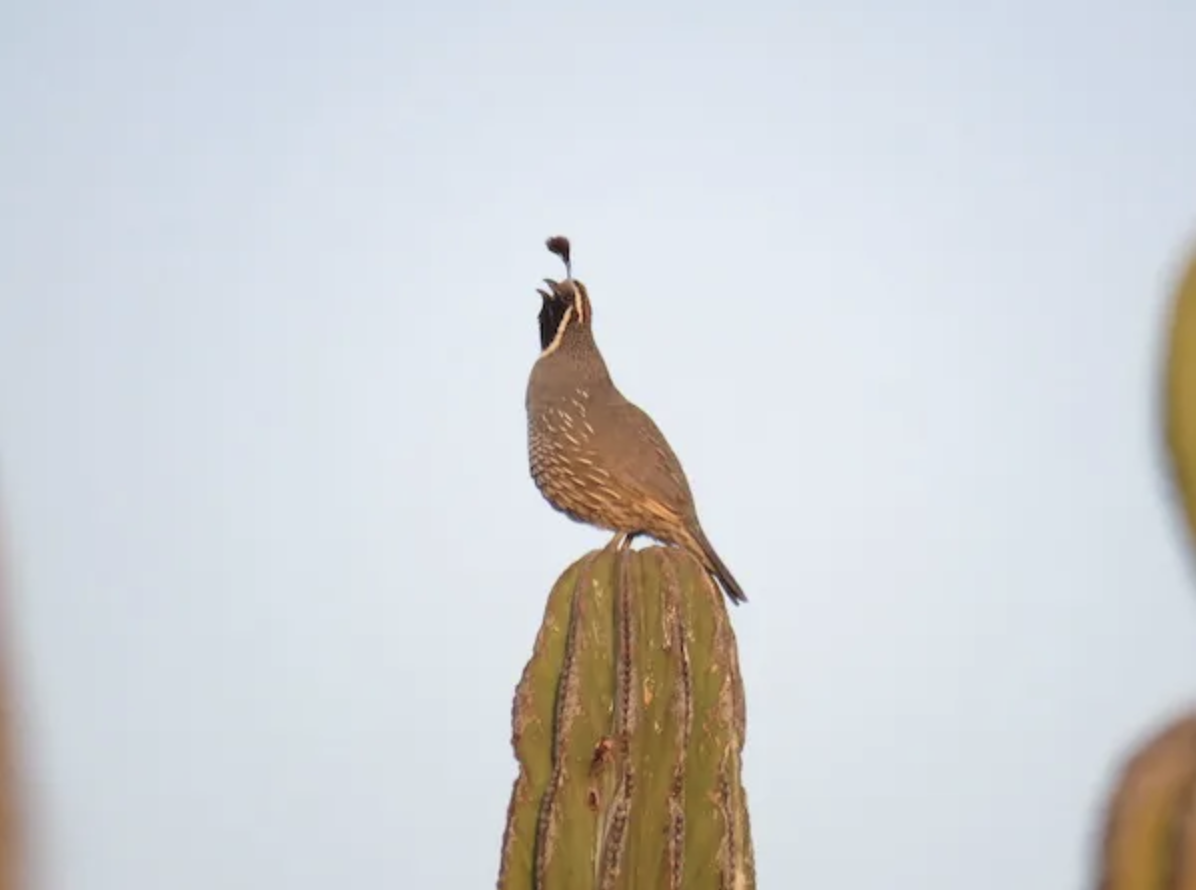
male – Baja California Sur, Mexico
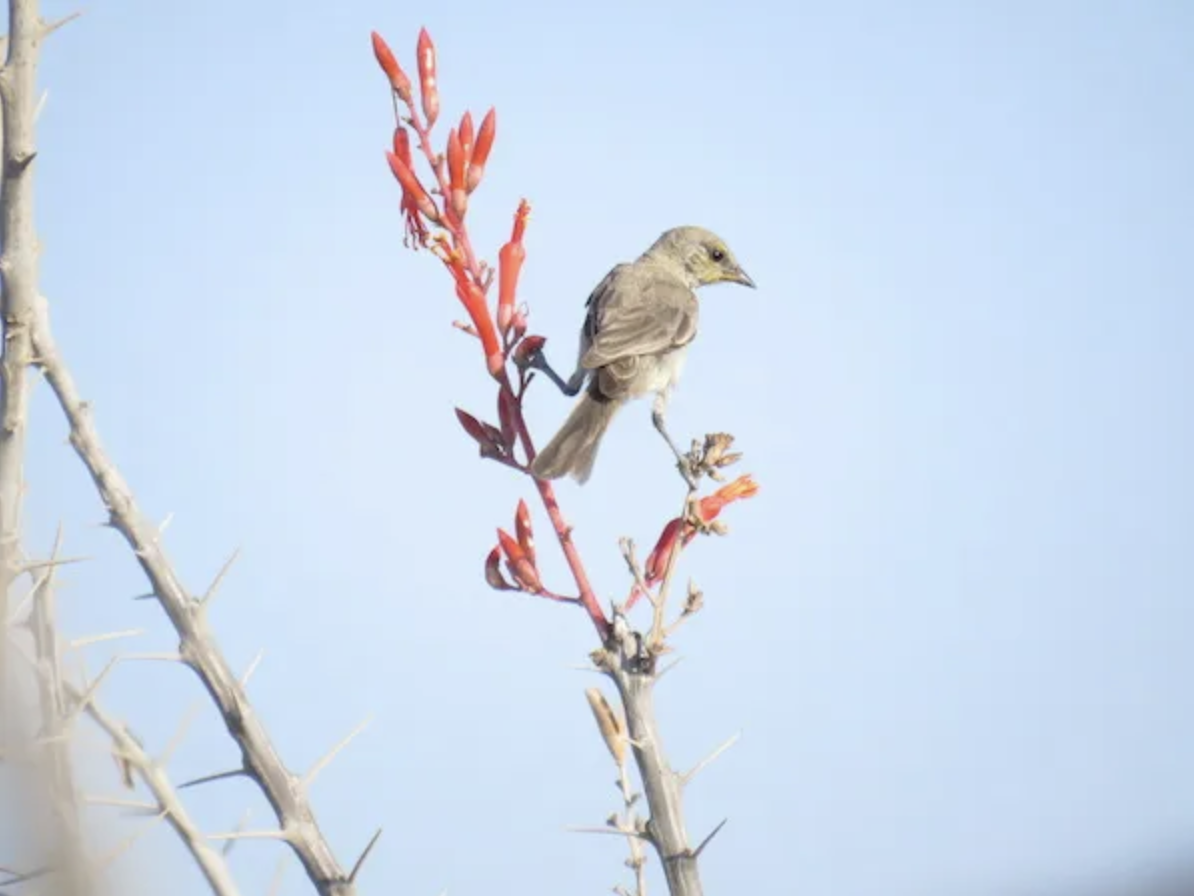
juvenile – Baja California Sur, Mexico

Gallon Jug Estate, Belize

Gallon Jug Estate, Belize

Estero San Jose del Cabo, BCS, Mexico
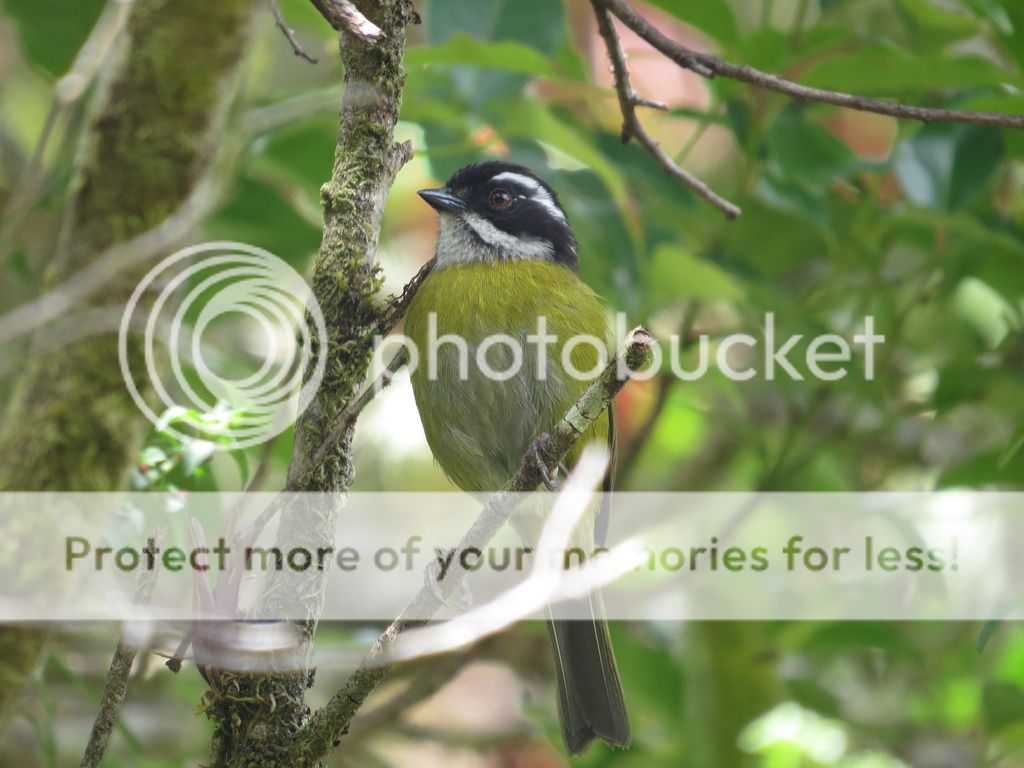
Barva Volcano, Costa Rica

Baja California Sur, Mexico

Dunwoody, Georgia

Tacacori, Costa Rica

Dunwoody, Georgia, USA

