Map the Herps You Spot

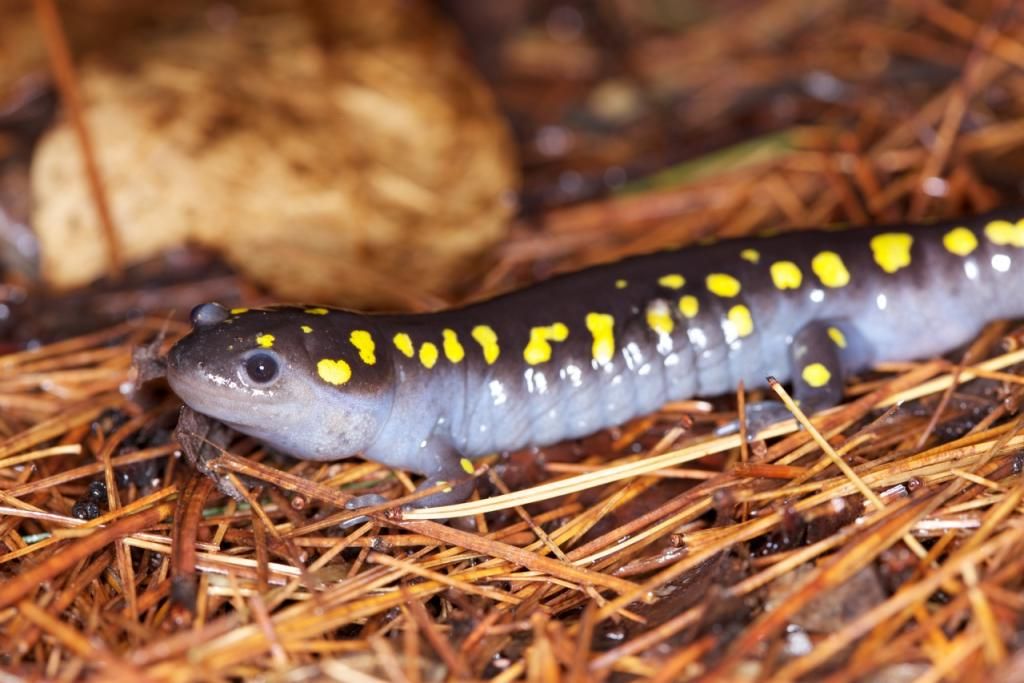
Spotted Salamander by Brian Magnier

In the spring of my penultimate year at Cornell, I took a Herpetology class that introduced me to the world of reptiles and amphibians, or “herps,” as they’re affectionately known. Thanks to that exposure, I was able to enjoy the spring migration of certain salamander species and learn the basics of the main families of frogs, lizards, snakes, and other herps like alligators, crocodiles, and all the other slimy or scaly animals in the classes Amphibia and Reptilia. If I had known of the existence of the citizen science project HerpMapper at the time (it wasn’t released until September of the same year as that salamander migration) I’d have certainly submitted some observations and photos to the organization! From their About page:

HerpMapper is a cooperative project, designed to gather and share information about reptile and amphibian observations across the planet. Using HerpMapper, you can create records of your herp observations and keep them all in one place. In turn, your data is made available to HerpMapper Partners – groups who use your recorded observations for research, conservation, and preservation purposes. Your observations can make valuable contributions on the behalf of amphibians and reptiles.

Continue reading →

Birding Apps Re-reviewed by Boucher

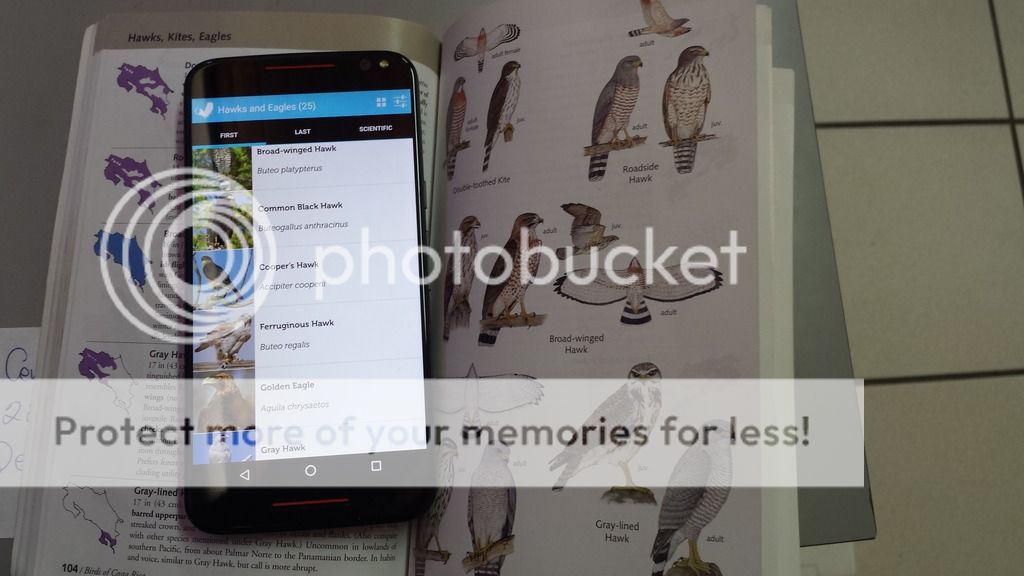
I visit Tim Boucher’s blog on The Nature Conservancy’s website every week or so to see what’s new, and this last check-up I noticed an old post from 2013 that’s been edited to include observations on fresh updates for phone apps that help identify birds, like Merlin, which I’ve covered in the past.

So far I haven’t purchased any bird identification application for my phone, mostly because there are good ones like Merlin and Audubon available for free in the US, but I’ve been considering a $9.99 app for the birds of Costa Rica, made by bird-watching guides both in CR and Panama.

Boucher doesn’t rank the apps in his order of preference, but it looks like from his reviews that he prefers the Audubon and Merlin apps for the fact that they’re free and utilitarian, though Merlin is geared more towards beginners. He’s also pretty positive about the Sibley and Peterson apps, both of which started with physical book versions of their guides.  Continue reading →

The Nechisar Nightjar

Cover Art © Pegasus Books

Although I haven’t read this book yet, I do know what it’s like to be on an expedition to find a bird that hasn’t been seen in several decades, which is the subject of Vernon Head’s book, freshly published in the US this month. “The Rarest Bird in the World” tells the story of the search for a bird related to potoos called the Nechisar Nightjar, which had been identified as a new species in the 1990s by Cambridge scientists who found a single wing of the bird in a remote area of Ethiopia.

The publisher blurb makes it sound pretty engaging:

Part detective story, part love affair, and pure adventure storytelling at its best, a celebration of the thrill of exploration and the lure of wild places during the search for the elusive Nechisar Nightjar. In 1990 an expedition of Cambridge scientists arrived at the Plains of Nechisar, tucked between the hills of the Great Rift Valley in the Gamo Gofa province in the country of Ethiopia. On that expedition they found three hundred and fifteen species of birds; sixty one species of mammal and sixty nine species of butterfly were identified; twenty species of dragonflies and damselflies; seventeen reptile species were recorded; three frog species were filed; plants were listed. And the wing of a road-killed bird was packed into a brown paper bag. It was to become the most famous wing in the world.

Continue reading →

Volcán Barva

IMG_8066_zpsuftku7jl

The lagoon in the crater of Barva Volcano

This weekend, I visited Braulio Carrillo National Park for the second time, but at a different sector: Barva Volcano. I’d been to the Quebrada González area further east in July of last year, where the ecosystem is more tropical rainforest than the high-altitude cloud forest of a volcano. The Quebrada González eBird hotspot has 382 species reported in 288 checklists at the time of writing this post; in stark contrast, the Volcán Barva hotspot on eBird has 82 species in only 8 checklists, including my own contribution despite arriving at the national park at around 11am, nowhere near ideal circumstances for birdwatching.

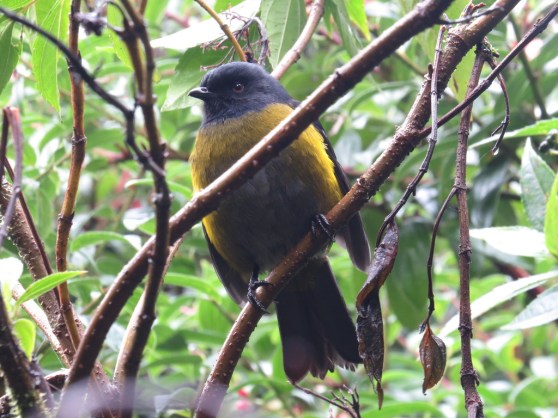
This discrepancy is likely explained both by the fact that Barva is at a higher elevation and therefore less diverse in terms of species count, but also a pretty small chunk of this massive national park. The lower diversity, however, is compensated by a higher rate of endemism, which is what occurs along high mountain gradients where habitat needs are specialized. For example, I spotted a Spangle-cheeked Tanager that’s endemic to the highlands of Costa Rica and western Panama, and there were lots of special bromeliads and mossy, licheny trees to admire. Continue reading →

Roasting Xandari Coffee

About a month ago I reported that coffee was going strong here at the resort, and since then we’ve been serving our own Xandari-grown coffee here at the restaurant during breakfast hours nearly every day possible, based on availability of the roasted product. In the video above, you can see Continue reading →

We All Like a Good Lek

There’s a couple places where we’ve mentioned leks on this blog before–primarily where grouse have been involved–but the first happens to be from 2012, when I was sharing about another bird from the same family as the species shown in the video below. That was the Club-winged Manakin, which I caught on video with a small point-and-shoot camera looking through a guide’s spotting scope. As I explained back then, lek is a Swedish word that has come to mean competitive displays between males of a species to become the breeding choice of one or more females of the same species, most often in the avian world. This time, I got some video from my hand-held (and a tad shaky) Canon Powershot SX50:

In the video above, you can watch one, and then two, male Long-tailed Manakins call and flutter together in the woods just off-trail at Xandari Resort, perhaps as a display Continue reading →

Great Backyard Bird Count at Xandari

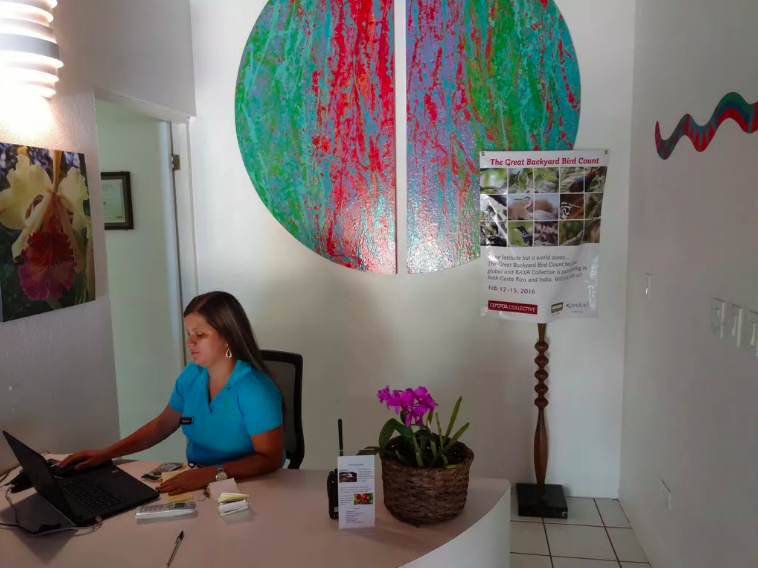
Patricia works at Reception, with the Great Backyard Bird Count sign behind her

Xandari Resort & Spa’s Great Backyard Bird Count started off with the piercing whistle of a Common Pauraque, followed by some wren vocalizations and a Great Kiskadee‘s eponymous (“great kis-ka-dee!”) call. While drinking my morning coffee before the scheduled birdwatching tour I listened to the sounds from the forest and recorded my first GBBC checklist of the day at 5:30.

Then, some guests and I watched birds from the restaurant terrace for almost half an hour before walking through the gardens as well, leading to two more checklists. The most exciting sightings this time were a small group of White-crowned Parrots and a Zone-tailed Hawk soaring alongside a Short-tailed Hawk.

Continue reading →