World Wildlife Week: Spotted and Sambar Deer

tiger hunt

As a part of celebrating World Wildlife Week I will be sharing information about the importance of saving our Natural Heritage, hopefully trying to create awareness among the growing population of nature lovers and wildlife photographers. My first post makes the correlation between a healthy tiger habitat with our own well-being.

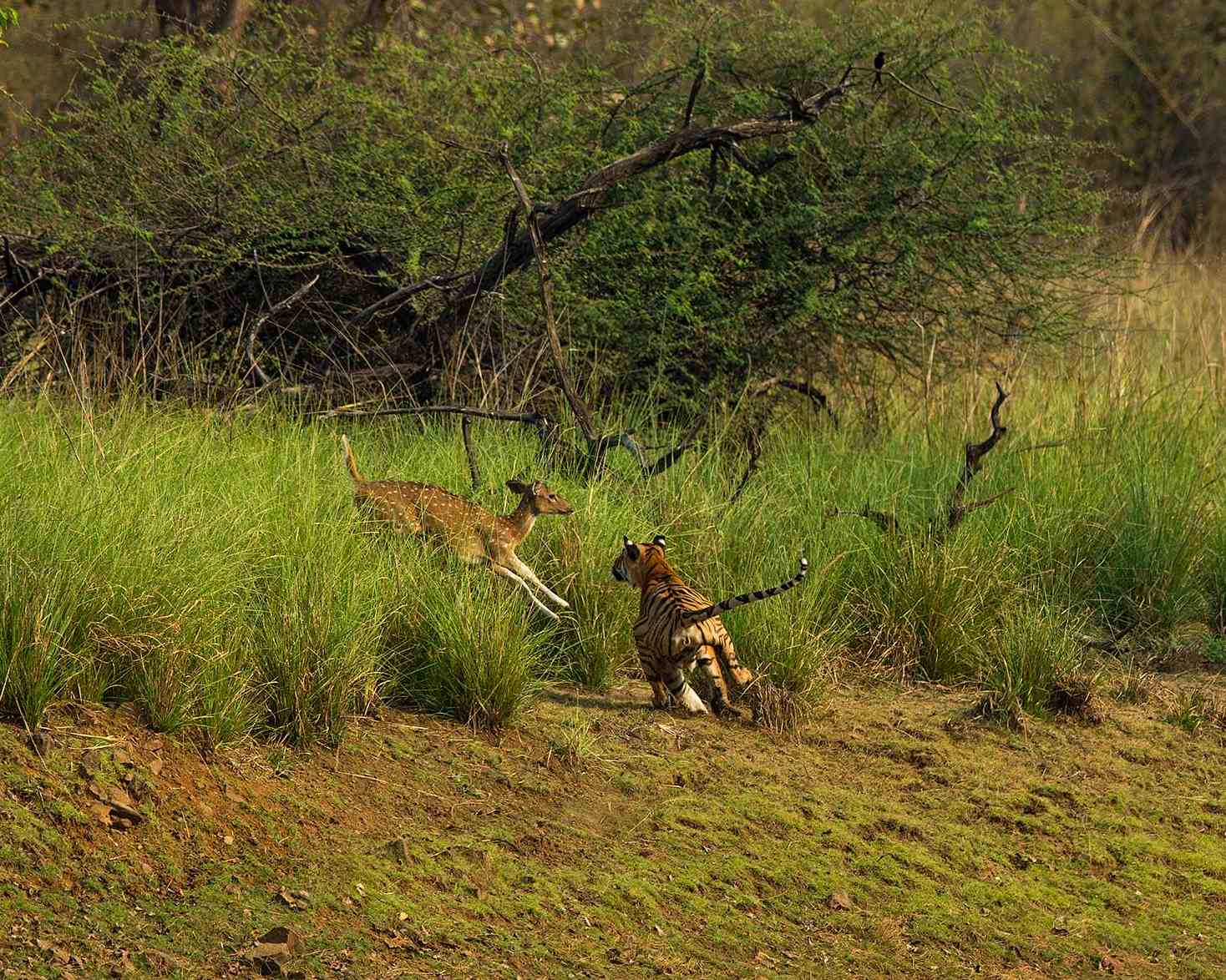
Now let me talk about the importance of deer in our forests.

One of the primary reasons why large areas of forest in India no longer have tigers is because local people have hunted and eaten away most of the prey animals. While the direct poaching of tigers is contributing to their rapid decline now, it is the steady erosion of the tiger’s prey base that has resulted in low numbers of tigers to start with.

An adult tiger needs about 3000 kg of food a year. This translates roughly into one deer-sized animal every week.
Continue reading

World Wildlife Week: Why Save the Tiger?

tiger by Sudhir Shivaram

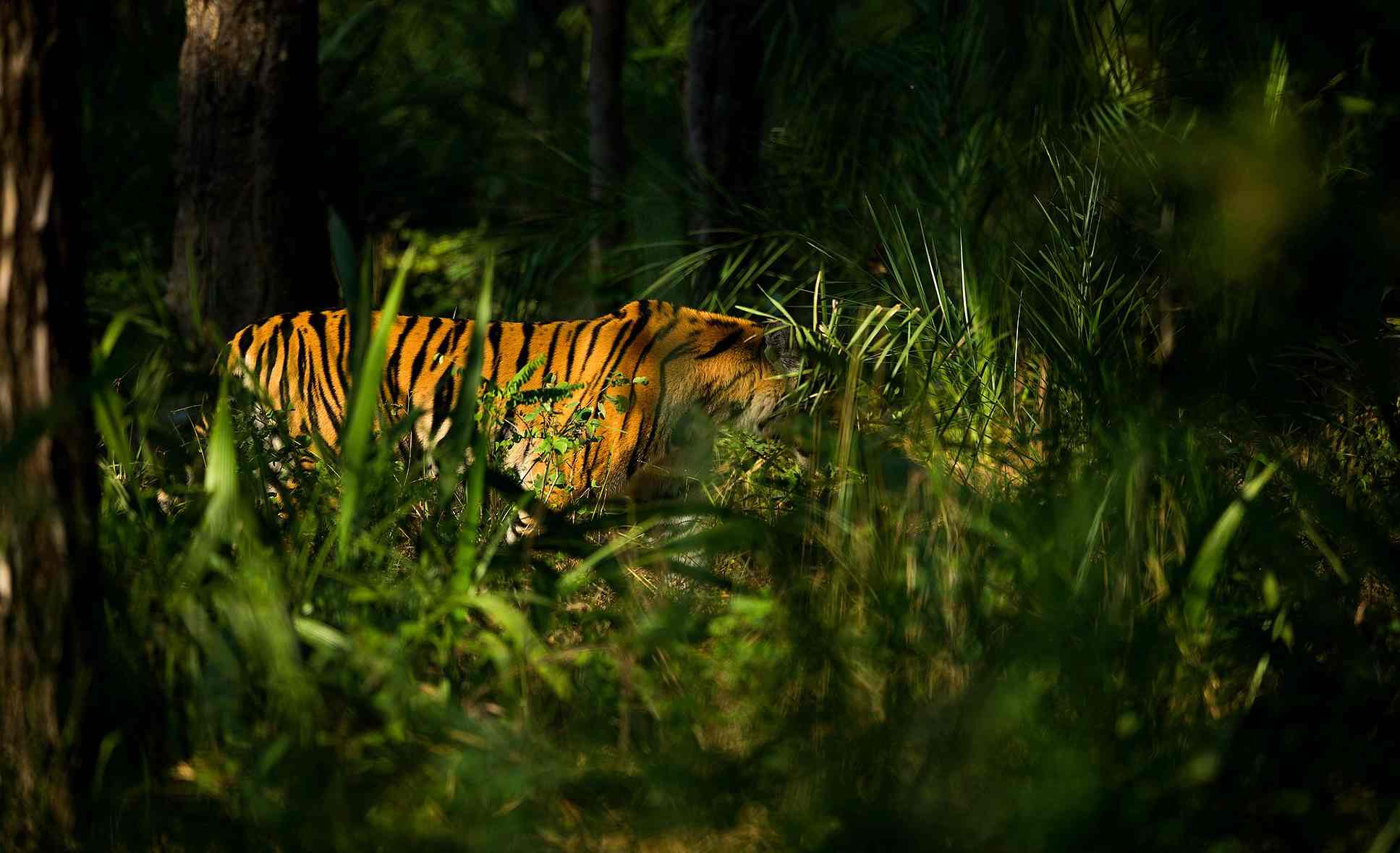
As a part of celebrating World Wildlife Week I will be sharing information about the importance of saving our Natural History, hopefully trying to create awareness among the growing nature lovers. Lets start with why we need to save the Tiger.

The tiger is at the top of the food chain. Therefore, the healthy presence of tigers indicates healthy forests. The presence of tigers in a forest has dual benefits, firstly, it keeps the ungulate (hoofed animals like deer and wild boar) population in check and also keeps humans at bay as most people are scared of venturing into a tiger or lion forest. This mostly applies to poor villagers and not poachers and hunting tribes. If there is no apex predator, herbivores wreak havoc and humans enter the forest for farming, logging, and poaching of smaller animals with less fear. The existence of tigers is vital for the survival of forests. But why do we need forests? Think of the forest as a gigantic sponge. A sponge absorbs water and stores it until and unless you squeeze it out.

Continue reading

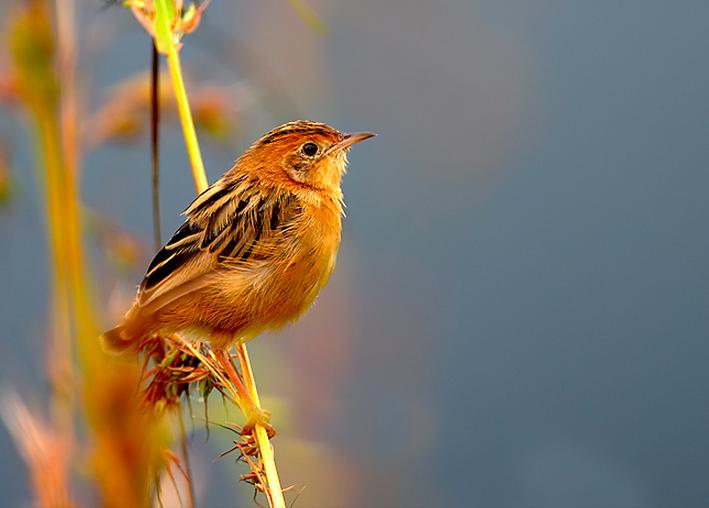
Stories from the Field: The Western Ghats In Search of the Bright-headed Cisticola


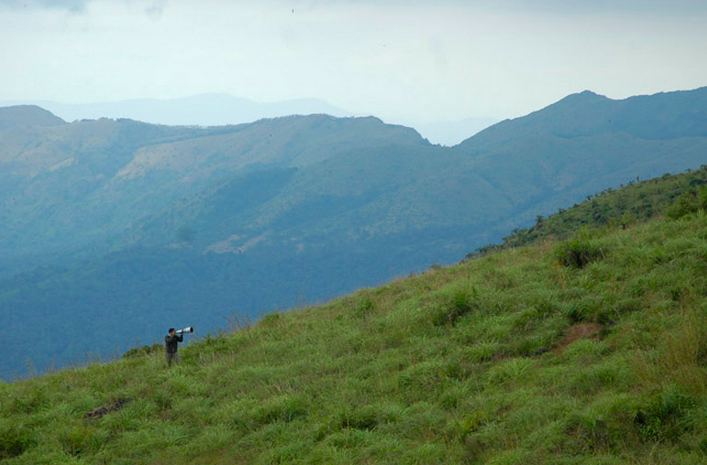
Habitat of the Bright Headed Cistola. That’s me trying to capture one! photo credit: Yathin

I always wanted to visit the Western Ghats and was looking for an opportunity to do so. The weather was a bit cloudy and was drizzling, so we were a bit worried about the weather in Kemmangundi, a hill station in the Chikkamagaluru district in the state of Karnataka. But what the heck, rain or shine, we decided to go ahead with the trip.

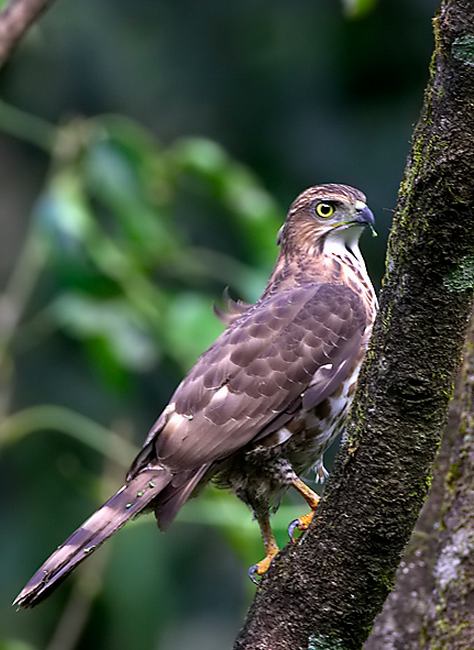
Crested Goshawk

The next morning we were all set to go and capture the brilliant Bright-headed Cisticola. After all, that was the reason for the trip. We decided to visit the same place where Yathin had shot it previously. We took it easy and shot at what ever moved in the sholas. I was a lucky to get an accipiter which we thought was the Besra. But it was later confirmed as Crested Goshawk. Continue reading

Stories from the Field: Salim Ali Bird Sanctuary, Kerala

Photo credits: Sudhir Shivaram

Photo credits: Sudhir Shivaram

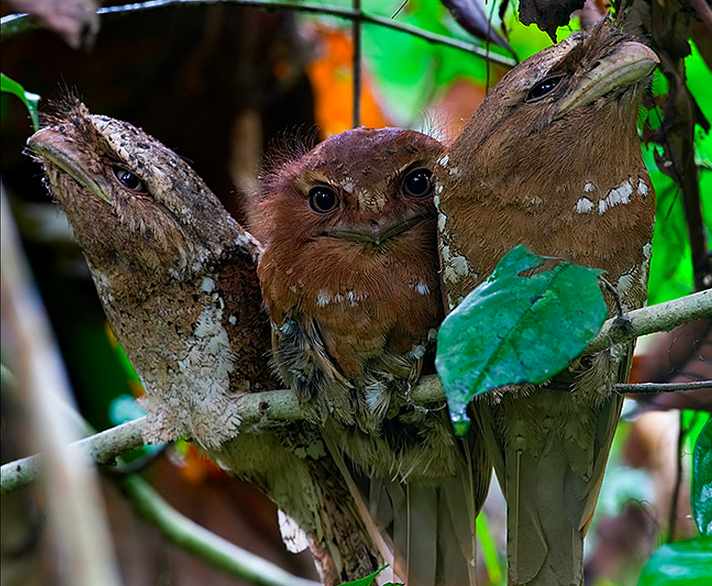
Back in the early days of my photography work I traveled to Thattekkad Bird Sanctuary, and hired Eldhose, one of the finest bird guides in Kerala, as my guide. The Salim Ali Bird Sanctuary (also commonly known as the Thattekad Sanctuary) is located in the Kothamangalam Taluk of Ernakulam district on the northern bank of the Periyar river. The sanctuary was created in 1983 based on a recommendation made by Dr. Salim Ali many years previously. Ali described Thattekad in the 1930’s as the richest bird habitat in peninsular India, comparable only with the eastern Himalayas. Since then much of the forest has been converted to cultivation of teak and mahogany plantation but what survives gives a glimpse of the phenomenal bird diversity of the once widespread lowland forests of Kerala.

When I arrived Eldhose was waiting for me at the park entrance and helped me check into a home stay which is inside the sanctuary. I dumped my luggage and immediately was ready with my gear to head to the park. Our main target for the morning was to get the Ceylon (or Srilankan) frogmouth. The weather wasn’t on my side and it was drizzling. I always carry a huge plastic cover to protect my camera and lens, so with the little showers accompanying us, we set out in to the forest. Continue reading