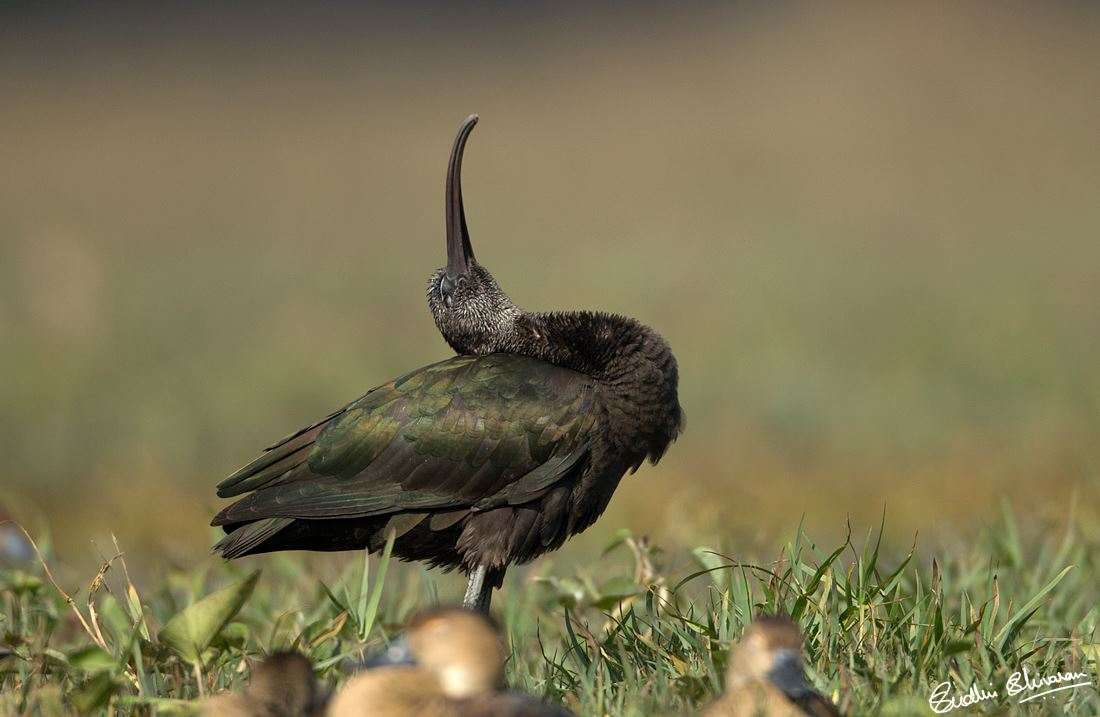
Bharatpur, Rajasthan
Bharatpur, Rajasthan
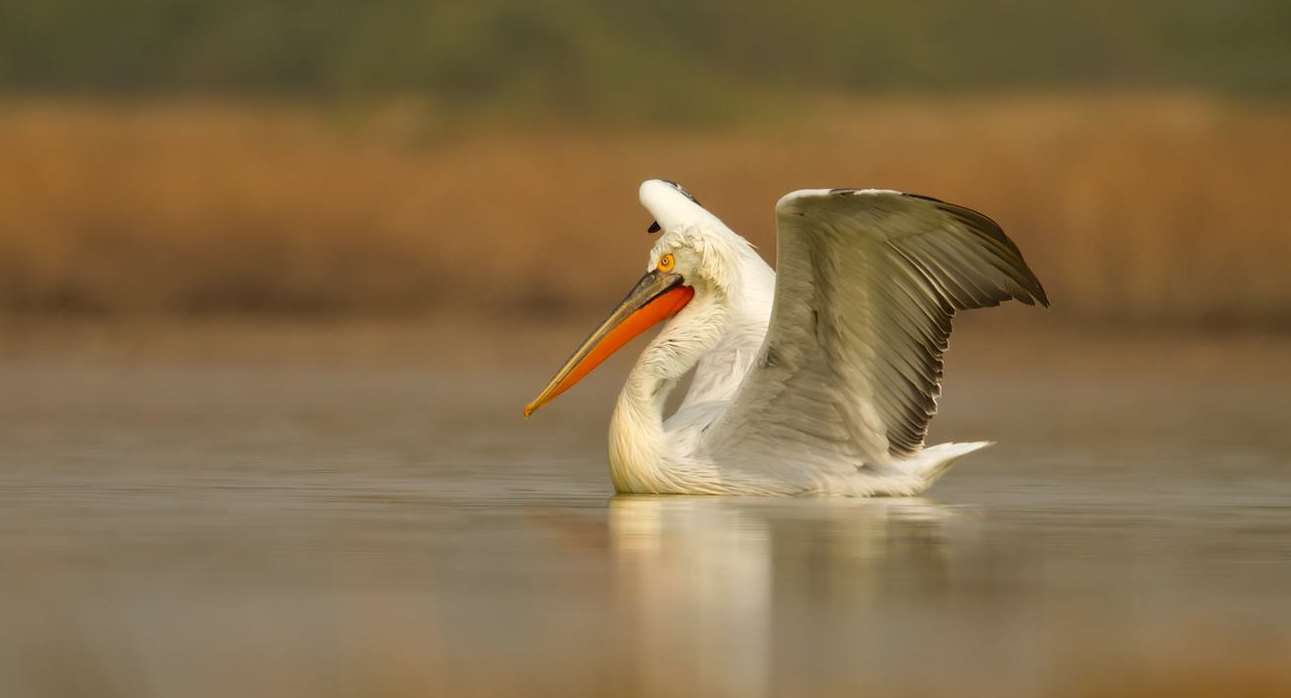
Little Rann of Kutch, Gujarat
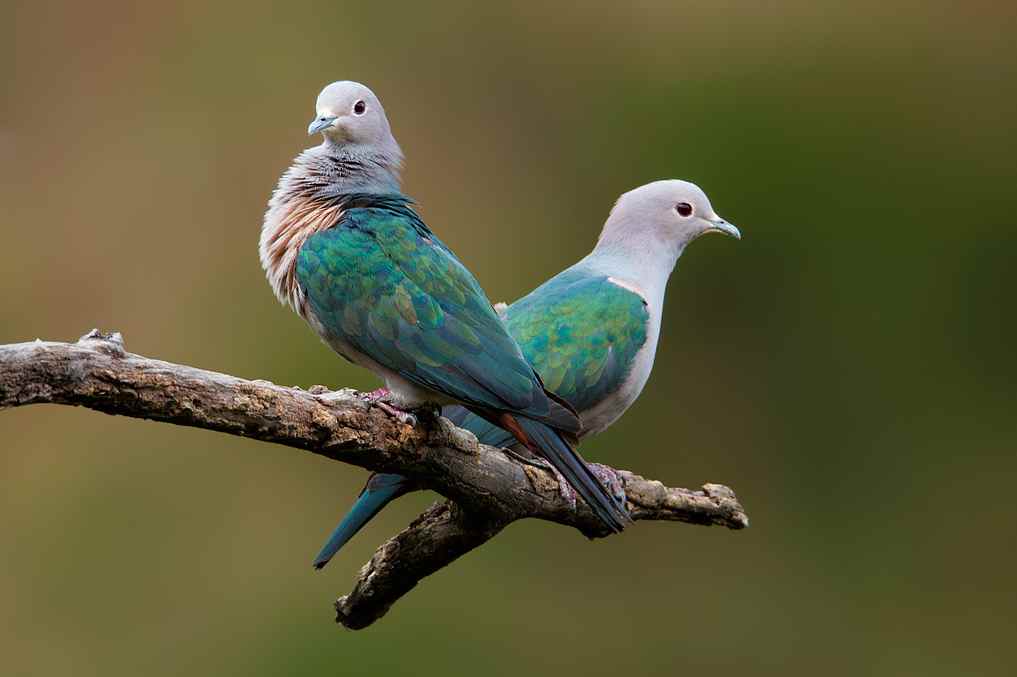
Dodmakali Fishing Camp, Karanataka
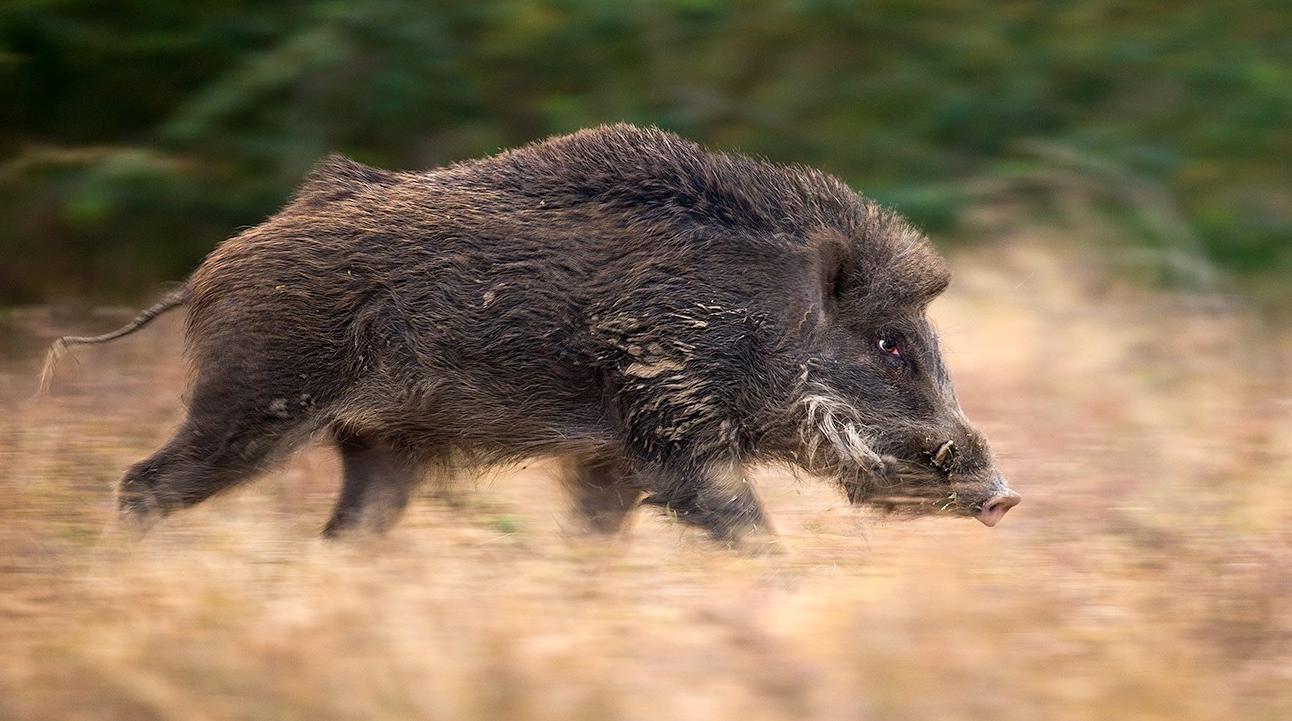
The Little Rann of Kutch in Gujarat is a nature photographer’s dream for capturing a range of wildlife as well as stunning landscapes. The wide open views are particularly good for panning shots. As a photographer you need to understand the impact of shutter speed on your images. If the image is static (no movement) then the shutter speed isn’t critical since it doesn’t have any impact (of course aperture will have). Continue reading

Little Rann of Kutch, Gujarat

Little Rann of Kutch, Gujarat
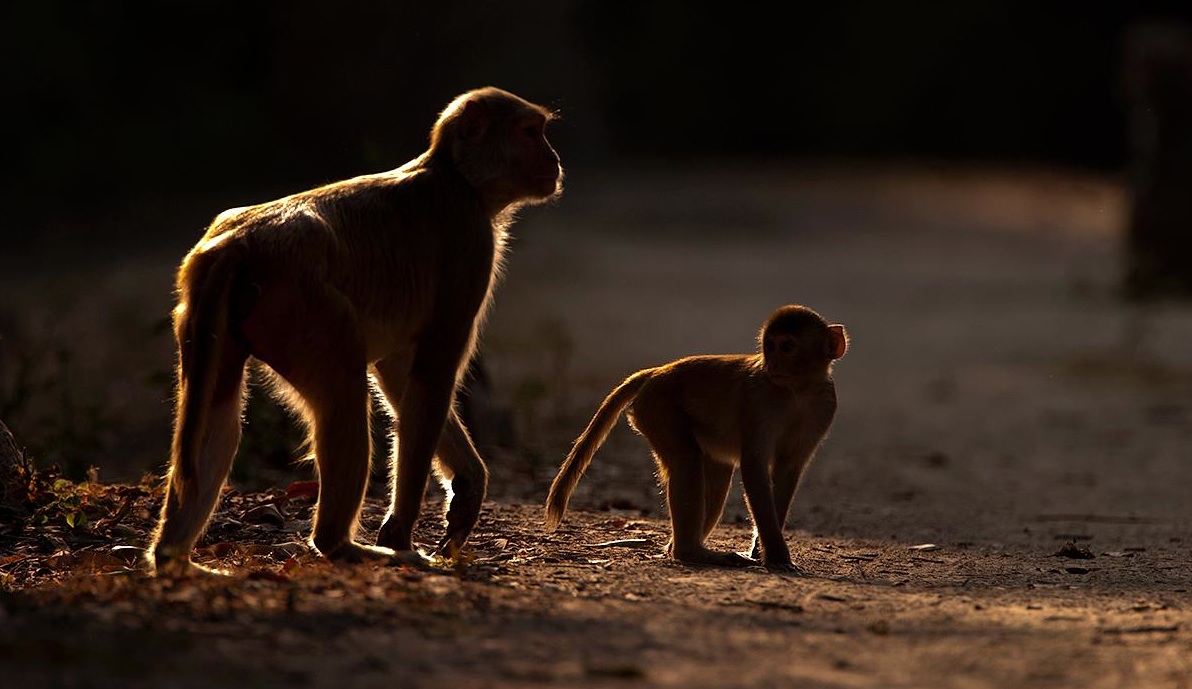
Part of what I call the previsualization process in photography relates to lighting. A good photographic artist must be able to understand their equipment well enough to blend what they see through the viewfinder and visualize the framing from the lens+camera combination.
I was walking in this path at Bharatpur when I saw this group of Rhesus Macaques coming from behind me. I saw this light patch in front of me and stopped for the Macaques to cross that patch.
I knew I would get the image I visualized if any of the macaques stopped at that point. Continue reading

This photo of a tiger cub with its mother was taken at Tadoba Tiger Reserve. Composition is an art and it takes time, patience and perseverance to collect your thoughts and compose the image you’ve visualised.
There are guidelines for composition, but as the name implies, they are just guidelines to be aware of. In this photo I composed an image where the mother’s face isn’t seen, and the legs and majority of the tigers’ bodies are cropped out of the frame…but still, I feel this image has a strong visual impact. Continue reading
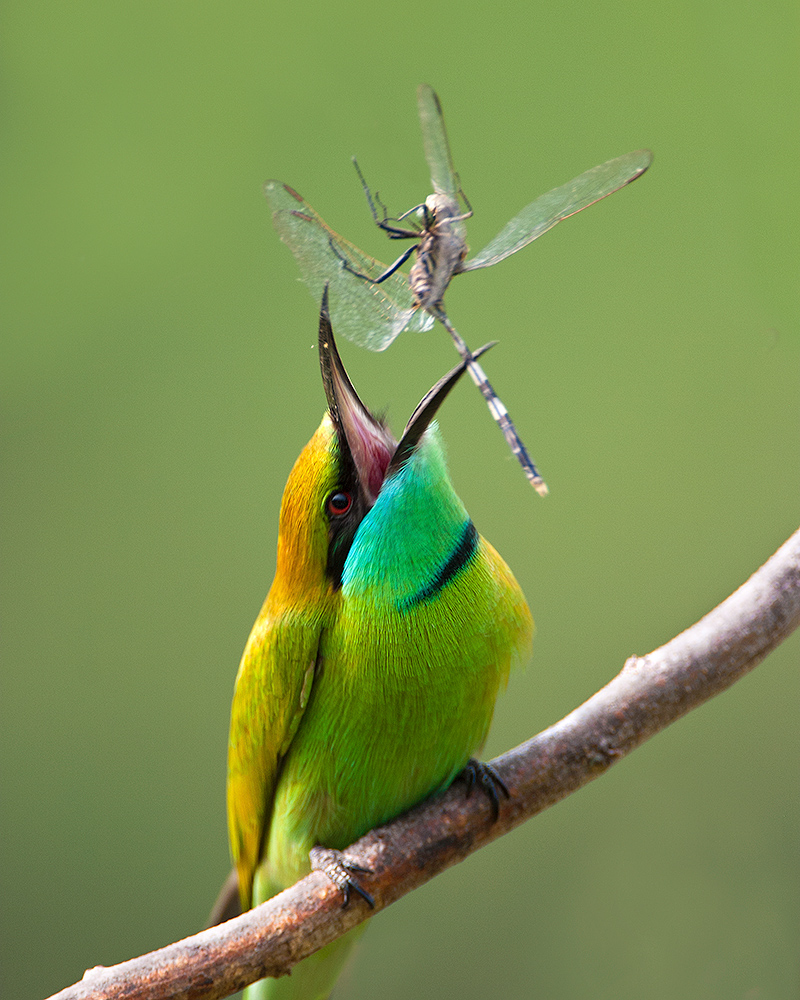
There are 4 key elements to be a better photographer.
1. Understand your subject.
2. Understand the fundamental concepts of photography, including composition aspects.
3. Understand your equipment and shooting techniques.
4. Have a good grasp of digital post processing.
Each of these are very tightly coupled with each other and it is important to have a good grasp on each of them. Continue reading
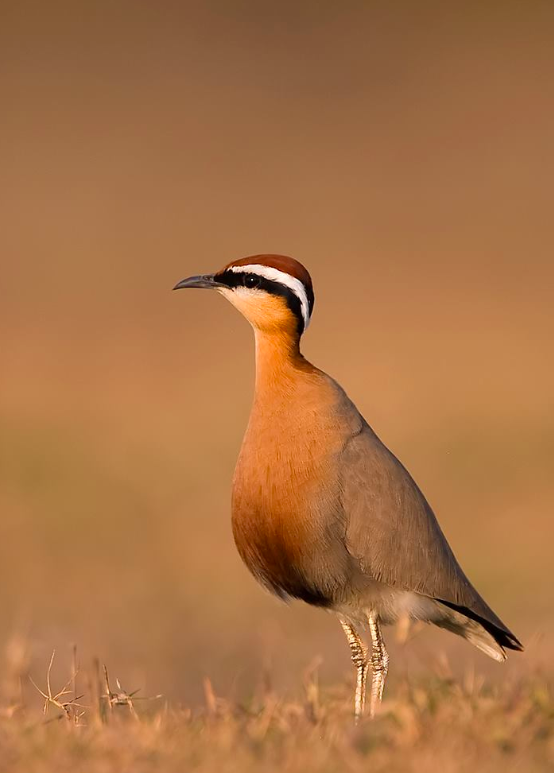
Bharatpur, Rajasthan
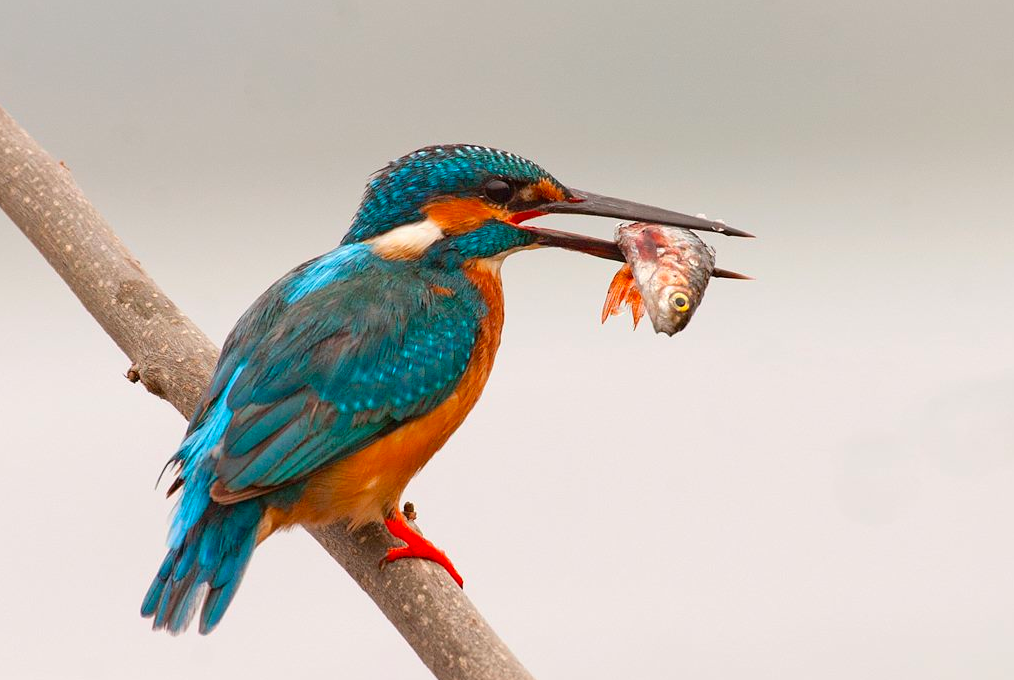
Hebbal Lake, Bangalore, Karnataka
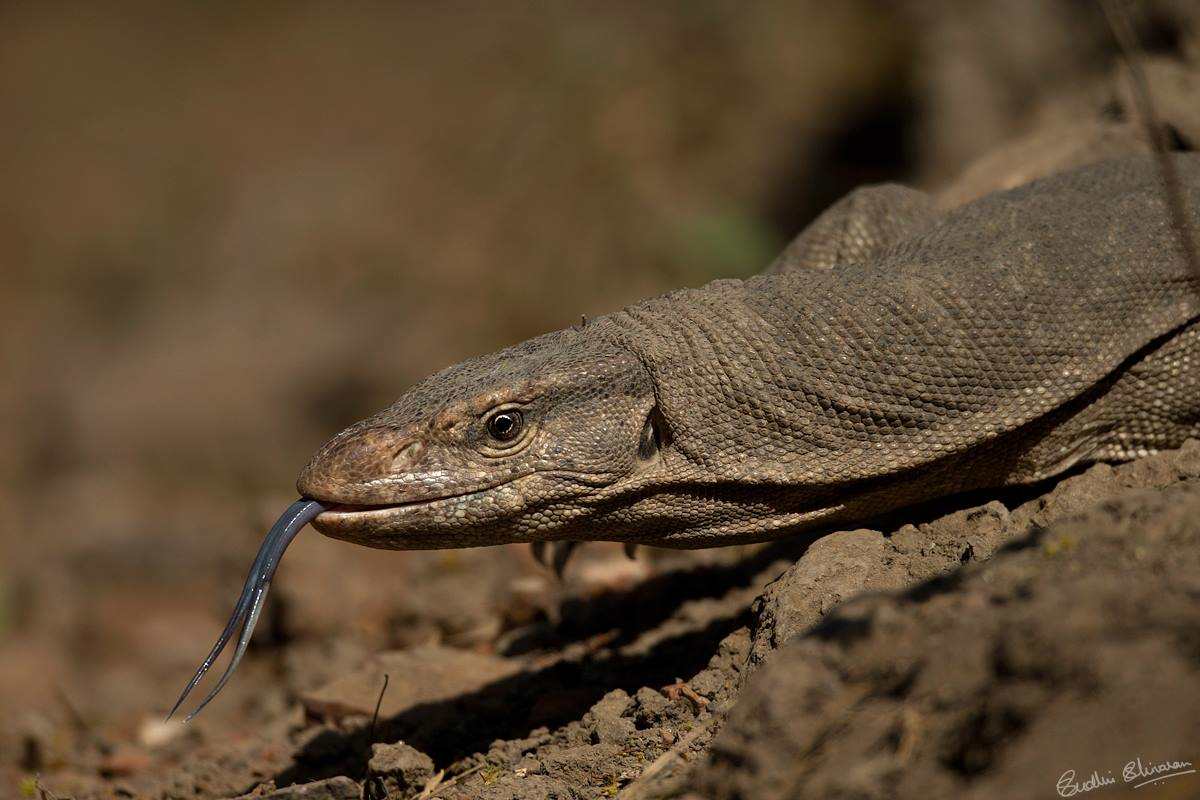
The Keoladeo Ghana National Park (also known as Bharatpur Bird Sanctuary) is home to numerous species including the Indian Monitor Lizard. They are quiet easy to photograph as they come out in the sun to bask. Continue reading

At my recent Bharatpur National Park workshop we were working on composing eye level shots. When choosing a tripod for wildlife photography avoid tripods with the centre column, as you can see you need to flatten up the legs for eye level.
I’ve never said getting great images in the wild is easy and the participants were willing to follow my lead to get the shots. They got some great eye level photos of the jackals here. Continue reading

Kabini Backwaters, Karnataka
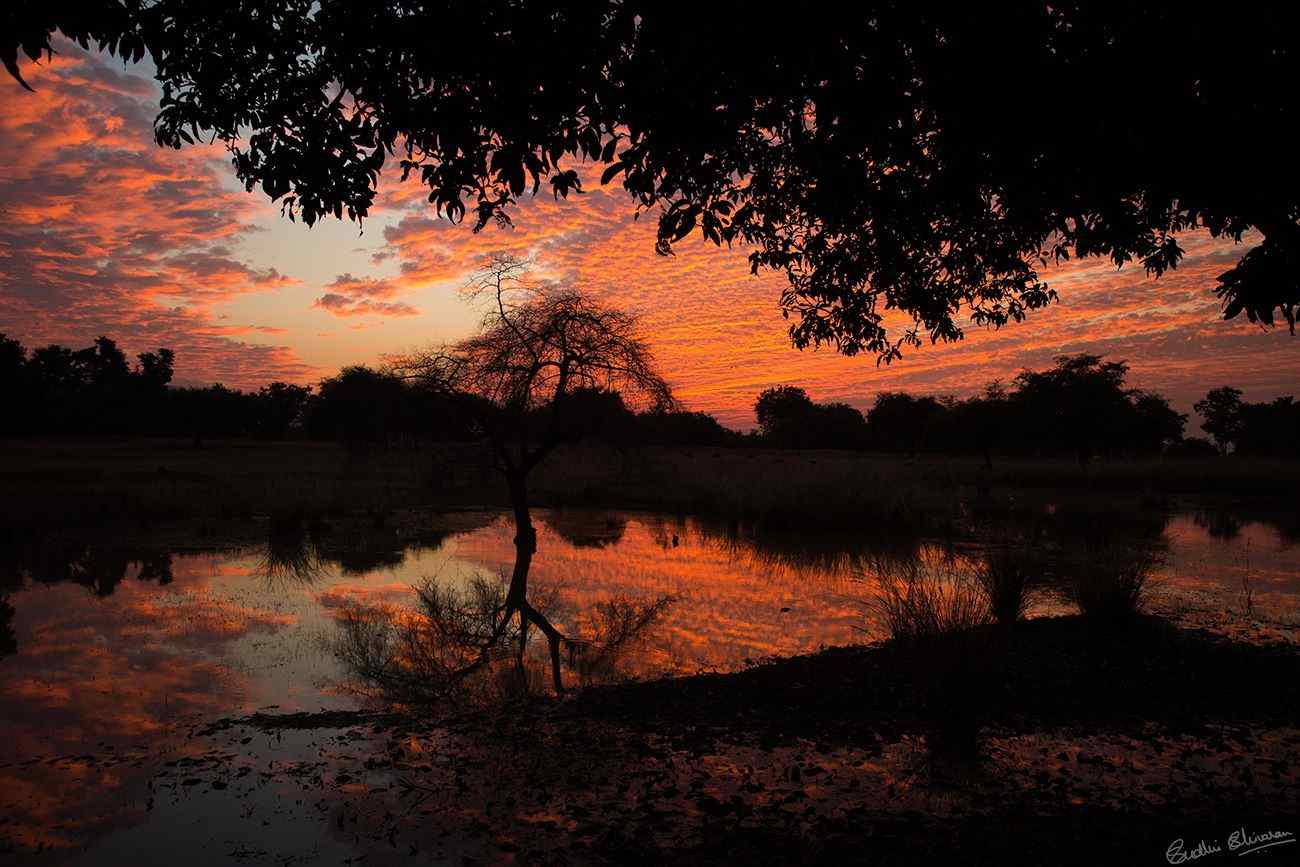
One of the most frequently asked question I receive is about what settings to use to photograph a sunset or sunrise.
This image was photographed at Satpura National Park – an amazing place to capture both due to the beautiful watery surroundings. The open grounds offer the added advantage of being the habitat of mammals like the spotted deer so I planned to capture them in silhouette against the magical sky. Continue reading
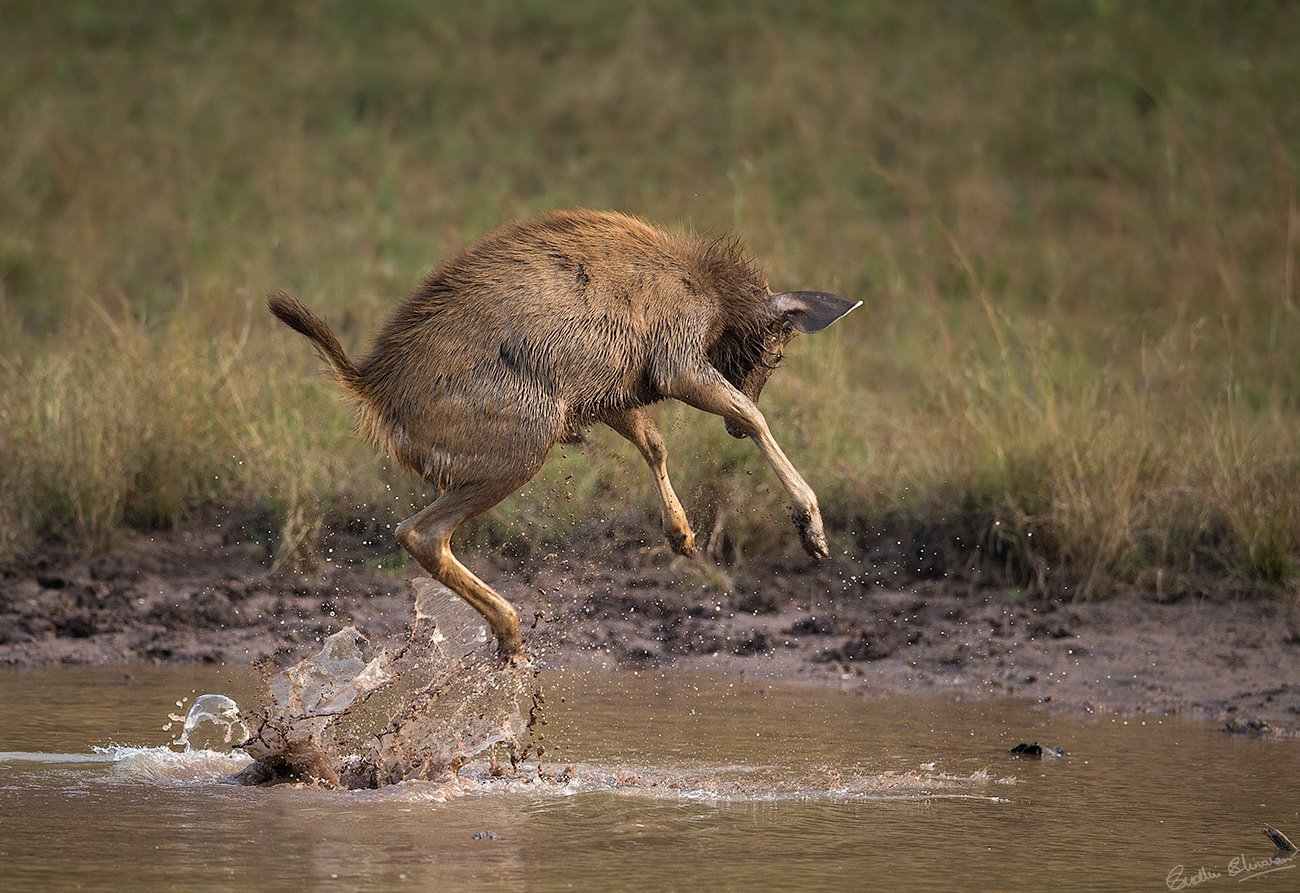
As a wildlife photographer and educator I have the privileged opportunity to give workshops in numerous national parks of India. At the Satpura National Park in Madhya Pradesh I witnessed this kind of behaviour from the Sambar Deer for the first time. It was playing by itself in the muddy water. It sunk its face in the mud, got up, ran around in the water and suddenly jumped. Continue reading
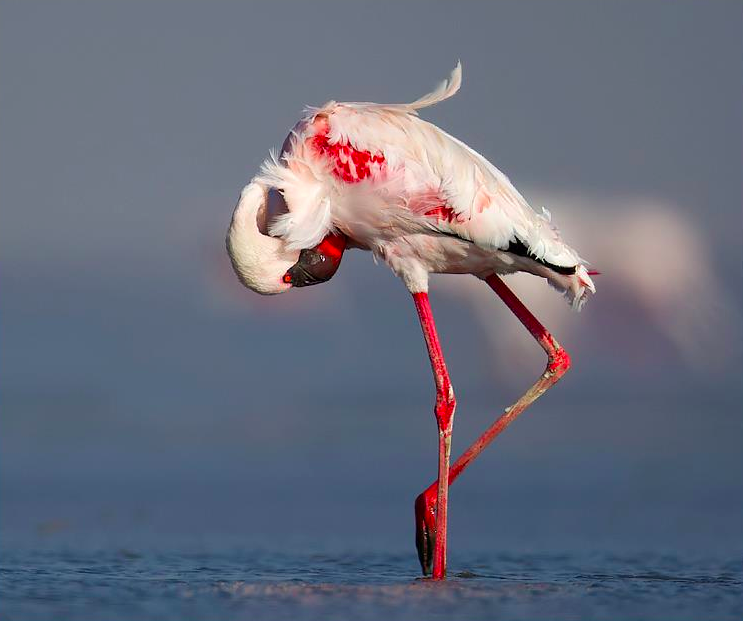
Little Rann of Kutch, Gujarat
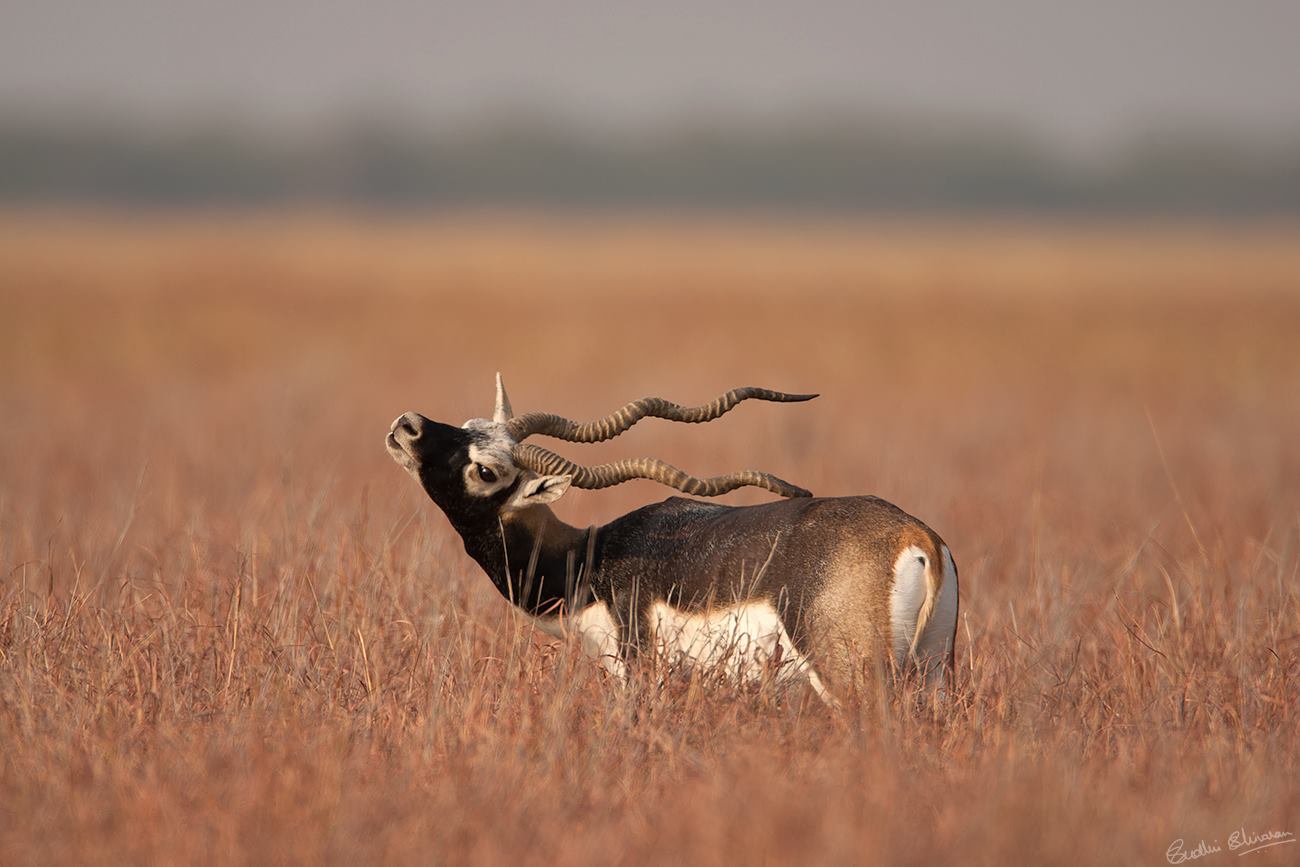
Exposure is a complex area of photography, but in situations like these where the habitat is open it is a bit easy to use the standard “sunny f16 rule”. Continue reading

During travel to national parks and wildlife areas, apart from concentrating on mammals, birds and local fauna, it’s always good to absorb and document the flora and habitat as well. Kanha is a very beautiful park and the habitat is what makes it special. The early morning mist especially provides a lot of opportunities to make creative images. Continue reading
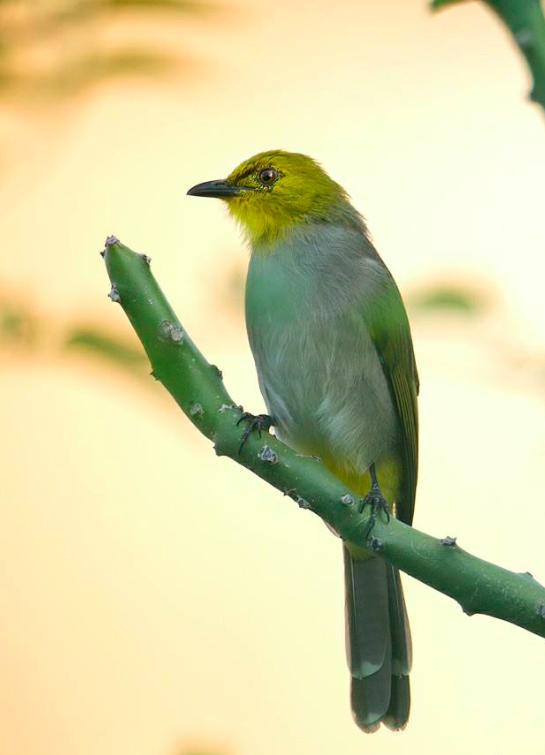
Hampi, Karnataka

