Integrated Pest Management (IPM)

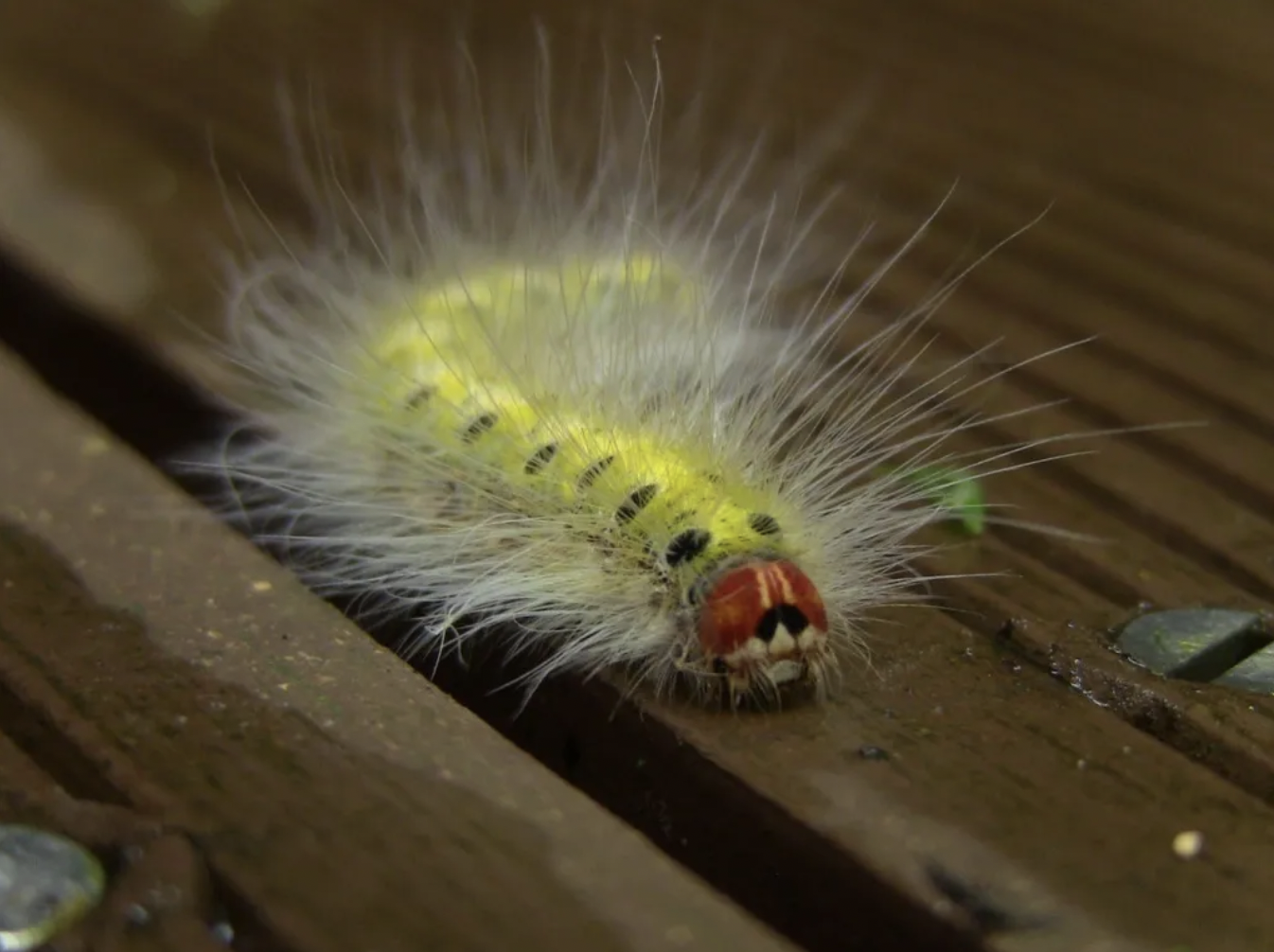
Photo by Milo Inman, India

During my last post I mentioned this agricultural strategy in passing, and I’m actually fairly surprised that the topic hasn’t come up anywhere on the blog before. After all, IPM is an increasingly effective and interdisciplinary way to curb economic losses in crops around the world, and one that often attempts to reduce reliance on environmentally unfriendly chemicals like pesticides.

Completely eliminating an agricultural pest is not the ultimate goal of IPM. In fact, due to ecological intricacies and the risks of removing certain species from an ecosystem, merely lowering the number of pests to numbers that do not cause significant economic damage is more advisable. Achieving this reduction in pest populations “requires an understanding of the ecology of the cropping system, including that of the pests, their natural enemies, and the surrounding environment,” according to Professor Anthony Shelton of the Entomology Department at Cornell University. For example, knowing that a certain pest caterpillar species has certain predator species, a farmer might introduce some of the natural predators into his crop to prey on the harmful caterpillars. If the farmer also physically removes the caterpillars by hand and the pest population dwindles to zero, the natural predators might turn to a beneficial insect, like a pollinator, or even attack the crop itself. This is a very vague and hypothetical example but one that reflects the need to understand causes and effects in an ecosystem if one is planning to employ IPM effectively.
Continue reading

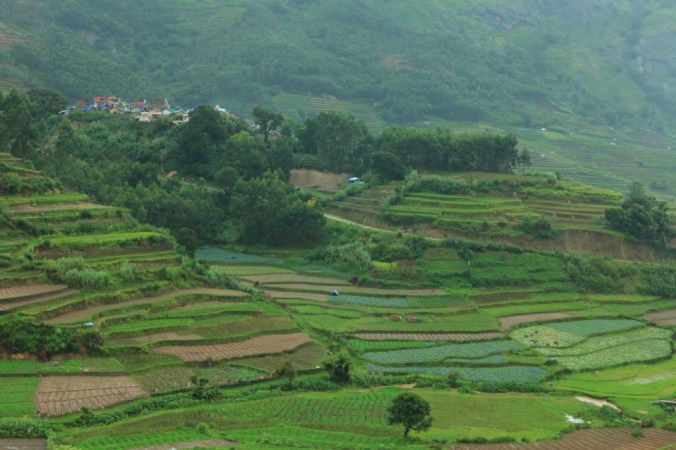
Vattavada Munnar

Vattavada is a serene village situated near Munnar at an altitude of 6000 ft above the main sea level. It is a high range agricultural zone but instead of tea plantations vegetables are predominantly cultivated on the terraced slopes and valleys of the area. Carrot, cabbage, beans, onion, chillies, beetroot, potatoes  and leafy vegetables are the famous crops from Vattavada. Continue reading

Urban Agriculture

From today’s Green Blog, an interesting twister:

John Hantz says he has a dream: to purchase 140 acres of derelict land in the heart of Detroit and turn it into the world’s “largest urban farm.”

A Web site set up by Mr. Hantz, a wealthy entrepreneur, to advance his proposal says the farm would return the city “to its agrarian roots.”   Continue reading

Cumbum Vegetable Market (Tamil Nadu)

Cumbum is located about 25km away from Thekkady and is famous for its weekly fresh vegetable market. People from Kerala and Tamil Nadu buy their produce here both in wholesale and for domestic use. Garlic, Onion, Tomato, Okra, Beans, Carrot and Green chilies are the popular vegetables from this market.

Innovation In Sustainable Agriculture: Home Edition

Speaking of the wisdom of crowds, our most viewed post for the longest time was about volcano sand-boarding, which was something of a viral big bang in our early days setting up this site.  But this post from Tim about vacationers’ food choices and related carbon footprint, which had gone up about a week before Seth’s sand-boarding post, recently became our most viewed post ever (4,040 views for Tim’s treatment of sustainable diets as the new cool, versus 3,667 for Seth’s account of that hot adventure, as of this writing).

Seth’s received most of its views within one day of posting it, whereas Tim’s is the slow growth wonder story: nearly every day for the last year it has been viewed one or two dozen times.  Cool, indeed. So, in tribute to Tim, a post on a related topic, with gratitude to the designers at Vakant:

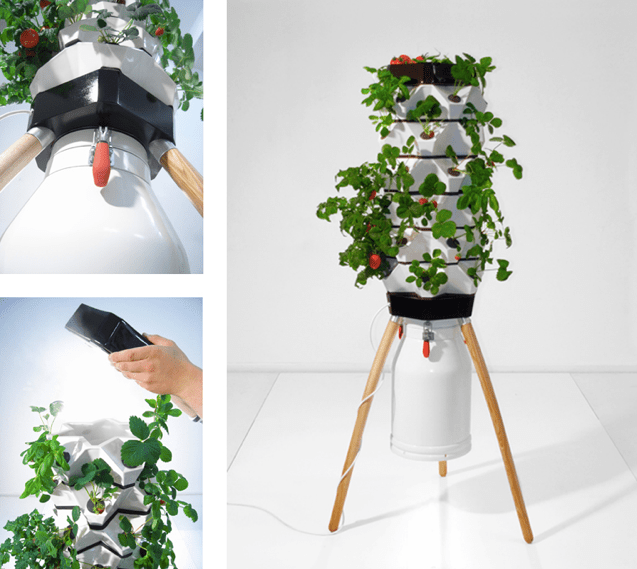
The Fogger is a highly efficient, vertical planting unit that is suitable for any indoor and outdoor applications. Just take some pre-germinated fruit or vegetable seedlings of your choice and insert them with the neoprene plugs into the pillar, fill up the tank with water and the included organic fertilizer, connect the cable to an external power supply and you are ready to start Continue reading

Farming, Biodiversity & Cooperative Conservation

All over the world farmers like Bishnu Maya (in Nepal) are the main custodians of agricultural biodiversity through the conservation, use and improvement of plant genetic resources on-farm

Click the image above to go to the source of this interesting look at the relationship between farming, biodiversity and conservation:

The study ‘Flows under stress: availability of plant genetic resources in times of climate and policy change’ describes how eight members of the CGIAR Consortium, whose research is focused on plant genetic resources, are (re)organizing their conservation and improvement activities in light of climate change adaptation. Continue reading

Ancient Activist Pastime

Click the banner above for this article in which Rebecca Solnit discusses urban agriculture, aka gardening, as a revolutionary act of enormous import for our modern times:

We are in an era when gardens are front and center for hopes and dreams of a better world or just a better neighborhood, or the fertile space where the two become one. There are farm advocates and food activists, progressive farmers and gardeners, and maybe most particular to this moment, there’s a lot of urban agriculture. Continue reading

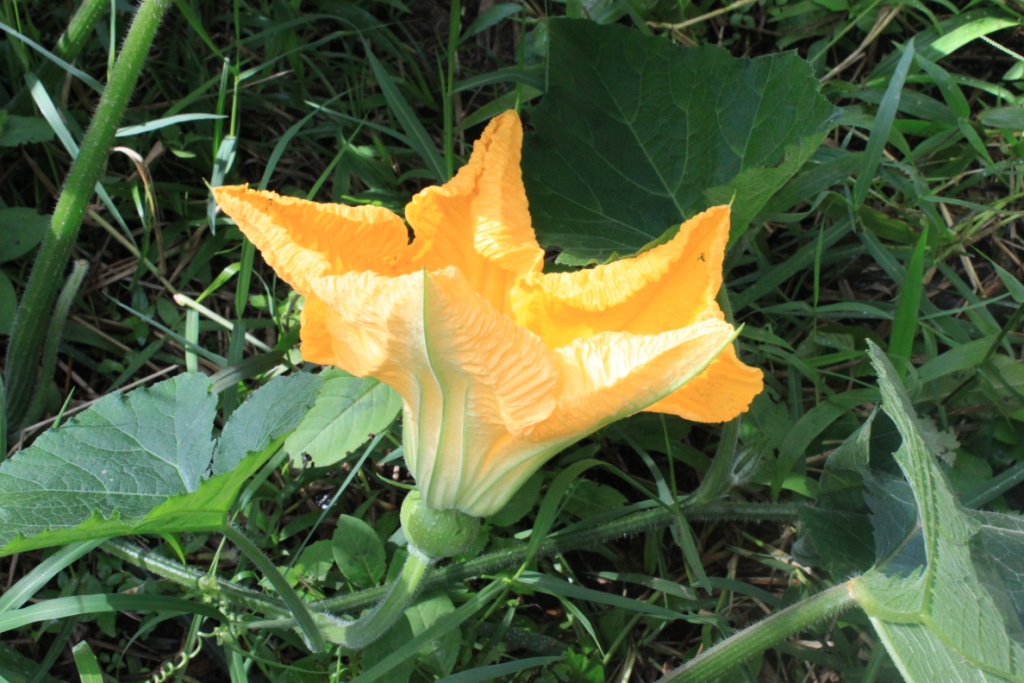
Pumpkin (Cucurbita maxima)

Although originally native to North America pumpkins are now widely growing all over the world as one of the largest vegetables. This gourd-like squash belongs in the botanical family Cucurbitaceae. In India they are commonly farmed in hill station ecosystems.  Continue reading

You Probably Will Not Believe It

The Atlantic‘s website for mobile devices has run an article with the graphic above under this headline:

Why Does Canada Have a Strategic Maple Syrup Reserve?

Yes, difficult to believe. So click the image above to get the full story:

On Friday, news broke that thieves had stolen $30 million dollars worth of Quebec’s strategic maple syrup reserves. Much as the United States keeps a stock of extra oil buried in underground salt caverns to use in case of a geopolitical emergency, the Federation of Quebec Maple Syrup Producers has been managing warehouses full of surplus sweetener since 2000. The crooks seem to have made off with more than a quarter of the province’s backup supply. (I personally suspect these guys.)

Sour Cherry

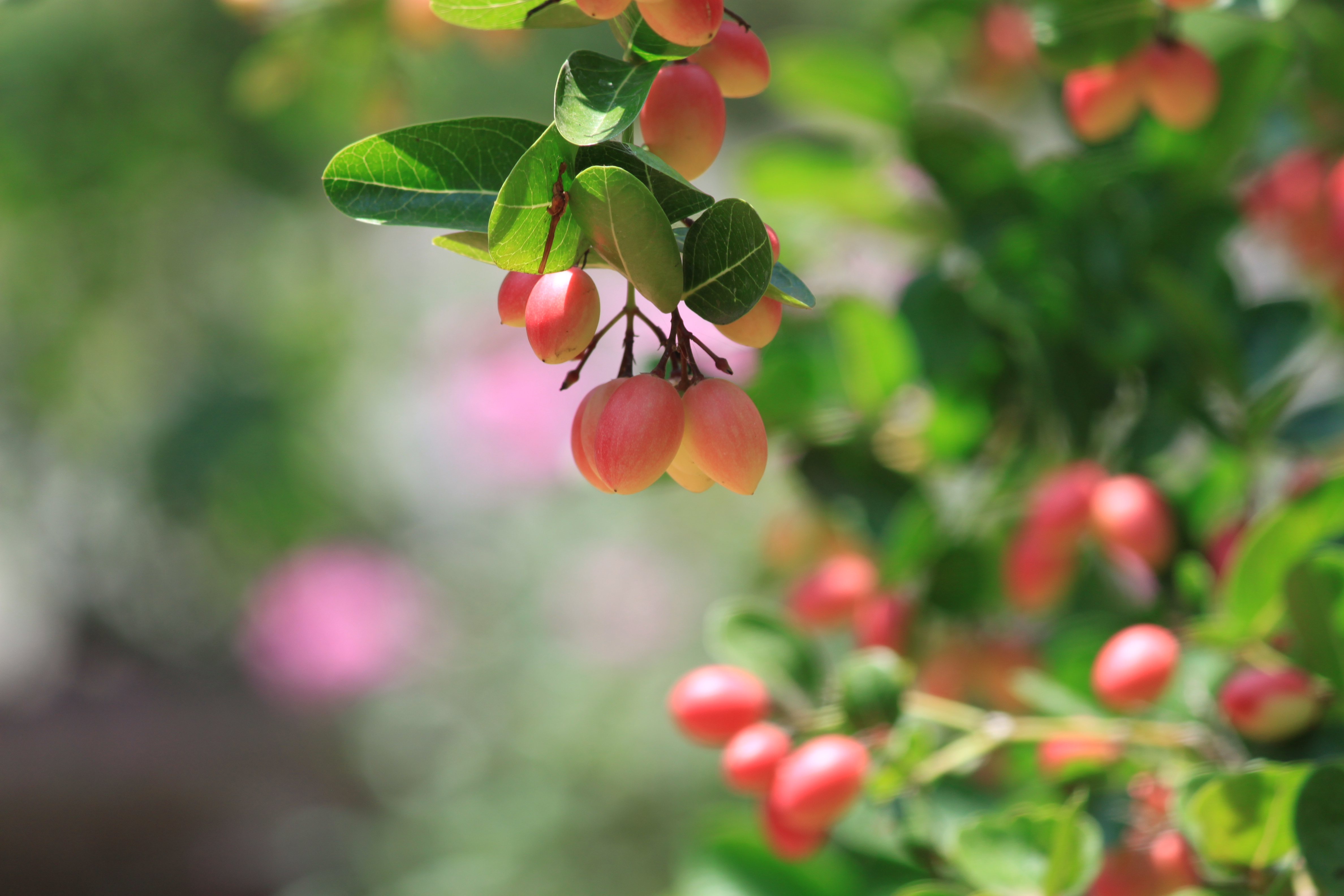
The Sour Cherry is a tree in the Rosacease family found in the high ranges of Kerala, a state famous for its fruits. The fruit is small and fleshy, ranging from rose to a deeper red colour. They are popular for making jams, desserts and other culinary purposes. The fruits are also used for medicinal purposes as they are low in cholesterol and rich in fiber and vitamin C. Continue reading

Nepalese Agricultural Technology

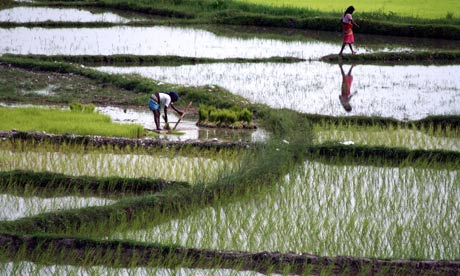
Women work at a paddy field at the village of Bamundangi, eastern Nepal. Photograph: Dipendu Dutta/AFP/Getty

Click the image above for the story about how life is changing in Nepal’s paddy:

Most of Nepal‘s agriculture is undertaken by women, but research tailored to their needs is lacking. “We need new technologies that can reduce the drudgery for them,” said Devendra Gauchan, agricultural economist and chief of the socioeconomics and agri-research policy division at the Nepal Agricultural Research Council (Narc). Continue reading

Nutmeg (Myristica Fragrans)

The Nutmeg Tree is an evergreen aromatic which usually grows up to a height of 15-20 meters. Nutmeg and mace are two distinctly different spices produced from the same tree- the nutmeg being the actual interior nut, while mace is the red lacy covering beneath the outer shell. Although it is now cultivated throughout most of the south Indian states, the tree is a native of Moluccas, an island in the Indonesian archipelago. It thrives in hot and moist climates at low elevations.

Continue reading

A Different Protected Status

Holstein cows that graze on the tidal flats of the Wadden Sea provide beef with a distinctive flavour, say farmers. Photograph: Angus Taylor/Alamy

Picking up on the thread that Tim started most recently, then Crist responded to and Martin further commented on, and placing all that within the larger context of our interest in conservation, here is a novel twist on protected status for an animal from today’s Guardian (click the image above to go to the story):

The meat from wading sea cows that graze on Denmark‘s west coast has been given protected geographical food name status by the EU – the same status enjoyed by champagne and parmesan cheese.

The protection covers the meat from the Holstein cattle raised in the marshes of the Wadden (wading) sea in southwestern Jutland.

“It gives us a good stamp on a good product that we have,” said Andreas Andreasen, who represents an association of local farmers.

“We sought this approval so that it could be known more widely.”

The beef is said to gain a distinct flavour from the tidal flats’ salt content, in a grazing tradition that goes back 1,000 years.

“Chefs have told us there is a distinct difference in the meat’s taste from other cows – a more powerful taste,” said Andreasen.

According to the Danish ministry of food, blind taste tests of the Wadden Sea beef proved the meat was juicier, more tender and more fragrant than conventional beef.

Tree of Life

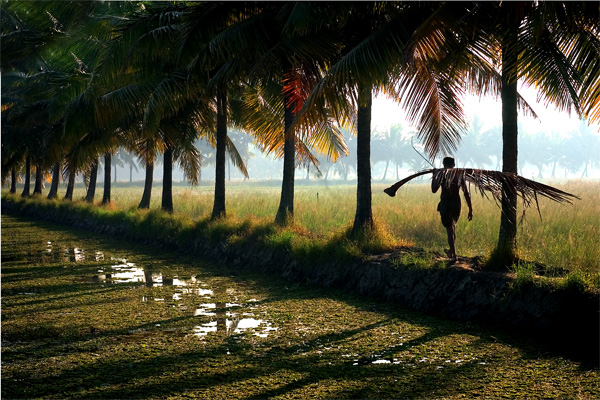
Kerala is one of the leading producers of coconut in the world, producing thirteen billion nuts per annum. Not only is the tree an iconic fixture of the Kerala landscape dotted with green palms and their swaying fronds but this tree is an integral part of the state economy.  Numerous products and by-products are derived from all parts of the tree, providing food, shelter and fuel, as well as the raw material for various local crafts. Not surprisingly, in Malayalmam this multi-faceted tree is known as kalpakavriksham or the “Tree of Life”.

Continue reading

Am I A WWOOFER?

WWOOF, the network of World Wide Opportunities on Organic Farms, helps link volunteers with organic farmers globally. Although their website is quite navigable and clear for those who want to learn more, I’ll briefly describe some aspects here.

The number of little organic family farms around the world is immense, and the amount of them located in beautiful natural areas is, as one might imagine, also quite staggering. Just think of the expansiveness of the French countryside, or the warm welcomes of Latin American campesinos, and project such elements (and dozens of other great characteristics) on hundreds of thousands of farms around the world that could use a helping hand. WWOOF helps put people interested in growing organic crops and farmers who like to teach or need some additional assistance together; especially those of both groups who want to experience international travel, practice another language in an immersive setting, or learn from other cultures directly. Volunteers bring their skills and labor to a farm, and the host family provides housing and food in return.

Continue reading

Would You? Could You? Should You?

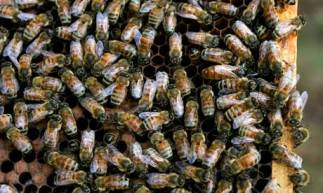
Daylight robbery: bees toiling to make honey. Photograph: Saul Loeb/AFP/Getty Images

Click the image to the right for the provocative source of the questions, which begins quite matter-of-factly:

As a vegan, honey is officially out of bounds. The originator of the vegan movement, Donald Watson, singled it out as a no-go food stuff in the British Vegan Society manifesto of 1944.

Back To The Commons

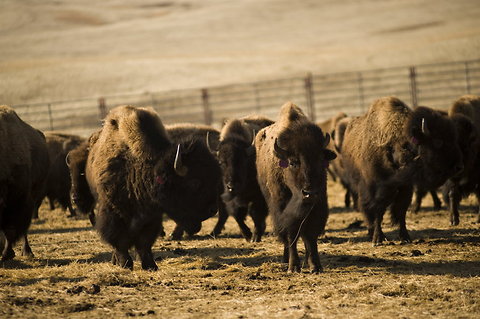
Cattle graze on public lands under federal permits, and the fee is heavily subsidized — $1.35 per head of cattle, in contrast with the $22 per head that ranchers pay for their cattle to graze on private land.

Most days we find stories that bring us back to one of the common themes affecting, and affected by, the one or more of the three “c” words in our site’s banner.  Just this last week, in two very different contexts–the Mediterranean fisheries and the great plains of the western USA–we see the potential for the tragedy so commonly affecting unrestricted and accessible open spaces.

Click the image above to go to the second of these stories.  While we do not believe markets solve all problems, and certainly do not solve the most complex problems easily, this one seems to be the definition of a no-brainer.  Or at least, the questions seem obvious: why do citizens in the USA, who contribute to ranchers abundantly at the supermarket each week, also contribute so generously on April 15 each year?  If they reduced the latter would they reduce the former? And would that not be a good thing, in terms of health and environmental considerations?

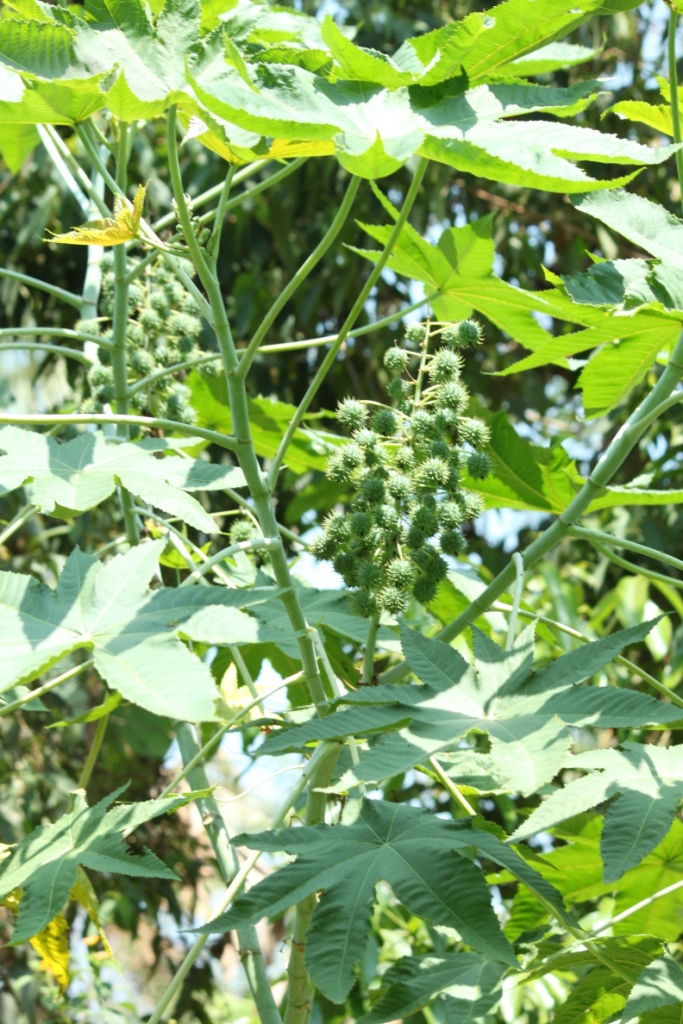
Castor plant – Ricinus Communis

The Castor plant is a very strong, sturdy plant growing throughout tropical regions, common along stream banks, riverbeds, bottomlands and any hot area where the soil is well drained. This fast growing plant grows to a height of 6-15 feet in one season and can reach the height of 39 feet. It can live for many years in mild climates, and can become quite woody, like trees.

Continue reading

Areca Nut – Areca Catechu

The Areca Nut palm tree is an unbranched, erect, medium sized monoecious (unisexual) tree growing in humid tropical regions. Its has fragrant, white flowers that mature into olive shaped, reddish-orange fruit, about 4-5 cm long in which lie the areca nut. The areca nut is a major commercial crop in India. These are often chewed along with betel leaves and hence are also called Betel Nuts.

Continue reading

Latex- Rubber Tree (Hevea brasiliensis)

The latex rubber tree is a tropical plant native to South America and South East Asia, which is the primary global source of natural rubber. Kerala has over 110,000 acres of land under rubber cultivation – annual production is about 690,000 tons – over 92% of India’s natural rubber.

Continue reading