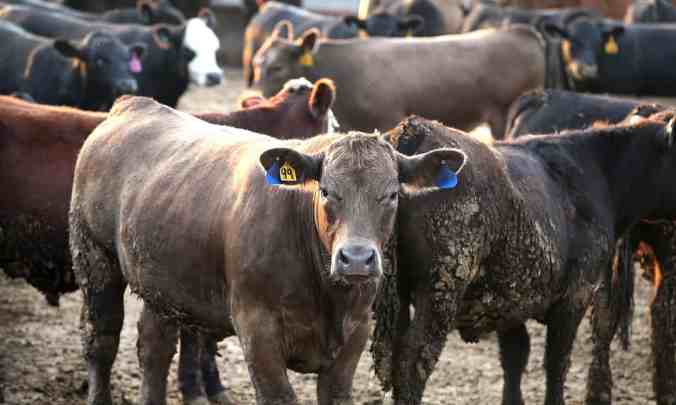
Replacing 50% of meat consumption with a vegetarian diet would push back the overshoot date by five days. Photograph: Scott Olson/Getty
Our vegetarian diet ambitions are strengthening for all kinds of reasons. Footprint reduction among them. Thanks to our colleague Mathis Wackernagel for his regular reminders of the anything but regular footprint growth humanity imposes on the planet each year:
Earth’s resources consumed in ever greater destructive volumes
Study says the date by which we consume a year’s worth of resources is arriving faster
Humanity is devouring our planet’s resources in increasingly destructive volumes, according to a new study that reveals we have consumed a year’s worth of carbon, food, water, fibre, land and timber in a record 212 days.
As a result, the Earth Overshoot Day – which marks the point at which consumption exceeds the capacity of nature to regenerate – has moved forward two days to 1 August, the earliest date ever recorded.
Earth Overshoot Day falls on 1 August this year – marking the point at which consumption exceeds the capacity of nature to regenerate
Guardian graphic. Source: Overshootday.org
To maintain our current appetite for resources, we would need the equivalent of 1.7 Earths, according to Global Footprint Network, an international research organisation that makes an annual assessment of how far humankind is falling into ecological debt. Continue reading


 Intelligence Squared has an app that allows you to listen to their debates and lectures at your own convenience, on your phone or wherever, whenever you choose. If, like us, you have found the rewilding debate interesting, this is one you will want to listen to:
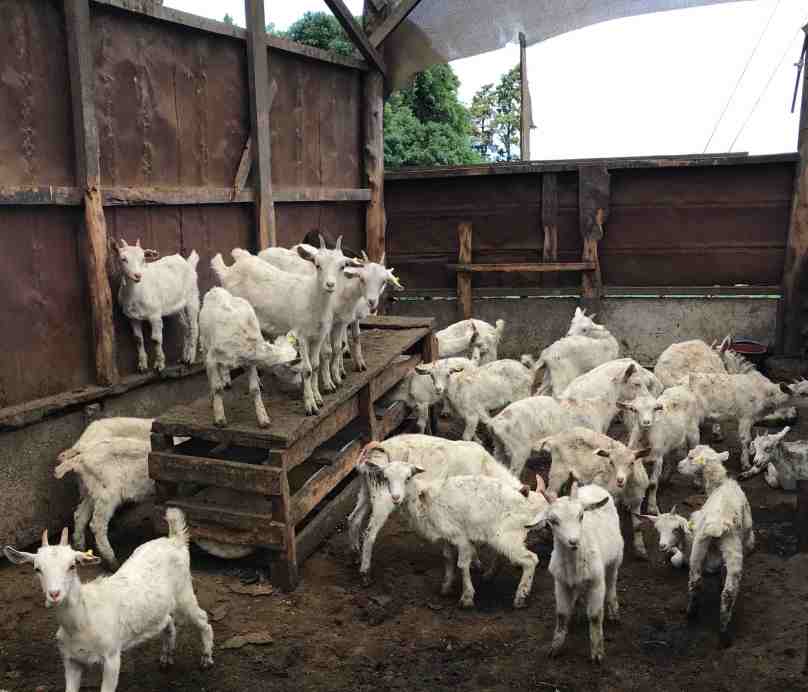 It has eight times the land and double the cows compared to where we are based, 10 miles north and about 1,000 feet lower in altitude. That farm also has dairy goats. More on other implications of the visit later. Here, a quick note on feed. We had noticed on the dairy where we live that pineapple is part of the diet of the cows.
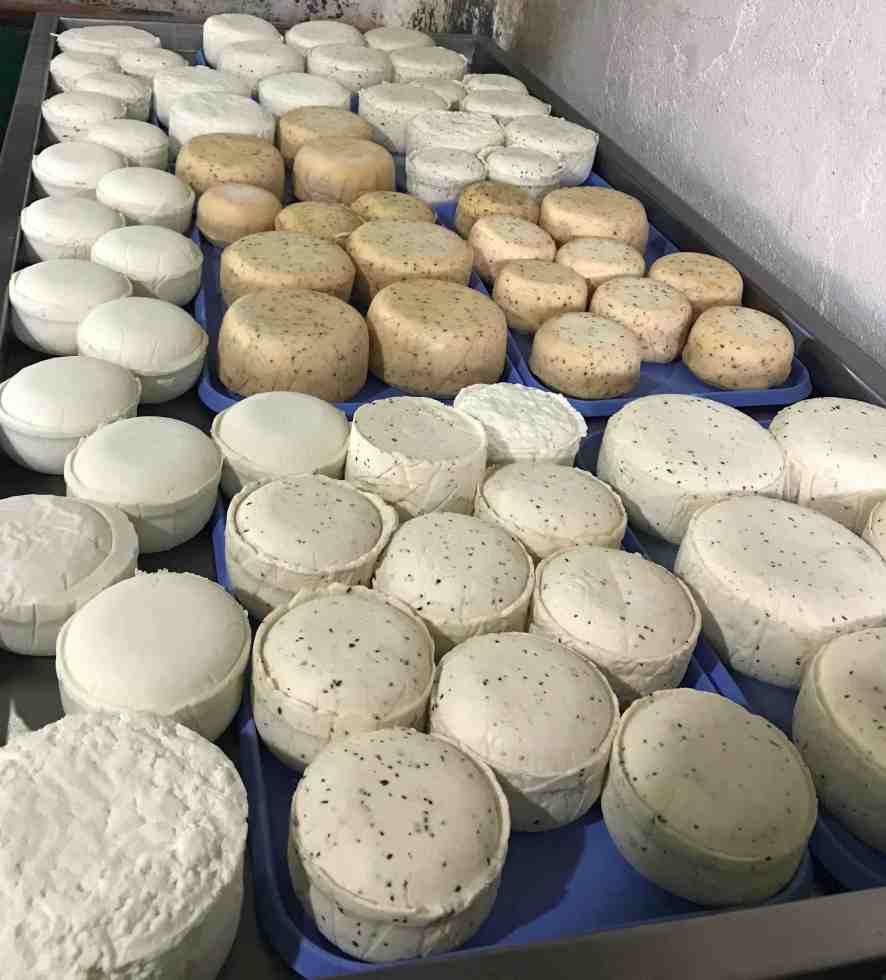 The dairy manager had explained that this is an important part of the nutritional mix. Despite our surprise we had not asked more about it. Yesterday we did, and the answer was another surprise. Milk production rises 10% or more with the pineapple added to the feed. The animals are healthier because of the fiber content of the fruit, compared to cows eating grains such as corn or soy. Plus, the methane bi-product is significantly decreased. Food produced in a dairy making this dietary change represents one small step toward reducing greenhouse gas emissions.

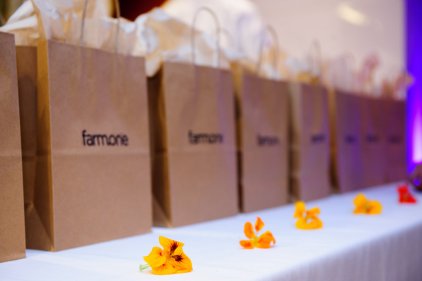
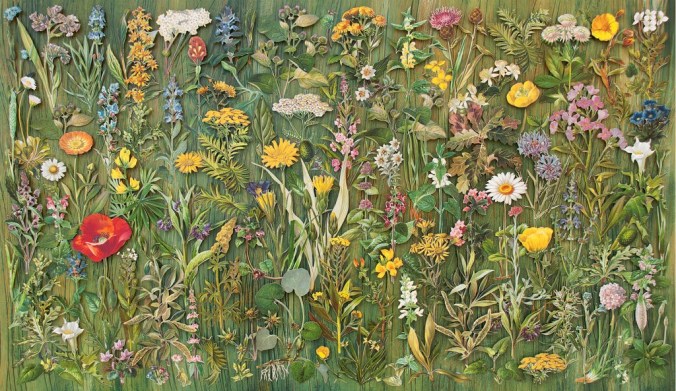
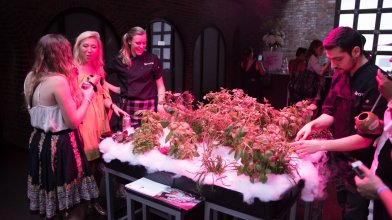 Farm.One is New York City’s grower of rare herbs, edible flowers and microgreens for some of the best restaurants in the city. Our Edible Bar and Tasting Plates make these fresh, exciting ingredients available for the first time in an event setting. Guests can discover botanical ingredients for the first time, with the expert guidance of our farm team. Taste ingredients on their own, or paired with cocktails and other beverages, for a colorful, flavorful and aromatic experience like no other.
 This short piece by Anna Russell below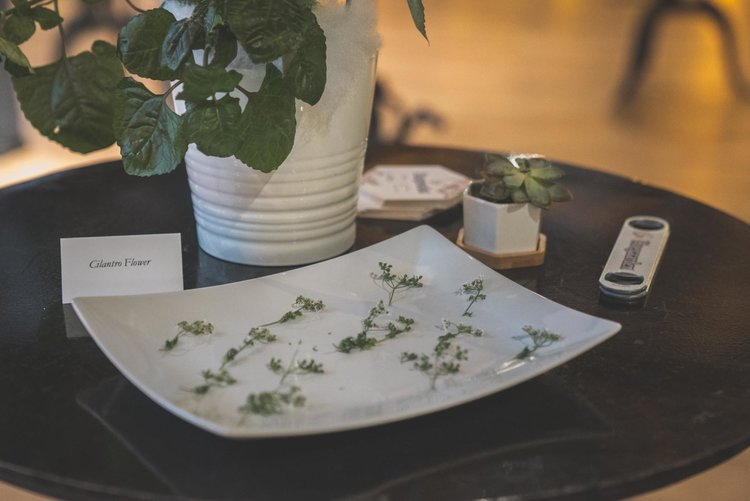














 Organikos