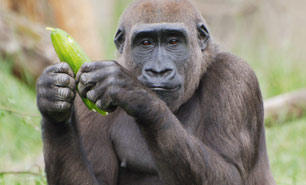
A Monkey Story

monkeyI love monkeys like I love elephants. I can sit and watch them for hours, they’re so interesting and intelligent. If you get a chance, you should try it some time!

Here’s a story about an experience I had with monkeys in my home town of Nilambur:

The city of Nilambur had lots of monkeys roaming around. They used to come into the city and our houses in search of food. This might sound sinister, but actually the way they came around was hilarious: they’d form a line and march towards the city gate, cross it, and then enter neighborhoods as a group. The problem was, they created havoc! They destroyed all the crops and stole objects that took their fancy,  making a mess of the whole place. My grandmother lost many of her blouses, and since she got very upset, my grandpa decided to keep a dog, named Tommy, just to scare the monkeys away.

I didn’t see the following incident personally, but the way Grandpa told the story, we used to laugh out loud and ask to hear the story over and over again. Continue reading
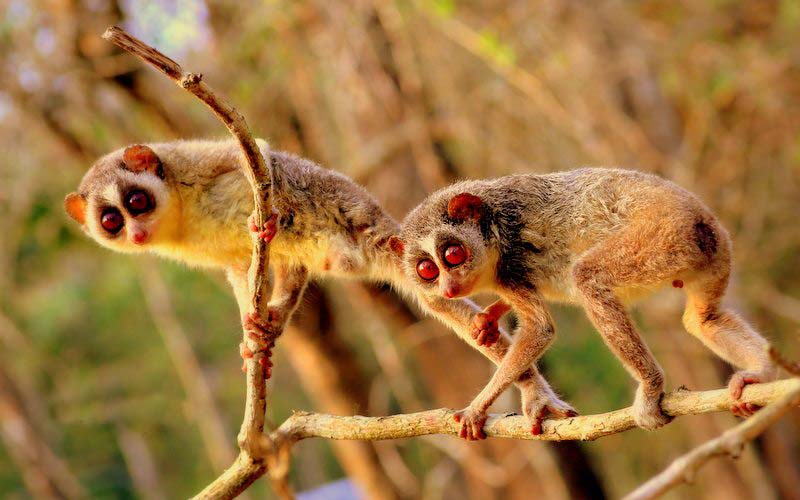
Slender Loris – Loris tardigradus

Photo credits : Sanjayan

Photo credits: Sanjayan

The Slender loris is commonly found in the tropical rainforests of Southern India and Sri Lanka. This small animal with a vestigial tail and extremely thin arms and legs is primarily known by the huge round eyes that dominate their face, which give it excellent night vision. Continue reading

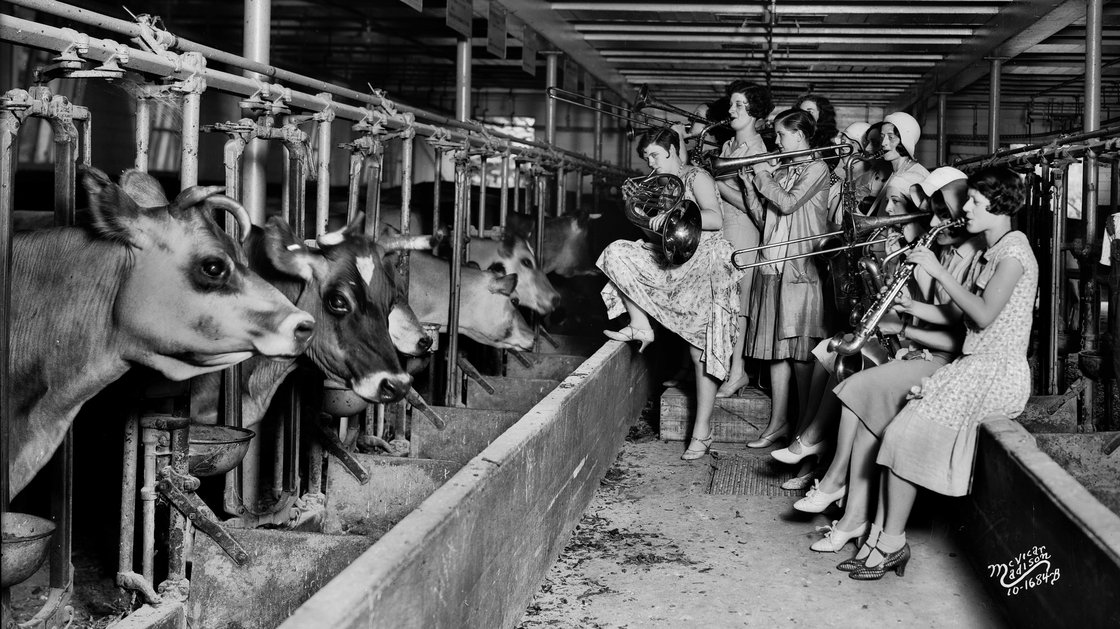
A Musically Satisfied Cow Is A Productive Cow

The Ingenues, an all-girl band and vaudeville act, serenade the cows in the University of Wisconsin, Madison's dairy barn in 1930. The show was apparently part of an experiment to see whether the soothing strains of music boosted the cows' milk production. Angus B. McVicar/Wisconsin Historical Society

The Ingenues, an all-girl band and vaudeville act, serenade the cows in the University of Wisconsin, Madison’s dairy barn in 1930. The show was apparently part of an experiment to see whether the soothing strains of music boosted the cows’ milk production. Angus B. McVicar/Wisconsin Historical Society

It is not difficult to believe, but it is funny. Thanks to National Public Radio (USA) for this story about the importance of animal happiness, an idea we can all, from carnivore to vegan all everyone in between, agree is good (the video below is at least as compelling as the scientific references):

When it’s time to buckle down and focus, plenty of office workers will put on headphones to help them drown out distractions and be more productive. But can music also help dairy cows get down to business?

Some dairy farmers have long suspected that’s the case. It’s not unheard of for farmers to play relaxing jams for their herds to boost milk production, as the folks at Modern Farmer recently reported.

A tantalizing 2001 study out of the University of Leicester in the U.K. appeared to lend credence to those claims. It found that milk production went up by as much as 3 percent when cows listened to slow tunes like R.E.M.’s “Everybody Hurts” and Simon & Garfunkel’s “Bridge over Troubled Water,” rather than faster songs. Continue reading

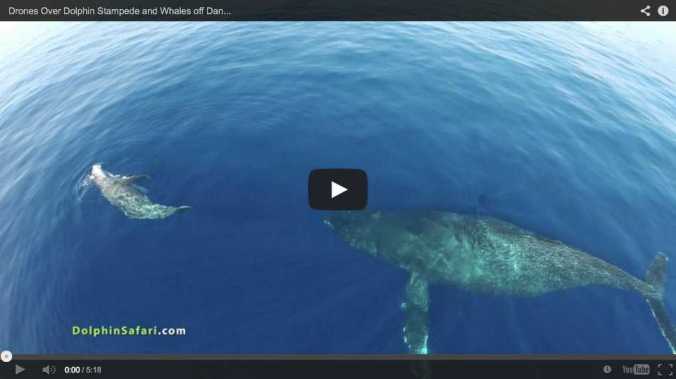
Dolphins, Drones, Delight

Screen Shot 2014-03-06 at 7.37.42 AM

We have noted on several occasions in the past about the use of drone technology to good ends, but this one takes the cake:

Whatever you think of drone technology, this may be one use that we can all agree on.

The captain of a whale-watching boat who’s also a filmmaker sent a drone with a camera into the sky to capture a stunning event: thousands of common dolphins in a super- or megapod speeding through the waters off California, destination unknown. His gorgeous video of Delphinus delphis, which includes a mama whale nuzzling its baby, is here. Continue reading

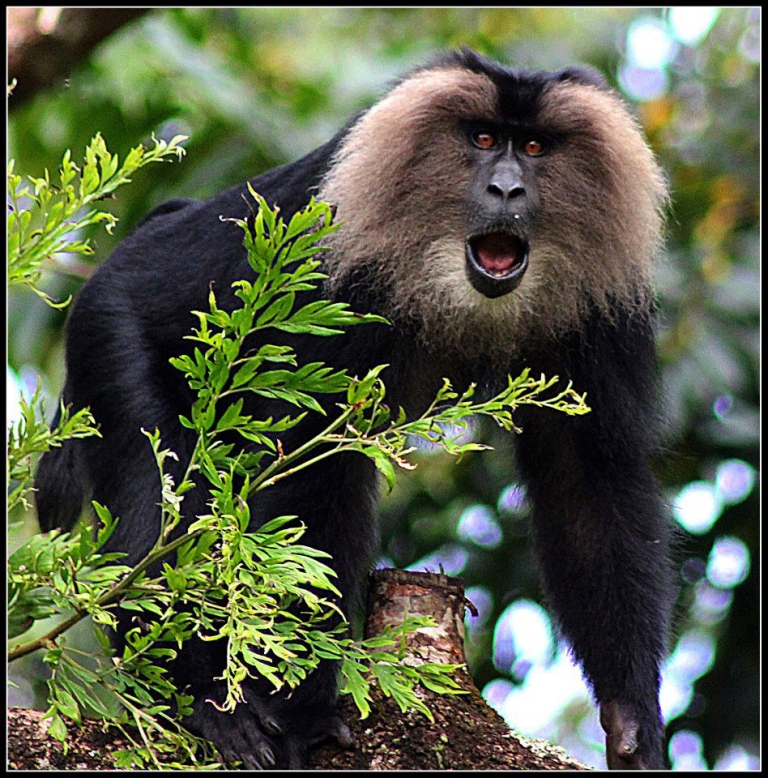
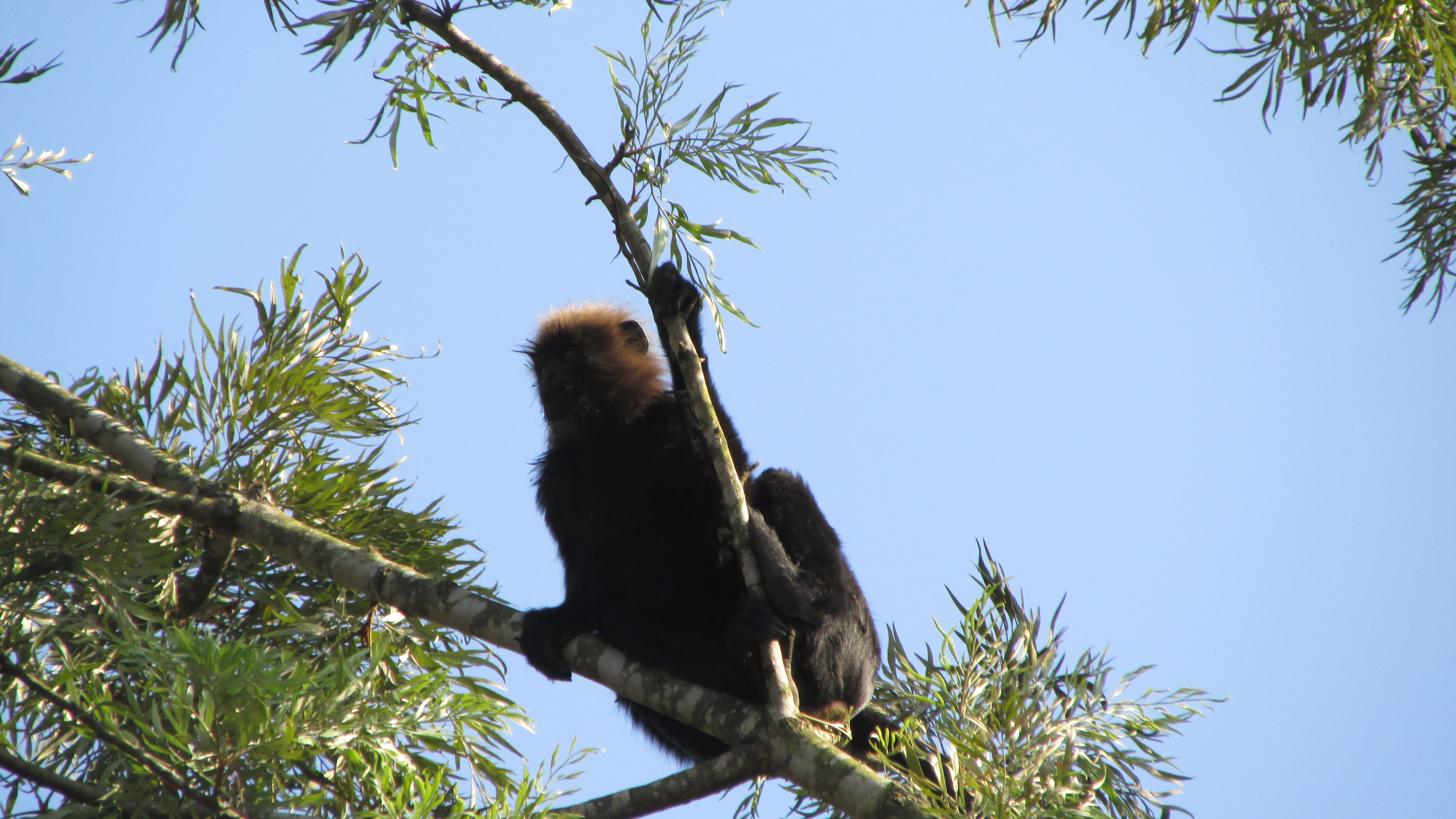
Wild Periyar – Lion-Tailed Macaque

Photo credits : Aparna P

Photo credits: Aparna P

The Lion-Tailed Macaque, Macaca silenus, is ranked among the rarest and most threatened primates in the Western Ghats. The population is scattered across small patches of evergreens in Karnataka, Kerala and Tamil Nadu, where they spend most of their lives in the upper canopy of tropical moist forests. Continue reading

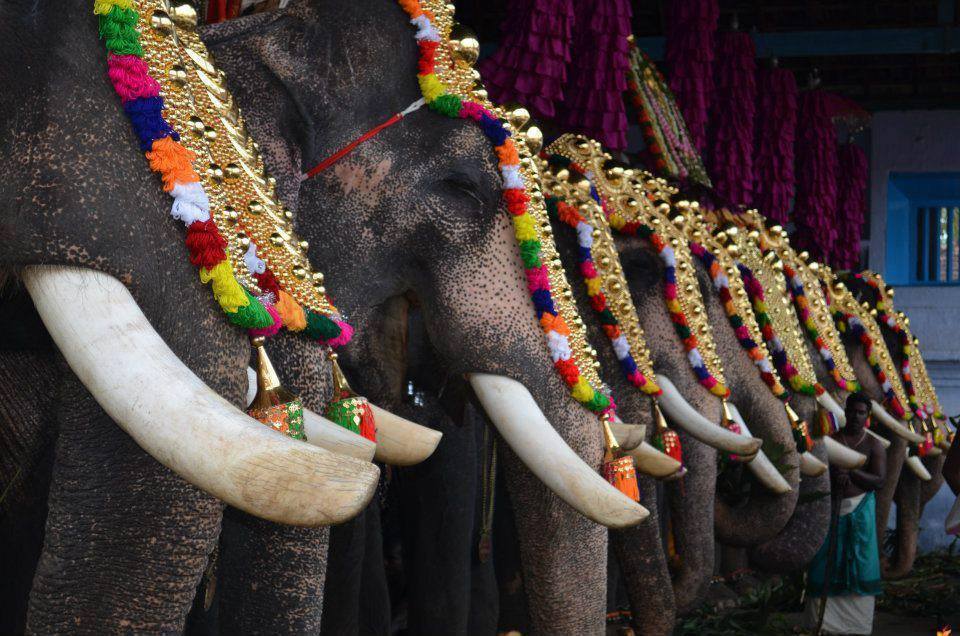
Temple Elephants

Photo credits :Ramesh Kidangoor

Photo credits: Ramesh Kidangoor

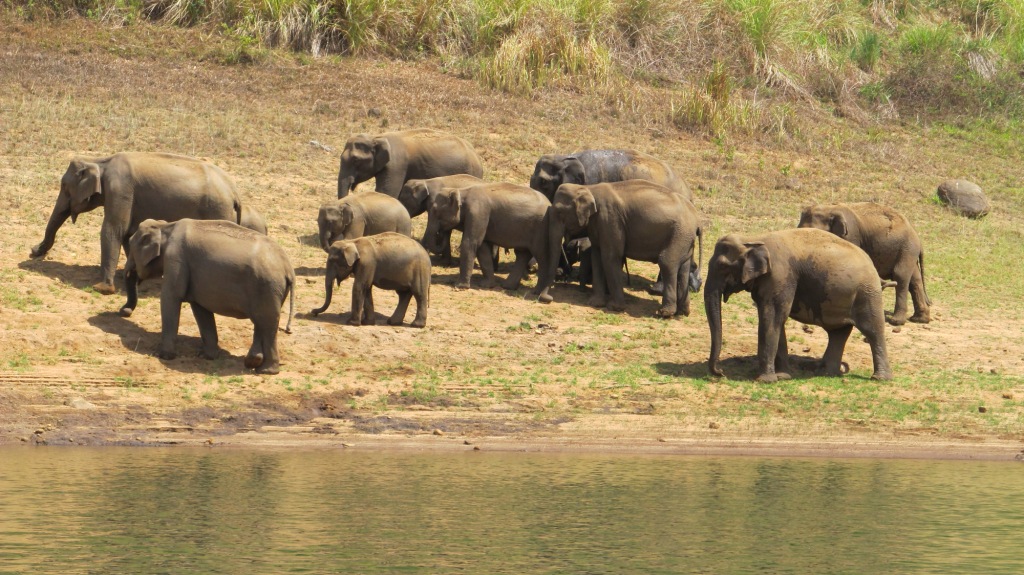
In the history of Kerala, elephants have been part of the festival and cultural ethos of the state. People believe that this animal is a remover of obstacles, a harbinger of good fortune and an integral part of religious and economic life. Over the years, no temple festival in the state has been complete without the participation of elephants: all major temples in Kerala have an attachment to them. Continue reading

Simian Visitors to Cardamom County

nilg

Nilgiri Langur

It’s been a while since we shared with you pictures of visitors from Periyar at Cardamom County. Here are a few photos of a family of  Nilgiri Langur that took a quick stop at our resort on their way to their final destination: the Periyar Tiger Reserve. Continue reading

Fantastic Flying Foxes

The phrase “flying fox” in our experience has been used to describe the huge bats that can be found around Cardamom County in Thekkady, feasting on fruit and insects. In the video above, however, we learned that even common ground-dwelling foxes can reach stunning heights — in their pursuit of rodents living underneath deep layers of snow!

Continue reading

Bandipur National Park – Karnataka, India

Photo credits: Ramesh Kidangoor

Bandipur National Park is one of the most famous wildlife national parks in South India, and is part of the Nilgiri Biosphere Reserve. Covering an area of 880 sq km, it was once one of the private wildlife reserves of the Mysore Maharaja. Today, Bandipur National Park is a protected zone for over 100 species of mammals, Continue reading

Periyar Sightings

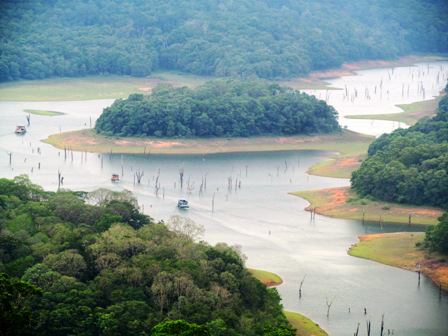
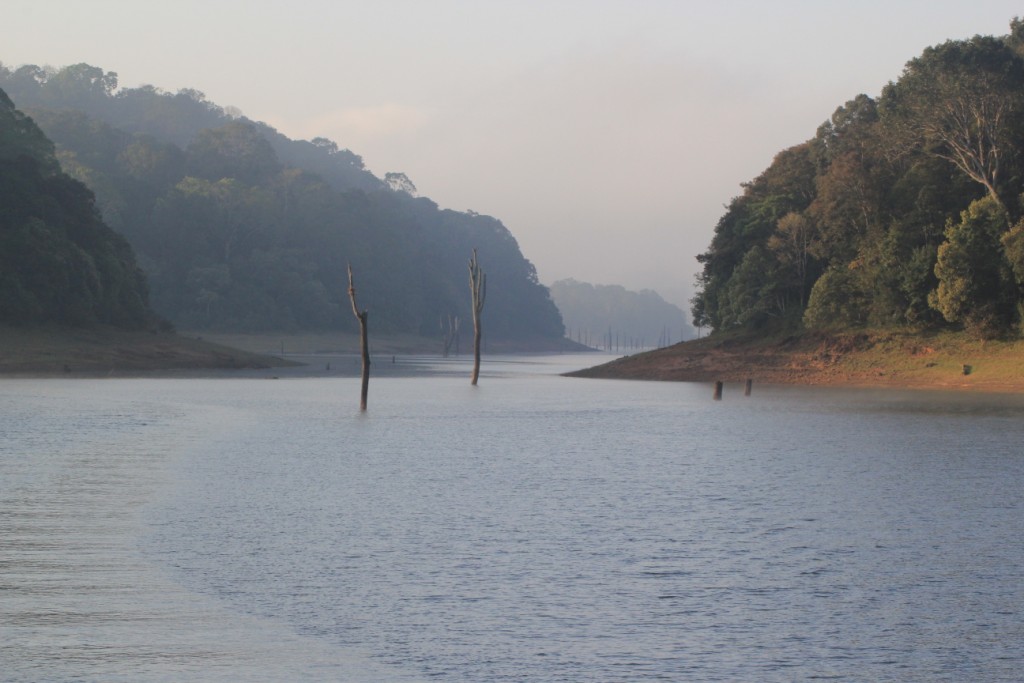
Periyar Lake

Periyar Lake

Today we are sharing the sightings of Mr. Vinoy Khakie from his experience inside the Periyar Tiger Reserve. His photos are impressive despite the fact they were taken from a moving boat.

Continue reading

Gift-Giving Across Species

David Plunkert …Gift-giving has been seen in spiders, birds, mammals and the land snail, which shoots darts at its intended.

If you think humans are unique as gift-givers, think again, and read Natalie Angier’s current article in The New York Times:

…The drive to exchange presents is ancient, transcultural and by no means limited to Homo sapiens. Researchers have found striking examples of gift-giving across the phyletic landscape, in insects, spiders, mollusks, birds and mammals. Many of these donations fall under the rubric of nuptial gifts, items or services offered up during the elaborate haggle of animal courtship to Continue reading

Tiger Census In Kerala Is Well Under Way

2,088 field staff taking part in the eight-day exercise in five landscapes

2,088 field staff taking part in the eight-day exercise in five landscapes

Today’s Hindu newspaper reports that:

The eight-day phase-one of the all India tiger estimation 2013-2014 by 2,088 field staff began in the forests of the State on Monday.

The estimation, at the initiative of the National Tiger Conservation Authority (NTCA), is a countrywide exercise conducted every four years to assess the status of wild tigers, co-predators, prey species, and their habitat. Continue reading

Lord of the Jungle

Lord Of The Jungle

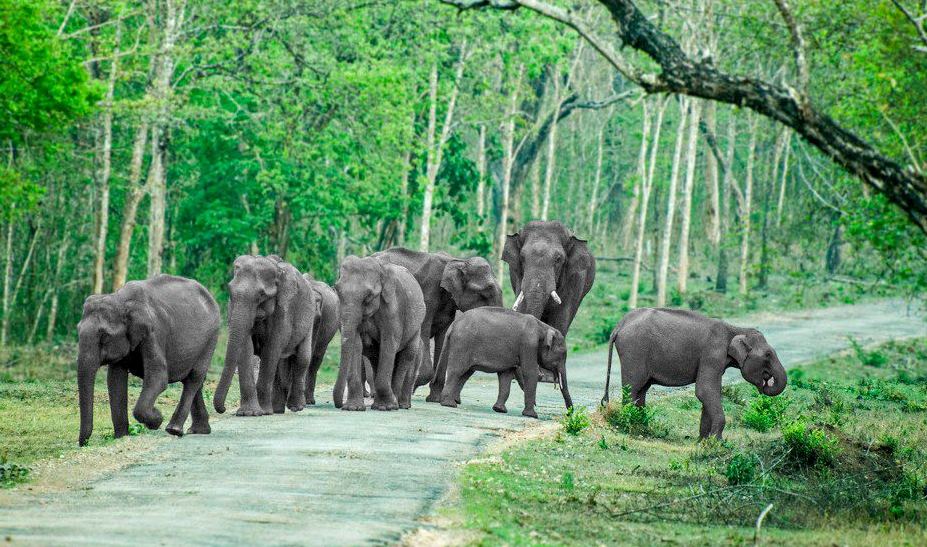
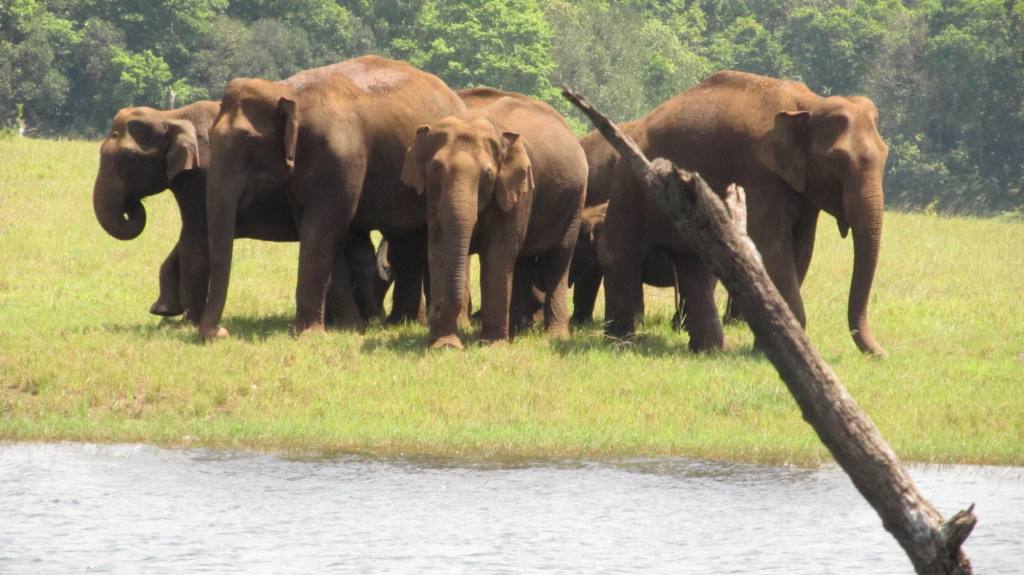
Periyar Tiger Reserve may be famous for its tiger population but it’s also a paradise for elephant lovers. Over 1,300 of the magnificent creatures call the 925 plus sq kms of PTR their home. Also know as “keystone animals”, elephants have a huge impact on the ecosystem they live in. For example when elephants uproot trees with their trunks they create grasslands and savanna and their habit of digging for water during drought causes big water holes that also supports other wildlife in the area. The major threats for elephants have been the illegal ivory trade but due to strict laws the elephants can find themselves safe in the reserve.

Continue reading

Periyar Tiger Reserve, Kerala

Photo credits: Kannan

Photo credits: Kannan

Periyar Tiger Reserve is one of the oldest and largest protected area of Kerala. Spread over 925 sq. km. The predominantly evergreen region is home to a large variety of flora and fauna.  Continue reading

Wild Periyar – Indian Gaur

Bos gaurus

Bos gaurus

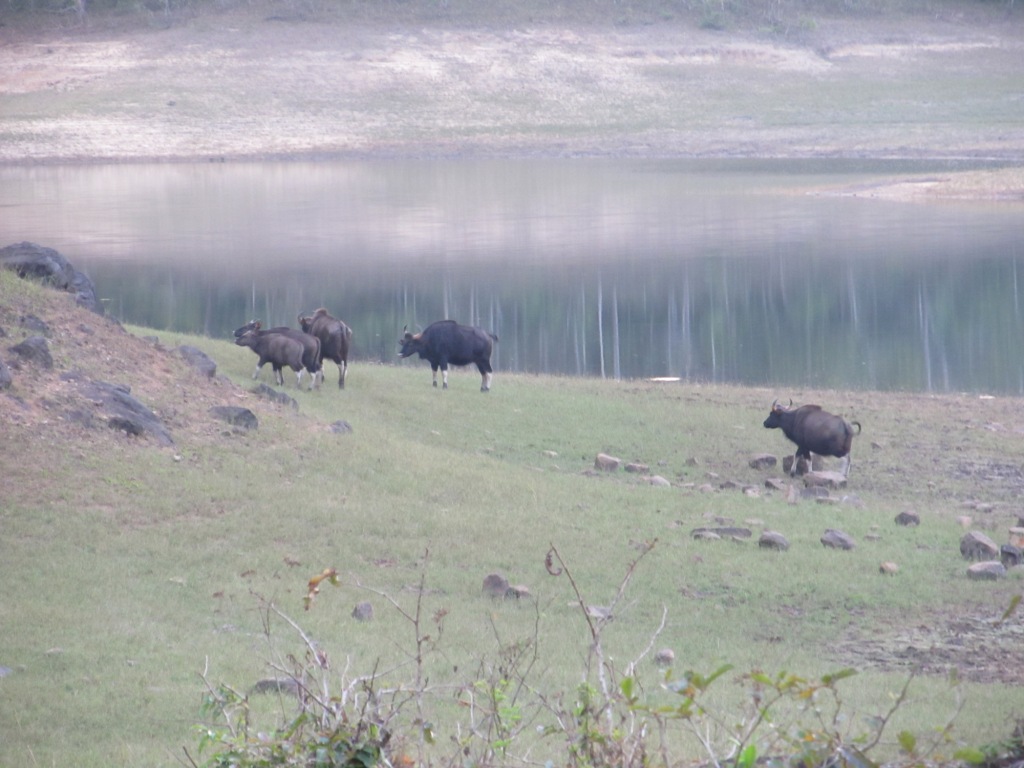
Wild Gaur is one of the Periyar’s top 10 mammals. The tropical climate, rich and productive banks of the Periyar reservoir attracts Gaur that gather in large numbers to graze on fresh fodder and drink and bathe in the waters of the famous lake . Continue reading

What Else is Out There?

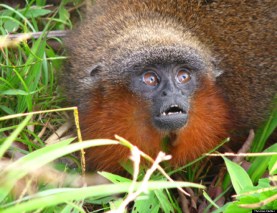
Thanks to the World Wildlife Fund, 441 new species of plants and animals have been discovered in the Amazonian rainforest, including a truly bizarre looking monkey that apparently purrs like a cat when content, as well as a… vegetarian piranha.

Image

Newly discovered Titi Monkey. Photo Courtesy World Wildlife Fund

It is a good feeling in any naturalist’s gut, amateur or professional, too know that undiscovered species still remain in today’s world — where technology and advancements in various facets of our lives thanks to 21st century progressivism don’t leave much to the imagination; it seems as though the mystique of discovery still remains just as true to many of us as it did when we were children. Unfortunately this is not the case for absolutely everyone, but for those who are still amazed by the world, discoveries such as this are a blessing.

Continue reading

Enough Dancing Bears, Already

Patrick Barkham’s editorial in the Guardian does not sufficiently consider the occasional good that a zoo can do for the charismatic felines, but my sentiments are generally the same as those he expresses here:

The Zoological Society of London is an august, enlightened charity, which carries out wonderful scientific work. London Zoo, created in 1826 as a rebuke to the cruel and squalid menageries of the day, makes the most of its limited space on the edge of Regent’s Park. So why on earth is it caging tigers? Does it really believe it is important conservation work? Continue reading

A Camera Trap By Any Other Name

Humpback whales lunge feeding in the Inside Passage of Southeast Alaska during summer on an overcast day. Photograph by Mark Kelley, Alaska Stock Images/National Geographic Creative

Humpback whales lunge feeding in the Inside Passage of Southeast Alaska during summer on an overcast day. Photograph by Mark Kelley, Alaska Stock Images/National Geographic Creative

A sweet invention, that camera trap.  Call it what you will, but the more we capture on film, it seems, the better we understand:

Humpback whales are known for their bubble nets. In Cape Cod Bay (map), the marine mammals spend the summer blowing bubbles in circles under the water and then lunging through roiling schools of fish for a mouthful of water and sand lance, a skinny, finger-length fish.

If you watched humpbacks only from the surface, you’d think that was how they got all their food. But a team of scientists has been putting tags on the whales to snoop on them underwater. They found something surprising: Humpbacks actually spend a lot of time feeding at the bottom. (Watch video of humpback whales blowing bubble nets.) Continue reading

Shark Basks In Glow Of Recovery

Mystery creature: basking sharks are increasingly seen in British waters during the summer, but little is known about where they go in the winter. Photograph: Alex Mustard

Mystery creature: basking sharks are increasingly seen in British waters during the summer, but little is known about where they go in the winter. Photograph: Alex Mustard

Not everyone will be uniformly happy, perhaps, but we count ourselves happier upon seeing this news:

This summer, on the western edges of Britain and Ireland, was a time of gentle monsters: great black fins parading sedately off the beaches, leviathans floating in warm sea as docile as Granddad on a lilo. From Cornwall to Donegal, local papers ran stories of swimmers’ and kayakers’ encounters with sharks “Bigger than Jaws!” “The size of a bus!” But most of the reports went on to say that the fish – which can indeed grow to 11m, a double-decker’s length – were strangely blasé about the panicky, flapping humans. In fact, they didn’t seem interested at all. Continue reading