Understanding Animal Behaviour

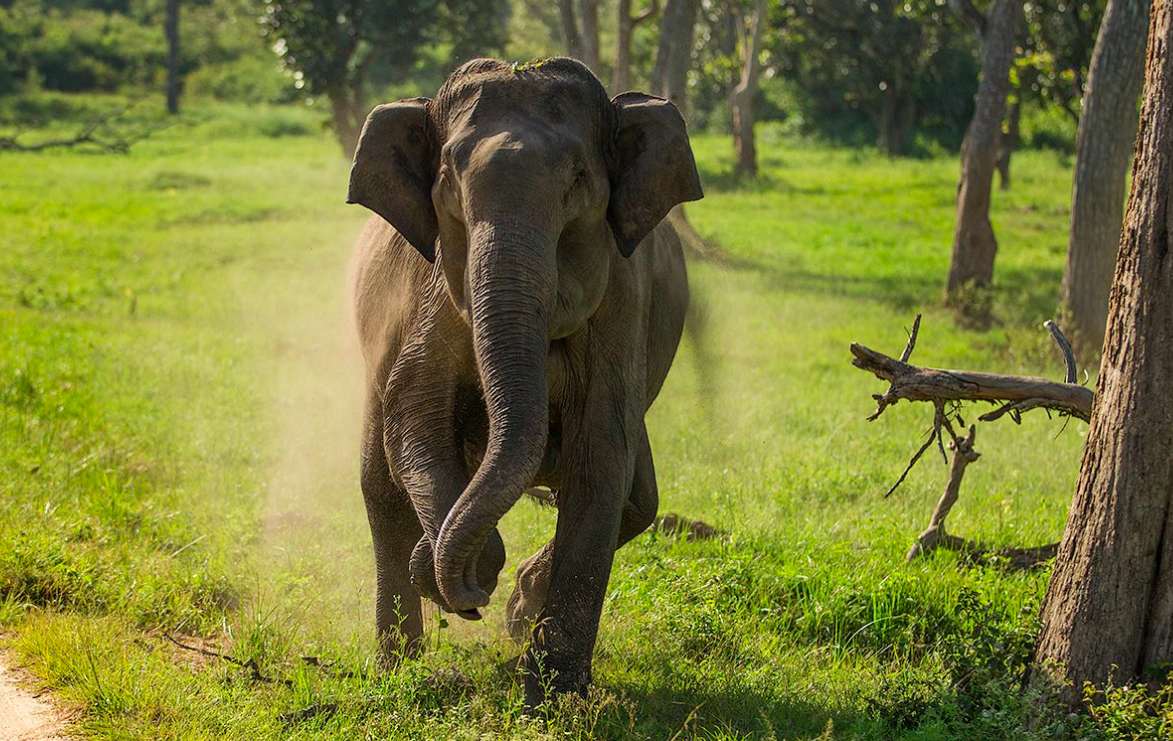
Elephant in mock charge at Bandipur Tiger Reserve; photo credit: Sudhir Shivaram

If you want to be a good wildlife photographer, you need to be a good naturalist first. Understanding your subject’s behaviour and knowing the natural history is even more important than good equipment to make good images.

Elephants commonly make a mock charge when they have calves in their group. During a photographic safari in India’s national parks the drivers and guides are knowledgable about this behaviour and know how to react. When a jeep enters the vicinity with elephants they understand that a mock charge is likely.

After the mock charge the elephant relaxes and moves within the family group naturally. This is the opportunity for good behaviour shots. Continue reading

Wildlife Week Parade in Kumily

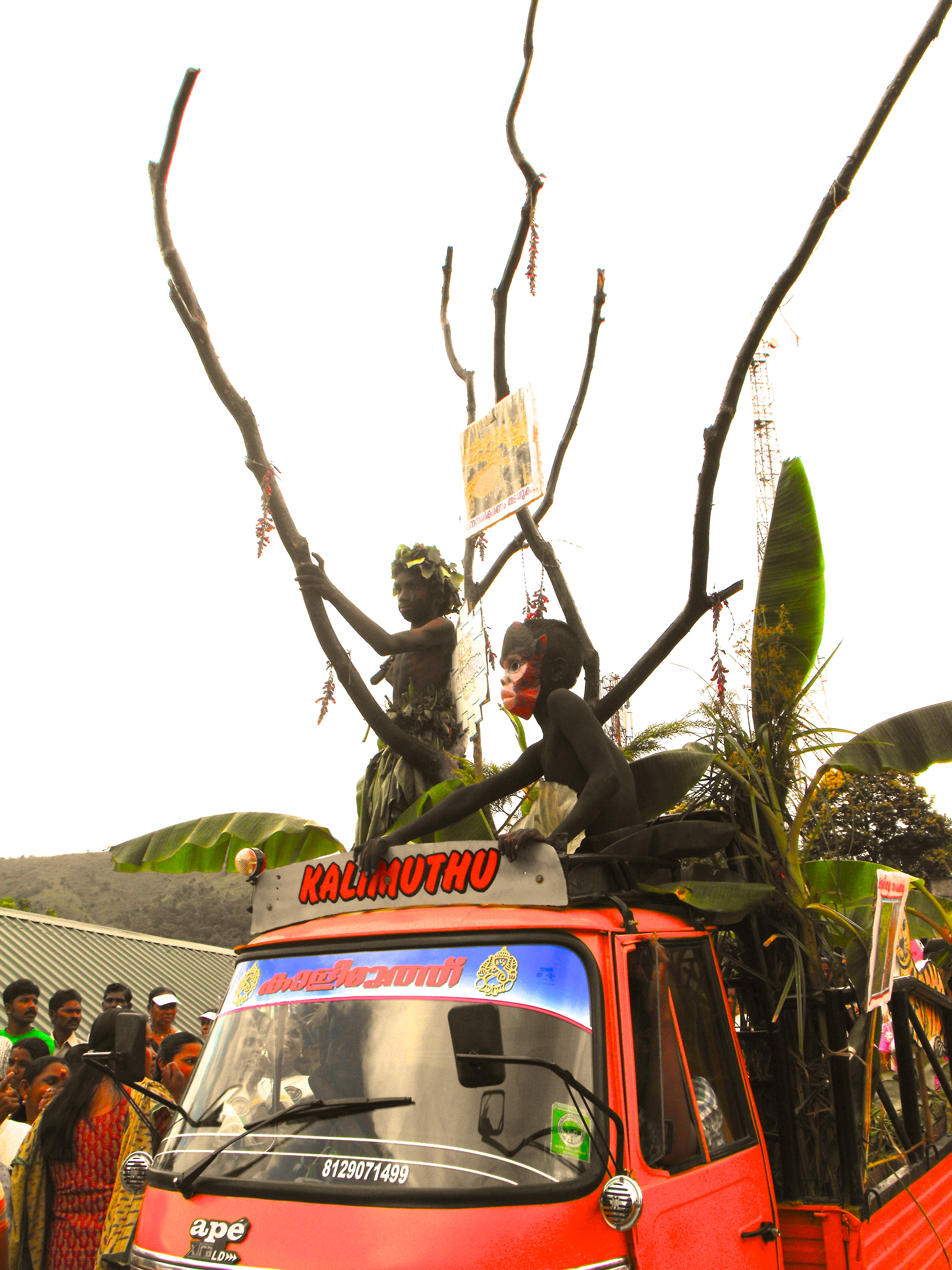
Parade float with children dressed as plants and animals

Parade float with children dressed as plants and animals

On the 8th of October Kumily held a parade in support of the Periyar Tiger Reserve and Wildlife Week.  As an intern for Raxa Collective, I had the unique opportunity to participate in this procession. This was my first Indian parade, and in some ways it was very similar to the parades I had participated in the USA; the majority of people waited around in some confusion until someone with the knowledge of the lineup said to start walking, but what made this a very unique experience is I couldn’t understand the conversations of anyone besides my own party.

Continue reading

Camera Traps Of 2013 Updating 1872’s “Last” Sighting

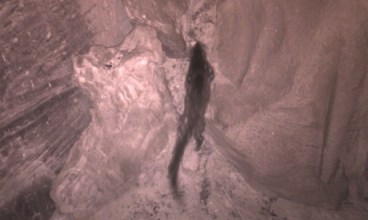
Spotted: the surprise sighting of the tiger quoll in the Grampians national park. Photograph: Parks Victoria

Spotted: the surprise sighting of the tiger quoll in the Grampians national park. Photograph: Parks Victoria

We have recently become fans of modern technology‘s ability to leverage charismatic images for conservation’s purposes with creatures large and small. It is not as simple as the scientific “seeing is believing;” more “seeing is caring.” In this case, if we did not have the title and subtitle of the article, we would have little clue what we were looking at:

Tiger quoll seen in Grampians – in first sighting in wilderness area since 1872

Remote camera set up to spy on wallabies sends back images of endangered marsupial Continue reading

Capturing Behavior

elephants
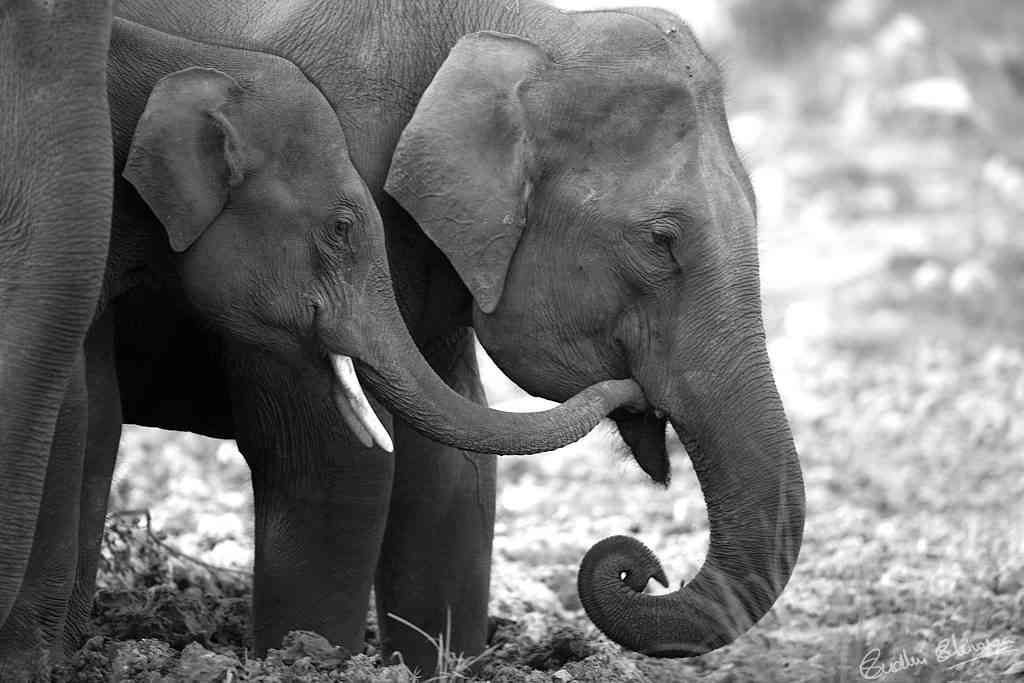
One of the important points to keep in mind during wildlife photography is to observe the behavioral aspects of your subjects and capture it.

When you spend time with your subject and when they get used to you, they continue their normal behavior and that’s when you need to be alert and keep your eyes open to capture any of the behavior they exhibit.

In this image what I have captured is one of the most common means of communication between elephants: Continue reading

Cattle Race – Onam Celebrations

Photo credits : R R Ranjith

Photo credits: R R Ranjith

The cattle race is one of the many charismatic Onam celebrations enjoyed by farmers during the end of the harvest season. A special 100 meter track filled with mud and water is created. The skilled drivers balance precariously on a modified plow while the pairs of bullocks charge through the farmland at hair-raising speed. Continue reading

Cheetahs And Shepherd Dogs, Partners In Entrepreneurial Conservation

Thanks to a friend’s travels to the southern tip of Africa, a story from the field about colleagues we hope to meet soon. The friend learned of this program during a visit to a Cape Town winery (cheers to them and that; click the logo to the right to read more than we can share here):

Cheetah Outreach

Promoting the survival of the free ranging, Southern African cheetah through environmental education and delivering conservation initiatives.

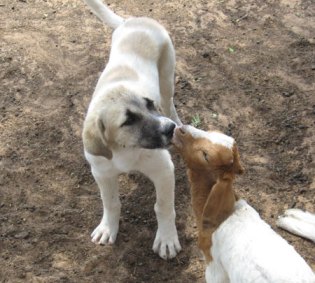
As a result of the success of Cheetah Conservation Fund’s livestock guarding dog programme in Namibia, a trial programme was launched by De Wildt’s Wild Cheetah Management Project (WCMP) and Cheetah Outreach in 2005 to introduce the Anatolian shepherd to serve farmers in South Africa. To give this trial the best possible chance of success, farmers  Continue reading

Nagarhole National Park – Karnataka

Photo credits : Ramesh Kidangoor

Photo credits: Ramesh Kidangoor

Nagarhole National Park (also known as Rajiv Gandhi National Park) is among the most well maintained wildlife reserves in India.  Located in the state Karnataka, this national park has an abundance of fauna, including large mammals such as wild elephant, bison, tiger, leopard, wild dog and spotted deer. Continue reading

Saving a Gentle Giant

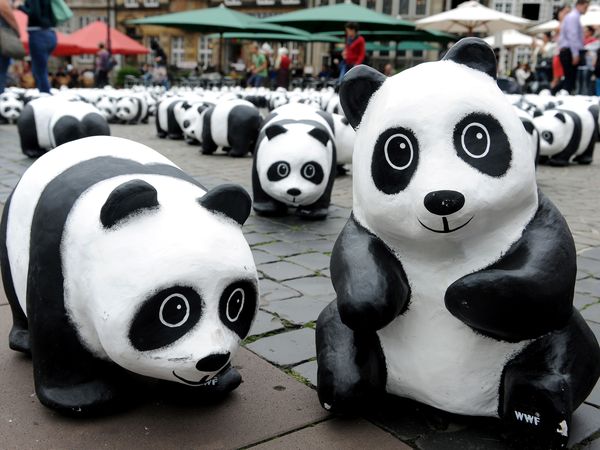
1,600 WWF's Paper mâché pandas representing today's Giant Panda population

1,600 WWF Paper mâché pandas representing today’s Giant Panda population
Photo Courtesy of National Geographic

The Giant Panda is the logo for WWF, the world’s largest conservation organization and it isn’t hard to see why they’re such a successful symbol. Their black and white coloring, and compellingly large eyes have tugged on the heartstrings of millions of people around the globe. This past week the newest baby panda was born at the Washington D.C Zoo.  Mei Xiang’s cub was welcomed with applause and awe from around the world, but this event has also brought about some questions about the money going into WWF for saving the Giant Panda. National Geographic recently addressed this issue.

Is the considerable effort and millions of dollars put into breeding the animals in captivity really worth it?

Some conservationists say yes, claiming public “pandemonium” can translate to real conservation action. But others argue that the money could be better spent on other things, such as preserving threatened habitat.

Statistically, Giant Pandas have a lot stacked against them for the survival of their species. First, there are approximately only 1,600 individuals in the world today, and of those, 300 are held in captivity. Secondly, according to biologist Devra Kleiman, the Giant Pandas have a very small mating window. The female panda is only “in heat” for 2-3 days a year, and thirdly, the natural areas where the panda thrives are fractured and damaged, making it less likely that a pair will find one another easily during that limited period of time.

Continue reading

Scientific Findings About Those Famous Cousins

According to fable attributed to Aesop, there was once a country mouse who invited his cousin who lived in the city to come visit him…If you do not know that story, it is easy to find. The moral of that story seems to be that peace and quiet in the country ultimately provide a better life than the dangers of the city, no matter the attractions of the latter.  Hard to argue with that, unless you are a city mouse at heart.  And/or if your mouse brain has been hardwired that way. In which case, you can thank the tendency of humans to transform the natural environment into built space. Carl Zimmer explains recent scientific findings along these lines:

Evolutionary biologists have come to recognize humans as a tremendous evolutionary force. In hospitals, we drive the evolution of resistant bacteria by giving patients antibiotics. In the oceans, we drive the evolution of small-bodied fish by catching the big ones. Continue reading

Bull Festival Karnataka

Photo credits: Ramesh Kidangoor

Photo credits: Ramesh Kidangoor

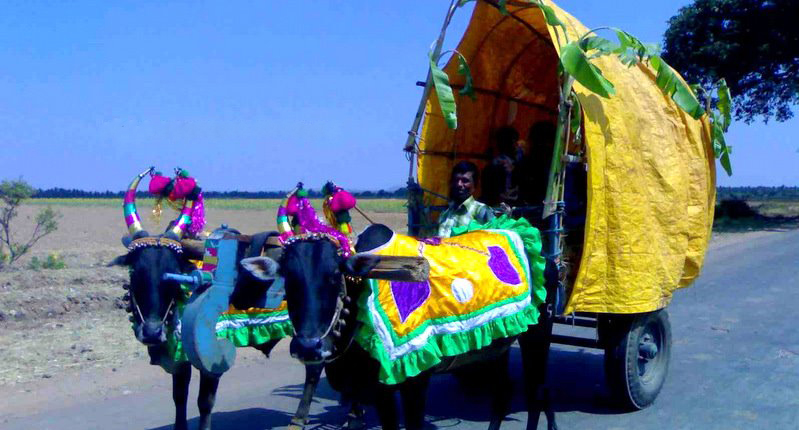
The Bull Worshiping Festival is celebrated by Indian farmers, mainly in the State of Karnataka. On this day farmers bathe their bulls, decorate them with ornaments and shawls, paint their horns, and place garlands of flowers around their necks. Continue reading

Extinction Is Forever, Except When It Is Not

But where would I live? Royal BC Museum

But where would I live? Royal BC Museum

From the fellow who brought you Dolly, a philosophical yet practical consideration of the ethics of cloning an extinct species:

It is unlikely that a mammoth could be cloned in the way we created Dolly the sheep, as has been proposed following the discovery of mammoth bones in northern Siberia. However, the idea prompts us to consider the feasibility of other avenues. Even if the Dolly method is not possible, there are other ways in which it would be biologically interesting to work with viable mammoth cells if they can be found. Continue reading

The Pastoral Muse

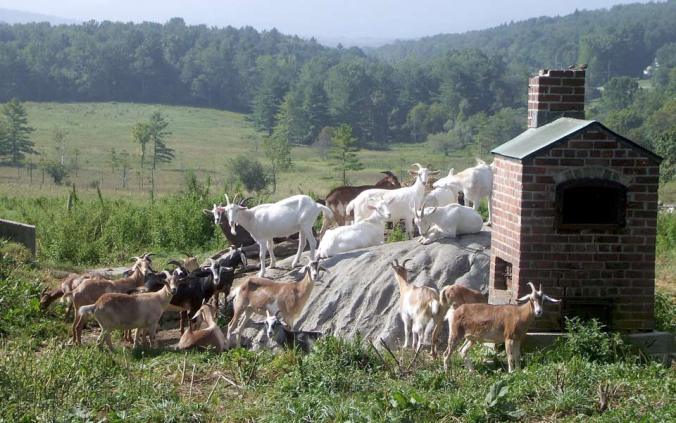
Goats on the hillside in Vermont. Photo by Anne Buchanan

Goats on the hillside in Vermont. Photo by Anne Buchanan

It has been some time since we first found an article in this publication, which we have continued following. There is at least one emerging pattern to explain why we keep going back: every article has an image that transports us, that makes us want to go see the who, what and where of the description:

…Jennifer and her husband Melvin work Polymeadows Farm, a small goat dairy farm and dairy plant in Vermont. They are currently milking about 120 goats. During kidding season, twice a year, the newborns spend their first night in a barrel of hay in the kitchen. This is important during Vermont winters, but also in summer, so that Jennifer knows the kids are healthy before they go out and join the rest. Continue reading

Other Winged Wonders

Birds are the most common feature on this site, for reasons we cannot possibly explain in the prelude to a post about another type of flying creature. Butterflies are certainly underrepresented here, and with this post we will begin to correct that. Four of Raxa Collective’s contributors, and many others who have visited Costa Rica, first learned of butterfly farming due to the good graces of Joris Brinckerhoff and Maria Sabido and that is just one of the reasons to smile thanks to Robert Krulwich’s recent post:

I’ve got a friend, Destin, who has a YouTube channel called Smarter Every Day, where he pokes around with his camera to get extremely intimate looks at small miracles in nature. In this one, about the secret life of baby butterflies, he learns that when it comes time for the caterpillar to turn itself into a butterfly, it doesn’t spin a lot of silk and build itself a shelter (a pupa). I thought that what caterpillars do. But no … take a look at what actually happens. Continue reading

Alaska, Brown Bear And Salmon Via Camera Trap

This slideshow requires JavaScript.

We had already come to the conclusion that camera traps are valuable for the sake of conservation. Thanks to the Guardian‘s coverage of these bears and the camera trap provided by a generous foundation to a worthy recipient:

Caught on camera trap: brown bears feast on salmon – in pictures

Explore.org has launched a summer salmon bearcam to stream live video from Brooks river in Alaska’s Katmai national park. Organisers hope for the first time to record the entire salmon run, from the frenzied dash upstream in July through to the autumn months

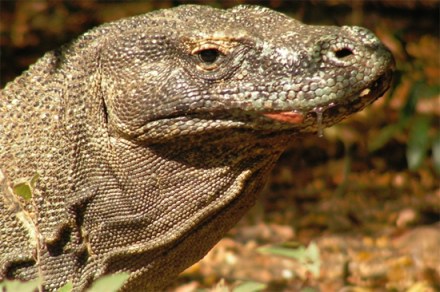
The Truth About Komodo Dragons

The Komodo dragon: surprisingly clean.

The Komodo dragon: surprisingly clean.

Myth-busting science writers, especially when they free a phenomenal animal from the clutch of wrongly bad reputation, are heroic folk to us:

In 1969, an American biologist named Walter Auffenberg moved to the Indonesia island of Komodo to study its most famous resident—the Komodo dragon. This huge lizard—the largest in the world—grows to lengths of 3 metres, and can take down large prey like deer and water buffalo. Auffenberg watched the dragons for a year and eventually published a book on their behaviour in 1981. It won him an award. It also enshrined a myth that took almost three decades to refute, and is still prevalent today. Continue reading

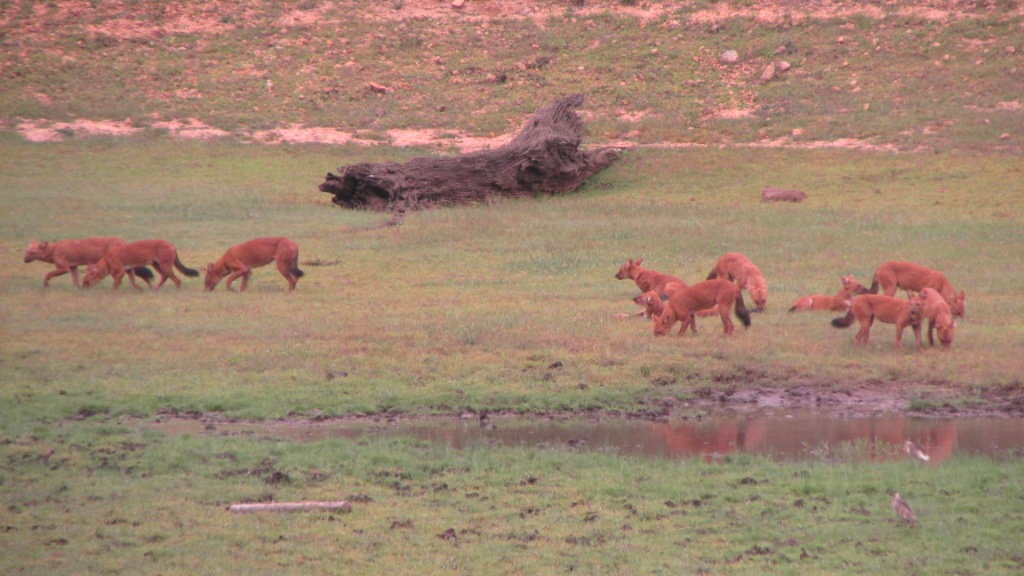
Wild Periyar – Dholes (Asiatic Wild Dog)

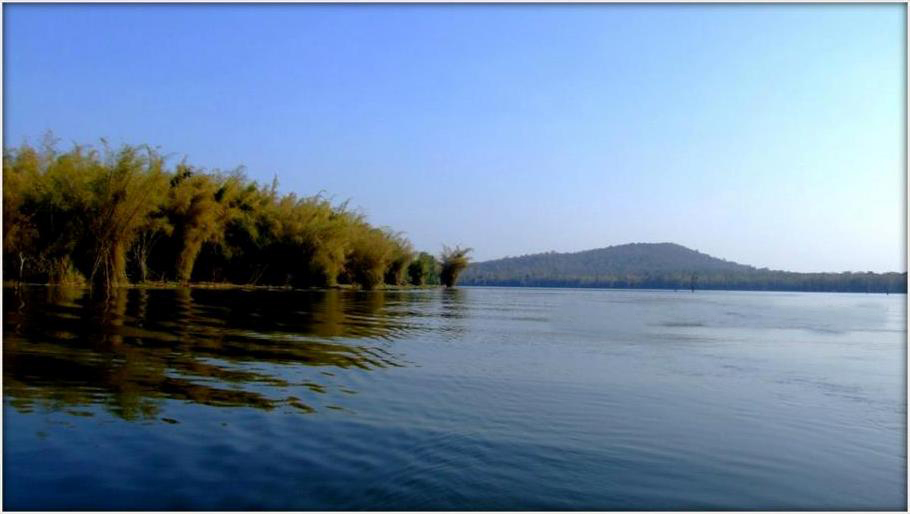
Recently disignated as a World Heritage Site by UNESCO, the Western Ghats and Periyar Tiger Reserve are among India’s prime ecological hot spots The rich and productive banks of the Periyar reservoir attract Wild Dogs that gather near the lake looking for Sambar Deer and Wild Boar. Continue reading

The Love/Hate Relationships of Icelandic Steeds and Stockfish: Equitation

Ponies for export, Reykjavík. Collodion print by Frederick W. W. Howell. Bequest of Daniel Willard Fiske; compilation by Halldór Hermannsson; Cornell University Library Rare & Manuscript Collections.

Before jumping into the expeditions of William Watts into the Vatna Jökull (which, by the way, is pronounced /’jœ:kytl/ or “yokutl” as opposed to the “yokull” that most of us might expect), I thought I’d share some of the interesting and amusing impressions of British and French travelers regarding their encounters with the famous ponies and dried fish over and over again around the island.

This post will cover the horses and the next will examine the stockfish.  There are a large number of images in the archival collections I am exploring this summer, and it would interesting enough just to share those and let them speak for themselves.  But my task is to harvest history, so for now I will resist images and focus on ideas (sharing more images as the ideas take shape). Continue reading

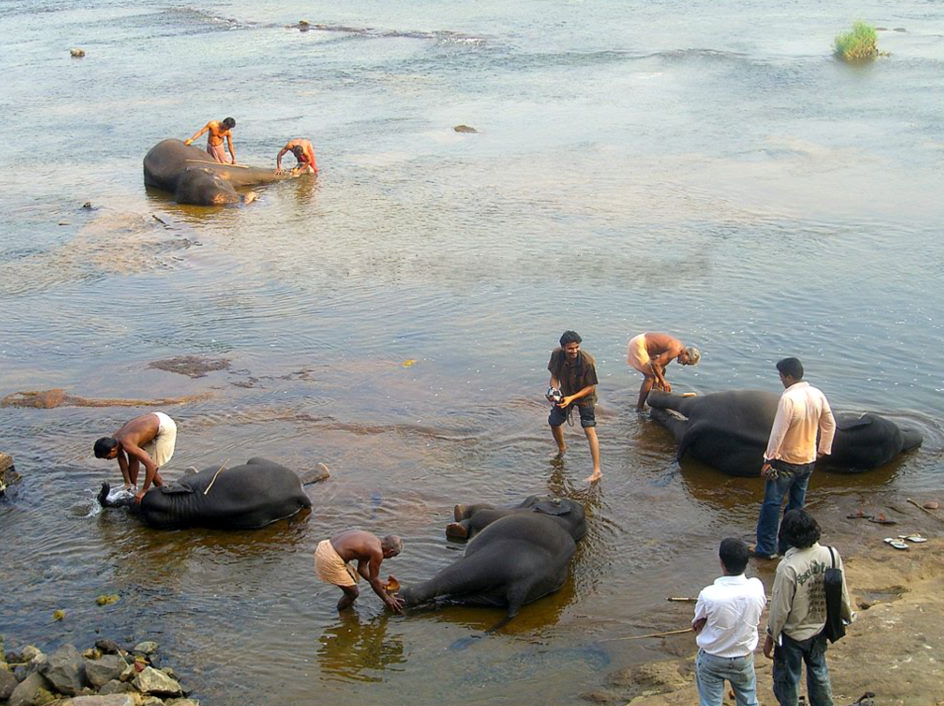
Elephants in Kerala

Photo Credits: Ramesh Kidangoor

Elephants being bathed by their Mahouts near  the Kodanad Elephant Training Center; Photo Credits: Ramesh Kidangoor

A symbol of strength and prestige since ancient times, elephants were used by royalty and feudal lords to display their power. Nowadays elephants are still part of the life and cultural ethos of Kerala. People here consider this animal a harbinger of good fortune, a remover of obstacles. It is an integral and inseparable part of the religious and economic life. Continue reading

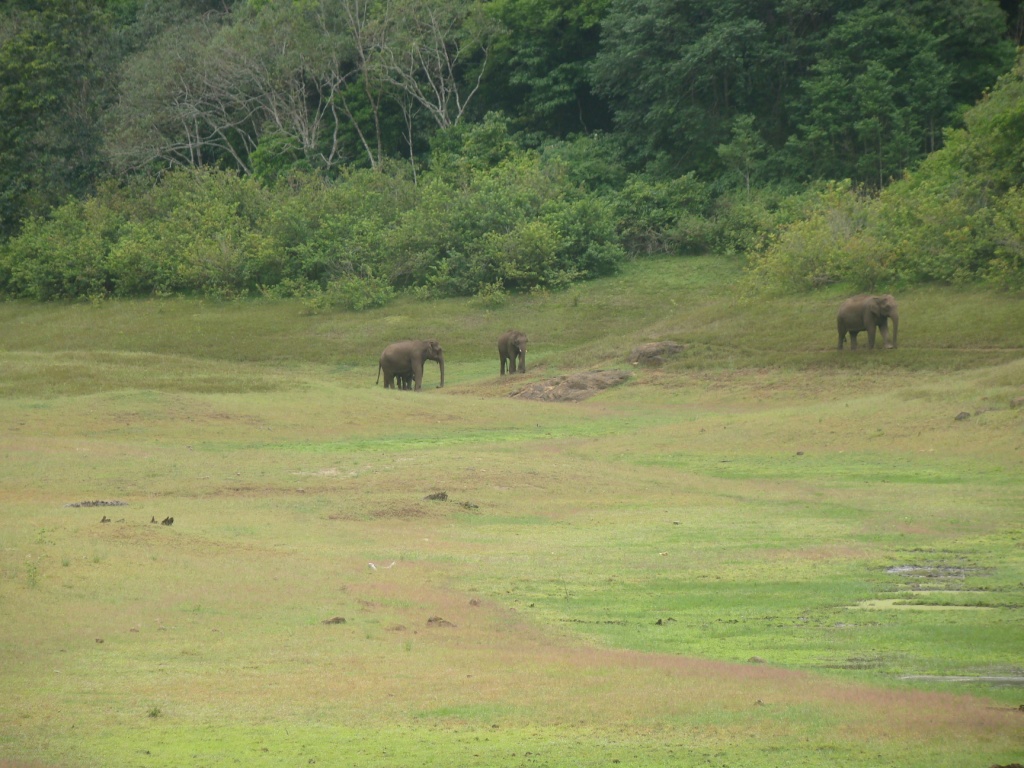
Periyar Sightings June 9th 2013

Elephants

On the morning of June 9th, Shaleen James went for a nature walk in the Periyar Tiger Reserve.  While originally from Mumbai, she was visiting Cardamom County.  Shaleen enjoyed her trekking and had many good sightings and consequently, has kindly shared some of her photos with us. Continue reading

Doolittle App

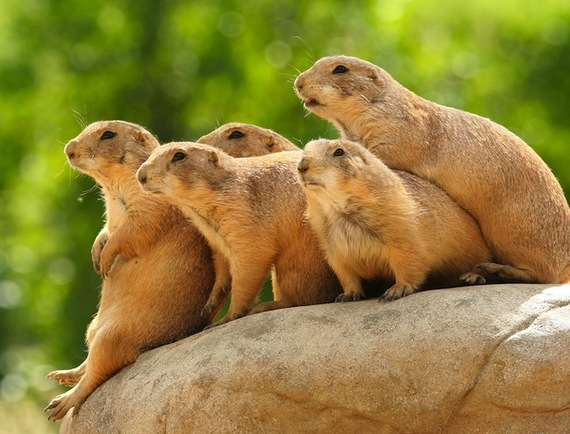
There's so much these guys want to tell you. (Shutterstock/Jaren Jai Wicklund)

There’s so much these guys want to tell you. (Shutterstock/Jaren Jai Wicklund)

When we can talk to the animals, what will we say? How will we say it? We picture an app for it:

We all try to talk with animals, but very few of us do so professionally.

And even fewer are trying to build devices that could allow us to communicate with our pets and farm animals.  Continue reading