Obelisks in Rome

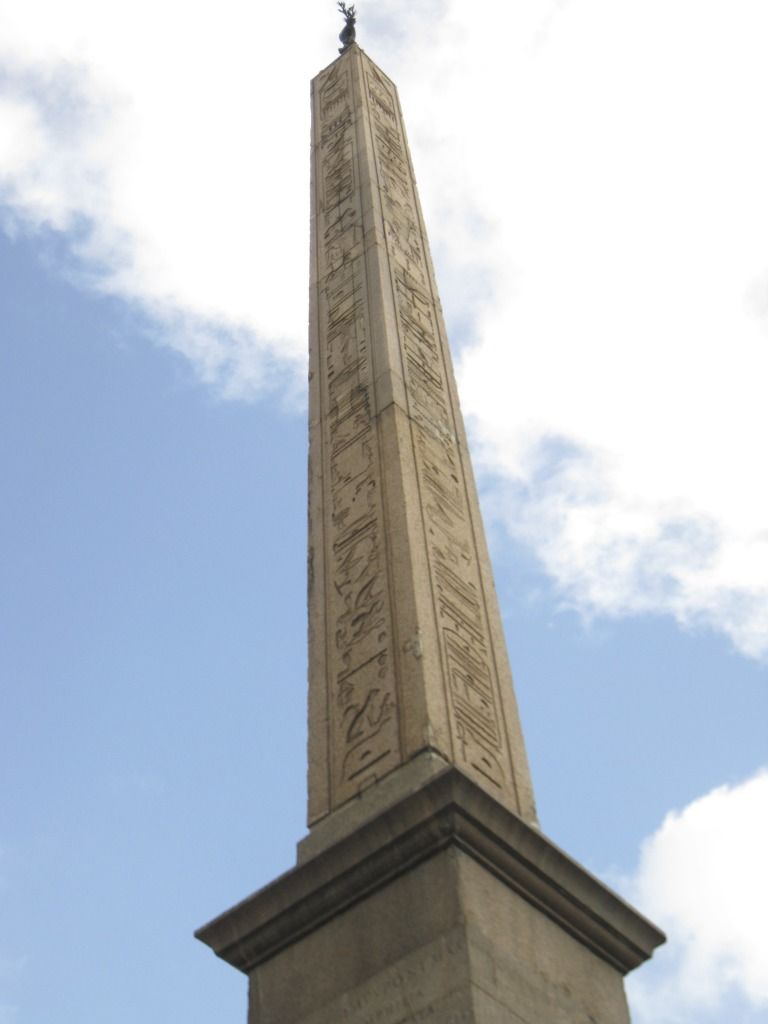
The Obelisk at Piazza Navona

Rome is renowned for (among many other, er, more important things) its vast “collection” of obelisks. These obelisks, most featuring hieroglyphics running their length, typically came to Rome through conquests in Egypt. Victorious generals and emperors Continue reading

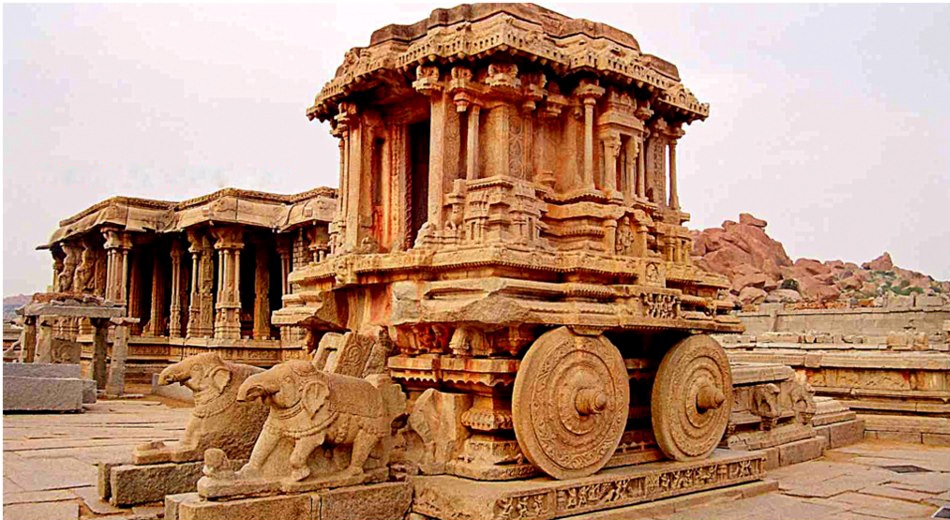
Hampi Vitthala Temple – Stone Chariot

Photo credits: Ramesh Kidangoor

Standing on the southern bank of the Tungabhadra River, the Vitthala Temple is the most magnificent of the religious edifices at Hampi. Vitthala portrays the aesthetic perfection of the Vijayanagar style during the time of Devaraya-II (A .D. 1422-1446). Continue reading

Airavatesvara Temple – Kumbakonam,Tamil Nadu

Photo credits: Ramesh Kidangoor

Kumbakonam (translated roughly from “Jug’s Corner”) is one of the oldest towns in the state of Tamil Nadu. It has unique position in Hindu myth as containing the only temple for Lord Brahma due to the legend that he filled a clay pot with the seed of all living beings on earth. Continue reading

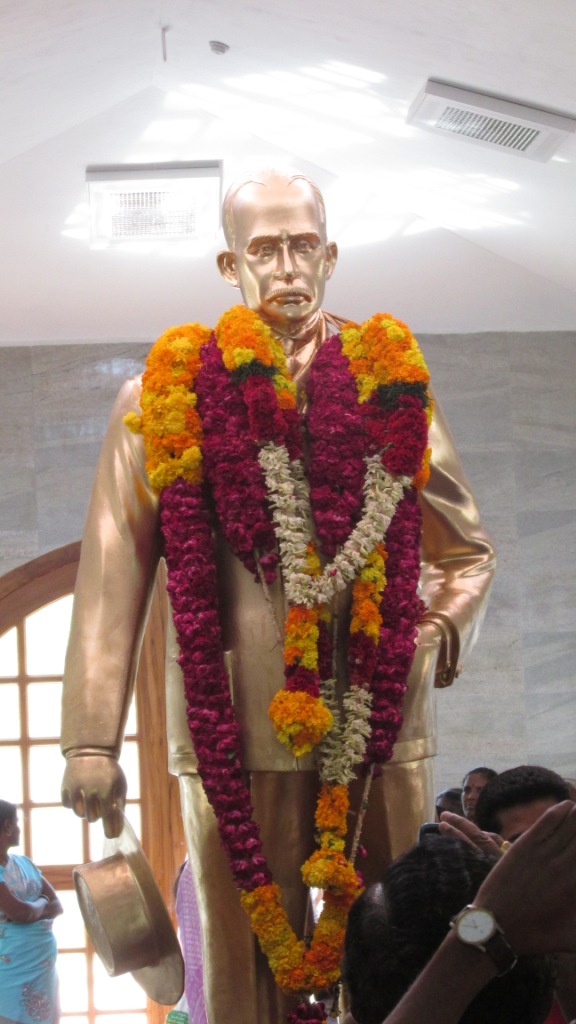
Monument To The Great Visionary

IMG_4219 - Copy

The government of Tamil Nadu recently honored Colonel J. Pennycuick, the architect of the Mullaperiyar Dam which had been built in 1895. The chief minister of the state commissioned a small memorial building which includes a statue of Pennycuick and a rare collection of  photos taken during the dam construction. Continue reading

High Lining Public Space

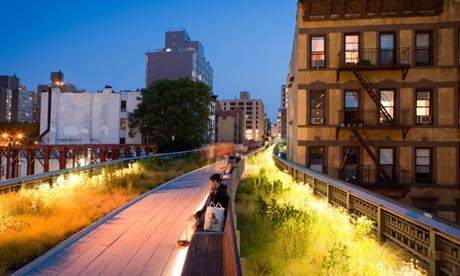
‘One of those once-in-a-decade projects’: the mile-long High Line linear park in Manhattan. Photograph: Andria Patino/ Alamy

‘One of those once-in-a-decade projects’: the mile-long High Line linear park in Manhattan. Photograph: Andria Patino/ Alamy

We have written about it more than once, but here is an article quoting one of the architects of this public space on the relatively low expectations for success when it was first being designed and proposed:

The High Line, the mile-long park created on an old elevated railway in Manhattan, is one of those once-in-a-decade projects that, like the 1990s Guggenheim in Bilbao, both captures the imagination of the world and offers limitless inspiration to plagiarists. There are wannabe High Lines mooted for Calabria, Singapore, Jerusalem and Shenzhen, and in any number of American cities. Continue reading

5 Reasons I See India’s Potential to Produce A Stararchitect

Stararchitect” conjures up a cloud of thoughts (Star architecture. Star power. Architecture as a symbol. The North Star for architectural design. Brand. Design. Fame. Architecture prowess. Household name.), but above all, I think of The Pritzker Prize. I feel like the weather channel for  announcing the next “big thing” in architecture is The Pritzker Prize. The weather channel is telling you “you better keep this in mind ’cause you’ll need that umbrella!” The Pritzker Prize is telling you “you better keep this name in mind ’cause you’ll need that knowledge to understand the state of the world you live in.”
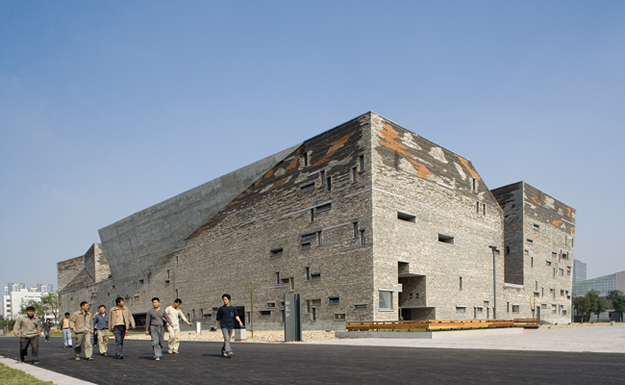
Ningbo History Museum by architect Wang Shu

Ningbo History Museum by architect Wang Shu

2012’s Pritzker Prize Laureate was Wang Shu, a Chinese architect famed for his re-use of building rubble in his designs. Expansive facades feature roof tiles and bricks from the demolished village that previously existed on that very site. The Pritzker Prize choice of Wang Shu tells us:

1.) Sustainability is important. The reappropriated construction refuse reminds us of the Three Four Rs: Refuse, Reduce, Reuse, and Recycle. It also reminds us that sustaining heritage and history is important.

2.) China is a powerful country with a powerful new identity. This is the first time a Chinese architect has been named. The closest the Pritzker has ever gone to a Chinese architect before was when I.M. Pei was recognized as a Chinese-American architect.
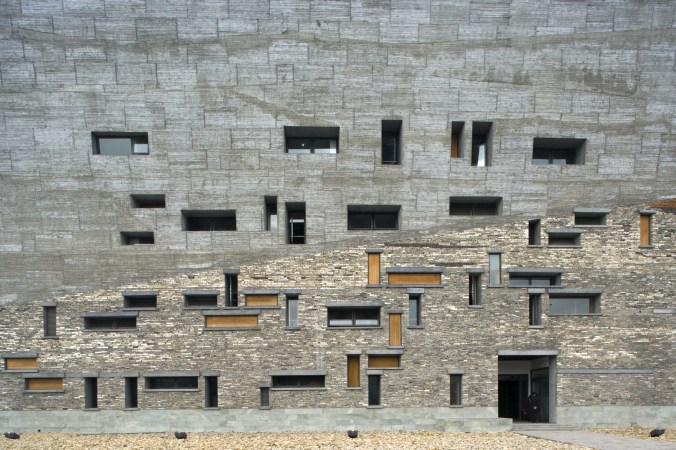
Detail of reused rubble in the facade of the Ningbo History Museum by architect Wang Shu

Detail of reused rubble in the facade of the Ningbo History Museum by architect Wang Shu

It’s rare to see a non-western architect. So I thought, has there been an Indian Pritzker Prize winner before?

The answer is no. (But I wouldn’t be surprised if Indian architecte Charles Correa is a nominee soon!)

While it may still be a long time before we see an Indian Pritzker Prize winner, I feel that India has the potential will definitely produce a stararchitect in the future. Here are 5 reasons why I see India’s potential to produce a starachitect.
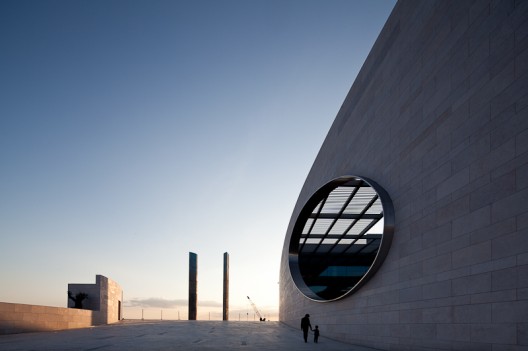
Champalimaud Centre for the Unknown in Lisbon, Portugal by Charles Correa Architects, photographed by José Campos of arqf architectural photography

Champalimaud Centre for the Unknown in Lisbon, Portugal by Charles Correa Architects, photographed by José Campos of arqf architectural photography

5 Reasons I See India’s Potential to Produce A Stararchitect
Continue reading

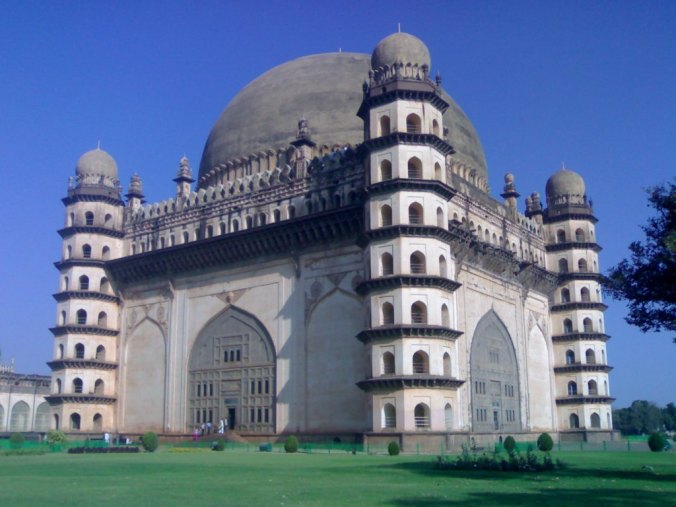
Gol Gumbaz – Bijapur, Karnataka

Photo credit: Ramesh Kidangoor

Gol Gumbaz is the tomb of Mohammed Adil Shah, located at Bijapur in Karnataka state. Built in the 17th century, this renowned example of Deccan architecture took close t0 30 years to complete. The significant feature of the structure is its central dome which stands without the support of pillars. The Gol Gumbaz is the second largest dome in the world of this type. It is particularly known for its central chamber, or “Whispering Gallery”, where every sound is echoed multiple times.

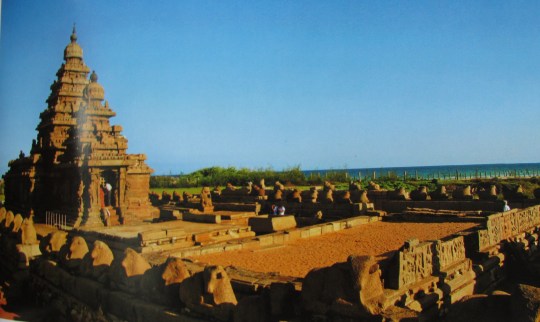
The Shore Temple – Mamallapuram (Tamil Nadu)

Photo Credits: Salim Pushpanath

The Shore Temple is one of the oldest temples in South India. Built during the 8th Century A.D., it is a good example of the Dravidian style of temple construction. Continue reading

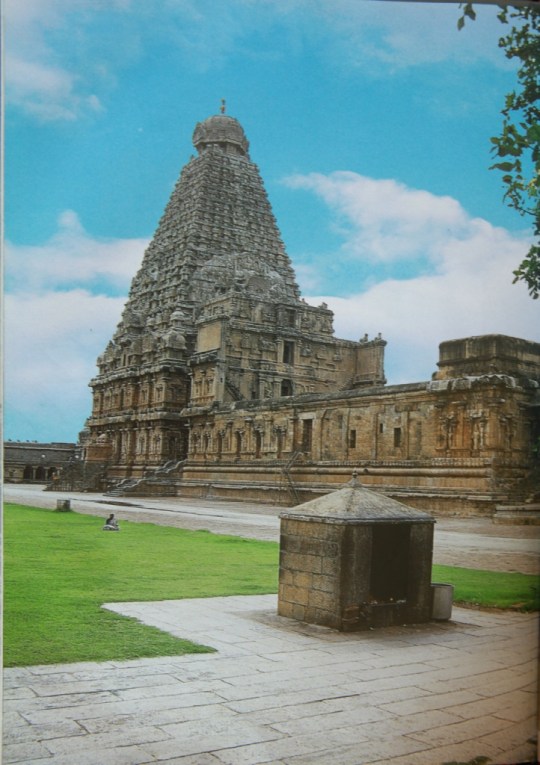
Thanjavur Brihadeeswarar Temple – Tamil Nadu

Brihadeeswarar Temple in Tamil Nadu is one of the greatest artistic accomplishments of the Late Chola period. At 216 feet in height, the shrine of this UNESCO World Heritage Site is the largest and tallest in India. This was an imperial monument to Chola power, built without using bricks, lime mortar or clay. The stones are placed one above the other and are held in place due to sheer weight. Continue reading

Mamallapuram – Arjuna’s Penance

In South India Temple worship has been a glorious tradition; over the years there have been many schools of Temple building: the Ddravadin, Chalukya, Pallava, Hoysala and Pandya. The Temples were constructed with strict observance of the rules put down in the Agama Silpa Shastras (the book of Architectural techniques).  Continue reading

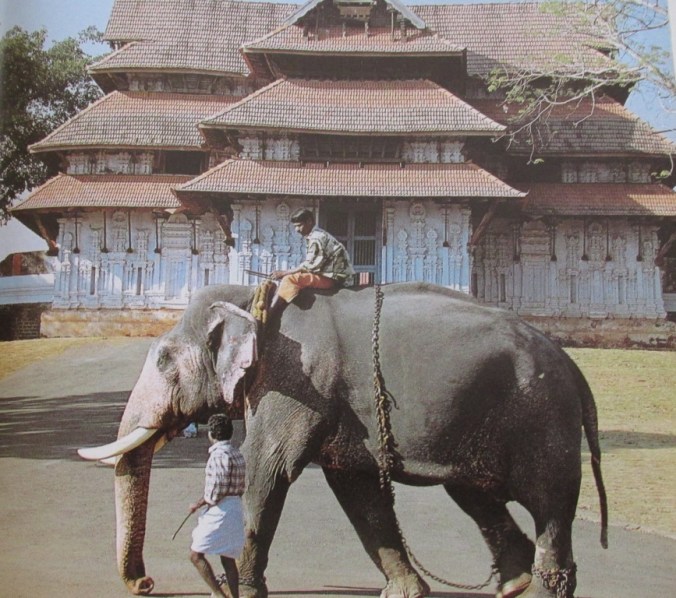
Vadakkunanthan Temple (Thrissur, Kerala)

Vadakkunanthan Temple is one of Kerala’s most ancient and famous temples. Millions of people witness the famous Thrissur Pooram with dozens of elephants at the temple annually. They also visit the site to view the many decorative paintings and historically important pieces of art. Continue reading

Building Memories With Pavilions

Since first realizing, back in the 1990s, that our business model is something we might call entrepreneurial conservation I have been obsessed with the idea of non-permanence as the ultimate game-changer.  With resorts in particular, if we were to argue that a property’s conservation area was the main purpose of the resort, then the resort itself would best fulfill that purpose if it could credibly disappear on a moment’s notice. A decade+ and a luxury tent camp revolution later (aka glamping) I am still working at variations on this idea.

My conversation with Chi-Chi yesterday was about one non-permanent structure we will build on a waterfront area to serve as the new base for our houseboat operations. The image above was one brainstorming topic of our conversation, the details of which do not matter so much as the ideas that followed and mixed with other lingering ideas. Continue reading

Pavilions & Memory

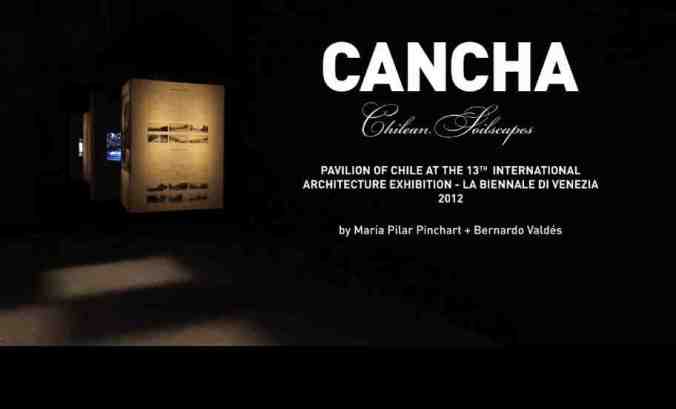
Thanks to Chi-Chi and a conversation we had twelve hours ago about a new pavilion project we are about to begin in Kerala, I found myself searching “the world’s most visited architecture website.”  I came across this video that reminded me that most of my professional life in 2008, 2009 and the first half of 2010 was dedicated to entrepreneurial conservation projects in the southern half of Chile.

Chile’s pavilion at the Venice Biennale was evocative.  I do not regret not having gone to Venice to see it, but it evokes some regret that I have not stepped on the soilscapes of Chile recently…

Collaboration Across Architecture & Art To Tell Stories About A Place

We pointed to an earlier conversation in this series.  This one is about one architect’s view on story-telling.  For architects, and anyone working with architects, this man’s concise but clear statement of purpose and method is an eye-opener.

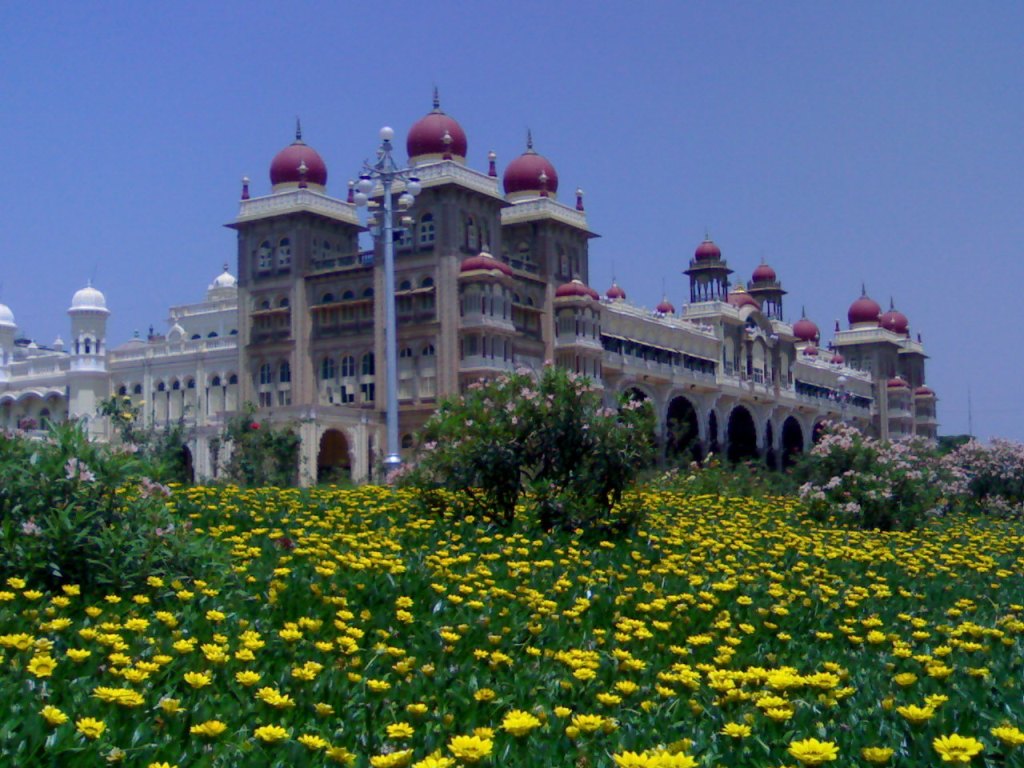
Mysore Palace

Photo credits: Ramesh Kidangoor

Located in the heart of Mysore City, Mysore Palace is one of the biggest and most spectacular palaces in the country. The original palace was built by the Wodeyar Kings during 14th century. The wooden structure was demolished and reconstructed many times over the centuries. The current palace, commissioned in 1897, is built in the Indo-Saracenic style, blended with Hindu, Muslim, Rajput and Gothic styles of architecture with stained glass, chandeliers and elaborate grill work imported from all around Europe.

Continue reading

Architect As Educator

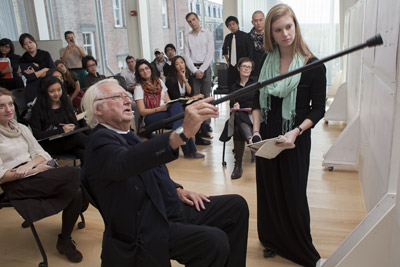
Architect Richard Meier ’56, B.Arch. ’57, visits an architecture studio class Oct. 17 in Milstein Hall, where as an assignment students had prepared drawings interpreting Meier’s designs. Photo credit: Robert Barker/University Photography

We miss our 2012 interns! But we stay attuned to their educational activities. If we squint hard enough looking at the photo to the right, showing one of the most prominent architects in the world speaking to a group of architecture students at Cornell University, we almost think we can see Chi-Chi

Maybe not. But it is worth a quick read to understand the value of the exercise Mr. Meier has engaged his students in:

Meier, whose iconic building designs include the Getty Center in Los Angeles, is the only Cornellian awarded the Pritzker Prize for Architecture, considered the field’s highest honor. Since receiving the prize in 1984, Meier has been recognized with the American Institute of Architects Gold Medal and awards from the Japanese and French governments and the Royal Institute of British Architects. Continue reading

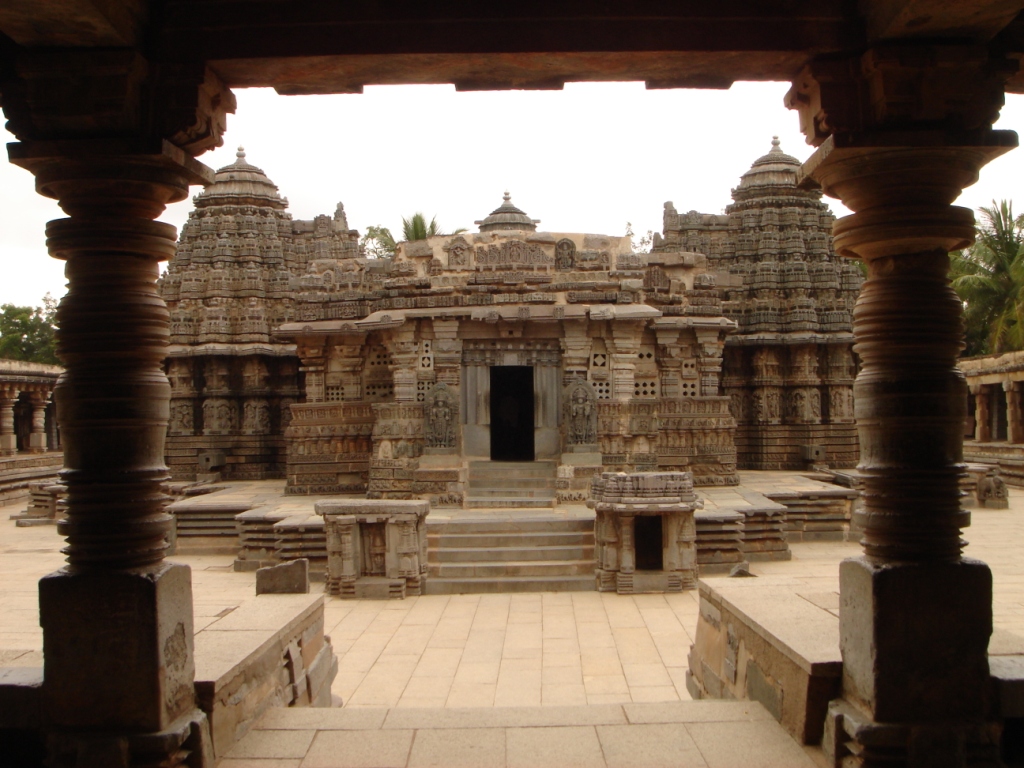
Chennakeshava Temble – Somnathpur

Built in 1268 A.D., Chennakeshava Temple  is located in the Mysore District of Karnataka.  This temple is famous for its elaborate artisanship. The temple stands on a raised, star-shaped plinth in the middle of a spacious enclosure containing sixty-four cells.

Continue reading

What Makes the Baya Weaver’s Nest a Baya Weaver’s Nest?

“Pick a nest.”

It was the first day of my architectural design studio class and we were told to pick a nest, any nest. I knew this was going to be a great semester: the first assignment was seemingly random, kooky, and just a little ‘out there.’ I was excited! As an architecture student, I love when things are approached in such a non-traditional way.

I know what you must be thinking: aren’t architects supposed to be designing buildings for people? Why are you looking at bird nests?!

I, too, was confused, but I didn’t question it because I had a really cool nest in mind. Because I spent the summer in India with bird-lover and birder extraordinaire, Ben Barkley, the Baya Weaver Bird, who builds its iconic hanging nests around the backwaters of Kerala, was an obvious choice.

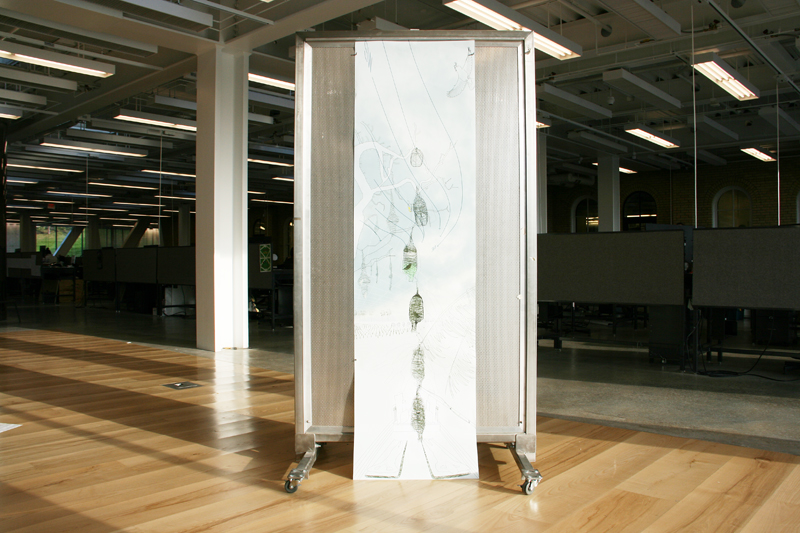
Here are my “comprehensive drawings” of the Baya Weaver Bird that attempt to explain the complex relationships the bird maintains with its surroundings.

2nd Draft of Baya Weaver Nest Comprehensive Drawing (By Karen Chi-Chi Lin)

My 2nd draft of Baya Weaver nest comprehensive drawing (Photograph and drawing by Karen Chi-Chi Lin)

Continue reading

One Day in Jaipur, Rajasthan

Now that I’m back at Cornell, crunching numbers once again for my Finance classes, I have to look back on my trip to Jaipur, Rajasthan to remember that freedom that I already miss. For everybody who misses traveling, here is something to keep you happy.

This slideshow requires JavaScript.

Cheers!

Project Management and Homestay in Kerala, India

Last week, I was very fortunate to be invited to live, work, and learn development process with a project management company here in Kerala, India. I have to say that it was a short but a very meaningful opportunity: both culturally and academically. Here is a story of my two day journey:

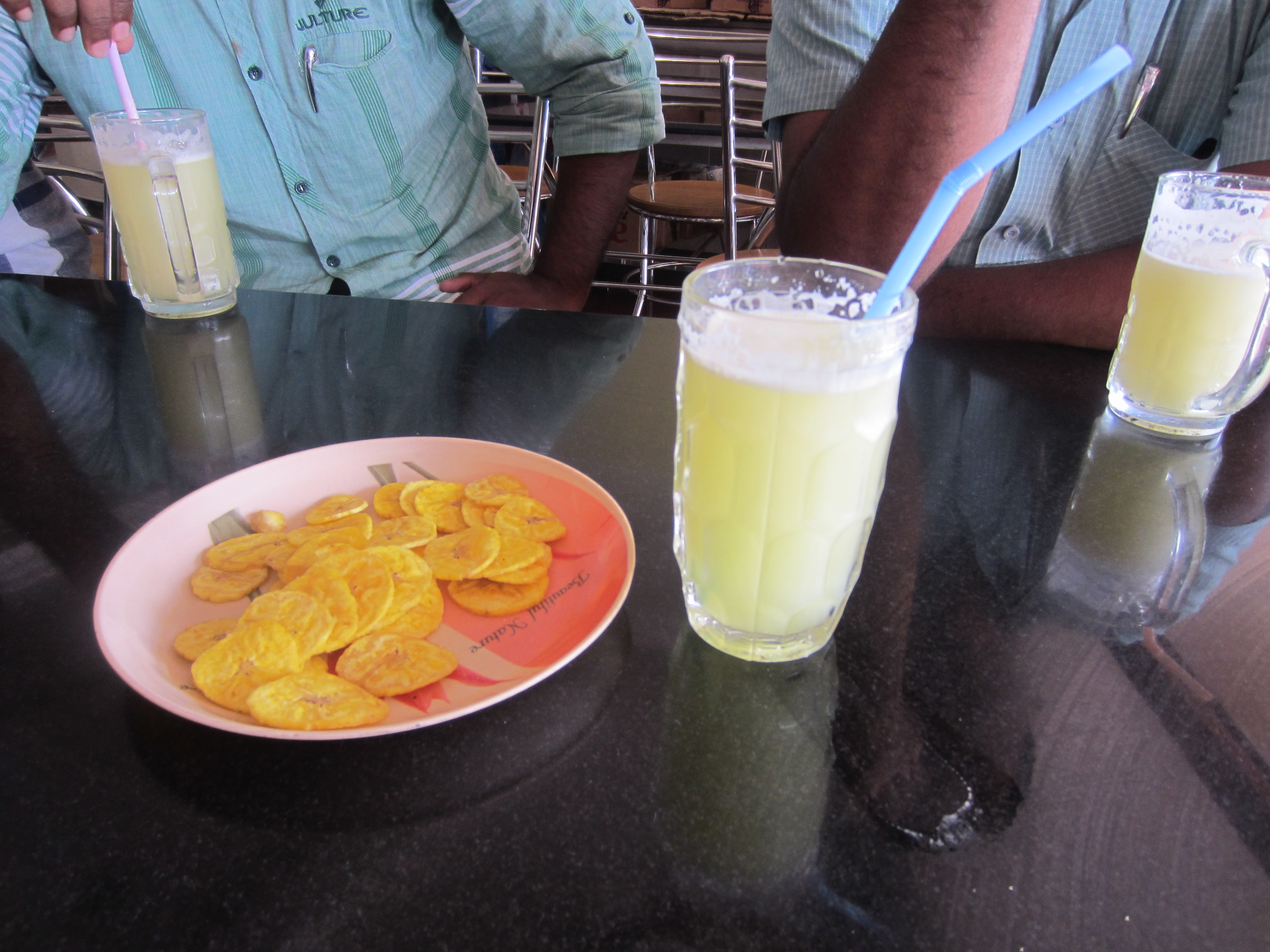
Fresh Lime Juice with Banana Chips @ Break time

In the US, the concept of project management is very common, and thus most construction projects often include a project management company; a mediator that facilitates the communication among the client/owner, architect, interior designer, and the various contractors by managing construction schedules, budget & estimates, and translation of design to actual building structure. However, in India, many construction projects happen without project management, which may cause all kinds of issues. So, when I first heard that RAXA was hiring a project management company, I was thrilled to meet the project managers and what I’d be learning from them.

Continue reading