Mahabalipuram Shore Temple – Tamil Nadu

Photo credits: Ramesh Kidangoor

Photo credits: Ramesh Kidangoor

Completed in the latter half of the 8th century A.D, Mahabalipuram Shore Temple is one of the finest examples of structural temple architecture, meaning that it was built from granite block as opposed to being carved from solid stone. It belongs to a period when this temple construction style was at its peek. Continue reading

Bay Area Branding

Anyone who has been following the Raxa Collective blog would likely be aware that natural beauty trumps man-made wonders for us, hands down.  Because of that, rather than in spite of it, we have also been sensitive to built space because we live and work in it every day, and welcome travelers to such places.  Paying tribute to design, as we like to do from time to time, we recommend this item on Atlantic’s website about a new landmark building in the Bay Area and the ideas it represents (worth reading in full; excerpted here are the early and closing lines):

…The heart of the development is a ten-story tower that the company’s architect, NBBJ, says “will create a powerful brand image for Samsung.” Continue reading

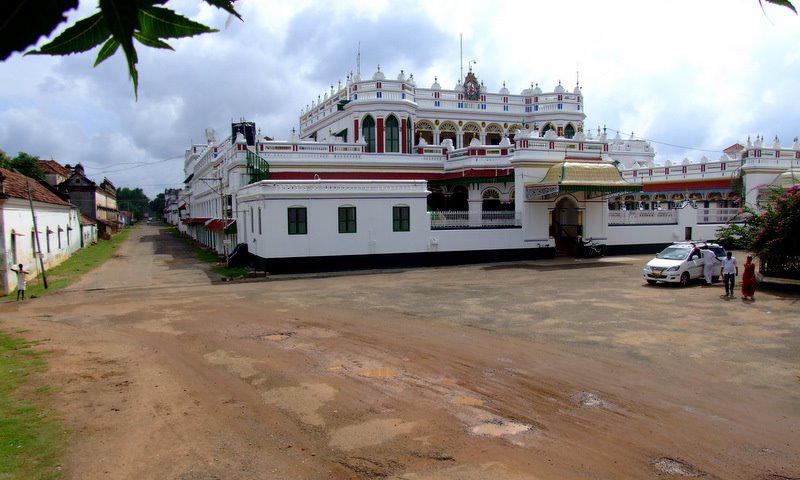
Chettinadu Mansions – Tamil Nadu

Photo credits : Ramesh Kidangoor

Photo credits : Ramesh Kidangoor

Chettinadu, loacated in the Sivagana district of southern Tamil Nadu, is the homeland of Nattukottai Chettiars (also known as “Nagarathars”), who are the highest class of the Chettiar Tamil community.  Nattukottai Chettiars, are often prosperous individuals in either the banking or business community.  Due to their rich cultural heritage such as their art, architecture, and antiques, their mansions are often a popular attraction for visitors. Continue reading

A Future More Beautiful?

We are completing the architectural designs on several new properties, and this talk had strong resonance on several dimensions:

Architect Thomas Heatherwick shows five recent projects featuring ingenious bio-inspired designs. Some are remakes of the ordinary: a bus, a bridge, a power station … And one is an extraordinary pavilion, the Seed Cathedral, a celebration of growth and light.

Click the image above to go to the TED Architectural Inspiration playlist.

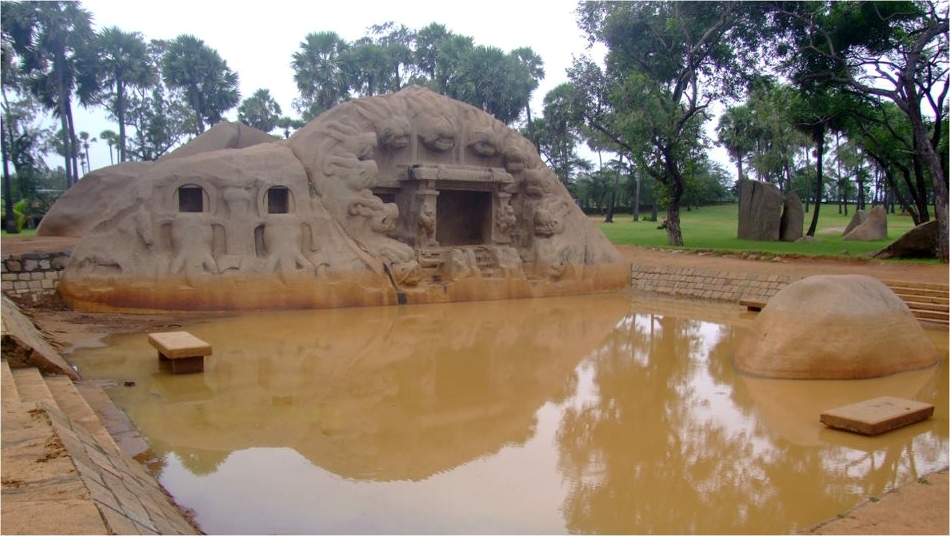
Tiger Cave – Mamallapuram, Tamil Nadu

Tiger Cave

Tiger Cave

Monuments in Mamallapuram are comprised of three kinds of rock-cutting techniques: excavated cave temples, monolithic temple models, and structural erections. The Tiger Cave, a rock-cut Hindu temple, is located 4 km north of the main Shore temple in Mamallapuram. Continue reading

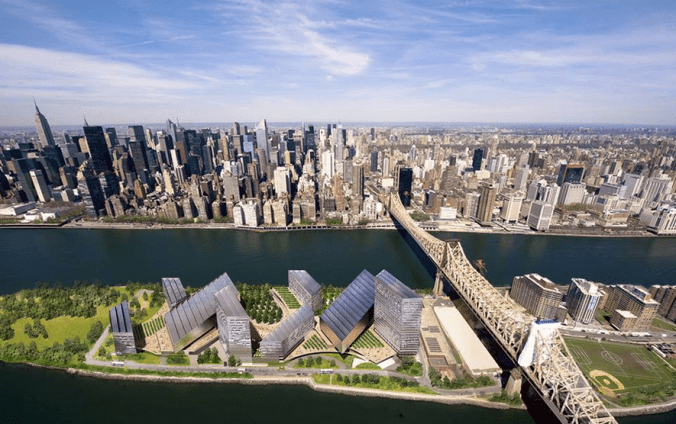
Cornell Tech Redefines “Industrial Complex”

Architectural firm WEISS/MANFREDI project rendering

Architectural firm WEISS/MANFREDI project rendering

When President Eisenhower warned of the rising power of the hyphenated industrial complex his concerns were clearly well-founded. Cornell NYC Tech, the upcoming Roosevelt Island campus of graduate high-tech education, is in the process of rehabilitating the concept of collaboration with industry with the development of its first “corporate co-location” building.

“Cornell Tech is radically rethinking how industry can collaborate with faculty, students and researchers, and corporate co-location is vital to making that a success,” Continue reading

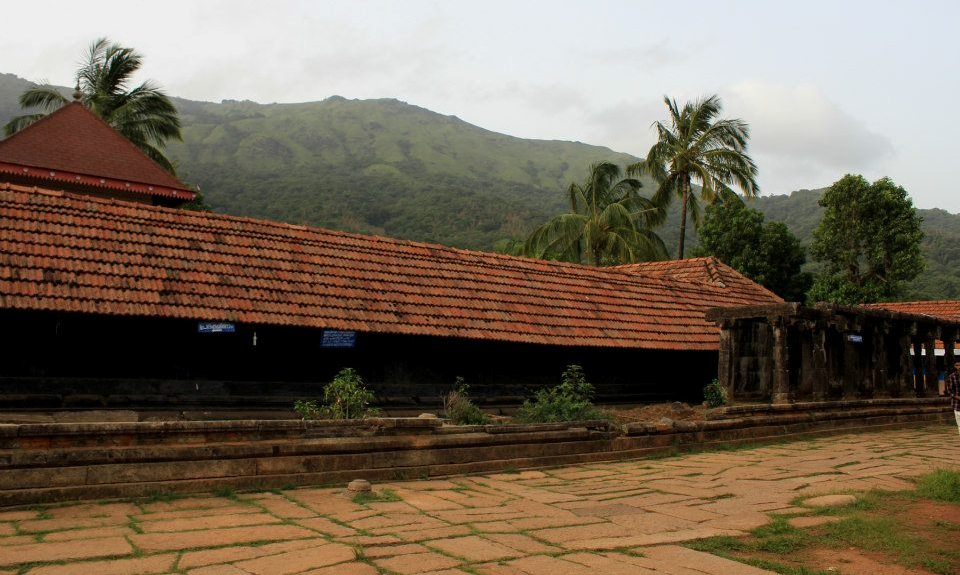
Thirunelli Mahavishnu Temple – Wayanad, Kerala

Thirunelli Temple

Thirunelli Temple

Thirunelli Mahavishnu Temple is one of the most ancient temple in Kerala, situated at the foothills of Brahmagiri  in norh Wayanad , surrounded by mountain and beautiful forest.The temple is popularly known as ‘ Kashi of the South’. According to legend, Lord Brahma himself installed the idol of Lord Vishnu in this temple . The waters of the Papanasini River , which flows close to the temple,is said to have mystical powers.It is believed that bathing in the River will wash away one’s sins. Continue reading

Mamallapuram – Pancha Pandava Rathas (Five Rathas)

Photo credits: Ramesh Kidangoor

Photo credits: Ramesh Kidangoor

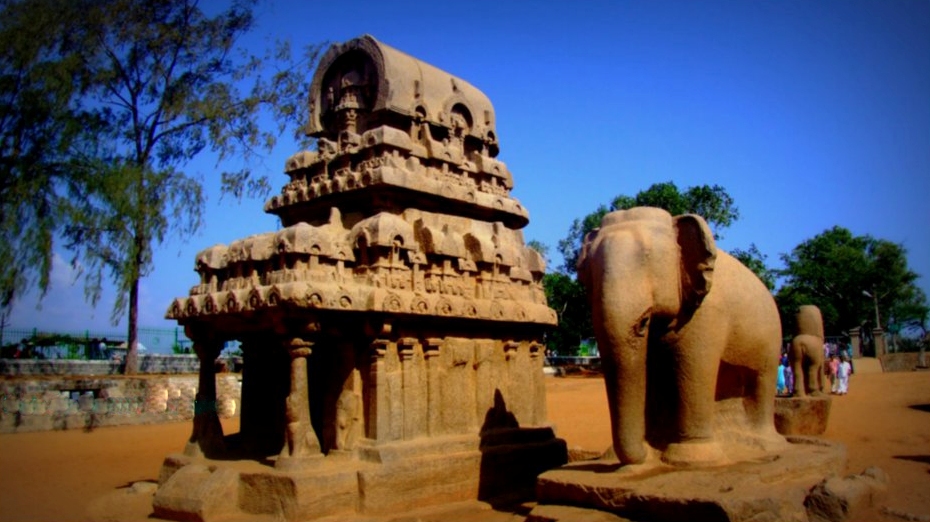
These Rathas (chariots) are the most extraordinary of all the monuments in Mamallapuram. These monolithic shrines near the beach are carved out of granite boulders. There has been much fanciful speculation about them, mostly by people uninformed that similar such monuments exist elsewhere in India. These particular rathas are among the oldest and well-preserved vimana models in Tamil Nadu. Continue reading

Thirvunamalai, Arunacaleshwara Temple – Tamil Nadu

Photo credits : Ramesh Kidangoor

Photo credits : Ramesh Kidangoor

Thirvunamalai Arunacaleshwara Temple is dedicated to Jyothi Lingam, the fire incarnation of Lord Shiva. Situated amidst picturesque surroundings at the base of the 2600-ft Annamalai hills, it is one of the largest and most revered shrines in South India.  The nine imposing gopurams of the temple constructed in the Vijayanagar style are a magnificent sight. There is a “thousand pillared hall” with intricate carving of minor deities  and demi-Gods. Continue reading

For The 2012 Design Team

Hey you!  We think of you guys almost every day, and this vimeo made it necessary to stop and post a quick hello.  The property we called Harbour is looking fabulous. And the property called Pearl down at Marari beach is curvaceous in exactly the manner we talked about.  We have heard rumors that one of you got a job in New York.  True or false?  The rest of you?  Stay in touch!

Artisanal Toys

Anker index1.jpg

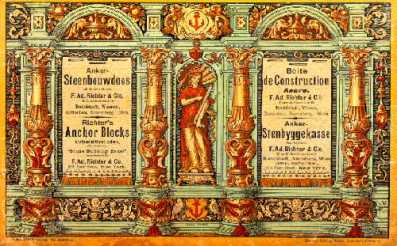
Box Set of Anchor Stone Blocks

In The New Yorker‘s book review last week, Alexandra Lange discussed Amy F. Ogata’s new book “Designing the Creative Child: Playthings and Places in Midcentury America,” focusing on the diverse materials and malleability of toy design over the past several decades.

With increasingly commercialized handmade, all-natural toys on the market, Lange asks, “Do toys need to be as artisanal as our food?”

Nearly two years ago now, Meg wrote about Tegu, wooden magnetic building blocks that support conservation and Hondurans in poverty. Tegu blocks seem to be a perfect blend of the artisanal qualities that wood bring to a toy, while the magnets inside add the opportunity for creativity that simple wooden rectangles and squares might not (unless they have the Lego-like studs that Mokulock does).
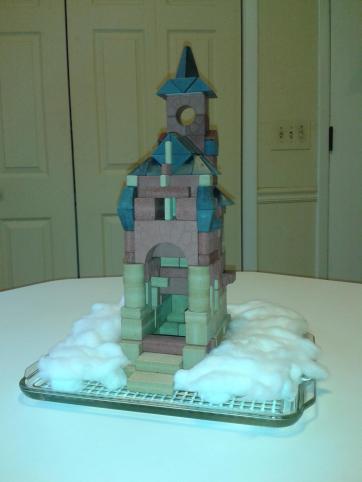
anker-1.jpgWhat about stone toys?

You don’t hear much about those, it seems to me. Heavy to carry around, more dangerous as projectiles, and requiring more machinery to produce, playthings built from stone might seem even more cumbersome and antiquated than wooden toys to a child brought up on shiny plastics and polymers. But the stone Anker/Anchor blocks (a box cover of which is pictured at the top of this post, and one of my own creations from these blocks is here to the right) made from quartz sand, chalk, linseed oil, and color pigment, are still able to merit $200+ asking prices on eBay, although part of their appeal comes from their relative–or perceived–antiqueness. Continue reading

Hill Palace Museum – Tripunithura

Now the largest archaelogical museum in Kerala, the Hill Palace was the official residence of the Kochi Royal family. The 20,000 sq ft palace was built in 1865 in the traditional architectural style of of the state, and includes beautifully landscaped gardens, a deer park and facilities for horse riding. Continue reading

Chitradurga Fort – Karnataka

Photo credits : Dileep

Photo credits: Dileep

Chitradurga Fort is located near Bangalore in the Chitradurga district of the south indian state of Karnataka. Begun in the 10th century, the fort was built and expanded by different rulers such as Chalukyas, Hoysalas and Rashratrakutas, but its golden era was between the 14th and 18th centuries. During this period the fort was controlled by the Nayaks. Continue reading

Gopalaswamy Betta Temple

Photo Credits: Ramesh Kidangoor

Photo Credits: Ramesh Kidangoor

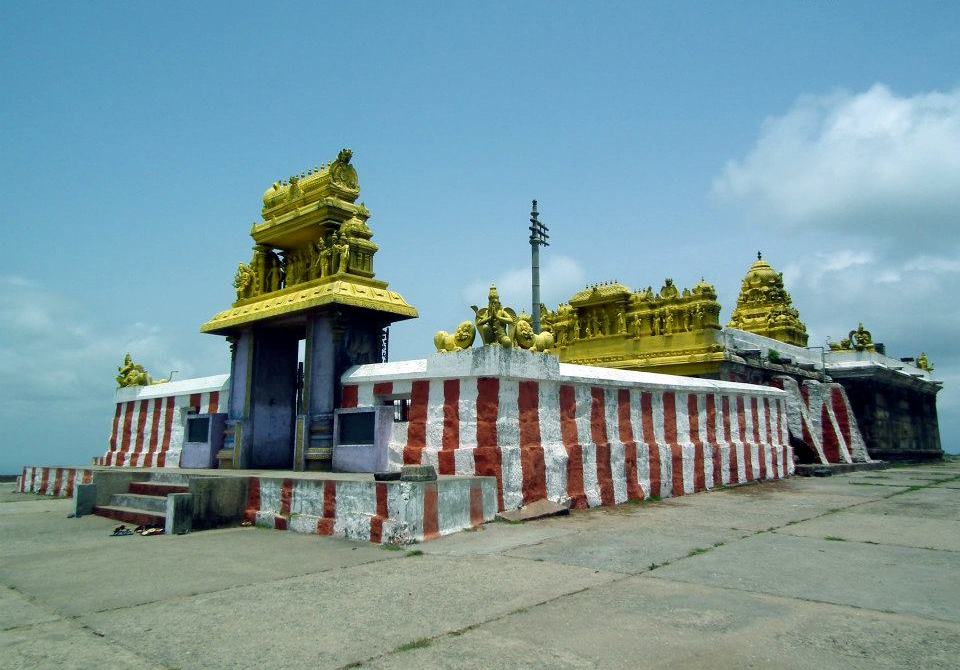
Gopalaswamy Betta Temple is located in the Chamarajanagar district of Karnataka. This temple is adjacent to Bandipur and Nagarhole National parks. Gopalaswamy is the other name of Lord Krishna. The temple was built by the King Cola Bellala during AD 1315. Continue reading

Brindavan Garden, Mysore

Photo credits: Roji Antony

Photo credits: Roji Antony

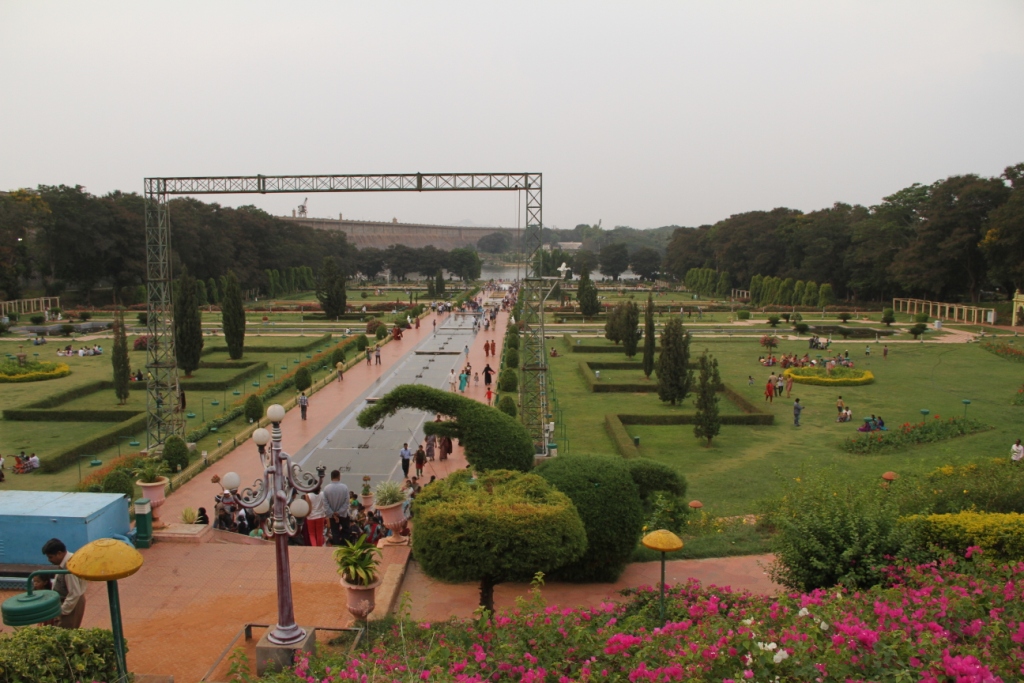
Brindavan Garden is one of the most celebrated gardens in India and is a tribute to early 20th century engineering. Its construction started in 1927 and was completed in 1932. The design is laid out in three terraces which contain water fountains, ficus trees and ornamental plants. Continue reading

Keshava Temple- Belur, Karnataka

Photo credits :Dileep Kumar

Photo credits: Dileep Kumar

Keshava Temple of Belur is aptly referred to as the “Jewelry Box” of Hoysala architecture, such is the ornamentation and detail of the sculpted pieces. The Mohini Pillar in the Navaranga Mandapa is one of the finest specimens of the Hoysala pillar order. The pillar is placed vertically on a sixteen pointed star plan decorated with a narrow band of filigree work. Continue reading

Crowdsourcing A Design Solution

After our renovation of the reception area at Cardamom County last year, we decided to leave the largest wall–a spectacular, privileged space for art–completely white until we found exactly the right piece.  Given the property’s location in the hills where the best cardamom in the world grows, we formed a vision for a piece of art that would abstract cardamom in some beautiful way.  We spoke to the director of the government’s cardamom research laboratory, thinking they might have some molecular images of cardamom (more on which after the jump) but they did not.  And so we dropped that idea, but we are still looking.  And that is how we happened upon the image above, and the description of this and others by the same artist on a Japanese design website:

Using his background in computer graphics and illustration, media artist Makoto Murayama creates technical, scientific blueprints of flowers that look like they belong in a manual for semiconductors. In fact, his work has just been selected as part of thesolaé art gallery project, an initiative to bring art into the offices of Tokyo Electron, one of Japan’s largest semiconductor companies. Continue reading

Tipu Sulthan’s Summer Palace, Mysore

Photo Credits: Dileep Kumar

Photo Credits: Dileep Kumar

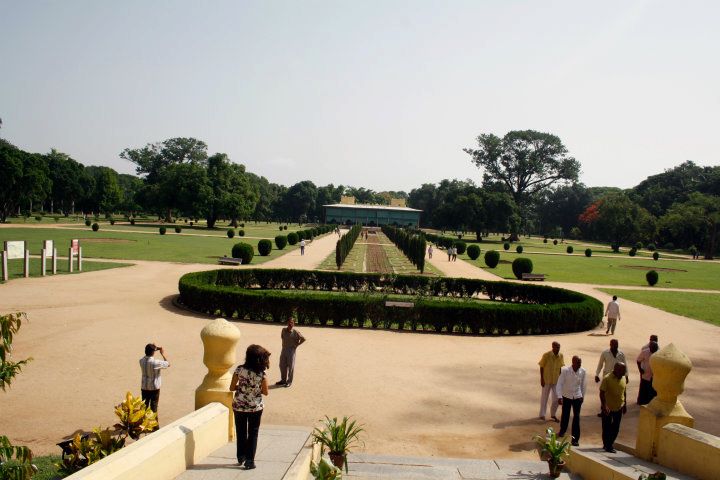
Known as the “Tiger of Mysore”, Tipu Sulthan was the ruler of the Mysore Kingdom from 1782 to 1799. The construction of the summer residence was started by his father Hyder Ali. Built with French rosewood and adorned with pillars, this beautiful palace is surrounded by ornamental trees and a beautiful garden.
Continue reading

Agraharam – Brahmin Homes

Photo Credits: Ramesh Kidangoor

Photo Credits: Ramesh Kidangoor

Brahmin homes are called agraharam. They are made up of 50 to 100 dwellings housed in a single compound that are so closely packed that, in most cases, two homes have a single wall as separation. The Brahmin mix of Tamil and Kerala culture is evident in every aspect of their lives, ranging from language, behavior, architecture and culinary skills. Continue reading

Kuthira Malika, Trivandrum

Photo credits: Ramesh Kidangoor

Photo credits: Ramesh Kidangoor

The Kuthira Malika is a beautiful Kerala style, two story, 80 room palace with open verandas. Built by the Maharaja Swathi Thirunal in 1844, the name Kuthira Malika, which means Horse Palace, was chosen based on the many wooden horse figures carved along the entire length of the exterior lintel of the upper floors. The Palace has now been converted into a museum that houses very interesting and rare artifacts and paintings belonging to the previous Travancore Kings. Continue reading