If You Happen To Be In New York

This slideshow requires JavaScript.

Thanks to the New Yorker‘s website for keeping us posted on the first show of a new curator at MOMA, in a medium of expression we care about for various reasons both aesthetic and technical:

In this week’s issue of the magazine, Vince Aletti talks to Quentin BajacMOMA’s new chief curator of photography, about “A World of Its Own: Photographic Practices in the Studio,” his first show for the museum:

“I’m a bit tired of the predictable history from the daguerreotype to the digital print,” says the Paris-born Bajac, who comes to MOMA from stints at the Musée d’Orsay and the Centre Pompidou, where he was the head of the photography department from 2007 to 2013. Continue reading

If You Happen To Be In Boston (Tea Party)

This slideshow requires JavaScript.

For many people “The Boston Tea Party” refers to an historical event that formed the tipping point for the American Revolution. But two centuries later (give or take) the name relates to a completely different, but no less iconic, moment in time. In the late 1960’s and early 70’s the #53 Berkeley Street Boston Tea Party was a legendary live-music venue featuring musicians from local bands to the Blues, Rock and Pop icons of day.

Music wasn’t the only dimension to a Boston Tea Party experience. Filmmaker Ken Brown cut his “creative teeth” as part of the team creating the venue’s light shows and visual effects.

We actually have one of the coveted DVDs of this work, but those not lucky enough to have one or to have been in Boston 40 years ago have the opportunity to make up for it now …

On Sunday at 7 p.m. at [Boston’s] Institute of Contemporary Art, Brown will screen “Psychedelic Cinema,” a 55-minute compilation of his Tea Party work, and answer questions afterward. The silent film will be accompanied by a live performance by Ken Winokur of Alloy Orchestra, Beth Custer of Club Foot Orchestra, and Jonathan LaMaster of Cul de Sac. Brown’s Tea Party work screened at the Coolidge Corner Theater in 2008, one of only a handful of public showings. We spoke by phone this week. Continue reading

Vegetarian Music

This slideshow requires JavaScript.

While we complete our design and planning for the menu and the musical accompaniment at 51, the restaurant at Spice Harbour, we seem to have hit two birds with one stone in our research today. We tend more and more to the preferences of vegetarian travelers, and to the tendency of many non-vegetarian guests generally to reduce consumption of animal protein. And everyone loves good music. So this caught our attention, thanks to a slideshow on the Reuters newsfeed; this orchestra’s website tells the story (with a great video here):

Worldwide one of a kind, the Vegetable Orchestra performs on instruments made of fresh vegetables. The utilization of various ever refined vegetable instruments creates a musically and aesthetically unique sound universe.

The Vegetable Orchestra was founded in 1998. Based in Vienna, the Vegetable Orchestra plays concerts in all over the world. Continue reading

India’s Exuberant Art Market

Courtesy of Jhaveri Contemporary gallery An installation by Rana Begum that was sold by Jhaveri Contemporary gallery in Mumbai, Maharashtra.

Courtesy of Jhaveri Contemporary gallery. An installation by Rana Begum that was sold by Jhaveri Contemporary gallery in Mumbai, Maharashtra.

Thanks to India Ink for this update on the expanding market for contemporary art in India (click the image above to go to the source):

NEW DELHI — On the heels of Christie’s successful auction in India, the sixth edition of the India Art Fair demonstrated that demand in the country’s art market remains strong.

Spread across three tents and 200,000 square feet, this year’s fair, which ran from Thursday to Sunday, featured 91 booths and modern and contemporary works by over 1,000 artists from India and overseas…

A Non-Holi Technicolor Moment In Delhi

Max Bearak. Amitabh Kumar painting a wall in Shahpur Jat, one of South Delhi’s urban villages

Max Bearak. Amitabh Kumar painting a wall in Shahpur Jat, one of South Delhi’s urban villages

Normally we have thought of vivid color in conjunction with India’s amazing holy days, especially those called Holi. Thanks to India Ink for this story about the street art going up, up north in India’s capital city:

Street Art Festival Brings Color to the Walls of Delhi’s Urban Villages

By Max Bearak

NEW DELHI — While looking out from a balcony in one of Delhi’s many urban villages – former villages that were swallowed up by the ever-expanding capital — more often than not, one is confronted by a boring, gray wall – the bare side of another building. Continue reading

Kalamezhuthu – Temple Art

Photo credits : Ramesh Kidangoor

Photo credits: Ramesh Kidangoor

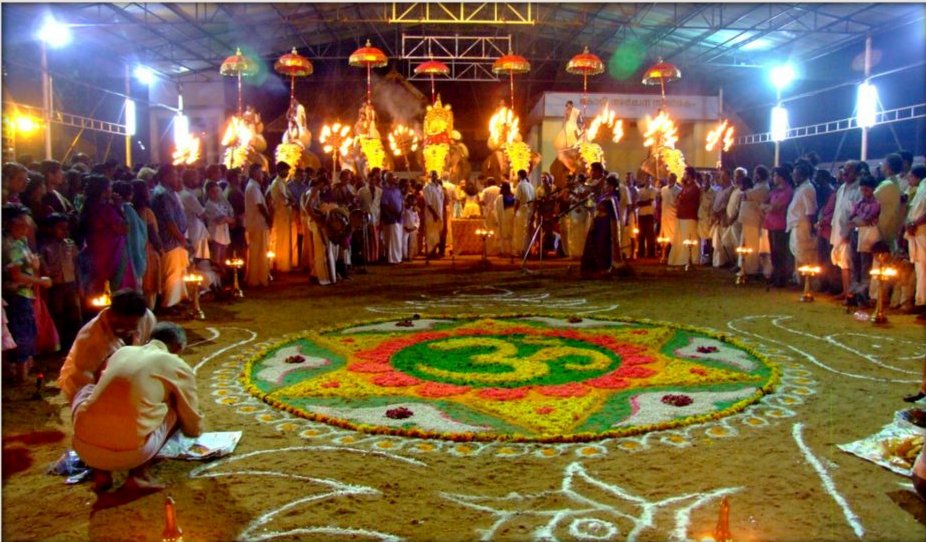
Kalamezhuthu is a unique form of art found only in Kerala, and is almost solely used in temples. The “drawing” with the powders is done by hand, without using any tools whatsoever, and the powders used are all natural  (from vegetables and minerals). Continue reading

If You Happen To Be In New York City

This slideshow requires JavaScript.

Raxa Collective has favored photography that captures natural and/or cultural heritage at its best in documentary mode.  But we are interested in the boundaries of this medium, not least because several contributors cross those boundaries in their other work.  If you are interested in these issues, and happen to be in New York City any time in the next few months this show looks worth a visit:

Organized by ICP Curator Carol Squiers, What Is a Photograph? will explore the intense creative experimentation in photography that has occurred since the 1970s. Conceptual art introduced photography into contemporary art making, using the medium in ways that challenged it artistically, intellectually, and technically and broadened the notion of what a photograph could be in art. A new generation of artists began an equally rigorous but more aesthetically adventurous analysis, which probed photography itself—from the role of light, color, composition, to materiality and the subject.What Is a Photograph? brings together these artists, who reinvented photography.

From the press release for the exhibit:

On view at the International Center of Photography from January 31 through May 4, 2014, What Is a Photograph? explores the range of creative experimentation that has occurred in photography since the 1970s. Continue reading

Vivid Performance Art, Clearing The Fog Surrounding Climate Change

eva-mosher1Sometimes, as with a good cup of coffee in the morning, our wake up is enhanced with a dose of intoxicating taste to get our senses going. As we swing from polar vortex to the next big thing in climate change, thanks to the dean of Duke’s Nicholas School of the Environment for this article on Eva Mosher and the important role performance art may play in the needed wake up call:

Convincing Americans that climate change is a real and present danger has proven to be a daunting and often frustrating challenge for scientists. Despite the growing evidence of climate change, and humanity as the driver of that change, there remains a hardcore 20 percent or so that reject the whole notion of it and a healthy percentage that remain unconvinced that humans are causing it. And on top of those dismal statistics, more than half of Americans believe that climate change does not represent a threat to them.

Scientific Data vs. Vividness and Accessibility Continue reading

Bridging Art & Science

Detail of the cover of the October 2013 issue of SciArt in America, showing the “Observe” exhibition at Williamson Gallery in Pasadena (photograph by Steven A. Heller/Art Center College of Design)

Detail of the cover of the October 2013 issue of SciArt in America, showing the “Observe” exhibition at Williamson Gallery in Pasadena (photograph by Steven A. Heller/Art Center College of Design)

This is an appropriate follow up, of sorts, to the plea in favor of liberal arts, humanities and the like:

It’s no revelation that science and art have long been linked, the curiosity about the workings of the world aligned with artistic creativity. Recently, however, there seems to be more of a movement towards connecting the two worlds into a tighter community. Continue reading

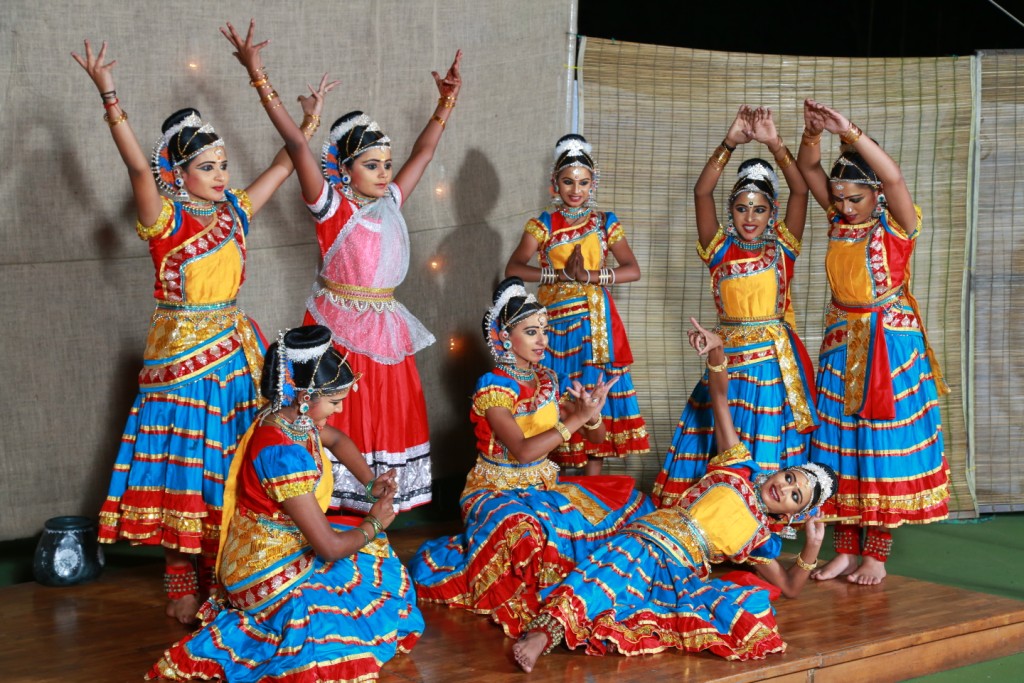
Performing Arts of Kerala

Photo credit: Abhayan Menon

Photo credit: Abhayan Menon

The rhythm, elegance and finesse of the classical dance of Kerala is a result of the various cultural influences that took place in the state. These classical forms are a delicate fusion of ancient classical texts and folk traditions, often related to religious rituals and mythological stories. Continue reading

Classics-R-Us

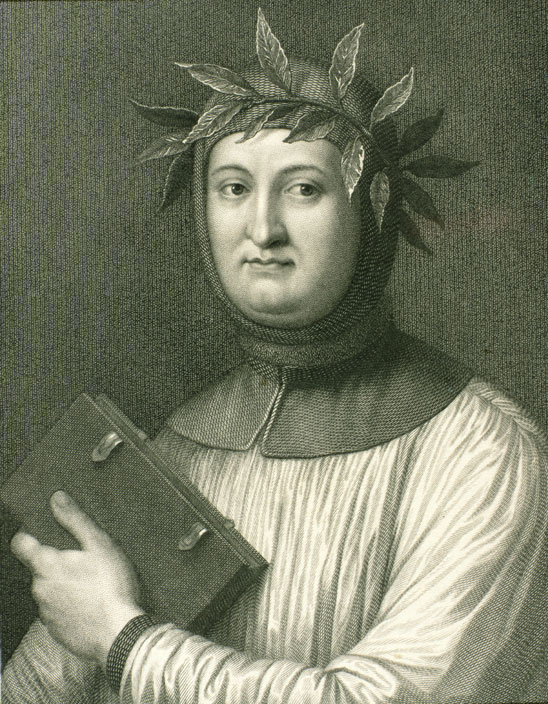
PRIVATE COLLECTION/KEN WELSH/THE BRIDGEMAN ART LIBRARY. Fourteenth-century Florentine poet Petrarch so loved the classical authors that he imagined conversations with them.

PRIVATE COLLECTION/KEN WELSH/THE BRIDGEMAN ART LIBRARY. Fourteenth-century Florentine poet Petrarch so loved the classical authors that he imagined conversations with them.

Among all the topics we survey, link to and write about on this site, the classics are if anything underrepresented relative to their importance in matters of community, collaboration and conservation. History is probably the most visible, thanks to Seth’s recent series on Iceland. Book reviews and shout outs to great professors are also visible with some frequency. Maybe enough, maybe not. Anyway, once more to the trenches, on the side of the humanities but not against practical considerations; the liberal arts matter to our future, not just to our past as this essay reaffirms, so let’s not lose them:

In 2011, the University of California at Los Angeles decimated its English major. Such a development may seem insignificant, compared with, say, the federal takeover of health care. It is not. What happened at UCLA is part of a momentous shift in our culture that bears on our relationship to the past—and to civilization itself. Continue reading

Prehistoric Kerala Rock Art

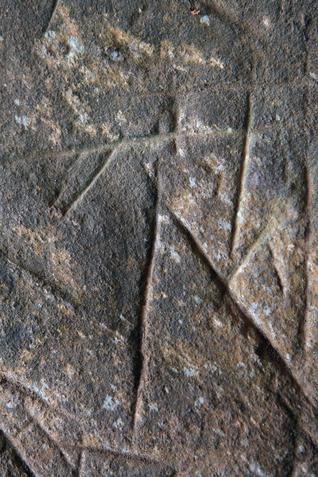
Deep meanings: A newly discovered anthropomorphic motif on a rock in the Thovari hills near the Edakkal caves in Wayanad.

Deep meanings: A newly discovered anthropomorphic motif on a rock in the Thovari hills near the Edakkal caves in Wayanad.

The Hindu reports today on a discovery in Wayanad, where Raxa Collective hopes to offer travelers cultural heritage conservation experiences in the near future:

This is the first time an anthropomorphic figure, a recurring motif of pre-historic rock arts sites in the world, has been reported from the site.

An anthropomorphic figure has been discovered among the prehistoric petroglyphs (rock engravings) on the Thovari hills near Edakkal caves in the Wayanad district of Kerala.

Continue reading

2014 Jaipur Literature Festival

Sang Tan/Associated Press Author Jhumpa Lahiri with her book ‘The Lowland’ at the Queen Elizabeth Hall in London on Oct. 13, 2013.

Sang Tan/Associated Press
Author Jhumpa Lahiri with her book ‘The Lowland’ at the Queen Elizabeth Hall in London.

Thanks to India Ink for an overview:

The 2014 Jaipur Literature Festival, now in its ninth edition, kicks off in the state capital of Rajasthan on Friday. Over the course of five days, celebrated writers from India and abroad will talk about not just their books but also about the two World Wars, Afghanistan after the withdrawal of American troops, Himalayan languages and the making of modern China.

This year’s highlights include:

The festival starts with an inaugural keynote address on Friday at 10 a.m. by the Nobel Prize-winning economist Amartya Sen, who will also talk about the workings of democracy and human freedoms with John Makinson, chairman of Penguin Random House, in another session later that day at 2:15 p.m.

Read the whole article here.

Temple Art – Kerala

Photo credits :Ramesh Kidangoor

Photo credits: Ramesh Kidangoor

The temples of Kerala offer various artistic and cultural events during festival time. During these periods, previously limited space become public as people gather to celebrate together, making carpets of natural materials, which we have described before. Continue reading

If You Happen To Be In Bombay

50 year anniversaries are always worth noting. Whether it is a marriage, a birthday, or the opening of an art gallery, let’s have some fun.  Thanks to The Caravan, we see just enough about The Dreamers to want to visit Chemould Contemporary Art Gallery during the next visit to India’s thriving commercial and artistic capital, ideally before the “Aesthetic Bind” exhibition finishes in early April:

UNTIL THE 1940S, art in Bombay was an occasional pleasure for the city’s European and Indian elite, displayed most prominently at an annual exhibition sponsored by the Bombay Arts Society that was more a social event than an artistic initiative. Continue reading

Mural Paintings – Kerala

Photo credits :Ramesh Kidangoor

Photo credits: Ramesh Kidangoor

Kerala has a rich mural heritage dating back to the 7th and 8th century. These early wall paintings were characterized by their elaborateness, symbolic coloration and ornamentation, and ability to display emotion. The murals were painted using natural dyes extracted  from plants.   Continue reading

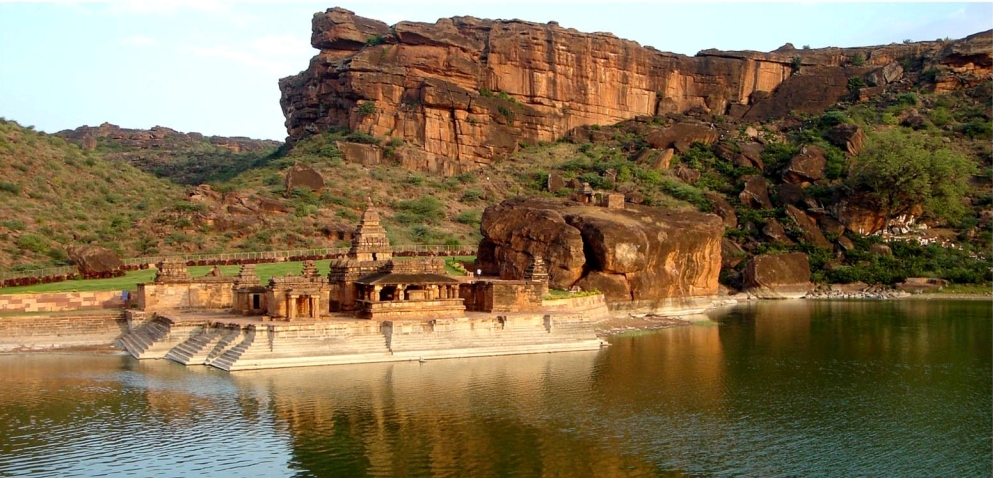
Badami Temple, Karnataka

Photo credits: Ramesh Kidngoor

Photo credits: Ramesh Kidngoor

Badami, situated in modern Karnataka, was once the majestic capital of the royal Chalukyas between the 4th and 8th century — now it is a rural town famous for the monuments and remnants that remain. Continue reading

Kavadi Aatam: Ritual Dance

Photo credits: Ramesh Kidangoor

Photo credits: Ramesh Kidangoor

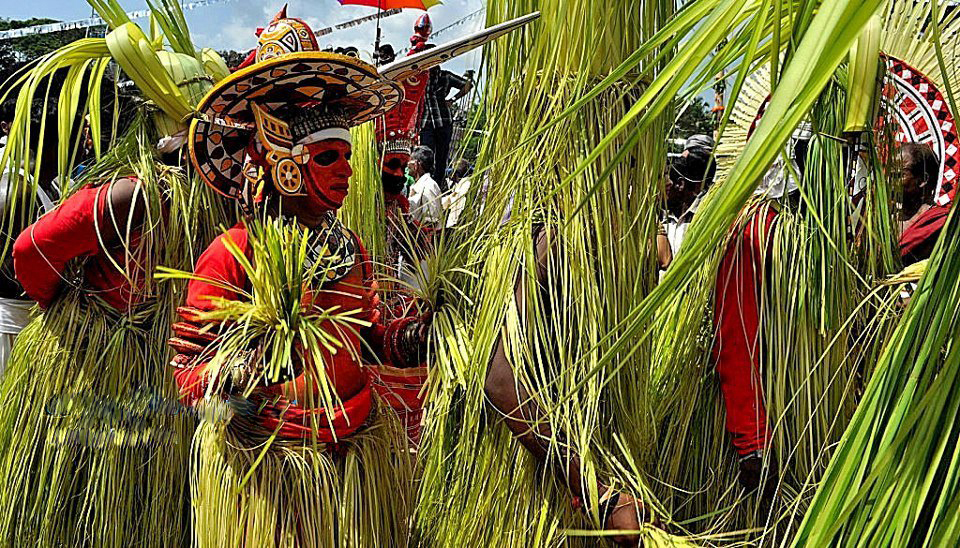
Kavadi Aatam is a religious dance offered to Lord Muruga during a pilgrimage, made mainly by men, which originated in Tamil Nadu. It is a colorful (as you can see in the photos) ritual dance widely prevalent in the Subramanya Temples in Kerala and Tamil Nadu during the festival season. The Kavadi, which are set on top of the dancers, can reach 10-15 feet high, and when the dancers twist and spin in a row it creates a quite beautiful effect.

Continue reading

Dance and History

Photo credits: MN Shaji

In India there are numerous classical dances and quite a few of them have originated from the state of Kerala. These dances are not only entertainment but rich in history into which mythological stories of centuries ago have been depicted. The artists pay tribute to the brave and the bold, and the battles that shaped our present way of life, culture and heritage. Continue reading

Indian Art, The Business Side Of The Story

Christie’s Images Ltd. 2013 An untitled artwork by Vasudeo S. Gaitonde.

Christie’s Images Ltd. 2013. An untitled artwork by Vasudeo S. Gaitonde.

We would not know whether to say this news is welcome or not, but we thank India Ink for it nonetheless.  On the one hand we have been inclined to disfavor the hyper-commercialization of art. On the other hand, it seems better to know that Indian artists are now getting their fair economic shake relative to Western artists:

Demonstrating the robust demand for Indian art, Christie’s first auction in India almost doubled its high estimate of $8 million to bring in $15.4 million, or 965.9 million rupees, selling nearly all the works on offer and breaking a number of records for Indian artists. Continue reading