A Ceiba Prototype

image copy

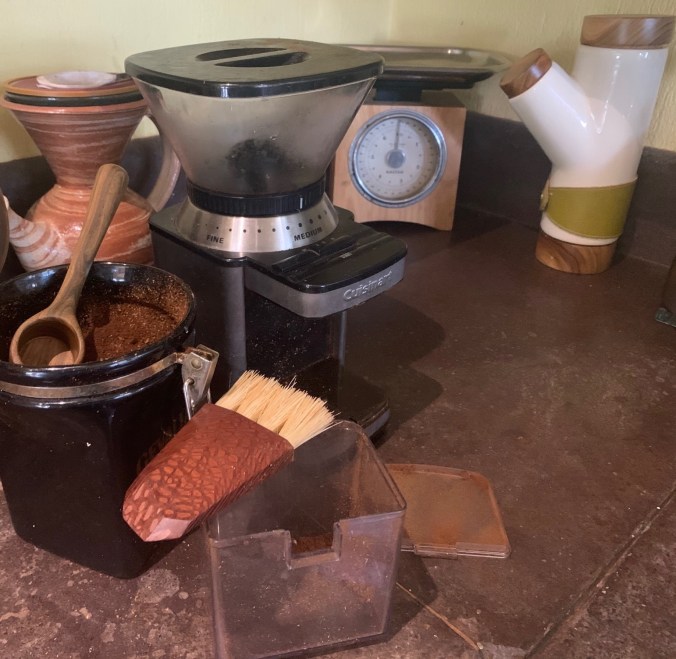
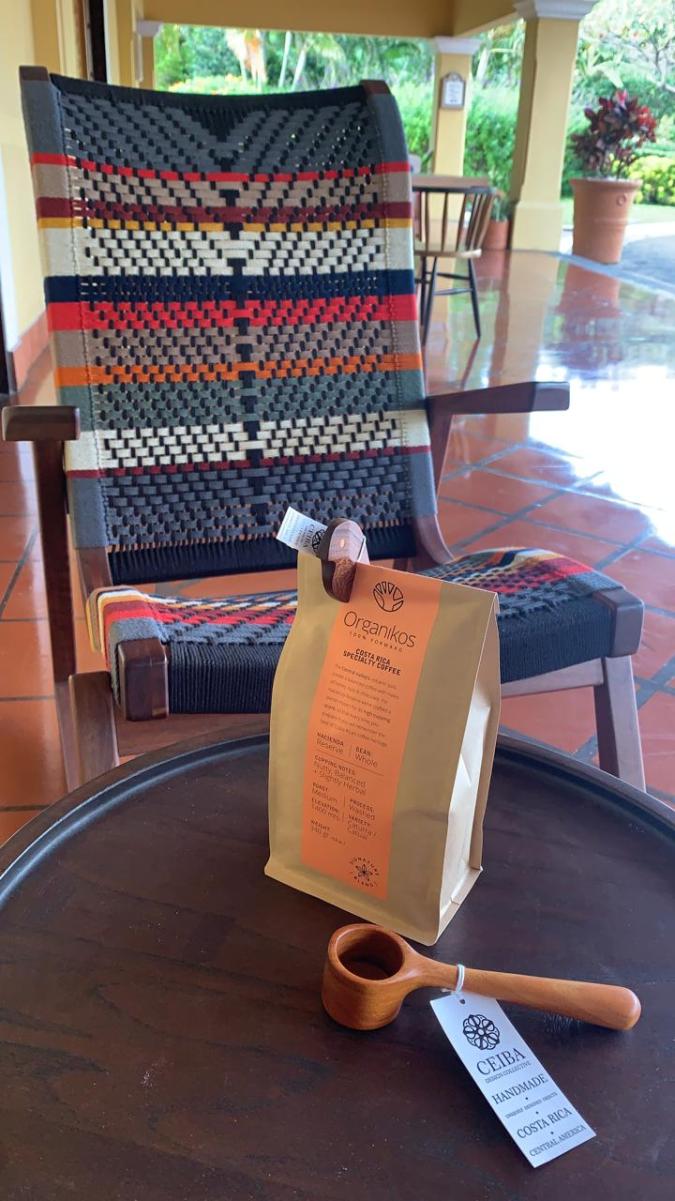
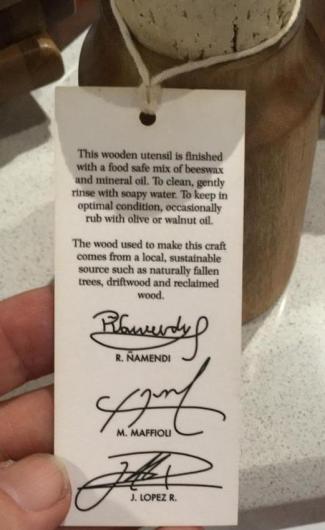
At the intersection of our coffee business and our work with local artisans, there is Ceiba. Today, just a snapshot and a few words celebrating this brush, a prototype that Ceiba shared with us to test out. They did not specifically identify it as a brush for use with a coffee grinder, but for me that is what it is. And it works like a charm.

Field of Greens

merlin_166576017_fdfde446-ce22-48ee-8e65-4cfcd0d01c1a-mobileMasterAt3x.jpg

Assembly required: Sweetgreen’s hexagonal, compostable bowls have become status markers. Rozette Rago for The New York Times

05Sweetgreen-illo-mobileMasterAt3x

Illustration by Gluekit; Photographs by Philip Cheung for The New York Time

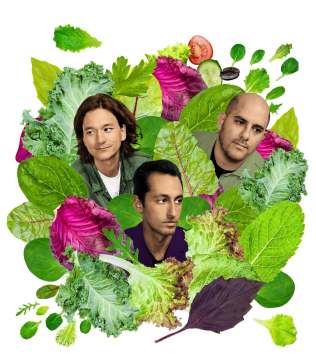
It is not the first time we are linking out to a story on this company, but thanks to the New York Times for In a Burger World, Can Sweetgreen Scale Up?for a more in depth look at them.

And for that matter, for a theme we care deeply about, which is that we should all be putting more thought into the food we eat, and how it is packaged.

The market is rewarding those companies paying attention to these themes:

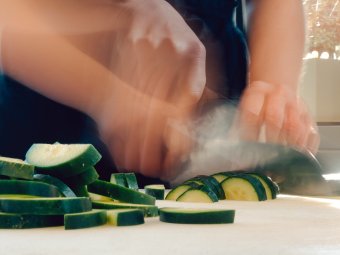
Squashing the competition: A worker preparing zucchini.  Rozette Rago for The New York Times

The chain that made salads chic, modular and ecologically conscious now wants to sell you a lot of other stuff.

On a Wednesday morning last fall, several executives at Sweetgreen, the fast-casual salad chain, gathered around a conference table at their headquarters here. They were discussing a new store format, called Sweetgreen 3.0, that had recently been introduced in New York City after two years of planning. At Sweetgreen’s other 102 locations, customers brave queues that, at peak lunch, can make T.S.A. lines look tame. Up front, employees assemble Harvest Bowls, Kale Caesars and infinite customized variants from a spread of freshly prepared ingredients, in a ritual that has become a hallmark of the modern midday meal.

At 3.0, to increase efficiency, the action had been moved offstage, to a kitchen in the rear. Customers give orders to a tablet-wielding “ambassador,” if they haven’t done so ahead of time with their smartphones, retrieving their salads from alphabetized shelves. While they wait they can mull adding one of the Sweetgreen baseball caps or $37 bottles of olive oil on display to the tab.

Many of the changes being tested at 3.0 seem crucial to realizing the ambitious plans of Sweetgreen’s co-founder and chief executive, Jonathan Neman. With its prescient mobile technology strategy, the company hopes to become something bigger — much, much bigger — than a boutique urban chain serving arugula to health nuts and yoga moms. Continue reading

Mitica @ Authentica

Mitica1.jpg

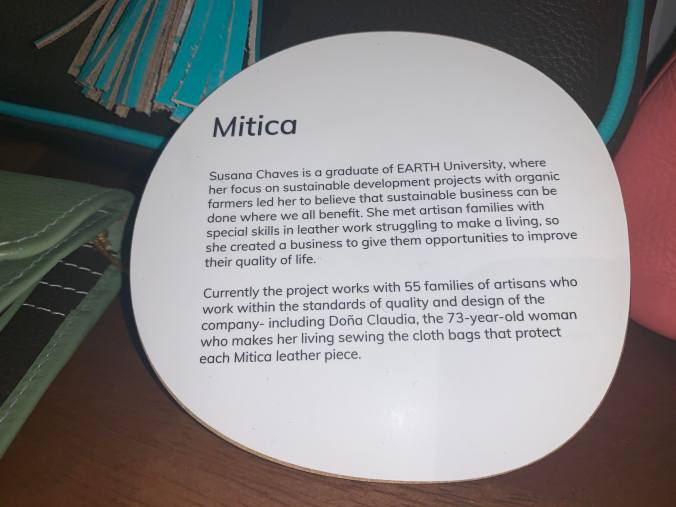
There is something about EARTH University that produces some of the most creative entrepreneurs, whose work combines design, craftsmanship and social responsbility. We are happy to feature Mitica’s work in the shops for these reasons.

Mitica2.jpg

Ceiba @ Authentica

Ceiba1

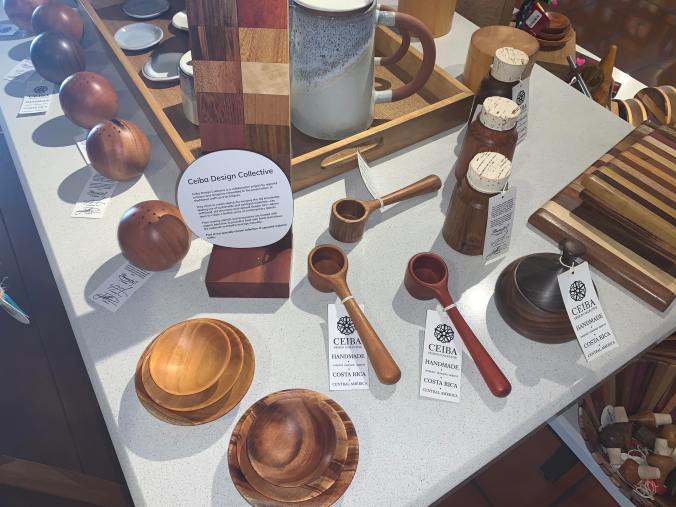
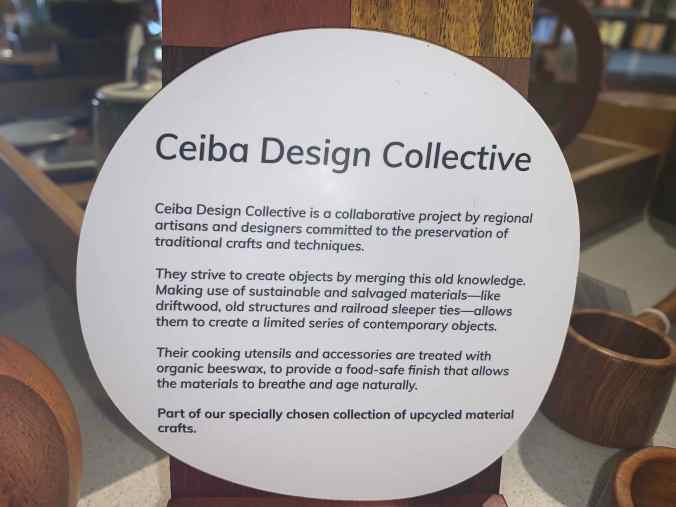
Ceiba2.jpegIt is equally rewarding to introduce new friends here as it is to talk about old friends. I already mentioned Ceiba recently, but I chose one of their more esoteric (if extremely useful) products to highlight in that post. This group of artisans had our attention sufficiently with the beauty of their products when we first met them last year. When we brought some of the products home to test them out in our own kitchen, the utility factor added to our decision to carry their products. But a third factor, which is our extra attention to coffee and coffee culture as essential parts of Costa Rica’s identity, made their products among my personal favorites. So here I am providing a second look at their work.

Ceiba4

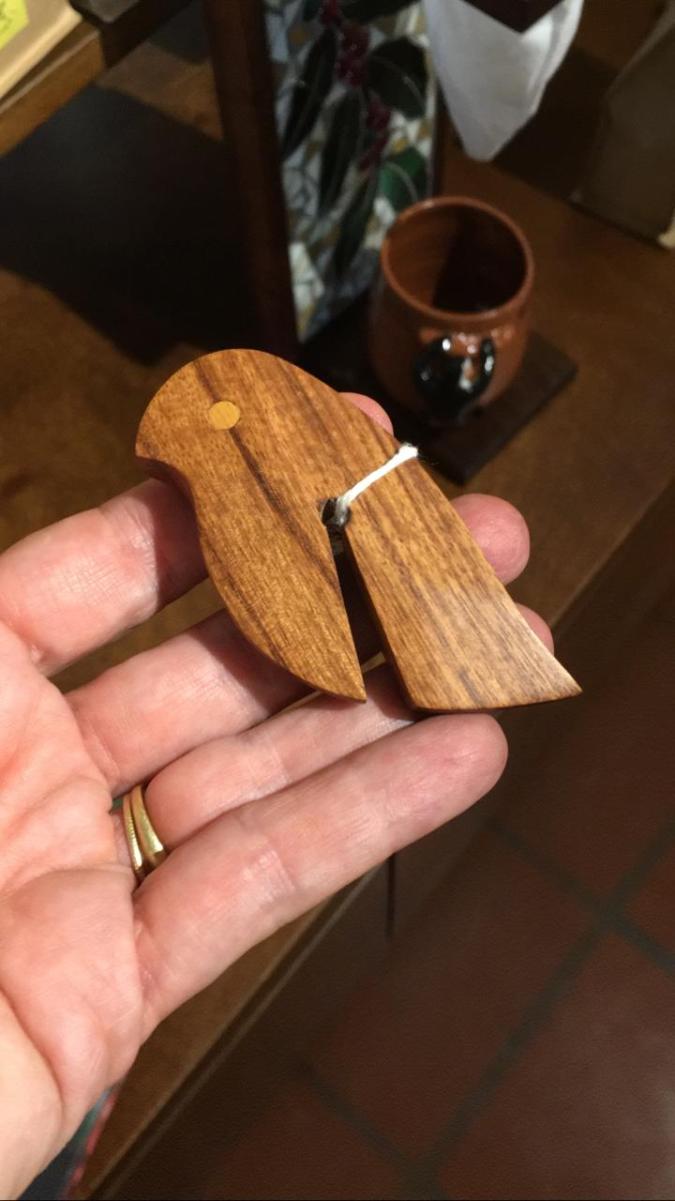
This simple bird motif carving is a clip to hold your coffee bag shut after opening. I use it every day.

Ceiba6.jpg

I also use the coffee scoop every morning, and while I love all their products it is these two coffee-centric ones I appreciate the most. Even for someone living in Costa Rica these are lovely little reminders of this country’s commitment to conservation, considering where Ceiba sources their wood, one of Costa Rica’s most important renewable resources. That makes me think these products are particularly well-suited to offer value as a takeaway for visitors to this country.

Ceiba7.jpg

Biesanz @ Authentica

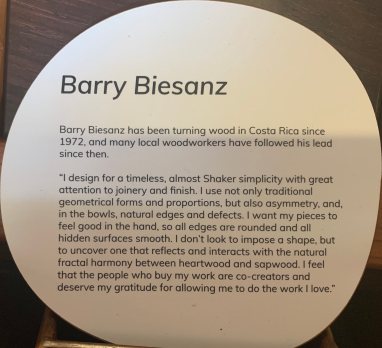
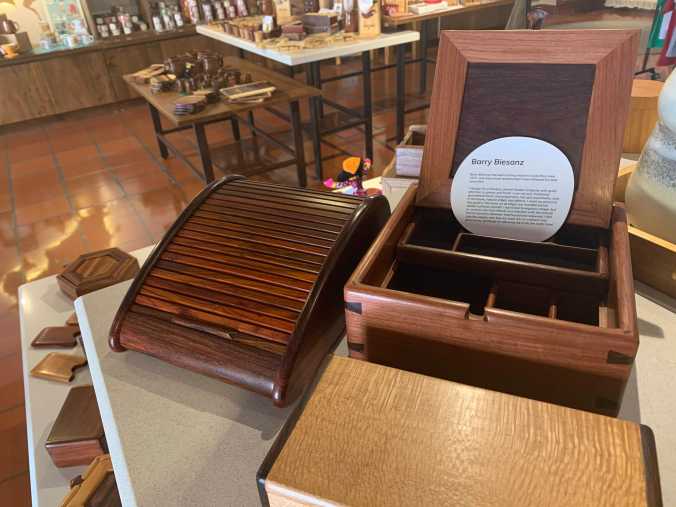
BB1.jpegWhen we moved to Costa Rica in the mid-1990s one dimension of my work required analysis of the handicrafts sector as part of the nascent tourism industry. That led to my getting to know one of the country’s pioneering wood turners, Barry Biesanz. We have been friends ever since, and as we started planning for what is now Authentica, a range of Biesanz wood products were the first we committed to.

BB2.jpeg

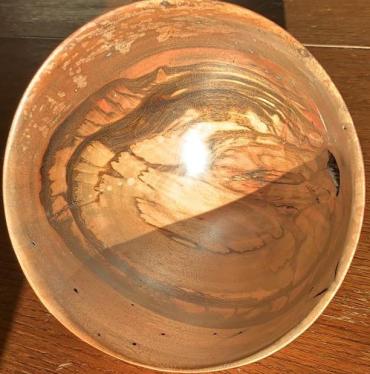
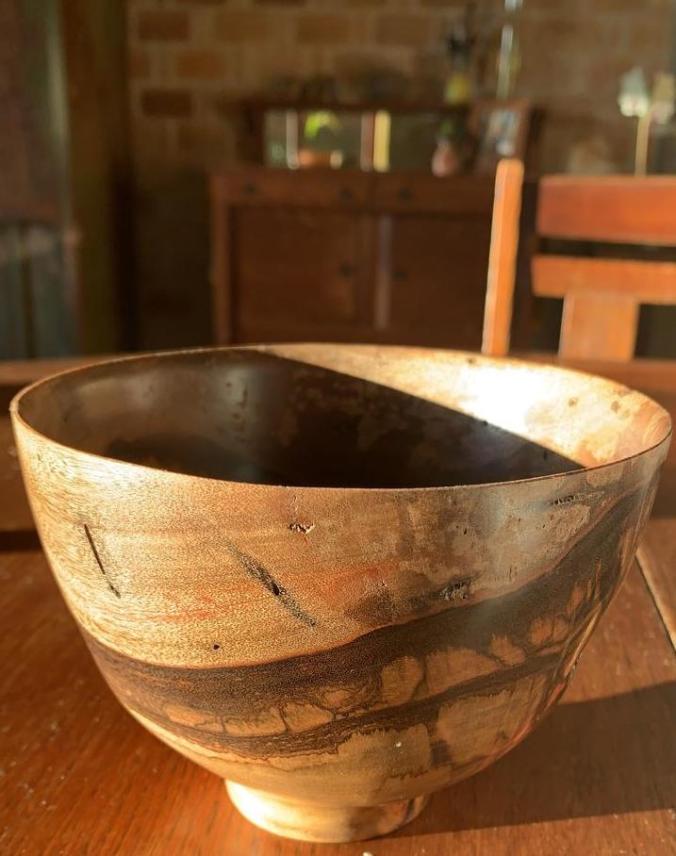
BB3.jpgAbove is a bowl not currently on display in Authentica, but it is a favored part of our home collection. Last year one of the old trees behind our home came down in a storm. Barry sent a few of his workmen to help clear it away. Months later this bowl was gifted to us, one of many bowls he had been able to craft from the wood from that tree.  In the sign we have placed with his work, note the reference to defects. You can see those in the bowl above. During the last year Barry also introduced us to other Costa Rican artisans, and we have featured their work alongside his in the two shops.

BB4

Pia Pottery @ Authentica

PiaP1

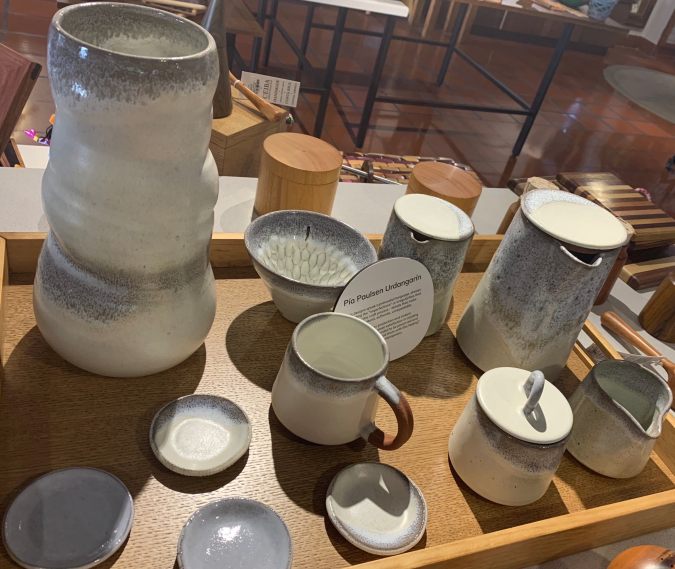
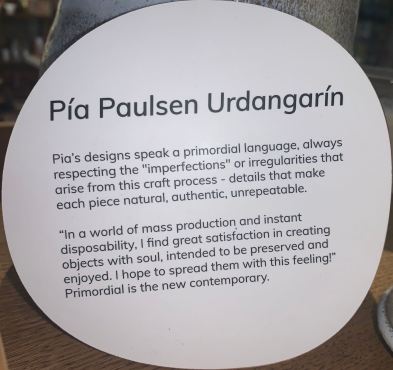
PiaP2.jpgPia is one of Costa Rica’s talented ceramicists. She is also a friend, thanks to an introduction from a mutual friend last year. The mutual friend had studied with Pia and when learning of our plans for Authentica to feature local artists and artisans, the fix was in. Before long, we had something of our own (middle picture, upper shelf, small green cream pitcher) from her collection. We chose a small selection of her work to feature in the shops.

When Life Gives You Lemons

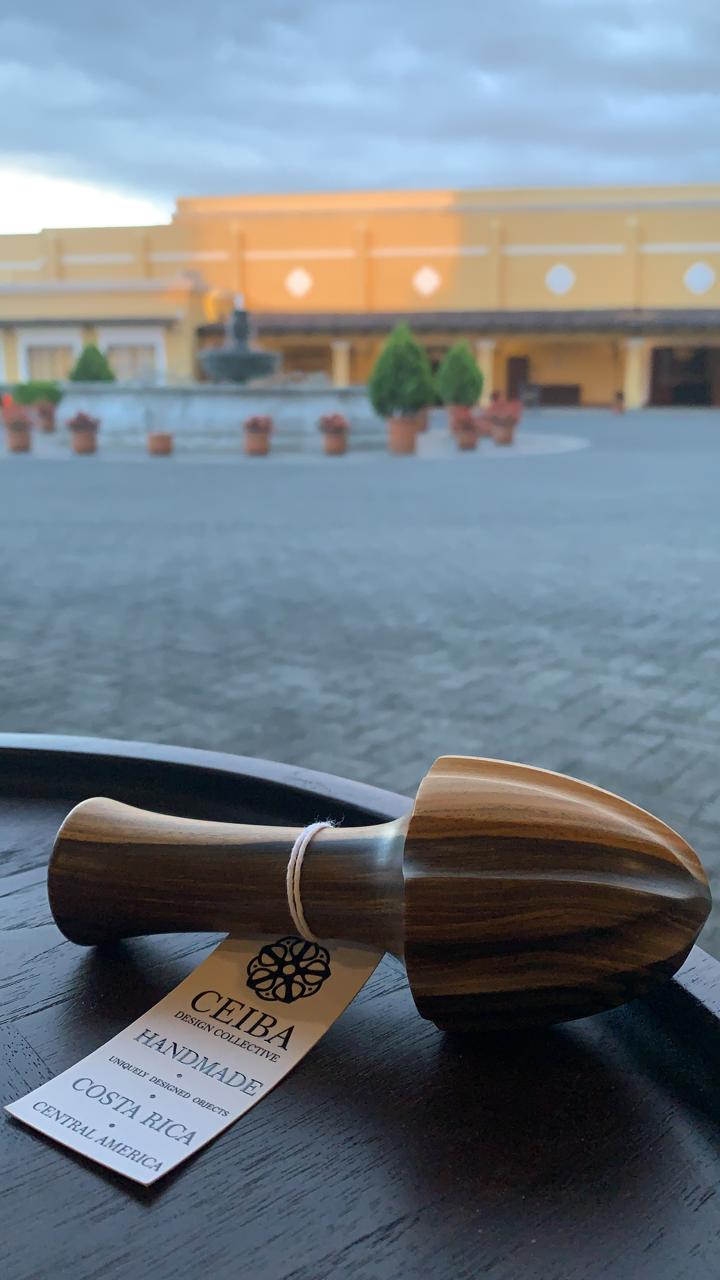
Ceiba’s juicer at Authentica, as seen in front of the Costa Rica Marriott Hotel Hacienda Belen

To make the best use of the citrus in your life, visit Authentica and find this item. You may already have a fancy electric gadget that can perform the same function as this juicer, and it may seem self-evidently superior.

I beg to differ. First, on the experience: the mix of metal, plastic and/or glass of the electric juicer, designed for speed, eliminates any inherent satisfaction that either the fruit or the tool might provide. Holding this wooden juicer made by our friends at Ceiba Design Collective is a form of time travel. It resembles one I first saw in 1969. And that one likely resembled juicers in use in that village for hundreds of years, typically made of olive wood.

Secondly, I beg to differ on utility. Electric juicers may get the job done quicker, but this juicer gets another, more important job done. Its carbon footprint is a tiny fraction of the electric one, starting with construction and finishing with the use of electricity. And this is made by a group of craftsmen in Costa Rica who work with wood that has been recycled from previous use–timbers or railings from old homes–or wood from trees felled by storms. Experience + utility + sustainability = an authentic Costa Rica takeaway.

Honey As Hook

Honey Escazu

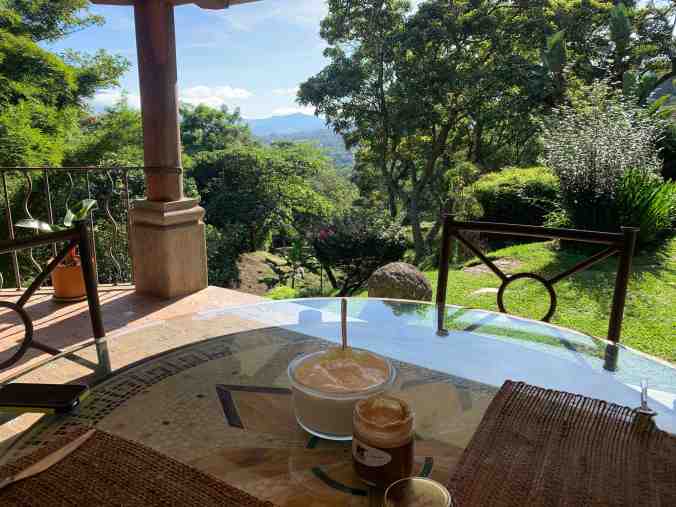
I held off on linking to this story below, by Jamie Tarabay. Seeing one of my favorite topics, honey, in the context of yet another international conflict, did not seem to fit with our platform; or perhaps I was just waiting for a way to connect that story to something closer to home. The hook came in the form of a visit last week to an apiary, set on a farm, during our time in Ithaca. The photo above is from our breakfast table yesterday, in Costa Rica, with a remarkably thick Greek-style yogurt complemented by a jar of honey from that apiary. Now the connection to that story is so close to home, it is in my home. The honey in the picture above is so different from commercial grade honey as to be inspirational — it made me seek out this article, after a month of waiting. Sometimes the hook needed to make a story make sense for sharing is gustatory…

merlin_163510173_7a4edf59-8b03-4800-be78-95bba5faf974-jumbo

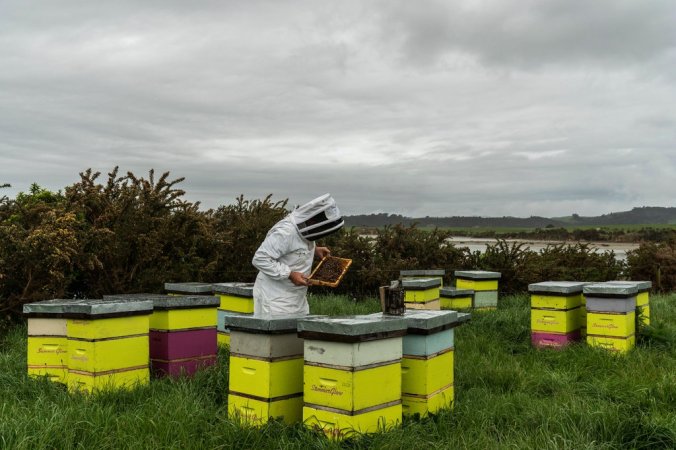
Adam Dean for The New York Times

What Could Come Between These Two Allies? A $100 Jar of Honey

New Zealand producers, in the face of protests by their Australian counterparts, want to trademark manuka honey, a costly nectar beloved by celebrities.

merlin_163510245_162ddea8-5754-407d-82c2-54ca2b4f60d0-jumbo.jpg

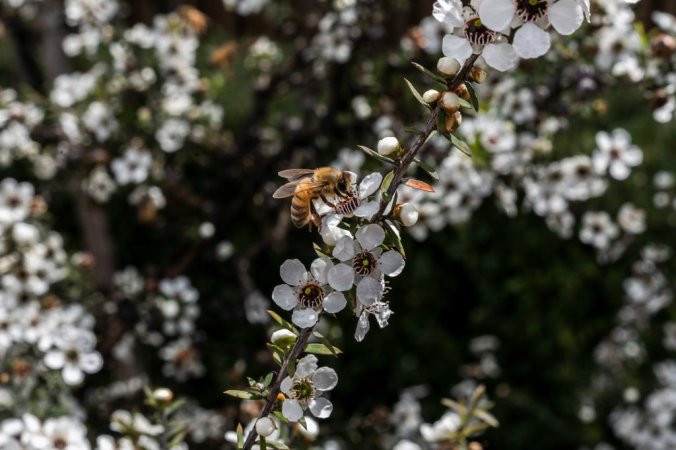
A bee on a manuka bush at the visitor center in Paengaroa for Comvita, one of New Zealand’s largest producers of manuka honey. Adam Dean for The New York Times

PAENGAROA, New Zealand — Australia and New Zealand are at war.

Over honey.

Not just any honey, mind you — this stuff isn’t sold in plastic bear-shaped bottles. It’s manuka honey, a high-priced nectar ballyhooed by celebrities as a health and beauty elixir. (Scarlett Johansson smears it on her face; Laura Dern heals her children with it.)

Manuka-branded honey is so valuable that New Zealand producers have gone to court to argue that they alone should have the right to sell it, in much the same way that only France can claim Champagne with a capital C. They say they are the only source of guaranteed authentic manuka honey, from a single species of bush; their Australian counterparts have marshaled a point-by-point rebuttal that stretches all the way back to the Cretaceous Period. Continue reading

Bottled Virtuosity, Tasting Good

191125_r35462.jpg

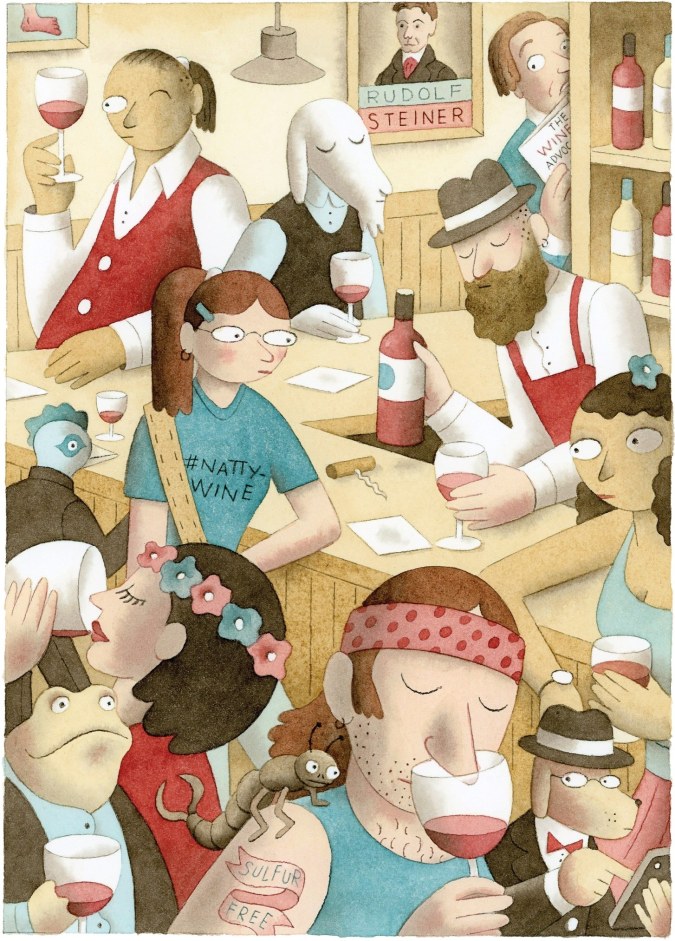
Winemaking methods that once seemed suspect now look like authenticity. Illustration by Greg Clarke

What does good taste like? Perhaps goodness is the better word to use in that question, because the question is not about what good taste is, as in how we determine when something is tasteful. This article, using wine as a prop, offers a way to think about goodness, in the virtue sense, and what it might taste like, without simply rehashing the tiresome complaints about virtue signaling. The author had me at the title, because it touches on themes we have been thinking about lately; then the mention of working of Mendoza, where I worked in 2007, ensured I would read on. In the second paragraph seeing Itata, a region that was part of my workplace 2008-2010, I was triply hooked:

How Natural Wine Became a Symbol of Virtuous Consumption

The mainstreaming of natural wines has brought niche winemakers capital and celebrity, as well as questions about their personalities and politics.

In 2010, Dani Rozman had just graduated from the University of Wisconsin. He was so deliberate and thoughtful that his friends claimed it was inevitable that he’d end up a history professor with a closet full of cardigans. But Rozman went to Argentina instead, and wound up in Mendoza, the hub of the country’s wine scene, working at a startup that helped wealthy people realize their wine dreams—you could buy a vineyard from afar, have someone else farm it, design the labels, and receive cases of “your” wine to show off at dinner parties.

One summer, Rozman went to Itata, at the southern tip of Chile’s wine-producing region, to work the grape harvest at a local winery. He had the impression that winemakers were like the clean-cut guys in Napa with family money and fleece vests. Itata was different. The winery was just a shipping container and a mesh tent, and the work was non-stop. Rozman had grown up in a health-conscious family that nonetheless “had to be reminded that food was farmed,” he said; being in daily contact with plants felt revelatory. Some of the vines had been planted centuries earlier, by conquistadores and missionaries. The grapes were País, a varietal that had fallen out of favor as winemakers turned to popular ones like Cabernet Sauvignon. The methods were traditional, too—the fruit was picked by hand, destemmed with a bamboo implement called a zaranda, then fermented in clay pots. The finished product was startling, in a good way. “At that time in Argentina, Malbec was king,” Rozman told me. The country made lots of homogeneous, high-alcohol wines aged in oak barrels, catering to international appetites—“the French-consultant thing,” as Rozman put it. To him, they tasted heavy and expressionless, while the Itata wines were stripped down and elemental. “It was like night and day,” he said. Continue reading

Joyful Artisan Ethos

At the same time Crist has been writing multiple teaser posts about our upcoming Authentica shops we continually search for both classic and innovative artisanally crafted items to highlight there. Each discovery feels like stumbling upon a gem while sifting through stones.

Those discoveries have even more personal impact when they have an upcycled or recycled element. Wagát Upcycling Lab is just one of those exciting discoveries. Continue reading

Creative Conservation, All For Artisans

AuthenticaMLS.jpeg

Authentica opened the first of its two shops last week, and this post is a quick statement of what occurred to me while looking across the shop once all the displays were set up. Back in early June I thought that two words simultaneously riffing off the concept of creative destruction, and our two decades of practicing entrepreneurial conservation, was enough of a tag line for saying what we are doing.

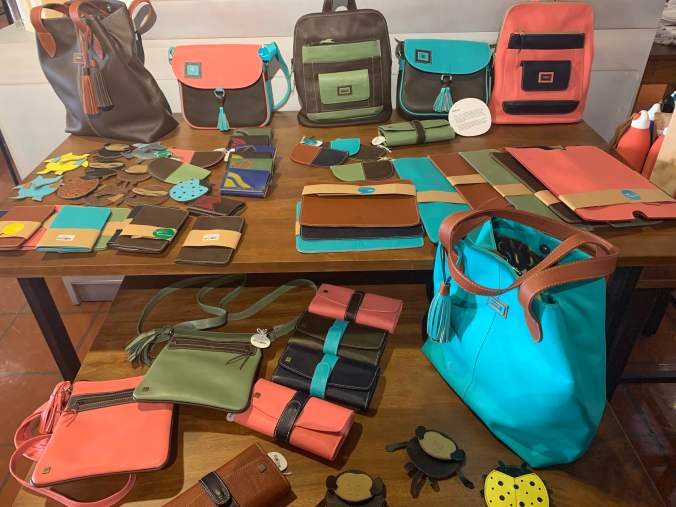
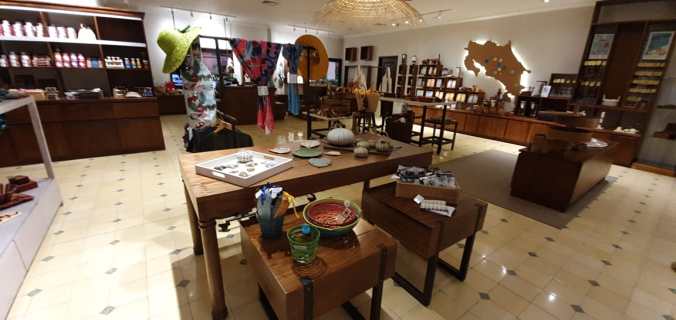
But now three more words seem worthy of adding to the mix. Because across this room it is clear that the pursuit of creative conservation is contextual and very specific; we are doing this all for artisans. I do not mean that just in the sense that we are completely motivated to do what Authentica is doing, for the sake of artisans, though that is true. The variety of items on display–colorful totems of Costa Rica’s culture, design-forward textiles, sensuous ceramics and turned wood objects, specialty coffees and artisanal chocolates–made clear now that Authentica should be more explicit. Say clearly that all proceeds from every sale in Authentica get reinvested back into building a better economy for artisans.  Maybe it can be said in fewer than five words, the way 100% Forward says all that Organikos needs to say. Brevity is the soul of wit, and wit is a powerful currency. I will work on it in the days to come.

Authentica, Organikos & Escazu

EscMtn.jpg

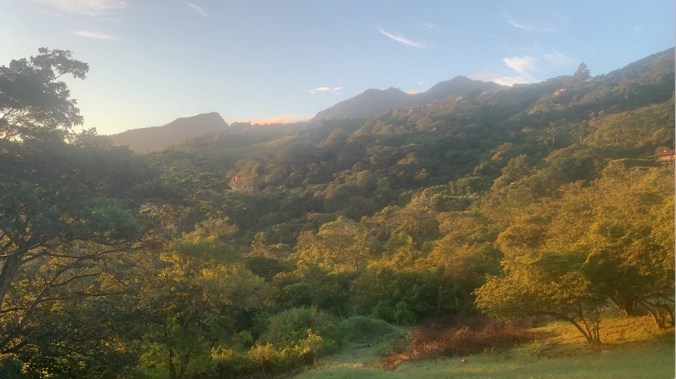
In the photo above, the view is from our home up to the home of a friend who grows coffee in the upper reaches of Escazu. He is an agronomist whose foremost specialty is bananas, which he has helped farmers grow more effectively throughout Latin America. AuthnticaLogoI mentioned his coffee at the start of this year when we were meeting farmers, chocolatiers, and local artisans, knowing we would launch Authentica, and its sibling Organikos logoventure Organikos sometime this year.

We ended up not choosing that particular coffee as one of our 12 offerings, but every tasting, every artisan meeting, every event we have attended to find things that offer “taste of place” and that look and feel like the essence of Costa Rica–all have been helpful in establishing our product line.

EscFeria.jpg

Escazu, where we live, where the idea for Authentica started and also where Organikos is situated is an ideal location for what we do. The festival of masks, organized by the community, is an example of why: local pride, sense of place, sharing with others.

A Color, Sans-Charisma, Worthy Of A Mission

ochre-hunter-slide-1J1C-jumbo

ochre-hunter-slide-8OK0-superJumbo.jpg

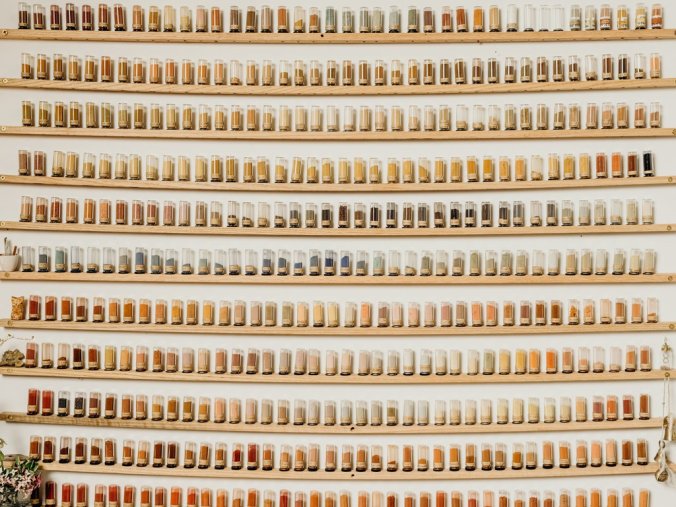
Inside Gustafson’s cabin are shelves lined with samples of ocher and the powdered pigments she makes from them. She likes to keep all processing to a minimum: She hand-grinds specimens with a mortar and pestle and then runs the resulting powder through a sieve. It’s more “personal and connective” that way, she says. Kyle Johnson

In the Pacific northwest of the United States there is a hunter-gatherer renaissance that we have been paying attention to in recent years, if only at our desks. The Willows Inn was the first story we started following, but they continue to come our way, including today. Improbably captivating, this story is about a need to know, and in the process conserve knowhow, about the source of naturally occurring colors that has a history as old as art. Even if some colors are not inherently charismatic (in the eye of the beholder), we take note:

The Woman Archiving the World’s Ochers

At her cabin in the woods of Washington, Heidi Gustafson is creating a many-colored library of one of mankind’s first pigments.
ochre-hunter-slide-7Q3A-jumbo.jpg

The archive at Gustafson’s cabin comprises over 400 vials of hand-ground ocher, and she doesn’t have an endpoint in mind. “I’ll keep doing it and see where it leads me,” she says. Chantal Anderson
ochre-hunter-slide-UHIP-superJumbo

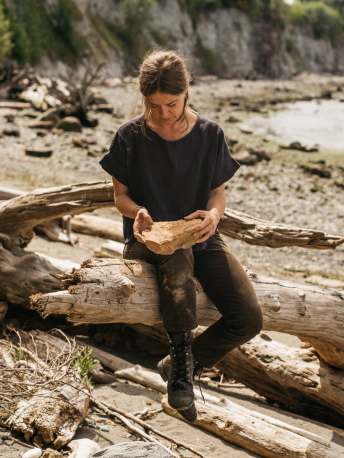
“This piece has a lot less iron in it and a lot more clay,” she says of a shard of rock discovered on the sand. “You can use it right away. It’s like a giant piece of sidewalk chalk.” Kyle Johnson

Heidi Gustafson has Whidbey Island’s Double Bluff Beach to herself. But she’s not sunbathing or scanning the waves for whales. Instead, she’s traveled to the northern end of Puget Sound in Washington to crouch, back to the ocean, foraging for ocher at the base of a cliff. Armed with a small magnet and a knife, she stoops low to assess the striations in the rock face, formed by glacial activity hundreds of thousands of years before.

Gustafson considers ocher to be any natural material primarily made up of iron (hence the magnet) that contains oxygen, a definition that she acknowledges is a bit “less strict” than ones used in various scientific communities. Seeking out the material has become, by happenstance, her life’s work.
ochre-hunter-slide-EQBY-superJumbo

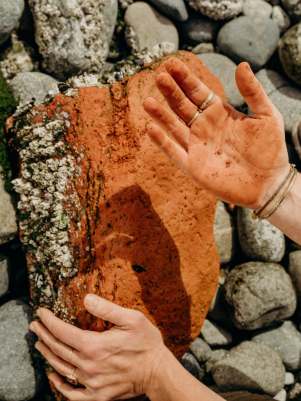
An especially low tide reveals a large piece of barnacle-clad red ocher that came from the nearby cliff. “It’s probably between 150,000 and 200,000 years old,” Gustafson says. She often contacts geologists if she needs help dating ocher from a particular site. Kyle Johnson

For years, she has been engaged in a wide-ranging, multidisciplinary exploration of the mineral: collecting samples all over the Pacific Northwest; grinding shards down into pigments she sells to artists through her website Early Futures; making her own art with ocher pigments; and, at her small cabin near the foothills of the Cascade Mountains, creating an extensive ocher archive to catalog samples she’s gathered along with submissions of the mineral sent in from all over the world. While there has recently been renewed interest in creating paints from natural pigments, Gustafson’s focus is on ocher alone — and it extends beyond the material’s artistic uses to its scientific, symbolic and spiritual properties.

ochre-hunter-slide-PNIO-superJumbo

Heidi Gustafson, who has spent the past five years collecting and working with ocher, walks along Whidbey Island’s Double Bluff Beach, off the coast of Washington, in search of the material. She came to scout this area, where she spent time as a child, after recalling its interesting cliff exposure. The beach is a scenic two-hour drive from her cabin near the foothills of the Cascade Mountains. Kyle Johnson

Her first encounter with the earthy compound began at a less scenic location than Double Bluff Beach: a Safeway parking lot in Oakland, Calif. Several years after earning a B.F.A. in sculpture at the Maryland Institute College of Art, Gustafson moved to the Bay Area to get a masters in philosophy, cosmology and consciousness at the California Institute of Integral Studies. After graduating in 2014, she wasn’t sure what to do. Continue reading

Inspirational Buttons

Patterson-TenderButtons-6…Tender Buttons has spent September boxing up its delirious abundance, and, when I stopped by recently, Safro told me, “We’re down to the nitty-gritty.” WQXR played as she sorted. “Each little thing needs to be considered,” she said. She found a stray shank button—a miniature wire clothes hanger—that properly belonged in a box labelled “homage to Calder, Picasso, & Matisse.” She wants to send the box to Alexander Calder’s daughter, whose daughter used to work here.

Per the store’s Web site, “Tender Buttons is temporarily closed.” (Emphasis added.) It is part of Safro’s process to say that the billion and one buttons are only temporarily going to a storage warehouse in Long Island City. The bulk of them, anyway. Safro, who is eighty-five, says that she keeps forgetting to return messages from major museums…

Buttons.jpegIn the 1980s, when Amie and I lived in New York, this was a place we knew. The cousin of a close friend was a manager of the shop, and we visited from time to time. The friend made the shadow box to the left, a gift on the occasion of announcing our wedding engagement.  All the three dimensional objects in it came from Tender Buttons. Reading this brief homage to Tender Buttons does not just conjure memories of the visits, and the occasion of receiving this shadow box, one of our personal treasures. It goes well beyond, helping me understand where some of our inspiration for Authentica comes from.
Craft, Creativity & Visual Pleasure

09tmag-orkneys-slide-A407-superJumbo.jpg

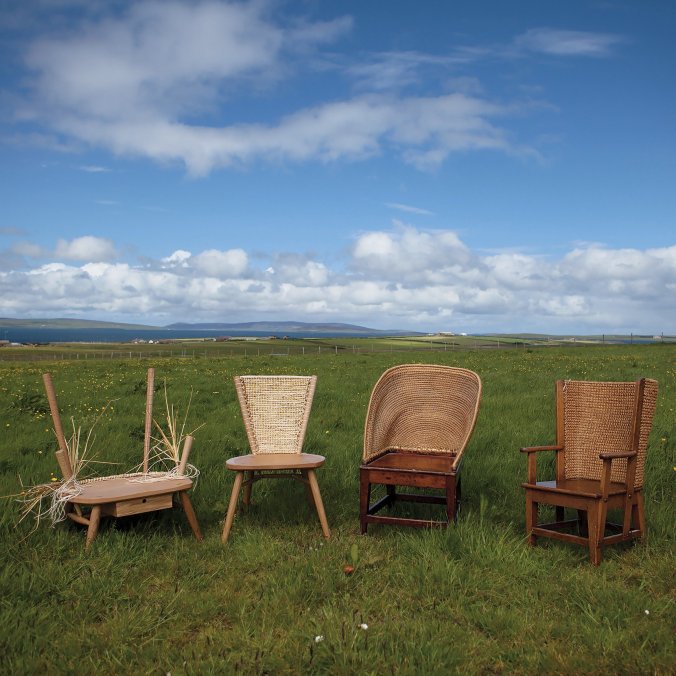
Iterations, from left, of the New Craftmen’s Brodgar chair (an unfinished lounge chair and a dining chair) next to traditional chairs on Mainland, Orkney. Sophie Gerrard

Deborah Needleman offers a short and sweet journey to a place, and with people, who I can relate to as we proceed to stock and open the Authentica shops in Costa Rica:

The Windswept Scottish Islands Producing Beautiful Artisanal Goods

One London gallery is determined to continue the tradition embraced for centuries by the Orkney chain.

09tmag-orkneys-slide-UOQV-superJumbo.jpg

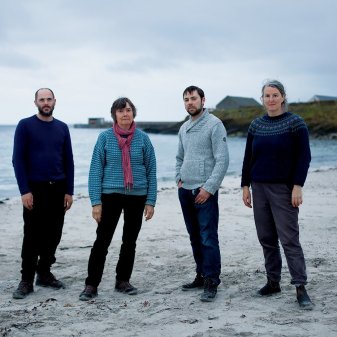
The New Craftsmen artists during their Orkney residency, Gareth Neal (far left), O’Sullivan (far right) and Butcher (second from left) with the local Orkney furniture maker Kevin Gauld (second from right). Sophie Gerrard

LAST MAY, THREE England-based craftspeople — the basket makers Mary Butcher and Annemarie O’Sullivan and the furniture maker and designer Gareth Neal — were sent by their London gallery, the New Craftsmen, for a weeklong residency in Orkney, a chain of about 70 small islands off the northern coast of Scotland. They explored Mainland, Orkney’s largest island, as well as North Ronaldsay, a three-and-a-half mile spit of land (population approximately 50) rich in farmland, marram grass, seaweed-eating sheep and Neolithic ruins. They also met with the Orcadian furniture maker Kevin Gauld and the sculptor Frances Pelly, both of whose work is deeply bound up with the islands’ history and landscape.

09tmag-orkneys-slide-JXXZ-jumbo.jpg

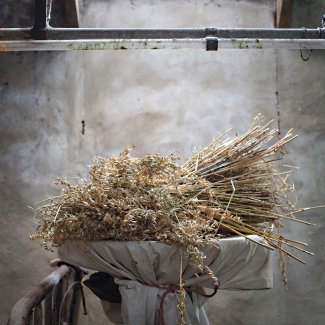
Gathered Orkney straw ready to be woven in Gauld’s workshop. Sophie Gerrard

The New Craftsmen’s co-founder and creative director, Catherine Lock — who travels across Britain in search of potters, textile designers and other artisans to highlight at her Mayfair showroom — has long been inspired by Orkney’s culture, and commissioned the first piece she sold at the gallery, a collaboration between Gauld and Neal, on the archipelago seven years ago. Since then, the pair’s beautifully austere straw Brodgar chair has been a consistent best seller, with more demand than Gauld can answer.

09tmag-orkneys-slide-WJT0-jumbo.jpgBefore craft was called craft, when it was just the stuff people made from what was around in order to get by, objects were indivisible from their provenance. And in a place as remote as the Orkney Islands, that connection is still strong — but the link to the outside marketplace less so. Lock invited these three makers to “see how they might channel the spirit of this place through objects.” The goal of the project is the creation of new work — both collaborations and individual pieces — that express the spirit and traditions of Orkney, exposing it to a larger global audience while preserving and reinvigorating the distinctive skills found there.

09tmag-orkneys-slide-LURZ-superJumbo.jpg

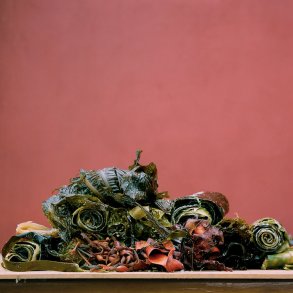
Local seaweed gathered and bundled by the basket weavers Annemarie O’Sullivan and Mary Butcher. Sophie Gerrard

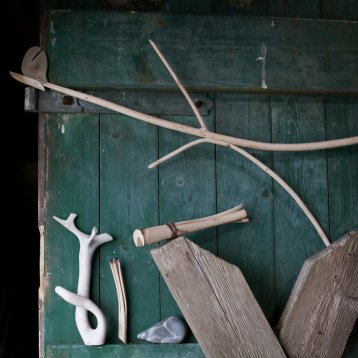
One can understand a place by what its people make. Because trees are scarce here, Orcadians historically had to rely on driftwood and shipwrecks for timber; you can still find stone houses with roofs made of upturned old boats. The islands are flush with heather, peat, seaweed and sandstone, but locals have a special relationship with straw, which they have long used for everything from roofing and bedding to shelving, rainwear and furniture. Continue reading

Tirana’s Time Warp Causes Creativity

06tmag-tirana-slide-Z2IZ-jumbo.jpg

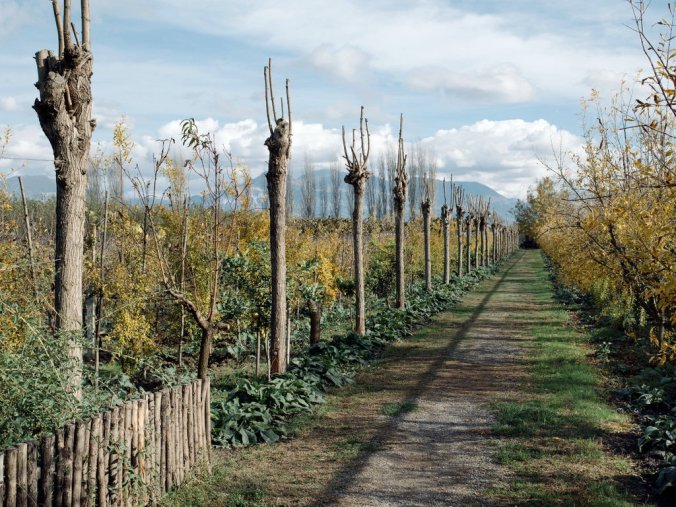
Rows of acacia trees and ceruja vines at Uka Farm, with a view of Dajti Mountain National Park in the distance. Federico Ciamei

Ten years ago I was in Tirana and if I squinted I might have seen this article coming. I was working on a project for the United Nations Development Programme, focused on the Prespa Lakes Basin, and the visits in Tirana were like a time warp. In a good way, as it is now more easy to see:

The City Poised to Become Europe’s Next Affordable Creative Haven

In the Albanian capital of Tirana, the country’s strange history and bright future collide.

Plaza Tirana

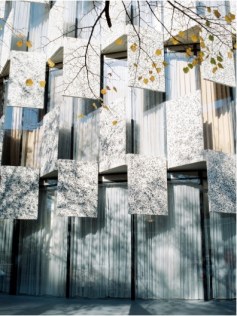
The paneled facade of the Plaza Tirana. Federico Ciamei

Over the past five years, Albania has been discovered by travelers as that rare thing: a largely unexplored corner of Europe (one with some 265 miles of coastline). The small Balkan country sits just across the Adriatic and Ionian seas from Italy’s heel and a mere 45-minute ferry ride away from the Greek island of Corfu. It’s recently gotten its first high-end waterside resorts, and as the beach town of Sarande and the seaside city of Vlore have become more comfortable, so too has Tirana — the country’s capital, about 22 miles inland with a population of over half a million — grown more cosmopolitan, with new restaurants, shops and galleries joining the almost surrealist pastiche of testaments to the city’s past. For a good example of the way eras collide in Tirana, just visit Skanderbeg Square, recently renovated with new fountains and rosy granite paving, and home to an 18th-century mosque and minaret, a domed Albanian Orthodox church opened in 2012, a set of government buildings that echo the fascist architecture of Mussolini’s Italy and a Brutalist monolith that houses the National Historical Museum.

Stair Tirana.jpg

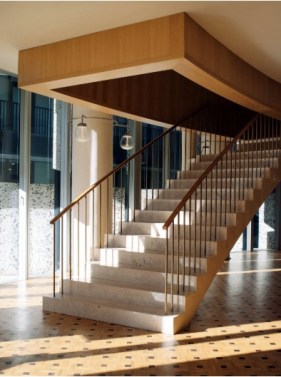
A sun-dappled staircase at the Plaza Tirana leads to the hotel’s breakfast room. Federico Ciamei

Initially settled by Illyrian and Greek tribes during ancient times, Albania spent over four centuries as part of the Ottoman Empire. After 1912, it became a fascist-leaning monarchy, and then, in the wake of World War II, a Communist state ruled by the infamous dictator Enver Hoxha. In 1991, a full year behind many of its Eastern Bloc neighbors, the country saw its first democratic elections, as well as murmurings of a cultural awakening. Tirana may not have a robust avant-garde scene, but it does have a gritty, iconoclastic edge — the Pyramid, a large monument to Hoxha in the center of town, is now popular with skateboarders — and a joie de vivre that’s enticed many former expats. “There’s so much potential,” says Flori Uka, a local winemaker who trained in northeastern Italy and now specializes in vintages made from organic Kallmet grapes grown just outside the city. “We were isolated for so long, but today it’s possible for creative people to do what they love. The place has become very receptive to the new.” Continue reading

Authentica & Organikos & Responsible Coffee Consumption

This last week we have been busy opening two Authentica shops (at long last). Both shops sell Organikos coffee. So today, another day on the run, I will suggest a very brief reminder on how and why the way you consume coffee matters. Lots more to say on that, and we will, but this is about as succinct a summary as you will find.

Glass Fruit

image1.jpg

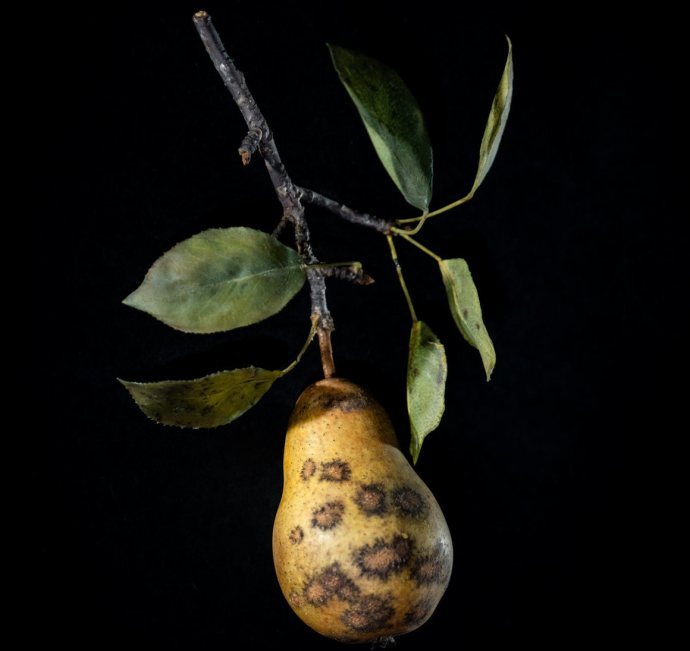
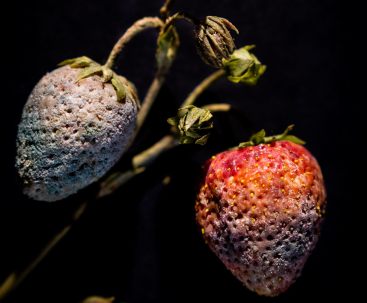
A glass pear, Pyrus communis, afflicted with pear scab, caused by the fungus Venturia pirina. JENNIFER BERGLUND © 2019 PRESIDENT AND FELLOWS OF HARVARD COLLEGE

Thanks to Jessica Leigh Hester at Atlas Obscura for this:

image3.jpg

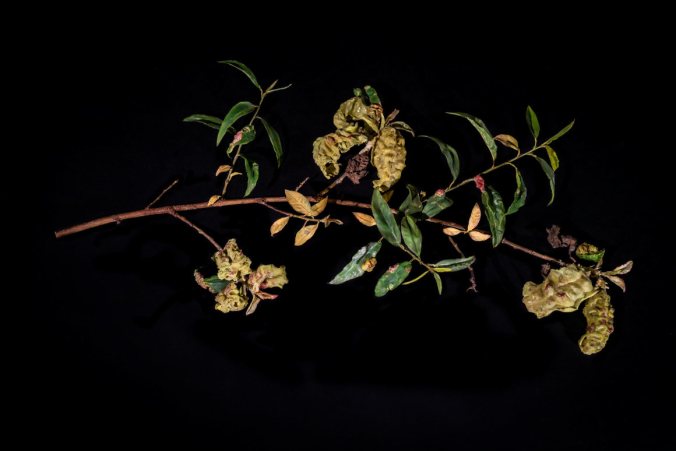
A glass branch of a peach tree, Prunus persica, having a rough go of it. JENNIFER BERGLUND © 2019 PRESIDENT AND FELLOWS OF HARVARD COLLEGE

Feast Your Eyes on These Delicate Glass Models of Decaying Fruit

Blighted, century-old produce goes back on display for the first time in decades.

Fruits in Decay Strawberry

Glass strawberries, or Fragaria, gone white with imitation Penicillium. JENNIFER BERGLUND © 2019 PRESIDENT AND FELLOWS OF HARVARD COLLEGE

THERE’S SOMETHING A BIT BRAIN-SCRAMBLING about this particular buffet of fruit. If you’ve ever let something languish on the counter or in the fridge a little too long, the white fuzz blanketing the shriveling strawberries or the spots of rot on the surface of a pear might look fairly familiar. But there’s something else that doesn’t feel quite right.

“You almost expect to be able to smell it,” says Scott Fulton, a conservator at the Harvard Museum of Natural History. “We all know what a rotten apple smells like.” But the fruit Fulton has been working on doesn’t smell at all: It’s made of glass. Beginning August 31, 2019, it will all be behind glass, too, back on temporary exhibit at the museum after nearly two decades in storage. Continue reading

Greening Our Daily Bread

139-c-de-kas.jpg

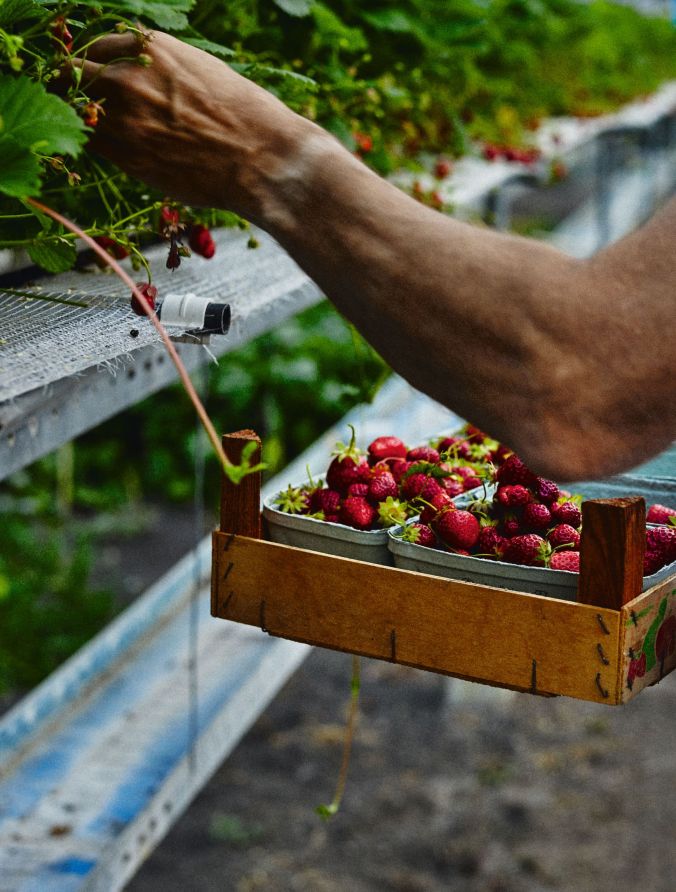
Strawberry picking at Restaurant de Kas, from The Garden Chef

Thanks to Phaidon for ideas, presented in snappy cookbooks, about how to green our diet:

9780714873909-620Many of us know that favouring plants and fruits over burgers and fillets is often a wise idea. Still, it’s nice to have your suspicions confirmed. This week’s UN Intergovernmental Panel on Climate Change shows that balanced diets, featuring plant-based foods can both improve human health, and help the land around us, staving off some of the effects of climate change.

So, where does a would-be vegan, vegetarian or meat reducer (the report does allow for ‘animal-sourced food produced in resilient, sustainable and low-green-house-gas emission systems’) start? With our books, of course!

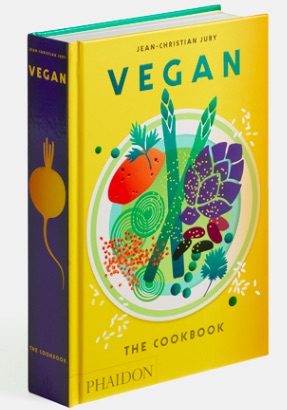
VeganbookThe Vegan Cookbook Author Jean-Christian Jury might be a reformed meat eater, but he doesn’t want to take the fun out of dining. “For years, my goal was to surprise non-vegans with delicious vegan recipes, to show that meat wasn’t necessary for a delicious and satisfying meal,” he says. His raw nori and vegetable rolls might look like a indulgent, Japanese-style treat, but they actually pack in plenty of sunflower seeds, avocados, and cauliflower florets. It takes about 40 minutes to make, and you don’t even have to use a cooker.

9780714878225-ph620The Garden Chef Our book on famous chefs, restaurants and their accompanying gardens features plenty of highly sustainable operation. Yet even here, Restaurant de Kas in Amesterdam, stands out. “Set in a series of greenhouses that date back to 1926 and which belong to the Amsterdam Municipal Nursery, the restaurant relies on produce from greenhouses and gardens, where it harvests vegetables, herbs, and flowers,” explains our book. “Founder, Gert Jan Hageman, is also the head gardener.”  His barbecued eggplant, with peanut vinaigrette, green curry and herbs, is a wonderful way to bring together late-summer vegetables. Want to try it? The recipe is reproduced in our book…

Read the whole story here.

If You Happen To Be In Or Going To Cornwall

A great writer can get you to consider doing something you normally would not consider doing:

Mendelson-HeliganGarden.jpg

After nine Heligan men died in the First World War, the grounds of the estate, in southwestern England, grew unkempt, then neglected, then were abandoned. Illustration by Daniel Salmieri

I don’t understand the point of garden visits. Why do ordinary people, the owners of mere balconies and tiny yards, torment themselves by touring other people’s grand estates? Nut trees, stables, ancestral compost heaps: I need no reminder of what I am missing. So, unlike virtually every other gardener in Britain, I had no intention of spending my summer wandering among aristocratic roses and marvelling at the fine tilth of Lord Whatsit’s sandy carrot beds. All those rambling sweet peas make me furious; yes, Tristram, it is a handsome cardoon bed, but some of us are struggling to find space for a single extra lettuce. And then, wholly by accident, I found myself in the Lost Gardens of Heligan…

And suddenly you cannot resist virtually doing that thing:

And the rabbit hole in this case gets you thinking about Cornwall:

Opening Hours and Prices

The Lost Gardens are open every day*, all year round, for your enjoyment and exploration.

*except Christmas Day.

We’re one of the most unique and fascinating places to visit in Cornwall, with an incredible 200 acres of gardens and estate awaiting your exploration. We therefore recommend that you allow as much time as you can, to see as much as possible; ideally a whole day. However, please don’t expect to see everything in the one visit!

If you would like to plan your route before you visit, click here to download our map or a German map can be found here.

Sometimes, restoration work, events or adverse weather conditions may restrict access and opening times. In these events we will keep you up to date with details of any restrictions via our News page.

Garden Admission Single Visit Charges
Adults £15.00
Students £9.00
Children (5 – 17) £7.00
Children (Under 5) Free
Family (2 adults & up to 3 children) £40
Companions who are required to assist disabled visitors Free