Fungi, Bees & Future

30stamets-hope-jumbo.jpg

Lilli Carré

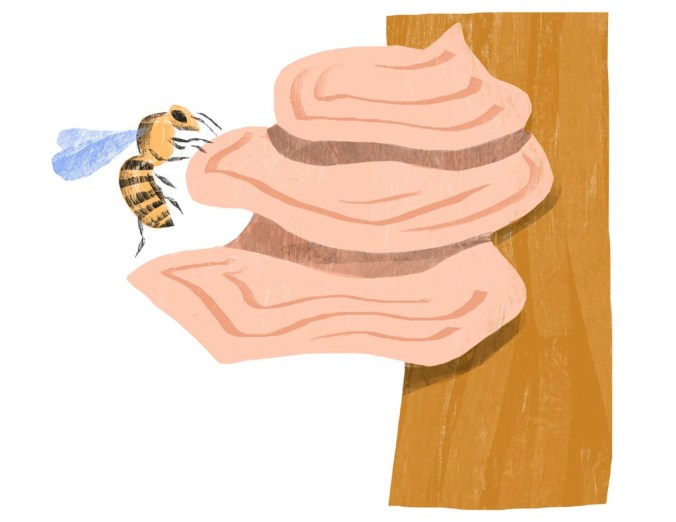
Fungi first appeared in our pages thanks to Milo. And the name of the essayist below was mentioned a couple times earlier as well. He deserves more attention, especially if his attention is focused on bees:

Will Mushrooms Be Magic for Threatened Bees?

We might be able to save honeybees from viruses transmitted by invasive parasites without chemical treatment.

By Paul Stamets

Mr. Stamets is a mycologist.

Sometime in the 1980s, microscopic mites that had been afflicting honeybees outside the United States found their way to Florida and Wisconsin and began wreaking havoc across the country. These parasites have invaded and decimated wild and domestic bee colonies. Along with other dangers facing bees, like pesticides and the loss of forage lands, the viruses these mites carry threaten the bees we rely on to pollinate many of the fruits, nuts and vegetables we eat. Continue reading

Outfitting For Wild Animals


Wolf.jpg

Teach a Wolf to Fish. By University Of Minnesota, Voyageurs National Park And Voyageurs Wolf Project. Nighttime footage of a wolf hunting freshwater fish in a river in Minnesota’s Voyageurs National Park. Dec. 14, 2018

I got to know Natural Habitat Adventures while our company was operating Chan Chich Lodge in Belize. I was impressed with their guides, and with the photographic and video skills of the guests who they brought to the lodge. And all of them were deeply concerned about conservation. But I never saw anything quite like the video above. When you have nine minutes to spare, it is as satisfying as any nature footage as I have seen in a long time.  I thank Jim Robbins again for this article, whose focal video about wolves fishing (to the left above) is definitely worth watching:

Watch This Wolf Go Fishing

Yes, researchers in Minnesota have recorded wolves diving into a stream to grab a meal.

Wolves are thought of as red-meat eaters, but a team of biologists in northern Minnesota, near Voyageurs National Park, has documented a pack that often enjoys a meal of fish. Continue reading

Taking Stock Of Animal Futures


Our cohabitation with animals on this planet is imperiled. There is no choice but to keep track of these things as best we can with art, with essays, with whatever it takes. Thanks to Rachel Riederer (again) for adding her words and links to images and videos on this topic:

The Not-So-Uplifting Year in the Animal Kingdom

During a year that saw the stripping away of environmental protections, the most resonant stories served as sombre warnings rather than warm-fuzzy generators.

Racoon.jpg

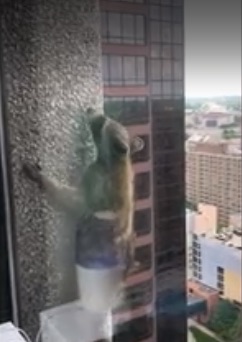
The skyscraper-climbing raccoon made it to the top of UBS tower in St Paul, Minnesota, where officials were waiting for it.

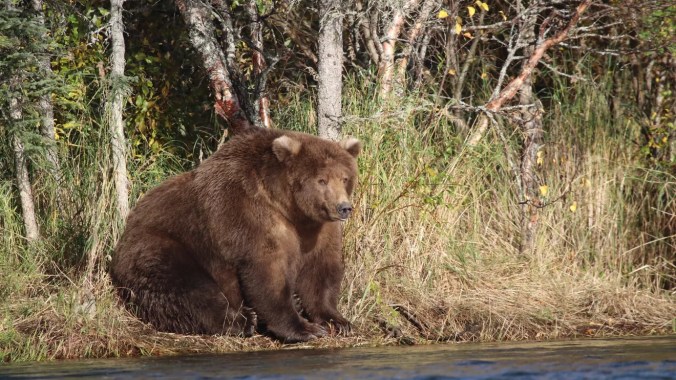
I can’t count the number of animal stories that appeared in my timelines this year with comments like, “Everything is garbage, so here’s this.” There was the cat who was reunited with her family after the Camp Fire, in California, and the parrot who was adopted after getting kicked out of an animal shelter for swearing too saltily. Among the bears preparing for hibernation at Katmai National Park, a female named Beadnose became famous for being the most gloriously round. There was the baby raccoon who scaled a skyscraper in St. Paul, “Mission Impossible” style, stopping occasionally for naps in window ledges along the way. (It was trapped, released, and promptly made the subject of a children’s book.) Stories from the animal world offer reliable moments of escapism—the ones we see in viral videos are usually cute, or tame, or strange and majestic, and glimpsed from a safe distance. But the animal stories that resonated most with me this year were the ones that hinted at a more ominous trend: that we humans are encroaching on nature in ways both glaring and subtle, putting the human and animal worlds into ever more intimate, and ever more fraught, contact.

44382577324_a5fb622fab_o.0

Katmai National Park’s bear 409 (aka “Beadnose”) won the 2018 competition for fattest bear. According to the park, when “she is not raising cubs, this bear is usually one of the fattest females.” NPS Photo/A. Ramos

The most influential animal of the year might be the unfortunate sea turtle who got a straw stuck—really, deeply, seriously stuck—up his nose. In an uncomfortable ten-minute video posted to YouTube, a marine biologist slowly extracts the straw, which is brown and crumpled and disgusting. The turtle’s nose bleeds, and throughout the ordeal, it opens its mouth as if to bite the biologist’s hand—or howl in pain. The video, filmed in 2015, in Costa Rica, became part of this year’s debate over plastic straws and was used by proponents of straw bans to show how such a small object, used and disposed of without a thought, can cause substantial suffering down the line.

BBPqucq

© Twitter Screengrab from the viral video

baby bear became an overnight Internet star when it was captured in a video that looked, at first, like a sweet inspirational tale. In aerial drone footage, the cub was shown repeatedly slipping down the side of a snowy ledge and trying mightily to make its way to the top, where its mother waited. Ultimately, the cub prevailed, and the video was embraced on social media as a tribute to the power of perseverance. But then drone operators and ecologists began weighing in: the drone that took the video had likely alarmed the bears; you can see the mother bear swatting the air as the drone flies closer. The machine’s operator, in chasing the bears for footage, had potentially driven them into a dangerous situation. Suddenly, the viral cub was transformed from a feel-good fable into a cautionary tale about how humans can imperil animals just by trying to get a good look at them. Continue reading

A Blue Carbon Sink In Australia’s Midst

gettyimages-454427891_custom-36d471720410cb6431d89e0c31878279437006c1-s1400-c85

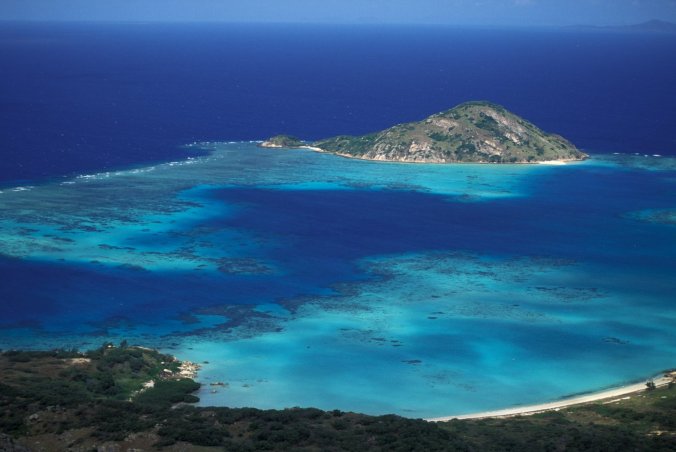
Researchers studied the carbon storage of deep-water seagrasses living at Lizard Island, Australia. Education Images/UIG via Getty Images

Thanks to National Public Radio for this:

Amid a sea of dire climate change news, researchers say they’ve found a rare bright spot.

A meadow of seagrass among Australia’s Great Barrier Reef — estimated to be twice the size of New Jersey — is soaking up and storing carbon that would otherwise contribute to global warming.

Scientists call this carbon-removal powerhouse a “blue carbon sink.” The term refers to an ocean or coastal ecosystem — including seagrasses, salt marshes and mangrove forests — that captures carbon compounds from the atmosphere, effectively removing carbon dioxide, a known greenhouse gas that contributes to climate change. Continue reading

New Species Discovered, A Swamp Creature Worthy Of Cinematic Stardom

18SCI-SALAMANDER2-jumbo-v2.jpg

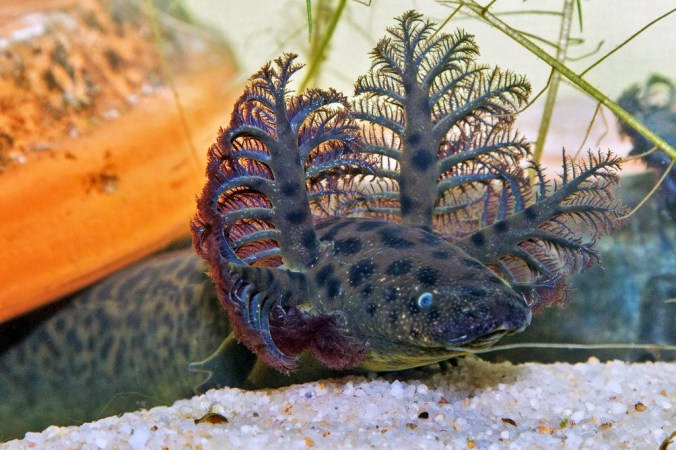
The reticulated siren is so mysterious to researchers that they didn’t even know how they reproduced until 2013. Like fish and unlike other salamanders, they fertilize eggs externally. Credit Pierson Hill

It has been a while since we saw news of a species discovery, and this is no small matter, so thanks to Asher Elbein for this:

A Salamander of Legend Emerges From Southern Swamps

The reticulated siren is the largest vertebrate discovered in the United States in decades.

18SCI-SALAMANDER1-jumbo-v2

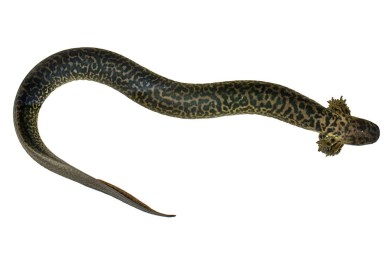
The newest named salamander in the animal kingdom: the reticulated siren. Credit David Steen

It’s eel-shaped and leopard-spotted, and it has no hind-limbs. It grows to two feet long. And yet until recently, hardly anyone had ever seen it.

A team of researchers has discovered of new species of salamander in the pine forests of northern Florida and southern Alabama. The so-called reticulated siren is the largest vertebrate found in the United States in decades, and the first new member of its family since 1944.

“It’s a really cool animal,” said David Steen, a conservation biologist at the Georgia Sea Turtle Center and an author of a genetic analysis of the salamander published in PLOS One. The salamander’s distinctive patterning “jumps out immediately,” he said.

Known for their size and bushy gills, sirens are a fixture in Southeastern swamps and watery ditches. Previously, Dr. Steen said, the genus was assumed to contain only two species: the lesser siren and greater siren, which can grow to three feet in length, one of the longest American salamanders. Continue reading

Climate Change’s Impact On Everyday Life

Lobster

Illustration: Joey Yu/Joey Yu for Guardian US

When more people feel their livelihoods affected by climate change, then we might expect politicians to pay the price for inaction. Josh Wood, writing for the Guardian from Stonington, Maine has this evidence:

‘We live in a lobstocracy’: Maine town is feeling the effects of climate change

When lobsters are life, environmental change affects livelihoods, and warming waters will ultimately bust the lobster industry

3000 (4)The American lobster is a symbol of Maine, central to the state’s ethos and economy.

Its image appears on license plates, restaurant signs and clothing. It is sold alive, with its claws banded shut, on docks, at highway rest stops and supermarkets. Cooked, it is served everywhere from seaside shacks to the finest restaurants.

Lobster attracts tourists, feeds locals and is a lifeblood for coastal towns.

Its importance has even swelled in recent years as lobsters have been caught in record numbers. Lobster landings – or the amount of lobster caught – have risen fivefold in the past three decades. Lobster has become a half-billion-dollar industry in Maine. And the reason for the boom, according to scientists, is climate change. Continue reading

Graphics For A Better World

09meanwhile-image1-superJumbo.jpg

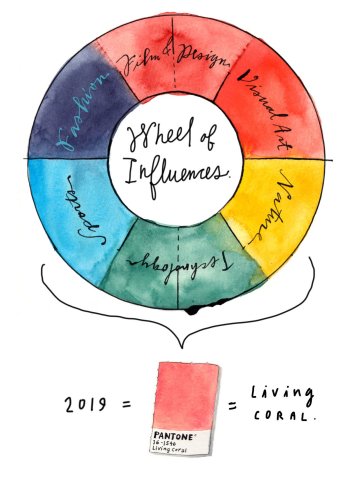
09meanwhile-image7-superJumbo.jpgClick the image above or to the left to go to the graphic narrative published in the New York Times by Wendy McNaughton, whose website is a treasure chest of visual wit and explanatory power.

I have heard of Pantone before, and probably even their Color of the Year tradition. But until seeing this I never cared enough to understand the meaning behind it.

Now I care. I will not explain why, instead suggesting you take three minutes to see how you respond.

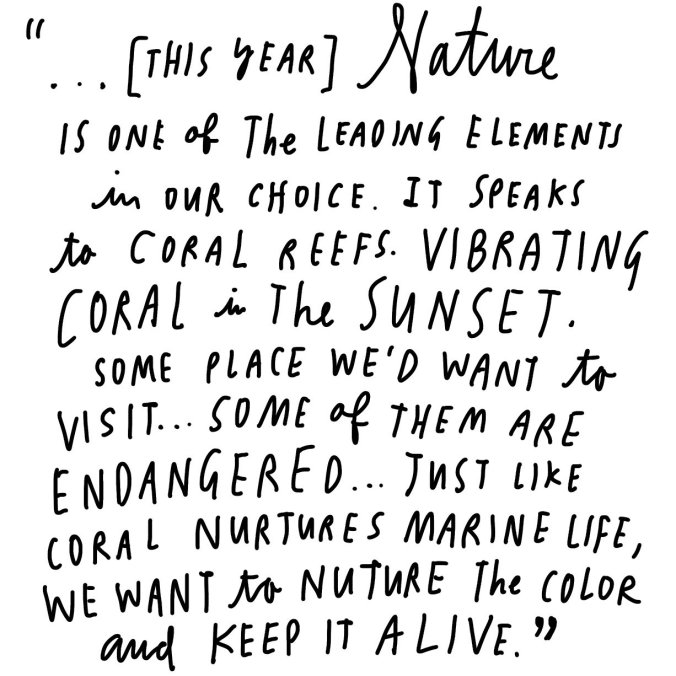
Or maybe I will just hint that for me it has something to do with this panel, not just the words but how they appear on the page, and the communication of how corporate communications can sometimes be tone deaf if not color blind:

09meanwhile-image8-superJumbo.jpg

Spare, Share, Protect

CoffeePlantation_Indonesia_CIFOR_web.jpg

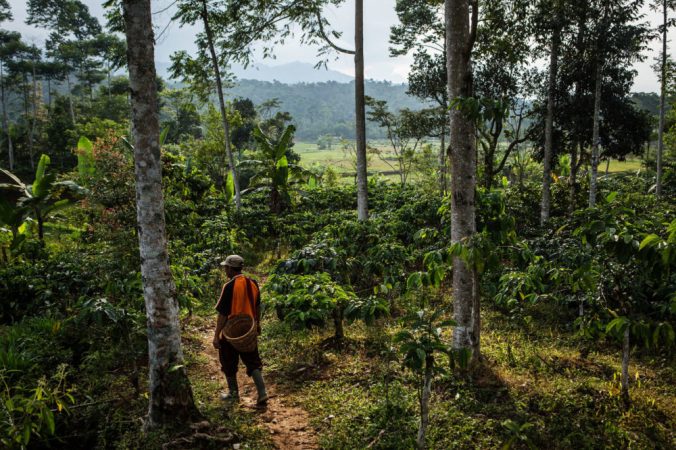
A farmer walks through his coffee plantation, which is integrated into the forest, in Lampung province, Indonesia. ULET IFANSASTI/CIFOR

Our work has required occasional philosophical reflection to get our bearings on the choices we have made on how to approach conservation. Share approaches such as the duck farming mentioned here, or the coffee farming mentioned here are equally as common as the spare approaches in our practice. I had not encountered these two terms until now, so thanks to Fred Pearce for this expansion of my vocabulary:

Sparing vs Sharing: The Great Debate Over How to Protect Nature

What is the best way to save nature – to cordon off areas for parks and open space or to integrate conservation measures on working lands? Recent research makes a case for each of these approaches and has reignited a long-standing debate among scientists and conservationists.

Vietnam_agriculture_CIFOR_web.jpg

A farming village surrounded by undeveloped forests in the province of Quang Ninh, Vietnam. TERRY SUNDERLAND/CIFOR

It is one of the biggest questions in conservation: Should we be sharing our landscapes with nature by reviving small woodlands and adopting small-scale eco-friendly farming? Or should we instead be sparing large tracts of land for nature’s exclusive use – by creating more national parks and industrializing agriculture on existing farmland?

Wildebeest_Migration_in_Serengeti_National_Park_Tanzania_web.jpg

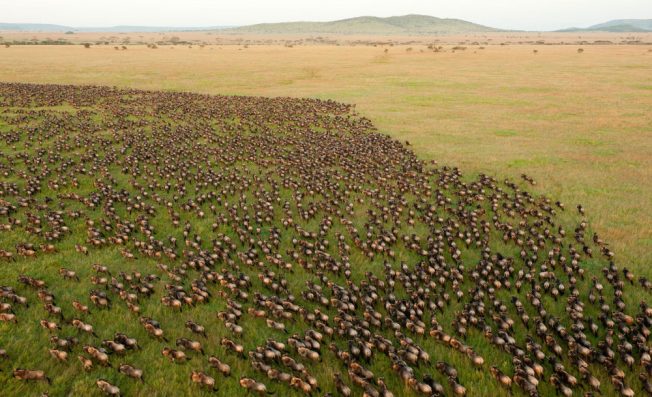
More than 1.5 million wildebeest migrate annually across Tanzania’s Serengeti National Park, which covers 5,700 square miles. DANIEL ROSENGREN / WIKIMEDIA

The argument between “sparing” and “sharing” as a conservation tool has been raging since researchers first coined the terms more than a decade ago. Arguably it began almost half a century before when Norman Borlaug, the father of the Green Revolution of high-yielding crop varieties, declared that “by producing more food per unit of cultivated area, more land would be available for other uses, including recreation and wildlife.”

LRivera_SparingSharing-print_web.jpg

LUISA RIVERA FOR YALE E360

E.O. Wilson’s 2016 book Half-Earth upped the ante by calling for us to extend protected areas from the current 15 percent of the earth’s land surface to 50 percent. Research studies and critiques have flourished on both sides. Continue reading

The Little Creatures We Cannot Live Without

02mag-insects-image1-superJumbo-v3.jpg

Photo illustrations by Matt Dorfman. Source photographs: Bridgeman Images.

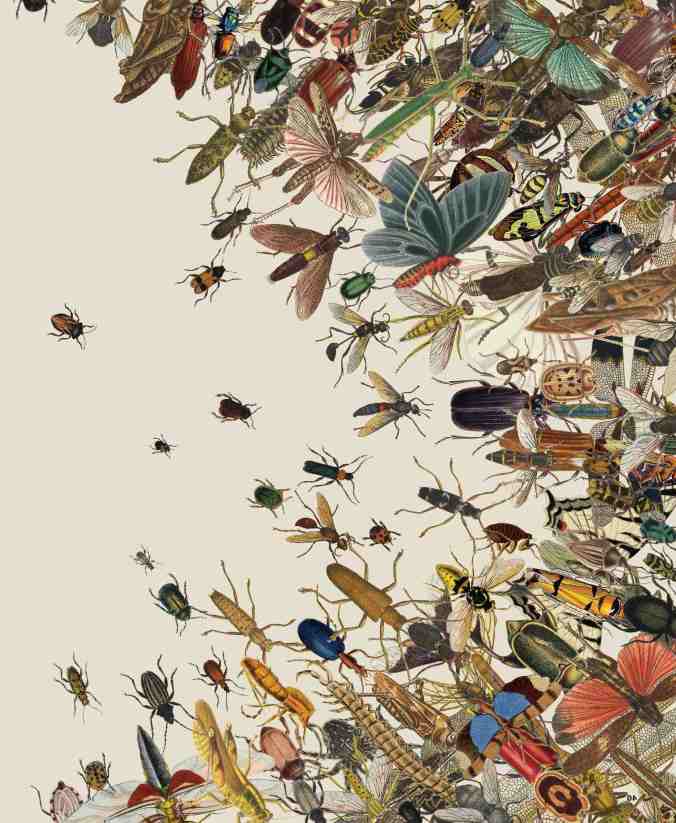
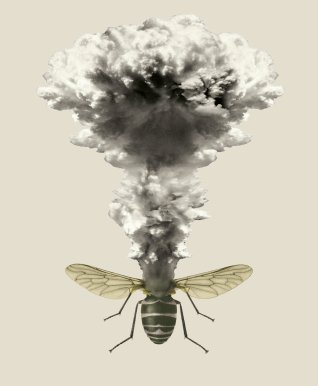
Brooke Jarvis has written a longform feature article with the word apocalypse in the title, which may make you wince and turn away. As might the word insect, even if you find the illustration above mesmerizing as I do. And reading to the end is an investment in time. But do not turn away just because the illustration below is alarming. It is another alarming topic we are responsible for taking account of.

02mag-insects-image2-superJumbo-v5.jpgSune Boye Riis was on a bike ride with his youngest son, enjoying the sun slanting over the fields and woodlands near their home north of Copenhagen, when it suddenly occurred to him that something about the experience was amiss. Specifically, something was missing.

It was summer. He was out in the country, moving fast. But strangely, he wasn’t eating any bugs.

For a moment, Riis was transported to his childhood on the Danish island of Lolland, in the Baltic Sea. Back then, summer bike rides meant closing his mouth to cruise through thick clouds of insects, but inevitably he swallowed some anyway. When his parents took him driving, he remembered, the car’s windshield was frequently so smeared with insect carcasses that you almost couldn’t see through it. But all that seemed distant now. He couldn’t recall the last time he needed to wash bugs from his windshield; he even wondered, vaguely, whether car manufacturers had invented some fancy new coating to keep off insects. But this absence, he now realized with some alarm, seemed to be all around him. Where had all those insects gone? And when? And why hadn’t he noticed? Continue reading

Herbaria, Preservation & Science

062617_Herbarium_039.jpg

Charles Davis, director of the Harvard University Herbaria, looks at specimens collected by Henry David Thoreau. Davis was a co-editor of a special issue of Philosophical Transactions B, which advocates for the continued preservation of biological collections. Jon Chase/Harvard file photo

Collecting plant specimens and pressing them for further inspection is a pastime many of us have tried at least once in our lives. It was fun while it lasted. And some beautiful mementos may have survived to tell the tale. The opportunity to look at and learn from plant specimens collected by Henry David Thoreau? Priceless. Thanks to Peter Reuell, a writer and publicist at Harvard University, for this:

Critical collections

Importance of biological samples and their preservation goes beyond the obvious

062617_Herbarium_009.jpg

The Harvard University Herbaria holds a specimen of trillium collected by Henry David Thoreau. Jon Chase/Havard file photo

More than a century ago, when botanists and naturalists were in the field collecting plant and animal specimens, they couldn’t have imagined that scientists would one day be able to extract DNA from samples to understand how plants and animals are related to one another.

They couldn’t have imagined that their collections could one day shed light on the effects of global climate change, or the emergence and spread of pathogens, the spread of fungal-driven amphibian extinction, or the effectiveness of policies aimed at reducing pollution in the U.S. Continue reading

Animals In A New Light

023-greenberg.jpg

Jill Greenberg, Glare, Glare, 2005, Ultrachrome ink on hot press paper, 106.7 x 127 cm / 42 x 50 in, Private collection.

9780714876818-780-1.jpgIt has been a long year since our last links to Phaidon. Following yesterday’s essay this seems an appropriate moment to renew our attention to beautiful books, this one about animals (click the image of the book to go to the source).

Don’t look too closely at this Diana Monkey – you might unnerve yourself. Captured by photographer Jill Greenberg and appearing in our book Animal: Exploring the Zoological World, with its defiant yet nervous hazel-eyed gaze, today’s Astonishing Animal stirs an uncanny sense of self in the viewer.

Greenberg’s hyperrealist style – the monkey’s white and grey fur is lit so that each single strand appears in high definition – captures incredibly emotive images of animals showing emotions and involved in gestures previously thought to be the reserve solely of humans. This portrait is one of seventy-five Greenberg has published covering thirty different primates, including species such as apes, chimpanzees, macaques, mandrils and marmosets.

The Case For Being Unreasonable

merlin_146824716_5b9a3ecd-f45b-4b34-be0f-db4aecb19a14-jumbo.jpg

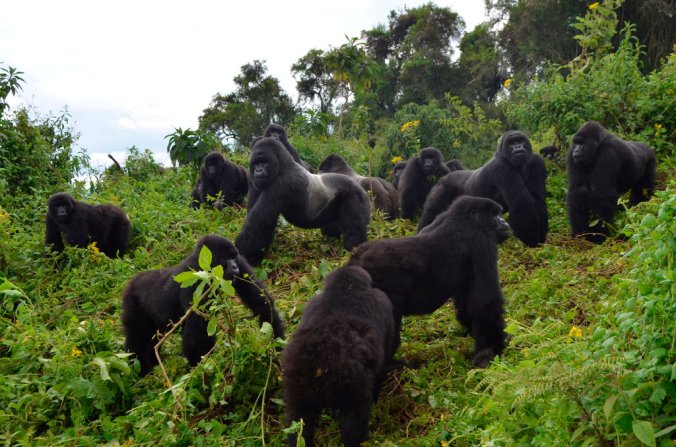
There are only about 1,000 mountain gorillas, but their numbers have risen from a low of just a few hundred. Credit Dian Fossey Gorilla Fund, via Associated Press

Thanks to James Gorman for this brief masterpiece:

Is There Hope for These Great Apes?

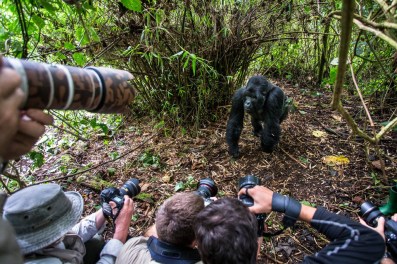
Mountain gorillas are faring better — perhaps because some humans just won’t listen to reason.

merlin_146945076_9f6d18ed-63df-4aec-b47a-ca915be5e8df-jumbo.jpg

Ecotourism is largely responsible for the resources to protect the mountain gorilla. Credit Christophe Courteau/NPL, via Minden Pictures

Last Thursday there was a bit of good news relating to the impending extinction and destruction of everything.

The mountain gorilla, a subspecies of the Eastern gorilla, was upgraded from critically endangered to endangered. There still are only about 1,000 of them, up from a low point of a few hundred, so it’s not like they were declared vulnerable (better than endangered), or just fine (not a real category). And the Eastern gorilla as a species overall is still critically endangered.

merlin_146945079_cd496a6f-8009-4792-925c-5da10f85160f-superJumbo.jpg

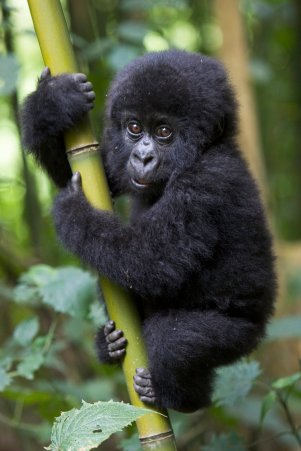
A 10-month-old mountain gorilla in Volcanoes National Park in Rwanda.Credit Credit Suzi Eszterhas/Minden Pictures

But the mountain gorillas are in fact doing better, according to the announcement from the International Union for Conservation of Nature and Natural Resources. It bases its decisions on information gathered from scientists and conservation experts.

The gorillas’ population has been increasing for about 30 years. And it has taken a tremendous amount of struggle and work to get this far.

That raises a question: If things have improved so much for an animal in such a dire situation as the mountain gorilla, should we then give in to hope?

I know this isn’t the accepted way of speaking about the planet and its creatures. In public discourse, hope is the one thing you should never give up. But in our minds (well, in my mind, anyway, and I can’t be the only one), the reasoning behind that often expressed sentiment is not so clear. Continue reading

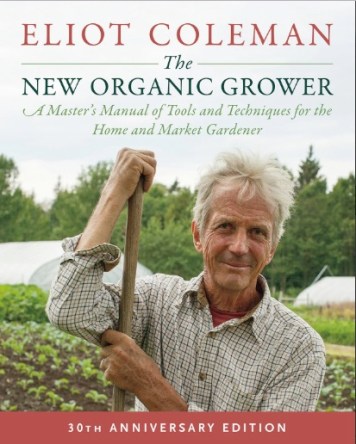
Eliot Coleman’s New Organic Grower At 30

UrbFarm.jpgI have been linking to stories about urban farming more frequently, and it has been an interest since Milo first posted this during our second year living in India. A resource I have for staying attuned is the Urban Farm podcast. The most recent episode is about one of the pioneers of organic farming, and depending on your interests may be worth a listen. The images in the video above will help you decide whether listening to the podcast is a good investment of time. Click the image of the book, which he talks about in this episode, to go to the publisher’s description and click the banner immediately below to go to the farm’s website:

OrgGrowF.jpg

OrgGrow

Eliot has over fifty years’ experience in all aspects of organic farming, including field vegetables, greenhouse vegetables, rotational grazing of cattle and sheep, and range poultry. He is the author of The New Organic GrowerFour-Season Harvest,The Winter Harvest Handbook and an instructional workshop DVD called Year-Round Vegetable Production with Eliot Coleman – all published through our friends at Chelsea Green.

Eliot and his wife, Barbara Damrosch, operate a commercial year-round market garden and run horticultural research projects at their farm called Four Season Farm in Harborside, Maine.

In This Podcast:

In 1988, Eliot Coleman literally wrote the book on being an organic grower and has been an invaluable resource for organic gardeners and farmers for three decades. He only started growing food because it sounded like an adventure; and he learned how through books and making friends with farmers around the world. We learn who inspired and taught him, how he uses livestock on his farm, how he virtually moved his farm 500 miles to the south for the winter, and more. Continue reading

Defending Megafauna

Canby-Elephant-Path-Njaia-Njoku.jpg

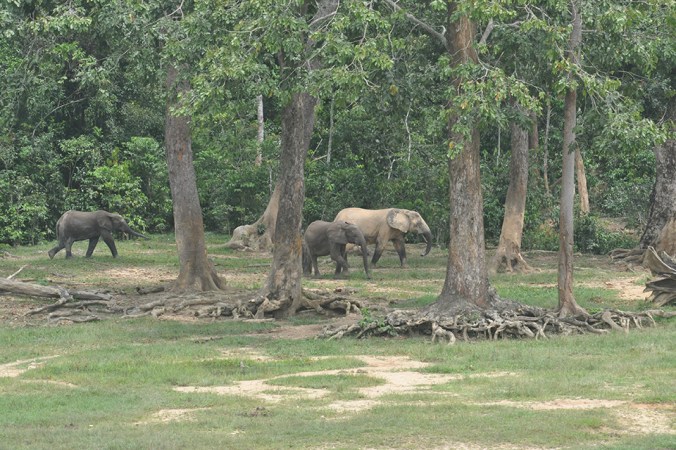
Perhaps as few as eighty thousand African forest elephants remain, and a new documentary explores the megafauna’s threats and defenders.Photograph Courtesy Elephant Path / Njaia Njoku

When we moved to Kerala in 2010 one of our motivations was that among the properties we would take responsibility for one was within a vast protected forest area in southern India. It was/is one of the great remaining habitats of elephants and tigers among other mammals, not to mention birds and all kinds of other life. Which is to say the ecosystem is intact enough to support apex predators and their megafauna prey, and everything around them and below them in the food chain. Which makes their viability as species possible. We networked as much as possible with scientists whose initiatives seemed relevant to our own.  Todd McGrain somehow escaped our attention until now, even though his work at the Lab of Ornithology should have caught it the way other artists’ did. Thanks to Peter Canby for pointing us here, and we have taken the liberty of inserting some of Tom’s other photos within the text below, which you can click on to go to one of his websites to learn more:

EP_0277.jpg

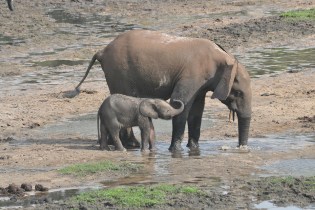
EP_0419.jpgIn Africa, there are two kinds of elephants: savanna and forest elephants. The species diverged somewhere between two and six million years ago, with the better-known savanna elephants spreading over the plains and open woodlands of Eastern, Southern, and Western Africa while forest elephants stayed behind in the dense forests at the center of the continent. Although the two occasionally hybridize, they are widely viewed as separate species. Forest elephants are smaller, with smaller and straighter tusks. The size of their tusks, however, has not protected them from rampant poaching, because the tusks have a distinctive hue, sometimes known as “pink ivory,” that has made them particularly valuable.
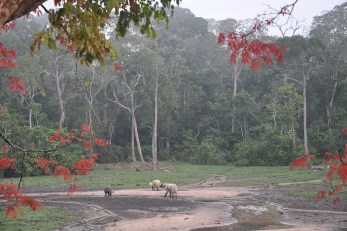
EP_0634.jpgSomething about the nobility of forest elephants regularly raises concern for their extinction. The tropical forests of the Congo Basin, once considered impenetrable, are now yielding to logging roads, mines, and even palm-oil plantations. In 2013, a widely respected study by Fiona Maisels, of the Wildlife Conservation Society, found that, between 2002 and 2011, the population of forest elephants had declined by sixty-two per cent. Perhaps as few as eighty thousand remain. The story of these declining numbers is also a story of habitat destruction. Where forest elephants exist in an undisturbed state, they build networks of trails through the deep forest. These trails connect mineral deposits, fruit groves, and other essentials of forest-elephant life. In Central Africa, there are dozens of fruit trees whose seeds are too large to pass through the guts of any other animal and for which forest elephants have evolved as the sole dispersers. These trees line the forest-elephant paths. Where elephant populations are disturbed, the paths disappear.
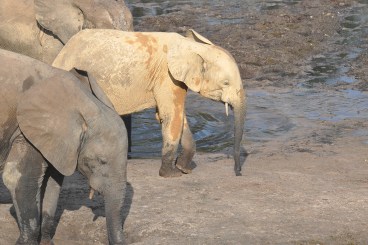
EP_0480.jpgMatt Davis, a researcher in ecoinformatics and biodiversity at Aarhus University, in Denmark, recently published a paper arguing that we are entering a period of extinction of large mammals akin to the scale of the extinction of the dinosaurs. “We are now living in a world without giants,” he told the Guardian, and went on to detail the many ecological consequences of the loss of megafauna. When I asked John Poulsen, an assistant professor of tropical ecology at Duke’s Nicholas School of the Environment, if this observation could apply to the role of forest elephants, he said, “Absolutely.”

The sculptor Todd McGrain has made a name for himself, over a thirty-year career, as the creator of sculptural monuments to birds that have been the victims of “human-caused extinction.” It’s not, therefore, entirely surprising that he has directed a documentary about forest elephants, “Elephant Path / Njaia Njoku,” showing at New York’s DOC NYC film festival this Wednesday and Thursday. McGrain’s subjects have included, among others, the passenger pigeon, the great auk, the Labrador duck, the heath hen, and the Carolina parakeet. When McGrain was the artist in residence at the Cornell Lab of Ornithology, Katy Payne, founder of the Elephant Listening Project at the Bioacoustics Research Program, introduced him to something she had discovered: forest-elephant infrasound, which is how elephants communicate inside the forest, at a frequency too low for human ears to register. She pitched up the recordings of elephant calls so that McGrain could listen to them. “I couldn’t help but hear them as bird calls,” he told me. “It was the complexity of their language that grabbed me.” Continue reading

Franzen, Watching Out For Birds

5760 (2).jpg

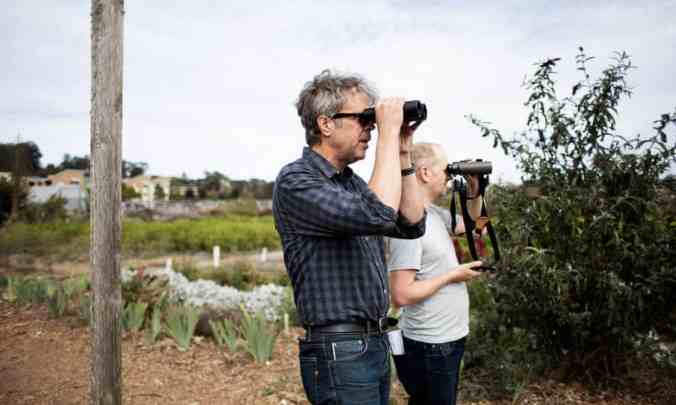
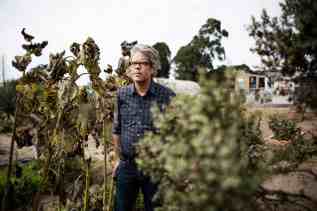
Freedom … Jonathan Franzen (left), birdwatching with Guardian writer Oliver Milman (right) at Natural Bridges Farm, Santa Cruz, California. Photograph: Talia Herman for the Guardian

Thanks to Oliver Milman writing for the Guardian from Santa Cruz, California with someone whose concerns about the intersection of books and technology, combined with his interest in birds and the art of watching, have led to us featuring him more frequently in these pages than most other people:

Jonathan Franzen: ‘Climate change isn’t the only danger to birds’

‘The two things I love most are novels and birds, and they’re both in trouble,’ says The Corrections author, one of the world’s most famous birdwatchers

1300.png

Illustration: Sarah Mazzetti

Birdwatching was once an activity that elicited a sense of mild shame in Jonathan Franzen. The author stalked New York parks with binoculars in hand, rather than on a strap, carefully hiding from view the word “birds” on his field guide. Debonair friends in London recoiled in horror when told of his pastime. Franzen was furtive, almost embarrassed. Now, he is one of the most famous birdwatchers in the world.

5648.jpg

 Author and birdwatcher Jonathan Franzen, at Natural Bridges Farm where he goes to birdwatch in Santa Cruz, California, September 30th, 2018. Photograph: Talia Herman for the Guardian

“I totally let my freak flag fly now,” Franzen says as he scans for birds at a community garden near his home in Santa Cruz, California. His phone has an app that deciphers bird sounds. He travels the world to see recondite species. He has written about birds in essays, op-eds and novels.

“I was so socially unsuccessful in my youth and such a pariah in junior high that I really didn’t want to look like a dork,” says Franzen, the 59-year-old author whose best known works include The Corrections and Freedom. “I got over that. The success started to make me think: ‘Hey, it’s not me who’s got the problem.’” Continue reading

When Alarmism Is Required

Greenpeace_IllegalLoggingBrazilIndigenousLands_web.jpg

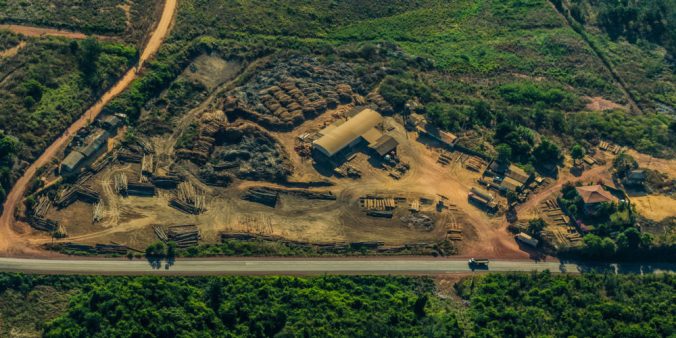
An illegal logging in the Alto Turiacu indigenous territory in Brazil’s Maranhão State in 2015. FÁBIO NASCIMENTO / GREENPEACE

Trust, a kind of social glue, keeps us from having to think nonstop about worst case scenarios. We trust that those with authority, whether intellectual or political, will use it responsibly. Thinking about this recently, I have been adjusting where I have least and greatest trust that responsible environmental actions are taken. Today I have made an adjustment on the former. The USA’s political leadership has been at the forefront of my thought when it comes to least responsible, least trustworthy actions. Philip Fearnside, an ecologist at the National Institute for Research in Amazonia (INPA) in Brazil, studies the consequences of deforestation in the world’s largest tropical forest, so his word carries scientific weight for me. He has put in perspective why I should turn my attention to Brazil:

Why Brazil’s New President Poses an Unprecedented Threat to the Amazon

Newly elected Jair Bolsonaro, an authoritarian nationalist sometimes called the “tropical Trump,” has staked out an environmental agenda that would open the Amazon to widespread development, putting at risk a region that plays a vital role in stabilizing the global climate.

BrazilElection2018_IndigenousProtester_Getty_web.jpg

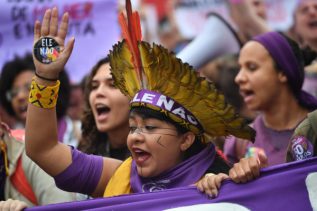
An indigenous woman protests against then-candidate Jair Bolsonaro, who has promised to ban the creation of new protected areas or indigenous territories, in Sao Paulo in October. NELSON ALMEIDA/AFP/GETTY IMAGES

For people concerned about the environment and climate change, U.S. President Donald Trump has proven to be as bad, or worse, than feared. He is in the process of pulling the United States out of the Paris Agreement, continues to flatly dismiss the science of human-caused global warming, and has worked ceaselessly to undo environmental regulations and weaken environmental agencies.

JairBolsonaro_Getty_web.jpg

Brazil’s president-elect, Jair Bolsonaro, has pledged to dismantle the country’s environmental regulations. MIGUEL SCHINCARIOL/AFP/GETTY IMAGES

Now, however, a new leader has emerged on the world stage who is poised to do even more global environmental damage than Trump. He is Jair Bolsonaro, the recently elected president of Brazil, and his extreme views on the environment, coupled with his control of nearly all the country’s levers of power, means that he is now in a position to do unprecedented harm to the Amazon and the international battle to slow climate change.

Not for nothing is Bolsonaro known as the “tropical Trump.” The parallels are many, including their embrace of the far right and their inflammatory rhetoric. And among their similarities is the way that a constant barrage of outrageous comments diverts discussion from the environmental damage that their policies portend. Continue reading

Trust & Responsibility

4284

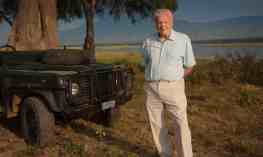
Sir David Attenborough on location for the new series. Photograph: Nick Lyons/BBC NHU

There are few people featured as frequently in our pages since 2011. His documentation of the wonders of nature surely qualifies as a major contribution to humanity. He has a new series and as always we link out to it here. But with it, some questions arise based on an interview he recently gave to Jonathan Watts, the Guardian’s Global Environment Editor, to promote the series:

David Attenborough: too much alarmism on environment a turn-off

Veteran broadcaster says Dynasties, his new BBC wildlife series, will be gripping, truthful and entertaining but not overtly campaigning

I am susceptible to those questions, especially after reading Guardian columnist (another frequent subject in our pages) George Monbiot’s editorial below. Just because David Attenborough is a hero does not mean he is always right. These two items are both worth a read and further consideration about the responsibility that comes with trust, well-earned, but whose value perhaps should be employed for campaigning considering what is at stake. I find myself surprised to reflexively lean in to this editorial argument, because the mission of our platform here is to emphasize creative, entrepreneurial approaches to conservation. While we chose at the outset to not focus exclusively on feel-good stories, we also do not serve up excessive doom and gloom because there is plenty of reporting on that for anyone paying attention. Maybe my surprise is more that a hero of nature-lovers reveals himself to explicitly avoid campaigning when he knows better than most from decades of close observation what the planet has been losing during his lifetime.

David Attenborough has betrayed the living world he loves

By downplaying our environmental crisis, the presenter’s BBC films have generated complacency, confusion and ignorance

3909

David Attenborough filming the BBC series Africa in the Suguta Valley, northern Kenya. Photograph: David Chancellor/BBC

Knowingly creating a false impression of the world: this is a serious matter. It is more serious still when the BBC does it, and yet worse when the presenter is “the most trusted man in Britain”. But, as his latest interview with the Observer reveals, David Attenborough sticks to his line that fully representing environmental issues is a “turn-off”.

His new series, Dynasties, will mention the pressures affecting wildlife, but Attenborough makes it clear that it will play them down. To do otherwise, he suggests, would be “proselytising” and “alarmist”. His series will be “a great relief from the political landscape which otherwise dominates our thoughts”. In light of the astonishing rate of collapse of the animal populations he features, alongside most of the rest of the world’s living systems – and when broadcasting as a whole has disgracefully failed to represent such truths – I don’t think such escapism is appropriate or justifiable. Continue reading

A Forager’s Guide To Making Natural Ink

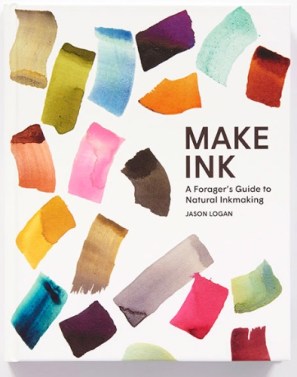
Ink1Since 2011, foraging has been a favored topic here. We have occasionally featured stories with reference to natural colorants, mainly about their various possible uses, and even an exhibition where you could learn more; but not until now have we seen a book like this. It looks like it will be a perfect addition to any of our numerous coffee tables, suited to brighten up even the rainiest afternoon. Click on any image to go to the website for the book. Thanks to Jason Logan for its authorship, and to Amy Goldwasser for bringing it to our attention in the New Yorker:

Ink Foraging in Central Park

The founder of the Toronto Ink Company leads a group of pigment enthusiasts on a hunt for acorns, berries, beer caps, and other ingredients.

Ink2.jpgOn a recent drizzly Tuesday morning, a small group of ink enthusiasts—already rain-slicked, under umbrellas and ponchos—stood on Gapstow Bridge, in Central Park, admiring a brilliant-pink pokeweed bush. The Park was the first stop on a five-hour foraging trip that would take them up to Hudson Heights, to collect foliage and trash, which they would cook, to make ink. Their guide, Jason Logan, the founder of the Toronto Ink Company, was in town for the launch of his book, “Make Ink: A Forager’s Guide to Natural Inkmaking.” At a reading in the West Village, he had asked the audience if anyone wanted to go foraging. The city offers some attractive ingredients: acorns, wild grapevines, beer caps, feathers, subway soot.

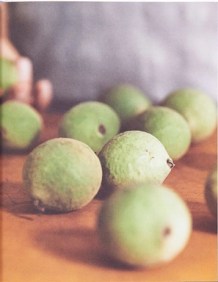
Ink3.jpgLogan, who is forty-six, became interested in ink about twenty years ago, when he was living in New York, working as an illustrator for newspapers and magazines. He’d burned through a bottle of black-walnut ink, which he’d bought at Pearl Paint, on Canal Street. When he returned for more, the ink was gone. “Then I found black walnuts on my way to work one morning and realized it was easy to make my own deep, rich, delicious ink,” he said.

On the bridge, Logan addressed the foragers, four women of varying ages. He has curly gray hair and was wearing a windbreaker in almost the same hue. “I’m kind of in love with gray,” he said. “It’s interesting for me, too, in terms of ink. Gray is ashes suspended in water.” Logan speaks like a laid-back chemist, using words like “petrichor,” the earthy scent produced when rain falls on dry soil. He carried a backpack filled with ink pots and collection bags.

Ink4

“That is so bright!” Julia Norton, an artist who teaches a pigment class, said, examining the pokeweed’s fuchsia stems.

“It’s so beautiful it’s hard to believe it just grows like this,” Logan said. “Pokeberry ink was most famously used by Civil War soldiers to write love notes.” Continue reading

Mapping Earth’s Remaining Intact Ecosystems

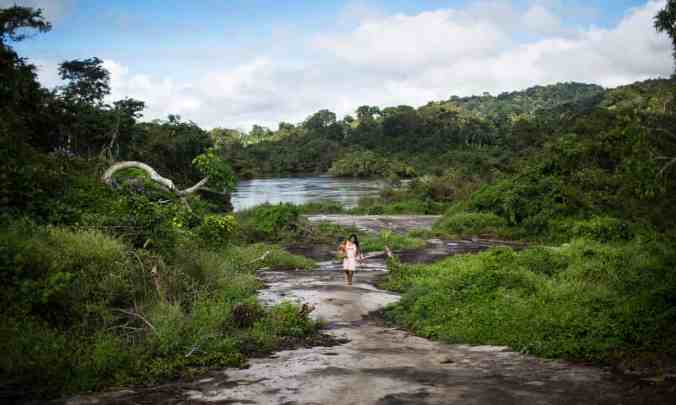
A Xikrin woman walks back to her village from the Cateté River in Brazil. Photograph: Taylor Weidman/Getty Images

Thanks to Lisa Cox, the Guardian’s Australia correspondent for environment, for this:

Five countries hold 70% of world’s last wildernesses, map reveals

First map of Earth’s intact ecosystems shows just five nations are responsible for most of them – but it will require global action to protect them

1048.jpg

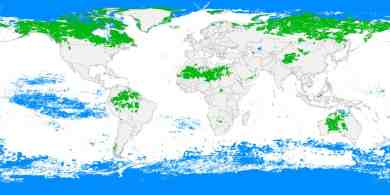
Map of the world’s remaining wilderness. Green represents land wilderness, while blue represents ocean wilderness. Photograph: Nature

Just five countries hold 70% of the world’s remaining untouched wilderness areas and urgent international action is needed to protect them, according to new research.

Researchers from the University of Queensland (UQ) and the Wildlife Conservation Society (WCS) have for the first time produced a global map that sets out which countries are responsible for nature that is devoid of heavy industrial activity.

It comes ahead of the conference of parties to the Convention on Biological Diversity in Egypt in November where signatory nations are working towards a plan for the protection of biodiversity beyond 2020.

Conservationists are calling for a mandated target for wilderness conservation that will preserve the planet’s vulnerable ecosystems. Continue reading

For The Last Tigers, What Is Next?

merlin_145827315_a41e80a9-2f6c-49c8-ba24-ea8c7f20d280-superJumbo.jpg

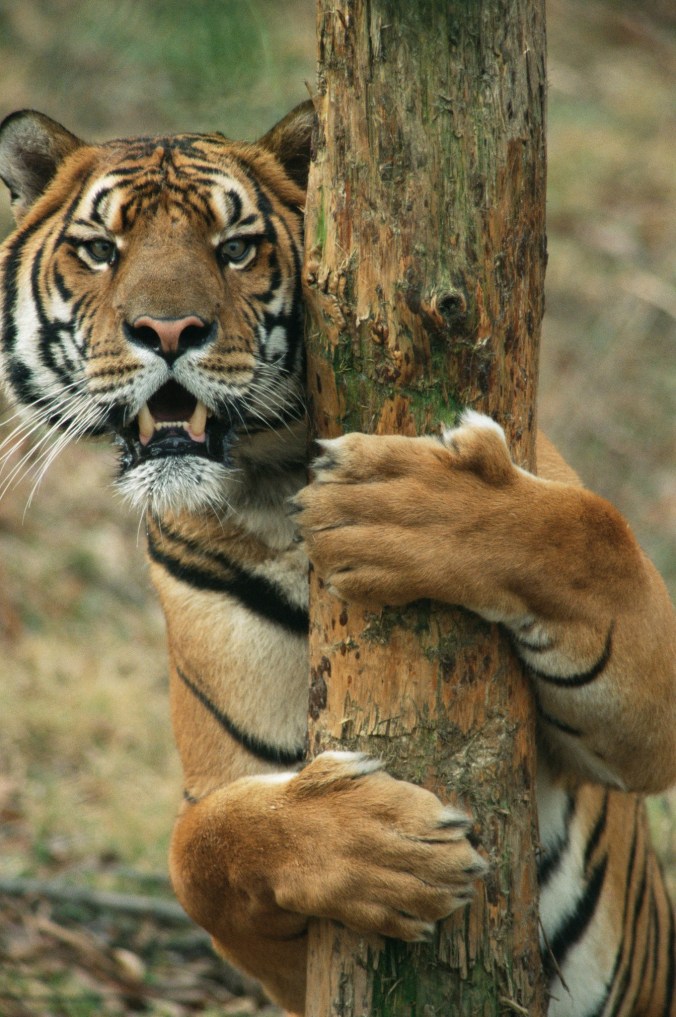
A South China tiger, a subspecies that only survives in captivity. Credit Francois Savigny/Minden Pictures

Some of these photos we have featured in earlier stories. That is a testament to the seriousness of the subject. Thanks to Rachel Nuwer for this:

Divide and Preserve: Reclassifying Tigers to Help Save Them From Extinction

Are there many subspecies of tiger, or only two? A correct accounting is the only way to preserve what is left of the animal’s genetic diversity, some scientists say.

26TIGERS4-jumbo.jpg

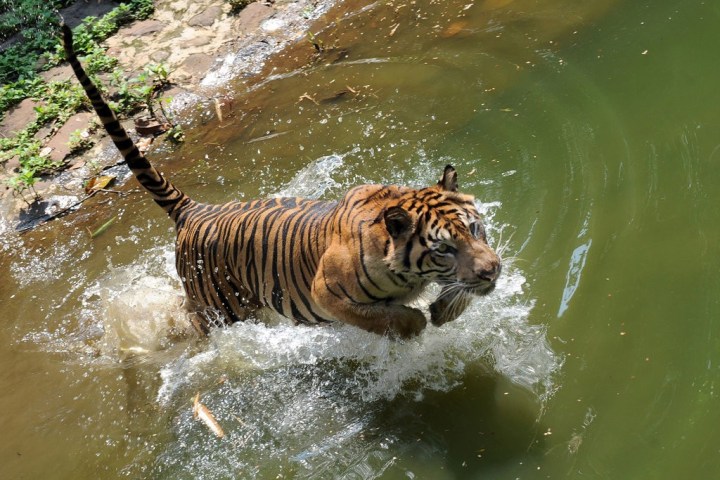
A Sumatran tiger at the Ragunan Zoo in Jakarta, Indonesia. Sumatran tigers were the first to evolve from all tigers’ common ancestor. Credit Romeo Gacad/Agence France-Presse — Getty Images

Fewer than 4,000 tigers remain in the wild. New research aims to give conservationists an improved understanding of their genetics in order to help save them.

After years of debate, scientists report in the journal Current Biology that tigers comprise six unique subspecies. One of those subspecies, the South China tiger, survives only in captivity.

“The results presented in this paper are important because they contradict the currently accepted international conservation classifications for tigers,” said Uma Ramakrishnan, a molecular ecologist at the National Center for Biological Sciences in Bangalore, India, who was not involved in the study. Continue reading