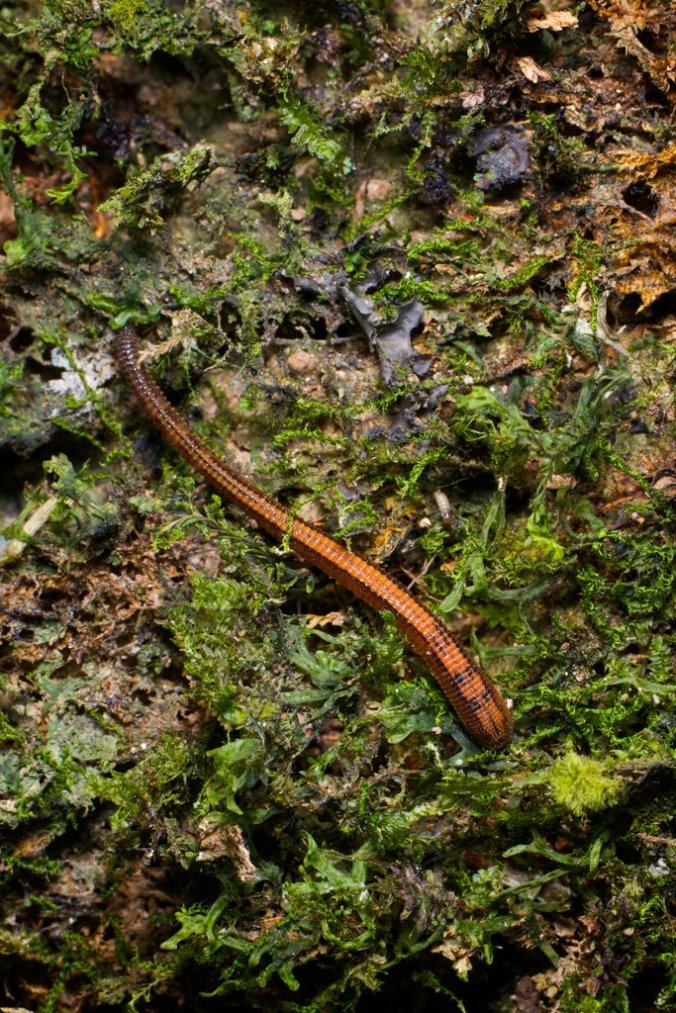
A leech, Haemadipsa zeylanica, in Thailand. Scientists have found they can survey the biodiversity of a forest with DNA analysis of leeches’ last blood meals. Credit Thailand Wildlife/Alamy
If you’ve been in the forests of south India, and like several of our most prolific contributors you have had the creatures creeping in your pant legs, you know that the thought of it is much worse than the reality of it. But now, my esteem for this creature has just increased manyfold thanks to Rachel Nuwer:
It’s the Latest in Conservation Tech.
And It Wants to Suck Your Blood.In the digestive tracts of leeches, scientists find evidence of elusive forest species.
Haemadipsa zeylanica, a leech, in Malaysia after a meal. Leeches can swell to 10 times their body weight after feeding. Credit Bernard Dupont
Michael Tessler realized his life had taken an odd turn. His days were spent not in an office, not out with friends — but alone in the woods, attracting leeches.
Sometimes, they were so bountiful that “it was like the forest floor was moving toward me,” he recalled. “Even for someone who’s used to having swarms of leeches coming at me, it could be intimidating to see that many of them.” Continue reading


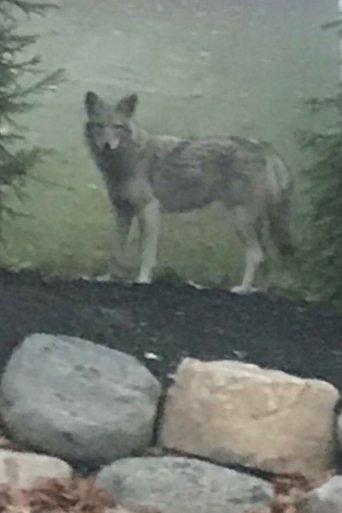
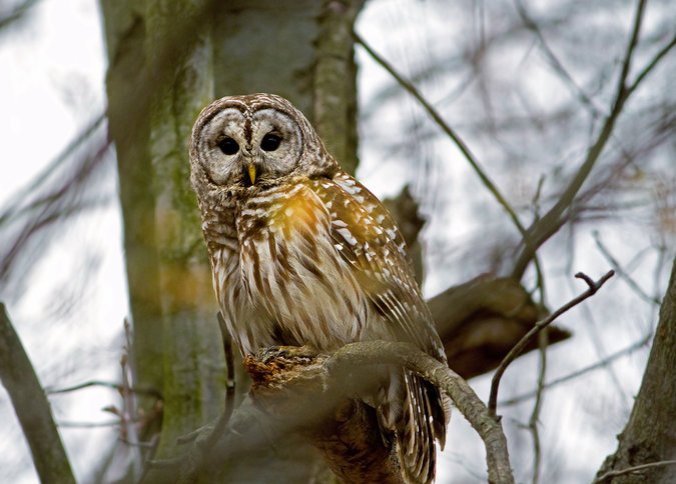
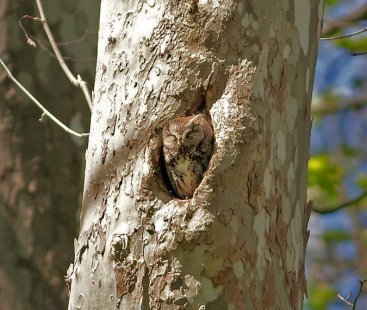
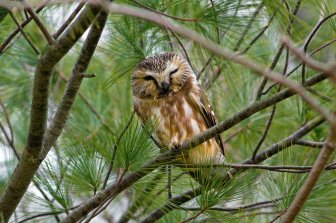


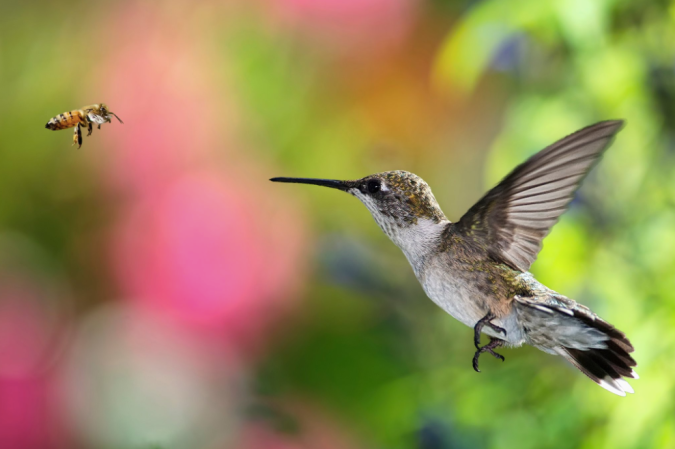
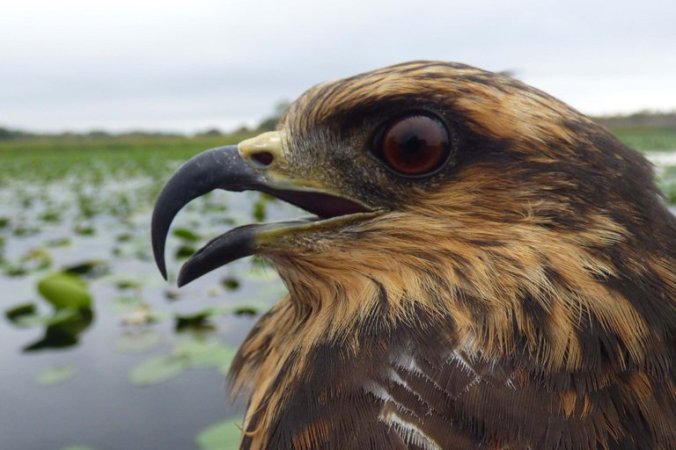
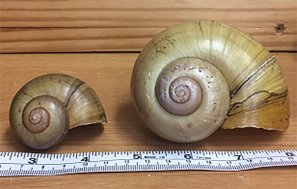
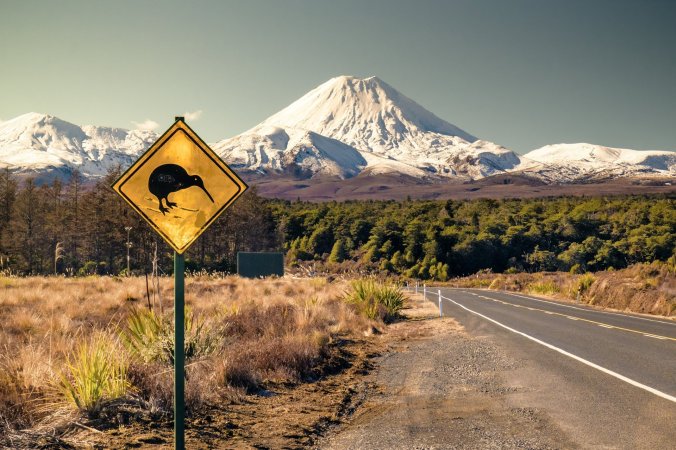

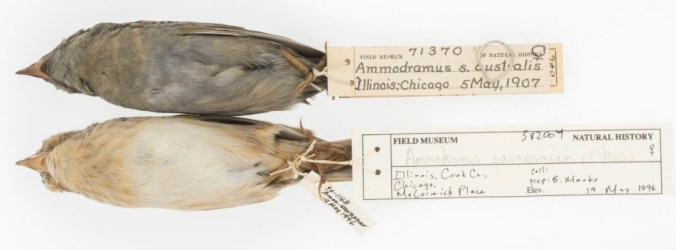
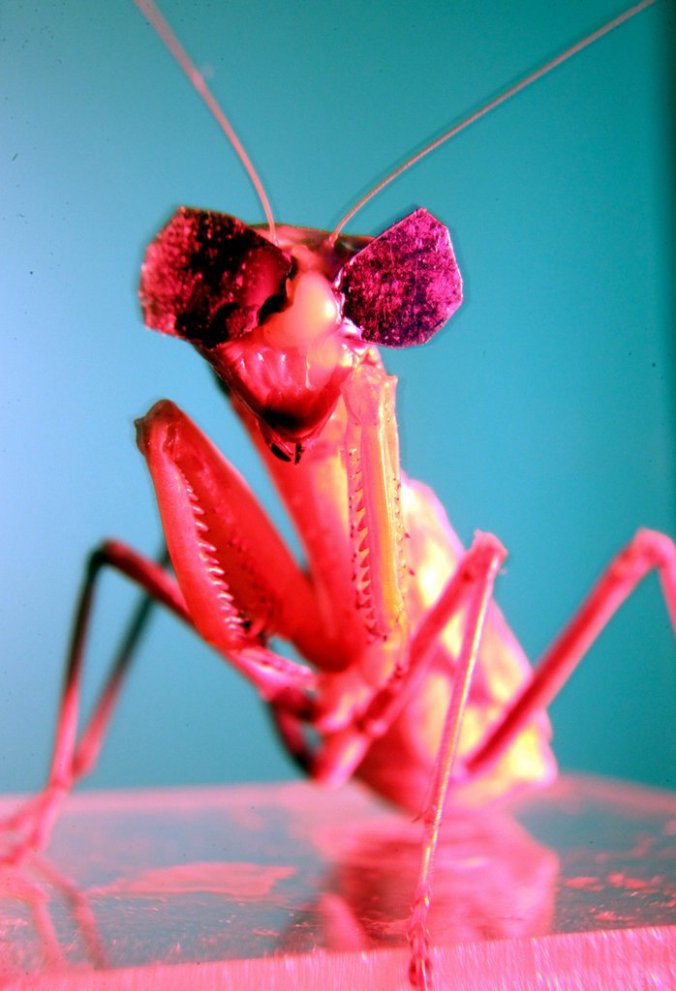
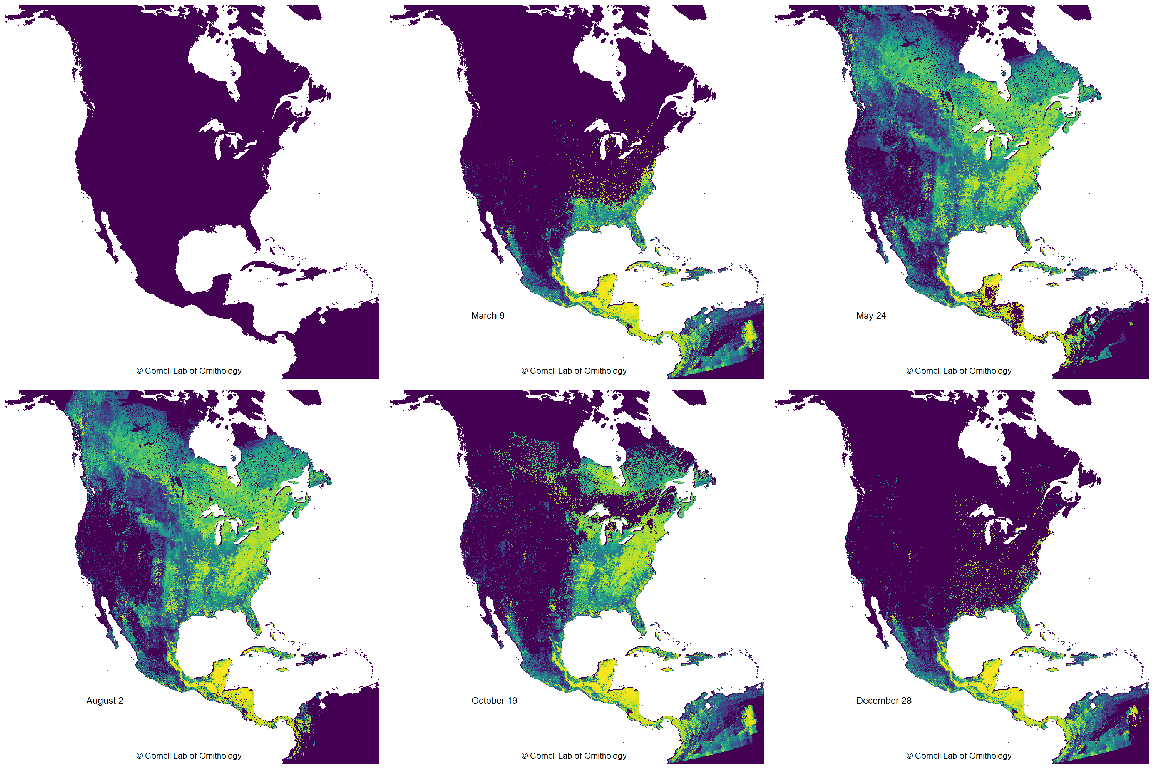
 Birds feature more than any other topic in these pages. We have laid out bird-friendly territory over the years, and now Natalie Angier brings us a science news story that would be disturbing if not for our overall appreciation for the value of biodiversity.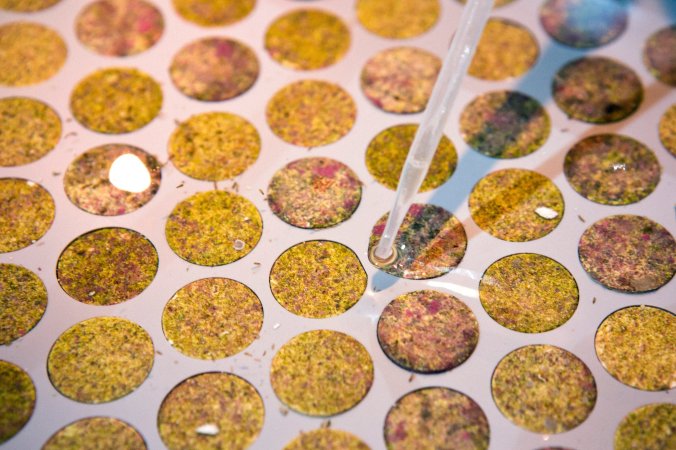
 IN ROCKS AND SOIL
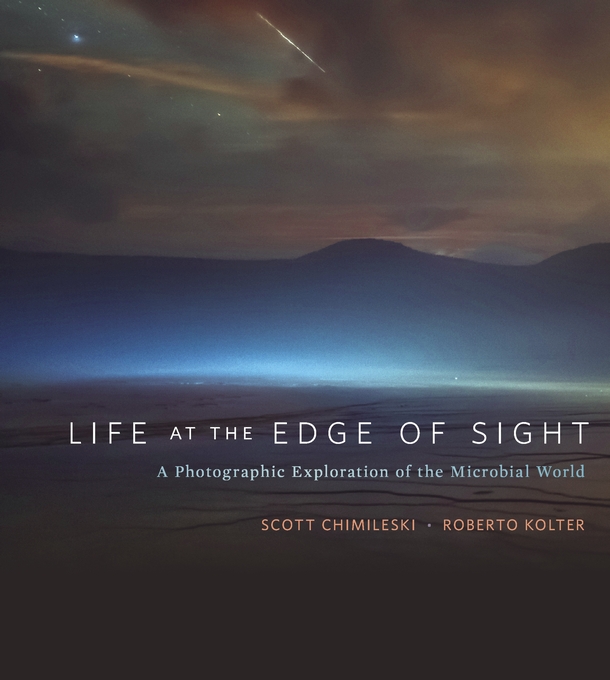
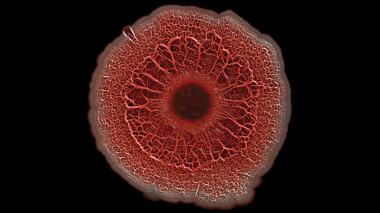 on Earth. Life at the Edge of Sight: A Photographic Exploration of the Microbial World (forthcoming from The Belknap Press of Harvard University Press), brings the planet-shaping diversity of these single-celled, microscopic organisms into view through stunning images. Co-authors Roberto Kolter, professor of microbiology and immunology, and Scott Chimileski, a research fellow in microbiology and immunology at Harvard Medical School, share their passion for the subject in part by magnifying what cannot be seen unaided, in part by revealing large-scale microbial impacts on the landscape. Kolter has long been a leader in microbial science at Harvard, while Chimileski brings to his scholarship a talent for landscape, macro, and technical photography…
 technologies. With expertly executed photography, videography, and poetic narration, Scott Chimileski and Roberto Kolter capture the intrinsic beauty of a mysterious world that is seldom recognized.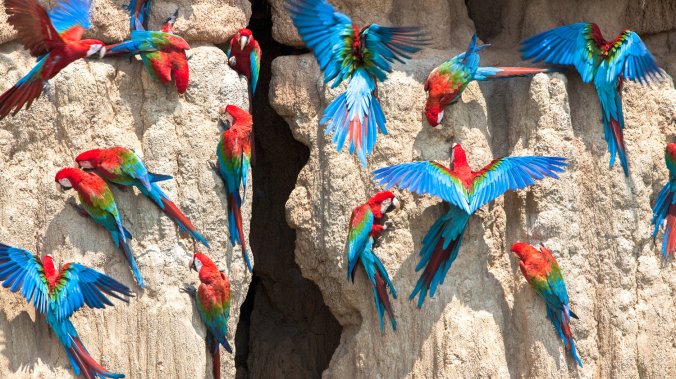


 Organikos