Libraries As Palaces For The People

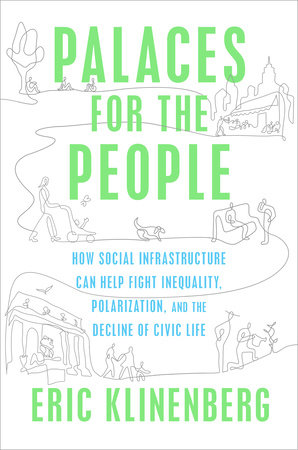
9781524761165We have had more stories in seven years about libraries, and librarians and books than most other topics, so we are pleased to pass along this reference to a book about libraries (among other essential elements of social infrastructure). In 20 minutes on this podcast the ideas in this book are discussed by the author:

Eric Klinenbergprofessor of sociology and director of the Institute for Public Knowledge at New York University and the author of Palaces for the People: How Social Infrastructure Can Help Fight Inequality, Polarization, and the Decline of Civic Life (Crown, 2018), argues that the future of democracy lies in shared spaces, like libraries and parks.

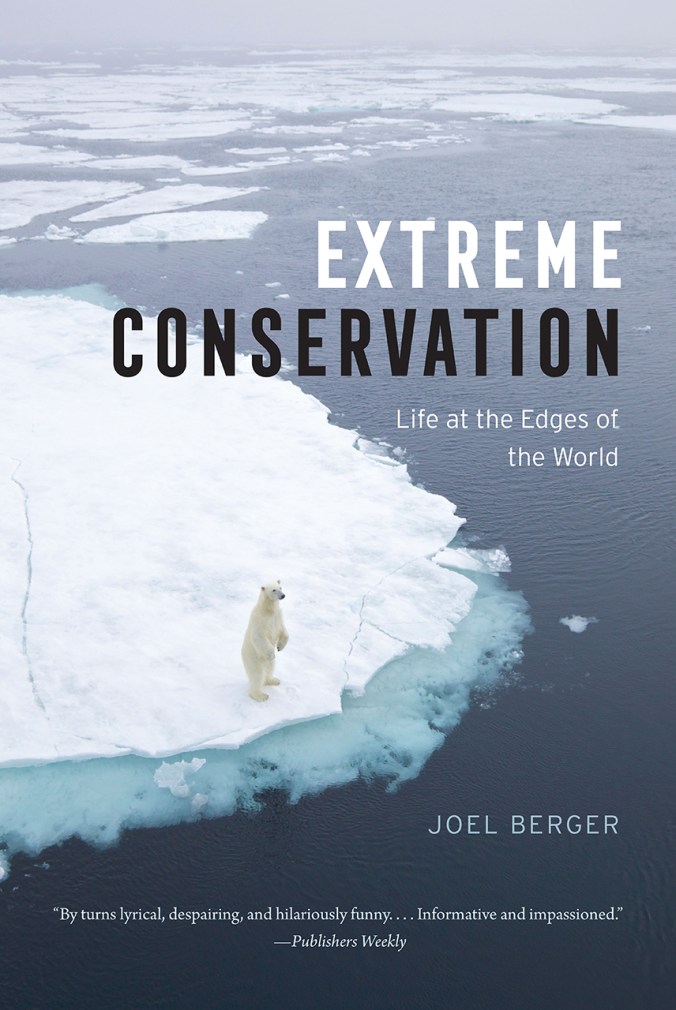
Author of Extreme Conservation, Interviewed

9780226366265.jpg

We recommend this interview in the Atlantic, with the author of the book above, a veteran conservationist reckoning with his career studying animals in the most extreme places on Earth:

In the winter of 2011, Joel Berger and his colleague Marci Johnson happened upon a ghostly Arctic death scene. Body parts and tufts of brown fur poked out of a frozen lagoon. This was all the biologists could find of a herd of 55 musk oxen they had been following.

The cause of mass mortality, they later determined, was an ice tsunami, the result of an unusual storm that slammed seawater and ice into the lagoon where the unfortunate musk oxen stood. Berger is a conservationist who works in some of the most hostile environments in the world, and he studies the enigmatic species, like musk oxen, that live there. His new book, Extreme Conservation, chronicles his career in Alaska, Siberia, Namibia, Tibet, Mongolia, and Bhutan. He is now a biologist at Colorado State University and a senior scientist at the Wildlife Conservation Society. Continue reading

Local Knowledge Aids Scientific Understanding

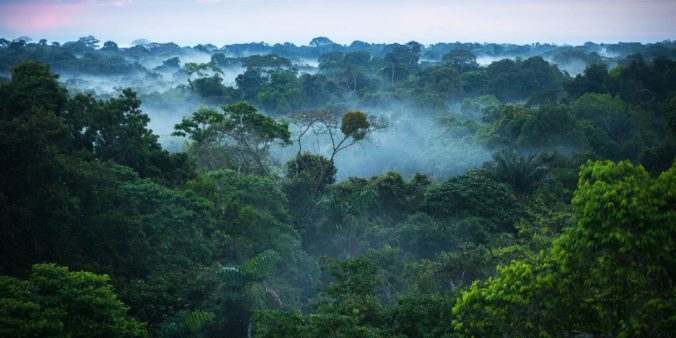
Brazilian_amazon_rainforest_web

WIKIMEDIA COMMONS

In a perfect dovetail with yesterday’s nod to one science writer, today we nod to the contributions of ancestral ways in helping scientists better understand the life cycles of forests. Thanks to Richard Schiffman for this interview:

Lessons Learned from Centuries of Indigenous Forest Management

CMPeters_web.jpgIn an interview with Yale Environment 360, botanist Charles M. Peters discusses how, in an era of runaway destruction of tropical forests, the centuries-old ecological understanding of indigenous woodland residents can help point the way to the restoration of damaged rainforests.

Over centuries, even millennia, indigenous communities have developed interdependent systems of agriculture and forestry that are uniquely suited to the ecological requirements of the land they inhabit. Yet even today, says Charles M. Peters, the Curator of Botany at the New York Botanical Gardens, that skill and knowledge often remain unacknowledged, with some government officials and conservationists arguing that indigenous communities should sometimes be excluded from protected lands that are part of their historical territory.

Field-crews.002_web

Members of the Kenyah Dayak indigenous group conducting forest surveys in Western Borneo in the early 1990s. CHARLES PETERS

In an interview with Yale Environment 360, Peters — author of the recently published bookManaging the Wild: Stories of People and Plants and Tropical Forests — discusses what he has learned from 35 years of working with indigenous forest communities; explains how indigenous farming, even slash-and-burn agriculture, can actually improve forest health; and reflects on the need to enlist indigenous groups as allies in the struggle to preserve and restore tropical forests. Continue reading

Better Science Writing, Better Societal Decision-Making?

Zimmer Longform

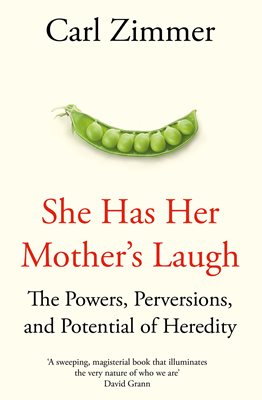
9781509818532she has her mother-s laugh_11_jpg_262_400.jpgScience writing has been one of our favorite themes since we started this platform. The quality with which science is explained in clear language is good for the planet, we think. Carl Zimmer is probably the most cited science writer during these eight years, for good reason. The interview above from late 2016, if you are convinced about the importance of science writing, is about as good as it gets for hearing a master explain his craft in very personal terms. It was recorded just weeks after the most fateful (with regard to science) presidential election in recent USA history. Zimmer takes a “just the facts” approach to the interview, and neither punches, nor pulls punches, with regard to the environmental and other science policy mess-making that had just begun. He just shares his craft.

5088.jpg

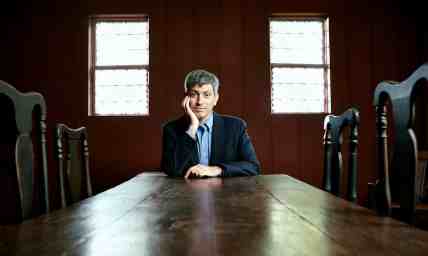
Carl Zimmer: ‘Heredity is central to our existence… but it’s not what we think it is.’ Photograph: Mistina Hanscom/Lotta Studio

He has a new book out, which we have not read, but we are glad that it has brought him out on book tour. In the interview below, from just a couple weeks ago, we get a quick read on what he is saying now:

Carl Zimmer is a rarity among professional science writers in being influential among the scientists on whose work he writes and comments – to the extent that he has been appointed as professor adjunct in the department of molecular biophysics and biochemistry at Yale University. Zimmer has just published his 13th book, She Has Her Mother’s Laughsurvey of “the power, perversions and potential of heredity”. Continue reading

Sand Piracy Is A Thing. A Bad Thing.

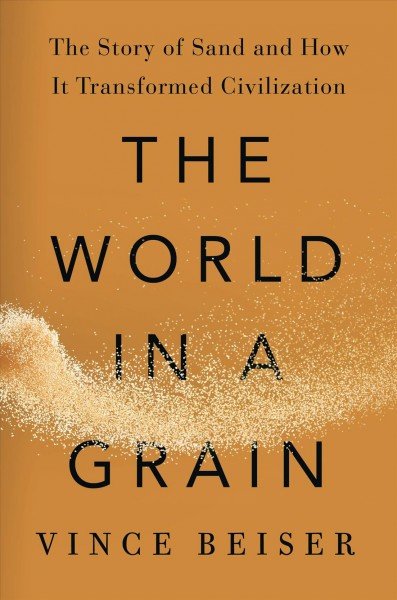
9780399576423_custom-3813965e7ebb84b1f0032ce9298d929eceebe117-s500-c85.jpgBuilding hotels in Kerala, India from 2010 to 2017 we came to know about sand pirates from a very close up perspective. When their boats were speeding past the houseboats we operated, we detected the carefree sense with which they carried out their mission. Perhaps they did not know the damage they were doing? Not likely. The law was chasing them, and they knew that for sure. Thanks to Genevieve Valentine for this review titled A Day At The Beach Won’t Be The Same After ‘The World In A Grain’ about this book to the left:

The first time you see ‘sand piracy,’ it might sound surreal — a misguided Pixar villain whose lackeys race down the beach with empty buckets and sinister intent, doomed to fail in the face of a resource that spans the whole ocean.

Then you find out about someone stealing 1,300 feet of sand from a beach in Jamaica, or the many sand miners whose dredgers suck sand from the ocean floor by the ton and, suddenly, it doesn’t sound as funny — or as impossible — as it did before. Continue reading

Spying On Whales, For Our Sake As Well As Theirs


Brannen-Reckoning-with-the-Almost-Satanic-Prospect-of-Twentieth-Century-Whaling

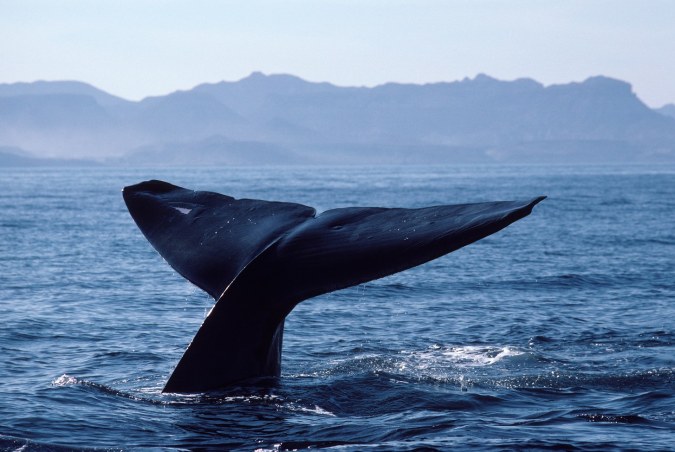
Whales are a powerful oceanographic force in their own right, one that begets even more life; many ecosystems are still straining to equilibrate from the effects of twentieth-century whaling. Photograph by Francois Gohier / VWPics / Redux

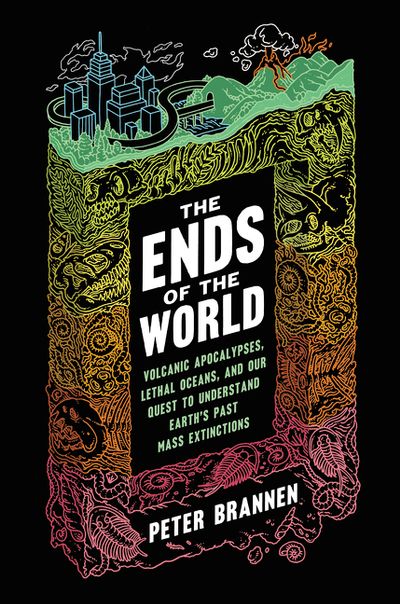
x400.jpgIt may be too late, but this is too important to pretend it does not matter. It is not too late to learn from our mistakes. Peter Brannen, a science journalist and the author of “The Ends of the World: Volcanic Apocalypses, Lethal Oceans, and Our Quest to Understand Earth’s Past Mass Extinctions” gets our thanks for this review in the New Yorker, titled We May Never Understand the Ocean-Wide Damage Done by Industrial Whaling:

A few months ago I learned that, as recently as 1972, General Motors was using sperm-whale oil in transmission fluid in its cars. I’m not sure why I was surprised to learn this. It took nearly another decade for much of the world to agree to ban commercial whaling, in 1982. (A handful of countries still ignore the ban.) But the detail about G.M. still struck me as anachronistic. The global pursuit of whales inescapably connotes the romance of nineteenth-century New Bedford and Nantucket: delicately embossed scrimshaw, Melville, oil paintings of stately twilit schooners setting out on the main. Not puke-green Chevy El Caminos. Continue reading

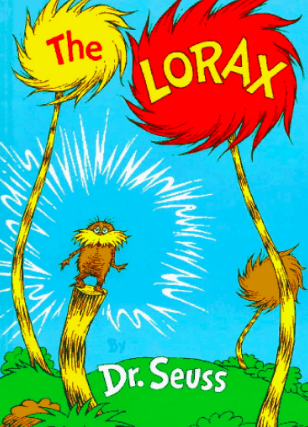
The Mystery of the Lorax: Solved

Dr. Seuss has held an important place in my life, stretching from my own childhood and into parenthood, and connecting the dots between the pure joy of reading and powerful messages keeps him at the top. So what fun to discover the story, species and science behind the inspiration for his most impactful books!

Who Was the Real Lorax? Seeking the Inspiration for Dr. Seuss

What inspired the creature who was “shortish and oldish and brownish and mossy?” The one who spoke in a voice that was “sharpish and bossy?” He spoke for the trees, yet he called them his own. All that he left “in this mess was a small pile of rocks, with the one word … ‘UNLESS.’”

In 1970, millions of people observed Earth Day for the first time, and the Environmental Protection Agency was born. Joni Mitchell’s “Big Yellow Taxi” topped the charts.

And in La Jolla, Calif., Theodor Geisel, also known as Dr. Seuss, was fighting to keep a suburban development project from clearing the Eucalyptus trees around his home. But when he tried to write a book about conservation for children that wasn’t preachy or boring, he got writer’s block.

At his wife’s suggestion to clear his mind, they traveled to the Mount Kenya Safari Club, an exclusive resort where guests watched animals along Kenya’s Laikipia plateau.

And if you haven’t guessed by now, it was there that “The Lorax” took shape — on the blank side of a laundry list, nearly all of its environmental message created in a single afternoon. Continue reading

The Networking Of Trees, A Novel Idea In Novel Form

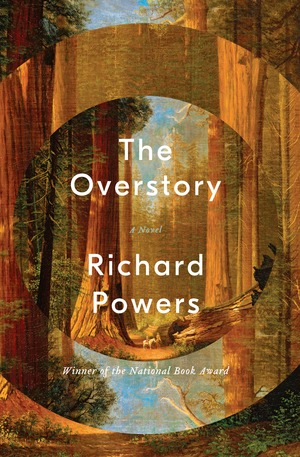
9780393635522_300The novelist Richard Powers, I see from this review, has utilized an idea I first heard of in 2016, and that idea disappeared for a couple years (from my view, anyway). But that compelling idea is back, fictionalized and more interesting than ever:

People see better what looks like them,” observes the field biologist Patricia Westerford, one of the nine—nine—main characters of Richard Powers’s 12th novel, The Overstory. And trees, Patricia discovers, look like people. They are social creatures, caring for one another, communicating, learning, trading goods and services; despite lacking a brain, trees are “aware.” After borers attack a sugar maple, it emits insecticides that warn its neighbors, which respond by intensifying their own defenses. When the roots of two Douglas firs meet underground, they fuse, joining vascular systems; if one tree gets ill, the other cares for it. The chopping down of a tree causes those surrounding it to weaken, as if in mourning. But Powers’s findings go beyond Dr. Pat’s. In his tree-mad novel, which contains as many species as any North American forest—17 are named on the first page alone—trees speak, sing, experience pain, dream, remember the past, and predict the future. The past and the future, it turns out, are mirror images of each other. Neither contains people.

merlin_136156101_0df4e4fd-b976-4a09-a8fc-5769260524f7-superJumbo

Olaf Hajek

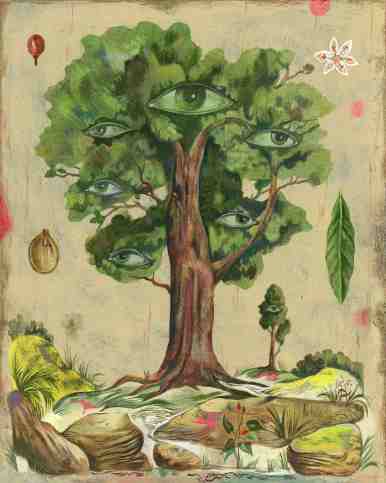
Barbara Kingsolver’s earlier review in the New York Times started the ante on the must-read judgement that Nathaniel Rich (above) upped:

Trees do most of the things you do, just more slowly. They compete for their livelihoods and take care of their families, sometimes making huge sacrifices for their children. They breathe, eat and have sex. They give gifts, communicate, learn, remember and record the important events of their lives. With relatives and non-kin alike they cooperate, forming neighborhood watch committees — to name one example — with rapid response networks to alert others to a threatening intruder. Continue reading

The Food Explorer, Explored

GastroTaking a cue from yesterday’s post, another recent Gastropod can be combined with a review in the New York Times of a book that fits well in our pages:

You’ve probably never heard of David Fairchild. But if you’ve savored kale, mango, peaches, dates, grapes, a Meyer lemon, or a glass of craft beer lately, you’ve tasted the fruits of his globe-trotting travels in search of the world’s best crops—and his struggles to get them back home to the United States.

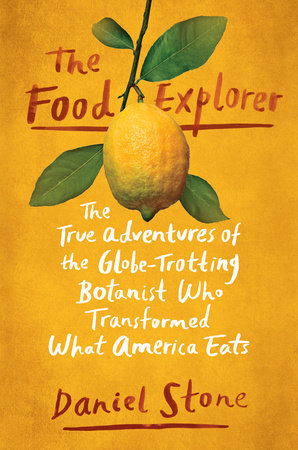
This episode, we talk to Daniel Stone, author of The Food Explorer, a new book all about Fairchild’s adventures. Listen in now for tales of pirates and biopiracy, eccentric patrons and painful betrayals, as well as the successes and failures that shaped not only the way we eat, but America’s place in the world.

9781101990582Daniel Stone, an author I had not known of 24 hours ago, fits well within our pages as part of a mix of historical sleuthing and present-day food activism that have been central themes here since we started.  Thanks to his book being the subject of that podcast, as well as its review last month, allow us to recommend that if you have an hour for the both, combine the listen with the read:

In a photograph dated Christmas 1896, featured in “The Food Explorer,” Daniel Stone’s biography of the botanist and explorer David Fairchild, his subject is sitting with his patron and friend Barbour Lathrop, in what looks like an empty saloon or a lounge on a steamship. The caption informs us that they’re off the coast of Sumatra; both are dressed in white and have mustaches that border on the extravagant.

Continue reading

Coffee, Journeys & Yemen

24bookeggers4-superJumbo-v2

CreditPatricia Wall/The New York Times

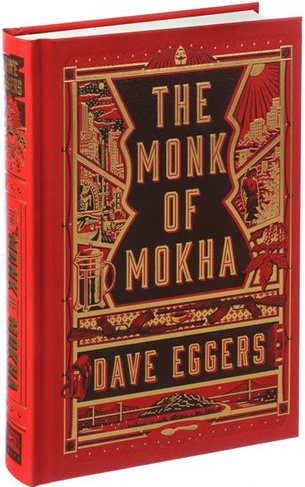
This review, thanks to Ghaith Abdul-Ahad, has my attention on The Coffee-Flavored American Dream of a young man with about as improbable a mission as I can imagine.  Returning to the coffee fields of Costa Rica’s Tarrazu region in a few days, I also plan to cross the Central Valley to see the latest mission accomplished of another coffee dreamer, the choice of Dave Eggers for his latest book topic is much appreciated.

A few years ago I traveled with a group of friends from the southern Yemeni port city of Aden to the capital of Sanaa in the north, taking the long coastal road that twists and curves around the bulge of Yemen’s southernmost tip. After passing the Bab el Mandeb strait, the road stretches along the seashore. Under a clear bright sky, the waters of the Red Sea shimmered and the sand glowed a warm ocher, the monotony interrupted only by an occasional fisherman’s shack, a small nomadic settlement or a bleached one-room mosque. Flat-topped trees looming in the distance suggested an African landscape.

merlin_135539598_25a28bf1-c1ea-4f91-864b-e5d08b63264d-master768

CreditLorenzo Gritti

Ahead of us lay the port of Mokha, or Al-Mukha in Arabic, where from the 15th century onward ships set sail with precious Yemeni coffee bound for Istanbul, London, Amsterdam and eventually New York — so much coffee that the word “mocha” became synonymous with it. Continue reading

Enlightenment & Optimism

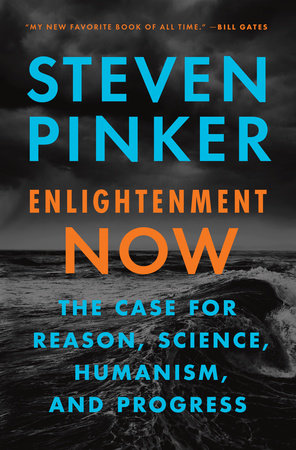
9780525427575.jpegSteven Pinker has featured in these pages plenty of times for the quality of his writing. Recently he was featured in a joint interview with Bill Gates that we meant to link to, but never did. And meanwhile we linked to this story about optimism; now this:

…If you think the world is coming to an end, think again: people are living longer, healthier, freer, and happier lives, and while our problems are formidable, the solutions lie in the Enlightenment ideal of using reason and science.

Is the world really falling apart? Is the ideal of progress obsolete? In this elegant assessment of the human condition in the third millennium, cognitive scientist and public intellectual Steven Pinker urges us to step back from the gory headlines and prophecies of doom, which play to our psychological biases…[continue reading on the book’s website]

The book came to our attention thanks to a smart op-ed:

merlin_132531638_bf5b1cdd-75e4-4b98-96d1-b77255ff8edd-master768

Steven Pinker, a psychology professor at Harvard, calls himself an Enlightenment man. Credit Chona Kasinger for The New York Times

…Pinker’s philosophical lens prevents him from seeing where the real problems lie. He calls himself an Enlightenment man, but he’s really a scientific rationalist. He puts tremendous emphasis on the value of individual reason. The key to progress is information — making ourselves better informed. The key sin in the world is a result either of entropy, the randomness that is built into any system, or faith — dogma clouding reason. Continue reading

Why Optimism Is Not Naive Right Now

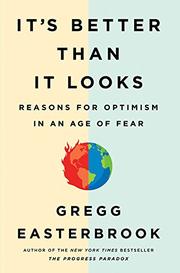
9781610397414If you only have a minute, this will do, courtesy of Kirkus Review (read the remaining couple paragraphs of that review by clicking on the book cover to the left):

Cheer up, world: we’re killing each other less, except in our cars, and living in a boom. Thus this contrarian pep talk by longtime Atlantic contributor Easterbrook (The Game’s Not Over: In Defense of Football, 2015, etc.).

Optimism is out of style, but by the author’s account, it shouldn’t be. When Donald Trump came into office, the unemployment rate was low enough that the number “would have caused economists of the 1970s to fall to their knees and kiss the ground.”…

But in less than half an hour you can get the author’s spoken digest of the book here:

Easterbrook1.jpg

And if that interests you, and you want more but not the whole book, try this, courtesy of Carnegie Council for Ethics in International Affairs:

Werner, Syme & Darwin

Nijhuis-The-Book-That-Colored-Charles-Darwins-World-Secondary-Featured

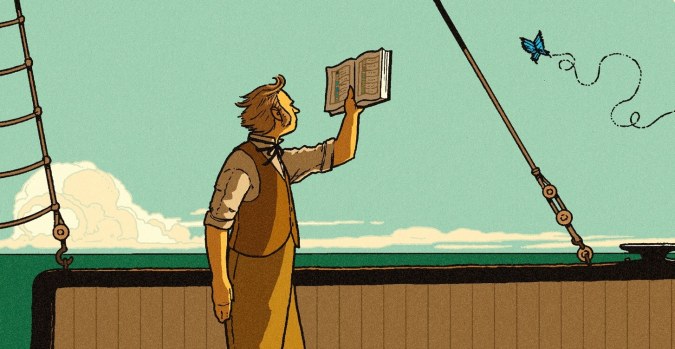
In his nearly five years aboard H.M.S. Beagle, Charles Darwin catalogued a dizzying array of new creatures. But how to show them to the people back home? Illustration by R. Fresson

9781588346216

It is a fine way to start a new week, thinking of a young person setting sail, and to narrow the focus of that thought, consider color.  We appreciate the notice by Michelle Nijhuis in the current issue of the New Yorker magazine about the upcoming re-issuing of this book, and her comment about it is welcome. Less welcome is the fact that if you click on her link to the book, or search on the title of the book with a fresh search, you will be directed to Amazon. At least if you are searching from the USA. Even from a USA-based search you can find alternatives, but from sources in places such as this excellent shop in the UK, or this one in Scandinavia. With that in mind, if the review below makes you think about purchasing the book, please consider clicking the image to the left which will link you to a bookstore in the USA that is offering it for pre-sale. Either way, enjoy this for now:

The Book That Colored Charles Darwin’s World

“I had been struck by the beautiful colour of the sea when seen through the chinks of a straw hat,” Charles Darwin wrote, in late March, 1832, as H.M.S. Beagle threaded its way through the Abrolhos Shoals, off the Brazilian coast. The water, he wrote, was “Indigo with a little Azure blue,” while the sky above was “Berlin with [a] little Ultra marine.”

Nomen1Darwin, then twenty-three, was only three months into the nearly five-year adventure that would transform his life and, eventually, the way that humans saw themselves and other species. As the voyage’s so-called scientific person, he would collect masses of rocks, fossils, animals, and plants, periodically shipping his specimens to Cambridge in containers ranging from barrels to pillboxes. Like other naturalists of his time, though, his primary documentary tool was the written word, and during the voyage he drew many of his words from a slim volume called “Werner’s Nomenclature of Colours,” published in 1814 by the Scottish artist Patrick Syme.
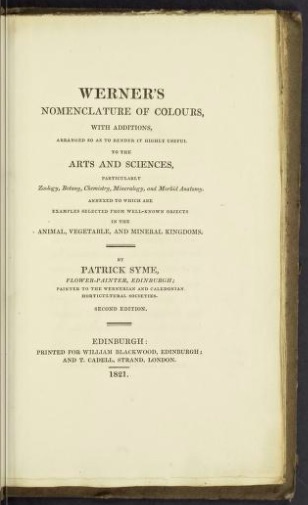
Nomen2Syme’s guide, a facsimile of which will be released in early February by Smithsonian Books, contains samples, names, and descriptions of a hundred and ten colors, ranging from Snow White to Asparagus Green to Arterial Blood Red to, finally, Blackish Brown. Based on a color-naming system developed in the late eighteenth century by the German mineralogist Abraham Werner, the guide is full of geological comparisons: Grayish White is likened to granular limestone, Brownish Orange to Brazilian topaz. Syme, a flower painter and art teacher, added comparisons from the living world. To Werner’s eyes, the Berlin Blue that Darwin saw in the Atlantic sky resembled a sapphire; to Syme, the wing feathers of a jay. Continue reading

Birding Field Guides, Rated

field-guide-to-birds-lowres-1688

Photo: Kyle Fitzgerald

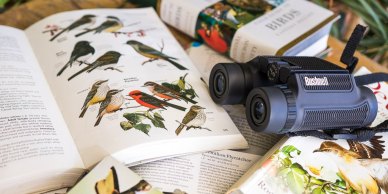
We are constantly on the lookout for information useful to birders, for birding. Clara Chaisson made some choices for Wirecutter on which field guides to rate and which was best, and she had us at methodology:

Birding together is a bonding activity in my family in the same way that game night is in other households, so I’ve been casually birding for most of my life. Since studying ornithology in college, I’ve had opportunities to make my enthusiasm for bird observation more than just a hobby; I’ve done seasonal fieldwork that required me to know how to identify all Northeastern birds by sight and sound. Even now that I have a desk job and live in a city, I still get out as often as I can.

field-guide-to-birds-top-2x1-lowres1024-1702I spent a week testing nine of the most-recommended and best-selling bird guides at Mount Auburn Cemetery—the first garden cemetery in the US—and Fresh Pond in Cambridge, Massachusetts, both of which are hotspots, or popular public birding locations, on the online birding database eBird. Continue reading

Chocolate’s Future Is Ours To Write, Within Limits


Slowmelt

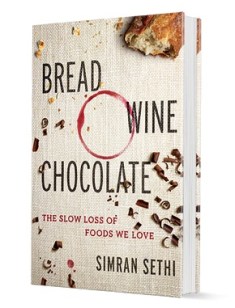
sethi_breadwinechocolate_3dWe are among those hoping that the future of chocolate is tastier, but we thankfully missed the mistaken headlines highlighted in this story below (thanks to the salt at National Public Radio, USA). So no false hopes dashed, but we pass this along in the interest of science. And to highlight an author who has recently come to our attention. A couple of us who contribute here have a copy of Simran Sethi’s book Bread, Wine, Chocolate: The Slow Loss of Foods We Love (click to the right to go to there) on our nightstand currently; she also podcasts on the topic of chocolate over at The Slow Melt (click above to go there).

Sorry Folks, Climate Change Won’t Make Chocolate Taste Better

gettyimages-626378342_wide-4e7d50db9ab7b5dcd9578cdca115148a070224e7-s1300-c85

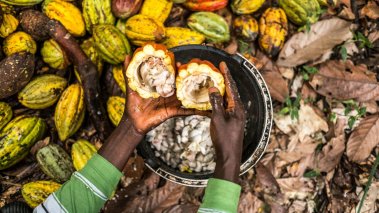
A cocoa farmer opens cacao pods with a stick to collect cocoa beans at his farm in Beni in the Democratic Republic of Congo. Eduardo Soteras/AFP/Getty Images

Two years ago, news headlines blared, “Cheese really is crack,” citing research that was widely misinterpreted as asserting cheese was addictive. Now, it’s chocolate’s turn.

Last week, several publications celebrated a new study that highlights the impacts of climate change on cocoa, stating global warming might make chocolate taste better. “Good news, chocolate-lovers,” wrote one outlet, “climate change may have a silver lining.”

Sadly, it’s not true. Continue reading

Thinking About What Matters

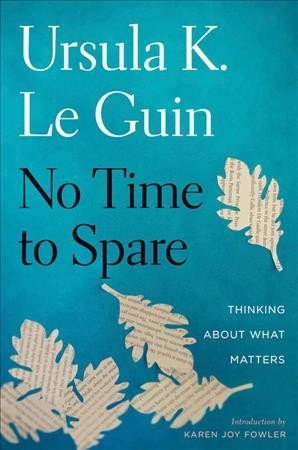
9781328661593_custom-98a5c984a54b82218a0fc4bb11b82f1021da6b56-s400-c85The author does not frequently show up in these pages. But when she does, it is worth noting because she says things that matter, and that gets us thinking. In the case of this book she is stating the obvious, that there is no time to spare. But sometimes it is good that someone of her stature states it anyway. Thanks to National Public Radio (USA) for this review:

Ursula K. Le Guin’s mastery of fiction has remained so consistent throughout her decades-long career, it’s easy to overlook her accomplishments in other forms. Sure, she’s the author of iconic, award-winning science fiction novels such as 1969’s The Left Hand of Darkness and 1971’s The Lathe of Heaven, not to mention the beloved fantasy series The Earthsea Cycle, which began in 1968. But those distinct works share Le Guin’s firm grasp of poetic language, science, and history. Accordingly, she’s a brilliant poet, albeit a less recognized one. Even further down on her résumé are her wins as a nonfiction writer. Her 2016 collection of essays and reviews, Words Are My Matter, won the Hugo Award for Best Related Work in 2017, despite the fact that the book did not focus exclusively on science fiction — nor do her other nonfiction collections, including The Wave in the Mind from 2004 and now, No Time to Spare, a new book that assembles some of her most cogent ruminations on everything from gender politics to anthropology to, yes, science fiction and fantasy. Continue reading

Nature, Money, Work, Care, Food, Energy & Lives

9780520293137Questions about the system we have been living with in the “developed” world have been mounting since Karl Marx got serious about writing. The end of the Cold War meant to many that “capitalism won” but the questions linger about whether this system can survive, or allow us to survive. Raj Patel and Jason W. Moore have laid it all out, bare and simple:

…Raj Patel and Jason W. Moore present a new approach to analyzing today’s planetary emergencies. Bringing the latest ecological research together with histories of colonialism, indigenous struggles, slave revolts, and other rebellions and uprisings, Patel and Moore demonstrate that throughout history, crises have always prompted fresh strategies to make the world cheap and safe for capitalism. At a time of crisis in all seven cheap things, innovative and systemic thinking is urgently required. This book proposes a radical new way of understanding—and reclaiming—the planet in the turbulent twenty-first century.

And Raj Patel serves it in a one hour dish here:

Sourdough, The Book

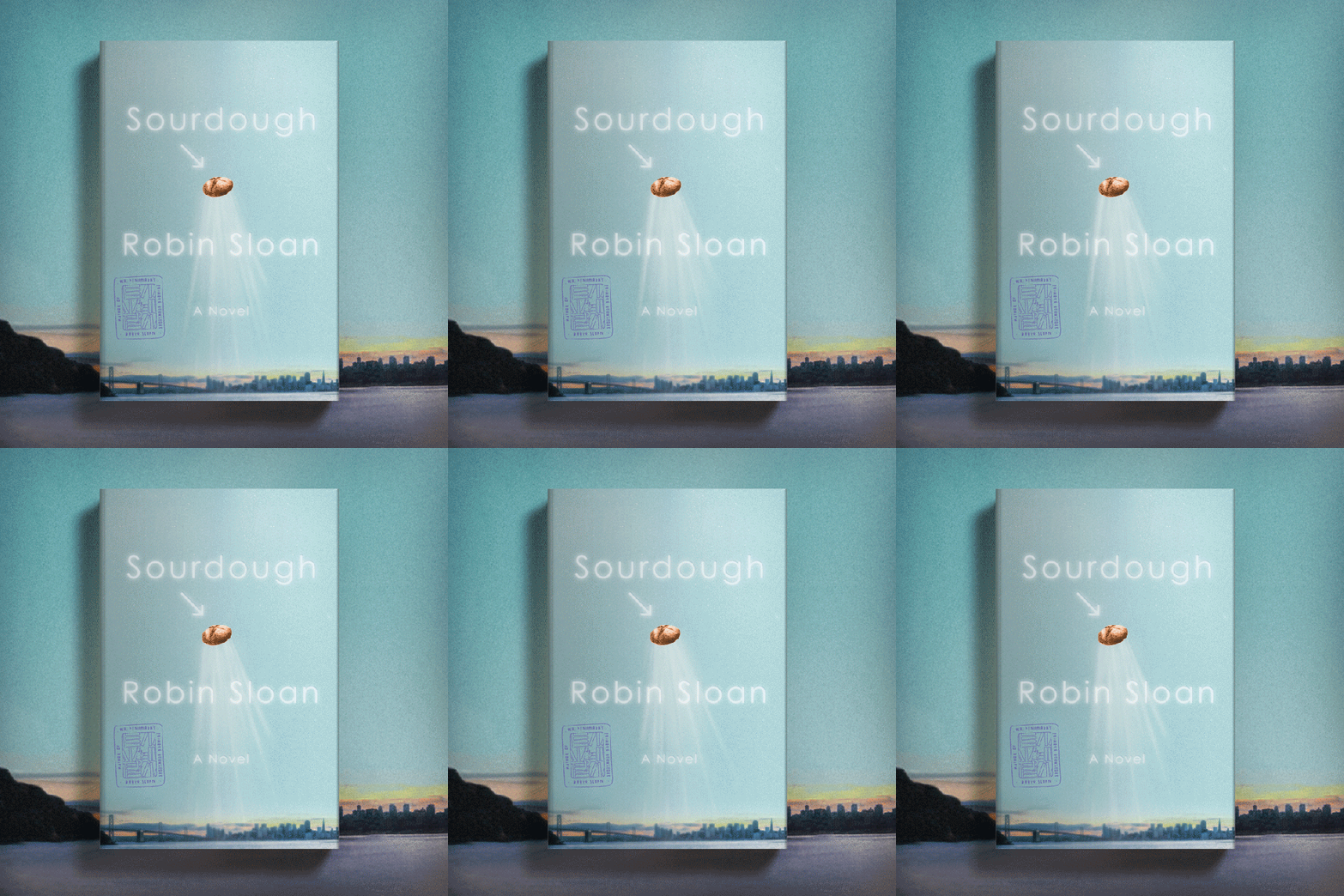
sourdough-cover-animation

What a great book, seriously.

When Cory Doctorow says it so simply, we take him at his word. Trendy, pretty shiny things can invoke laughter as well as wonder. As mentioned in yesterday’s post, there is plenty to laugh at in the growing obsessions with precious food, among other social phenomena; and Robin Sloan’s new book may be the best compilation, as this review in Mother Jones makes clear:

And here are our favorite Sourdough food trend send-ups:

1. Hipster bakers. Sourdough‘s protagonist Lois learns to bake after reading The Soul of Sourdough, written by a young baker, Everett Broom, “with a thick black beard below a face so clean and cherubic it made the beard appear glued on.” The bread bible recounts Broom’s “flameout as a professional skateboarder, his addiction to a home-cooked drug known as spaz rocks, and finally his retreat to a bread-baking shack on the beach.” Continue reading

Bread Is Gold

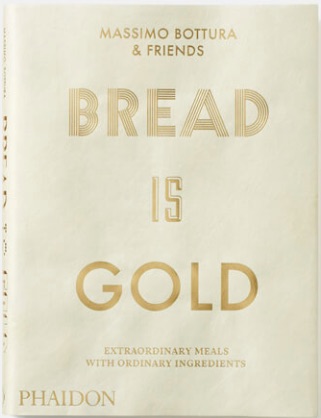
Bread1cThe publisher’s blurb starts with an annoying claim, as if there is one chef better than all others in the world, that illustrates why foodie-ism is less and less linked to on this platform. Nonetheless, the book sounds worthy of attention:

Massimo Bottura, the world’s best chef, prepares extraordinary meals from ordinary and sometimes ‘wasted’ ingredients inspiring home chefs to eat well while living well.

‘These dishes could change the way we feed the world, because they can be cooked by anyone, anywhere, on any budget. To feed the planet, first you have to fight the waste’, Massimo Bottura

Bread is Gold is the first book to take a holistic look at the subject of food waste, presenting recipes for three-course meals from 45 of the world’s top chefs, including Daniel Humm, Mario Batali, René Redzepi, Alain Ducasse, Joan Roca, Enrique Olvera, Ferran & Albert Adrià and Virgilio Martínez. These recipes, which number more than 150, turn everyday ingredients into inspiring dishes that are delicious, economical, and easy to make.

We remember the genesis of this from a story by Adam Robb a couple of years ago:

26bottura-robb-1-master1050

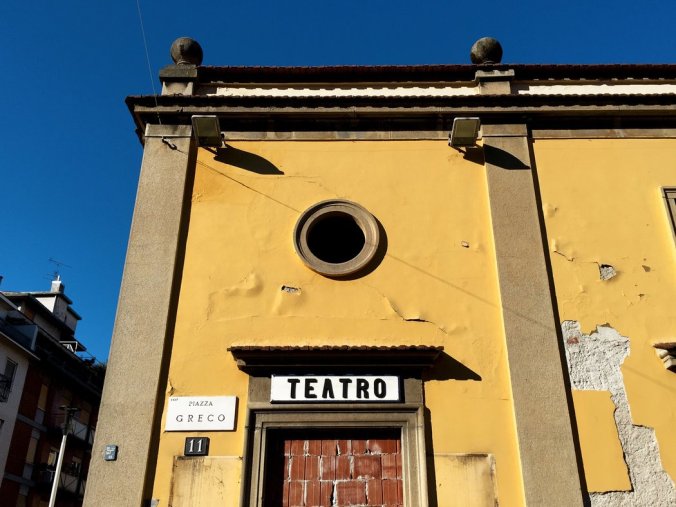
The renovated Refettorio Ambrosiano in Milan’s Greco neighborhood will house a charity event organized by chef Massimo Bottura during Expo Milano 2015. Credit Adam Robb

Massimo Bottura’s Pope Francis-Approved Refectory, and Recipe to Turn Stale Bread Into Gold

Italy’s most progressive exhibition of sustainable cooking commences this Thursday, when the Michelin-starred chef Massimo Bottura throws open the doors of Refettorio Ambrosiano, the once-derelict theater repurposed to educate and feed the refugees and working poor who reside far across town from the multinational pavilions welcoming culinary tourists to this summer’s Expo Milano 2015. Continue reading

Immigrant Mobile Food Vendor Heritage

roasted-pumpkin-taco_wide-989cb44a90437f6cf9228861c0178518fde7dde2-s1300-c85.jpg

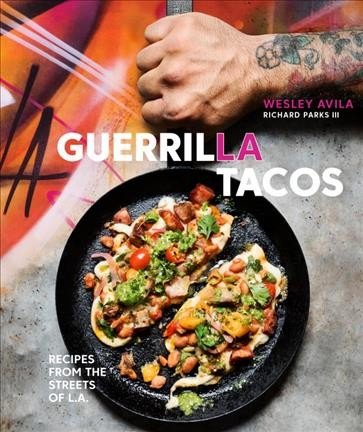
Roasted pumpkin tacos from chef Wes Avila’s cookbook, Guerrilla TacosDylan James Ho and Jeni Afuso/Courtesy of Ten Speed Press

Thanks to Mandalit del Barco and the National Public Radio (USA) folks at the salt for this book review that has special resonance to those of us with immigrant street vendor heritage:

‘Guerrilla Tacos’: Street Food With A High-End Pedigree

How many taco trucks do you know that not only have a cookbook but a theme song? Wes Avila’s Guerrilla Tacos truck does – and has once again made food critic Jonathan Gold’s influential list of favorite Los Angeles eateries.

9780399578632_custom-1290954c4c68f10d38993aede65645a3c56a1961-s400-c85.jpgFive years ago, Avila was working as a sous chef at a pop up restaurant called Le Comptoir. It was only open four days a week, and Avila says he wasn’t making enough money to cover his rent. So he bought a simple food cart. He used his last $167 on ingredients. Then he and a friend began selling tacos in the arts district in downtown Los Angeles without the required health department permits.

“We were kind of bending the law, not necessarily breaking the law. We had to move around so we wouldn’t get caught — you know, like guerrilla warfare,” Avila says. “That’s why we had that name, because we’d be in random alleys, random streets, being kind of renegade like that.” Continue reading