We Will Be For It

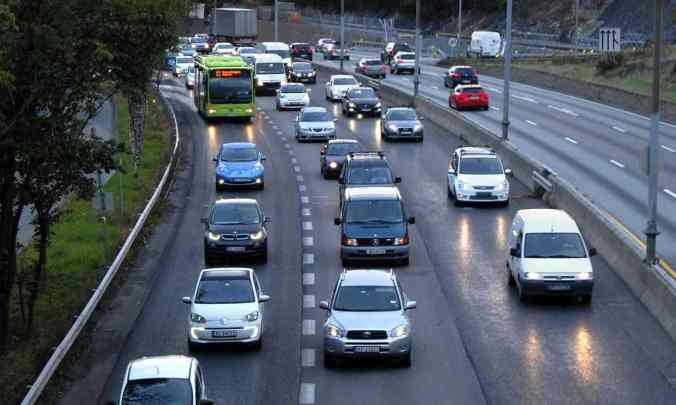
rideshare

We have not seen one yet, apart from Uber and Lyft (which we have been grateful for as users already), but when we do see any pure form(s) of this mythical app our support will be early and often:

Carpooling apps could slash congestion, fuel use, and emissions

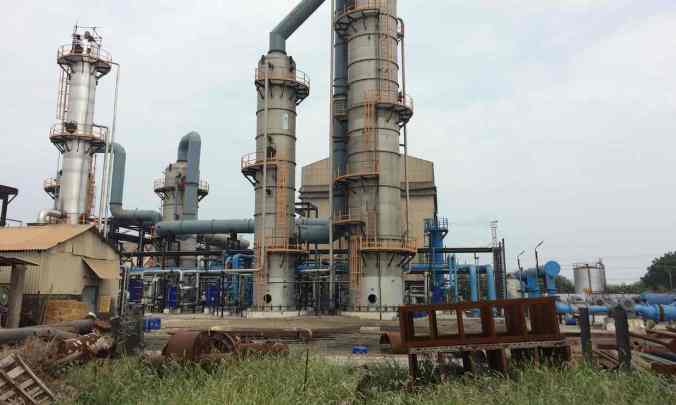
Carbon Capture In India

3264-1

Tuticorin thermal power station near the port of Thoothukudi on the Bay of Bengal, southern India. The plant is said to be the first industrial-scale example of carbon capture and utilisation (CCU). Photograph: Roger Harrabin

Thanks to the Guardian’s Environment section for this news:

Indian firm makes carbon capture breakthrough

Carbonclean is turning planet-heating emissions into profit by converting CO2 into baking powder – and could lock up 60,000 tonnes of CO2 a year Continue reading

The State Of Great

29brown-hp-master768

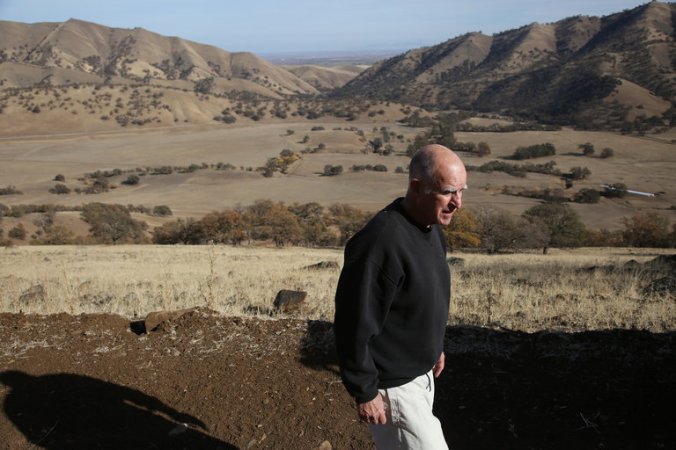
Gov. Jerry Brown at his 2,514-acre family ranch in Colusa County, Calif. “I wouldn’t underestimate California’s resolve if everything moves in this extreme climate denial direction,” he said. “Yes, we will take action.” Credit Jim Wilson/The New York Times

This article, by Adam Nagourney and science writer Henry Fountain, gives climate-concerned citizens everywhere hope that recent tectonic shifts on the political landscape in the USA will not result in complete abandonment of reason within all the states of that union:

LOS ANGELES — Foreign governments concerned about climate change may soon be spending more time dealing with Sacramento than Washington.” Continue reading

Bright Spot To Close Out 2016

solar2016

Thanks to Bloomberg for a surprising bit of good news about the prospects for solar energy going forward:

World Energy Hits a Turning Point: Solar That’s Cheaper Than Wind

Emerging markets are leapfrogging the developed world thanks to cheap panels.

by Tom Randall

A transformation is happening in global energy markets that’s worth noting as 2016 comes to an end: Solar power, for the first time, is becoming the cheapest form of new electricity.  Continue reading

Understanding The Solar-Carbon Threshold

sunset

Image: Daniel Parks/Flickr

We are constantly playing catch up with the terminology, let alone the science, of environmental efficiency in all its forms and considerations. Anthropocene delivers the daily goods, in the form of a summary of an environmentally-oriented scientific study, that we constantly find useful:

Solar power will cross a carbon threshold by 2018

Fabulous Food Chain Phenomenon

09tb-lobsters2-jumbo

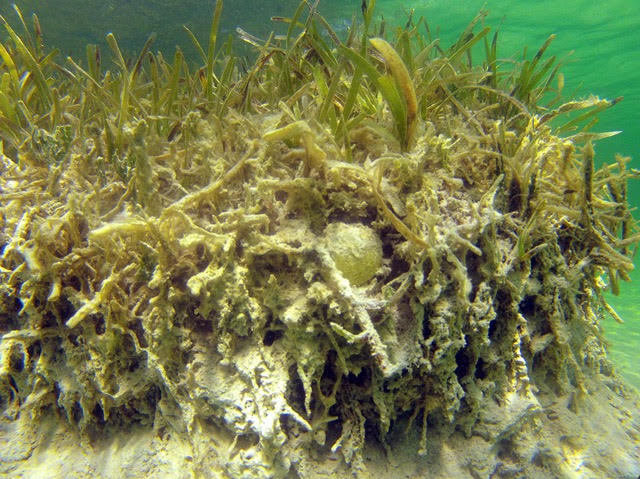
A chemosynthetic clam living in sea grass. Researchers are not sure how lobsters dig them up. Credit Nicholas Higgs

Thanks to the Science section of the New York Times for this article, The Freaky Food Chain Behind Your Lobster Dinner, by Steph Yin:

If you’ve ever ordered a lobster tail from Red Lobster, there’s a good chance some of your meal can be traced back to swamp gas.

Let me explain.

Red Lobster is a major purchaser of Caribbean spiny lobster, a species that lives in coral reefs in the western Atlantic Ocean. In the 1980s, lobster fishers started constructing artificial reefs in sea grass beds throughout the Caribbean to attract these lobsters. Continue reading

Banks, Rainforests, We The People

04DEFORESTATION-superJumbo.jpg

Young orphaned orangutans on a climbing expedition with their keeper at International Animal Rescue’s orangutan school in West Kalimantan, Indonesia. Credit Kemal Jufri for The New York Times

We first started paying close attention to the plight of the ecosystem in the image above when we saw the talk given by Willie Smits, who has taken action, to say the least, in the interest of protecting that rainforest and its inhabitants. It is not because of the orangutans (though see the photo below and try to resist reading on) that we find this article compelling; it is because there is a clear and compelling call to action on holding our institutions accountable:

How Big Banks Are Putting Rain Forests in Peril

By

In early 2015, scientists monitoring satellite images at Global Forest Watch raised the alarm about the destruction of rain forests in Indonesia.

Environmental groups raced to the scene in West Kalimantan province, on the island of Borneo, to find a charred wasteland: smoldering fires, orangutans driven from their nests, and signs of an extensive release of carbon dioxide into the atmosphere. Continue reading

Mexico’s Experimentation With Community-Based Forestry

DSC-NT1216_05.jpg

Thanks to Discover magazine for this (subscription required):

Can Community-Based Logging Fight Climate Change?

In Mexico, conservationists hope sustainable logging can provide jobs, protect the habitat and keep carbon from the atmosphere. Continue reading

Concrete More Awesome Than Thought

concretejungle

Photo: Phil Roeder, Flickr Creative Commons

We are reminded of this episode of a podcast dealing with concrete’s surprising awesomeness, with some new science to add support:

Concrete jungles can soak up carbon

Renewable Energy Outlook

light-bulbs2.jpg

World electricity production going from black to green

In a time of troubling headlines, the more promising headlines can get lost, but they are there. At least with regard to renewable energy. Click the image above to read the summary of this book at Anthropocene or the image below to go to the source:

MTrenew2016.jpgThe rapid spread of renewable energy is a bright spot in the global energy transition towards a low carbon economy. Despite lower fossil fuel prices, renewable power expanded at its fastest-ever rate in 2015, thanks to supportive government policies and sharp cost reductions. Continue reading

The Future Of Food & Taxes

5126

Food production causes a quarter of greenhouse gas emissions, largely from the raising of cattle and other livestock. Photograph: Mike Kemp/Getty Images

Tax meat and dairy to cut emissions and save lives, study urges

Surcharges of 40% on beef and 20% on milk would compensate for climate damage and deter people from consuming as much unhealthy food

Damian Carrington

Climate taxes on meat and milk would lead to huge and vital cuts in carbon emissions as well as saving half a million lives a year via healthier diets, according to the first global analysis of the issue. Continue reading

Climate Revolution

31stoneweb-master768

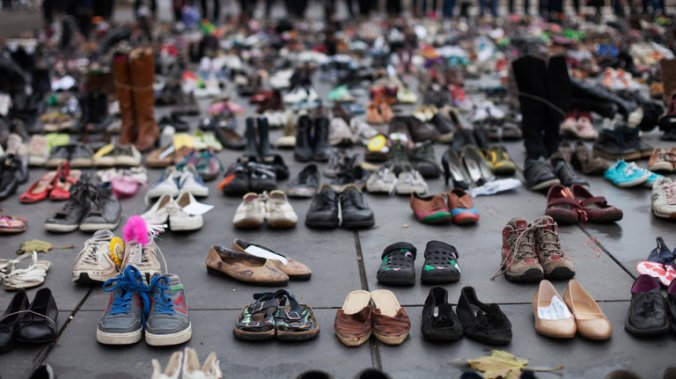
Shoes representing protesters at the climate talks summit in Paris last year. Credit Andre Larsson/NurPhoto, via Getty Images

Thanks to Mr. Godoy and Mr. Jaffe for this strong, clear and compelling statement:

We Don’t Need a ‘War’ on Climate Change, We Need a Revolution

Eric S. Godoy and

This year is on track to become the hottest ever recorded, and a growing number of environmentalists are using a particular type of language in response. Some are calling for a huge “mobilization” to “combat” climate change. In an article in the New Republic in August, Bill McKibben, the unofficial spokesperson of the climate movement in the United States, insisted in very literal terms that, we are at war with climate change. Continue reading

More Before The Flood

Flood.jpg

We have been there, we have seen it, we have breathed it, we have witnessed enough. We are grateful to the film makers for bearing witness to a wider audience. Click above to go to the preview of the film:

Exclusive Clip: DiCaprio’s Climate Doc Exposes Destruction of Rainforest for Palm Oil as Huge Driver of Global Carbon Emissions

Rainforest Action Network

A new documentary produced and starring actor and activist Leonardo DiCaprio premieres in Los Angeles today and will be broadcast globally in 45 languages in 171 countries on the National Geographic Channel starting Oct. 30, timed to air in advance of the November elections. Continue reading

Carbon Capture’s Unintended Consequences

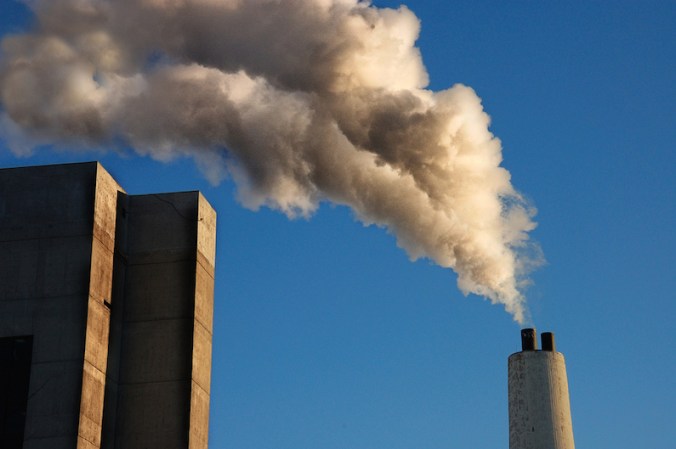
smokestack.jpg

Photo: Ryan T. Flickr Creative Commons.

Be careful what you wish for as this summary of a new scientific study reminds us:

Could carbon capture fuel our carbon addiction?

Ice Melt, Harbinger Of Accelerated Melting

161024_r28885-690x448-1476393905

When water accumulates on the surface of an ice sheet, more sunlight gets absorbed, which results in more melt, in a cycle that builds on itself. This year’s melt season began so early that many scientists couldn’t believe the data they were seeing. PHOTOGRAPH BY DANIEL BELTRÁ

Elizabeth Kolbert has appeared in these pages about as frequently as any other individual we admire (McKibben, an activist and a writer, wins the race with a few more posts pointing his way), or any other topic (take your pick between libraries, entrepreneurial conservation or a few others that nudge past EK in the same race) we care deeply about. She is an activist through her writing, advocating on behalf of our better understanding of the challenges facing the next generations. Epochal challenges that we have some ability to influence the outcome of. So, when she delivers biblical proportions of reporting, we read every word and pass it on:

GREENLAND IS MELTING

The shrinking of the country’s ice sheet is triggering feedback loops that accelerate the global crisis. The floodgates may already be open.

Not long ago, I attended a memorial service on top of the Greenland ice sheet for a man I did not know. The service was an intimate affair, with only four people present. I worried that I might be regarded as an interloper and thought about stepping away. But I was clipped onto a rope, and, in any case, I wanted to be there. Continue reading

Nudging In The UK

3500

Electric cars using the bus lane (left) during morning rush hour in Oslo, Norway. Photograph: Pierre-Henry Deshayes/AFP/Getty Images

Like the little victories in wilderness conservation, which may be too little to late or maybe a bright spot on a bleak horizon, the small moves in the right direction on other environmental fronts seem promising, and therefore worthy of note. We salute Mayor Khan for his efforts to get Londoners to do their part, according to this story below. It reminds me of Richard Thaler‘s explanation of the power of nudging things along in the right direction, and wishing these nudge stories were more commonplace in the eight years since we started hearing about them:

Electric vehicles could go first at traffic lights under UK clean air zone plans

Government proposals to tackle air pollution in five UK cities could see electric vehicle drivers using bus lanes and getting priority at traffic lights

Drivers of electric vehicles could be allowed to use bus lanes in five UK cities and even go first at traffic lights, to tackle illegal levels of air pollution, the government has suggested. Continue reading

Solar’s Silicon Future

p04bw5z3

Thanks to the BBC for this story:

Why Apple And Google Are Moving Into Solar Energy

Silicon Valley’s biggest companies are investing in renewable energy in a serious way – a sign, perhaps, of rapid changes in the energy market.

By Chris Baraniuk 14 October 2016

Most people think of Apple as a company that makes phones, computers and smart watches – not an energy provider. But in August all of that changed when the firm was given permission to sell energy from a Californian solar farm that it acquired last year. Continue reading

Kite Power

5911

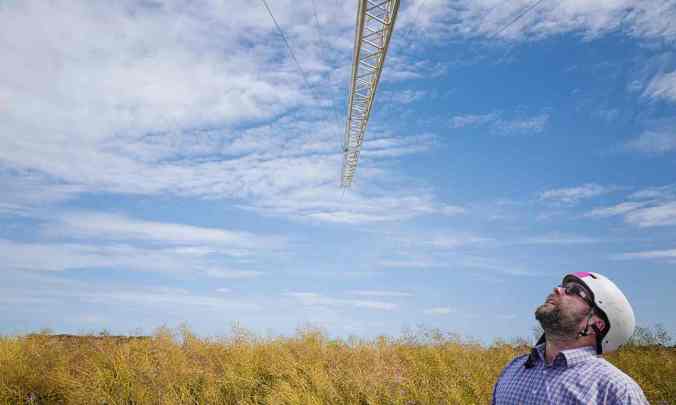
Bill Hampton, chief executive of Kite Power Solutions. Photograph: Sarah Lee for the Guardian


Kite power to take flight in Scotland next year

Kite Power Solutions plans to open UK’s first kite power plant and predicts the technology could global ease energy costs

Continue reading

Absurdity In Vivid, Brilliant Living Color

05porter-master768

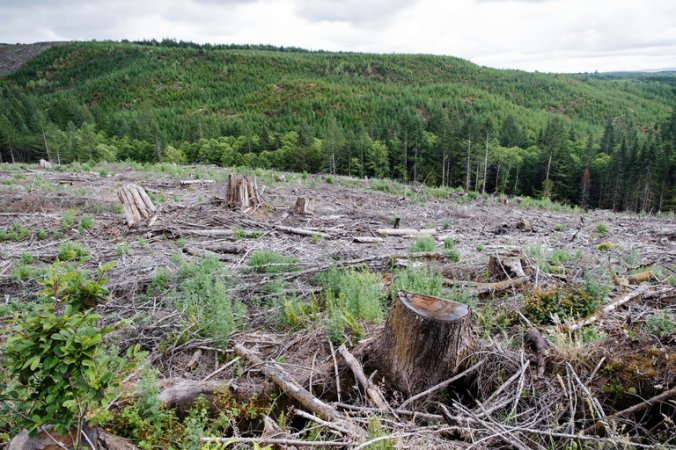
Clear-cutting along Highway 30 in Oregon. A bipartisan group of senators wants the government to assume that burning forests to generate electricity does not add carbon dioxide to the air but is instead “carbon neutral.” Credit Leah Nash for The New York Times

We have stayed away from politics as much as possible on this platform, except to celebrate innovative successes in the interest of conservation; but this news item is a must-share due to the gravity of its weirdness:

Next ‘Renewable Energy’: Burning Forests, if Senators Get Their Way

Eduardo Porter

President Obama’s Clean Power Plan — the central plank in his strategy to combat climate change — is in danger.

It’s not just that it is under attack in court, where its legality was challenged last week by a coalition of 28 states and scores of companies and industry groups. Or that fossil fuel interests and Republicans in Congress will keep trying to block it, whatever the courts decide.

The president’s plan to reduce emissions of heat-trapping carbon dioxide from the nation’s power sector could be undone within a matter of weeks by an unlikely bipartisan collection of senators that includes staunch Republican climate change deniers as well as Democrats who support the administration’s strategy. Continue reading

Coal Mining, Climate Change & Entrepreneurial Conservation

coal-jp1-superjumbo

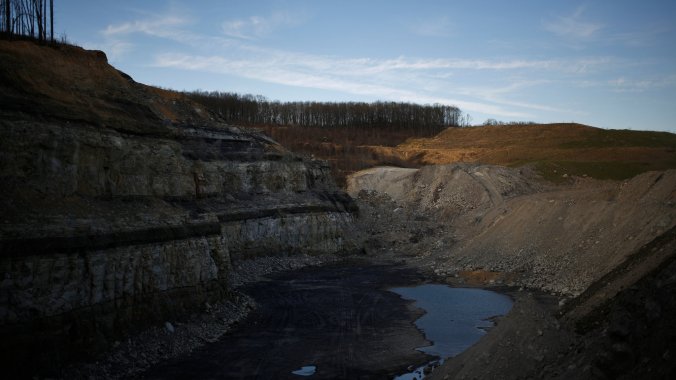
Reclamation crews fill in rock highwalls like this one, creating flat land that Tom Clarke intends to reforest as a way to trap and hold carbon dioxide. Credit Luke Sharrett for The New York Times

We had to read it to believe it:

A Curious Plan to Fight Climate Change: Buy Mines, Sell Coal

Tom Clarke, a nursing home owner, concocted a strategy to cut carbon emissions by gaining control of millions of tons of coal reserves and multiple mines.

FAIRVIEW, W.Va. — The coal was piled about as high as it could go, spilling down to the railroad tracks and towering over the elevator shaft. A yellow bulldozer pushed the mound to make room for more. From a distance on this rainy day, the black heap looked like a giant whale about to swallow the mine whole.

The word underground was that Federal mine No. 2 would soon have to close. It was early April, and the mine was running out of storage space. There were not enough buyers for all the coal. Continue reading