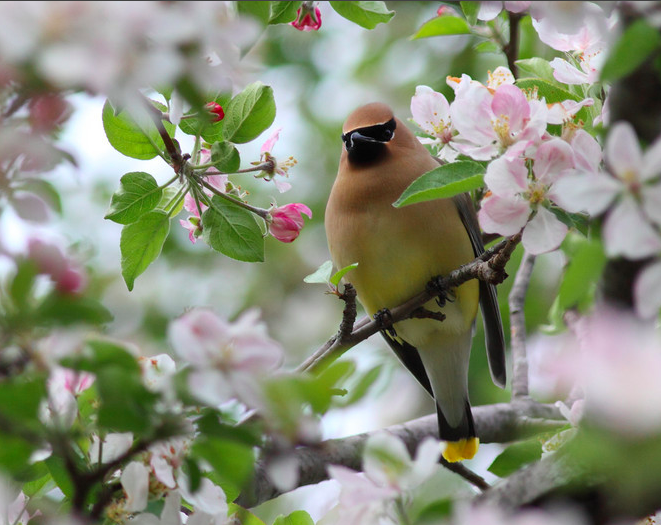
Bird of the Day: Cedar Waxwing (Milwaukee, Wisconsin)
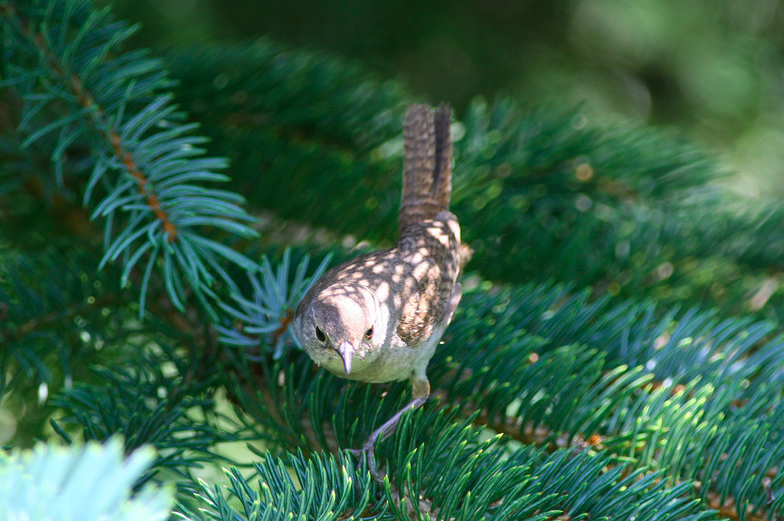
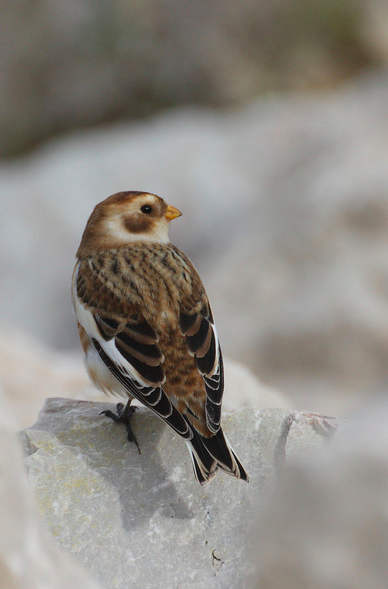
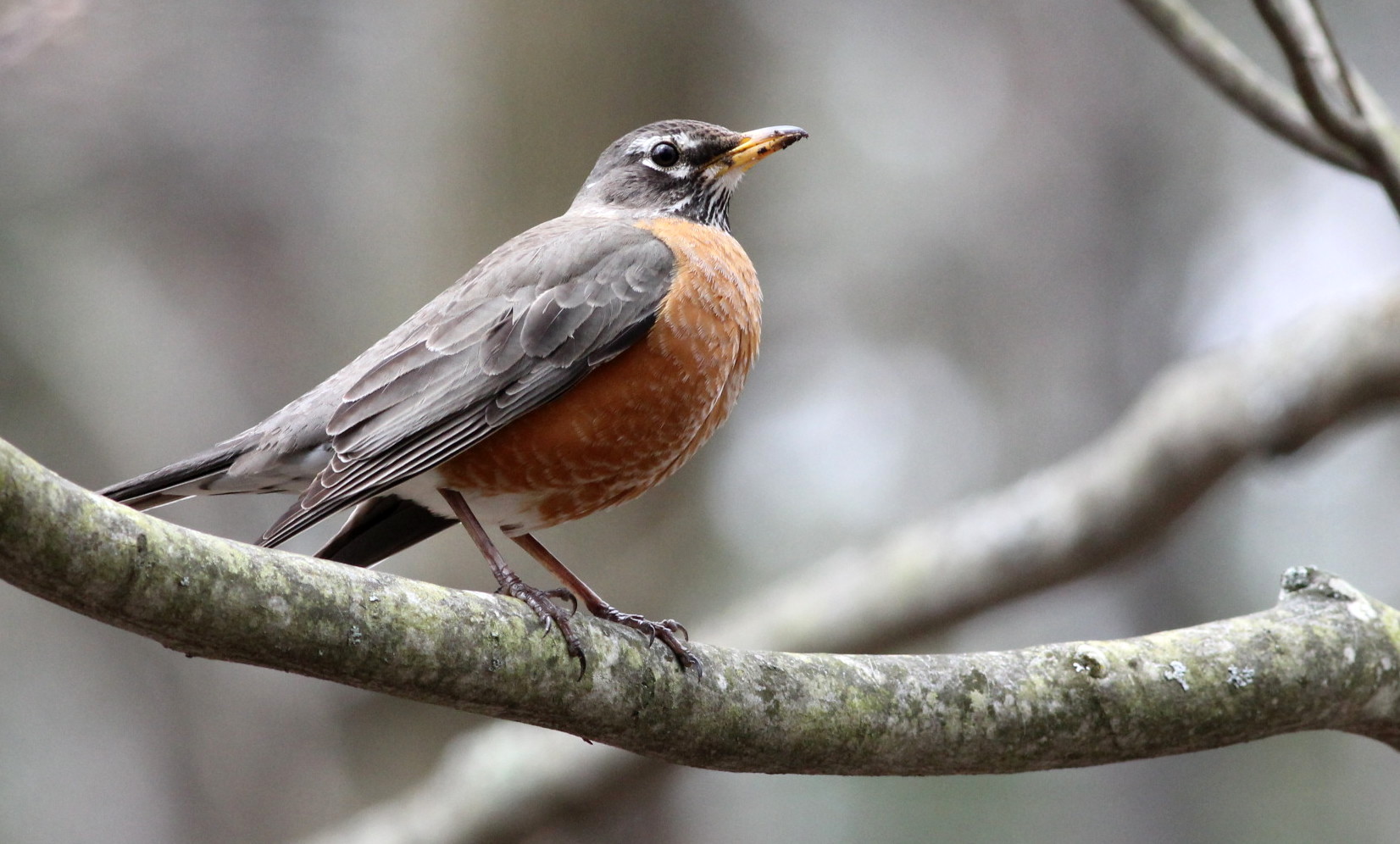
Tompkins County, NY
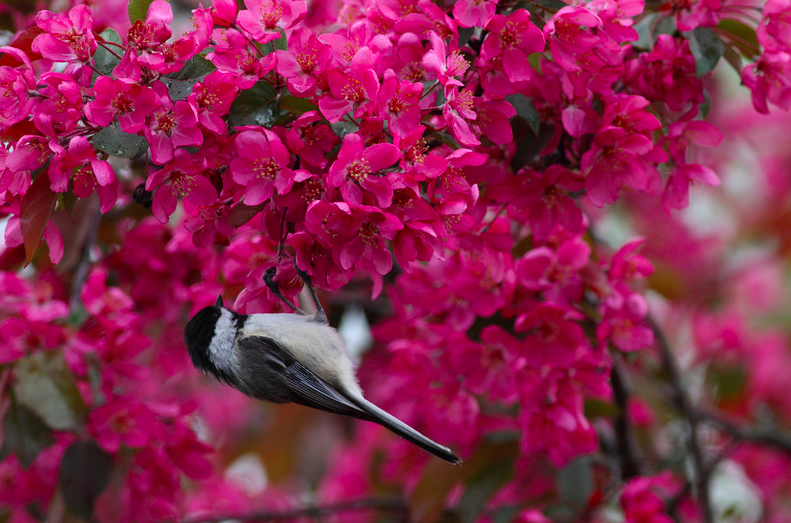
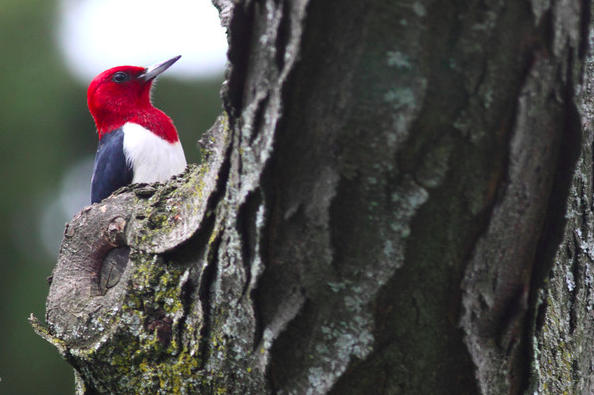
Milwaukee, Wisconsin

Photo credit: 10 year old Anup Prakash
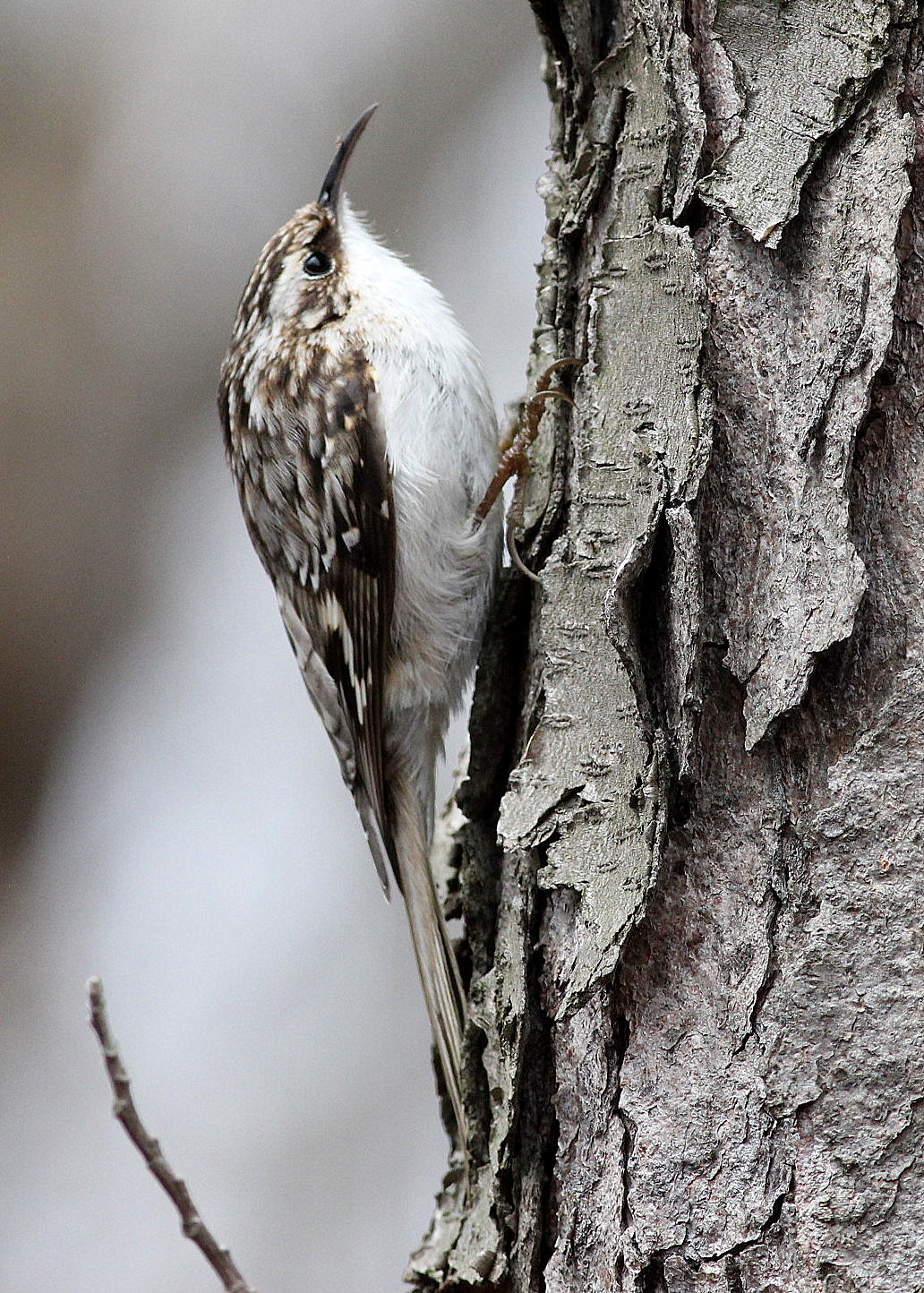
Tompkins County, NY

These House Sparrows, one of the sixteen focal species of the Celebrate Urban Birds program, were all dust-bathing together next to the sidewalk near the Washington Monument as I walked past this week. Birds dust-bathe to clean their feathers of oils and parasites, and the behavior is well-documented in this species.
On the other side of the world, just a few days ago, footage was released of previously undocumented (but formerly observed) behavior in Philippine thresher sharks, pelagic predators with a prodigious posterior. A thresher shark’s tail comprises about half of the shark’s total length, and in the video Continue reading

Tompkins County, NY

Mysore, Karnataka


Tompkins County, NY
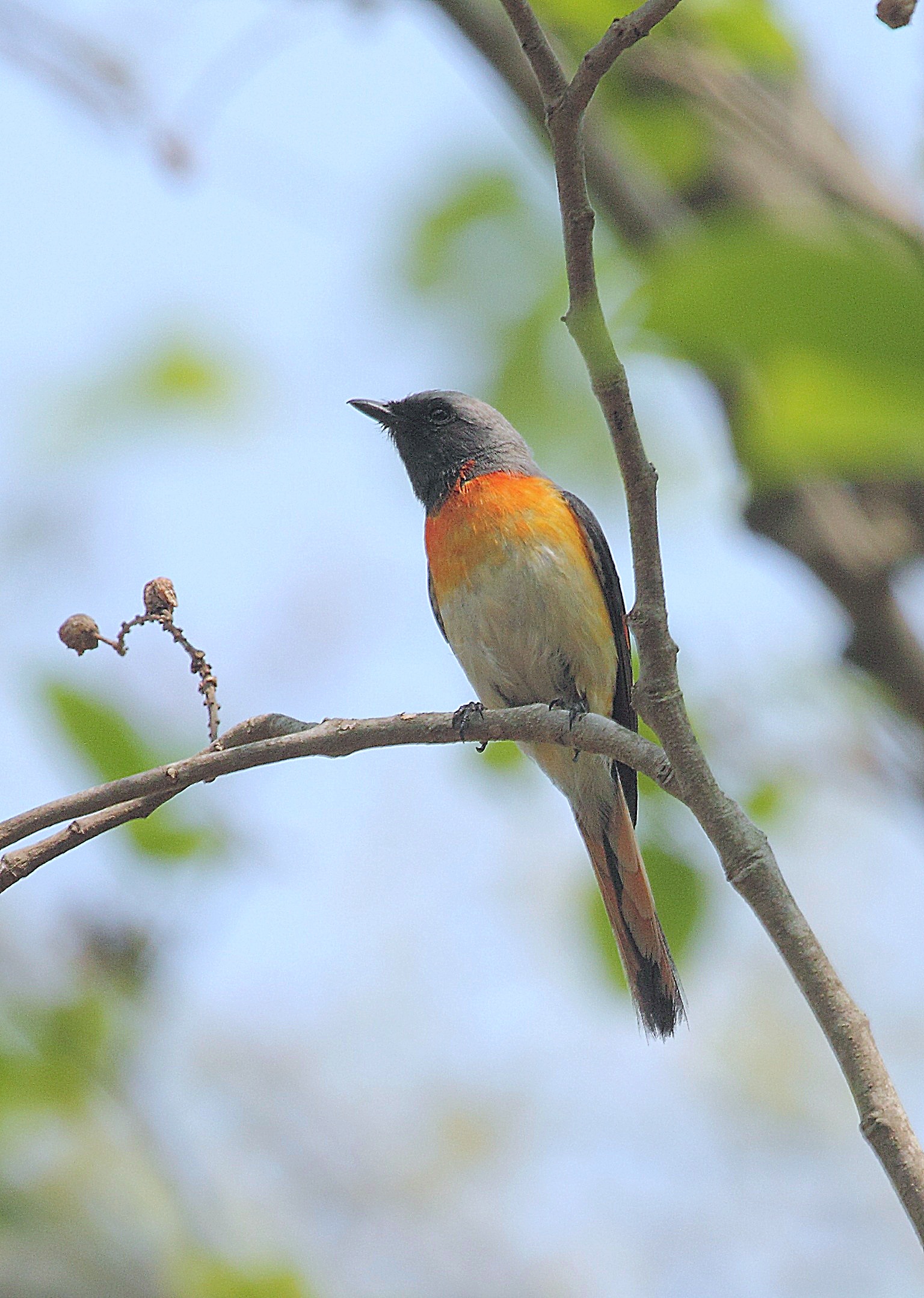
male – Outskirts of Bangalore, Karnataka
Below is a slideshow of birds and their woven nests, which I spoke about in my previous post.
Here you can see the diversity of nesting materials and supporting structures, the state of the strands of vegetation upon building (fresh and green or dry and brown), and the overall craftsbirdship exhibited by these master weavers!

What strange growths protrude from this tree? Photo by Seth Inman.
There are birds around the world that use strands of different materials to craft marvelous woven nests that hang from tree branches — if you’re lucky enough to see them!

Yellow-rumped Cacique in Avian Architecture by Peter Goodfellow © Princeton University Press 2011. p95
Of course, in some circumstances it is not hard to find these pendent, or hanging, nests, as with many species of caciques and oropendolas in Central and South America (birds related to the North American blackbirds, orioles, and cowbirds). That’s right, the photo above isn’t of some weird fruit tree, but a tree-wide colony of oropendolas at Las Isletas, in Nicaragua!
Caciques, close relatives of Oropendolas, often nest beside wasp nests; orioles, only slightly more distant relatives, frequently nest near Eastern Kingbirds and Great Kiskadees. Wasps and these large flycatchers all help defend against nest predators. Yellow-rumped Caciques like the one pictured on the right start their nest building with a loop in a tangled mass of fibers that surrounds the end of a branch. Continue reading
 Organikos