The Gift, A Gift

Recent guests of Raxa Collective, mentioned here, handed Amie and me this book prior to our parting ways. Upon reading this blurb, we expected to find it enriching if and when we could find the time to read the gift, The Gift, which:

“actually deserves the hyperbolic praise that in most blurbs is so empty. It is the sort of book that you remember where you were and even what you were wearing when you first picked it up. The sort that you hector friends about until they read it too. This is not just formulaic blurbspeak; it is the truth. No one who is invested in any kind of art, in questions of what real art does and doesn’t have to do with money, spirituality, ego, love, ugliness, sales, politics, morality, marketing, and whatever you call ‘value,’ can read The Gift and remain unchanged.”—David Foster Wallace
Continue reading

Mayan-Like Patterns

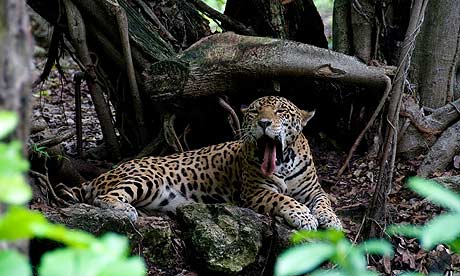
A jaguar – a symbol of Mayan royalty – is endangered but roams free in the Maya Biosphere Reserve, Guatemala. Photograph: Larry Larsen/Alamy

A jaguar – a symbol of Mayan royalty – is endangered but roams free in the Maya Biosphere Reserve, Guatemala. Photograph: Larry Larsen/Alamy

We make frequent links and comment on topics meant to raise awareness about innovative, fun and sometimes loony efforts—from the humble to the grand– to avert environmental collapse.  The dangers are real enough that we assume readers get enough of the doom and gloom elsewhere, so that we can focus our efforts on evidence of potential solutions, and encourage collective action.

The photo above accompanies a story in the Guardian worth a read, to put in perspective why it is that the Mayan calendar doomsdate hoopla, or at least some of the accompanying history, was worth a bit of attention:

…Today, much of the Mayans’ ancient homeland is a 7,700-square mile protected area in Guatemala called the Maya Biosphere Reserve. With an area greater than the states of Connecticut and Rhode Island combined, the reserve protects the largest remaining forest in Central America. Beneath the canopy, monumental vestiges of temples and palaces attest to past splendour. Similar magnificence is found in the reserve’s wildlife. The jaguar, once a symbol of Mayan royalty, still roams free in one of Central America’s last wild places. Continue reading

Folks Fight Feral Felines For Frigatebirds

A male frigatebird with the distinctive red sac on its chest that is inflated during courtship. Photograph: Derren Fox

Thanks to the Guardian‘s coverage of scientific and environmental issues for this story of success involving collective action on the part of British folk who decided to fix a problem they had inadvertently created starting back in the day when Darwin was voyaging on the Beagle:

…In the early 19th century, Ascension Island was home to more than 20 million seabirds, mainly masked boobies, black noddies, brown noddies and Ascension frigatebirds. The frigatebird was considered to be the most important because it was unique to the island. Continue reading

Marine Protected Areas As Collective Action

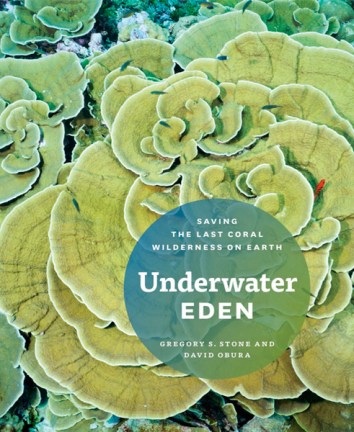
There are newer, larger marine protected areas. How and why do such areas come to be and how do they fare? According to this review the book to the left explains, and is even published as an authorial act of entrepreneurial conservation:

The Phoenix Islands Protected Area (PIPA) came into existence in 2006.  It was, at the time, the largest marine protected area in the world and was the result of a courageous step by the government of the Republic of Kiribati – a South Pacific nation consisting of what was once known Continue reading