Spoonbills Dream Team @ Macaw Lodge, Global Big Day 2020

DeckJan2020

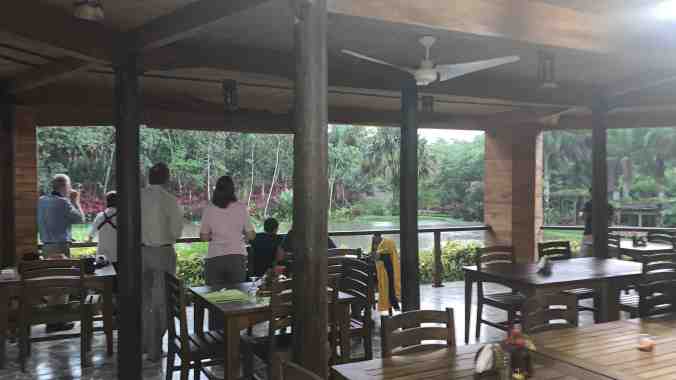
Macaw Lodge dining room observation deck, January 29, 2020

Three years ago today, a few countries north of where I type this, Team Sapsucker had excellent results on Global Big Day 2017. Today I am reporting on the efforts of one part of the Spoonbills Dream Team.

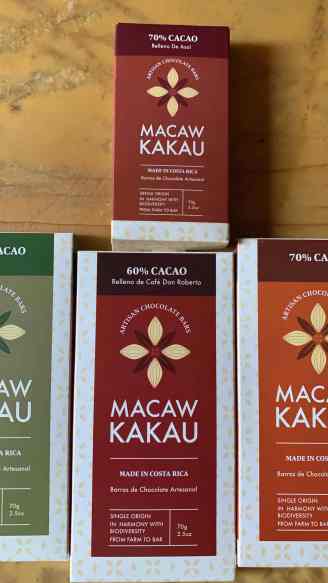
MacawChocThis team’s dream is spread across multiple geographies and results will be shared later. I will share what I know from Costa Rica. A few months ago, in a world that now seems far, far away Amie and I visited the farm where the cacao is grown for the farm-to-bar chocolate we offer in our shops. The farm has a lodge (or vice versa depending on your perspective), and before our visit to the cacao plantation and chocolate-making facilities we started, at dawn, on the deck of the lodge. That is what you see in the photo above. The lodge is closed at present but the deck that you see in that photo normally has birders from all over the world because of the forest conservation surrounding the cacao and the neighboring Carara National Park.

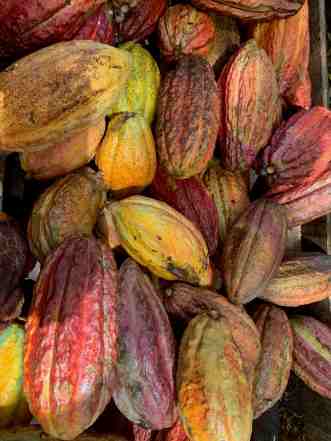
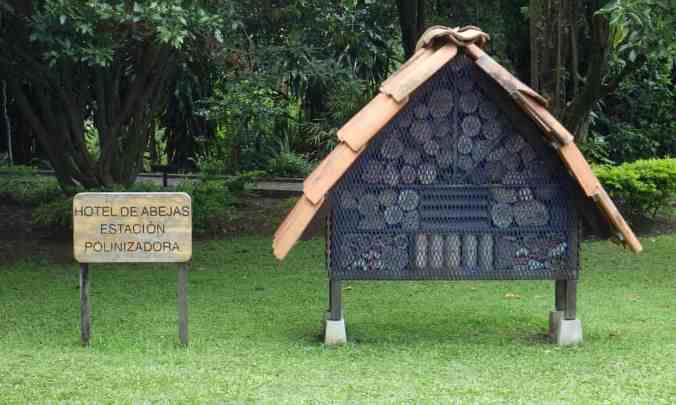
CacaoMore on the cacao-growing and the chocolate-making later. Plus, this is where I first saw a melipona bee hotel and I have photos and video from the recent harvest, so more on that later also. For now, birds. Seth, in New Haven, CT USA joined this team, then asked Amie to join the team, and she asked some birding guides who work at the lodge in the cacao plantation to join the team. I am the scribe for that Costa Rica part of the team. I do not even know who else is on the team in other countries, so will leave that for Seth or Amie to report later.

For now, some photos from the location where the bird experts have spent much of their time in recent years. Continue reading

Support Chefs Who Support Immigrant Workers

p&f_askchefsanything_LA_bigsquare_collage1-04-04

Los Angeles’s participating chefs Photo: Courtesy of Ask Chefs Anything

Devorah Lev-Tov, a writer who covers food, among other things, surprisingly has not shown up in our pages before. I am happy to link to this particular story as a first. Food and agriculture have been central to this platform since we started it in 2011. Also, immigrants-r-us, so I appreciate the effort on their behalf as much as I appreciate the visibility it is receiving in a location surprising to me. Vogue is an unlikely publication for me to source from, but credit where due, a great story:

Ask Chefs Anything: Famous Foodies Are Auctioning Their Time in Support of Immigrant Workers

As the COVID-19 pandemic continues to ravage the country and force businesses to shut down, among the hardest hit are immigrant workers—many of whom worked in the restaurant or other service industries. Now, they are left with no jobs and no unemployment benefits, struggling to put food on their plates and send money home to their families, while fearing getting sick without any support from the government.

In an effort to help them, dozens of famous chefs—including Alison Roman, Nancy Silverton, Tom Colicchio, Eric Ripert, Suzanne Goin, and Dominique Ansel—are auctioning off 30-minute virtual discussions where they will share recipes and cooking tips via a new initiative called Ask Chefs AnythingNew York City’s ended last week, Los Angeles’s auction is going on now through May 11, and Philadelphia’s takes place May 13 to 17, with more cities to follow. Continue reading

Actions Speak Louder With Words

4256bc

Sophie Leguil, founder of More Than Weeds, stands over chalk names of plants on the pavement.
Photograph: Jill Mead/The Guardian

Thanks to Alex Morss for this story in the Guardian about actions in the interest of botanical awareness:

‘Not just weeds’: how rebel botanists are using graffiti to name forgotten flora

Pavement chalking to draw attention to wild flowers and plants in urban areas has gone viral across Europe – but UK chalkers could face legal action

A rising international force of rebel botanists armed with chalk has taken up street graffiti to highlight the names and importance of the diverse but downtrodden flora growing in the cracks of paths and walls in towns and cities across Europe.

4592

Boris Presseq and fellow botanists write chalk plant names on the pavement in Toulouse, France. Photograph: Claire Van Beek/Handout

The idea of naming wild plants wherever they go – which began in France – has gone viral, with people chalking and sharing their images on social media. More than 127,000 people have liked a photo of chalked-up tree names in a London suburb, while a video of botanist Boris Presseq of Toulouse Museum of Natural History chalking up names to highlight street flowers in the French city has had 7m views.

4040

Chalkers say their work encourages connection with the natural world around us. Photograph: Jill Mead/The Guardian and Handout

Presseq told the Guardian: “I wanted to raise awareness of the presence, knowledge and respect of these wild plants on sidewalks. People who had never taken the time to observe these plants now tell me their view has changed. Schools have contacted me since to work with students on nature in the city.” Continue reading

How Sweet Is Your City?

2437

A bee hotel, part of Curridabat’s drive to welcome and protect pollinators. Photograph: Courtesy of Curridabat Municipality

Costa Rica is full of inspirational stories, some big picture and some more granular. Bee hotels are an example of the latter, and first came to my attention only this year. On a farm north of San Jose growing edible flowers, and then again on a cacao plantation in the Central Pacific zone where we source our line of Macaw Kakau chocolates–in both cases the “hotels” were specifically for melipona bees.  Thanks to the Guardian for putting some due attention on this forward-thinking municipality across the city from where I live and work, and especially for the reminder that I have not posted yet on the apicultural wonders I learned about at those two melipona bee hotels:

‘Sweet City’: the Costa Rica suburb that gave citizenship to bees, plants and trees

A suburb of the country’s capital is showing how urban planning can be harnessed to benefit both humans and wildlife

960 (1)

 ‘Biocorridors improve air quality, water quality and give people spaces to relax, have fun and improve their health,’ says Magalli Castro Álvarez. Photograph: Melissa Alvarez/Courtesy of GIZ/Biodiver_City Project

“Pollinators were the key,” says Edgar Mora, reflecting on the decision to recognise every bee, bat, hummingbird and butterfly as a citizen of Curridabat during his 12-year spell as mayor.

“Pollinators are the consultants of the natural world, supreme reproducers and they don’t charge for it. The plan to convert every street into a biocorridor and every neighbourhood into an ecosystem required a relationship with them.”

The move to extend citizenship to pollinators, trees and native plants in Curridabat has been crucial to the municipality’s transformation from an unremarkable suburb of the Costa Rican capital, San José, into a pioneering haven for urban wildlife. Continue reading

Pep Shot Is The New Bee’s Knees

original

For those who can afford it, culinary experimentation could become a practical hobby.HERITAGE / BETTMANN / GEORGE MARKS / AFP / GETTY / PROZHIVINA ELENE / SHUTTERSTOCK / KATIE MARTIN / THE ATLANTIC

$_35Dalgona is a name I did not know until five minutes ago. But I intimately knew the thing itself ages ago. For the 1981-82 academic year I worked with a tutor in Athens to learn my mother’s first language.  Her aunt, who I lived with, had only one way to prepare coffee, using this device to the left. Greek coffee, aka Turkish coffee, was fine.

m-6D-MUyWNCFYE0NFBe6z9wBut I did not love it. My cousin showed me an alternative, cautioning me that our great-aunt did not allow this foreign product in her home. So, I bought the contraband and each morning before she awoke I mixed the instant coffee with the milk and sugar and shook it in a jar and gulped it. It was a brief love affair. Instant coffee is not in our cupboard these days, but I have a fond memory of that fling. I appreciate Shirley Li’s article for reminding me of it.

Current circumstances are pushing us all in new directions of food and beverage production and consumption and for me, for now, the Pep Shot is the new bee’s knees:

In 1950, Americans Had Aspic. Now We Have Dalgona Coffee.

Unlike food innovations from crises past, coronavirus-inspired recipes are more about stress relief than survival.

Allison Ward used to grab coffee during her commute to work. The 34-year-old, a project manager for the McMaster Institute in Hamilton, Ontario, told me she needs caffeine every day, and that ever since the coronavirus pandemic put the city on lockdown, she’s been missing her Starbucks fix.

Then she learned about dalgona coffee. Continue reading

Crisis Inspired Pivots

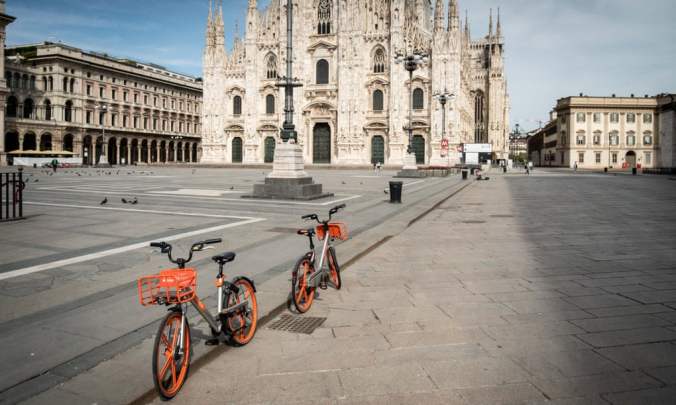
The Strade Aperte plan includes temporary cycle lanes and 30kph speed limits. Photograph: Stefano De Grandis/REX/Shutterstock

Looking for silver linings during the current times isn’t always easy, but reviewing how cities strategize over plans to open economies while keeping the public safe is a possible place to start. (It can also be a source of discouragement, so we’re glad to highlight the enlightened…)

In Milan the concept of pivoting toward carbon-free commuting within the city was a far-reaching goal for a future decade. The current crisis has helped to create a thought shift toward action now.

Seriously working on solutions to both the health crisis and climate crisis together could be a silver lining, indeed.

Milan announces ambitious scheme to reduce car use after lockdown

Milan is to introduce one of Europe’s most ambitious schemes reallocating street space from cars to cycling and walking, in response to the coronavirus crisis.

The northern Italian city and surrounding Lombardy region are among Europe’s most polluted, and have also been especially hard hit by the Covid-19 outbreak.

Under the nationwide lockdown, motor traffic congestion has dropped by 30-75%, and air pollution with it. City officials hope to fend off a resurgence in car use as residents return to work looking to avoid busy public transport.

The city has announced that 35km (22 miles) of streets will be transformed over the summer, with a rapid, experimental citywide expansion of cycling and walking space to protect residents as Covid-19 restrictions are lifted.

The Strade Aperte plan, announced on Tuesday, includes low-cost temporary cycle lanes, new and widened pavements, 30kph (20mph) speed limits, and pedestrian and cyclist priority streets. The locations include a low traffic neighbourhood on the site of the former Lazzaretto, a refuge for victims of plague epidemics in the 15th and 16th centuries. Continue reading

Biodiversity via Rwanda’s Resiliency

While the actual events of the Environmental Film Festival had been canceled, the wonder and value of each entry remains intact. In fact, the DCEFF is offering hundreds of the films for streaming on line.

So many of these amazing projects strike home, but the one featured above has even more so, as Claver Ntoyinkima was Seth’s field assistant during his work doing bird surveys in Rwanda’s Nyungwe National Park.

A Walk Through The Land of a Thousand Hills

Claver Ntoyinkima, a native park ranger, shares the secrets of Nyungwe National Park in Rwanda as he guides us through the forest. With almost 300 bird species, over 1,000 plant species, and dozens of large and small mammals, Nyungwe is one of the most biodiverse places in the world. Twenty-five years after the devastation of the Rwandan Civil War, the park is now one of the best-conserved montane rainforests in Central Africa. As Claver walks through the forest we uncover the origins of his conservation values and the history of an ecosystem that survived one of Rwanda’s darkest periods.

Find this and more films here.

Heralding Libraries as the Superheroes They’ve Always Been

A bottle of hand sanitizer stands next to free lunches for people under the age of 18 outside the Aurora Public Library as branch manager Phillip Challis, back, looks on in an effort to help city residents and reduce the spread of the new coronavirus Wednesday, March 25, 2020, in Aurora, Colo. The new coronavirus causes mild or moderate symptoms for most people, but for some, especially older adults and people with existing health problems, it can cause more severe illness or death. (AP Photo/David Zalubowski)

This is far from the first time we’ve heralded librarians, media specialists and libraries on this site as the super heroes they are, not to mention their ability to adapt; we will continue to herald their adaptiveness in times of public turmoil:

Public Libraries’ Novel Response to a Novel Virus

America’s public libraries have led the ranks of “second responders,” stepping up for their communities in times of natural or manmade disasters, like hurricanes, floods, shootings, fires, and big downturns in individual lives.

Throughout all these events, libraries have stayed open, filling in for the kids when their schools closed; offering therapeutic sessions in art or conversation or writing after losses of life; bringing in nurses or social workers when services were unavailable to people; and hiring life-counselors for the homeless, whom they offer shelter and safety during the day.

Today, interventions like those have a ring of simpler days. But libraries have learned from their experience and attention to these previous, pre-pandemic efforts. They are pivoting quickly to new ways of offering services to the public—the core of their mission. When libraries closed their doors abruptly, they immediately opened their digital communications, collaborations, and creative activity to reach their public in ways as novel as the virus that forced them into it.

You can be sure that this is just the beginning. Today libraries are already acting and improvising. Later, they’ll be figuring out what the experience means to their future operations and their role in American communities.

Here are some of the things libraries are doing now. These are a few examples of many: Continue reading

Saving The Harvest In Europe

4288.

Strawberries at Greens Berry farm in Wexford, Ireland. Photograph: John Greene

With farmers on our mind, recently, and especially the ability of family farms to get harvesting and distribution done we are watching for stories like this:

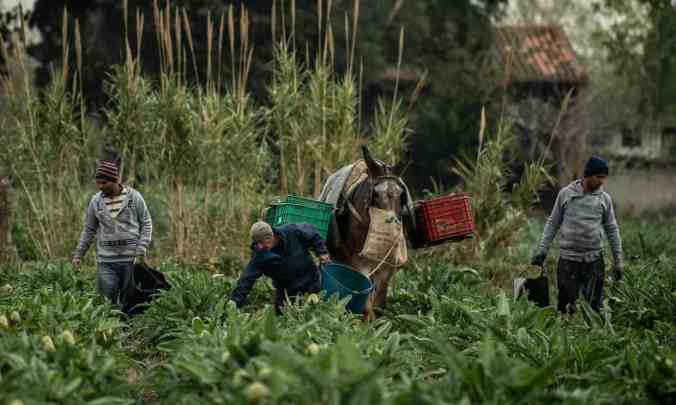
Farmers across Europe bank on improvised armies of pickers to save harvest

Growers from Ireland to Spain says coronavirus lockdown has stopped migrant workers from arriving

4500.

Workers on a farm at El Prat del Llobregat, near Barcelona, harvest artichokes in March. Photograph: David Ramos/Getty Images

At this time of year John Greene is usually preparing to welcome dozens of Slovakian strawberry pickers for another harvest at his farm in County Wexford in south-east Ireland.

The work is arduous and repetitive and he relies on their experience and stamina to get the fruit picked, packed and sold.

Greene surveyed his fields this week with foreboding. “I look out my window and there’s no one to pick it. None of them are on site at the moment.”

His pickers remain in Slovakia, immobilised by a continent-wide lockdown. It is a similar story for hundreds of thousands of other seasonal agricultural workers who cannot travel just at a time when Europe needs them for harvests. Continue reading

Ed Yong, Excellent Explainer

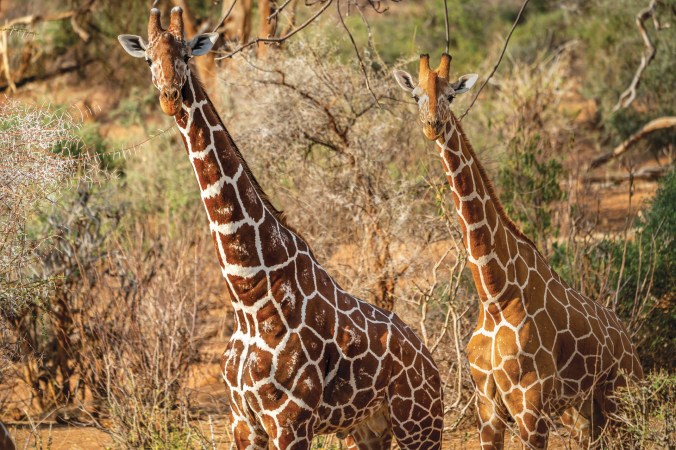
EdYongGiraffe

Davis Huber

A little over seven years ago the great science writer Ed Yong first came to my attention, and he has featured dozens of times in these pages ever since, never failing to enlighten me. When I saw his recent work on giraffes in the Atlantic I neglected to post it here, but I am correcting that now. It is important work, and I now know he has taken leave from his book-writing assignment from which that story is derived. He has taken leave so he can explain to us something much more pressing. I learned that in his conversation here:

EdYong

I recommend listening to him talk about reporting his most recent work, which he says is the most important work he has done to date.

Our Ferias, April 2020 Onward

Feria2020b

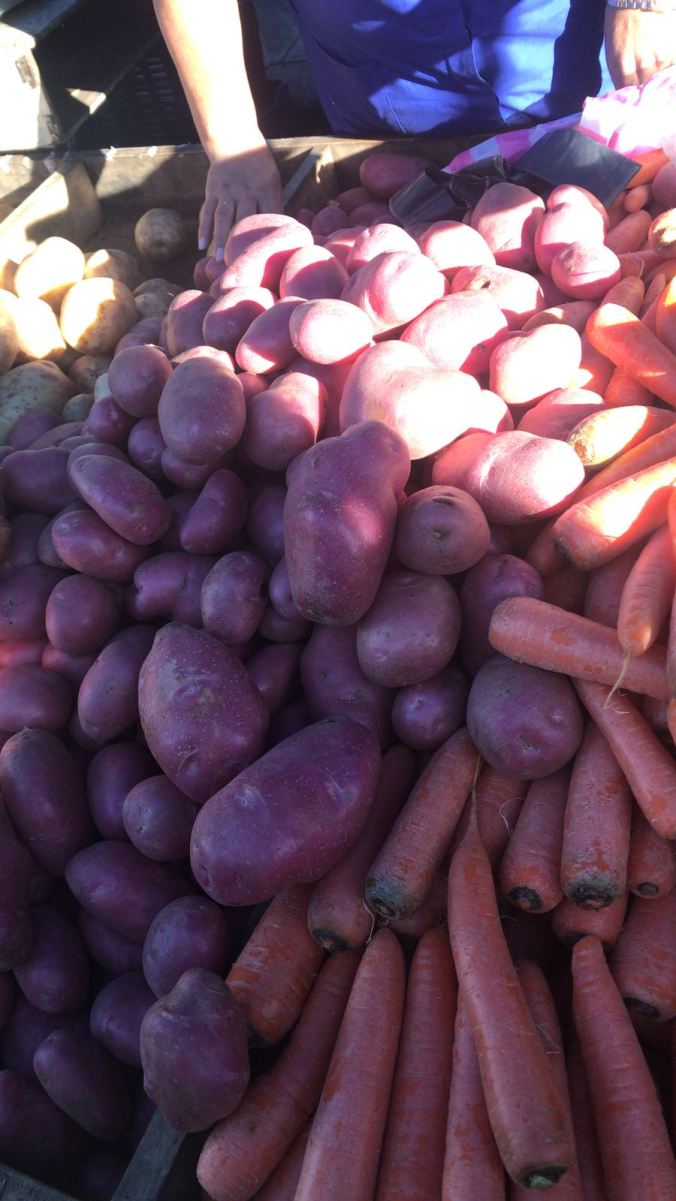
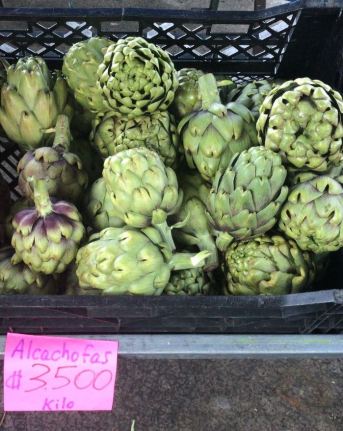
Feria2020dSince the 1990s, when we moved to the town of Escazú in Costa Rica’s Central Valley, every Saturday morning begins at the farmer’s market, locally known as a feria. A rustic, informal gathering when we started shopping there, with little variety to select from, we bought basics like carrots and potatoes back then. We moved to India in 2010 and when we returned to Costa Rica in 2018 and resumed this Saturday ritual, we discovered what is now a remarkably wide selection of fruits and vegetables, dairy products and freshly roasted coffees, meats and fish, as well as handicrafts. Artichokes were our happiest surprise.
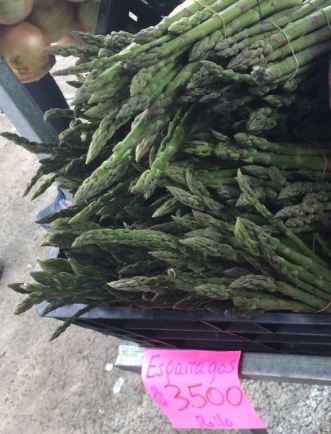
Feria2020eAsparagus is a close second. There is a vermiculturist who sells compost, and she also offers the service of bringing worms to your garden to set up a home garden composting system. There are families who we have known these two decades whose kids have taken over the farm, and the market responsibilities.

The farmer’s market in Ithaca, NY–our family’s benchmark when we arrived in Costa Rica, was more festive than the experience in Escazú’s feria. Later, we came to enjoy the elegance of our neighborhood marché in Paris. Likewise, while living on the island of Kalamota, our Saturday ritual was a ferry ride to Dubrovnik harbor where we would shop for the week at the excellent poljoprivredno tržište, a farmer’s market that in addition to fresh fruits and vegetables introduced us to ajvar (roasted sweet pepper salsa), walnut liqueur, and other Croatian delicacies. My memory of the farmer’s market in India where we shopped for nearly seven years is for some reason dominated by bananas.
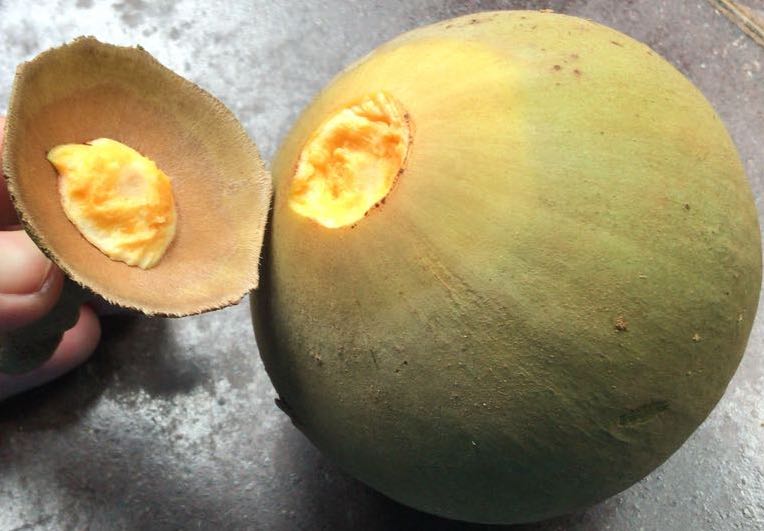
Feria2020f

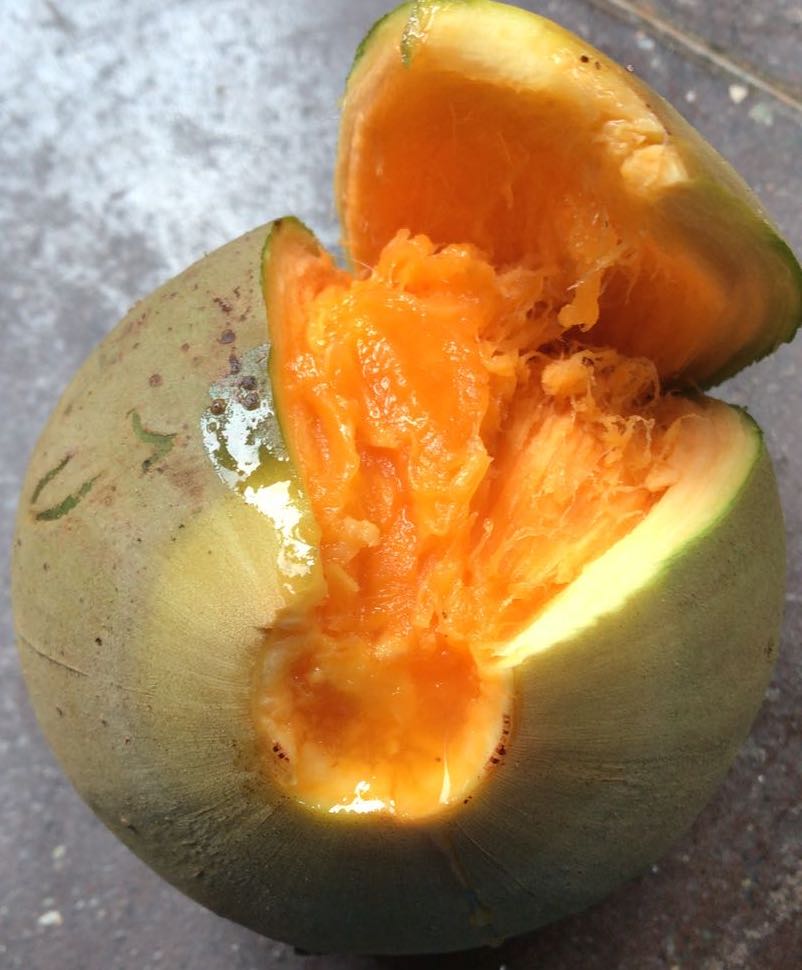
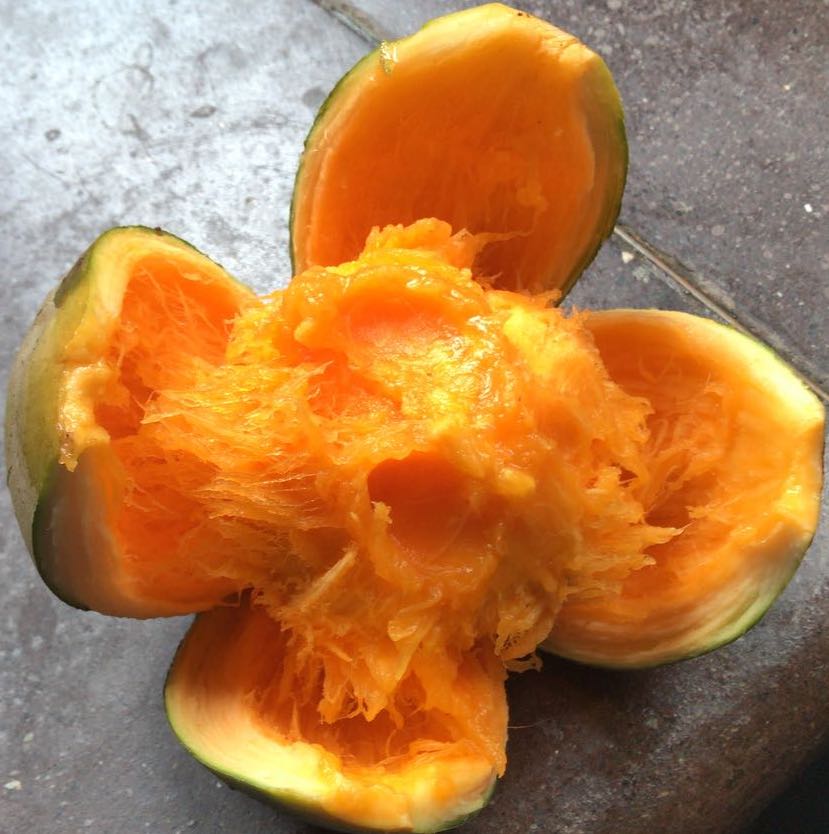
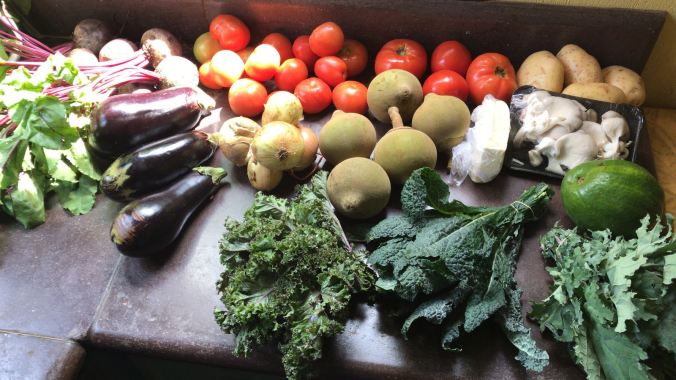
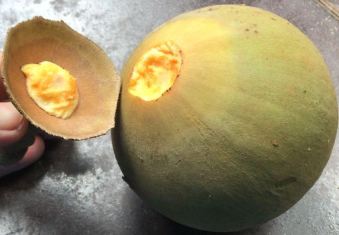
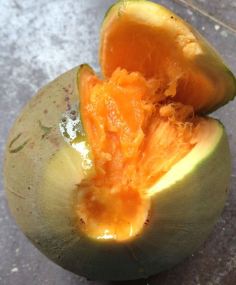
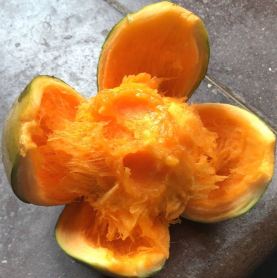
Now in Escazú’s feria we regularly find oyster mushrooms, two varieties of eggplant, three varieties of kale, and four varieties of avocado, not to mention this fruit that is unlike any I have seen or tasted anywhere else that we have lived or traveled. The farmer who offered it to me earlier this month explained how to open and eat it. He wanted to gift me some to take home to try, and buy the following week if I liked it.  Instead, I told him I liked the sample, bought a few and suggested I would find him next week if the ones I bought did not taste as good. He laughed and we settled for that.  For all their differences, Escazú’s feria does what the Ithaca, Paris, Dubrovnik and Kochi farmer’s markets do besides providing fresh produce: allow townspeople to know the farmer’s who grow their food.
That has been on my mind since nine days ago, when we decided that we would not shop in this crowded space, even if it remains open. I realized that it is likely to close the way many places are being forced to close currently, in part because it is a confined space and also because it is a cash economy, neither of which will help flatten the curve the way this country is working so hard (and so far, relatively effectively) to do.
But on my mind is not how I will miss the produce and the experience so much as wondering what I personally might do to ensure that the families whose farms depend on the feria make it through the next months. It occurs to me that the Community Supported Agriculture model gives farmers in the USA an alternative to these markets. One my sister is a member of in Atlanta is an example of a successful CSA. I have started imagining a social enterprise, limited in time and scope for this exact purpose: a 6-month single-purpose business that will receive the produce of these farmers, clean it and distribute it to homes that have always shopped at these ferias, and especially those who can afford to pay for the service, in the interest of supporting the family farms who serve the ferias of the Central Valley. My recent business interests, which I have enjoyed sharing about in these pages are anyway going to be on hold. April 1 to September 30, 2020 maybe I will be on a new mission.
Another Wonder From Rwanda

wheat_harvesters

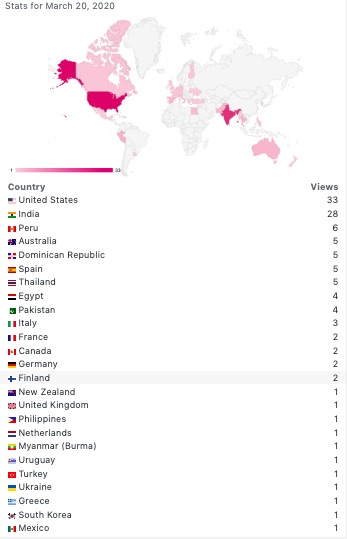
StatsTo the left you can see yesterday’s viewership of our posts, by country. Viewership has recently been low, for obvious reasons. It has made me wonder whether we should take a hiatus. My counter-thought is, if on a day like yesterday, just one person visited this site and found something of value, we should continue. As of today there have been 696,713 views of all of our posts since we started in mid-2011. Yesterday someone viewed a post I distinctly remember writing some months ago, which brought a smile to my face. And just now I was downloading a file using WeTransfer, and this story presented itself, and it seems a perfect companion piece:

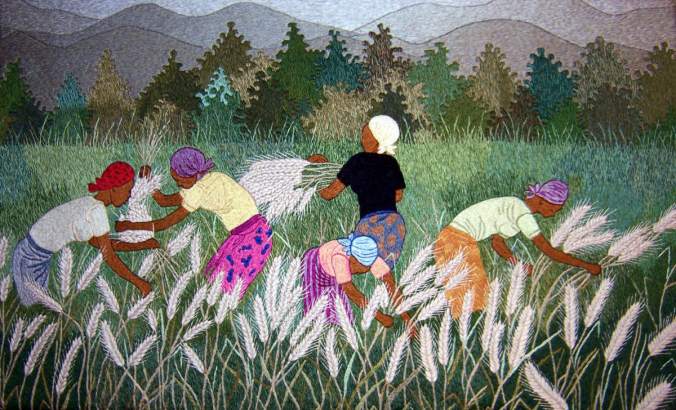
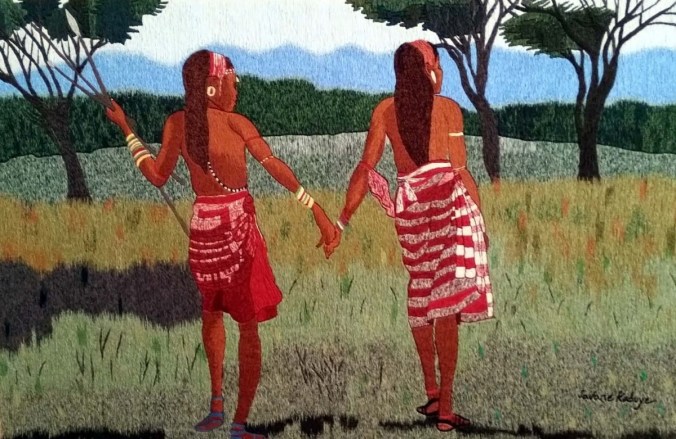
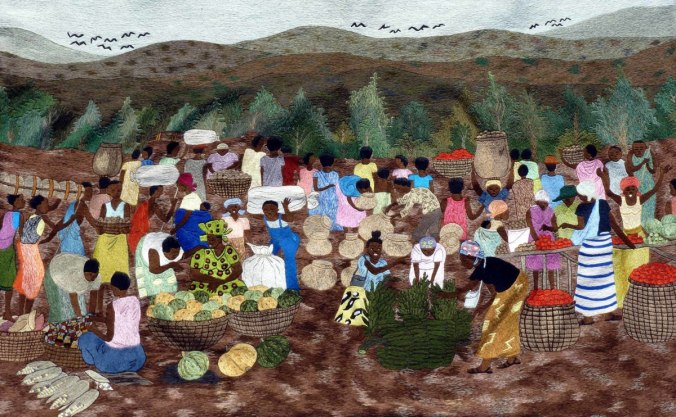
Savane Rutongo-Kabuye Embroideries of the Women of Rwanda

tiger_giclee_-_CopyFor 22 years, 15 Rwandan women have been turning their surroundings and their memories into beautiful textile art. Founded in 1997 by Christiane Rwagatare a short time after the genocide of 1994, the Savane Rutongo-Kabuye workshop offered a distraction, a source of income and a creative avenue to those who had been affected. The workshop has gone from strength to strength, and thanks to educator-turned-curator Juliana Meehan, the embroideries of the women of Rwanda have now been exhibited and seen across the US. Alex Kahl spoke to Christiane and Juliana to explore their uplifting story.

masai_lovers__1_

Due to her home country Rwanda’s turbulent history, Christiane Rwagatare lived much of her early life in exile. When she returned in 1994 in the aftermath of the genocide, the country had been devastated. “It was a very difficult time,” she says. In 1997, when she was visiting a relative in the small village of Rutongo, she saw women selling hand embroidered linens on the roadside, and felt an immediate sense of hope and possibility. At this moment, she recalled all that she had learned about art while in Europe, and knew she could contribute something positive. She announced that she would be starting an embroidery workshop, and asked that anyone interested come to the village church the next day. She was shocked when more than 100 women arrived with samples of their work.

market

“I must admit that I panicked,” Christiane says. Continue reading

Small But Important Triumphs Can Make Your Day

ntw_doughmorebeach_banner

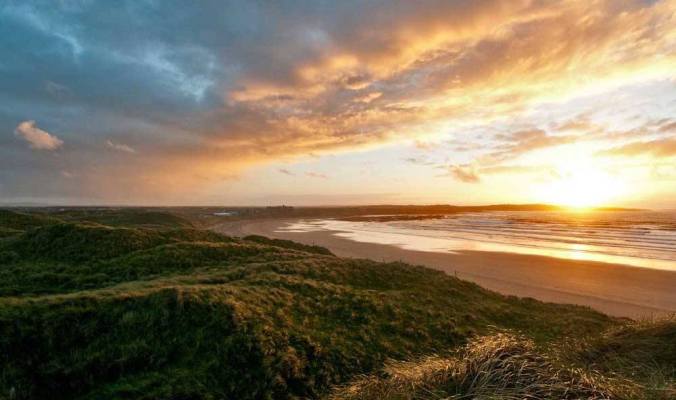
STW__Artboard-5In 2006, our family moved to a small island in the Adriatic, one of the Elafiti islands near Dubrovnik. We were there working on one of my favorite of all our projects. There was a young man who did sea kayaking guiding for our guests; he was from the USA for one year doing this work and learning Croatian because of family heritage. Years later we reconnected and I learned that he had become the leader of this amazing conservation organization, so I follow their work. And today I was rewarded with some news that made me smile (video from an earlier Save The Waves post from 1+ year ago is worth another watch):

International campaign succeeds against Trump International Golf Links

(March 18th, 2020) After more than four years of campaigning and fighting to save beloved Doughmore Beach in Ireland, the #NatureTrumpsWalls campaign and coalition has succeeded in stopping the construction of major seawalls that would have led to catastrophic impacts to the coast.

Trump International Golf Links (TIGL) had submitted a plan to place hard armoring on the natural coastal dunes of Doonbeg that provide sediment for the surf ecosystem and breaking waves, as well as natural coastal protection from climate change. 

On March 12th, Ireland’s national planning appeal board, An Bord Pleanála, formally rejected the plan, citing the concerns submitted by the coalition about the adverse impacts to the dune ecosystem. Continue reading

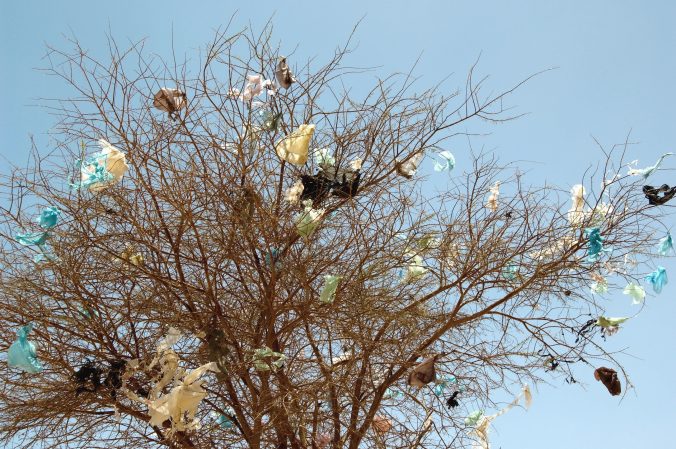
Bag Snaggers, Inc., We Hardly Knew Thee

Fazier-PlasticBag

Photograph from Alamy

You can count on these pages continuing to feature these kinds of stories, that remind us of what still can and must be done, or simply provide a daily dose of charm:

My Old Nemesis: Plastic Bags

On Earth Day, 2019, when New York’s Governor, Andrew Cuomo, signed a bill banning single-use plastic bags, he said, “You see plastic bags hanging in trees, blowing down the streets, in landfills, and in our waterways, and there is no doubt they are doing tremendous damage.” It is true that nowadays people do see plastic bags in trees. But they didn’t used to—not because the bags weren’t there but because the people didn’t see them. I believe I am the first person who actually saw bags in trees—that is, noticed them in any official way. Twenty-seven years ago, I wrote a short article for this magazine about plastic bags and other debris in the trees of New York City. Once I started noticing the bags, I couldn’t stop, and I soon passed the affliction on to my friends Bill McClelland and Tim McClelland. Noticing bags in trees changed our lives. Continue reading

New Activities For Community Developments

merlin_169719372_13a4438f-1626-495f-afa1-85041b75f27e-jumbo

This trend in real estate development is a breath of fresh air:

Taking the Golf Out of Golf Communities

Around the country, planned developments are adapting and reinventing in order to appeal to a wider range of buyers.

07sp-adapt-inyt3-jumbo

Hilton Head Plantation is a gated golf community on Hilton Head Island in South Carolina.

MacDonald Highlands is a master-planned community of less than 1,000 units in Henderson, Nev., a wealthy suburb of Las Vegas within squinting distance of the Strip. For years, its main selling point was DragonRidge Country Club, a private 18-hole golf course sculpted out of the desert foothills, with emerald fairways that wind past multi-million-dollar homes.

But lately, the property’s owner, Rich MacDonald, has had more on his mind than golf.

Mr. MacDonald opened the club in 2001, sold it in 2014 and bought it back in 2016. When he did, he said: “I wanted to make sure we have the equivalent of a cruise director. Someone who does fun things, interesting events. We’ve had to adapt quite a bit because the social aspect seems to be the main focus for new residents.”

At existing golf communities around the country, a similar story of adaptation and reinvention is playing out. Continue reading

Musical Influences

YaleE360-Final21_Enzo_Hip-Hop_web

ENZO PÉRÈS-LABOURDETTE / YALE E360

It is commonplace belief that music from our youth influences our taste in music for the rest of life, and that no music ever displaces the favorite music of our late teens and early twenties (this is lore, admittedly, not science), so it makes sense that this same period of music acquisition can influence much more:

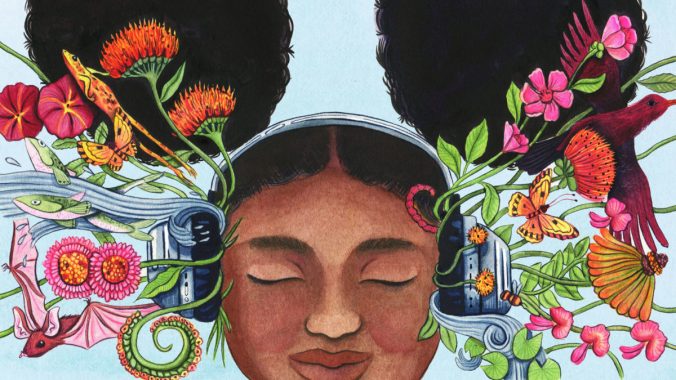
How Hip Hop Can Bring Green Issues to Communities of Color

The environmental movement has largely failed to connect with people of color and marginalized urban communities. By confronting issues from contaminated water to climate change, hip hop music can help bridge that divide and bring home the realities of environmental injustice.

When I was diversity director at North Carolina State University, part of my job was to recruit young people — often from communities of color — into the College of Natural Resources. It could be a struggle; these were talented and creative kids, but often they didn’t see how environmental or sustainability issues were relevant to their lives. Continue reading

Leadership, Prepping For Change

IMG_3276_Swinomish_clam-garden_web

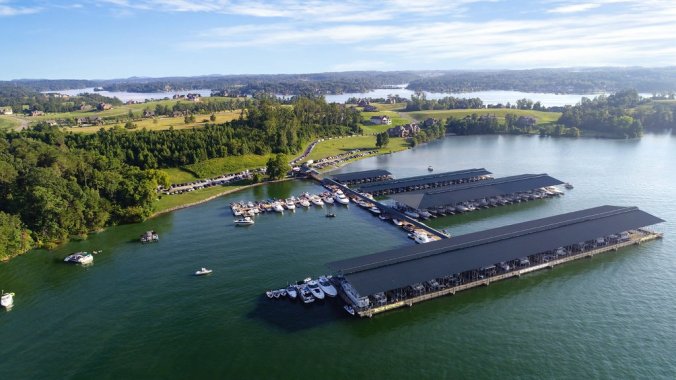
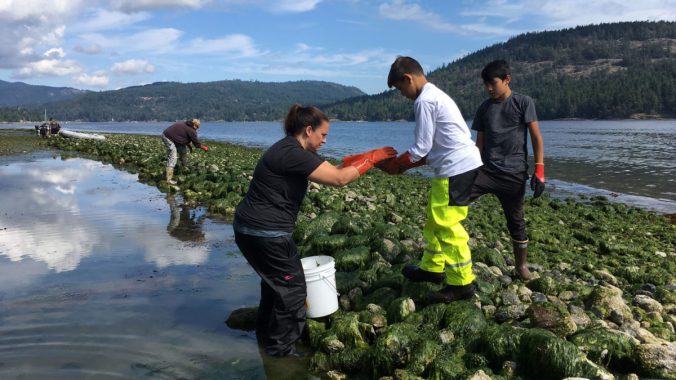
Swinomish tribal members from Washington state participate in a clam garden restoration in British Columbia. PHOTO COURTESY OF SWINOMISH INDIAN TRIBAL COMMUNITY

Thanks to Nicola Jones for this:

How Native Tribes Are Taking the Lead on Planning for Climate Change

With their deep ties to the land and reliance on fishing, hunting, and gathering, indigenous tribes are especially vulnerable to the impacts of climate change. Now, native communities across North America are stepping up to adopt climate action plans to protect their way of life.

GettyImages-1175044784_whiteback-montana_web

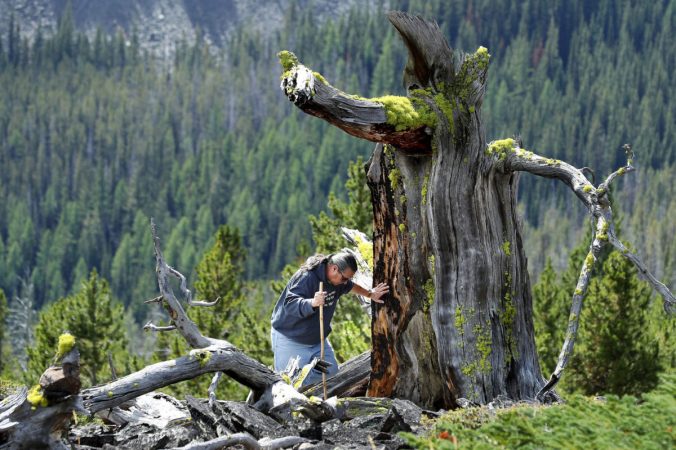
Tribal program manager Mike Durglo Jr. examines what remains of a 2,000-year-old whitebark pine on the Flathead Indian Reservation in Montana, where trees are dying from warming-related diseases. CHIP SOMODEVILLA/GETTY IMAGES

On a hot summer’s day, marine ecologist Courtney Greiner walks the shore of a rocky Washington beach at low tide with a handful of staff and interns. They stake out the ground and hunch down, digging up the top two inches of mud, silt, and gravel looking for baby clams.

For thousands of years, the indigenous peoples of the West Coast would build rock walls at the low tide line, allowing sand to pile up behind them, making the slope of the beach gentler, and expanding the area of the intertidal zone that clams like to call home. These simple clam gardens are effective at boosting shellfish numbers, and have long been used to improve food security for traditional peoples. Continue reading

Getting a Bigger Bang Out of Plastic

Plastic has been on our radar for years, both as an environmental scourge and a raw material for the rising recycle and “upcycle” economy.  Finding these creative uses for an ubiquitous waste material around the world has been inspiring, to say the least.

We hadn’t been familiar with the Precious Plastic model until we met the wonderful women from the Wagát Upcycling Lab. We applaud the community ethos of open source plans to address a global crisis.

Big Bang, Indeed!

Heroics & Urban Birds

merlin_164360619_2da35a31-32a0-4feb-abd7-e39d5814a61a-jumbo

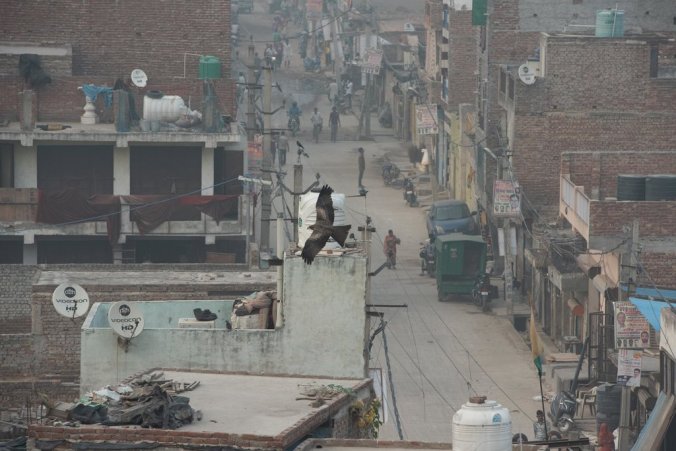
A black kite, a carnivorous scavenger, flying over the Ghazipur area of New Delhi. Black kites are a common sight in the city, but are often fatally injured by the flying of paper kites.

We will take heroics wherever we can find them:

Meet the Bird Medics of New Delhi

Two brothers have given everything to treat raptors injured by a popular pastime.

By Photographs by 

merlin_164360646_bb191806-dbe3-4050-9b03-f26985745f92-jumbo

Kite-flying became a symbol of national pride after India gained independence from Britain in 1947.

NEW DELHI — Sitting in his basement, below the crowded dirt roads of Wazirabad village, Mohammad Saud leaned over the body of an injured black kite.

The room was cramped, its walls chipping blue paint, the noise from the streets above drowned out by the whir of a fan. Mr. Saud stared at the bird in front of him for a couple of seconds, then gently folded its wing over with a gloved hand. At least two bones, four tendons and two muscles had been snapped. The bird’s head tilted back limply, eyes cloudy. Mr. Saud adjusted his glasses with the crook of his elbow, then stated the obvious: “This is a gone case. Nothing can be done.”

Mr. Saud placed the kite back into a thin cardboard box. As he did so, Salik Rehman, a young employee of Mr. Saud, reached into a different cardboard box and pulled out another black kite. This bird’s right wing was wrapped in a gauze bandage stained with dried blood and pus. Mr. Saud examined it briefly. Another gone case, he concluded; it would have to be euthanized. Continue reading

Alternative Glitter In The Amazon

3271

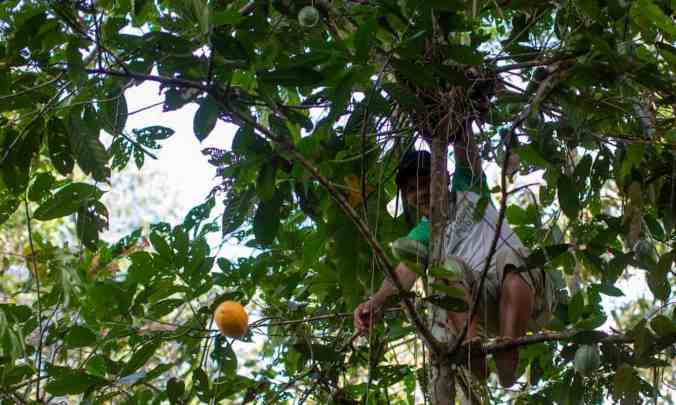
Edmilson Estevão climbs a mature cacao tree to pick the fruit. Photograph: João Laet/The Guardian

In the Authentica shops our featured chocolates are artisanal in terms of production, and both companies are leaders in their own ways–sourcing, packaging, etc.–in terms of sustainability. We are just now tasting chocolates from a third possible supplier, one that farms the cacao organically and is in control of all stages of production and packaging–from farm to bar as they say. When we have their product on our shelves, you will be the first to know, right here. Since our thoughts are already on this topic, special thanks to the Guardian for this story that helps better understand the many ways in which cacao can create a brighter future:

Cacao not gold: ‘chocolate trees’ offer future to Amazon tribes

In Brazil’s largest indigenous reserve thousands of saplings have been planted as an alternative to profits from illegal gold mining

The villagers walk down the grassy landing strip, past the wooden hut housing the health post and into the thick forest, pointing out the seedlings they planted along the way. For these Ye’kwana indigenous men, the skinny saplings, less than a metre high, aren’t just baby cacao trees but green shoots of hope in a land scarred by the violence, pollution and destruction wrought by illegal gold prospecting. That hope is chocolate.

4200

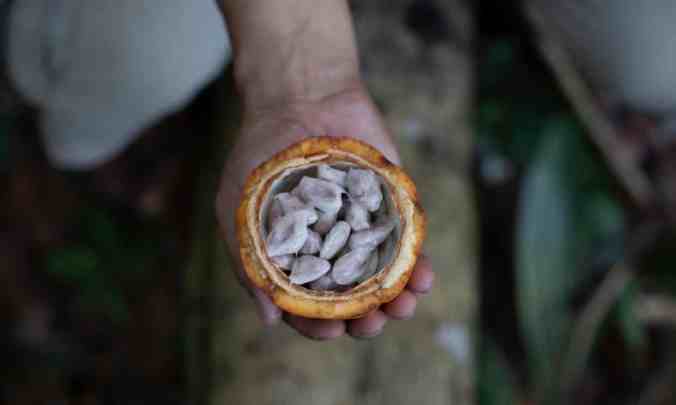
Cacao seeds, which are dried and roasted to make chocolate. Photograph: João Laet/The Guardian

“We want to plant and develop income for the community,” says Júlio Ye’kwana, 39, president of the Ye’kwana people’s Wanasseduume association, which came up with the idea. “And it is not destructive for the forest.” Continue reading