Notes from a Natural History Museum

Harvard Natural History Museum

I recently had the chance to visit the Harvard Natural History Museum. Despite having lived in Cambridge for nearly a year, and having often thought about visiting the museum when I passed by going to and from my apartment, I had not stopped in until now. What a treat! The collections are full, diverse, and well curated. On this occasion, I spent most of my time in the animal wing, but I plan to return soon to take in the flora and minerals, and spend much more time in choice display rooms (e.g. the absolutely gorgeous Mammals/Birds of the World permanent exhibit: see below for pictures).

A ground sloth skeleton. It is hard to get an idea of the size of this creature from this photo, but it probably weighed several tons while alive!

Continue reading

What’s Behind the Prawn Sandwich?

Your cheap prawn sandwich may be destroying Sri Lanka's mangroves. PHOTO: Aldi

Your cheap prawn sandwich may be destroying Sri Lanka’s mangroves. PHOTO: Aldi

A swelling appetite for shrimps and prawns in America, Europe and Japan has fuelled industrial farming of shellfish in the past few decades. The industry now has a farm-gate value of $10 billion per year globally and the prawn in your sandwich is much more likely to have come from a pond than from the sea. While the industry is dominated by the likes of China, Vietnam and Thailand, a large number of other countries have invested heavily in cultivation too.

 One is Sri Lanka, which saw the industry as a passport to strong economic growth and widespread employment. Just outside the world’s top ten producers, it accounts for approximately 50% of the total export earnings from Sri Lankan fisheries. More than 90% of the harvested cultured prawns are exported, going mostly to Japan.

Prawn aquaculture has been likened to slash-and-burn cultivation—find a pristine spot, remove the vegetation and farm it for a few years before moving on. But the analogy is misleadingly benign. Slash-and-burn systems on a small scale can be sustainable, since the cut plots can recover afterwards.

Continue reading

Join the Big Butterfly Count

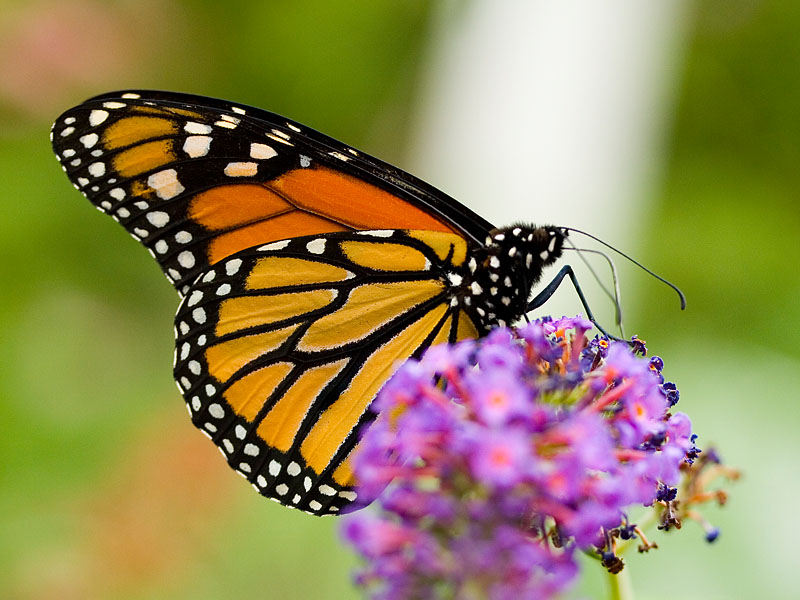
By spending just 15 minutes counting butterflies, you’ll be taking part in the world’s biggest butterfly survey and helping protect these precious insects. PHOTO: Wikimedia Commons

By spending just 15 minutes counting butterflies, you’ll be taking part in the world’s biggest butterfly survey and helping protect these precious insects. PHOTO: Wikimedia Commons

Butterflies aren’t just a beautiful sight, fluttering between flower heads on a sunny summer’s day, they are crucial indicators of the health of our environment. Alas the majority of UK butterflies and moths are still in major decline, they need constant monitoring and protecting. You can help do just that by taking part in Butterfly Conservation’s annual Big Butterfly Count.

Continue reading

When Fishermen Turn Scientists

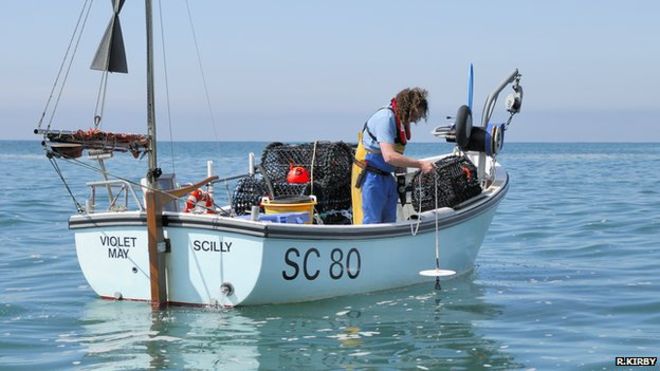
Fishermen in South Devon, UK, have turned their boats into "massive data platforms" for a citizen science study.

A research programme aims to encourage partnerships between commercial fishermen and scientists

Fishermen in South Devon, UK, have turned their boats into “massive data platforms” for a citizen science study. They have become the first commercial fishers to gather data for the Secchi Disk Study, which is gathering data on the state of the oceans’ phytoplankton. To date, there is little scientific information on the health of the tiny marine plants that form the basis of global food chains. The data will also help fishermen manage stocks.

Continue reading

Is That a Real Swan?

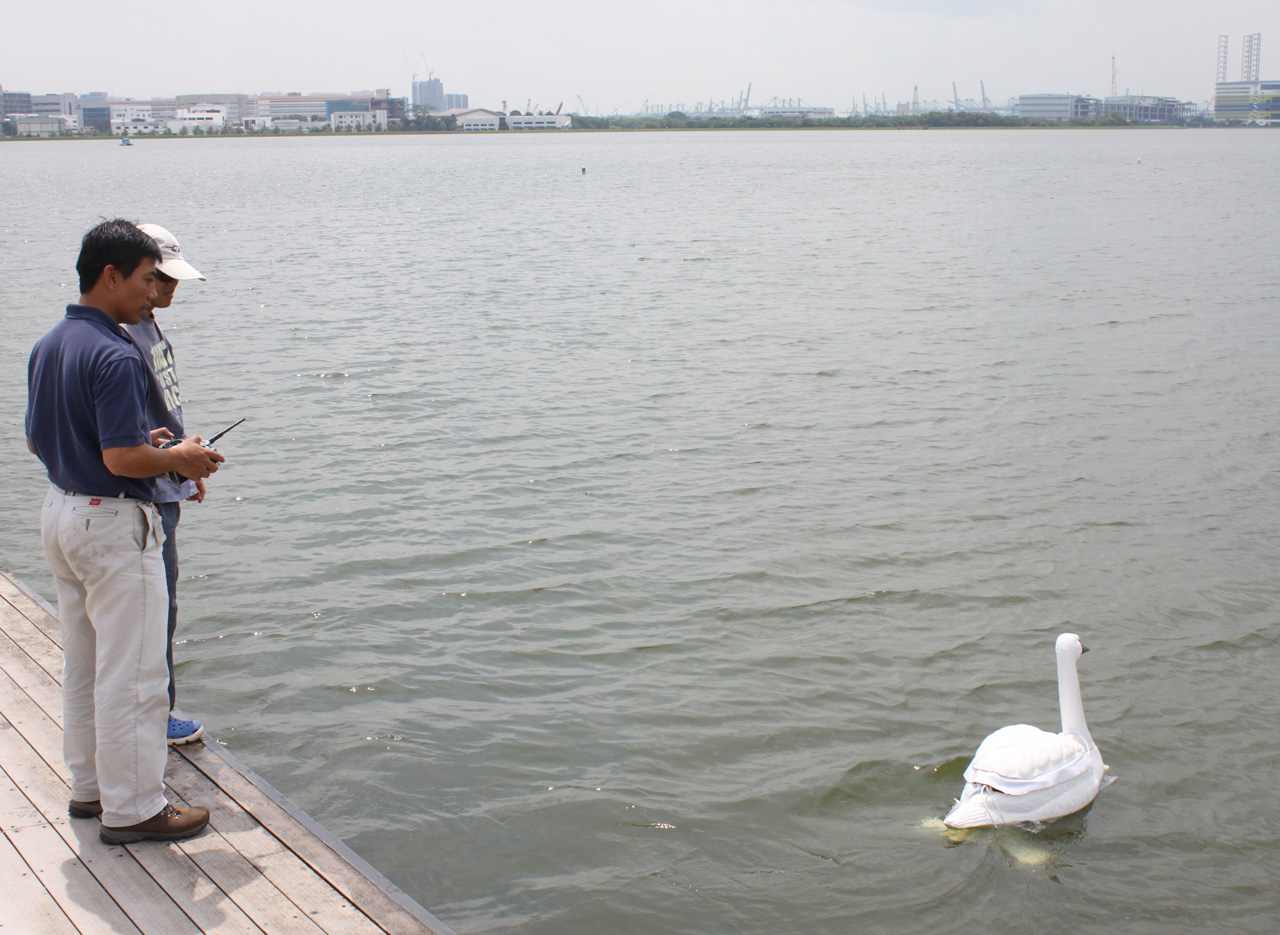
Robot swans patrol Singapore’s reservoirs, hunting pollution. PHOTO: CoExist

Robot swans patrol Singapore’s reservoirs, hunting pollution. PHOTO: CoExist

The  National University of Singapore has deployed robot swans to swim around water reservoirs and keep an eye on water quality. Presently, monitoring Singapore’s reservoirs is done by humans in boats, which is impractical, slow and not very scaleable. The NUSwan can swim tirelessly, continually testing pH, dissolved oxygen, turbidity (cloudiness) and chlorophyll. The results are transmitted wirelessly back to researchers, the GPS-equipped swans sweep the lake without duplicating any already-tested spots, and they automatically return to base for recharging when batteries run low.

Continue reading

Are You on the Bee Highway?

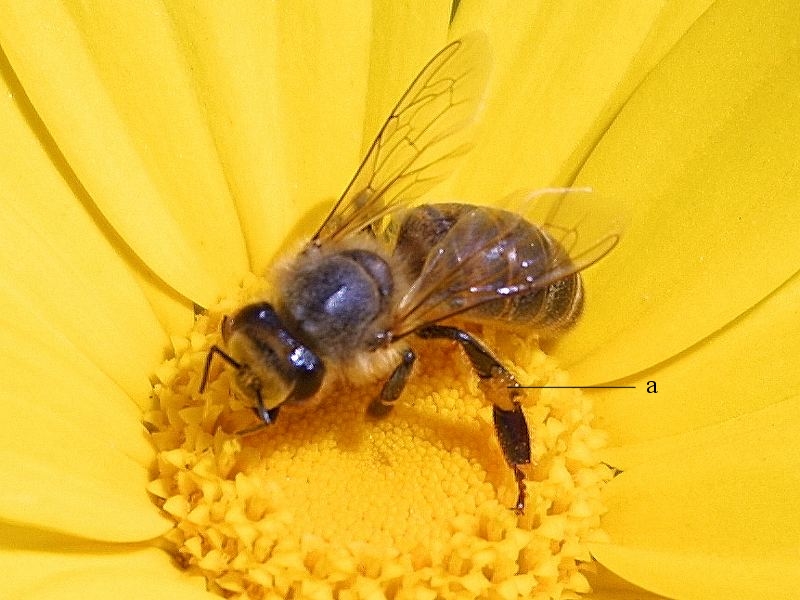
Oslo's bee highway has pollen pitstops and bee hotels. PHOTO: Wikimedia Commons

Oslo’s bee highway has pollen pitstops and bee hotels. PHOTO: Wikimedia Commons

Oslo, Norway now has a “bee highway,” consisting of bee-friendly routes through the city. Each features flowery, green rest stops along the way so the bees can take a break and fill up on nectar.

Continue reading

The Grouse’s Greater Role

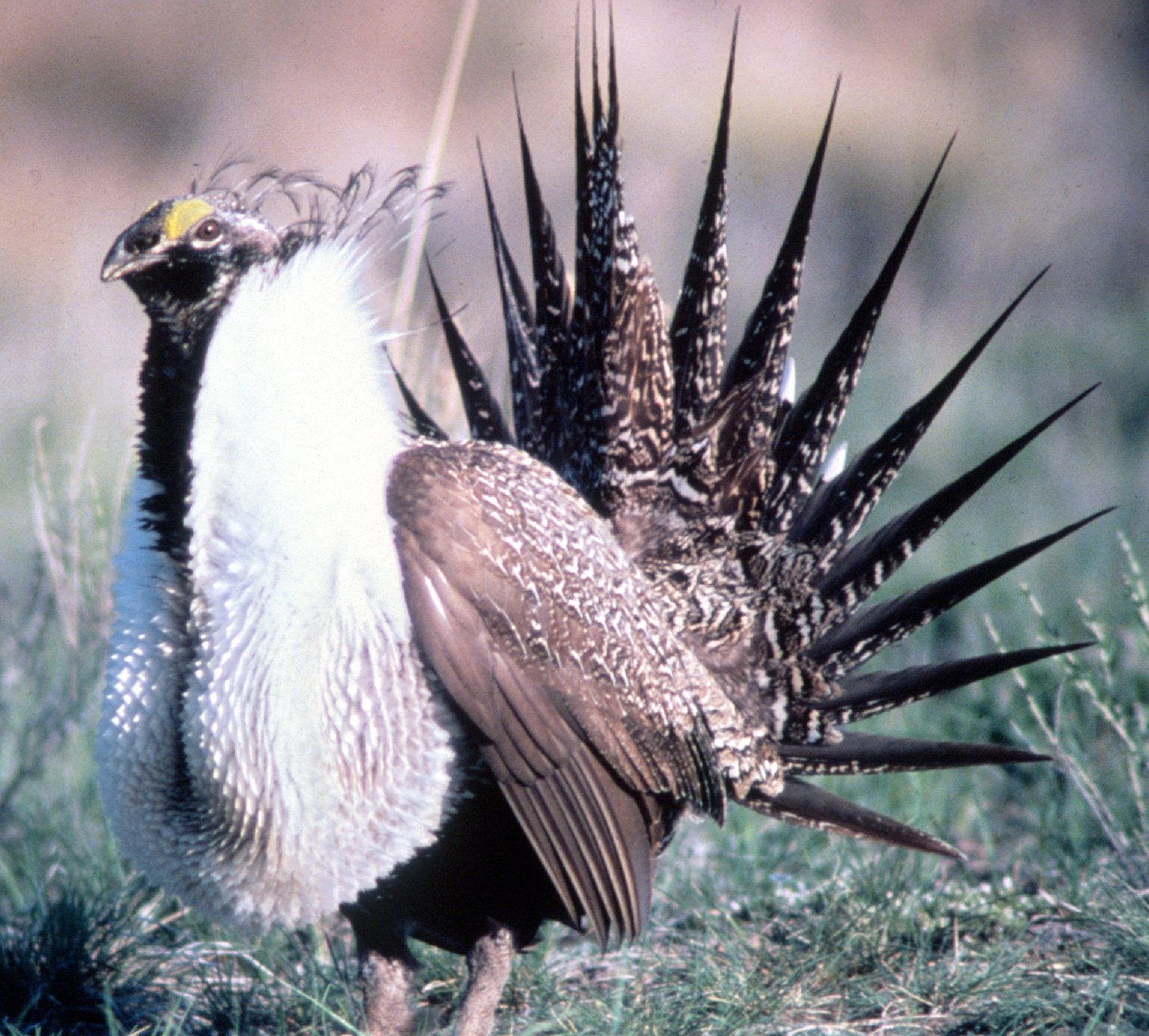
The sage grouse are iconic in a series of western states, and now the subject of one of the largest federal conservation efforts in history. PHOTO: Wikimedia Commons

The sage grouse are iconic in a series of western states, and now the subject of one of the largest federal conservation efforts in history. PHOTO: Wikimedia Commons

During mating season, the greater sage-grouse gather in “leks” where the males perform an extraordinary strutting ritual. Standing in the brush, they spread out their long, spiky tail feathers and puff out their chests to reveal strange yellow air sacks. “I’m here, I’m here, pick me,” they seem to be saying to the females, though it sounds more like “swish-swish-coo-oopoink.” The sage grouse are iconic in a series of western states, and now the subject of one of the largest federal conservation efforts in history. From this September, millions of acres of mating grounds are set to be protected under plans drawn up by the U.S. Interior Department and a host of state agencies.

Continue reading

Should Animal Deaths Worry You?

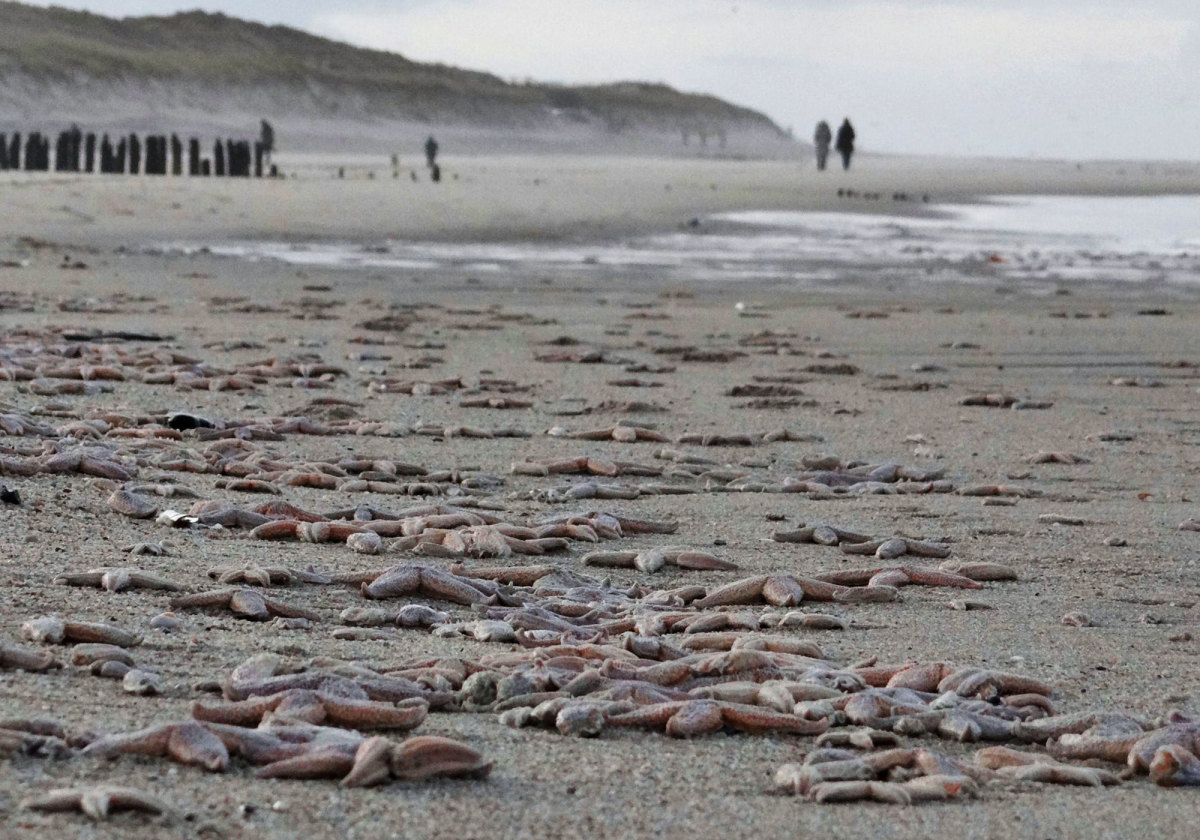
Dead starfish line the shore of the German island of Sylt. Mass wildlife die-offs have been interpreted as omens of an impending environmental collapse. PHOTOGRAPH BY DANIEL FRIEDERICHS

Dead starfish line the shore of the German island of Sylt. Mass wildlife die-offs have been interpreted as omens of an impending environmental collapse. PHOTOGRAPH BY DANIEL FRIEDERICHS

Mass-mortality events are sudden, unusual crashes in a population. If you think that you are hearing about them more often these days, you’re probably right. (Elizabeth Kolbert described frog and bat die-offs in a 2009 article; her subsequent book won a Pulitzer Prize recently.) Even mass-mortality experts struggle to parse whether we’re witnessing a genuine epidemic (more properly, an epizootic) of these events. They have also raised another possibility: that we are in the throes of what one researcher called an “epidemic of awareness” of spooky wildlife deaths.

Continue reading

Where is the US’ Water Going?

In the U.S, about 42 percent of irrigated agriculture depends on groundwater, and the depletion of major aquifers will affect not only future food production but also urban areas that need freshwater from these sources. PHOTO: Wikimedia Commons

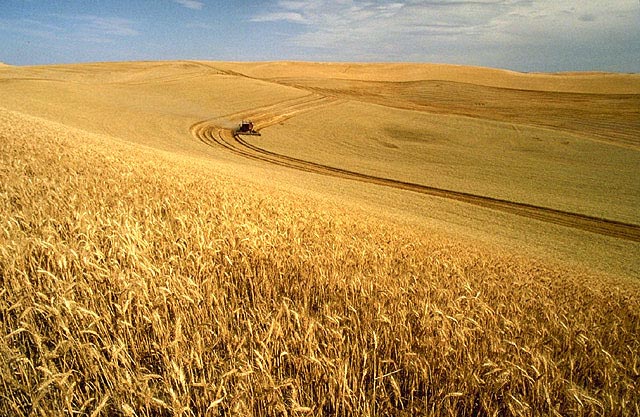
Freshwater in the United States is really on the move. Much of the water pulled from underground reservoirs called aquifers gets incorporated into crops and other foodstuffs, which are then are shuttled around the country or transferred as far away as Israel and Japan, according to a new study. It shows how reliance on a finite supply of groundwater for agriculture threatens global food security. More than 18% of the U.S. supply of so-called cereal grains like corn, rice and wheat depends on a limited supply of groundwater found deep below the earth in aquifers, researchers found.

Continue reading

The Ice Man of India

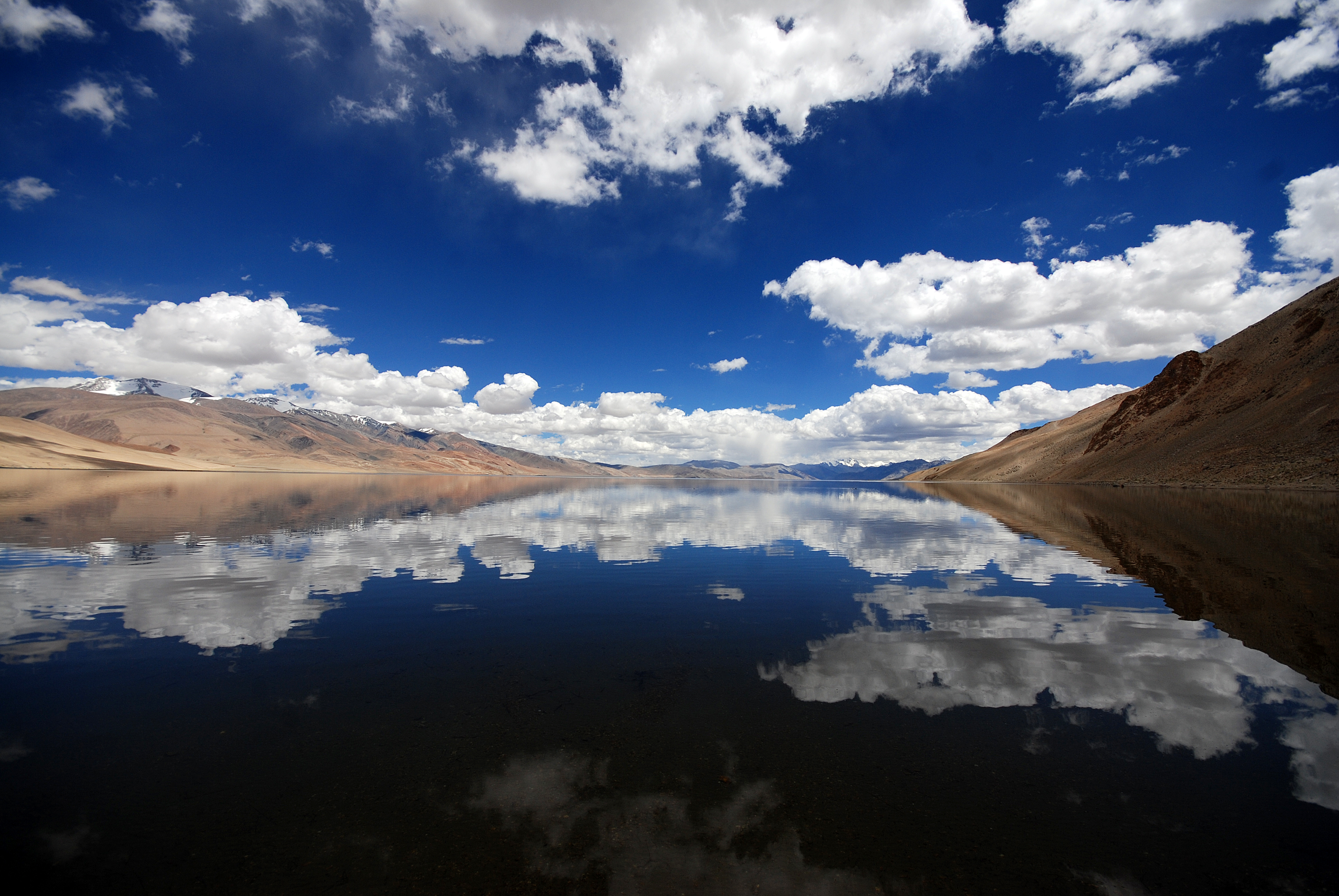
Ladakh’s beautiful mountains might be a paradise for tourists, but ask the locals who struggle to meet their basic water needs every year. PHOTO: Wikimedia Commons

Ladakh’s beautiful mountains might be a paradise for tourists, but ask the locals who struggle to meet their basic water needs every year. PHOTO: Wikimedia Commons

Rain is scarce in the snow-peaked Himalayas of northern India, and summers bring dust storms that whip across craggy brown slopes and sun-chapped faces. Glaciers are the sole source of fresh water for the Buddhist farmers who make up more than 70% of the population in this rugged range between Pakistan and China. But rising temperatures have seen the icy snow retreat by dozens of feet each year. To find evidence of global warming, the farmers simply have to glance up from their fields and see the rising patches of brown where, once, all was white. Knowing no alternative, they pray harder for rain and snow. But Chewang Norphel had the answer: artificial glaciers.

Continue reading

Guardian Pressure, Gates Commitments, Turning The Dial

Screen Shot 2015-06-28 at 7.55.55 AM

In case you have missed the campaign that the Guardian has been waging, click the image above, which will take you to their partnership site, 350.org, which we have been admirers of too. Brilliant and bold, better than anything the New York Times or any other media outlet has done in activist mode on environmental issues. You may say you want your journalism pure and objective, but on this issue, with the planet in the balance, we say not so.

Is it just coincidence that after campaigning for months now to get Mr. Gates to do something more, this good news arrives today?

Gates to invest $2bn in breakthrough renewable energy projects

Bill Gates plans to double investment in green energy technology and research to combat climate change, but rejects calls to divest from fossil fuels

Bill Gates has announced he will invest $2bn (£1.3bn) in renewable technologies initiatives, but rejected calls to divest from the fossil fuel companies that are burning carbon at a rate that ignores international agreements to limit global warming.

Speaking to the Financial Times, Gates said that he would double his current investments in renewables over the next five years in a bid to “bend the curve” on tackling climate change.

The Bill and Melinda Gates Foundation, lead by Gates and his wife, is the world’s largest charitable foundation. According to the charity’s most recent tax filings in 2013, it currently has $1.4bn invested in fossil fuel companies, including BP, responsible for the Deepwater Horizon oil spill in the Gulf of Mexico.

In March, the Guardian launched a campaign calling on the Gates’ Foundation and the Wellcome Trust to divest from coal, oil and gas companies. More than 223,000 people have since signed up to the campaign.

Continue reading

Who Are You in the Wild?

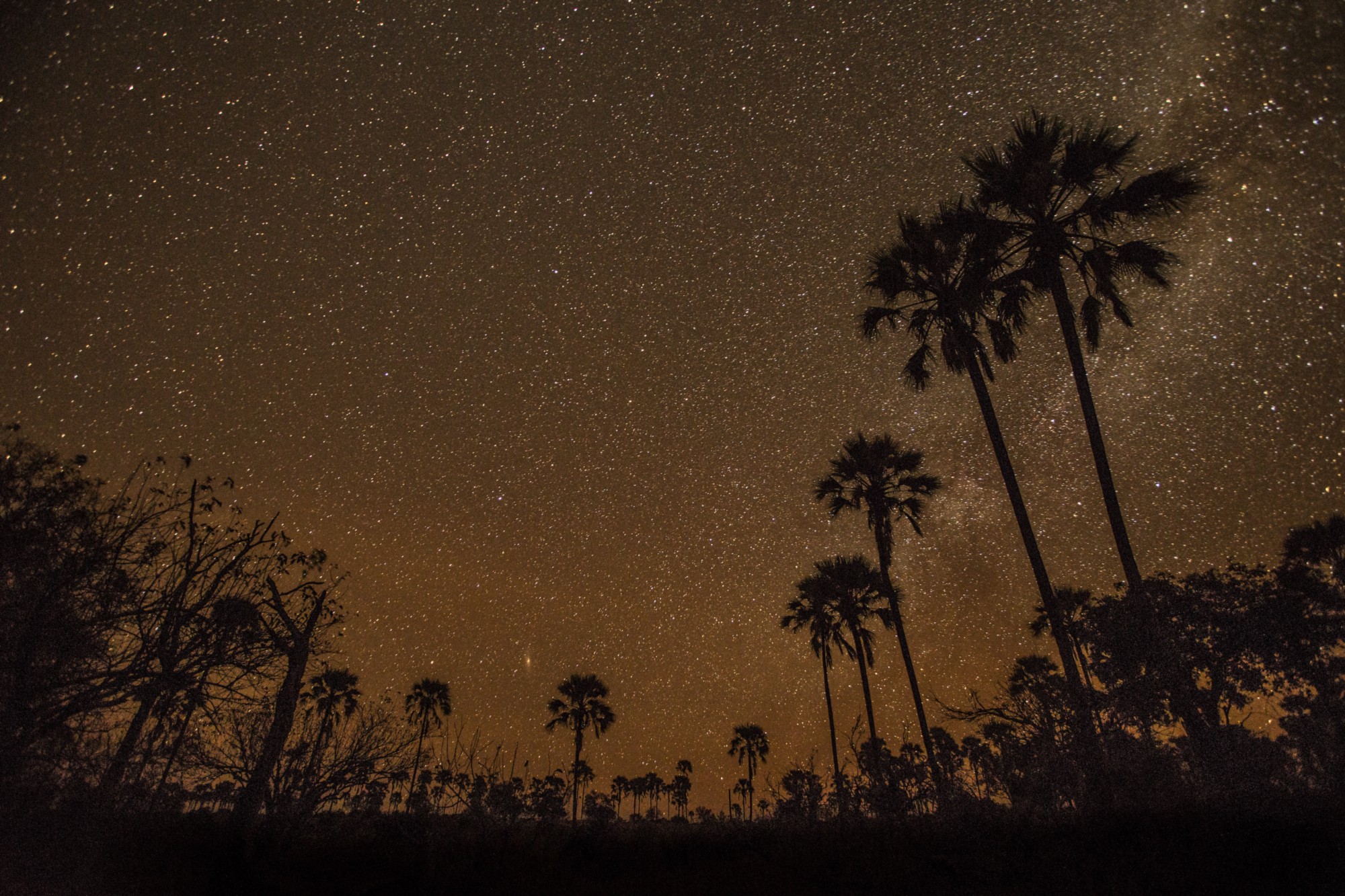
The Okavango Delta is home to the largest-remaining elephant population and keystone populations of lion, hyena, giraffe and lechwe antelopes. It’s the size of Texas, and visible from space. PHOTO: James Kydd

The Okavango Delta is home to the largest-remaining elephant population and keystone populations of lion, hyena, giraffe and lechwe antelopes. It’s the size of Texas, and visible from space. PHOTO: James Kydd

What can one man do towards protecting the wild? For starters, your efforts could center around saving Africa’s last remaining wetland wilderness. Then, you could be so relentless in your mission that UNESCO includes your ‘battleground’ in its World Heritage List. Then, you keep at your preservation project until you meet the Minister of Environment and get him to sign a pact on protecting the river system. If that all sounds good to you, allow us to introduce explorer Steve Boyes who has done all of the above and pledged his life to the conservation of the Okavango River Delta.

Located in northern Botswana, this untouched 18,000 square kilometer alluvial fan is the largest of its kind, and is supplied by the world’s largest undeveloped river catchment — the mighty Kavango Basin. The Okavango Delta is home to the largest-remaining elephant population and keystone populations of lion, hyena, giraffe and lechwe antelopes. It’s the size of Texas, and visible from space.

Continue reading

China, What Will it Be?

China recently announced plans to build a 5,300 km railway linking the Atlantic with the Pacific, cutting through the heart of the Amazon jungle in Brazil and Peru. PHOTO: Andrew Snyder

Rail or road – what is the best mode of transport for free flow of goods from Brazil to China? PHOTO: Andrew Snyder

China recently announced plans to build a 5,300 km railway linking the Atlantic with the Pacific, cutting through the heart of the Amazon jungle in Brazil and Peru. Environmental groups are concerned that the railway will threaten sensitive ecosystems, wildlife and indigenous peoples. Indeed on the face of it, this would be a disaster for conservation in the most biologically rich place on Earth. But is a train line in fact the lesser of two evils?

Roads bring access to previously remote areas – and consequently bring down a cascade of problems on tropical forests. Logging, mining, and hunting result in the destruction of forests, all paving the way for their complete conversion to agriculture. Indeed, in the Amazon 95% of deforestation occurs within 5km of a road. Train lines on the other hand are usually state-controlled and more easily regulated. The proposed line will cost an estimated US$10 billion to build and will reduce the cost of shipping oil, iron ore, soya, beef and other commodities from Brazil and Peru to Asian markets.

Continue reading

Sri Lanka Takes the Ecofeminism Route

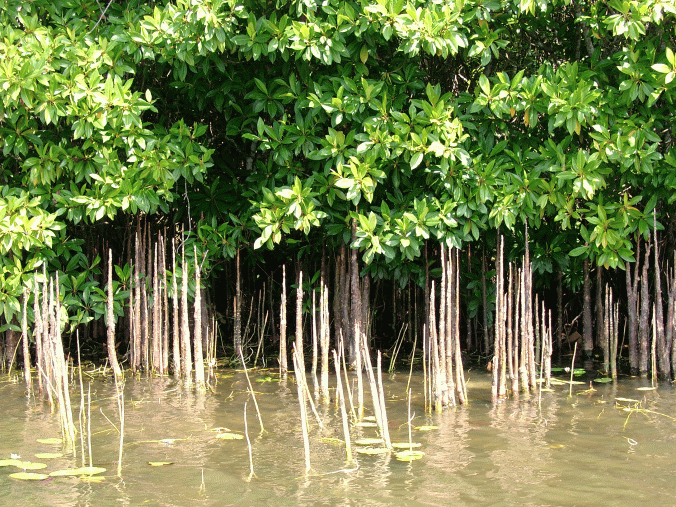
The new national scheme aims to set up 1,500 community groups around Sri Lanka's 48 lagoons, which will offer alternative job training and micro-loans to 15,000 people. The groups will be responsible for the upkeep of designated mangrove forests.

The new national scheme aims to set up 1,500 community groups around Sri Lanka’s 48 lagoons, which will offer alternative job training and micro-loans to 15,000 people. The groups will be responsible for the upkeep of designated mangrove forests. PHOTO: Outdoor Conservation

Big news for the environment: Sri Lanka’s new government just took the unprecedented, historic step to protect all of its mangroves. The move, the first of its kind anywhere in the world, will provide long-term environmental, social and, last but not least, economic benefits to the Indian Ocean island nation, and provide a model for other vulnerable tropical nations to follow. Whose are the champions of this mission? Women.

Started in the 1970’s and gaining in much popularity during the next two decades, ecofeminism seeks to foster a connection between repression of women with the damage caused to nature and natural resources. It is based on the philosophy that both women and nature exhibit the same values and characteristics like nurturing and hence see it as the responsibility of women to undertake ecological causes. One of the most memorable events of ecofeminism occurred in Kenya when rural women planted trees as part of a soil conservation effort to avert desertification of their land as a part of the Green Belt Movement formed by Wangari Maathai. The women of Greenham Common Peace Camp were instrumental in the removal of nuclear missiles there, a fight lasting for over ten years. Sometimes ecofeminism has also been an avenue through which minority and repressed communities like the Native Americans have found their voice. Mohawk women along the St. Lawrence River established the Akwesasne Mother’s Milk Project to monitor PCB toxicity while continuing to promote breastfeeding as a primary option for women and their babies. More.

Continue reading

A Culture in Need of Safeguards

Each year since 2009, UNESCO puts out two lists that closely look at indigenous practices across the world. The List of Intangible Cultural Heritage in Need of Urgent Safeguarding is composed of heritage elements that require urgent measures to keep them alive. During the period from 2009 to 2014, 38 elements have been included on this List. These include Mongolian calligraphy, the Paach (corn-veneration ritual) of Guatemala, the male child cleansing ceremony of northern Uganda, practices of the Kayas of the sacred forests of Mijikenda in Kenya and more. The second list –  Representative List of the Intangible Cultural Heritage of Humanity – comprises practices that help demonstrate the diversity of heritage and raise awareness about their importance.

Continue reading

Plastic Aplenty

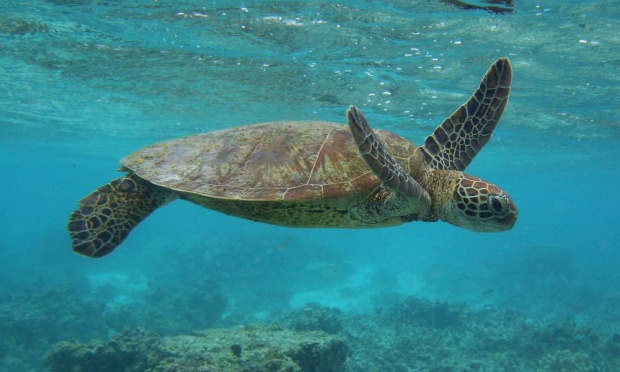
Forty per cent of the small turtles travelling through Moreton bay were recently found to have consumed plastics and more than two-thirds of the endangered loggerhead turtle, too. PHOTO: Mark Kolbe/Getty Images

Forty per cent of the small turtles travelling through Moreton bay were recently found to have consumed plastics and more than two-thirds of the endangered loggerhead turtle, too. PHOTO: Mark Kolbe/Getty Images

Queensland – said to be Australia’s dirtiest state (discarded rubbish recorded at levels almost 40 per cent above the national average). Also home to Moreton Bay, the only place in the country where dugongs gather in herds and which has a significant population of the endangered loggerhead sea turtle. Over celebrating its coastal flora and fauna on World Oceans Day, the state and its leaders found themselves mulling a ban on single-use plastic in the area. Here’s why.

Continue reading

Casual Cultural Conservation Through Dance

The only working Danish windmill in the US.

A few weeks ago I visited a friend from Cornell whose family lives in Nebraska and comprises a good portion of the Scandinavian Folk Dancers of Omaha. I’d seen them perform before at the New England Folk Festival in April, held in Mansfield, Massachusetts, but unfortunately at that point my phone’s camera wasn’t the right tool for the job of documenting their great dancing. This time, when the group performed on a much more intimate stage at the Danish Tivoli Festival in Elk Horn, Iowa, (Elk Horn and neighboring Kimballton apparently make up the largest rural Danish settlement in the US) I was ready with my camera and was able to take some half-decent videos of several of the dances. The audio quality isn’t the best given the slightly windy conditions, but hopefully you can get a general feel for the experience in the video below.

We’ve featured some thoughts on dance on the blog before, especially given Kerala’s Continue reading

The Indonesian Forests May Breathe Now

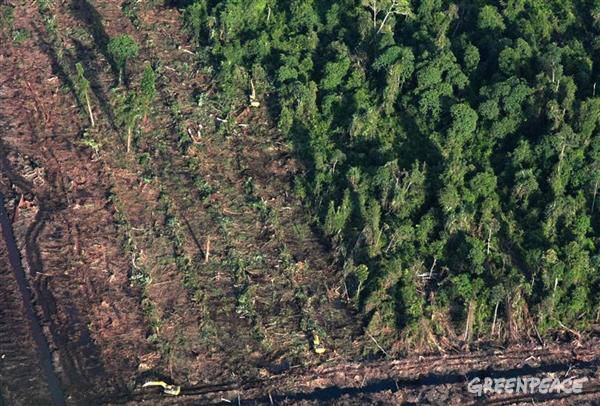
Loss of forest habitat through pulp and paper logging and palm oil plantations has pushed endangered species such as the Sumatran tiger, rhinoceros, elephants and the orangutan closer to extinction. PHOTO: Greenpeace

Loss of forest habitat through pulp and paper logging and palm oil plantations has pushed endangered species such as the Sumatran tiger, rhinoceros, elephants and the orangutan closer to extinction. PHOTO: Greenpeace

Indonesia has the third largest tropical rainforest in the world. The country is also the world’s largest producer of palm oil, fifth largest of coal, and tenth largest producer of pulp and paper. To say these industries are tied to resources of the land is to state the obvious. But to say that the activities are fast eating into forest cover is a matter of concern. Which is precisely why when a company like Asia Pacific Resources International Limited (APRIL) – the country’s second largest paper and pulp company – announces that it will completely eliminate deforestation in its operations, the world takes notice.

Greenpeace Australia Pacific said the “good news” came after more than 40,000 Australians emailed Australian paper supplier Office Brands asking it to stop buying from APRIL because its paper was sourced from Indonesia’s old-growth rainforests. The announcement comes after rival Indonesian company Asia Pulp and Paper (APP) announced in 2013 it would cease logging in natural forests. This followed a decade-long Greenpeace campaign that cost APP more than 130 corporate customers including Disney, Mattel and Hasbro.

Continue reading

Meet the ‘Water Man’ of India

The 2015 Stockholm Water Prize has been awarded to Rajendra Singh for his consistent attempts to improve the country's water security  PHOTO: SIWI

The 2015 Stockholm Water Prize has been awarded to Rajendra Singh for his consistent attempts to improve the country’s water security PHOTO: SIWI

Twenty years ago, when 28-year-old Rajendra Singh arrived in an arid village in Rajasthan, he came with degrees in Ayurveda and Hindi and a plan to set up clinics. That’s when he was told the greatest need was not medical help but clean drinking water. Groundwater had been sucked dry by farmers, and as water disappeared, crops failed, rivers, forests and wildlife disappeared and people left for the towns. In 2008, The Guardian listed him as one of its “50 people who could save the planet”. In March 2015, he was awarded the Stockholm Water Prize, known as the Nobel Prize for water.

Continue reading

Be for Boreal Forests

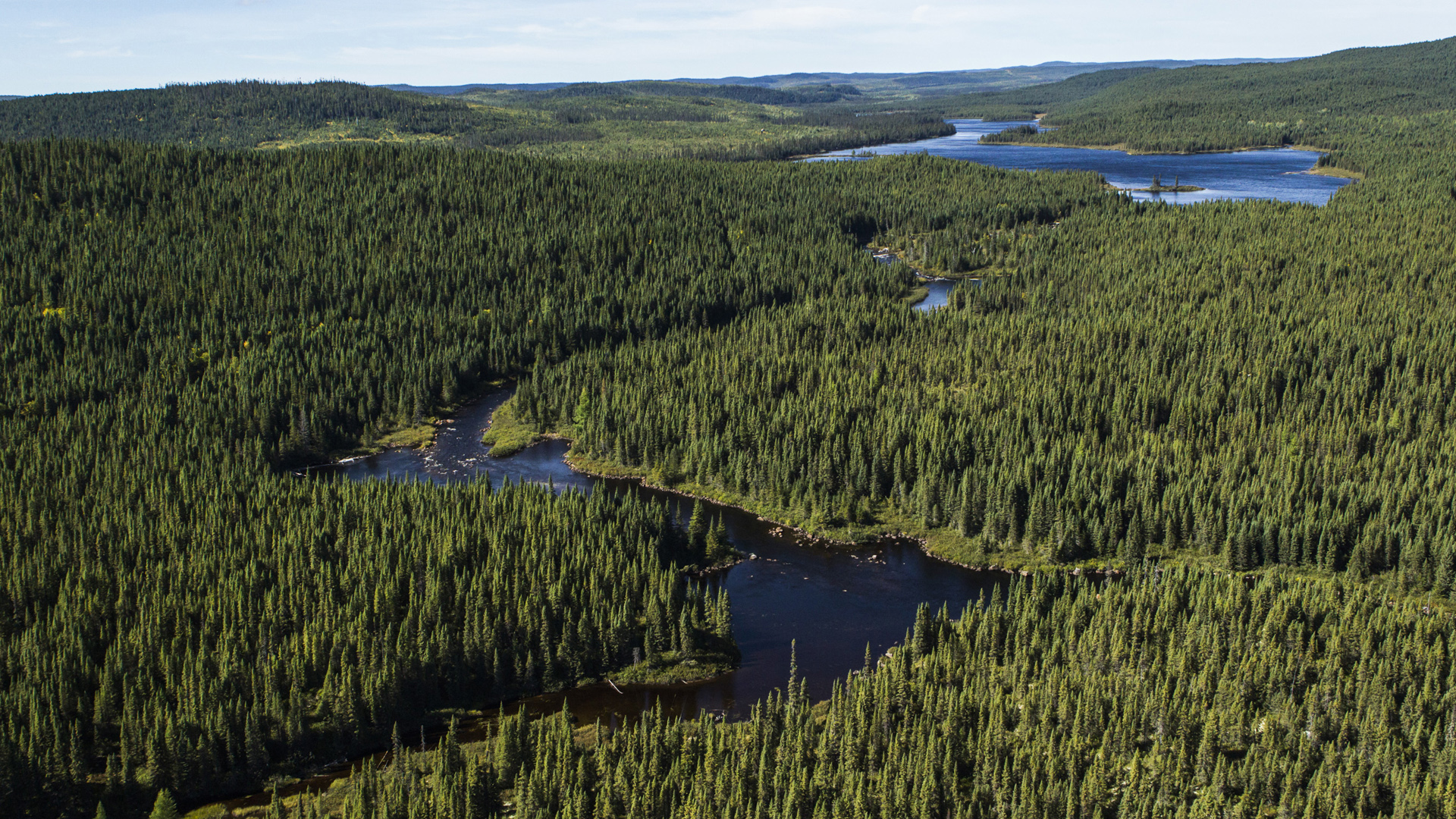
Canada’s boreal region covers almost 60 percent of the country’s land area, essentially spanning from the Atlantic to the Pacific. It is one of the largest and most complex ecosystems on the planet. PHOTO: borealfacts.com

Canada’s boreal region covers almost 60 percent of the country’s land area, essentially spanning from the Atlantic to the Pacific. It is one of the largest ecosystems on the planet. PHOTO: borealfacts.com

Question time. What is the largest intact forest on the planet? If you guessed Amazon, firstly you aren’t the only one; more importantly, you’ll have to know the answer is the Canadian boreal forests. Here are some facts: It covers a staggering 1.5 billion acres, between 1-3 billion birds flock nest and breed here each year, it alone stores 208 billion tonnes of carbon i.e 20 years worth of the world’s emissions from burning fossil fuels, and contains 200 million acres of surface fresh water alone. Yes, that’s a lot of numbers; but they are only some of the reasons for making sure these forests stay intact.

So, whether you enjoy a morning chasing warblers in Central Park’s Ramble, listening to ovenbirds sing in Rock Creek Park in Washington, D.C., scanning the Chicago waterfront for ducks or strolling the shaded paths of Mount Auburn Cemetery near Boston while vireos and tanagers flash through the old trees, you are drawing delight directly from that immense swath of unsullied northern forest.

Continue reading