
Bird of the Day: Yellow-throated Bulbul
Reserva Nacional Lomas de Lachay, Peru
Volga Delta, Russia
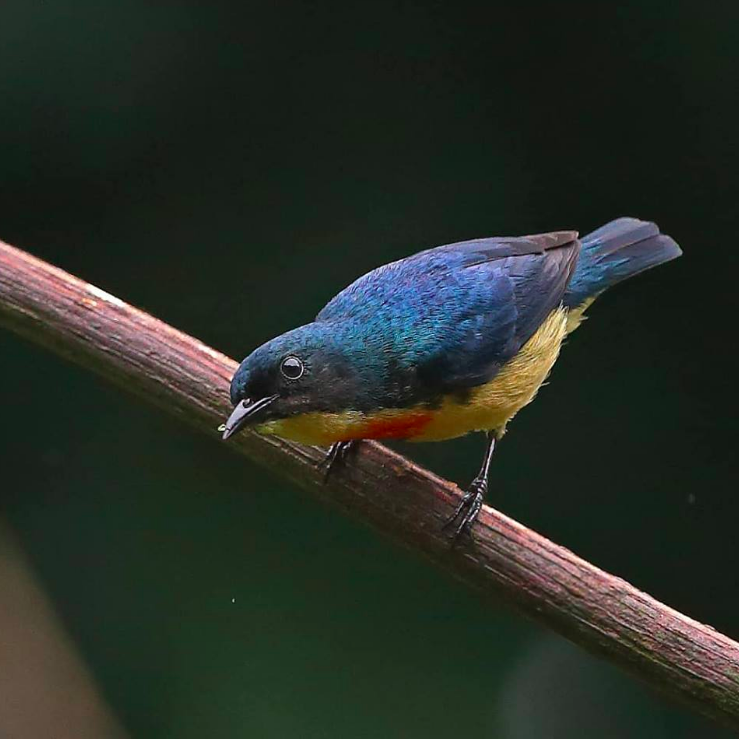
Mishmi Hills, Arunachal Pradesh
Los-Tarrales, Guatemala

Andaman and Nicobar Islands

Photo Credit: Stephen Crafts
San Cristobal Island, Galapagos, Ecuador
For reasons I will need to write more about another time, Colombia has been on my radar recently. When I first visited that country, the conflict was in full swing and my only task was to give a series of lectures related to the country’s potential for nature-based tourism. And I remember very clearly my sense of responsibility for not creating false expectations: as long as there was conflict, this potential would remain just that.
My most recent visit was as the conflict was nearing formal resolution. At that time I was engaged for some weeks of work to be very specific about the potential, location by location. And I was then able to say, based on my own direct observation, that this country would be a powerhouse in the birdwatching market. And I have to admit, I did not have then the knowledge I have now, thanks to the Lab of Ornithology, about the country’s species count and its ranking in the world. The information was there, but I did not have it. Now I do, and my sense of confidence in the country’s opportunity to leverage this abundance into sustainable development is strong. The film above came to my attention in the last 24 hours from several sources, all of whom I thank. But particularly I thank the sponsors of the film for their vision, and the director of the film for his visual acuity:
The Birders, a documentary film on Colombian bird diversity and birdwatching presented by ProColombia, with support of FONTUR and directed by Gregg Bleakney. The film highlights Colombian local birdwatching guide, Diego Calderon-Franco and National Geographic photographer / videographer Keith Ladzinski as they travel through one of the most diverse bird regions in the world to capture new and rare birds that have never been filmed before. The Birders, also takes people through the Colombian landscape, highlighting several of its’ top locations, culture, birds and music. Continue reading
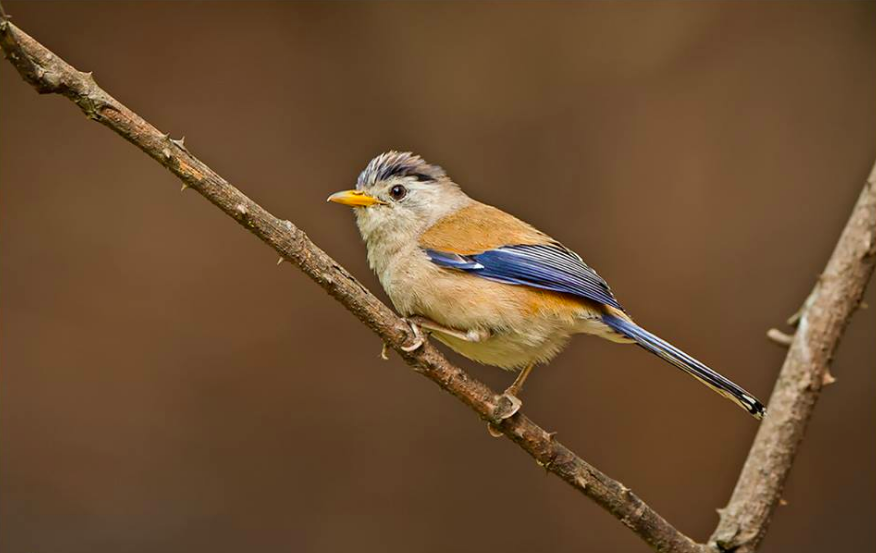
Uttarakhand, India
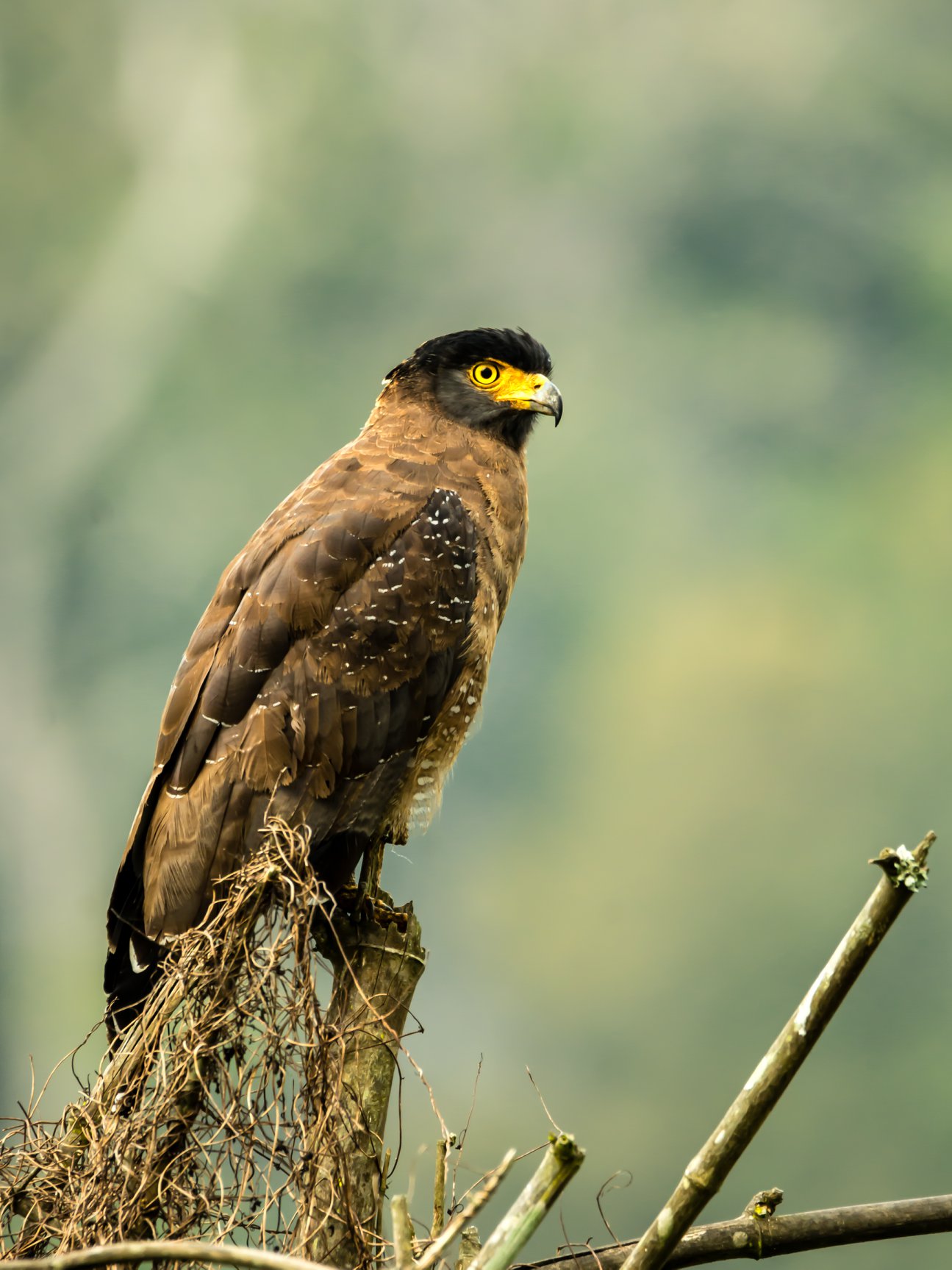
Kabini, Karnataka
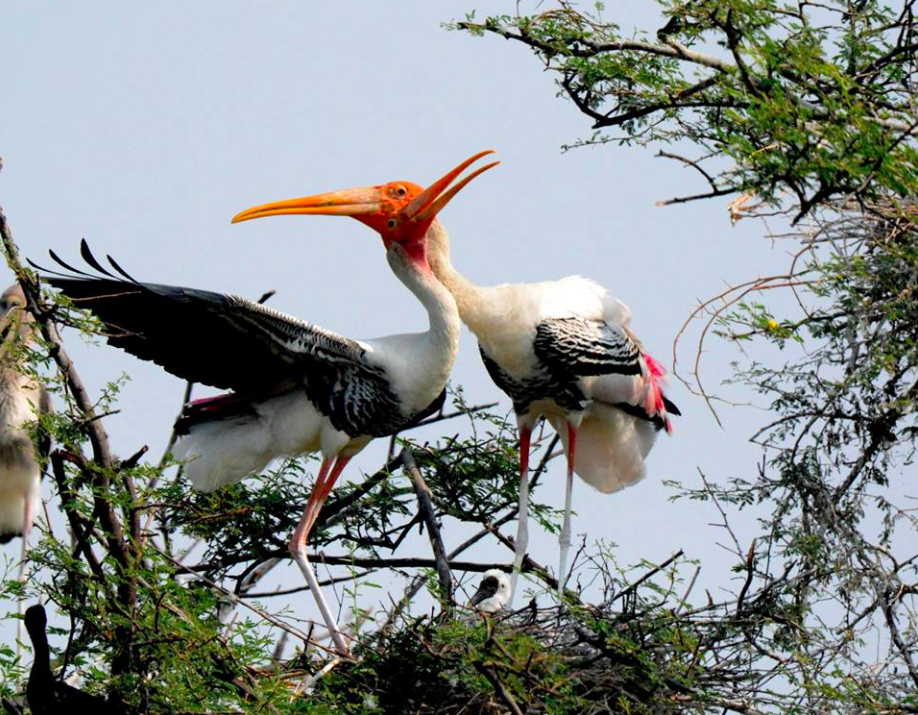
Keoladeo National Park, Rajasthan
Parque del Acueducto, Cali, Colombia
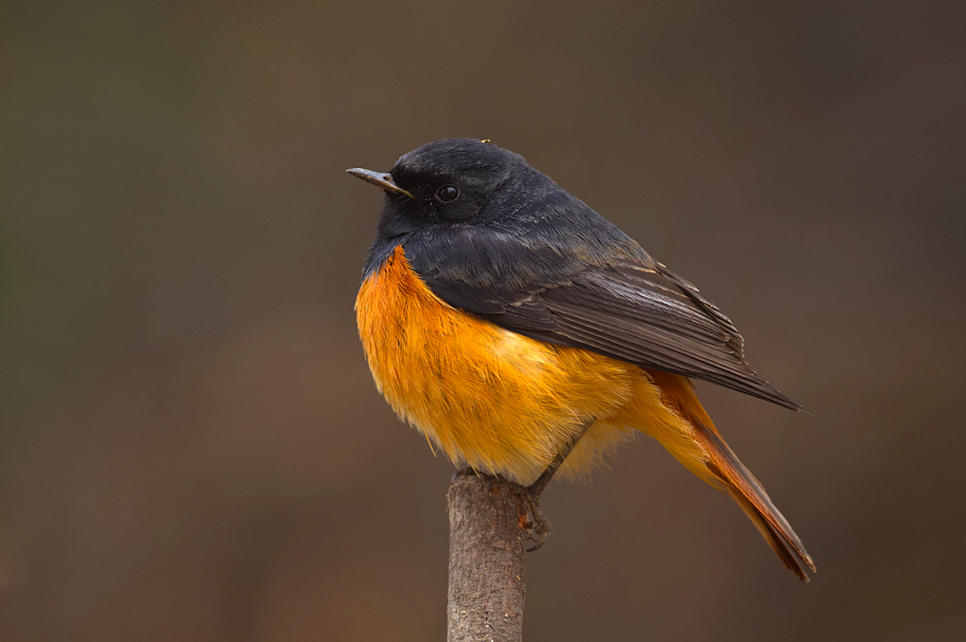
Volga Delta, Russia

Lemhakong, Manipur
female – Telegraph Hill, California

Uttarakhand
Parque del Acueducto, Cali, Colombia
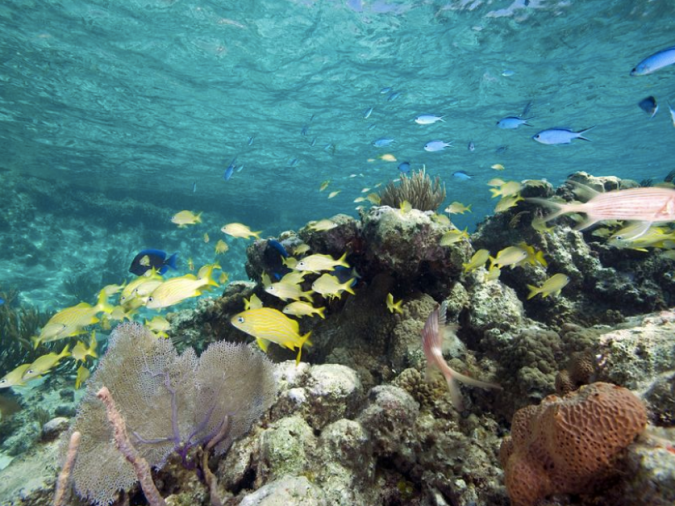
REEF FISH, BAHAMAS Fish congregate near a shallow reef in Exuma Cays Land and Sea Park. © Jeff Yonover
Those familiar with our work will recognize the word valorization, which is an essential element of what we write about and what we do. It’s increasingly important to note that Nature, made more fragile with each passing year by human impact climate change, requires human efforts to protect and hopefully, turn back the clock on damage already done; and it appears to be human nature that maintain a direct correlation between how something is valued and the amount of attention it gets.
We’re particularly impressed by this example of tech collaboration. Thanks to the Nature Conservancy for highlighting these stories…
The Caribbean Needs Tourism, and Tourism Needs Healthy Coral Reefs
AI and social media are helping quantify the economic value of coral reefs
The Caribbean region is more dependent on tourism than any other region in the world—the sector accounts for over 15 percent of GDP and 13 percent of jobs in the region. And almost all visitors to the Caribbean take part in some activity that relates to coral reefs—either directly, like snorkeling and scuba diving, or indirectly, like enjoying sandy beaches, eating fresh seafood and swimming in crystal waters. That means the health of the Caribbean’s tourism industry—and thus the whole regional economy—is dependent on the health of its coral reefs.
But just how much value do reefs produce? After all, “what gets measured gets managed and improved.” The Nature Conservancy (TNC) recently released the results of a study that focused on reef-adjacent activities and the value they generate for the tourism industry, island governments and Caribbean communities. This study, which builds on an earlier body of globally focused research produced by TNC, found that reef-adjacent activities alone generate an estimated $5.7 billion per year in the Caribbean from roughly 7.4 million visitors. When combined with reef-dependent tourism activities, they generate $7.9 billion total from roughly 11 million visitors.
In other words, a major draw for people traveling to the Caribbean are activities related to coral reef ecosystems, and both the tourism industry and other aspects of the local economies depend on healthy coral reefs to keep this relationship afloat. This evidence offers a pivotal opportunity for advancing coral conservation initiatives not only in the Caribbean but around the world, as it can catalyze both the tourism industry and local governments and communities to invest in protecting and restoring coral reefs for the benefit of economies and incomes.
We now know that these natural wonders are responsible for generating billions of dollars, sustaining livelihoods and anchoring economies in the Caribbean as well as other tropical destinations across the globe. And that should translate into a major incentive to conserve them. Continue reading
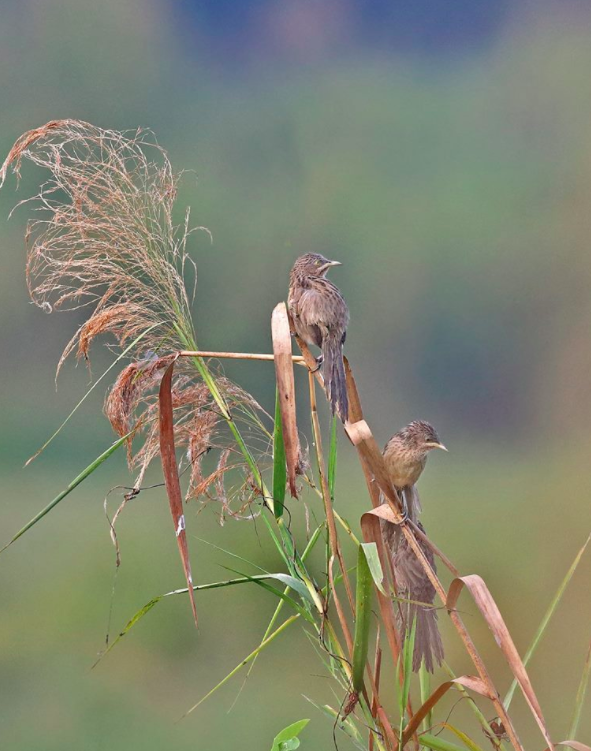
Maguri Bheel, Assam
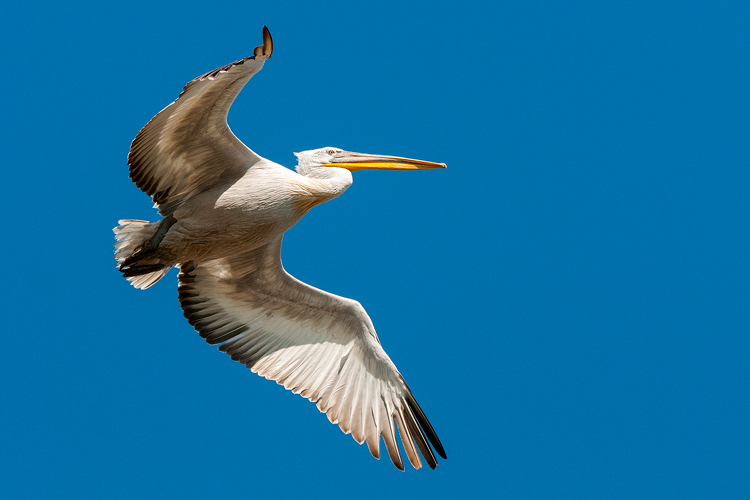


 Organikos