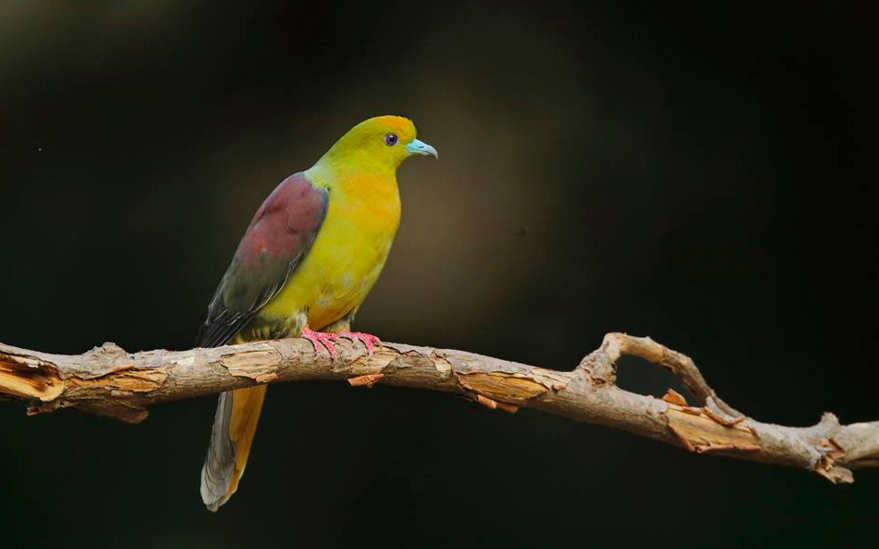
Pangot, Uttarakhand
Pangot, Uttarakhand

Vijayapura, Karnataka
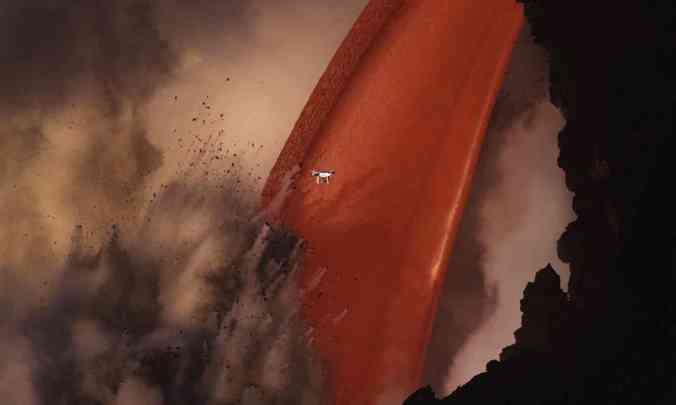
An illegally flown drone gives scale to next to a lava tube in Hawaii Volcanoes national park. Photograph: Andrew Studer
Some in the hospitality business will likely embrace technologies that I cannot picture using in our hospitality operations, ever, but that is fine. Good for them, I say. Recent events at Chan Chich Lodge have reinforced my wonder at, and love for, technology as a tool to support conservation. There is no doubt that guest photos of big (or small) cats and monkeys, shared via social media, help our conservation mission. There is no doubt that tech tools such as eBird and Merlin (Belize edition recently released, just in time for Global Big Day for those of us who need it) also move our conservation mission forward.
That said, I still have a preference for digital detox among our guests, as much as possible. Artificial noises, visuals, aromas and structures are best minimized in order to maximize the many benefits of nature. Distractions, which may be normal things and habits quite common at home, are the spoilers of visits to great places. The problem first came to my attention nearly two decades ago while visiting Mont Saint Michel, where helicopter tours were just becoming a thing, which clearly annoyed every individual who was making the wondrous visit on foot.
I hope, but doubt, that such tours have been limited in the time since then. The evidence seems to point to more distractions in monumental places, whether natural or cultural, that had previously been visually and sonically protected (thanks to Sam Levin at the Guardian for this):
‘Turn it off’: how technology is killing the joy of national parks
As drones, smartphones other gadgets invade America’s most tranquil trails, many lament the loss of peace and quiet Continue reading

Atlanta, Georgia
Crooked Tree, Belize
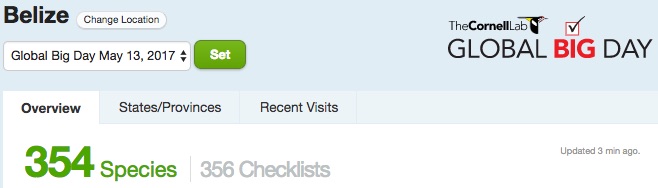
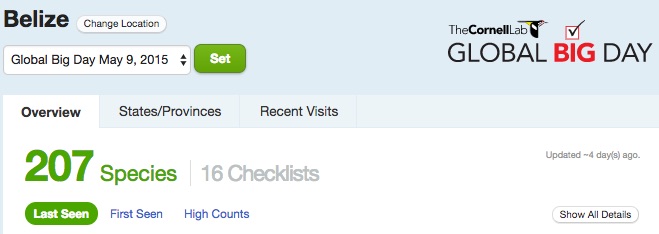
In recent months, as we prepared to host Team Sapsucker Belize at Chan Chich Lodge, our goals were focused on the citizen science mission. Using a couple simple metrics, the event was a clear success, comparing the number of species counted in Belize this year versus last year, and especially looking at the number of checklists submitted.

If you look at this as the third iteration of an event that we hope to grow in future years, the progress from beginning to present is promising. As I type this there are still more than 40 hours of data entry remaining for this year’s event, so the increase in this year’s participation and species identification will likely grow larger by this time Wednesday.
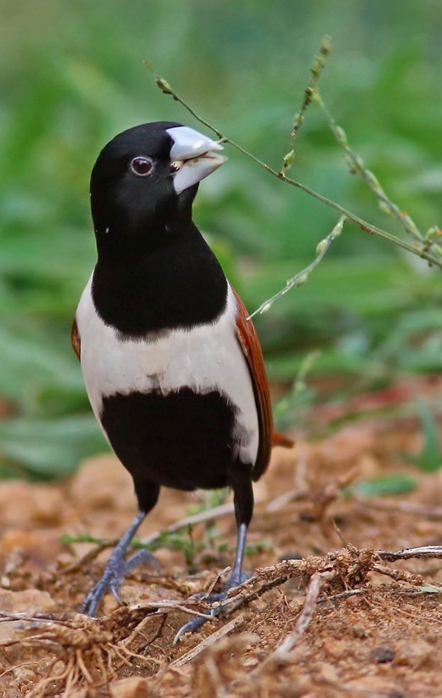
male – Bangalore, Karnataka
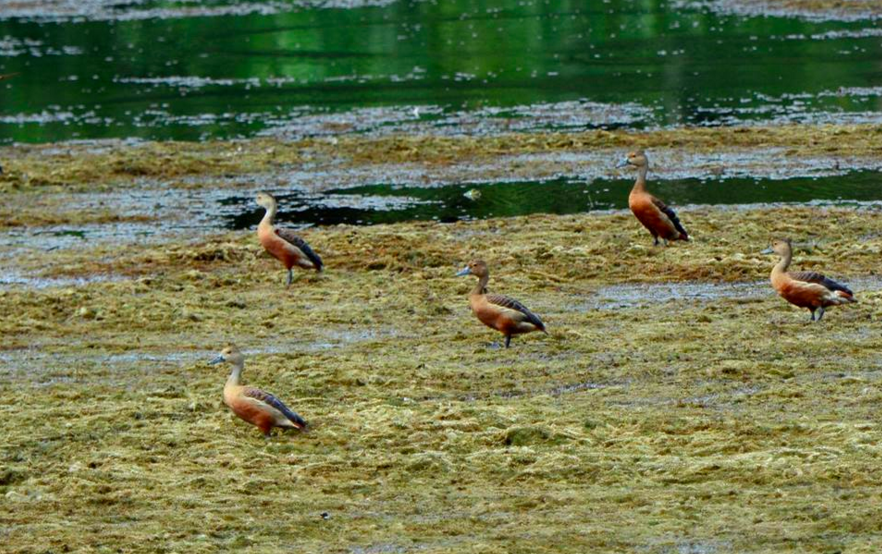
Thattekad Bird Sanctuary, Kerala

Bangalore, Karnataka

Gallon Jug Estate, Belize
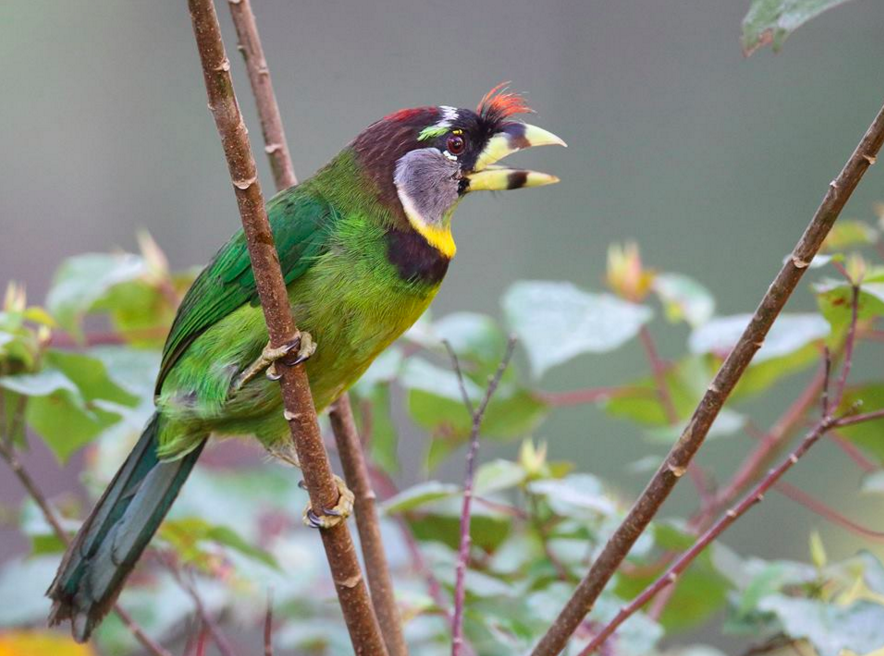
Bali, Indonesia

Atlanta, Georgia
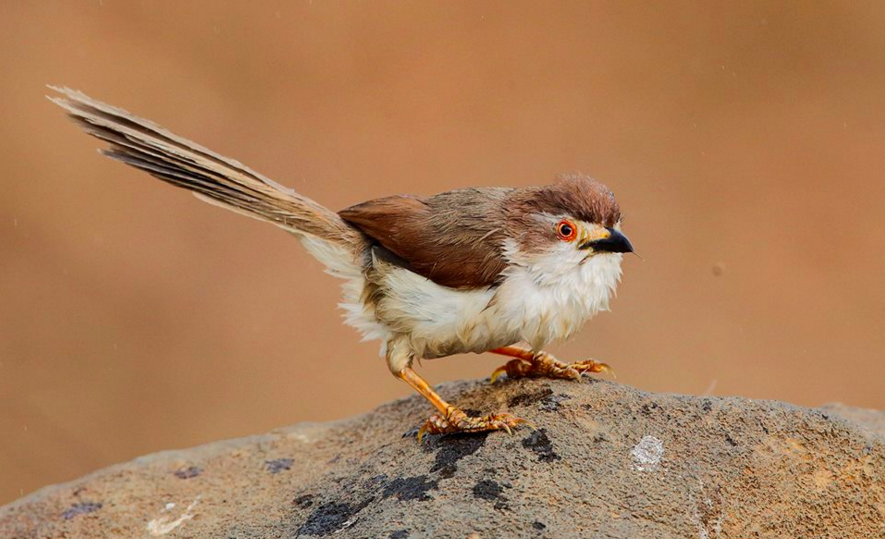
Bangalore, Karnataka
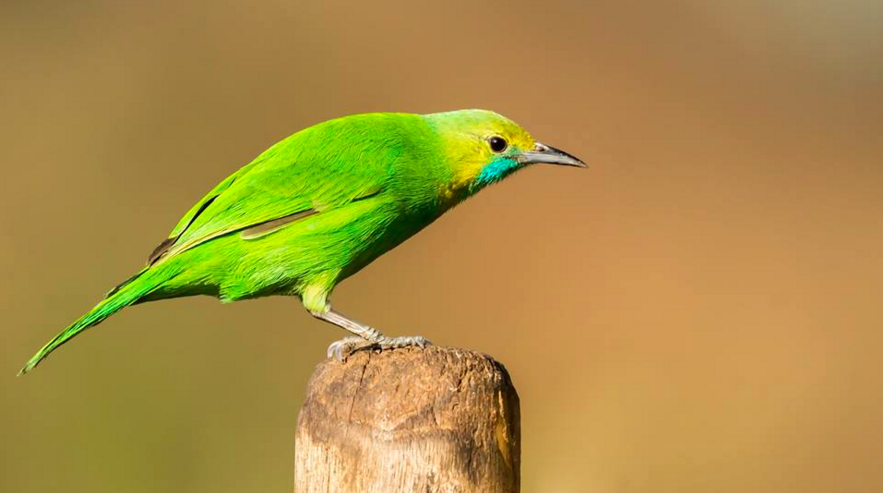
female – Bengaluru Outskirts, Karnataka
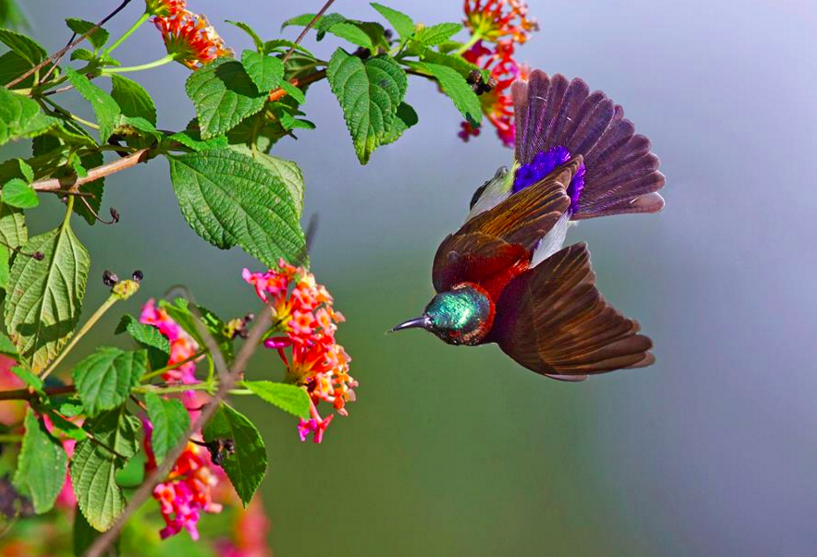
(Bangalore, Karnataka)
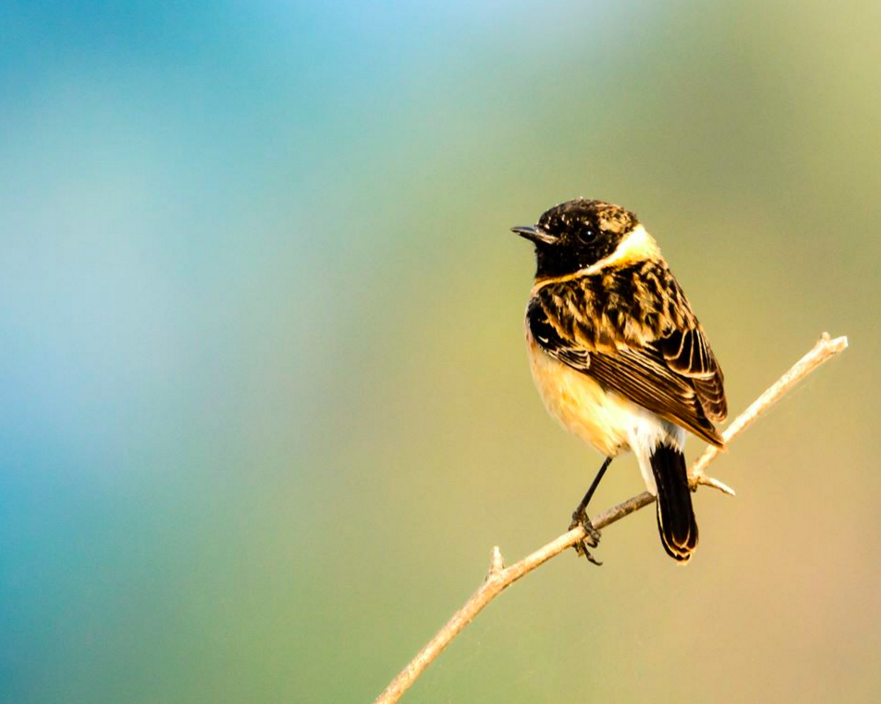
Vijayapura, Karnataka

Chopta, Uttarakhand

Mishmi, Arunachal Pradesh

This beautiful bird uses Vijayapura, Karnataka as its rest stop during its annual migration between Nagaland and South Africa. A lucky shot!
Vijayapura, Karnataka
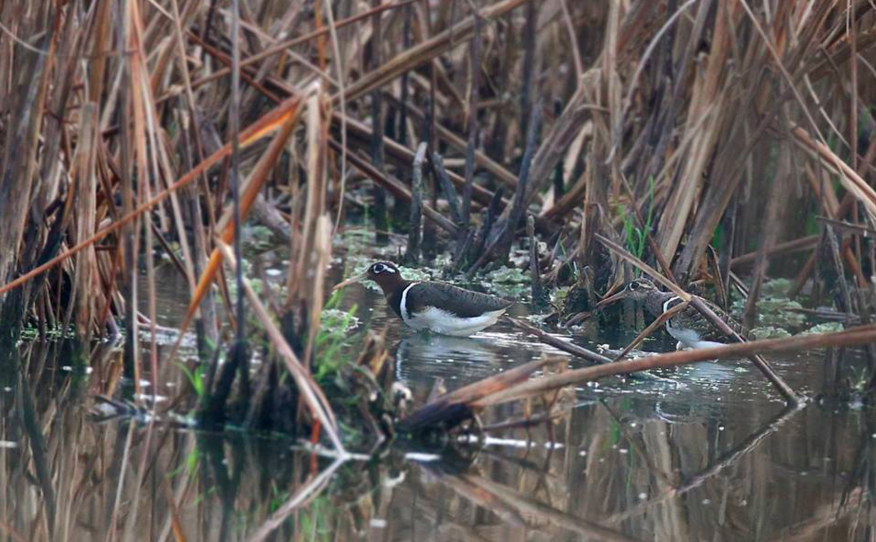
Sholinganallur, Tamil Nadu
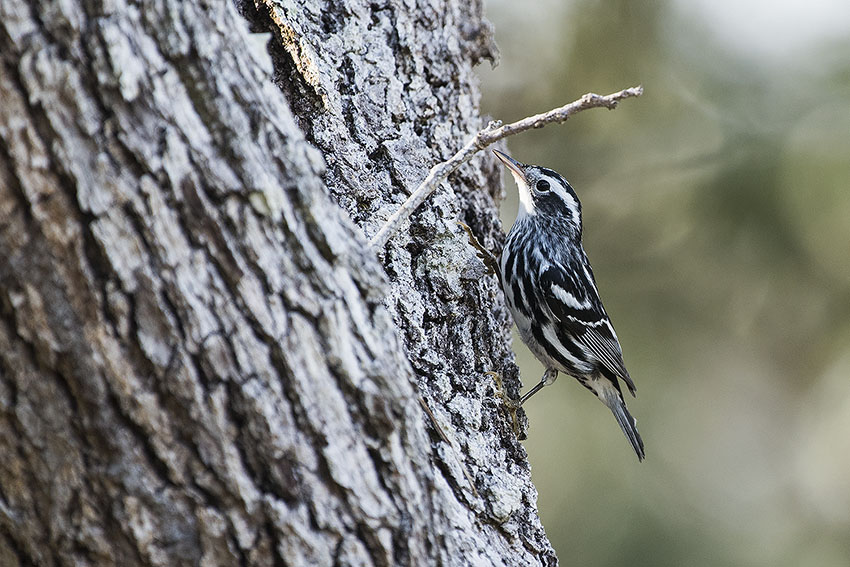
 Organikos