When Life Gives You Lionfish…

Market-based approaches to controlling invasive lionfish populations were highlighted at a recent GEF event in Grenada.

La Paz Group contributor Phil Karp has long been our guide into marine ecosystems, with both citizen science and social entrepreneurship posts on his work with groups in Belize and other parts of the Caribbean focused on these goals.

This collaboration with Sarah Wyatt,  a colleague from the Global Environment Facility, illustrates the on-going market-based approaches to managing the invasive species while creating new cottage industry opportunities.

Seeing a lionfish while diving in the Caribbean is a cause for mixed emotions.  On the one hand, one marvels at the exquisite beauty of the fishes’ flowery fins and its amazing adaptability to a range of habitats, from shallow estuaries with low salinity to deep reef environments. But then you remember that these fish don’t belong in the Caribbean, and that the very versatility noted above makes them an invasive menace. Indeed, if the fish you are looking at is a female, she may be carrying up to 30,000 eggs, and may have thirty or more native fish or crustaceans in her stomach.

One of the many impacts of the Anthropocene era on global biodiversity is the increased spread of invasive species, like the lionfish, due to rapid globalization. With the United Nations Ocean Conference taking place in New York next week, the conservation and sustainable use of the oceans and marine resources is high on the international agenda.  While long recognized as an environmental and biodiversity threat, invasive species also pose a threat to livelihoods, particularly in developing countries where incomes may be heavily dependent upon a single sector or product.

Traditionally, efforts to eradicate or control invasive species have been focused on public sector interventions.  But control efforts are often expensive and are either out of reach, or pose severe strains on limited budgets of developing countries.  Hence there has been growing attention to identification of market-based control approaches which create commercial incentives for removing the invaders, providing a financially sustainable means of control… Continue reading

Cactus Tales

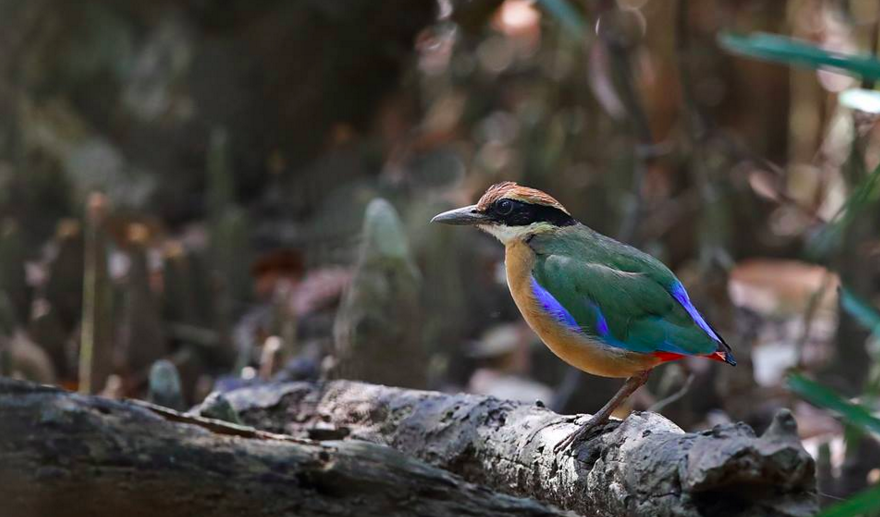
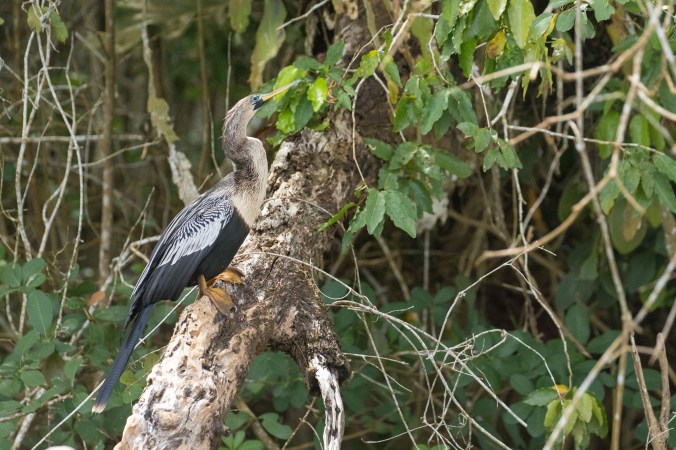
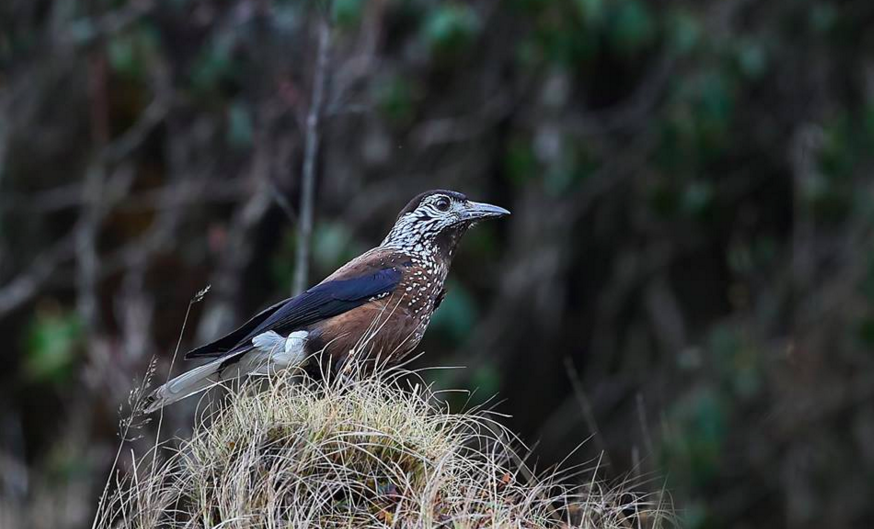
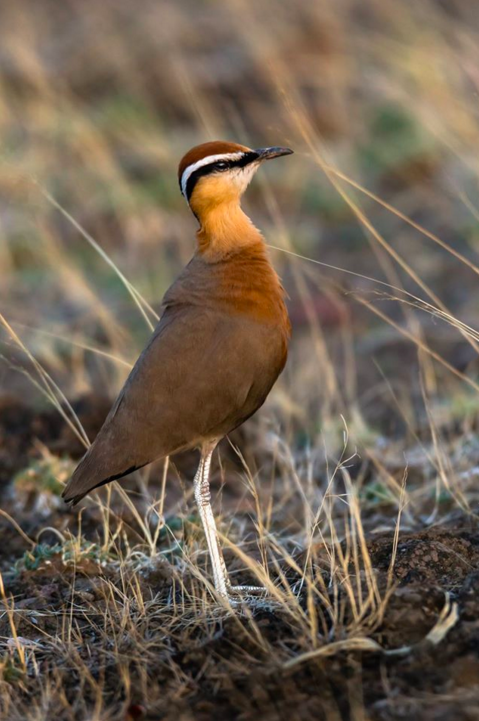
On Seth’s invitation, I am honored to have a chance to contribute to the group. I have a biology background, but am now retired and have an interest in photographing birds. I use point and shoot cameras, starting two years ago with a Canon SX60HS, graduating to a Sony RX10iii this year. I teach classes in bird photography with these cameras. My interests are in telling a story of birds in a small ecotype such as a pond, or in this case one plant species, a cactus, the cardon of the deserts of Northwest Mexico. These photos were taken over two trips to the Baja California Sur Cape Region, and the majority were on one cardon that was outside the bungalow I was staying at in Cabo Pulmo, Mexico while having my morning coffee.

Pachycereus pringlei, also known as Mexican giant cardon or elephant cactus, is a close relative of the Saguaro of the desert southwest. It is the tallest cactus in the world, lives for several hundred years, and has a fungal-bacteria symbiotic relationship that allows it to grow on bare rock. For birds, it is the perch of choice for everything from hawks to wrens, a source of abundant food,  a prolific producer of fruit and used by all woodpeckers for their nesting holes. On larger cardons it is not uncommon to see several bird species on a cactus at once and most birds whose territory includes a cardon will touch it several times a day for a song, a snack, and good luck.


The Value Of Coral Reef

ReefEcon.jpg

Economic value of coral reefs for tourism (A). This figure summarises the combined dollar values of expenditures for on-reef and reef-adjacent tourism. Reefs without assigned tourism value are grey; all other reefs present values binned into quintiles. Lower panels show Kenya and Tanzania (B), South-central Indonesia (C), and Northern Caribbean, with part of Florida, Cuba and the Bahamas (D). (Further maps can be seen in Appendix A and online at maps.oceanwealth.org

A country that depends on its coral reef to attract visitors, as Belize does, has every reason to pay attention to the various sciences paying attention to those reefs. Mostly marine biologists, perhaps, but also economists. Geeks and wonks are heroically gathering information, processing it, publishing it and if not for The Nature Conservancy’s efforts some of us might not ever see it.

The August, 2017 issue of Marine Policy, an academic journal, carries the article “Mapping the global value and distribution of coral reef tourism” by the scientists Mark Spalding, Lauretta Burke, Spencer A. Wood, Joscelyne Ashpole, James Hutchison, and Philine zu Ermgassen and TNC’s Cool Green Science has a summary in common language. Also they complement the academic illustration above with one of their own:

Screen-Shot-2017-05-26-at-12.09.02-PM.png

Screen shot from the Atlas of Ocean Wealth showing global reef value to tourism. © The Nature Conservancy

If it’s true that people reveal their true values by how they spend their money, coral reefs are very valuable indeed. In fact, according to a new study in the Journal Marine Policy coral reef tourism generates $36 billion (U.S) in global value every year. Continue reading