San Miguel Reservoir, Turrúcares, Costa Rica
Conservation Tourism
Bird of the Day: Oriental Pied Hornbill
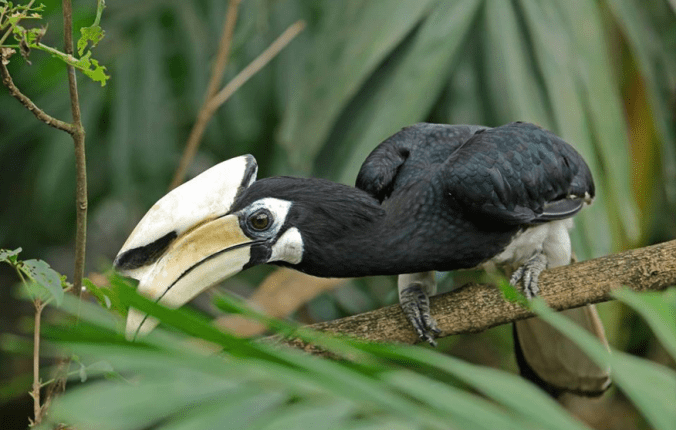
Jageshwar, Uttarakhand
Bird of the Day: White-crowned Parrot

Tacacori, Costa Rica
Bird of the Day: Streak-Breasted Woodpecker
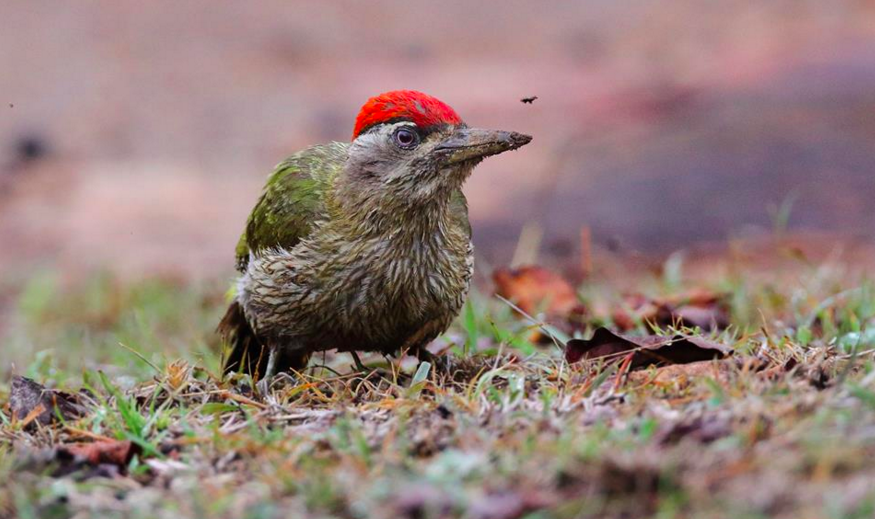
Mysore, Karnataka
Bird of the Day: Eurasian Eagle Owl
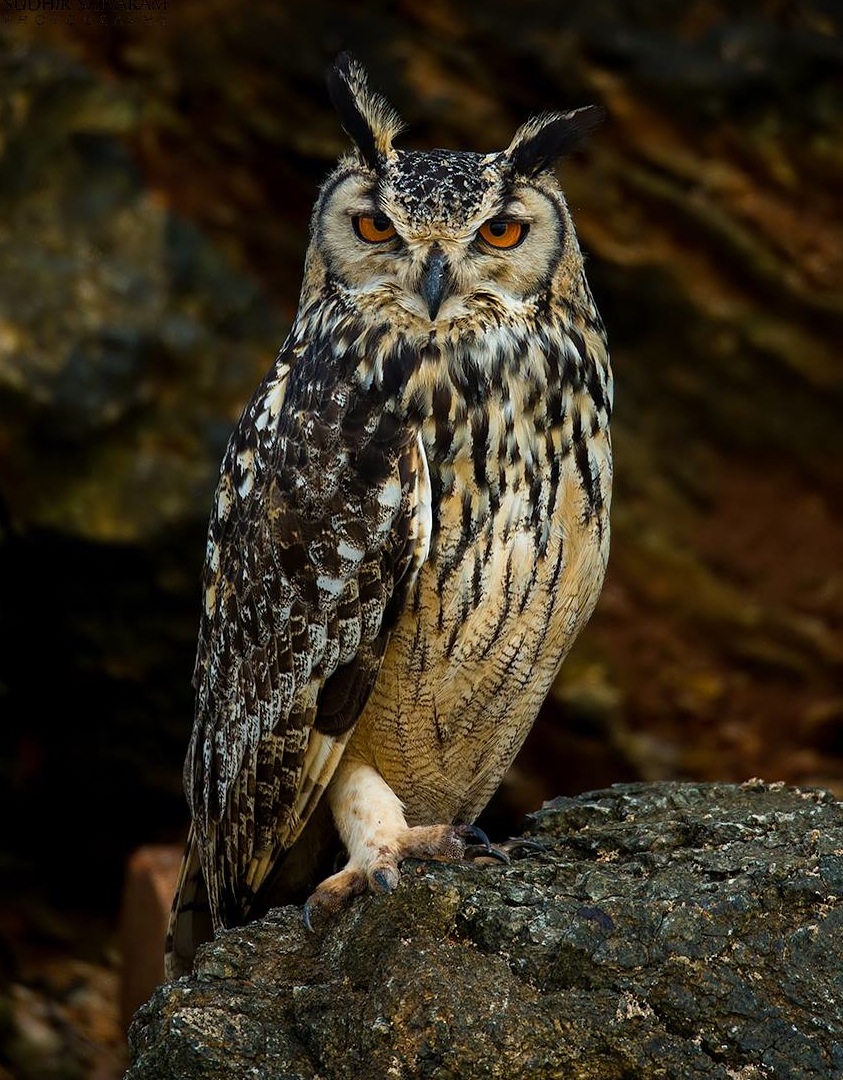
Daroji Sloth Bear Sanctuary, Karnataka
Bird of the Day: Golden-browed Chlorophonia
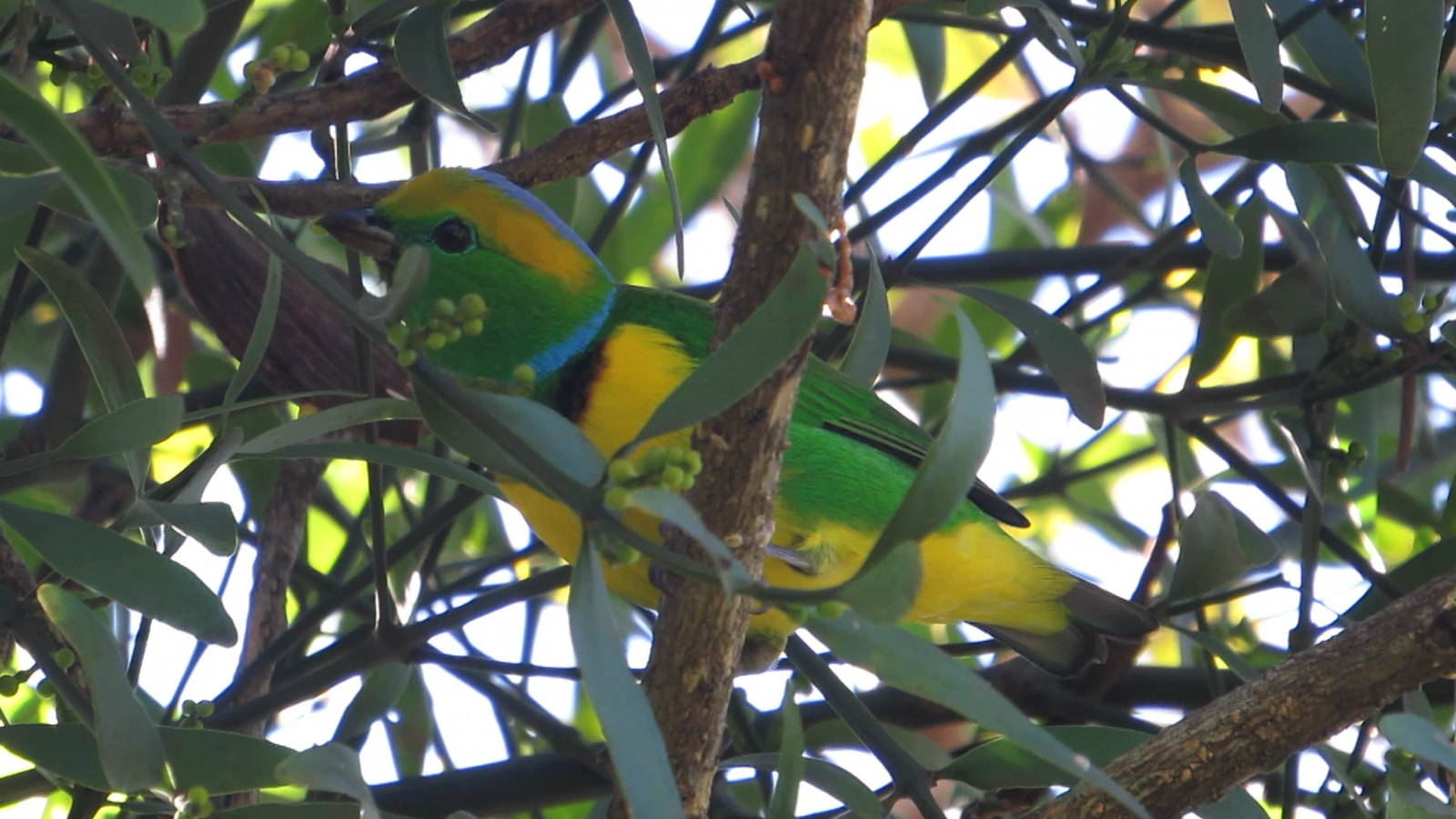
male – Tacacori, Costa Rica
Bird of the Day: Streaked Spiderhunter
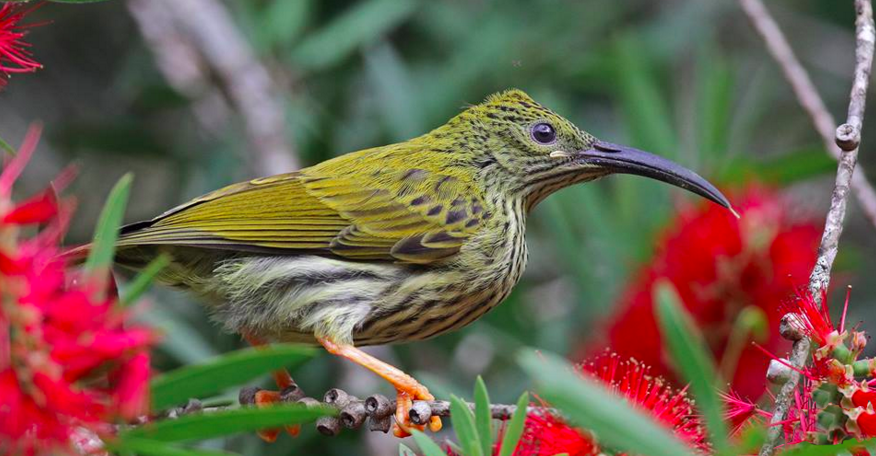
West Bengal, India
Bird of the Day: Gray-cheeked Thrush

Tacacori, Costa Rica
Bird of the Day: Pair of Great Indian Hornbills
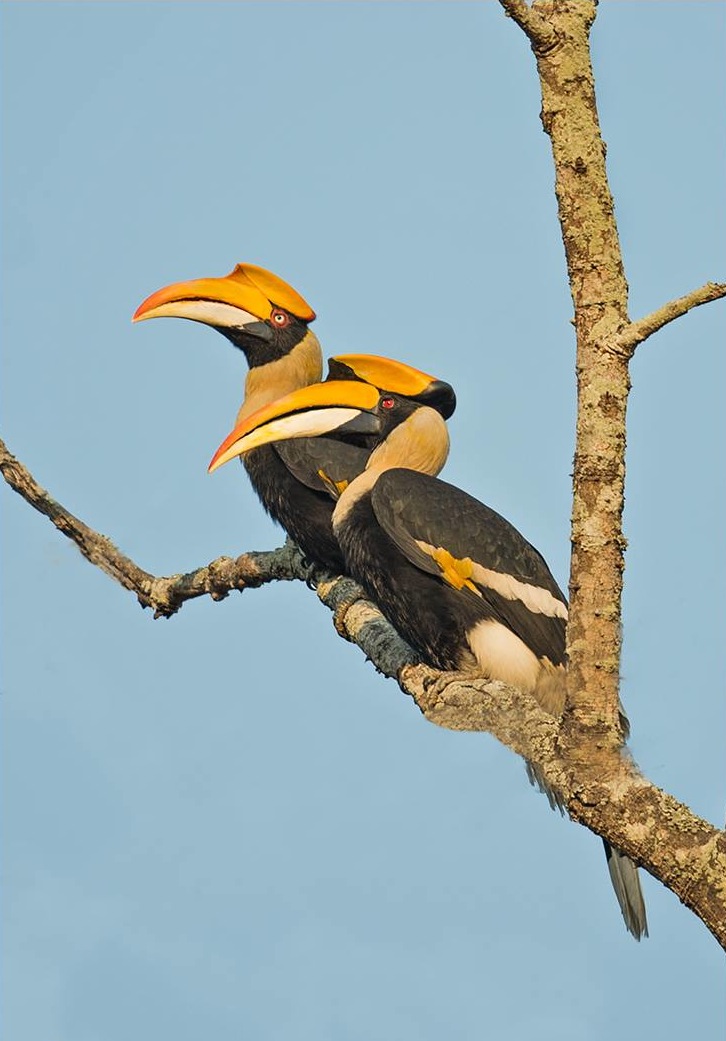
Kaziranga National Park, Assam
Bird of the Day: Zone-tailed Hawk

Tacacori, Costa Rica
Bird of the Day: Magellanic Penguin and Upland Geese
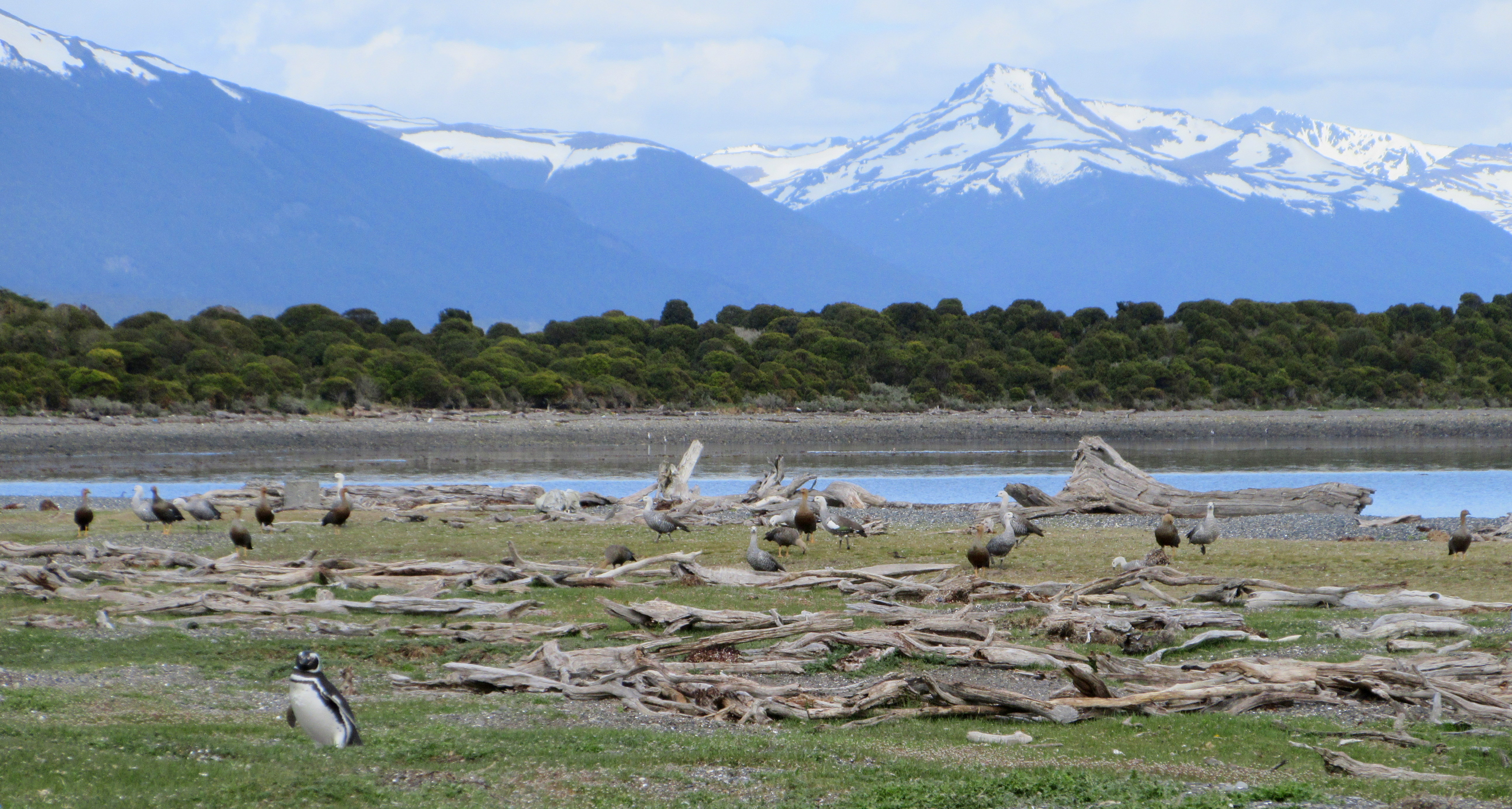
Tierra del Fuego, Argentina
Bird of the Day: Chestnut-sided Warbler

juvenile or female – Tacacori, Costa Rica
Bird of the Day: Malabar Trogan – female

Someshwara Wildlife Sanctuary, Karnataka
Bird of the Day: Rose-breasted Grosbeak

juvenile male – Tacacori, Costa Rica
A Lone Couple, a Desert Island, and Turtles

Despite living in utter isolation on an island for 40 years, one couple has overcome disability and blindness to make a difference. PHOTO: BBC
Isn’t there a line about finding heroes in the most unlikely places? This is the setting of Daeng Abu’s and his wife Daeng Maida’s inspirational story: a desert island off the coast of Sulawesi in Indonesia, disabilities in Abu being blind and facing leprosy, their days spent raising sea turtles and speaking against the cyanide and dynamite fishing that is devastating Indonesia’s reef.
Neither knows how old they were when they entered their arranged marriage on nearby Pulau Pala (Nutmeg Island) – they currently believe they’re in their 80s – but Abu thinks he was older than 20 and Maida remembers it was the dry season. Her uncle fired three shots in the air; she walked over to his family’s home; Abu built a shack from bamboo and palm leaf; and married life began. Little did they know at the time – the couple was bound to become a rather unlikely pair of environmental activists.
Bird of the Day: Pheasant-tailed Jacana
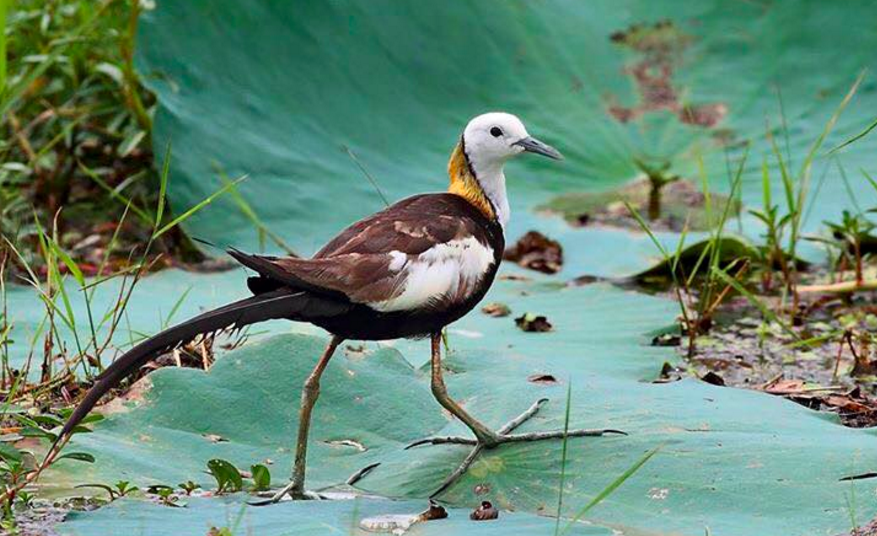
Mysore, Karnataka
Bird of the Day: American Redstart

male – Tacacori, Costa Rica
Bird of the Day: Peregrine Falcon

Little Rann of Kutch, Gujarat
How Much Does an Elephant Eat?
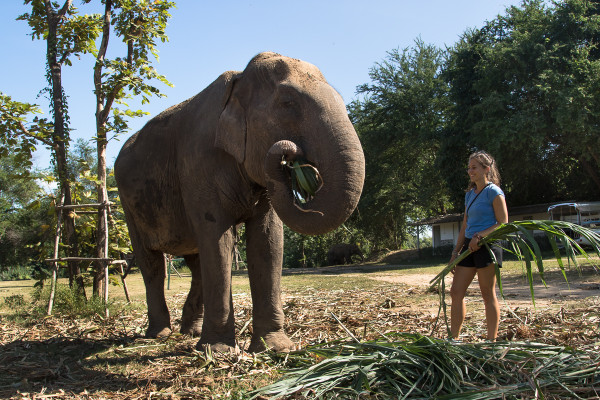
An elephant takes in a meal at Elephant’s World, Thailand. PHOTO: Jay Simpson
Our love for pachyderms has found multiple expressions on this blog. With us now journeying with Asian Oasis in Thailand and Kerala as home, this love links our efforts in both these lands, serving as common ground for all that we hope to do in tandem with nature. For all that we’ve penned on elephants, we’ve not stopped to think what or rather how much food keeps their giant souls (and stomachs) happy.
Both captive and wild elephants eat a lot, but what else would you expect from one of the largest land animals on the planet? Wild Asian elephants (Elephas maximus) can spend an average of 16-18 hours of every day eating. In the wild they forage for food, constantly searching for roots, small trees, bamboo, grasses, and any other edible plants.
Bird of the Day: Summer Tanager

male – Tacacori, Costa Rica
 Organikos