Water Play

What a privilege to watch the extremely playful cubs of the Sukhi Patiah Tigress enjoying in the Patiah water body at Bandhavgarh National Park!

We spent around 1 1/2 hrs with these cubs playing in the water. We learn so much about these tigers when we do the sunrise to sunset photo safari in the parks. For example, our understanding has been that tigers are active in the morning and late evenings. But these cats are smart, they become far more active after the regular safari timings. 
Continue reading

National Governments, Entrepreneurial Conservation, And Increased Awareness Of Nature’s Value

grandcanyon

A view from the north rim of Grand Canyon National Park via Flickr/NPS

This is our favorite kind of report:

NATIONAL PARK VISITORS INJECT BILLIONS INTO THE US ECONOMY

In 2014, more than the National Park Service hosted more than 292 million visitors. The system, which covers more than 84 million acres divided among 401 sites, includes some of the United States’ most iconic tourist destinations: the Grand Canyon, Mount Rushmore, Yellowstone, Yosemite, the Everglades. And when people visit those sites, they spend money. For the past 25 years, the National Park Service has been measuring and reporting the economic effects of park tourism. (The first data collection effort on visitor attendance itself was conducted in 1904, when six national parks reported 120,690 visitors.)

The latest report, covering the year 2014, has just been released by NPS and US Geological Survey researchers, along with a companion website that includes a variety of data visualizations. Continue reading

Birding in the American Southeast

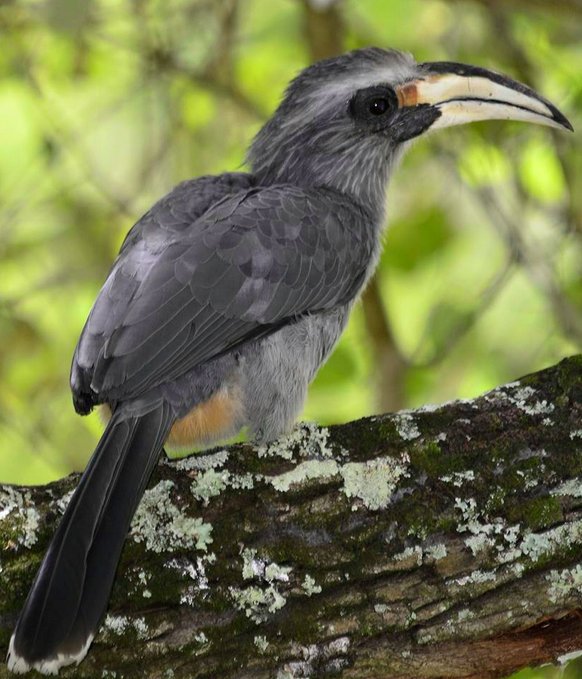
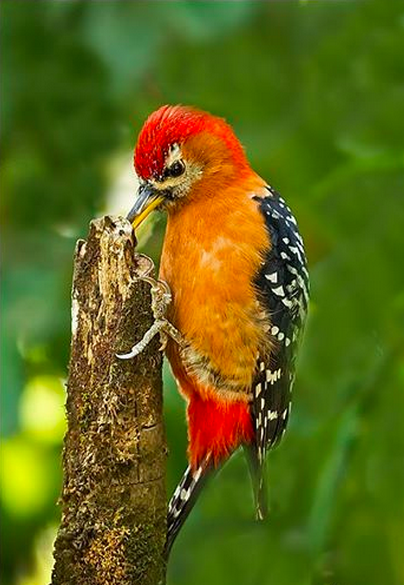
I recently wrote an article for the Saporta Report, a metropolitan Atlanta newspaper, on the joys and possibilities of birding in Georgia. It might have some useful information if you’re ever in the area and want to identify the birds that are flying by overhead, so check it out:

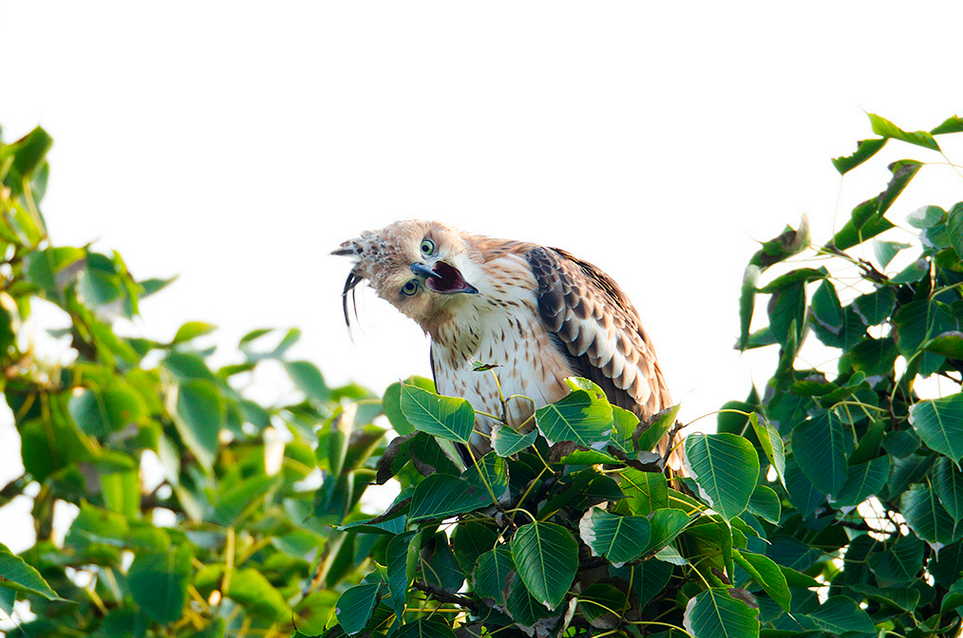
…While the awesome wilderness of, say, the mountains of north Georgia guarantee an incredible experience for birders and other naturalists, local parks and preserves like Lullwater have much to offer as well. Just recently, for example, I stopped in at the Clyde Shepherd Nature Preserve (also in Decatur) and the Dunwoody Nature Center (in Dunwoody) and managed to get a few glimpses of some of the metro area’s more interesting avian visitors, including the pileated woodpecker, red-shouldered hawk, yellow-bellied sapsucker, and winter wren. A vigorous hike in Sweetwater Creek State Park (in Douglas County), also not far from downtown Atlanta, turned up a young Cooper’s hawk in addition to more common birds of the forest, such as titmice, nuthatches, woodpeckers, and so forth — a good day, considering that I was also treated to incredible vistas and the historic mill ruins on the Sweetwater’s banks. Continue reading

Stripes in Focus

Understanding Depth of Field

I get a lot of queries asking me how I blur the background in my images. First let me say that I don’t manipulate my images. There are some folks on the internet who do it regularly using photoshop…but in my case it’s mainly due to shallow depth of field by using a long tele lens and lower aperture number.

A lot of beginners feel that equipment is the main thing for good images. Not necessarily…though is plays an important role. The primary thing is understanding the key concepts of photography, which is as simple as understanding the exposure triangle: the combination of ISO, aperture and shutter speed and what kind of impact they have on images. Continue reading