
Pipeline Road, Gamboa, Panama
Pipeline Road, Gamboa, Panama
Bamboo Rafting
Community based Ecotourism programs are the hallmark of the Periyar Tiger Reserve. These programs are conducted by the local people responsible for the surveillance of the vulnerable parts of the reserve. Taking tourists along, valuable revenue is generated for community welfare at the same time forest conservation is taking place. Continue reading
Daroji Sloth Bear Sanctuary, Karnataka
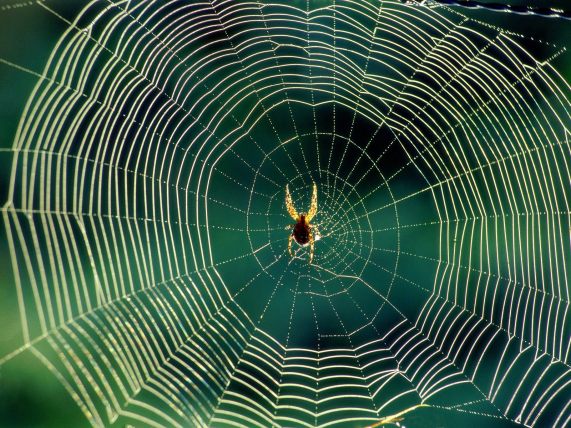
Photo Courtesy: http://www.Outlandishobservations.blogspot.com
Spiders are not the favorites of many people, and most people tend to avoid them at all costs or exterminate them on sight. However, closer examination finds that spiders are amazingly adapted to their lifestyle, and beyond proficient engineers — a prime example of which are the Araneidae family, or orb weaving spiders.

Los Quetzales, Panama
Although luck is always a factor, Kabini is well-known for leopards lounging in trees almost seeming to pose for the camera.
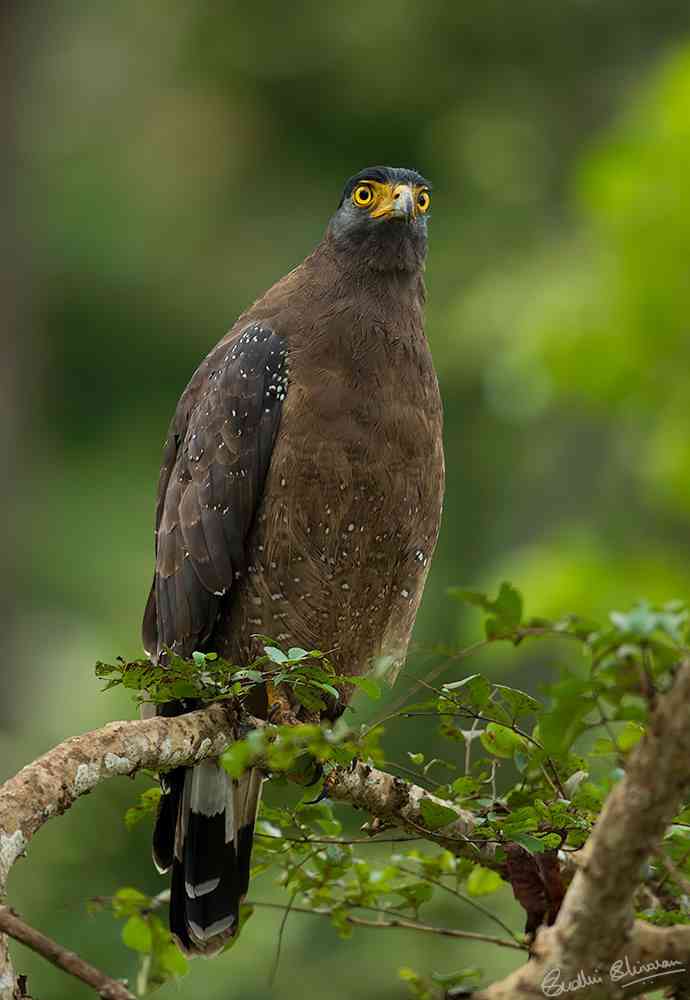
The Crested Serpent Eagle is another photographer friendly species to be found there. You see so many of them that you can pick and choose which one to photograph and which to leave. The best part is that since Kabini Forest Reserve only allows vehicle safaris, the Mahindra Jeeps put you at eye level, making it easy to compose good images. The greens of the forest provide an excellent complementary background as well. Continue reading
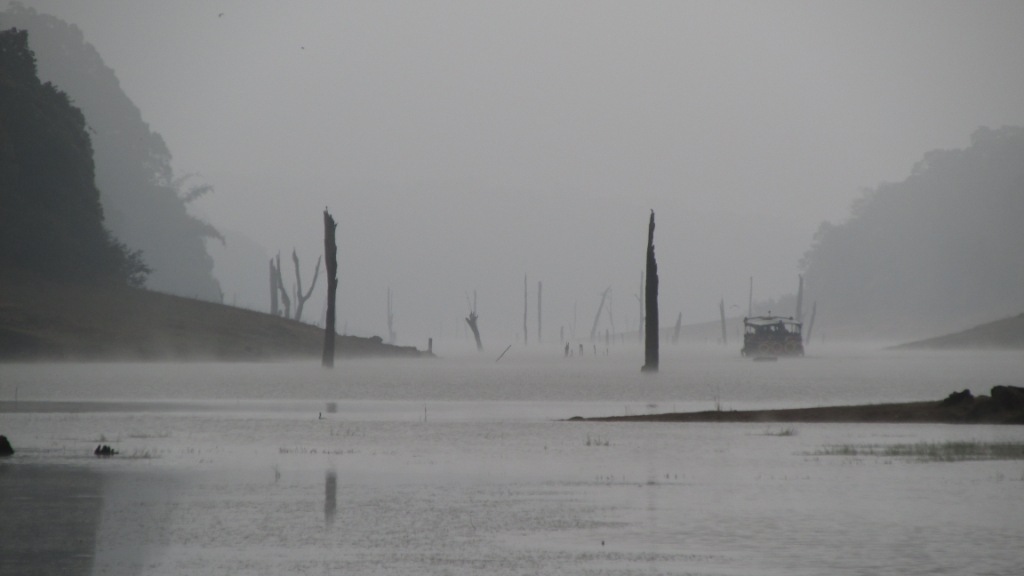
Photo credits Mr. Shyam
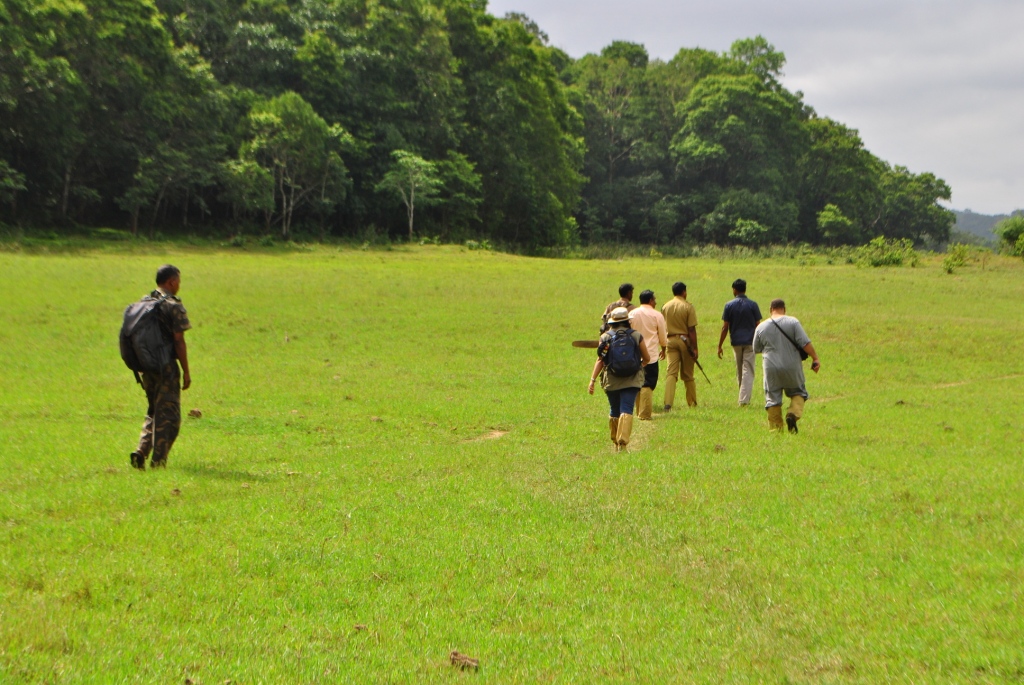
Mr. Shyam, naturalist and tour escort from Wild Kerala Tour Company, went for the Periyar Tiger Reserve Nature Walk last week and has shared some of his photos with Raxacollective. Continue reading


Endo Valley, CO

Photo Courtesy: http://www.MontereyBayAquarium.org
Continuing my exhibition of exotic animals, I present a prime example of the bizarre and awe-inspiring ability for the ocean to produce truly alien creatures. The Black Sea Nettle (Chrysaora achlyos), otherwise known as the Sarlacc or Black Jellyfish is found in the Pacific Ocean. A fairly massive specimen, its bell can reach diameters of 1 meter in length and its tentacles 6 meters. Displaying a vividly contrasting maroon hue against the ocean’s blue/green backdrop, Chrysaora achlyos preys upon zooplankton, and are often found en masse during red tide phenomenons in which zooplankton are responsible. Continue reading
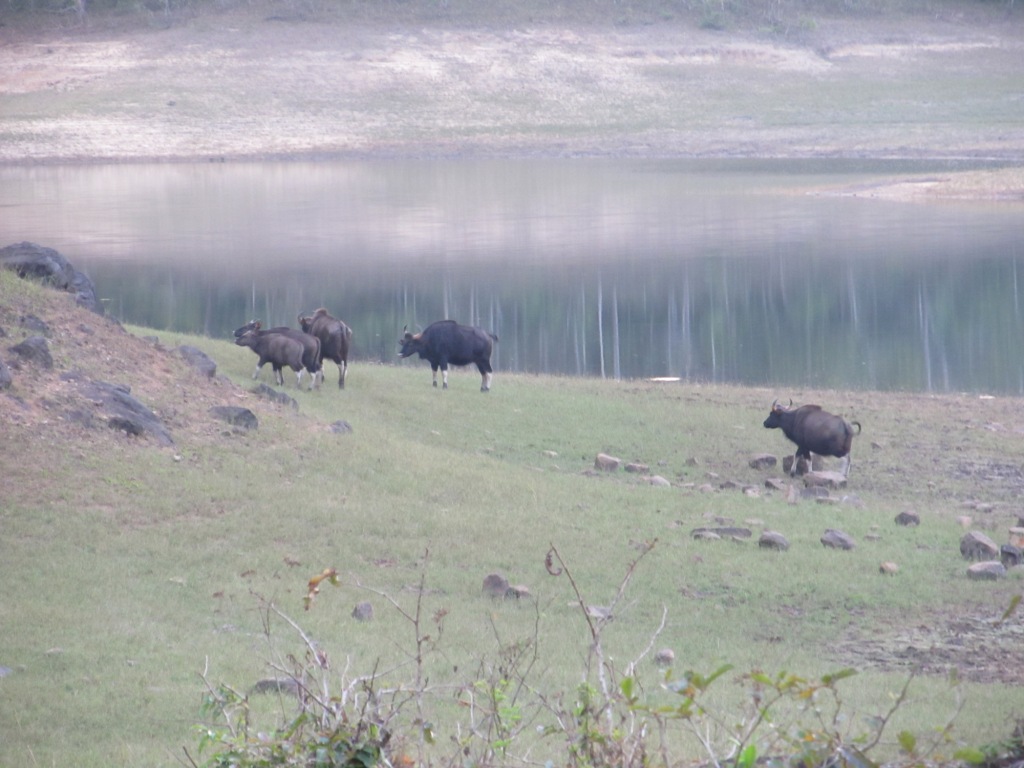
Bos gaurus
Wild Gaur is one of the Periyar’s top 10 mammals. The tropical climate, rich and productive banks of the Periyar reservoir attracts Gaur that gather in large numbers to graze on fresh fodder and drink and bathe in the waters of the famous lake . Continue reading
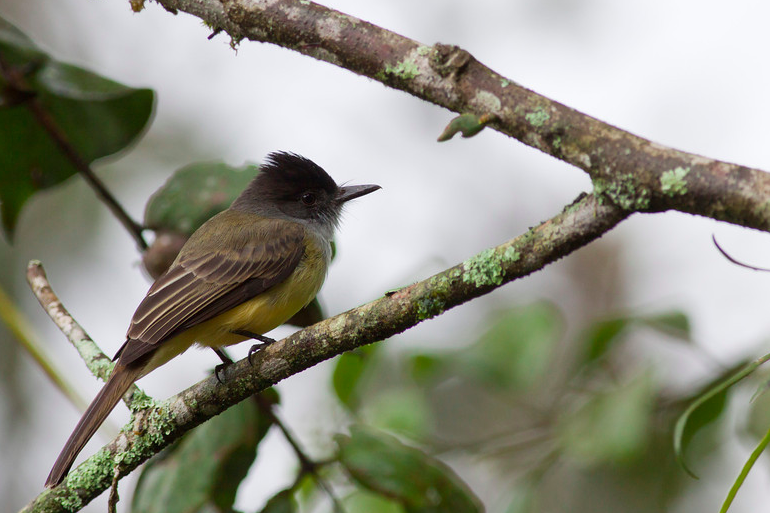

Bharatpur, Rajasthan
After much deliberation (1 day), I decided that I did not want to limit myself to just one particular group of animals to enthusiastically promote to the Raxa Family; instead, from now on I will be sticking my hand in a hat and pulling a name out with whatever insanely awesome or obnoxiously exotic organism I have chosen and posting it. Truthfully, my love and admiration for certain organisms extends well beyond those of just reptiles and amphibians; so why constrain myself to just those?

Photo Courtesy Diverosa.com
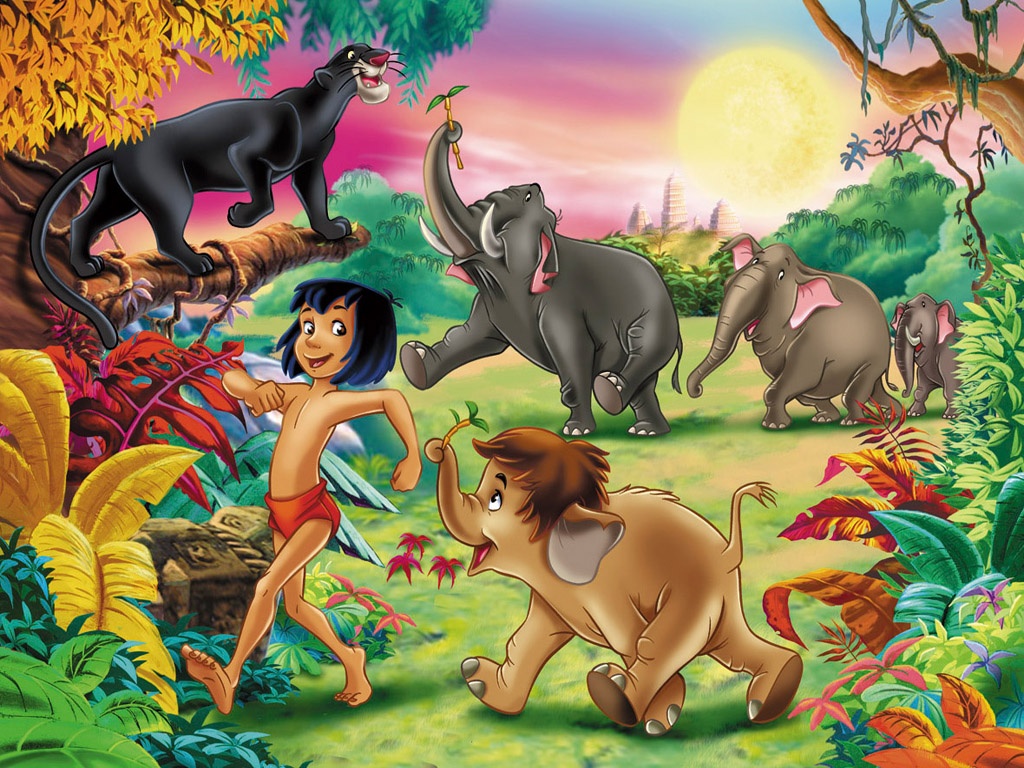
Who doesn’t love the Jungle Book? image © Disney
If you ever feel nostalgic and would like to relive your childhood years, you should consider visiting Kanha National Park in Balaghat, Madhya Pradesh; it inspired the Nobel laureate Rudyard Kipling and served as a setting for The Jungle Book!
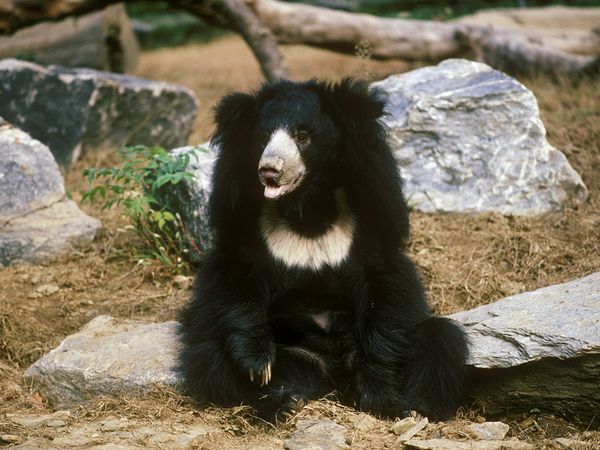
A sloth bear!
Photograph by Zigmund Leszczynski/Animals Animals-Earth Scenes; National Geographic

Kanha is a Tiger Reserve in the Balaghat district of Madhya Pradesh, India
This park is known for its abundant population of royal Bengal tiger, leopards, sloth bear, swamp deer, and Indian wild dog. The park’s main flora consists of lush saal, bamboo forests, lakes, streams, and open grasslands. Continue reading
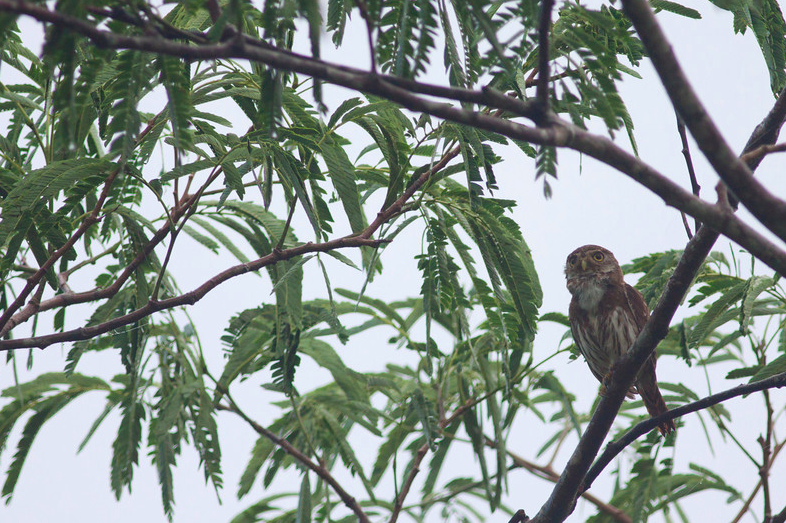
Ek Balam, Mexico
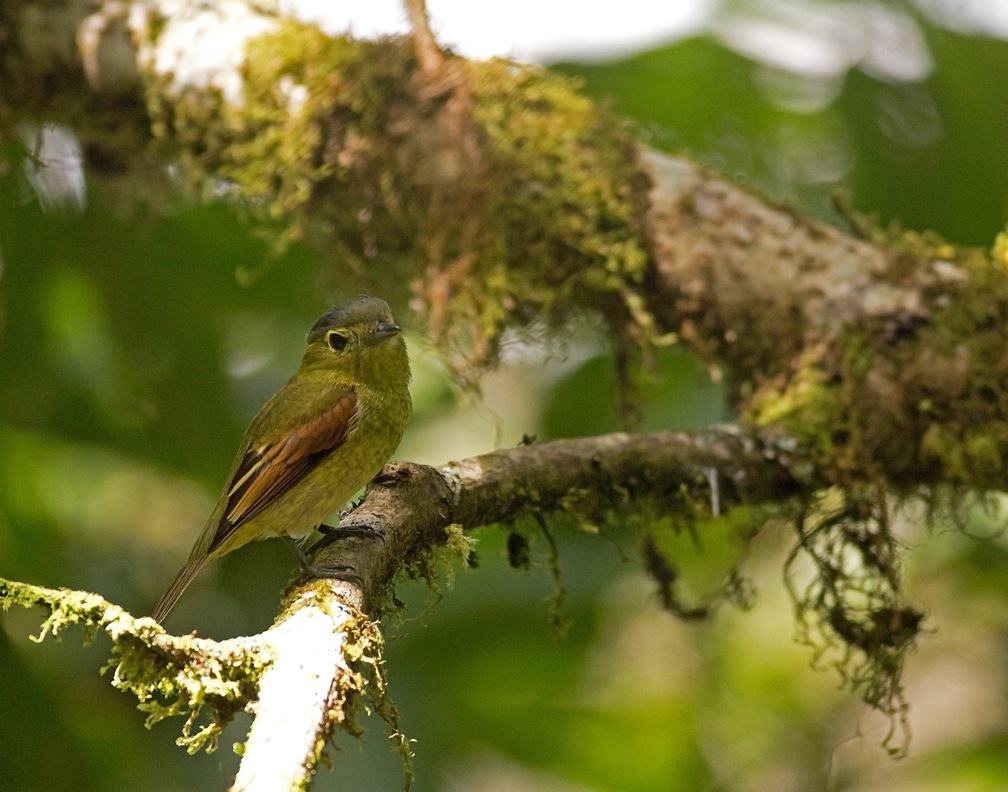
Los Quetzales, Panama
Today’s reptile is the Thorny Dragon, Moloch horridus (Australia) — as its name suggests, this Australian lizard’s body is dominated by intimidating spikes in order to look unappealing and fend off predators.
Occupying scrublands and deserts primarily, the Thorny Dragon’s coloration is perfect for blending in and feasting on ants, its main source of nutrition.
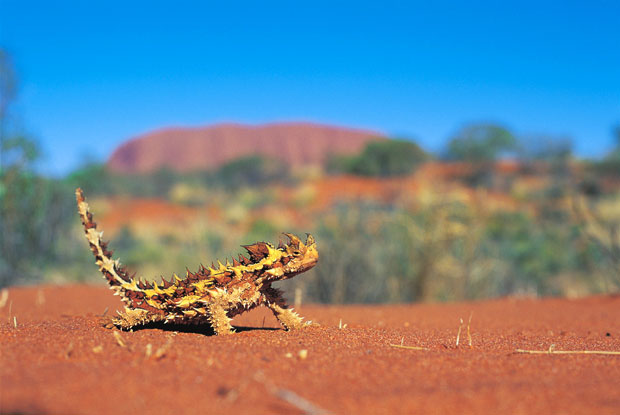
Photo Courtesy: statravel.co.uk
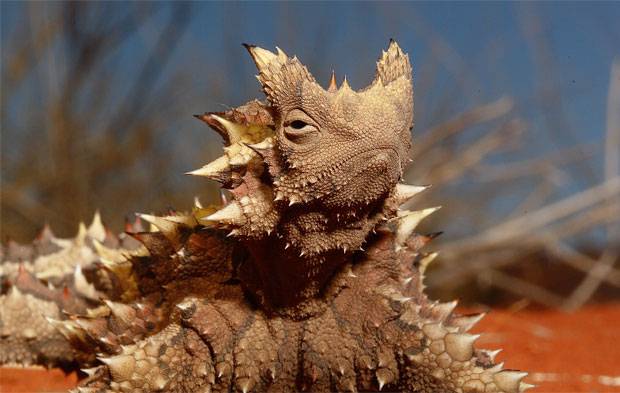
^ The face says it all ^
Photo courtesy: australiangeographic.com.au

(Picture above is from Corbett National Park‘s official website)
I am going to be doing some brief research and write about each of the 53 Tiger Reserves in India from now on. They are governed by Project Tiger, which is administered by the National Tiger Conservation Authority of India.
Project Tiger was established in 1973 to “ensure a viable population of tiger in India for scientific, economic, aesthetic, cultural and ecological values and to preserve for all time, areas of biological importance as a natural heritage for the benefit, education and enjoyment of the people.” Continue reading

Photo Credits: Ullas G
The view from the Anayirankal dam is one of the most popular excursions points in Idukki district. Situated near Munnar en route to Thekkady on the Munnar state highway, the dam is flanked by steep hills and tea plantations, making it a tranquil and scenic picnic spot. Continue reading

