Of Mist And Maize

We’ve lived in India a year now (more on that in another post) and for much of this time I’ve wanted to visit Munnar, the iconic tea-laden hill station in the Western Ghats.  Most of our mountain excursions have been to Thekkady, a place we’ve grown to love for its proximity to the Periyar Tiger Reserve, and the team we work with at Cardamom County.

This weekend we had the best reason for a change of route–to scout a prospective organic farm that might join our portfolio of properties under management–so I was looking forward to also discovering the differences between these two hill stations.  I did in fact find something different in Munnar, but not in the way I was expecting it.  Continue reading →
Sense of Place

Many major hotel firms with an international presence put a heavy emphasis on global standards of service, operations, amenities and rooms. Combined with product branding, what often results is a relatively indistinguishable hotel experience, instigating a sort of déjà vu effect in anyone who has seen enough of them. Globe-trotting business people find themselves waking up in a hotel room in London that is identical to last week’s hotel room in New York and eerily similar to last month’s hotel room in Buenos Aires. For those with enough experience in these big-box hotels, they all start to blend together, and even the feng shui starts to flow in the same rhombic way. My tone here might sound like one of aversion to this homogeneity, but it’s only out of preference for a different approach. The emphasis on standards is of course reasonable and has its benefits: guests are not thrown by inconsistencies; their comforts and preferences are reliably tended to; hospitality organizations can streamline project development and design. But an alternative approach, favored by travelers who seek to connect authentically with their destinations, is a tip of the hat to the immediate surroundings; a fusion of the salient hospitality experience with the more ethereal cultural and environmental elements of the host locale.  Continue reading →

It’s A Tough Job…

One of the many hats I wear within my La Paz Group responsibilities is orienting our new interns and visiting colleagues to the Kerala experience.

The usual itinerary includes a visit to some of the cultural sights at Fort Kochi, as well as Backwater excursions and of course, Thekkady and the Periyar Tiger Reserve.

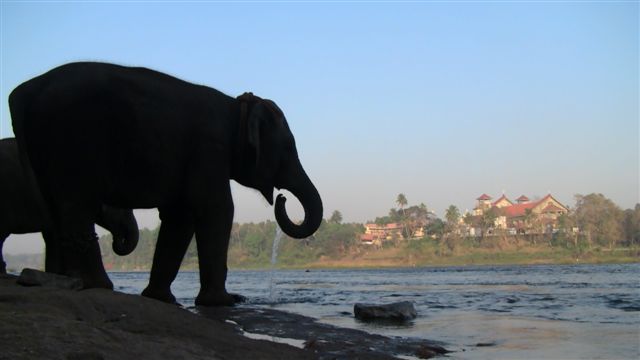
I think I can say without reservation that each intern who enters the reserve has expressed the clear desire to encounter one of India’s most charismatic fauna–the elephant– and some have been luckier than others.

An important part of Indian mythology and culture, here in Kerala elephants were once called “sons of the Sahya”, meaning “sons of the Western Ghats”–referring to the mountain range that not only forms the border with a neighboring state but represents the heart of this one. Continue reading →

Periyar Trek and Bamboo Rafting

I only went out for a walk and finally concluded to stay out till sundown, for going out, I found, was really going in.  -John Muir, 1913

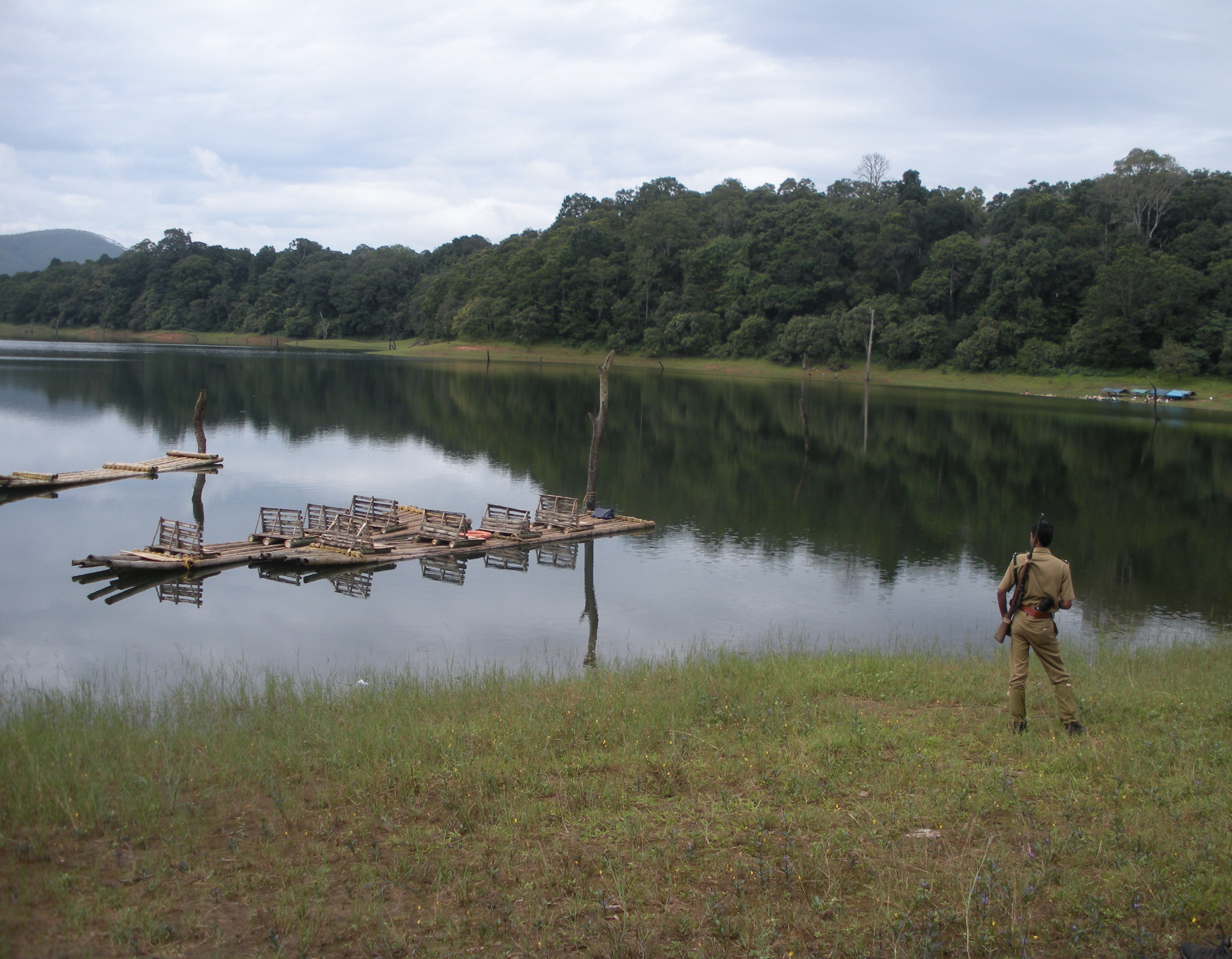
A trek into a tiger reserve might most readily evoke ideas of adventure and intrepid exploration. Bamboo rafting suggests a similar air of gallant expedition in an untamed wilderness. But when asked about my experience on the bamboo rafting and trekking tour through the Periyar Tiger Reserve, ‘peaceful’ was the word that came to mind. While all those notions of rough and rugged adventure are accurate, ‘peaceful’ is the expression that best describes that day, as well as the feeling I get when reflecting upon it.

Continue reading →

A Brief History of the Houseboat

Earlier this week I had the pleasure of having lunch aboard one of the houseboats in the Raxa Collective fleet of comfortable crafts: buoyant examples of luxury as defined in a recent post. That is to say that these are unique vessels upon which one’s thirst for experience can be quenched and one’s hunger for life can be satiated… Continue reading →

Volcano Sandboarding Update: Part 1

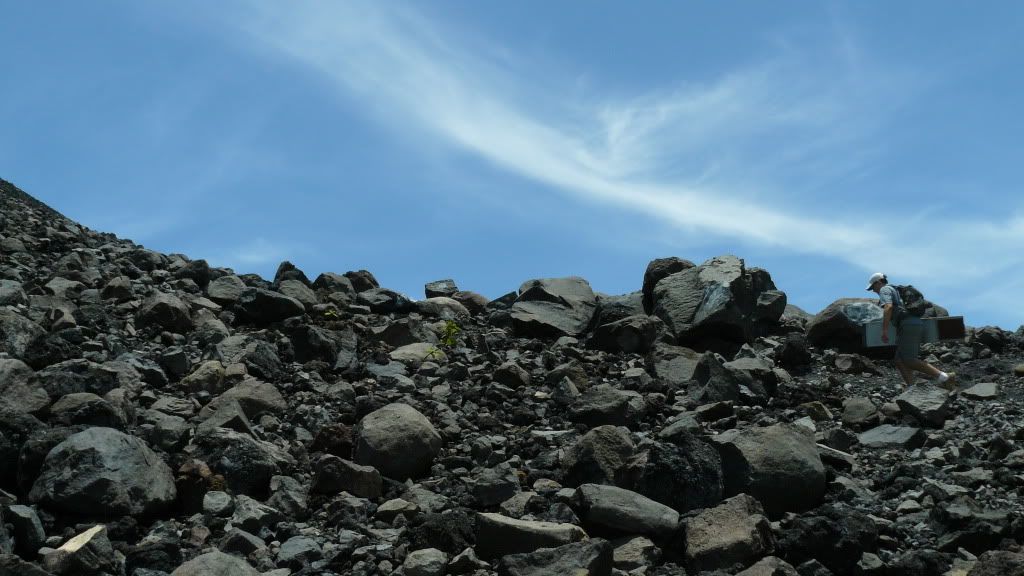
As promised, I have more photos of Volcán Cerro Negro (I’m still looking for some video). The photo below shows the variety of rock size on the hike up the volcano, as well as the underside of the sleds.

P1040541

Unfortunately, Pierre and I didn’t take many pictures of the actual descent, since we were preparing ourselves and didn’t think we’d be able to safely use our cameras while sledding. What we did photograph was the natural beauty of the volcano and its surroundings. 

This slideshow requires JavaScript.

Here’s a more full explanation of how the sledding ended: The transition from the slope to level ground wasn’t as jolting as I’d feared, and I skidded to a stop just a meter or two from the slope without wiping out. Standing up, I shook the gravel out of my shorts and shirt, looking around for Pierre, who was pouring stones out of his shoes nearby. As long as you can sit straight in the middle of a sled, it seems that you can slide down the volcano with only basic protection and get away with only having to wash up afterwards.