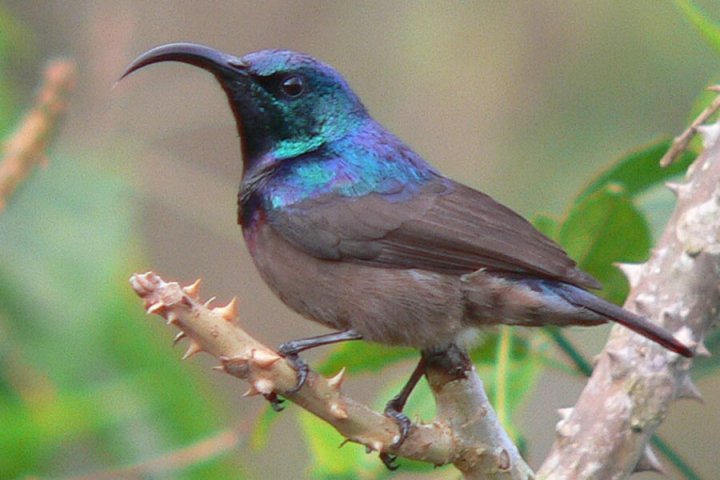
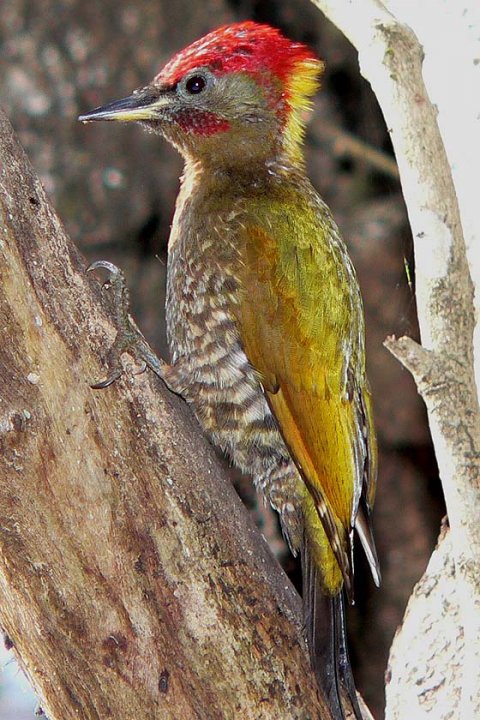
Bird Of The Day: Crimson Backed Sunbird (Gavi, India)
Note: More photos of the experience are in my first and second updates to this post.
Volcán Cerro Negro, the youngest volcano in Central America, last erupted in 1999. Less than twenty miles from León, a city that I will be posting about soon, the volcano’s main attraction isn’t the crater itself, although the powerful opening to the center of the Earth–which in the past three decades has spewed columns of ash and gas up to 24,000 feet high–is not unimpressive. Instead, most people climb Cerro Negro just to descend it. Why? Because its steep slopes, almost 2,400 feet high, consist of black volcanic stones, which are finer than normal gravel and heavily mixed with ash and dust. How do visitors get from top to bottom? Many locals do it by foot, running down in great leaps. Most tourists rent a wooden board with a metal underside: either a snowboard or sled design depending on their experience and daring.
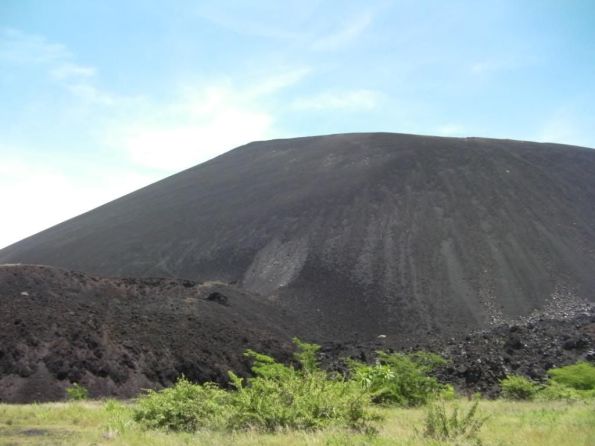
The volcano and its surroundings, together known as the Reserva Natural Complejo Volcánico Pilas El Hoyo, amount to a protected area of 2,140 hectares that includes at least five different types of ecosystem. Entrance fees, as well as the rental of sleds and protective gear, somewhat help incentivize the conservation of the volcanic complex by surrounding communities, mostly farmers (cattle, peanuts, eucalyptus, corn, etc.).
Having only snowboarded once before, I opted for the sled, and Pierre did the same. We hiked up the volcano on the larger rocks (fist-sized to full boulders) for maybe fifty minutes, pausing to take photos of the beautiful hills that starkly contrasted with Continue reading
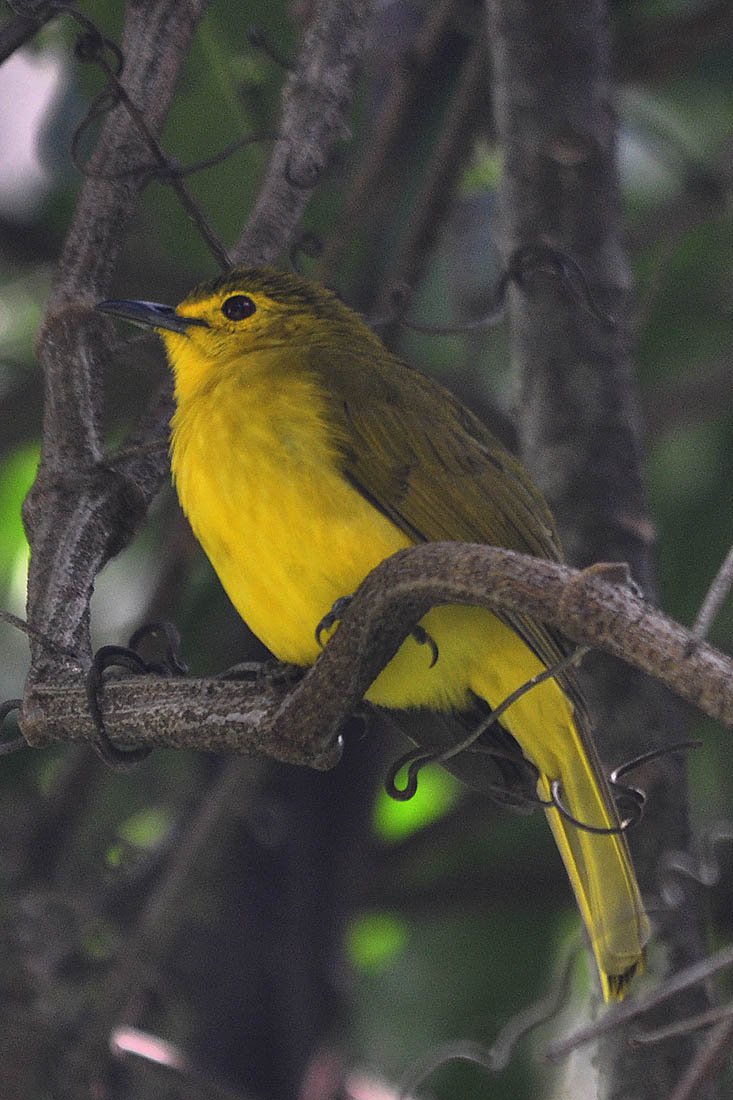
A couple days ago the tides at Morgan’s Rock had shifted a couple hours apart, so that during the sunset, which is normally at full high tide, the waves were absent, leaving a surprising amount of the sand and rocks bare.

This cloud, backlit by the setting sun, offers itself up to the traveler’s imagination
These rocks, which I’d noticed from Sunset Hill before, were now accessible by foot, so instead of hiking to the summit, which I had done several times, I climbed over the rocks until I had a good angle of the sunset as well as waves crashing violently into the rocks (video to come). Since they are so often under water, these formations are covered in sheets of seaweed and house sea urchins. This makes the surface of the rocks look like a fluffy duvet and the tidal pools a bed of nails.
To Morgan’s Rock guests: When the tides are right and you have strong shoes, Continue reading
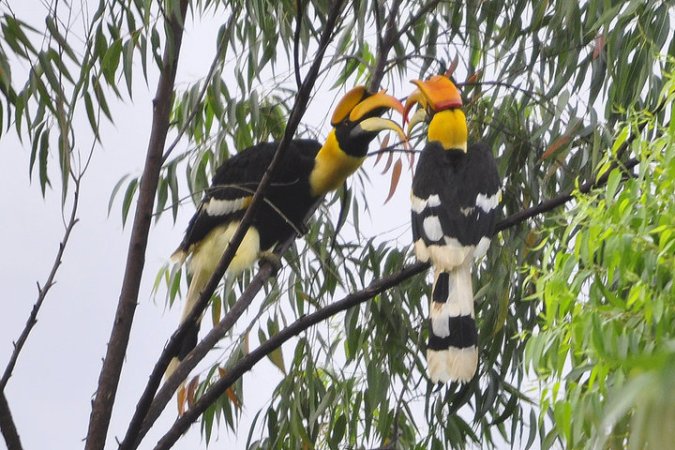
Gavi, India

Gavi, India
A couple of days ago I spoke with the resident Ayurvedic Doctor of Cardamom County, Dr. Vinu. Having a family tradition in ayurvedic practice like Ratheesh, he completed a five-year BAMS (Bachelor of Ayurvedic Medicine & Surgery) at the Alvas Ayurvedic Medical College in Mangalore, Karnataka. Dr. Vinu’s connection to ayurveda comes from his father’s side. His grandfather, Dr. Cherian, was a traditional practioner of ayurveda. He told me about how in those days, everything was prepared by hand and nothing was stored for longer than a month. The doctor would prescribe everything personally and even gave recipes for the quantities and ingredients needed to prepare the medicines to each person individually. Interestingly, Dr. Vinu said that when he was younger he wanted to be an allopathic doctor, but that his family tradition led him to the practice of ayurveda. He laments that the long-term and more holistic process of ayurveda is being lost in this fast paced and hurried world and workplace.

In ayurveda there are five main elements, which also correspond to four of the treatment rooms of Cardamom County, the five being prithvi (earth), jala (water), tejas (fire), vayu (air), and akash (space). Dr. Vinu also told me about the importance of physical observation and pulse diagnosis in ayurveda. We discussed the three doshas or body constitutions, of Vata, Pitha, and Kapha. Continue reading
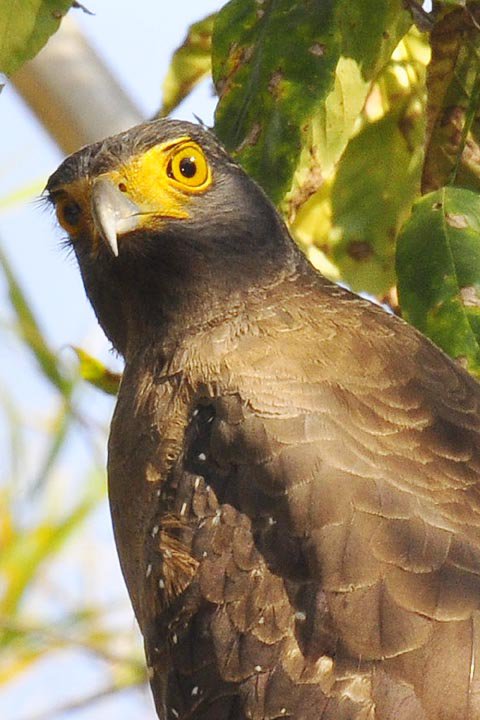
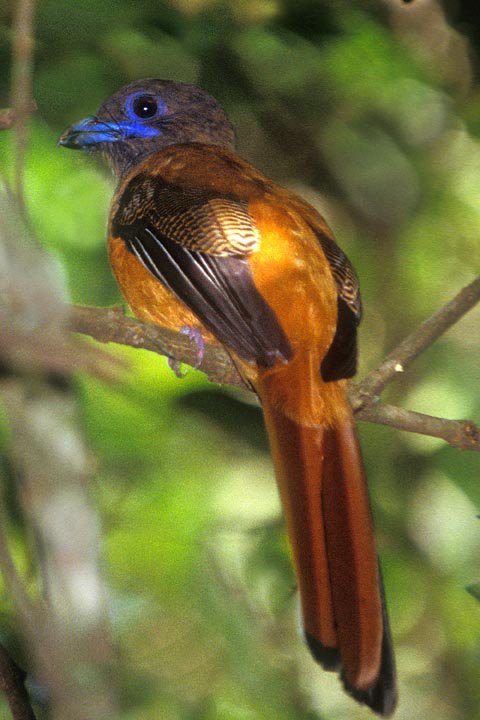
Harvey Lopez, until two years ago, was a student at the Universidad National Autónoma de Nicaragua (UNAN) in Managua, studying English on a scholarship. He came to work at the Morgan’s Rock reception at the recommendation of a friend working there at the time, but after one year he became a guide when the position became available. Nowadays he spends his time taking guests on tours or studying the various wildlife books to build his knowledge of local species. These are the same guidebooks that I’ve been using to identify some of the animals in my photographs.
Harvey enjoys sharing popular Nicaraguan countryside myths during nature tours; Latin American lore equivalent to, but a bit less ubiquitous than, the infamous chupacabra. Night walks are especially good tours to tell the tales, since the only illumination comes from flashlights, stars, and reflections in animals’—especially spiders’—eyes, and the stories’ topics fit the dark and quiet atmosphere.
He presents these myths as “creencias,” or beliefs, from small towns like the one he grew up in (Tola, 13km from Rivas):
The hospitality industry is, by nature, one that encourages indulgence. I have seen this mindset manifested through many examples: travelers insisting on using a new towel every day, taking more than they can possibly eat at buffet lines, and drinking ungodly amounts of alcohol at hotel and restaurant bars. Today, tourists excuse themselves from their diets—and some, their environmental principles—when they go on vacation. They expect opulence and excess (a quick look at Las Vegas will confirm all of this). Firms that strive for sustainability are therefore in a hard spot, as they must meet the expectations of guests while providing products and services that do not degrade the environment.

This crude energy pyramid shows that only approximately 10% of energy is transferred between upward steps in the food chain. The higher up you eat, the more energy your diet requires.
I thought it appropriate to look at this paradox more in depth by explaining the findings of an interesting report that the Environmental Working Group (EWG) released recently. Titled Meat Eater’s Guide to Climate Change and Health, this study conducts life cycle analyses
Guest Author: George M. George
 Most people talk about the Periyar Tiger Reserve as a vestibule of abundant wildlife—one of the last that still retains its serenity and pristine ambiance. A trip to the sanctuary while visiting Kerala is a must-do, even if it means praying on bent knees to the powers that may be, hoping to catch a glimpse of the true king of the rainforest, in addition to the other creatures of the wild.
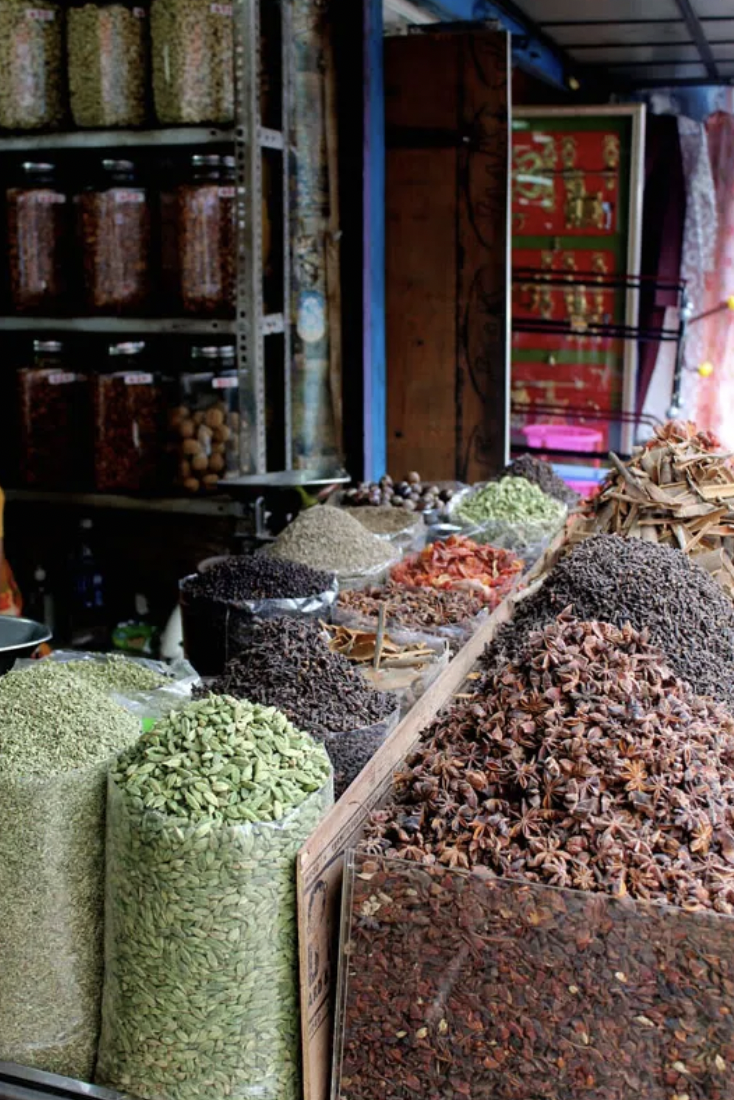
My fascination with wildlife and the enthusiasm that preludes every visit to Periyar is without boundaries. Yet prior to every visit within the sanctuary, I feast my eyes on the tracts of spice plantations that border the protected wilderness areas of the Western Ghats: cardamom, pepper, star anise, turmeric, nutmeg, cinnamon and cloves (just to name a few). Coating the landscape on the outskirts of the forest, they make me wonder if we have forgotten a bit of the past that is relevant even today. A fascination with spices is not something new for the people of Kerala; they have been cultivating and cooking with them for centuries: the delicate preparation of their mouth-watering dishes, soaked in the quintessential (and compulsory) coconut milk and/or oil inspires this post.
Over the past number of weeks, I have spent much of my time in and around the reception, working with the ever-smiling and cheerful Anu, the Front Office Manager here at Cardamom County. Having spent five years here at Cardamom County, she is a seasoned professional who always keeps guest feeling happy and welcome.
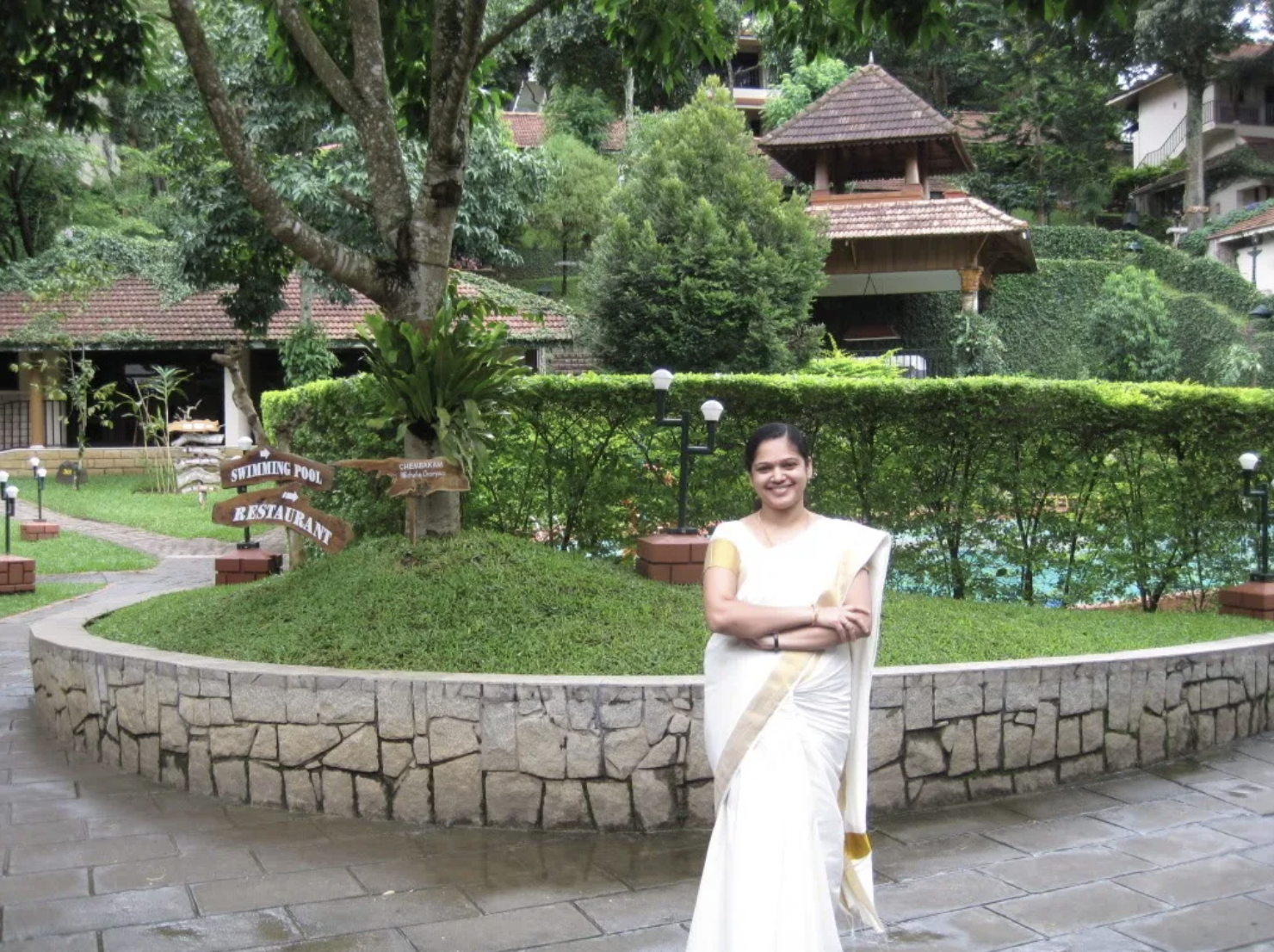
At the reception, guests are welcomed in the traditional way of Kerala. This involves giving the guest a sandalwood aarthi tikka on the forehead. This beautiful ritual includes a thalam (a special tray) with a small lamp or nilavilakku & small vessels, including a kindi and a para, which contain oil and kerala rice, a brown speckled and starchy specialty of the state. Continue reading
When guests at Morgan’s Rock want to have the experience of zooming over the tops of trees, they normally can’t make it all the way to Café Las Flores’ Mombo Canopy Tour at Mombacho Volcano, which is over an hour away. Instead guests almost always go to Da’ Flying Frog, a canopy tour just 25 minutes away in the hills overlooking San Juan del Sur. At a cattle ranch with a nice amount (acreage unknown) of uncut forest on the property, this series of 17 zip lines includes several practice platforms that prepare you for greater heights by starting over dirt paths. Their longest zip line is 400 meters long, a distance that is fun and exhilarating to complete.
Private reserves have been established in many countries around the world, dramatically expanding the conservation provided to biodiversity in public parks by voluntarily protecting buffer zones. Despite their smaller size (relative to public parks) on an individual basis, in aggregation these private reserves are significant providers of environmental services.
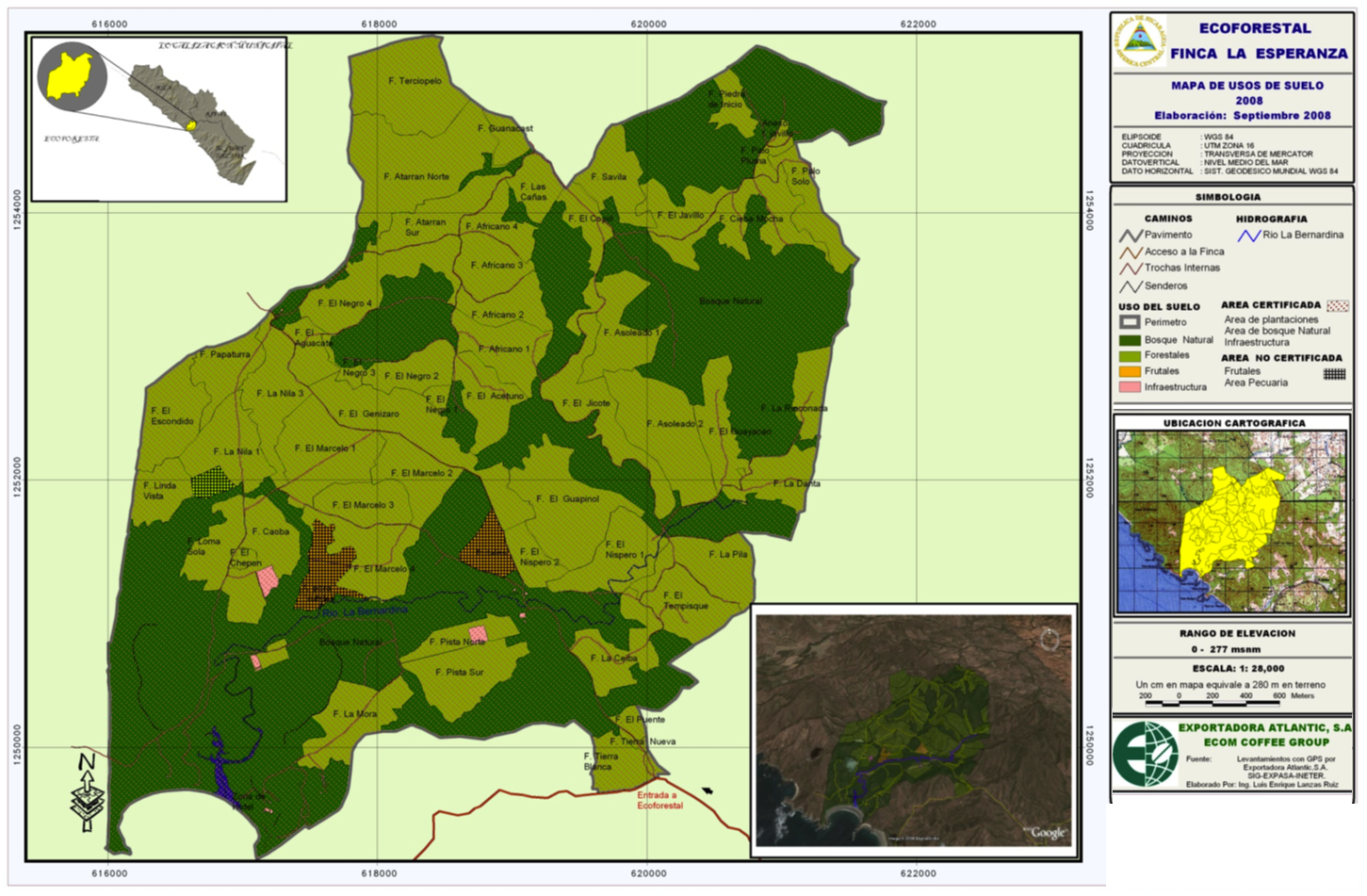
So far the Nicaraguan Red de Reservas Silvestres Privadas includes 50 private reserves that protect 7,467 hectares—18,453 acres—of various ecosystems. Each one has renewable status as a reserve for ten years at a time, and is exempted from income taxes for ten years, property taxes for whatever amount of time the land is a private wildlife reserve, and retail sales taxes on goods that contribute to the reserve.
The Nicaraguan Ministry of Environment and Natural Resources (MARENA) supports certification of conservation activities, includes the private reserves in sustainability workshops, and helps bring teams of scientist investigators to the reserves to conduct studies like the one done at Morgan’s Rock/El Aguacate. Among other things, the reserve owners must make a yearly management plan, comply with environmental norms, and protect the wildlife inside their property. Some of the required contents of a management plan include Continue reading
In “Kayak Surfing with a Friend,” I described the surfing in words and included a short video. Here is some longer and better footage of the experience, this time including Pierre (brown hair), me (black hair), and Bismar (green shirt). We have concluded, after experimentation with the paddles and waves, that this activity would be a great post-estuary kayak experience if the tide is right. Since I had mentioned this to Bismar (a Morgan’s Rock guide) he decided to join Pierre and me after completing his estuary tour with some guests, so that he could see for himself.