Profile: Varghese & Resource Management

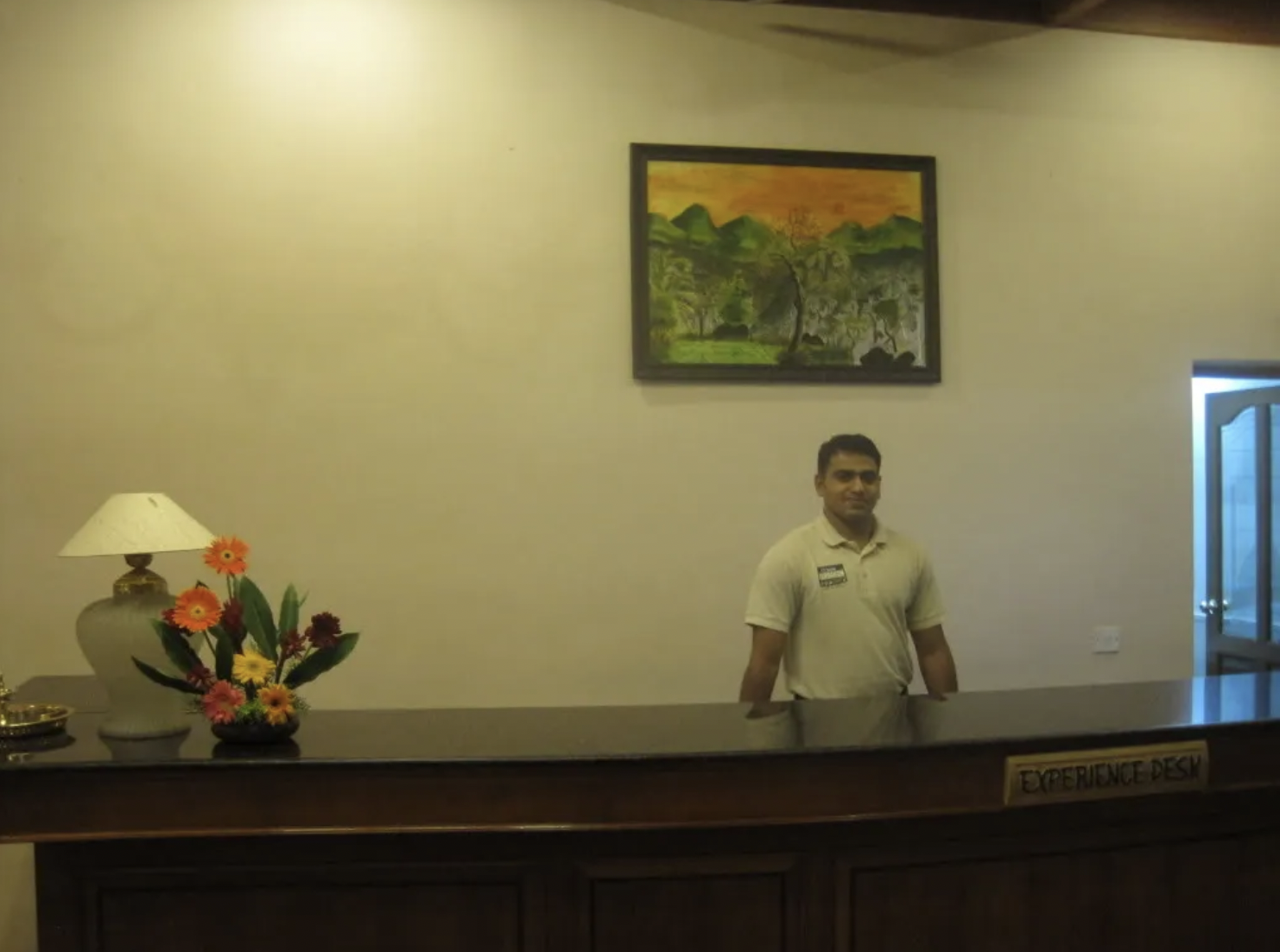
A few days ago I spoke with Varghese, the restaurant manager and head of the food and beverage department here at Cardamom County, who prides himself in running a tight ship and making sure that guests are at their happiest. Varghese is another long-time member of the Cardamom County family, originally arriving here eleven years ago, in 2000. Having taken a two-year hospitality course in Ravipuram in Ernakulam (the same district housing Cochi), at a school that has now shifted to become the Fort Munnar Catering College in the misty mountains of nearby Munnar, and training with Taj Group of Hotels, he arrived to fill the role of a restaurant supervisor.
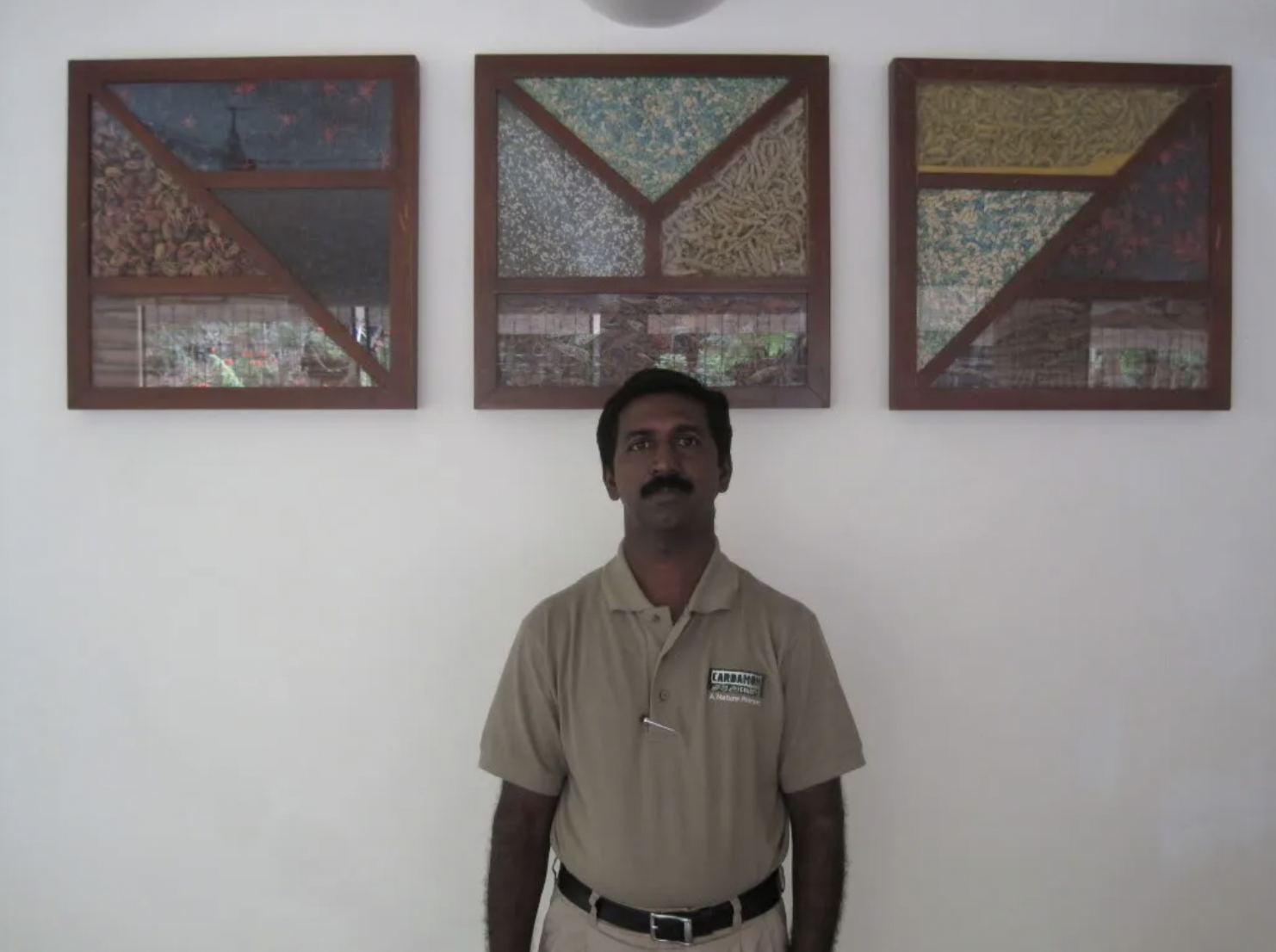
 

Varghese told me about his Uncle Phillip who was one of the many well-educated people from Kerala who went over to a Gulf country, in this case being Bahrain. We talked about this brain drain, which Varghese mentioned had been going on since as early as the 1970s. The highly educated people and professionals of Kerala go in search of new opportunities, higher living standards, and money to send back home. Varghese also talked about Arabic being a language that is not too difficult to pick up, especially because of the difficulty and speed with which the native tongue of Malayalam is spoken. However, what is interesting to note is the stark contrast of climate between the Gulf countries and Kerala, the former being very dry, arid, and hot with the latter being humid and comfortably cooler especially at higher altitudes near the Western Ghats such as here in Kumily, Idukki. Continue reading →
Reserve @ Morgan’s Rock

El Aguacate, the protected forest at Morgan’s Rock, is part of the Nicaraguan network of private reserves, or La Red de Reservas Silvestres Privadas. Over the past two days, a team of three biologists (one botanist in this forties and two zoologists in their twenties) has been walking through the reserve, photographing and documenting the wildlife they encounter in order to perform a sort of valuation study of the natural resources at El Aguacate. For the past week this team has been in the Rivas/San Juan del Sur area qualitatively assessing the floral and faunal density and diversity at around thirteen different private reserves; similar teams around the country are doing the same according to region.

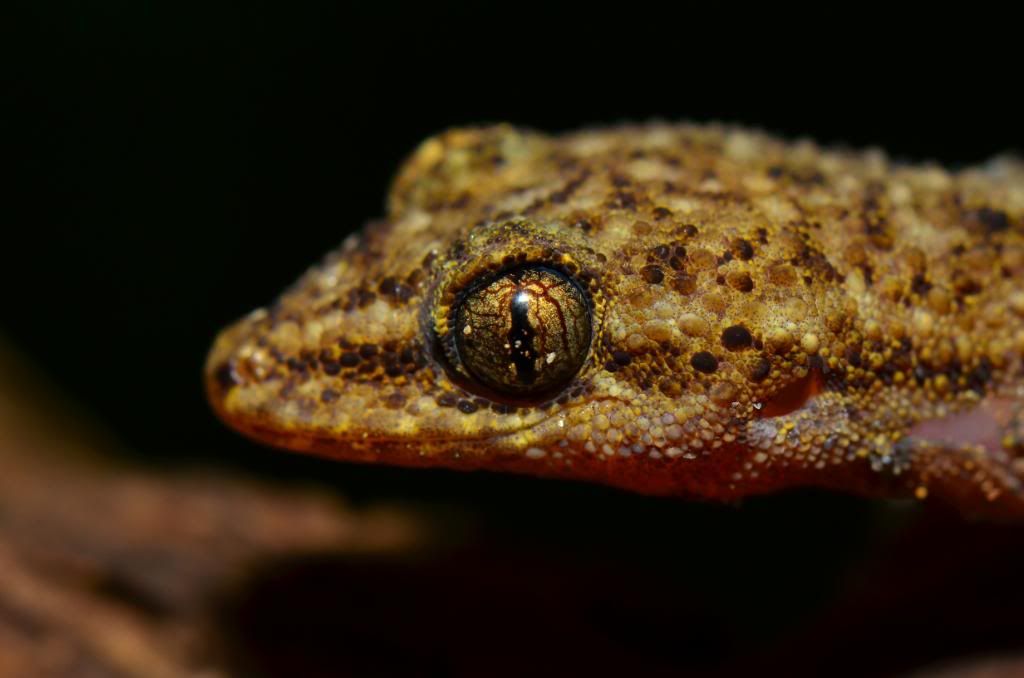
Gecko; species to be identified

José Gabriel Martínez Fonseca, one of the zoologists who also sports a Nikon camera that seems to have a telephoto lens (it looks almost a foot long), calls his photography enterprise Svaldvard Ink., after watching a show on the Svalbard archipelago in Norway on the Discovery Channel as a kid. Interested in the polar bears, he wrote down what he heard and years later preferred his own spelling of the word, adopting it as a username/alias for business. With his camera and skill as a biologist whose job it is to document species of reptiles, amphibians, birds, and mammals, José was able to photograph animals that have evaded my lens during my time at Morgan’s Rock. He was happy to share his images with me, so now I can share some of the best of them: all the photos in this post are his. Continue reading →

Anteating Howler Butterflies

While walking to Morgan’s Rock’s lobby yesterday morning, Pierre heard some rustling in the bushes on our right. We looked for the source and were stunned to see an anteater standing on its hind legs, spreading its arms and swaying about like a drunkard but in fact trying to dissuade us from attacking it by trying to appear larger (it was bigger than a very fat house cat, but not by much). I immediately pulled my video camera from my pocket and started filming, and although the anteater had ceased his humorous movements and started climbing a very thin sapling, the footage was incredibly fortunate and very entertaining.


Since the tree he decided to grasp was so young, it started to bend as he climbed higher, reminding me of cartoons where characters are catapulted out of the branches after a certain point. The anteater was less than a meter away and at times looked like a teddy bear, but as a wild animal—and one with claws in full display at that—we refrained from touching him and were satisfied with a video. Eventually, the formicary raider descended the sapling and chose a better escape tree (in a pose reminiscent of the boa’s in a previous post), and we left happy with the sighting of what I thought I’d only be able to see in the summer when foliage was less dense. Continue reading →

The Oldest City in Central America

Pierre and I took a walk around Granada today with Mombotour guide Gustavo, a native of the colonial city. Our first stop was the San Francisco Monastery and Church, the oldest church in Central America, which has been converted (aha) into a museum of colonial and pre-Colombian history. Probably built on the site of an indigenous temple, the monastery later became a school, then the museum. It also recently underwent a restoration project, since earthquakes have especially strong effects on such old architecture as Granada’s churches.

Gustavo led us through each of the rooms containing an exhibit, such as ancient pottery, contemporary art replicating historical or cultural scenes, and zoomorphic stone statues. He explained some of the beliefs held by the indigenous groups, which were often influenced by northern tribes (Mayans, Toltecs, and Aztecs) and South American indigenous nations, as well as the Spaniards’ opinions of them. For example, the rain god was considered to have four sons at the cardinal points. Ritual offerings such as those depicted in this painting were thought to bring fertility to the soils. Spaniards were also quite surprised to see the symbol at the base of this statue, not knowing that it represented the cardinal points and not the savior. Continue reading →

A Lesson on Conservation Tourism- the Case of Nairobi’s Animal Orphanages

Yesterday morning, I attempted to visit the David Sheldrick Wildlife Trust, but thanks to Tripadvisor, my taxi driver couldn’t find the location of the elephant orphanage. Instead, I found myself at the Nairobi National Park’s animal orphanage. Surrounded by a swarm of Kenyan school children (who seemed to be more interested in me than in the wild monkeys), I observed the establishment with slight disappointment. The orphanage seemed more like a mediocre zoo than a safe haven for its animals. I was disappointed with the lack of educational materials, tour guides, or remotely enthusiastic staff. Even as I paid my $15 entry fee (which is quite expensive for Nairobi standards), the clerk was rude and could not provide me with any information; he just scurried me along so he could attract more tourists to the booth.

I proceeded and moseyed around, reading the “Educational” signs that hung on the cages and learning a bit more about some of the animals, like the zedonk (zebra/donkey hybrid) or the cheetah. I was curious as to why some of the animals had been there for so long and why they hadn’t been brought back to the wild. Although I know the Nairobi National Park’s Animal Orphanage must do a lot of good for wildlife rehabilitation, I had trouble seeing tangible evidence of it. Unfortunately, the profitability of tourism had clouded the conservation vision and potential education opportunities that Nairobi Animal Orphanage could offer. Sustainable and nature tourism should educate the tourists not hustle and ostracize them.

Laying aside my disappointment from yesterday, I was able to find the David Sheldrick Wildlife Trust today! Since 1987, The David Sheldrick Wildlife Trust has hand-reared more than 90 newborn elephants and released 150 elephants back into the wild at Tsavo National Park. The charity was founded by Continue reading →

Sweet NicarAgua

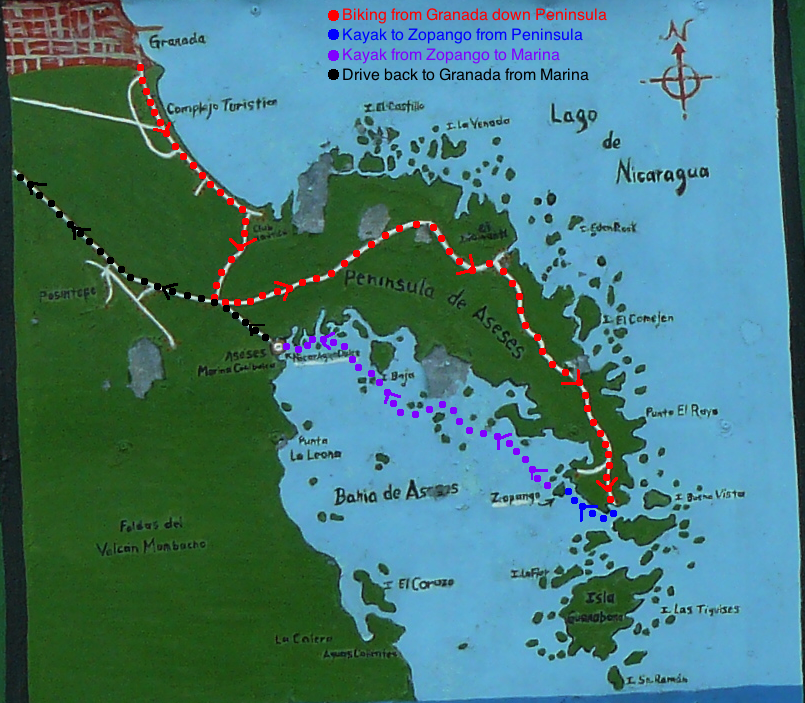
This morning Pierre and I went on a trip facilitated by Mombotours, using Detour bikes and NicarAgua Dulce kayaks. Eddy, our guide from Mombotour, arrived after breakfast and drove us to Detour, the bike rental shop. We picked up three bikes and left Granada’s hub towards the shore of Lake Cocibolca. The Mombotour driver followed behind in the truck in case we had any bike problems or accidents. We hadn’t gone more than two or three kilometers when the truck’s presence became needed. I’d accidentally driven over some glass, and punctured my tire in two places with tiny shards. With the tools and spare tube in the truck we were able to fix this unfortunate damage within twenty minutes, and Eddy’s training made my negligible REI workshop experience unnecessary.

The rest of the bike trip, which lasted about an hour and a half, was without further perforations, and we enjoyed riding up and down muddy dirt roads, dodging stones and chickens along the way. The mountain bikes performed very well and changed gears fluidly, which is always a nice surprise. We rode down along a peninsula till Continue reading →

Mombo Jombo

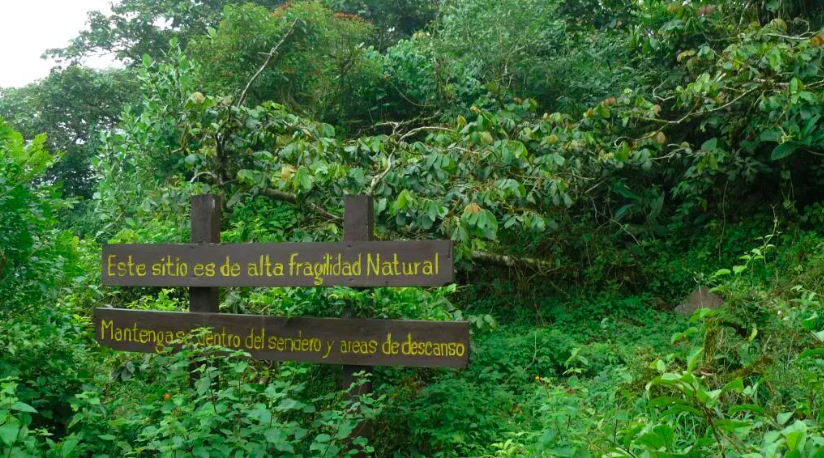
Early this morning Pierre and I set out from Morgan’s Rock towards Granada, which is maybe two and a half hours away. Before reaching the city, we turned onto a road that led to Mombacho Volcano, an inactive peak with several extinct (and some fully collapsed) craters. The volcano is protected by the Mombacho Volcano Nature Reserve, created in 1996 by the several local fincas on the volcano’s foothills that comprise the NGO Cocibolca Foundation. Our time at Mombacho, described in the rest of this post, is part of the exploratory trip that Pierre and I are taking over the next three days, assessing the possibility of connecting Morgan’s Rock’s tour offerings with other operators in the area.

The day’s activities started at the Mombacho Volcano Nature Reserve (MVNR), where we met our guide Jennifer. We decided to take the longest trek, called the Puma Trail, so named because there are some big rocks and even caves that pumas are said to live in, although none have been sighted in a decade. Prior to starting this four-hour hike we stopped by an area called Los Fumalores where Jennifer had fun by daring us to put our hands in a small hole next to the trail, reassuring us that no snakes would be inside. As we placed our hands near the opening in the ground, we could immediately feel a stunning temperature difference. The place is called Los Fumaroles because sulfuric gases rise from volcanic holes and crevasses in hot gushes, heating the surrounding stone to a surprising degree. This area also provides a nice view of Las Isletas, which are known as children of Mombacho because they are islands initially created from a volcanic eruption. I mentioned Las Isletas very briefly here.

The Puma Trail’s path is very well maintained, Continue reading →

(Un)expected Visitors, Redux

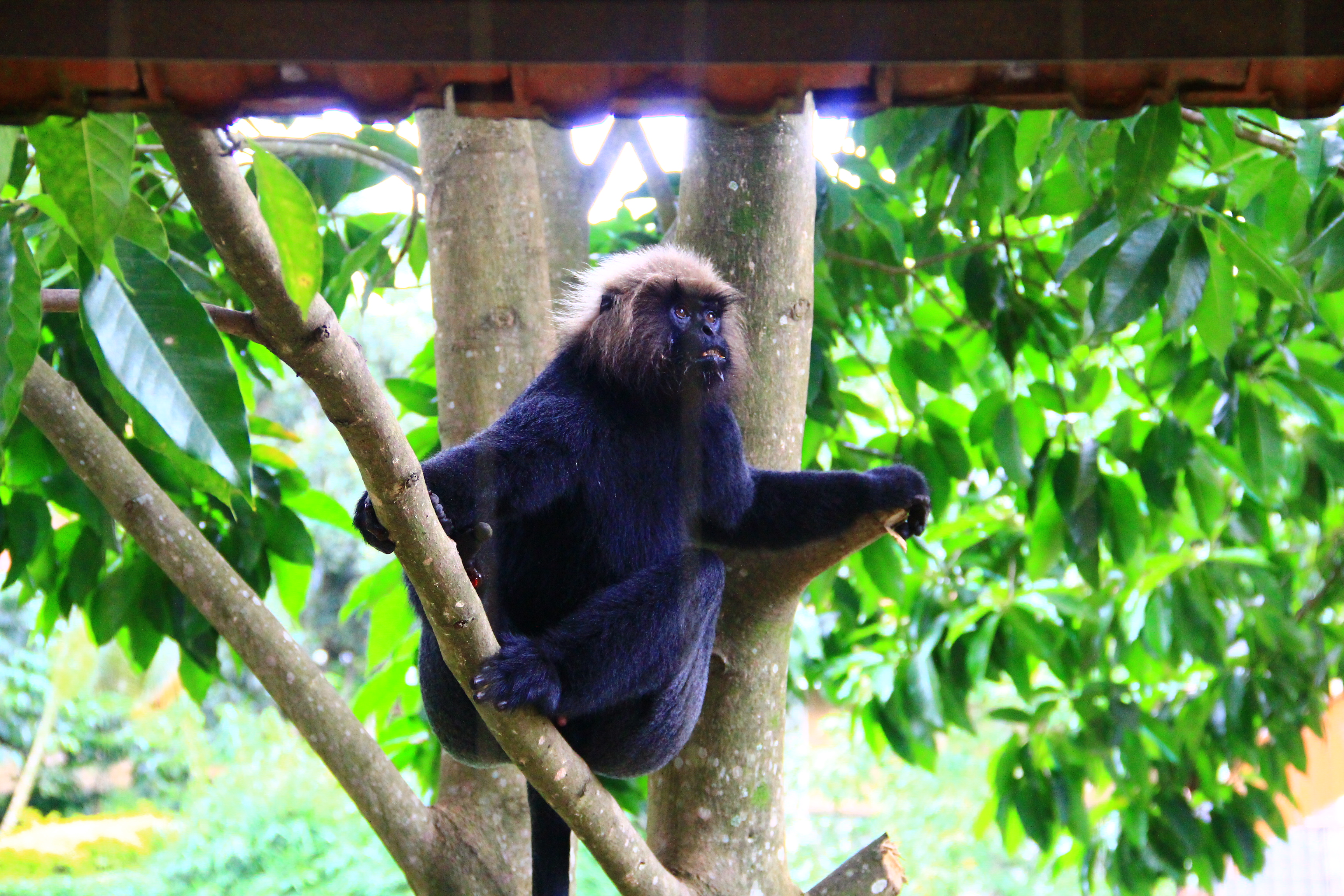
Normally I would apologize.  Writing again about monkeys, considering the abundance of posts we already have on the topic, may seem repetitive.  However, after debating it with myself, and looking over my photos, I decided I just have to share these amazing, close-up shots of the Nilgiri langur.  Nilgiri langurs, compared to the macaques, are a rare species, and not often sighted outside the official boundaries of the forest. Michael provided a bit more information about them in his earlier post, Unexpected Visitors.

In his post, Michael predicted that we would not see this species again at Cardamom County. Surprisingly, they have returned twice since that post. Their visit during which I took these photos was not so different from the prior one, except that  in contrast to their previous avoidance of a scene, this time they cried loudly, and jumped and ran around unusually. One of them even ran right through a gathering group of human admirers! This is remarkable because they are usually very shy and markedly wary of human interaction. But within a few moments, we found out why they were acting so out of character. Continue reading →

Soggy Elysian Dreams

Note: this is Part 2 of what will hopefully be a series of posts on the guides of the Tiger Trail, who are former poachers. Part 1 can be found here. Beware: this post is sorta self-serious.

One of the most familiar, persistent, and pervasive myths in the collective-(un)conscious of the ‘West’ is the myth of the ‘noble savage.’ Writers who perpetuate this myth typically structure it along the lines drawn in Genesis: a formerly Edenic, perfectly-ordered society meets a corrupting influence that sullies irrevocably this society’s purity and harmony to the detriment of our current situation. Whatever the devil, be it private property, human temptation, television, the Federal Reserve, etc., the story has one function: it causes us to pine for the good old days—the beginning—before the advent of all this nastiness, which just stinks in comparison.

But if there’s one thing history teaches us, it’s that origins are rarely pretty. Progressions, regressions, and transgressions can happen all at once, and often they coincide in the same event. After all, we can’t get back to how it was then, not because we don’t have a suitably equipped Delorean, but because there was no then. Pardon the Liberal Arts 101, but I think some of us are more duped by this myth than we know. It is more difficult than is fair to exorcise ‘Eden.’ Continue reading →

Profile: Mereena & Sustainable Housekeeping

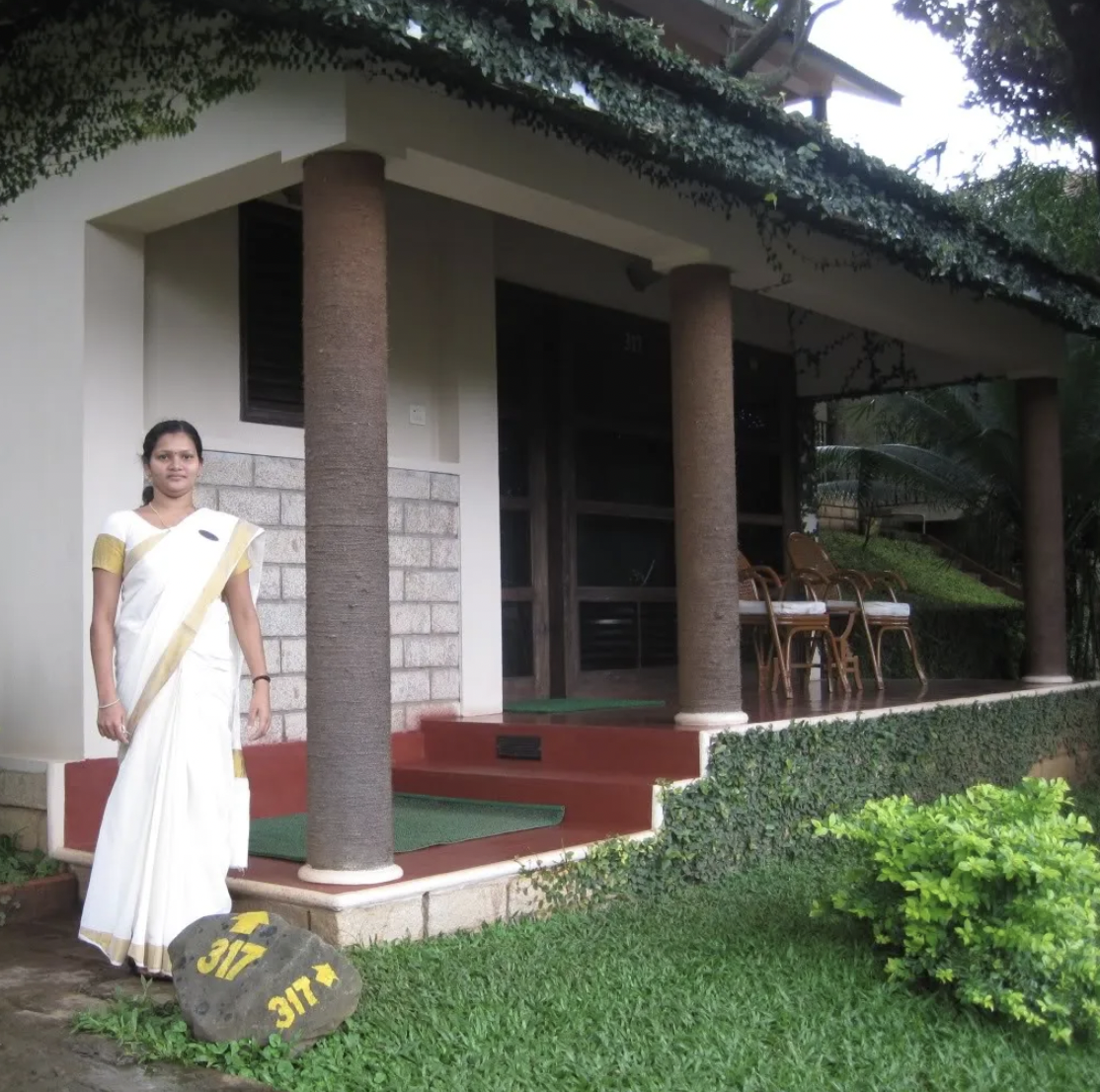
A couple of days ago I had the pleasure of speaking with Mereena, the head of the housekeeping department at Cardamom County. Mereena has been here since 2003, and started from the bottom rung of the housekeeping department ladder. Mereena explained to me how she was successively promoted six times.


She began as a trainee housemaid, and then progressed to official housemaid and then to senior housemaid. Next she became housekeeping desk assistant, then trainee housekeeping supervisor, and then housekeeping supervisor and finally Room Experience Officer and head of housekeeping. Taking full charge of the department required thorough and extensive knowledge of housekeeping but maintaining that authority has required managing responsibly.  In multiple senses of that term.

Continue reading →

Profile: Ratheesh & Wellness


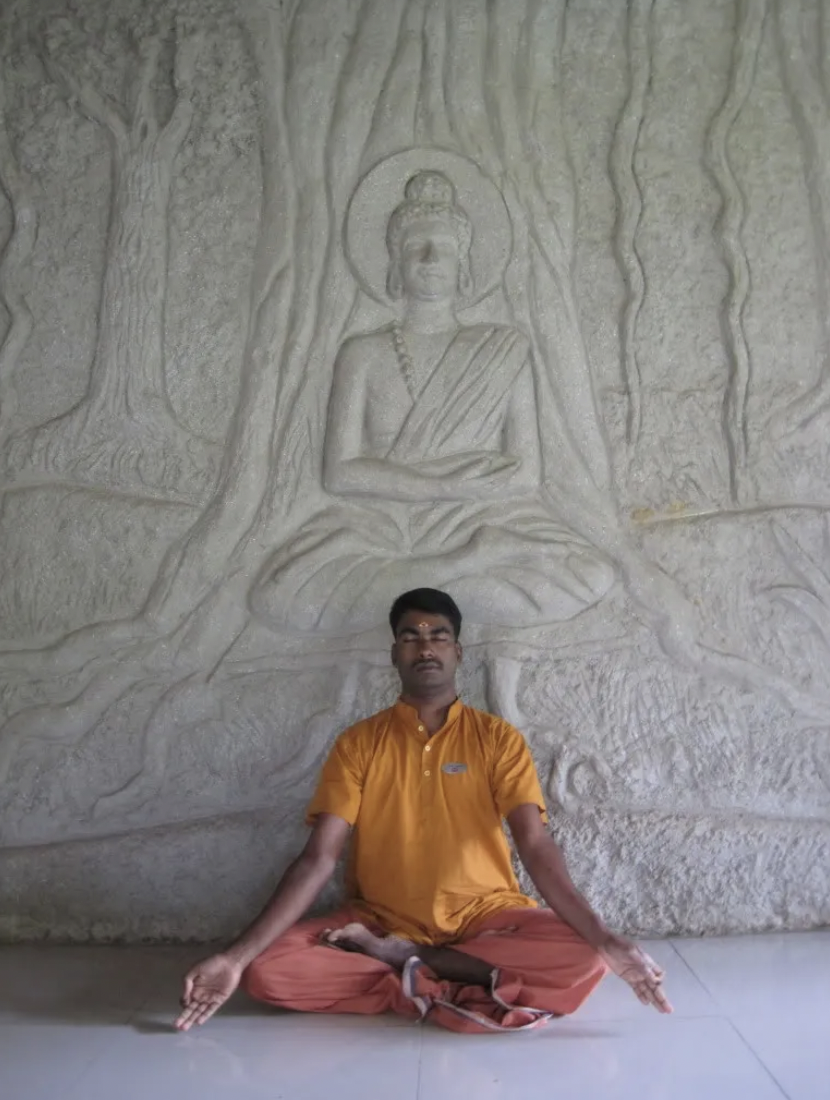
Lately I have been speaking and spending time with Ratheesh at the front desk and around the resort. Ratheesh is an ayurvedic therapist and practitioner and also the resident yoga teacher at Cardamom County. It was actually Ratheesh’s grandmother, who he respectfully refers to as Thankamma, who taught him yoga techniques from a young age. We also discussed what inspired Ratheesh to enter the ayurvedic trade and his response was his family on his mom’s side had always been interested in this 5000-year-old medicinal trade. Dr. Leela Kumary, Ratheesh’s aunt, who is an ayurvedic doctor first inspired him to pursue a career in ayurveda from as early an age as ten.

Having grown up in the backwaters of Allepey, Ratheesh talked about bathing in the waters of the half-salty, half-freshwater due to the opening and closing of the floodgates in-between the dry and rainy seasons. He also told me about his one and a half year training in Coimbatore, Tamil Nadu in Ayura and the following one year practical residency at the Nagarjuna Ayurvedic Hospital in Kaladi, Ernakulam, near Cochi. This was followed by a transfer to Nagarjuna Ayurvedic Hospital branch in Mumbai, Maharashtra for one year where he had a great time sightseeing and living in the big city, especially close to Bollywood. However, in the end Ratheesh missed Kerala, especially citing the south Indian cuisine he grew up with, and returned to practice ayurveda and teach yoga within the hospitality industry. Continue reading →

Valuating Rainforest Ecotourism in Costa Rica

In my last post, I claimed that only a small number of studies have been done on valuating eco-tourism as an ecosystem service. I was wrong. After some more digging around, I’ve discovered that a fair number of studies address this topic, though only a small number of studies actually evaluate specific regions of the world. One of the most interesting reports I stumbled upon was from the Journal of Environmental Management. In 1998, Susan Menkhaus and Douglas Lober, two researchers from Duke University, published a paper that focused on Costa Rican rainforests and their ecotourism value. If you’d like to read the whole thing, it’s titled “International Ecotourism and the Valuation of Tropical Rainforests in Costa Rica.”

Rainforests provide dozens of ecosystem services. In Costa Rica, they serve the booming eco-tourism industry.

By way of background, Costa Rica is a textbook example of effective management of natural resources, tourism, and integrated public policy. It is widely recognized as the greenest country in the world, and it remains the most visited Central American country. Covering less than 0.05% of Earth’s landmass, Costa Rica contains a whopping 5% of the world’s biodiversity, has 12 different life zones, and boasts one of the highest land protection rates in the world. Nearly half of the tourists that come to Costa Rica engage in some sort of eco-tourism activities. Needless to say, Costa Rica is the best nation to take as an example for this study, which attempts to quantify the value of Costa Rica’s rainforests from a tourism standpoint. Keep in mind, however, that the authors only sought to calculate the eco-tourism value of the rainforests—not anything else related to the forests’ medicinal, timber, or biodiversity value. Continue reading →

A Campesino Breakfast Revisited

About three weeks ago, I was on the Campesino Breakfast Tour when I had the chance to see a boa sleeping in the chicken barn. This morning, the collection and preparation of breakfast ingredients went by without such an exciting event. But since unlike last time today I had a video camera with me, I can share some of the audiovisual details of the breakfast tour that were lost last time. I still recommend reading the previous post for a more elaborate text description than that which you will find here.


When we left the fowl barn and headed to Doña Candida’s traditional Nicaraguan house,  Continue reading →

Profile: Jijo & Night Duty

Over the past few weeks it’s been great getting to know some of the extremely friendly, open, and welcoming members of Cardamom County working with them on a daily basis. One such member is Jijo, who I’ve had the pleasure of spending a few night auditing duties with and even going down to the local gym together with a bright red sign and a muscular fellow plastered to it aptly entitled “Masterpiece”.

Jijo actually started out at Cardamom County just short of a year ago, which means this August will be his first year anniversary as a part of the team. Before this, however, Jijo talked to me about his two years at Club Mahindra’s Tusker Trail, which was an enjoyable stay where he acquired the majority of the English skills he holds today through persistence and practice with guests and colleagues. However, because it was more of an exclusive club atmosphere, there were many regular visitors who were mainly originated only from India. Thus, Jijo came to Cardamom County because he wanted to meet many different kinds of people from all over the world including people of different cultures, religions, ideas, and languages to learn new things every day, which also encompasses what is his favourite part about the hospitality industry.


But Jijo’s real passion was triple jumping, and long jump on the side. The sport as he described it requires extreme physical fitness in conjunction with a high level of technicality and a precise balance and coordination of arms and legs to achieve the longest distance possible. Continue reading →

By the Fire (or, How I Learned to Stop Worrying and Love the Tiger Trail)

We had reached an impasse, and I was becoming frustrated.

“I understand he’s gained a new awareness,” I said. “What I don’t understand is what exactly that awareness is.”

I had slipped into fact-collecting—or, more precisely, ‘attitude-collecting’—mode, a sort-of aggressive pose I sometimes assume when given the attention of a person whose life has been distinctly different from mine. I admit that this happens more often when I’m in the midst of a culture I think I don’t adequately understand. There’s no judgment inherent to this culling, but there is something predatory about it; if I want your words, to add your Weltanschauung to my reserves, I will work hard to procure them. And if I don’t get what I’m looking for, I can get testy. Continue reading →

La Cumplida’s Private Reserve

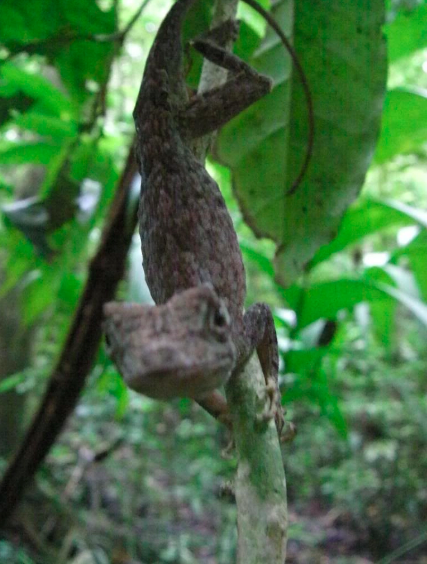
Author’s Note 19/7/11: The lizard pictured at the beginning of the post has been identified as a pug-nosed anole. The first group of stinkhorn pictures (paragraph 2) are of the species Phallus duplicatus, and the second group of pictures (last paragraph) are of Phallus indusiatus. The green mushroom linked to by the word “others” (paragraph 4) is Hygrocybe sp. and the grey/white ones are Psathyrella candolleana. Credit and thanks for mushroom identification goes to Milo Inman.

*

The untouched forest of the reserve at La Cumplida is a hilly cloud forest with few trails and many streams that served as much of our path through the trees. My guide, a local named Santos, and I started in the foothills outside of the reserve and entered the forest by climbing up some steep, muddy inclines.

The protected area amounts to 600 hectares, or 1,482 acres. Santos and I had walked for only about twenty minutes when I spotted the first attraction of the day: some stinkhorn mushrooms. Two were just a white line of pulp, but one was still not fully decomposed and looked as phallic as ever, having lost its veil.

Only around half an hour of hills later, Santos stopped me and pointed out a sapling in front of us. He said some words that I didn’t understand, so I tried looking more closely to decipher his meaning. At last I saw the outline of a faint figure sticking out of the tree’s trunk. I slowly approached and saw that a lizard, perhaps the length of my hand, was grasping the sapling and facing downwards, its scales a mottled variety of wood colors, like a camouflaged chameleon but clearly not of that species based on its head shape. The poor lighting in the forest didn’t allow for the best pictures, but I was glad to get a couple, especially these ones of the lizard curiously raising its head at the closely approaching camera lens.


We advanced further into the forest and saw only the dense and variegated foliage around us

Continue reading →

Meeting with the Forest Department

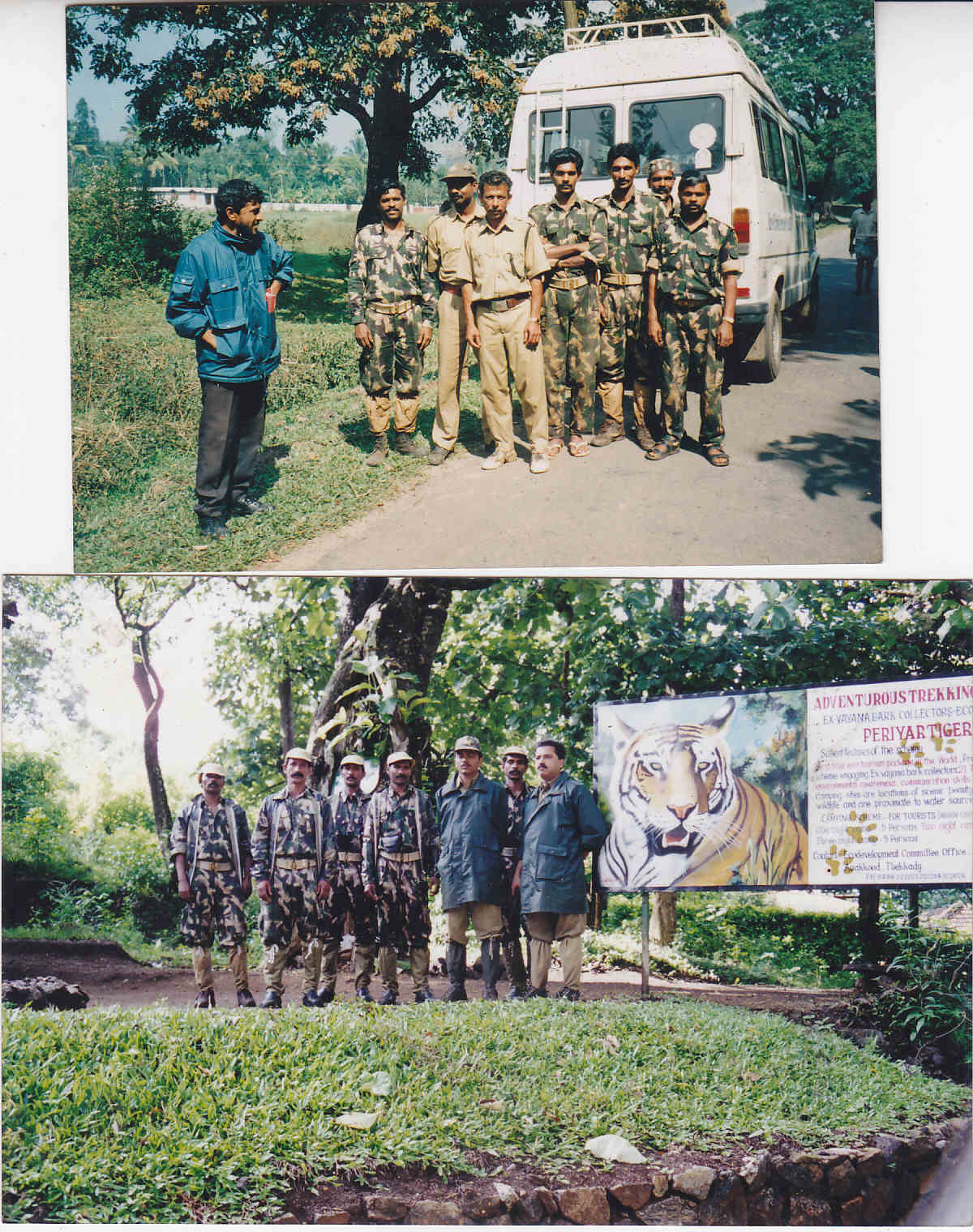
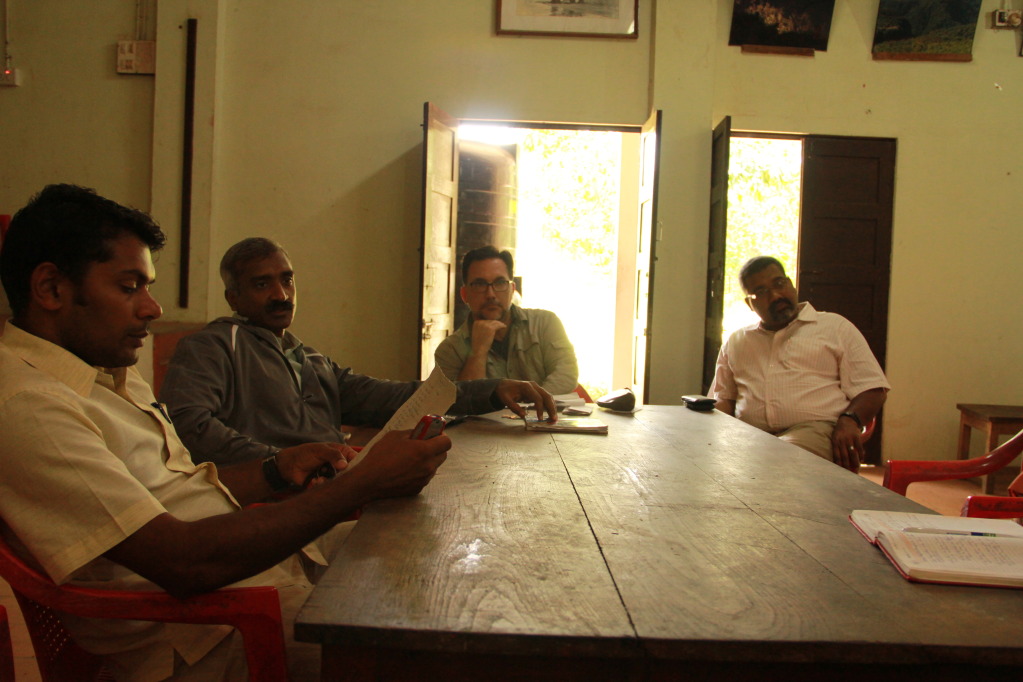
Developments in our community development initiative haven’t come easily for the past two weeks in Kumily. With our primary Forestry Dept. contact away from his office for a little more than a week, and given that the time table agreed up at our last meeting (June 26th) allowed for a ten day period during which our ‘talent scout,’ as it were, would make contact with potential producers, we at the resort were, in the meantime, left playing a bit of a waiting game. But with the distraction of staff tour revelry behind us and anticipation for the arrival of our newest intern, Sung, at a high, our idle and indolent interlude came to a happy end today when we met with several FD officials and functionaries, some of whom none of us had met previously, including a ‘Forest Guard’ (a title I hope to earn someday) who runs the protection agency focused on the tribal community.

For while we in Thekkady had been sitting on our proverbial hands, Crist and Amie had been actively ascertaining details from our sister bag-making enterprise in Kochin. Continue reading →

Sustainable Operations in Kumily

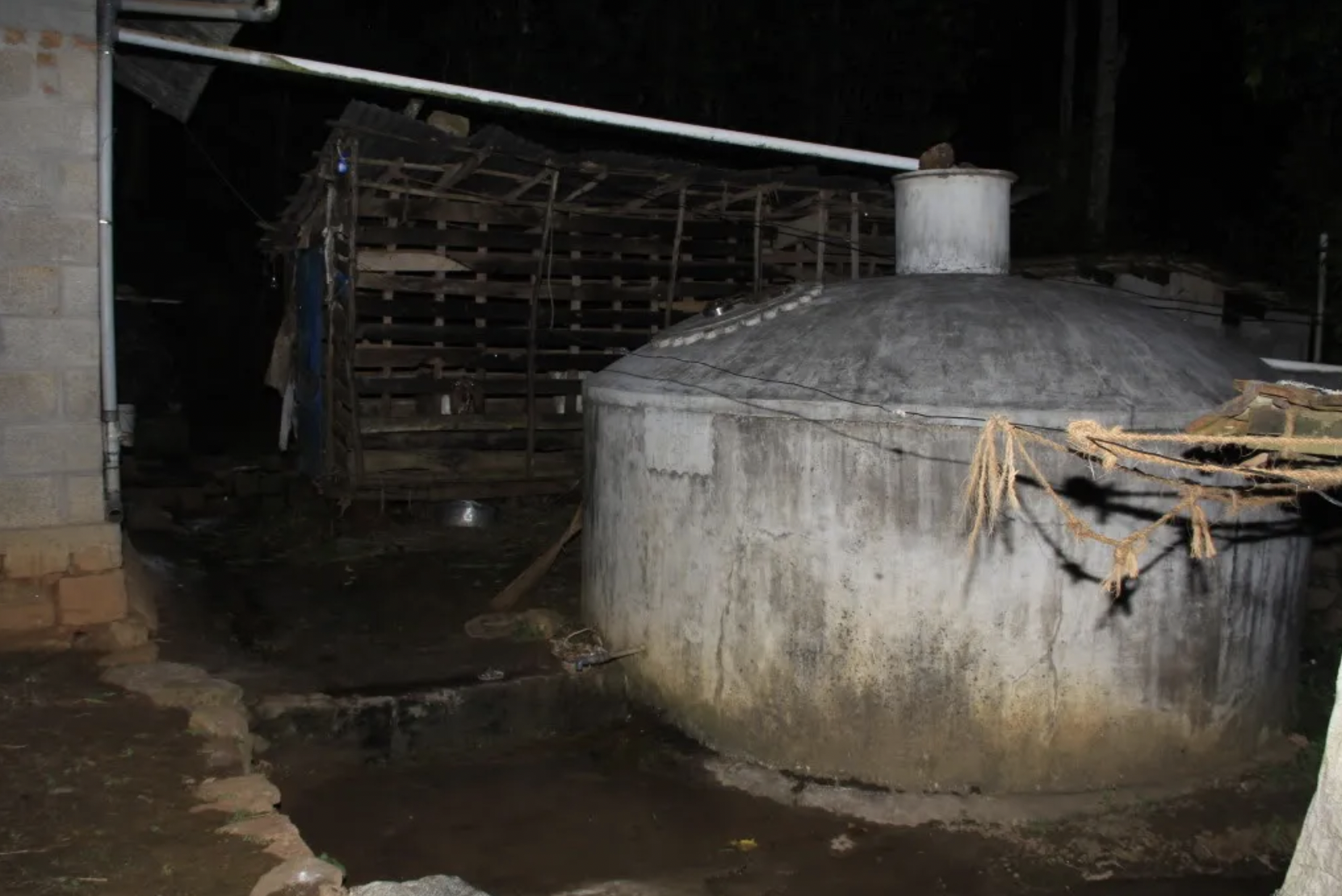
Sustainable tourism and operations are what initially drew me in to coming to Kerala, India at the Cardamom County. Water conservation is a central issue facing the world today. Coming from Canada, which is said to store up to 20% of the world’s fresh water, the idea of not having water to drink is a strange one. Of all the water on our planet, 97.5 per cent is sea water and three-quarters of the remaining 2.5 per cent is locked in polar ice caps. The tiny bit left over is drinkable. Natural rainwater harvesting is a common practice throughout much of the Thekkady area and Kerala in general. Pots and larger storage vessels like the one pictured below are often used by the locals to hold rainwater that is abundant during the monsoon season from June to August.


It is considered fairly clean for use in washing clothing, dishes, and people themselves. The bottled water, however, in the form of individually packaged Aquafina bottles poses an issue. Fortunately Pepsico and Aquafina do use UV treatment, reverse osmosis, ozonisation, carbon filtration, and sand filtration to treat their water and has a protocol of giving back more water than is taken in a program called “Positive Water Balance”. Pepsico India saved 836 units more water than it consumed in 2009, which is an uplifting thing to hear about.

On-site organic farming results in a great number of useful plants and herbs which can be made into oils, creams, and pastes which are central to the Ayurvedic Centre run by certified ayurveda practitioner Dr. Vinu. Among the more interesting herbal remedies is from the serpentine root or rauvoifia tetraphylla which provides an antidote for snakebites.


Continue reading →

Spider Monkey Threats

On one of our walks through the forest, Pierre and I found another green-backed spider (see my previous post) that spewed some white droplets at us. Unless we had an unusual double coincidence of interrupting arachnid bowel movements, I now believe that the spiders meant to deter us with the liquid. Whether it was excrement, poison, or liquid silk material remains to be seen.

Later on the trail we reached the main road and were about to pass under a group of huge mango trees when several mangoes thumped loudly onto the ground in front of us after the branches crashed around a bit. We looked warily into the trees to see a group of fleeing spider monkeys, which are very timid and don’t enjoy being anywhere near humans. Through the camera’s zoom, I was able to spot a mother with her baby hanging on her back. She was bouncing up and down, shaking a branch to startle us away. Once her mate arrived next to her, she left, and about half a dozen other monkeys followed her, causing a further bombardment of unripe (hard and dangerous) mangoes to hit the road at our feet.

The hazardous fruit attracts all three Morgan’s Rock species of monkey (howler, white-faced, spider), so it is a good place to watch them enjoy the mangoes while making sure to not stand too close to the trees. With the addition of the muñeco trees that I wrote about in another post, the roads should be great places to spot the tree-bound mammals.

Colonial History & Volcanic Mystery

We left in the morning with Bismar and the guests, transported by the senior driver Inocencio. Our first stop was about an hour and a half away: a town called San Juan de Oriente but known as La Cuña de los Artesanos, or “Artesans’ Cradle,” because literally everyone in town works with crafts for sale to tourists or hotels. We entered one of the pottery shops and went downstairs into the workshop, where a young man was waiting to give us a short presentation on pottery. He explained about his family’s business slowly in Spanish and Bismar translated for the guests. Then he took his seat at a wheel and started shaping a small bowl, using several homemade tools—a bicycle spoke, for example—to straighten its edges. The expression on his face showed how much he enjoyed the work, which certainly looked fun even should one have to shape clay all day, every day. After a couple minutes, a small and perfectly round pot was on the table in front of us. He talked some more about clay and then said, “At this moment in the process, the clay is still very fragile,” and demonstrated by plunging his fingers into the side of the vessel, leaving a deep impression in it.

Leaving the wheel, he led us to a larger table where wall lampshades were being made. Tools like a polished beach pebble and a child’s plastic spinning top were used to spread and smooth the paint that was applied with a brush made of a hollow pen and the hair of the girls in the family. A small kiln sat smoking in the corner, baking about twenty of the lampshades. Once the guests asked a couple questions, we thanked the young man, whose unbefitting name it turns out was Stalin, and went up to, of course, the pottery store. Continue reading →