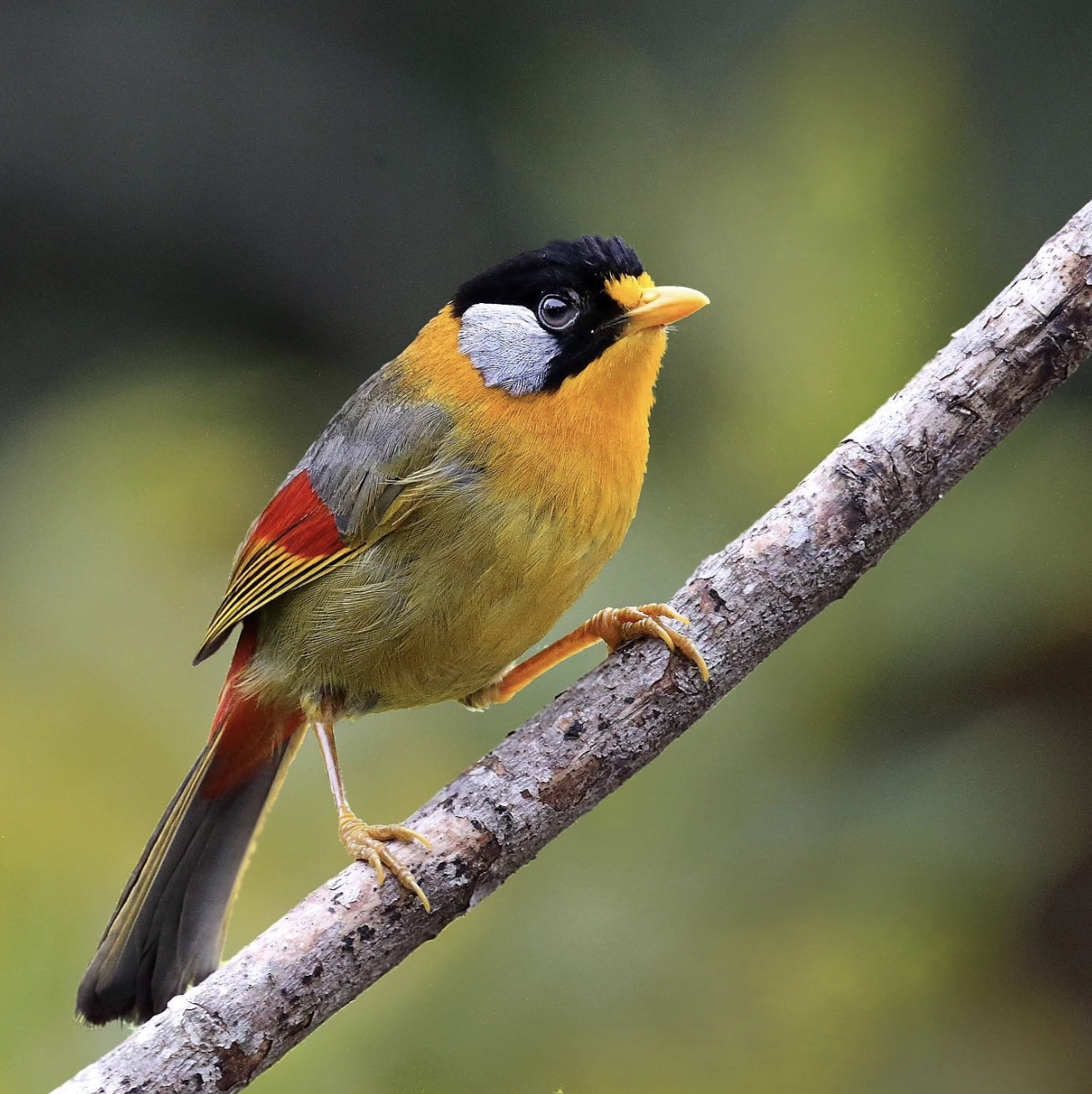
Leimhakong, Manipur
Leimhakong, Manipur
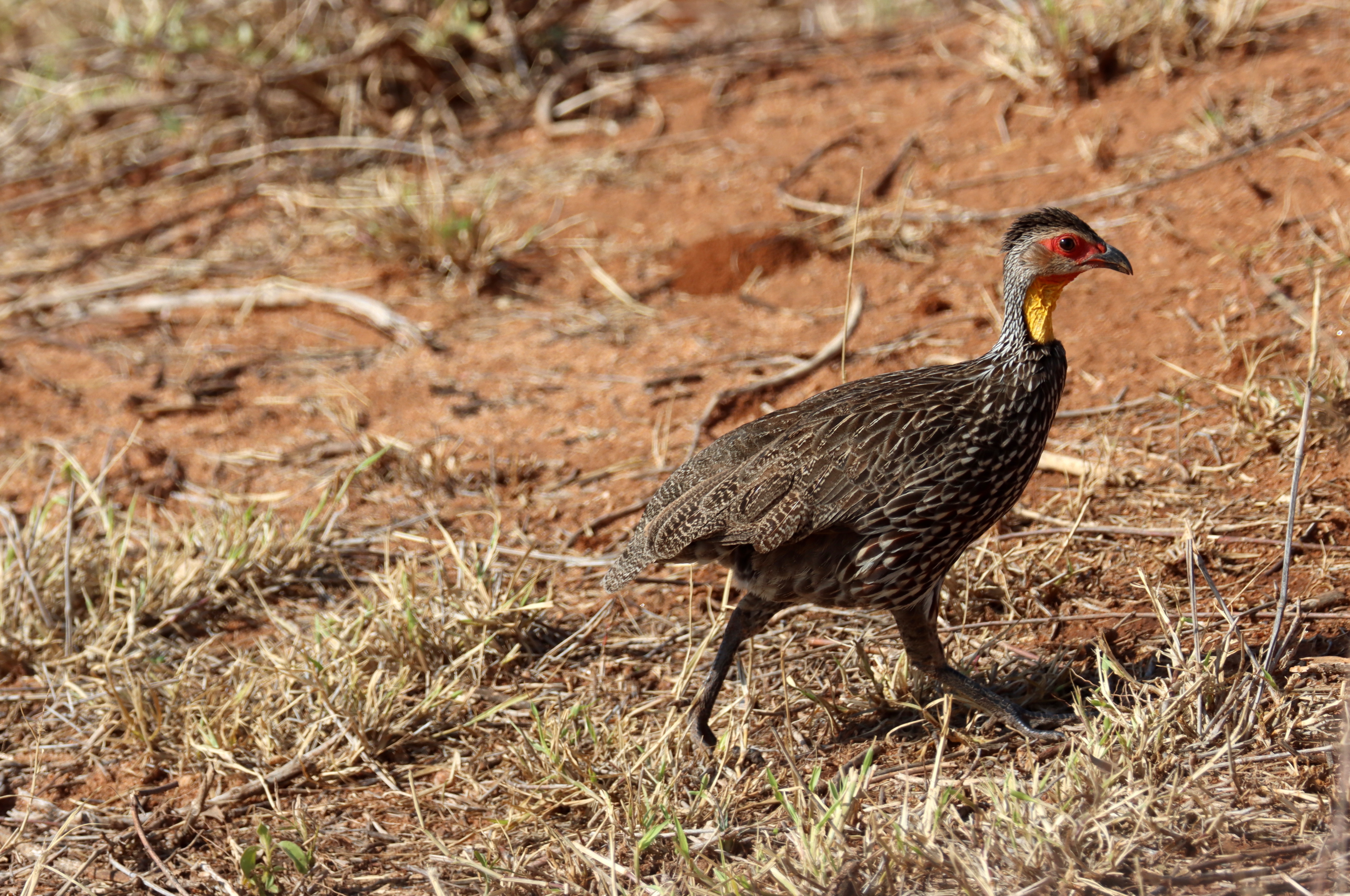
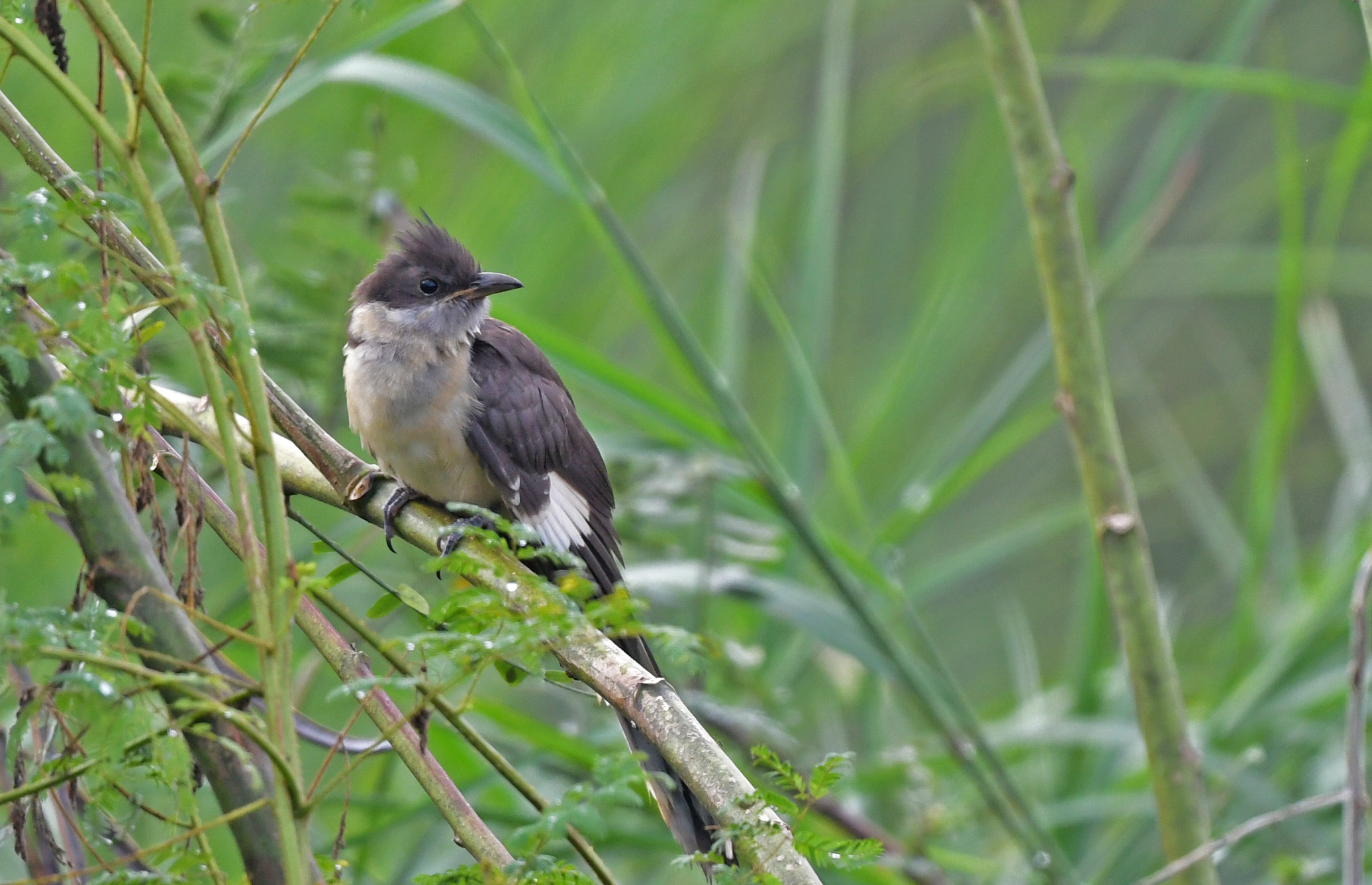
Cochin Outskirts, Kerala
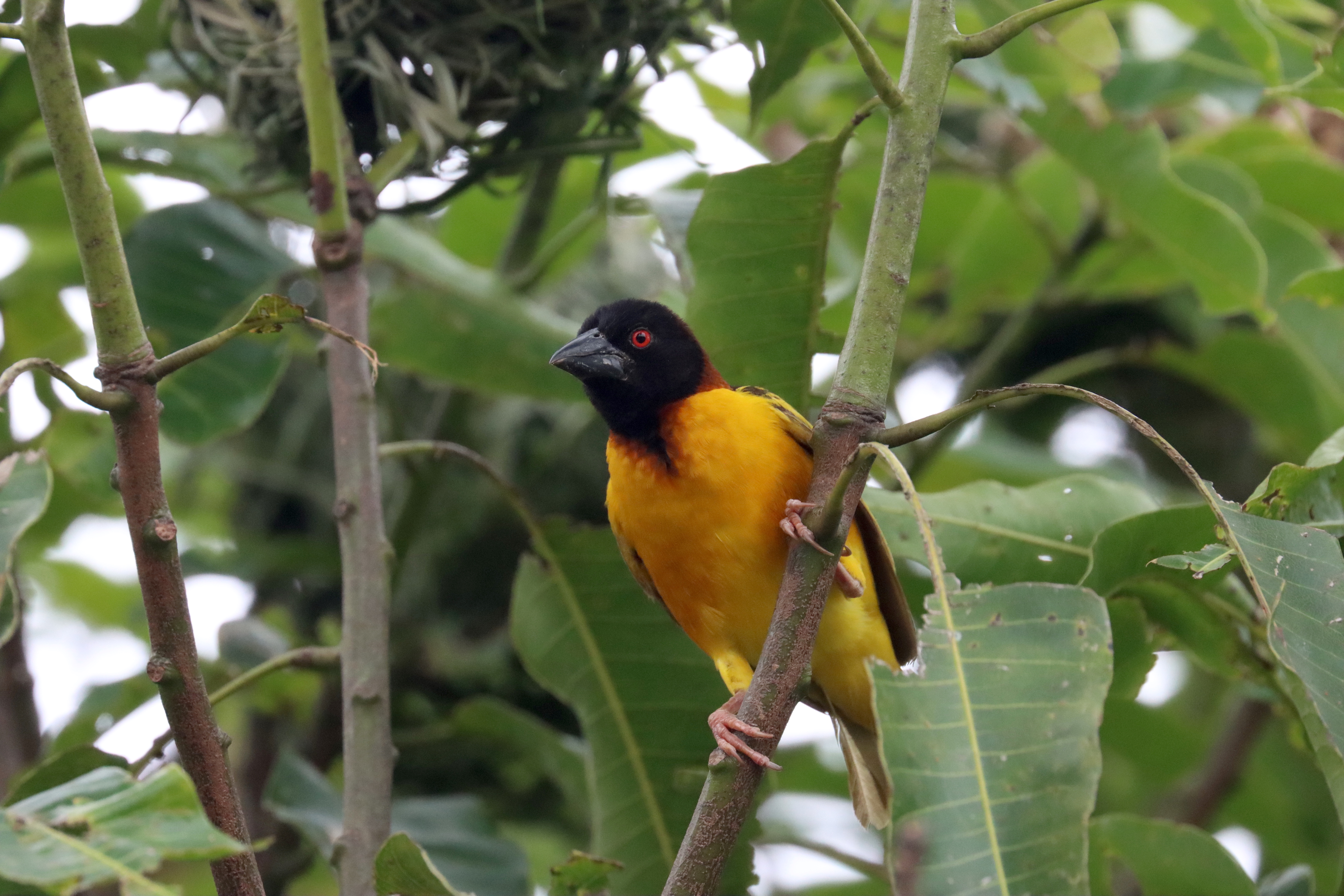
Nguila, Cameroon

Canopy San Luis, Costa Rica

Cochin Outskirts, Kerala
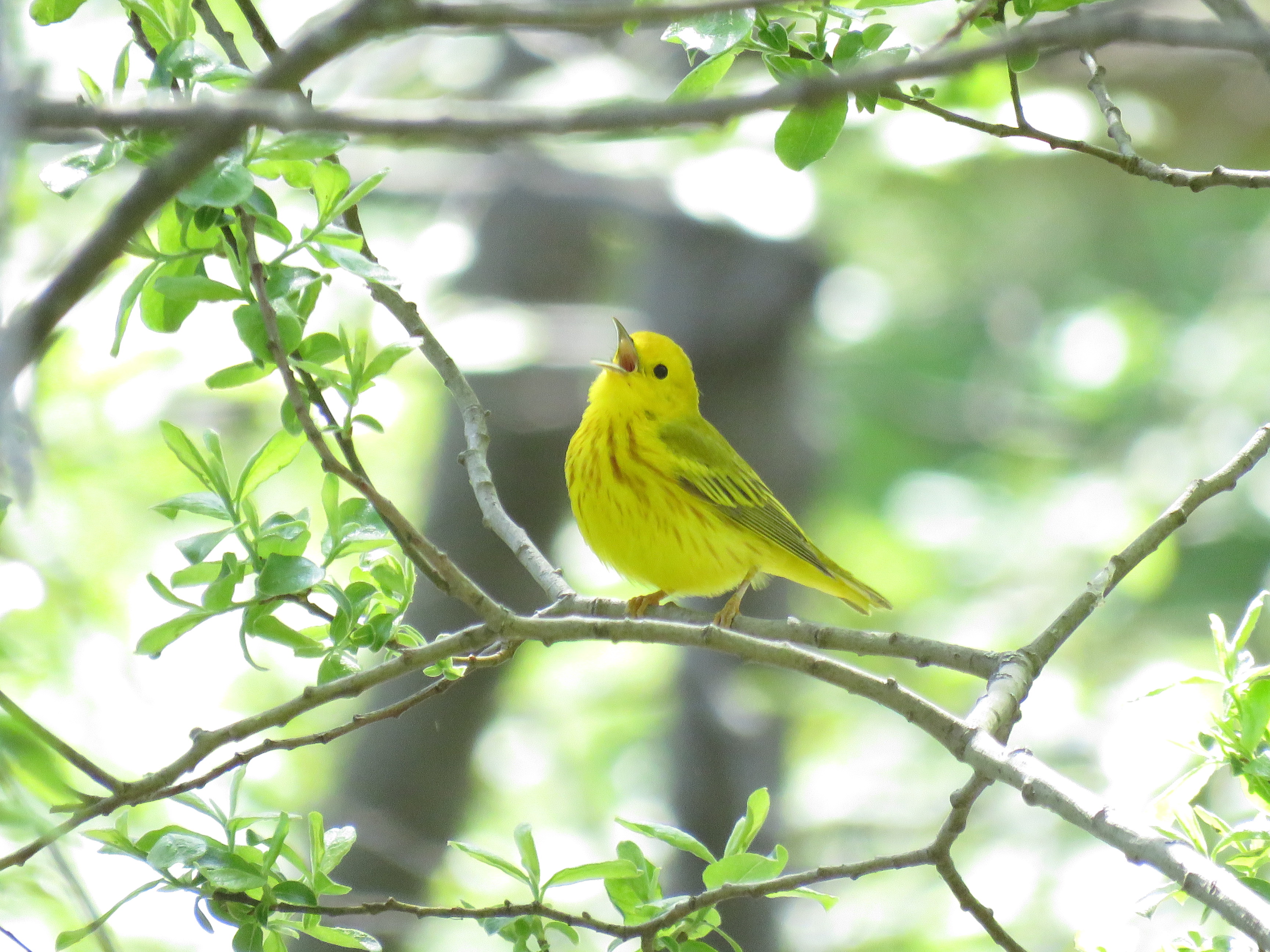
Burgenland, Austria

Canopy San Luis, Costa Rica

Cochin Outskirts, Kerala

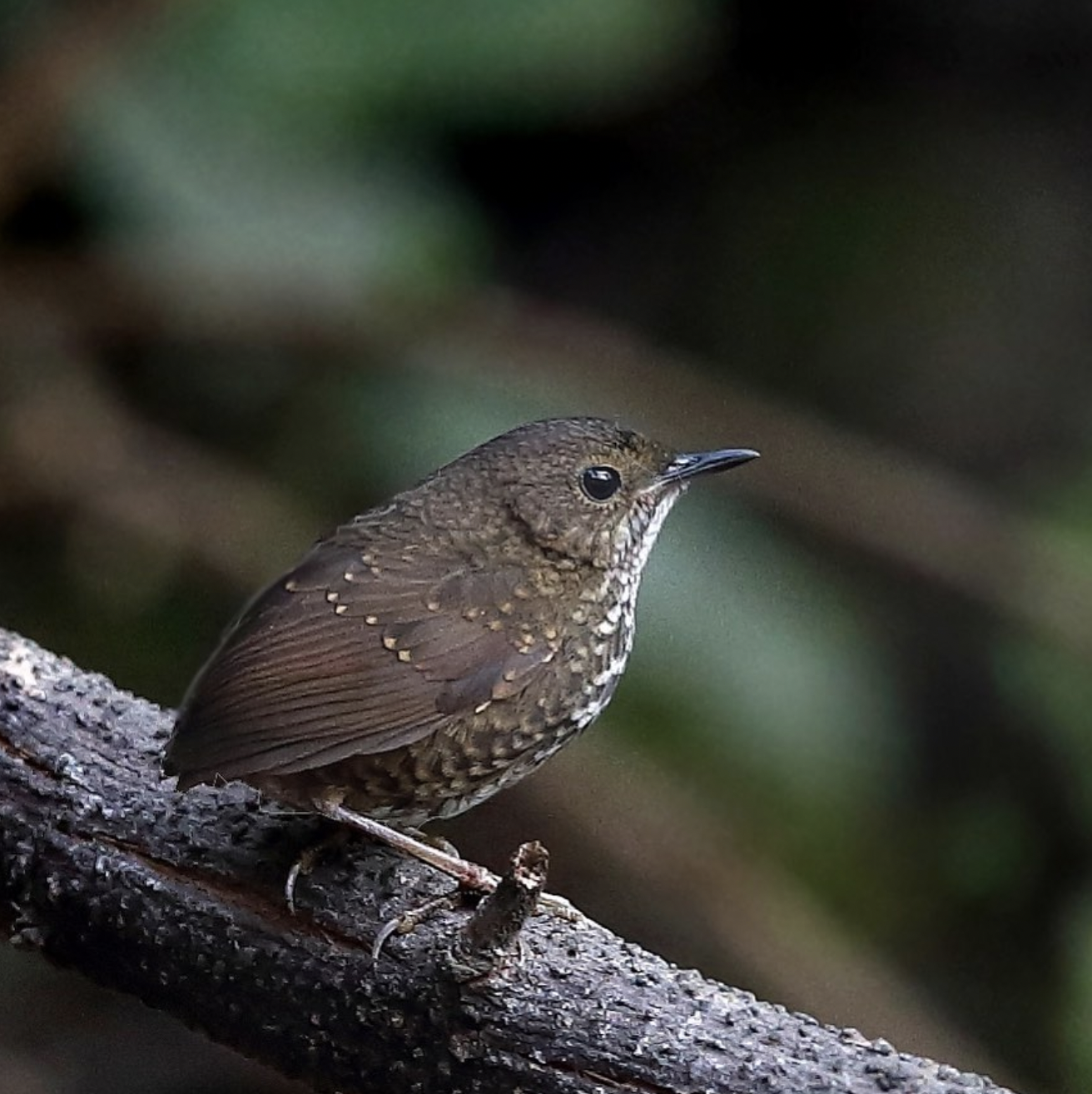

Volcán Atitlán Guatemala
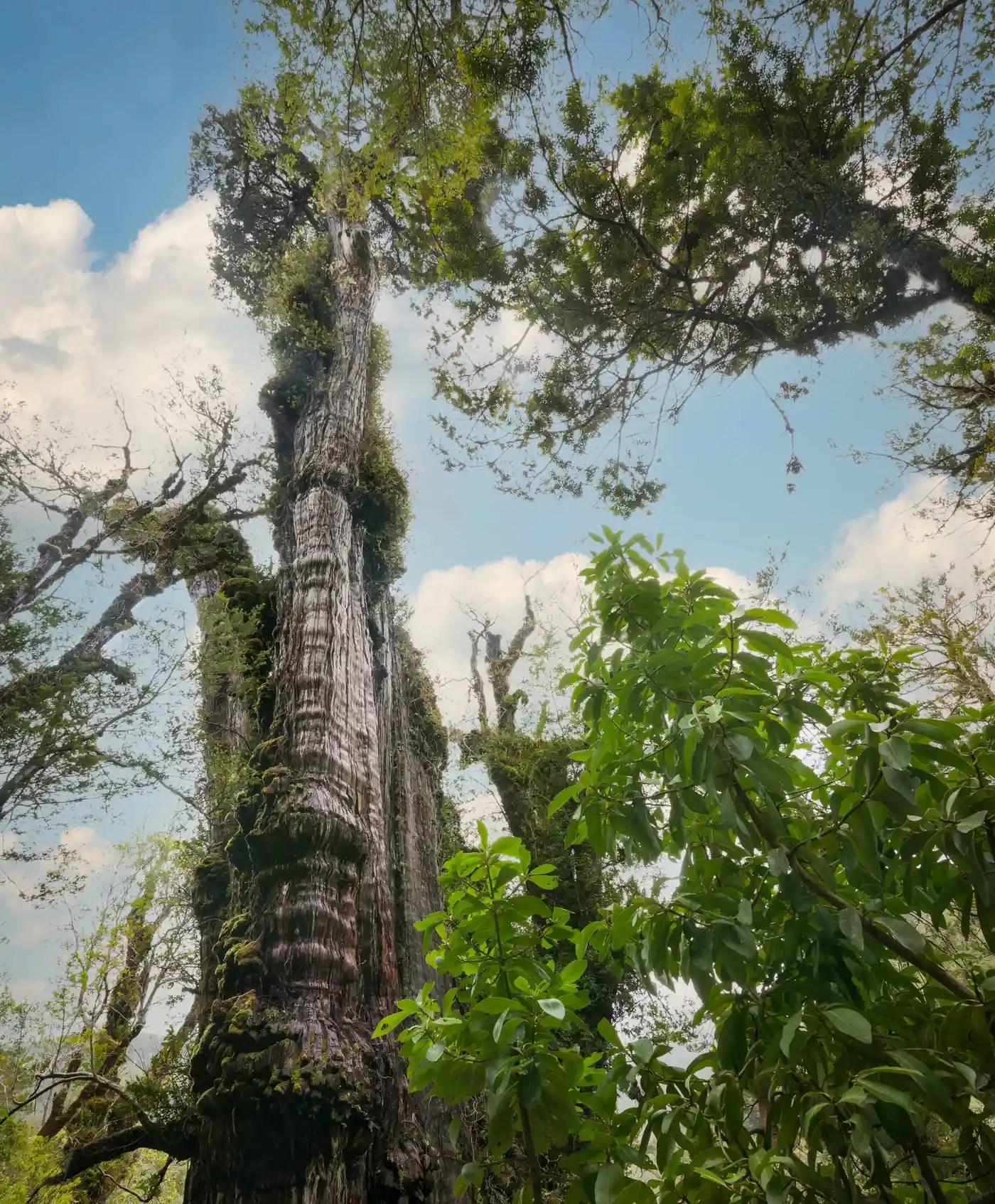
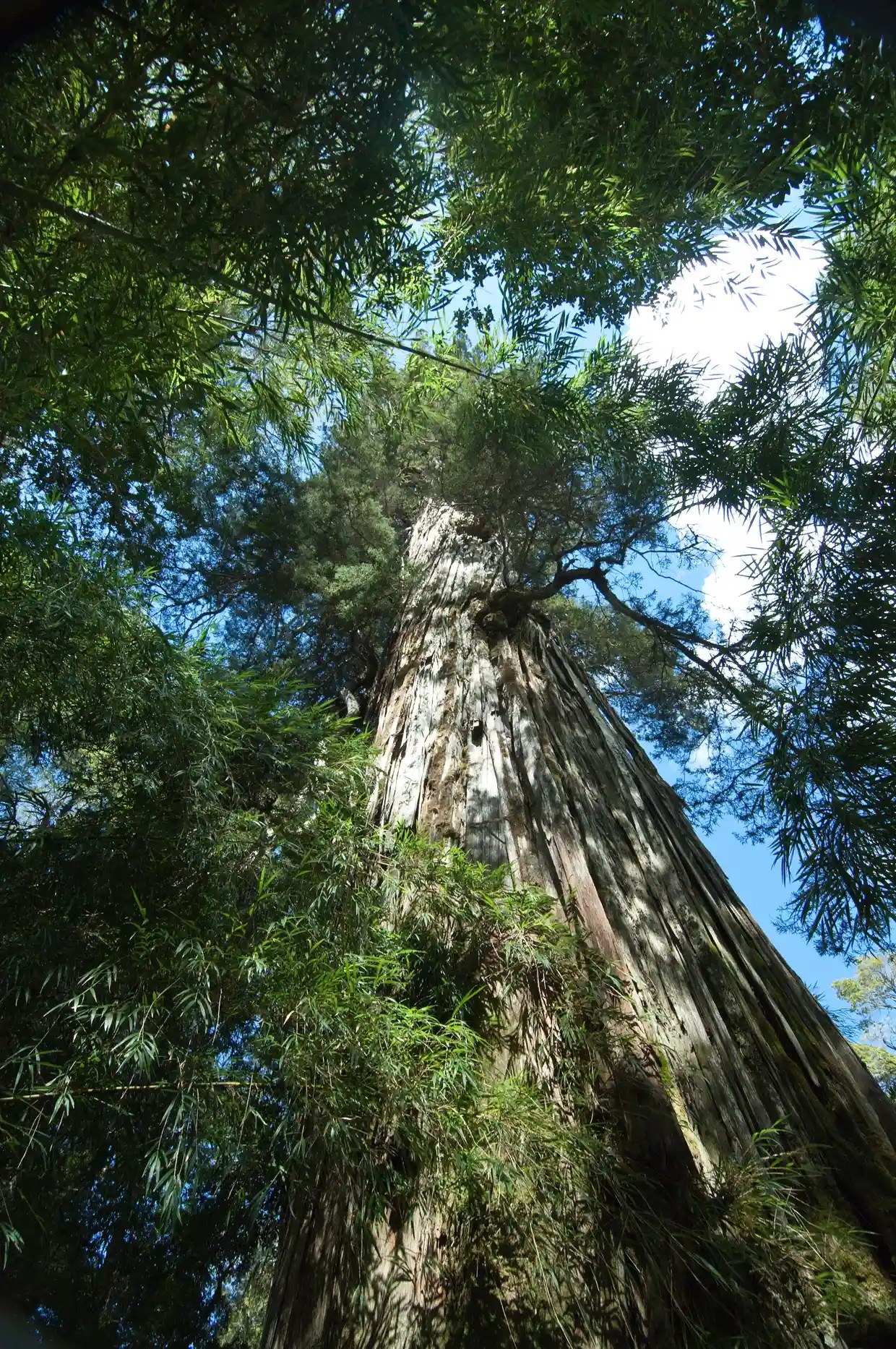
The Gran Abuelo tree in Alerce Costero national park, Chile. Buried alerce trunks can hold carbon for more than 4,000 years. Photograph: Salomón Henríquez
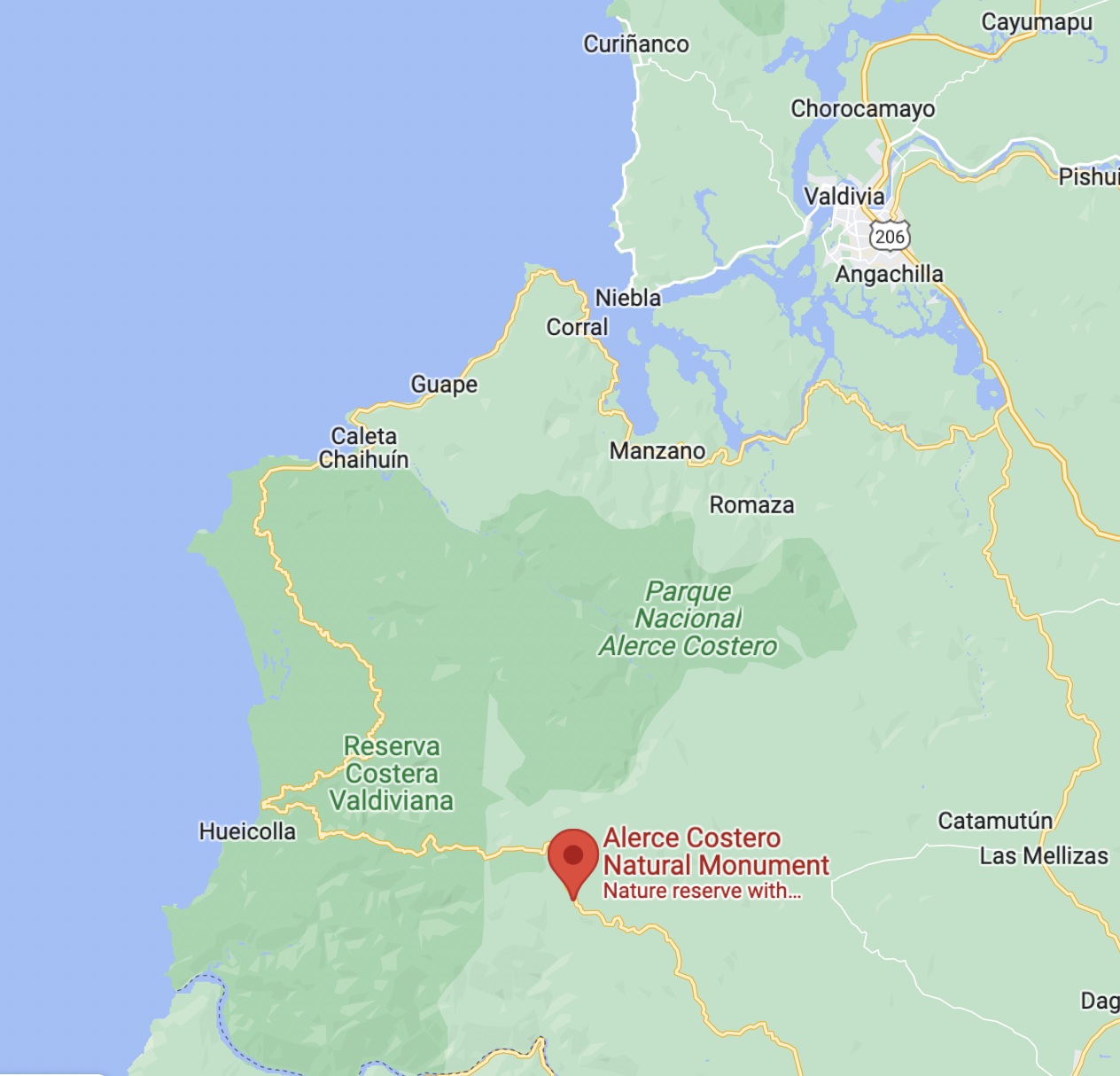
I do not recall whether we saw the tree pictured above, but we certainly breathed in the oxygen it expired. We spent the summer of 2009 in southern Chile, some of it working in the Chaihuin River Valley–a portion of the Reserva Costera Valdiviana co-owned at the time by WWF and The Nature Conservancy. The “Caleta” entrance to Chaihuin can be seen in the map below.
We have also seen the redwood trees in California, distant cousins of the alerce. Spectacular is an insufficient word to describe them, but hours-long visits to redwoods cannot compare to sleeping night after night under alerces. Chaihuin was for our family an immersion into the alerce ecosystem. Although I reserve the word miracle for other types of mysterious phenomena, I have no problem with a scientist using the word in this manner:
Alerce shingle was used as currency by local populations throughout the 1700s and 1800s. Photograph: Krystyna Szulecka Photography/Alamy
‘It’s a miracle’: Gran Abuelo in Chile could be world’s oldest living tree
100ft alerce has estimated age of 5,484, more than 600 years older than Methuselah in California
In a secluded valley in southern Chile, a lone alerce tree stands above the canopy of an ancient forest.
Green shoots sprout from the crevices in its thick, dark trunks, huddled like the pipes of a great cathedral organ, and water streams down its lichen-streaked bark on to the forest floor from bulbous knots in the wood. Continue reading
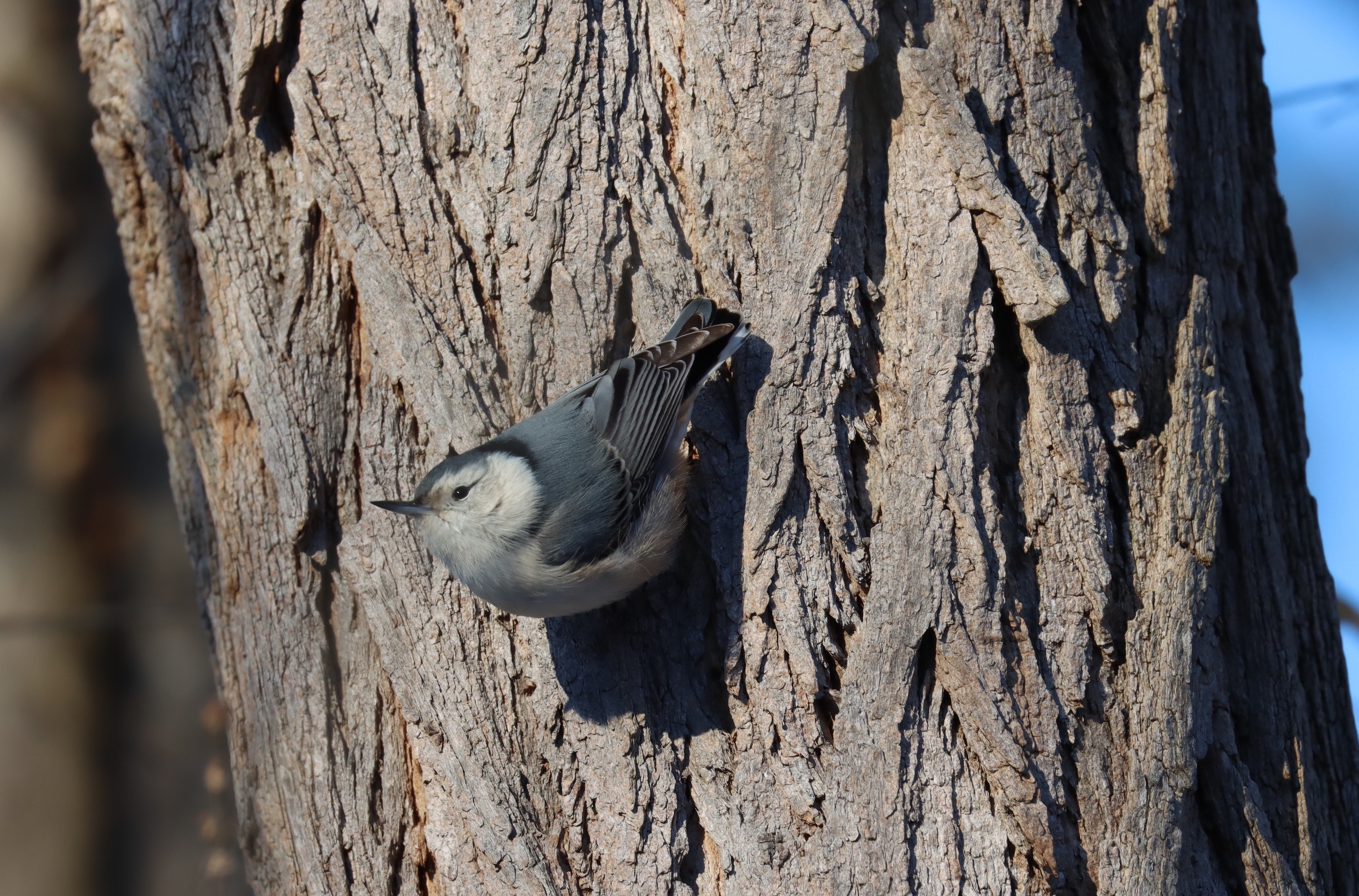
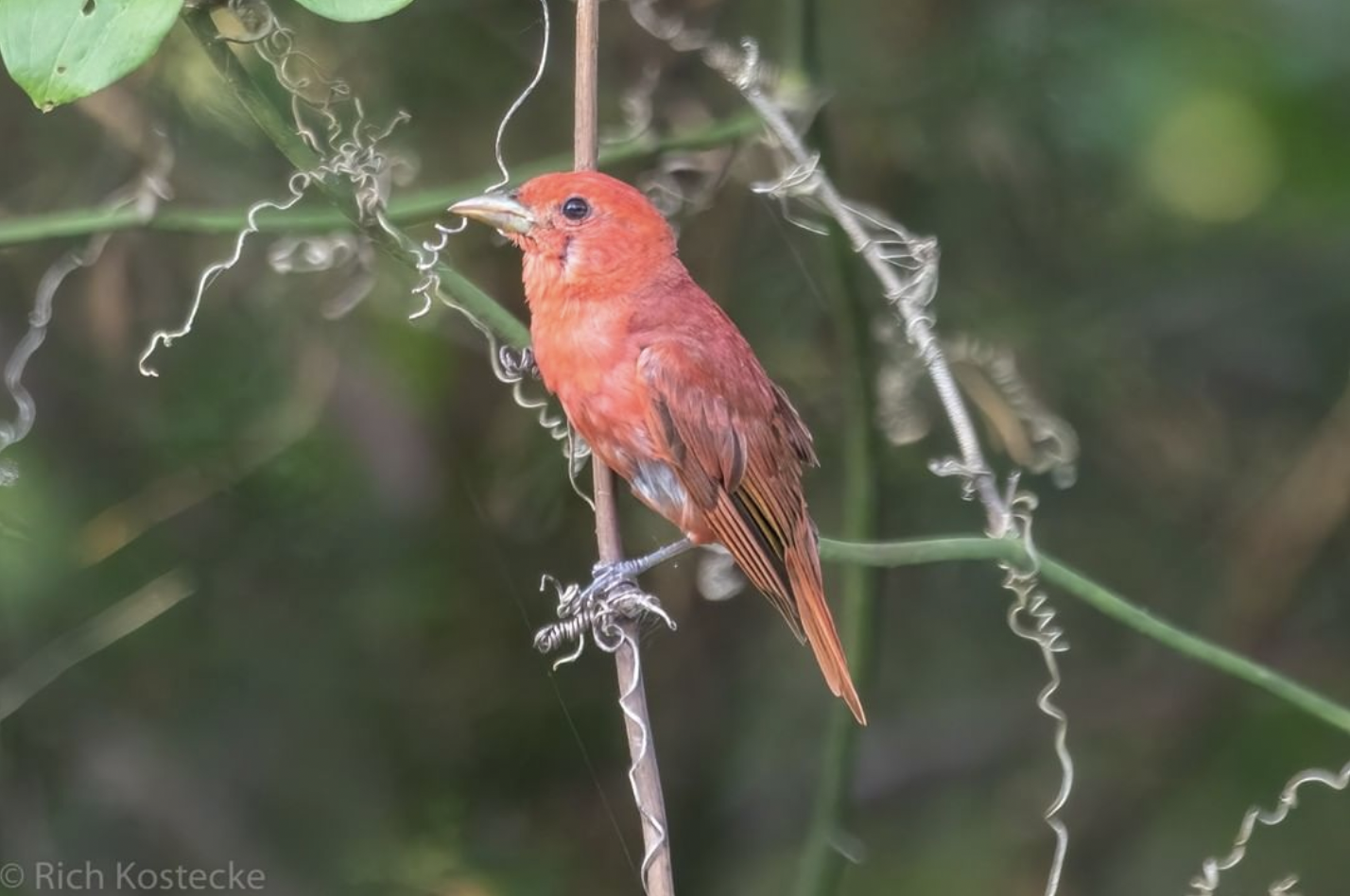
August A. Busch. Memorial Conservation Area, Missouri
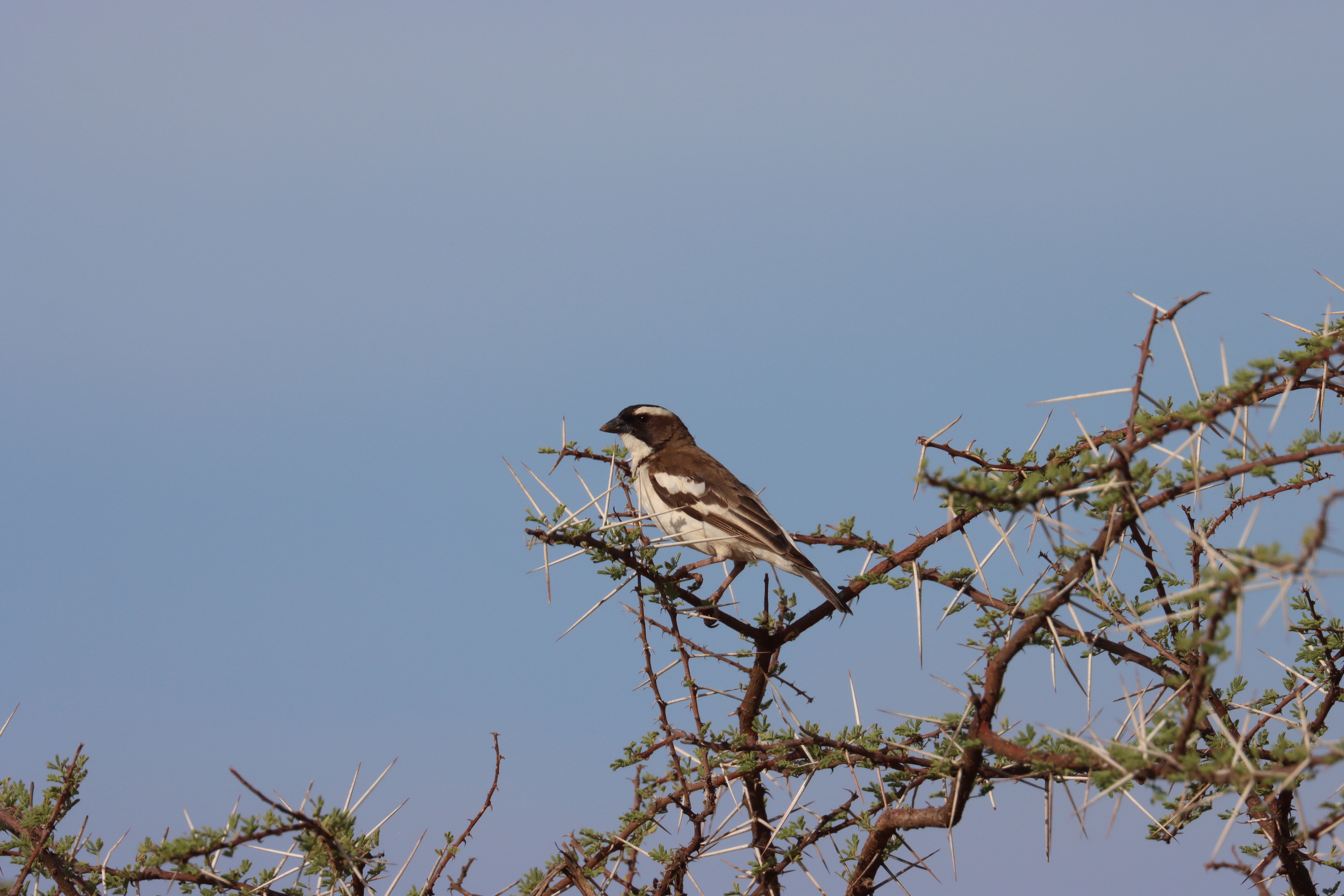
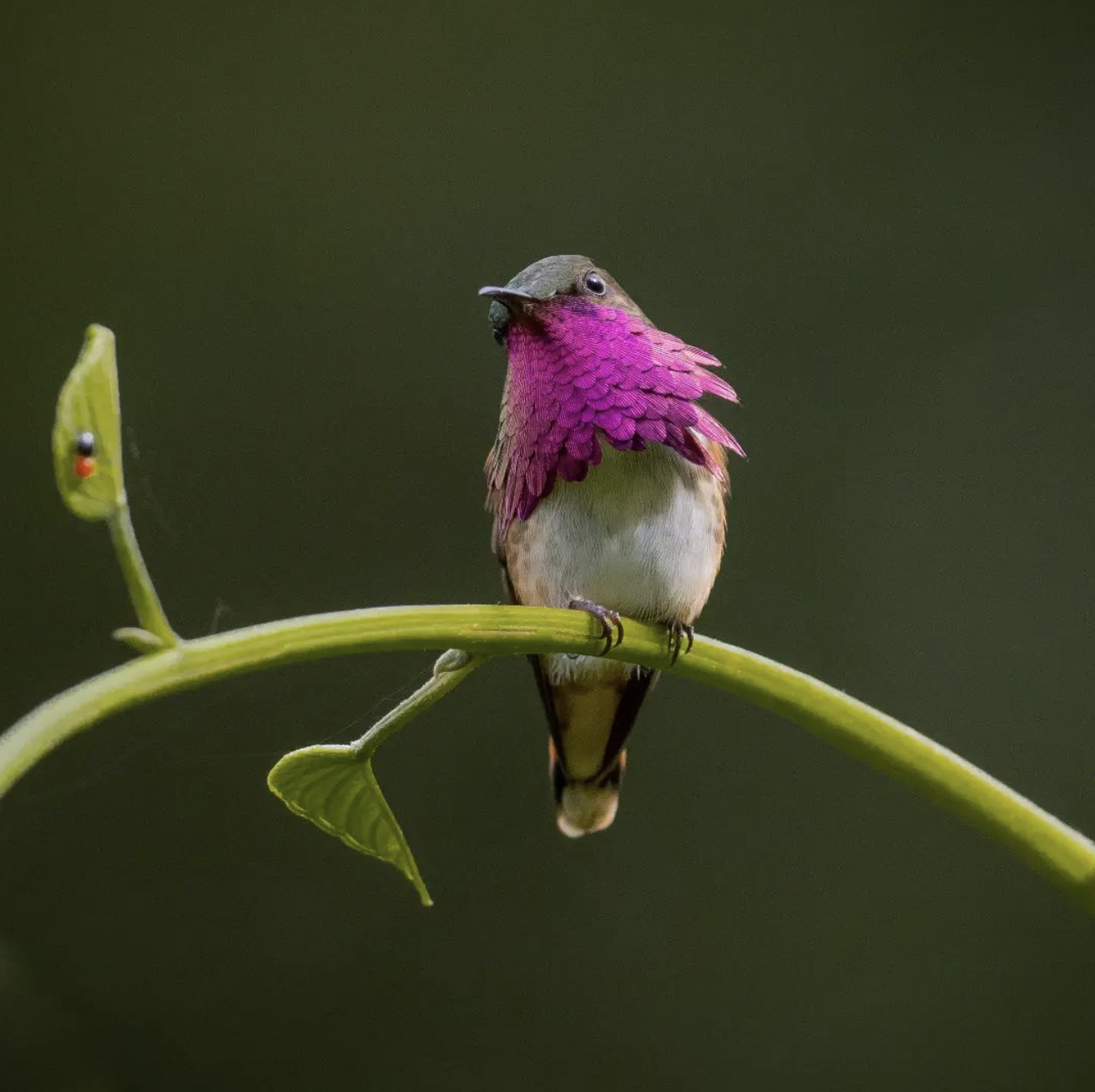
Volcan Atitlan, Guatemala
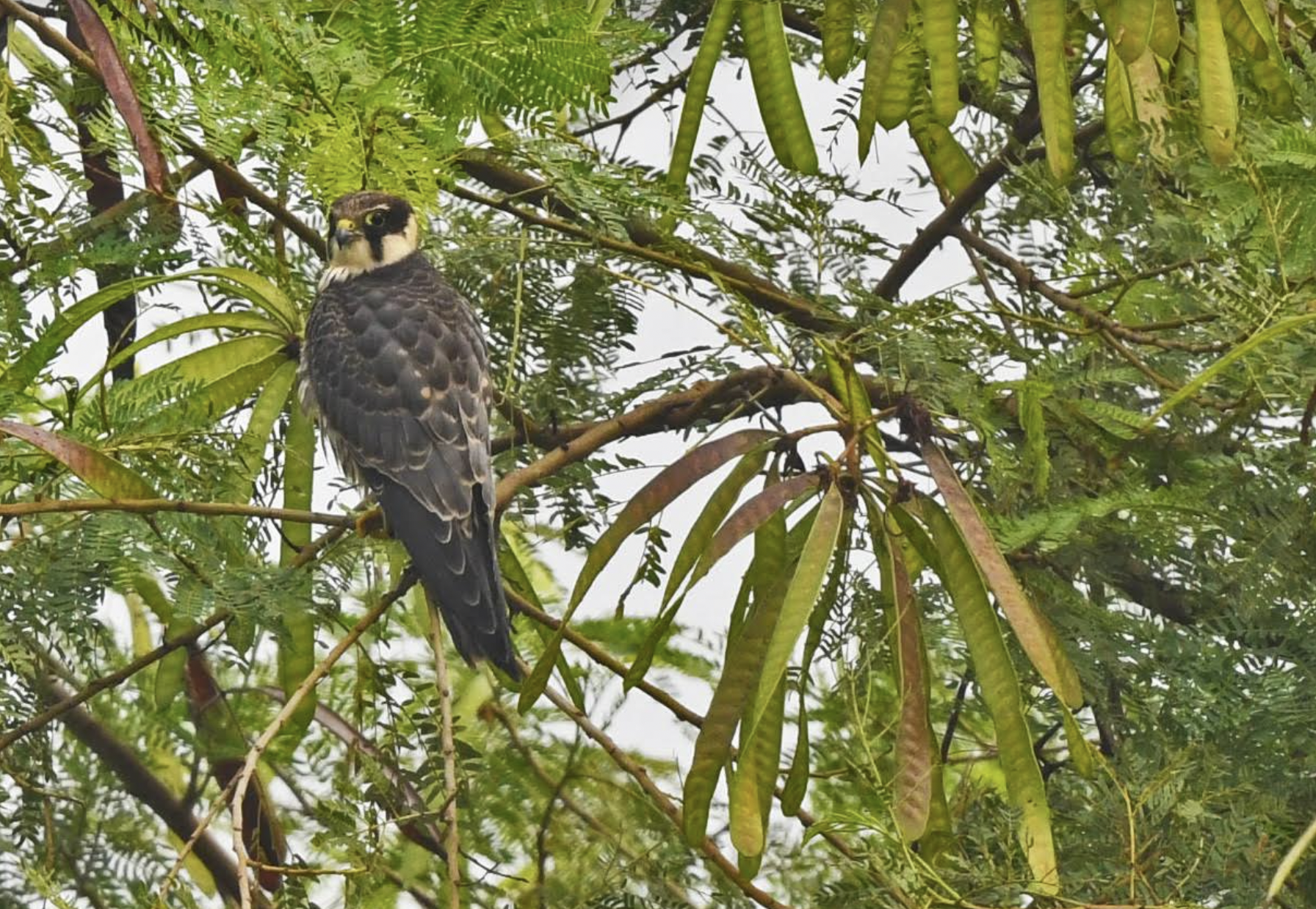
Okhla Bird Sanctuary, Delhi
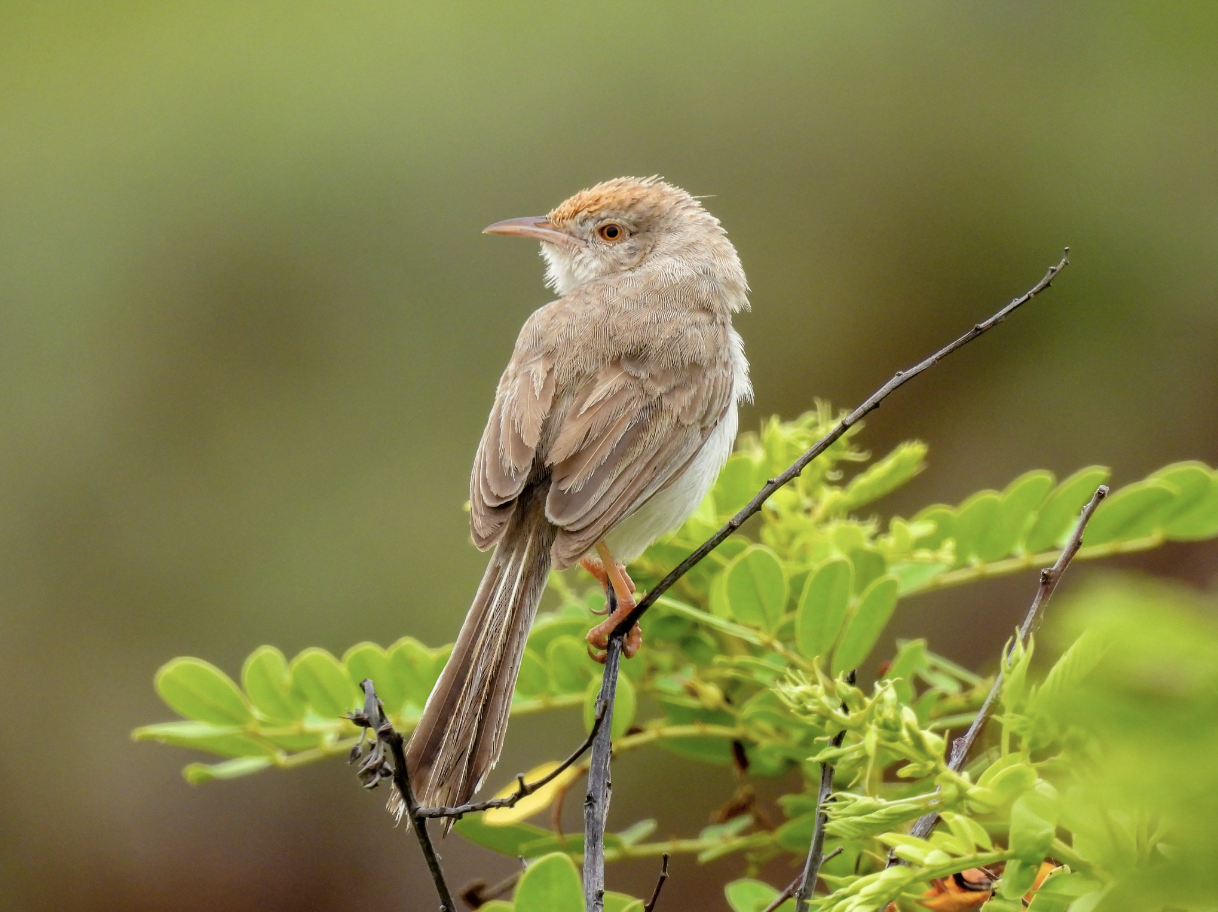
Savalsang Grassland, Vijayapura

 Organikos