How Much Energy Does A Bicycle Produce?

We had been wondering this too, we admit:

An NPR listener (with what may be the best Twitter handle ever — Booky McReaderpants) inquired whether a home can be powered by bicycle-powered generator.

It’s an interesting issue about energy and the modern world. And the short answer comes from just running the numbers.

A typical house in the U.S. uses about 1,000 kilowatt-hours of energy in a month. So — to Booky McReaderpants’ question — could you generate that much power all by yourself on stationary bike?

No.

Nope.

Not even close. Continue reading

Sunstein & Thaler On Kahneman & Tversky

sunstein-thaler-thetwofriendswhochangedhowwethinkabouthowwethink-1200

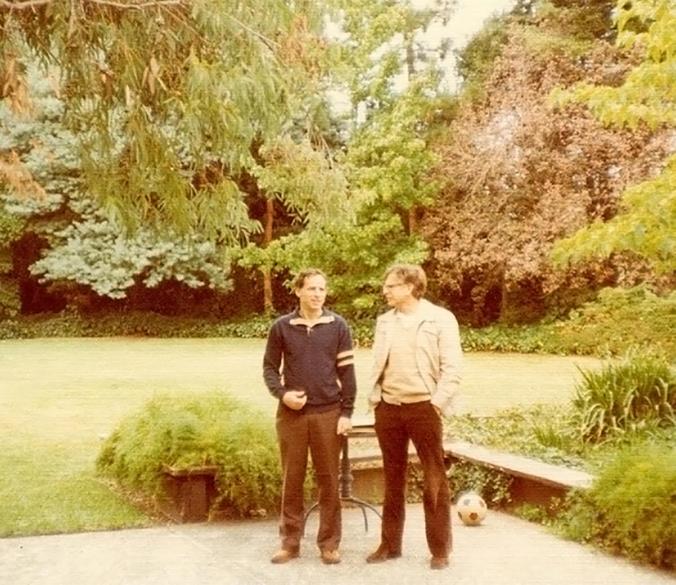
The book “The Undoing Project: A Friendship That Changed Our Minds,” by Michael Lewis, tells the story of the psychologists Amos Tversky, left, and Daniel Kahneman, right. Photograph Courtesy Barbara Tversky

We are more and more intrigued by this book, reviewed by two who knew the subject(s) better than most:

THE TWO FRIENDS WHO CHANGED HOW WE THINK ABOUT HOW WE THINK

By and

In 2003, we reviewed “Moneyball,” Michael Lewis’s book about Billy Beane and the Oakland A’s. The book, we noted, had become a sensation, despite focussing on what would seem to be the least exciting aspect of professional sports: upper management. Beane was a failed Major League Baseball player who went into the personnel side of the business and, by applying superior “metrics,” had remarkable success with a financial underdog. We loved the book—and pointed out that, unbeknownst to the author, it was really about behavioral economics, the combination of economics and psychology in which we shared a common interest, and which we had explored together with respect to public policy and law. Continue reading

App For Food Waste Reduction

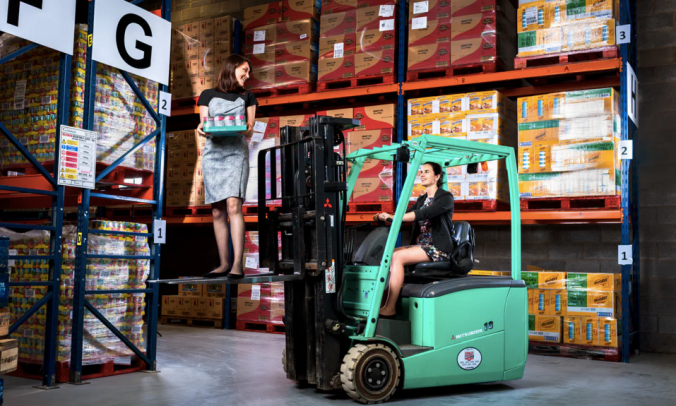
‘A love for food and a distaste for waste’: Iseult Ward (left) and Aoibheann O’Brien in the FoodCloud warehouse in Dublin. Photograph: Mark Nixon for the Observer

‘A love for food and a distaste for waste’: Iseult Ward (left) and Aoibheann O’Brien in the FoodCloud warehouse in Dublin.
Photograph: Mark Nixon for the Observer

Thanks to the Guardian for their coverage of stories about reducing food waste:

FoodCloud: new app proves a nourishing idea for wasted food

The distribution of surplus food in Ireland is being transformed by FoodCloud. Killian Fox meets the duo behind the venture

Killian Fox

Within one community, there can be a business that’s throwing away perfectly good food and just around the corner there’s a charity that’s struggling to feed people in need,” says Iseult Ward of FoodCloud, a remarkable social enterprise which she co-founded with Aoibheann O’Brien in 2012. “We wanted to connect the two.” Continue reading

The Undoing Project, Reviewed

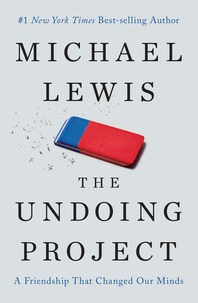
9780393254594_198.jpegWe are happy to see that the book mentioned last month is now available and has been reviewed in the New York Times, among other places, in addition to author interviews that are worth a look:

In the fall of 1969, behind the closed door of an otherwise empty seminar room at Hebrew University, two psychologists began a collaboration that would upend the understanding of human behavior. Those first conversations were filled with uproarious laughter and occasional shouting, in a jumble of Hebrew and English, which could sometimes be heard from the hallway. Continue reading

Urban Cycle Heaven

Copenhagen has recorded 13,100 more bikes than cars in the city centre over the past year. Photograph: Michal Krakowiak/Getty Images

Scandinavia in general (and Denmark in particular) is famous for forward thinking initiates, both socially and environmentally. Thanks to the Guardian for sharing this milestone.

Two-wheel takeover: bikes outnumber cars for the first time in Copenhagen

Denmark’s capital has reached a milestone in its journey to become a cycling city – there are now more bikes than cars on the streets. Can other cities follow? Continue reading

World Class Recycling

wit-germany-recycle-superJumbo.jpg

Recycling bins for glass bottles — both clear and colored — in Potsdam, Germany. Credit Gordon Welters for The New York Times

Thanks to the New York Times for reminding us who’s who in the world of recycling:

Germany Gleefully Leads List of World’s Top Recyclers

By

The praise from a German friend was the first sign that I had gone native.

“You see?” he said to his American wife, pointing to the sink where, without thinking, I was rinsing out the plastic yogurt cup I’d just emptied, unwrapping its cardboard sleeve and separating the foil from the lip of the container. “That is how to recycle!”

What may sound like a lot of extra fuss over trash has become second nature among Germans, the world’s recycling champions. Continue reading

Learning How To Eat

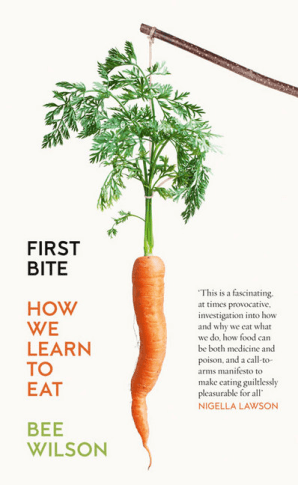
9780007549702When an author of Bee Wilson’s stature publishes it is not surprising to see reviews in the news outlets that we tend to source from in these pages. For the book to the right the first we saw was How Do We Get To Love At ‘First Bite’? on National Public Radio (USA), followed by reviews in the New York Times and the Guardian among others. We had even read the publisher’s blurb:

The way we learn to eat holds the key to why food has gone so disastrously wrong for so many people. But Bee Wilson also shows that both adults and children have immense potential for learning new, healthy eating habits. An exploration of the extraordinary and surprising origins of our taste and eating habits, First Bite explains how we can change our palates to lead healthier, happier lives.

But we had not gotten around to linking out to any of these reviews. Better late than never:

TEACHING GROWNUPS HOW TO EAT

By Nicola Twilley

Until the twentieth century, Japanese food was often neither delicious nor nourishing. Junichi Saga, a Japanese doctor who chronicled the memories of elderly villagers from just outside Tokyo, in the nineteen-seventies, found that, in the early years of the century, most families scraped by on a mixture of rice and barley, accompanied by small quantities of radish leaves, pickles, or miso. Animal protein was almost entirely absent in the Buddhist country, and even fish, as one of Saga’s informants recalled, was limited to “one salted salmon,” bought for the New Year’s celebrations, “though only after an awful fuss.” Continue reading

Dakota Divesting

980x-13

©Lori Panico

We are glad to see market forces at work in this matter:

Another Major Norwegian Investor Divests From Dakota Access Pipeline

Stefanie Spear

Odin Fund Management, one of Norway’s leading fund managers, announced Thursday that it sold $23.8 million (243 million NOK) worth of shares invested in the companies behind the Dakota Access Pipeline. Continue reading

Imposter Fish

mystery-fish

We are curious to know more:

Imposter fish may be more sustainable

In a first of its kind study, researchers tackled the environmental and financial impacts of consumers purchasing mislabeled fish. And—as upsetting as the mislabeling of any food is—they found a surprising silver lining. Continue reading

Cotton Sheets, Caveat Emptor

3000-1

Agricultural employees harvest cotton in a field in Benha, Egypt. Welspun India, a giant home textile manufacturer, is in trouble for falsely advertising bedding products as containing Egyptian cotton. Photograph: Bloomberg/Getty Images

We are in the business of providing comfortable bedding as responsibly as possible, and we are as vigilant on sheets as anything else. So, in the spirit of FYI:

Those luxury Egyptian cotton sheets you own may not be luxurious – or Egyptian

Target and Walmart are pulling bedding off their shelves after a falsely labeled Egyptian cotton products controversy involving manufacturer Welspun India

Alison Moodie

Egyptian cotton, which can be spun into fine, long fiber to make sheets with a high thread count, is synonymous with luxury bedding. But in the last four months, it’s been at the center of a controversy that has caused many Americans to wonder whether the Egyptian cotton sheets they rely on for a good night’s sleep actually contain any cotton from Egypt. Continue reading

Alternative Energy Will Boom

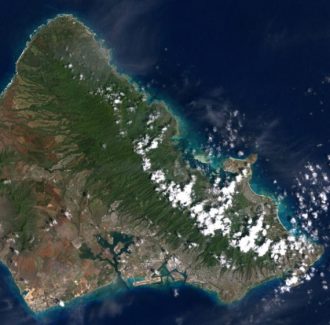
hawaii-solar-570x562The title is either wishful thinking, or stating the obvious; we are not sure which. Thanks to our colleagues at Clean Technica for this:

Hawai’i Solar Power (In Depth)

by

Glorious blue skies and endless sunshine. Warm, balmy breezes. Isn’t that how you envision Hawai’i? Like the slogan, “Everything’s better in Hawaii,” right?  Oops, one thing does dampen the impression of Hawai’i, though: its high cost of living, especially for energy. Continue reading

The Future Of Food & Taxes

5126

Food production causes a quarter of greenhouse gas emissions, largely from the raising of cattle and other livestock. Photograph: Mike Kemp/Getty Images

Tax meat and dairy to cut emissions and save lives, study urges

Surcharges of 40% on beef and 20% on milk would compensate for climate damage and deter people from consuming as much unhealthy food

Damian Carrington

Climate taxes on meat and milk would lead to huge and vital cuts in carbon emissions as well as saving half a million lives a year via healthier diets, according to the first global analysis of the issue. Continue reading

The Attention Merchants, Reviewed & Author Interviews

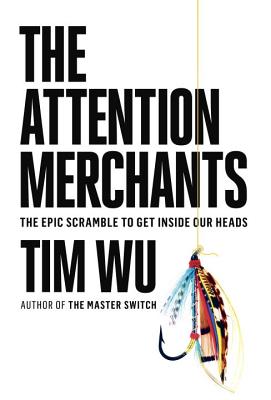
9780385352017Everyone seems to be in agreement that this year has been exceptional in terms of attention overloading from all directions–political, commercial, “friends,” and so on. Unfortunately, the forecast is for more, and increasingly effective, attention-getting from technology-aided corporations. We have two words for you: Digital. Detox. And in the New York Times review of Tim Wu’s new book, a compelling set of evidence why those two words matter more and more:

…The history of the slow, steady annexation and exploitation of our consciousness — whether by television commercials, war propaganda or tweets — is the subject of Tim Wu’s new book, “The Attention Merchants: The Epic Scramble to Get Inside Our Heads.” He starts with the penny press newspapers of New York City, moves on to the heyday of radio and television, and concludes with the chaotic online bazaar of the present, surely better suited to bugs with eyes all over their heads than to ordinary human beings. En route, he covers snake oil, commercial psychology, Timothy Leary, AOL chat room Gomorrahs. His bandwidth is broad. Continue reading

Crowdrise

Norton.jpg

Today’s New York Times has an article that brings Ed Norton’s Crowdrise to our attention, both article (click headline below) and website (click image above) worth a look:

Charity That Begins With Spaghetti Sauce

By

06celebritygiv-norton-blog427Edward Norton recognized Paul Newman the philanthropist before discovering Paul Newman the actor. As a teenager, he watched his mother buy Newman’s Own products at the grocery store and was impressed that all profits went to charity.


“I thought — why would you buy any other spaghetti sauce if you can buy one where all of the net profits go to a kid’s cancer camp?” said Mr. Norton, who starred Continue reading

Guess Who’s Coming To Dinner?

screen-shot-2016-11-02-at-11.57.52-am_custom-3c65e15eba64733f55b1d77a7fd573e64c2125ec-s1100-c85.png

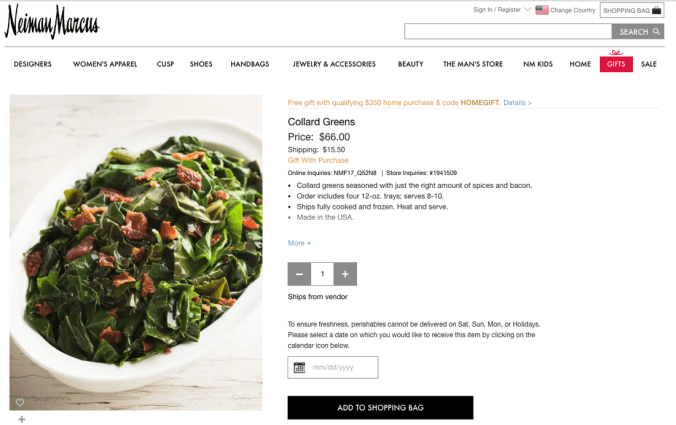
Neiman Marcus is selling collard greens for over $60, this holiday season. Neiman Marcus/Screenshot by NPR

As an election season in the USA, full of existential questions with no good answers, comes to a close we are presented with the puzzling offer of this retailer, which is not exactly existential but kind of akin to it:

Neiman Marcus Is Selling Frozen Collard Greens For $66 Plus Shipping

MERRIT KENNEDY

Luxury department store Neiman Marcus is well-known for its opulent holiday offerings.

For example, its “Christmas Book” holiday gift guide is offering his-and-hers “Island cars” for $65,000 each. And a trip to castles in the U.K. for eight will set you back a cool $700,000. Continue reading

Preparing For Cleaner Air

tnc_86027894-1260x708.jpg

Photo © Kevin Arnold

Thanks to Cool Green Science for this:

Planting Healthy Air: Can Urban Trees Help Clean Up Pollution?

BY ROB MCDONALD

Every report has a genesis, an initial conversation that sprouts an idea that grows into a research study. For me, one of those moments was a phone interview I had with a professor at King’s College in London, about the somewhat goofy idea of gluing pollution to roads. Continue reading

Lessons In Urban Water Conservation From Down Under

01fixes1web-master768.jpg

Residents of Melbourne, Australia, reduced their water consumption during the long drought and effectively saved the city from running dry. Credit Carla Gottgens/Bloomberg

Thanks to the New York Times for this tutorial, provided at city scale, on more sensible management of natural resources:

Australia’s Lesson for a Thirsty California

Sylvia Rowley

MELBOURNE, Australia — On his first visit to Melbourne in 2009, Stanley Grant, a drought expert and professor of civil and environmental engineering at the University of California, Irvine, had a question for his taxi driver.

“How’s the drought?” he asked.

“It’s about 28 percent,” came the reply.

Grant was puzzled. But shortly afterward, they drove past an electronic road sign announcing that the city’s reservoirs were indeed at just 28 percent of capacity. Continue reading

Fish, Nutrition & Progress

gettyimages-511530458-80_custom-e1514ae78fade488fe3c4e443cd01db56c5f43da-s1100-c85.jpg

Americans are often chastised for what we eat. Now we’re getting a pat on the back. A new report finds seafood consumption is up by nearly a pound from the previous year, the biggest leap in 20 years. fcafotodigital/Getty Images

Thank to the salt, at National Public Radio (USA) for this news:

Hey, Looks Like Americans Are Finally Eating More Fish

CLARE LESCHIN-HOAR

…According to the annual Fisheries of the United States Report released by NOAA last week, Americans increased their seafood consumption to 15.5 pounds of fish and shellfish per person in 2015, up nearly a pound from the previous year, making it the biggest leap in seafood consumption in 20 years.

“It’s terrific news,” says Tom Brenna, professor of human nutrition at Cornell University and a member of the 2015 Dietary Guideline Committee. “We’re moving in the right direction.”

It’s a rare nutritional pat-on-the-back for Americans, who routinely get chastised over their diets, but the good news comes with some caveats. Continue reading

Perfectly Good Imperfect Food

24UGLYFOOD-web01-master768.jpg

A customer shopped at Fruta Feia, a Portuguese cooperative created to sell imperfect food. The food industry has begun looking for ways to reduce waste. Bargain-hunting consumers seem to be going for the deals.CreditPatricia De Melo Moreira for The New York Times

Increasing attention to the inherent waste in judgements about imperfection is a welcome topic in our pages:

Food Industry Goes Beyond Looks to Fight Waste

Continue reading

Generosity’s Change Agents

Vara-Charity-1200.jpg

The rise of a new, fast-growing class of charities known as donor-advised funds represents a momentous shakeup in charitable giving in the U.S. ILLUSTRATION BY MARCUS BUTT / GETTY

Thanks to the contributors to the New Yorker’s website, we get frequent updates on topics we are interested in that might not make it into the long form reportage of the print magazine; case in point:

THE WEALTH GAP IN PHILANTHROPY

By Vauhini Vara

Each year, Stacy Palmer, the editor of the Chronicle of Philanthropy, compiles a list of the U.S. charities that have raised the most money from private sources. In the twenty-six years that the Philanthropy 400 ranking has been published, one thing has stayed constant: United Way Worldwide is at the top. (The one exception was in 1996, when the Salvation Army briefly displaced it.) But when the results started coming in for this year’s list, which was published on Thursday morning, it became clear that a new No. 1 had emerged—an organization affiliated with Fidelity Investments, called Fidelity Charitable, which has grown to become one of the most influential charities in the world. “I was stunned,” Palmer recalled. The details were especially striking. Fidelity Charitable collected 4.6 billion dollars, a twenty-per-cent increase from the previous year. United Way ranked a distant second, with donations dropping by four per cent, to 3.7 billion dollars. “Not only were they”—Fidelity—“going to be No. 1, but they were going to be No. 1 by a lot,” Palmer remembered realizing. Continue reading