Guilt In The Eye Of The Beholder

00otg-losangeles-master768.jpg

A raspberry dessert at Café Gratitude in Hollywood. Credit Monica Almeida/The New York Times

A few days back I was struck by a post on this site about lab-grown foods, and wanted to continue the thought exercise by sharing a few comments on a brief article I had just read elsewhere on the intersection between performance art and food issues. Two more cents to add here, by way of a few excerpts from this fascinating, if alarming, article:

Eschewing a Vegan Lifestyle at Home, but Still Embracing It at Work

Continue reading

High Fashion Upcycling

om-archist_upcycling

Source: triplepundit.com

The concept of upcycling has become a movement thanks to innovative and sustainable companies that divert our wasteful habits and produce other goods in order to recreate the cycle in nature: nothing goes to waste. An example of one of these companies in the clothing industry is Looptworks. The company only uses excess materials that would have otherwise been incinerated or ended up in landfills to create high-quality bags, accessories and apparel.

Co-founder Scott Hamlin noticed the issue of clothing material waste in the manufacturing process during the time he worked for a large outdoor apparel company.

“Thirty percent of our materials never actually got used in manufacturing,” Hamlin said of his prior work experience with an outdoor gear company. “To me, that was a huge issue that nobody was talking about. It was dealt with as ‘business as usual.’”

Continue reading

Guilty As Charged

Caplan-Bricker-Austrian-Food-Performance-Artists-1200

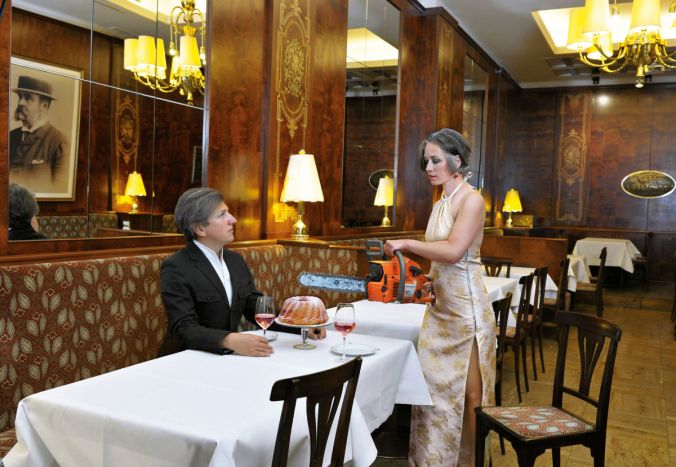
The Austrian performance artists Sonja Stummerer and Martin Hablesreiter, a.k.a. Honey and Bunny, want to make us reëxamine the culinary mores that we take for granted. PHOTOGRAPH COURTESY SONJA STUMMERER AND MARTIN HABLESREITER

I have been on the road for most of the last six weeks and have been consumer of the posts on this site, rather than contributor, for the entire stretch since we got distracted by a hurricane. That’s okay. Other contributors have carried the ball forward well, and before I forget I want to share one recent item I read elsewhere that seems a fitting counterpoint to Jocelyn’s most recent post.

That topic has a kind of ick factor I cannot articulate while at the same time is clearly a topic we are going to need to deal with more and more. I am certainly guilty of avoiding the topic, and must overcome the ick thing. Clearly linked to the lab/food topic is the issue of food waste, which we address on a regular basis here.

We need more diversity in our approach to these tough topics to avoid the feeling of being overwhelmed; antidotes to the ick/tough factor to make the topic more palatable, so to speak. We are so serious in our earnestness that we no doubt add to the weight of the topic, and I speak guilty as charged on that too. It may be that “playful” is an appropriate alternate approach from time to time, as this item suggests:

THE WASTEFULNESS OF MODERN DINING, AS PERFORMANCE ART

Many of us reflect, at least occasionally, on how our gastronomic habits affect the health of the planet. We regret that our takeout dinners come in a Styrofoam container inside a paper bag inside a plastic bag, with white plastic utensils in their very own plastic sheaths. We feel guilty when we order too much food at a restaurant and resign half an entrée to be scraped into the trash. But the pull of convention is most often stronger than these feelings. We eat in the manner we’ve grown accustomed to eating.

The sly and playful Austrian performance artists Sonja Stummerer and Martin Hablesreiter want to make us reëxamine the culinary mores that we take for granted. Continue reading

Upcoming Circular Model in Clothing Industry

1_web_72dpi_landscape_800

All photos from Yale E360

Clothing is a daily necessity (a vanguard nudist might disagree with that statement). Every day after getting out of bed we change into a a set of clothes before stepping out of our homes because it is a daily habit that we have adopted even before we had the ability of dressing ourselves when we were babies. This practice we have developed, when you add up clothing that gets worn out and must be replaced, is very costly to the environment considering people in the U.S. dispose of about 12.8 million tons of textiles annually, which amounts to about 80 pounds per person.

Growing cotton, the most-used fabric in fashion, requires water and agricultural chemicals. (Organic cotton is an exception.) While cotton is grown on just 2.4 percent of the world’s cropland, it accounts for 24 percent and 11 percent of global sales of insecticides and pesticides, respectively, according to the World Wildlife Fund. The Sustainable Apparel Coalition — an alliance of retailers, brands, and nonprofits — has been working for about five years to measure and reduce the industry’s environmental footprint.

Recycling has become a rallying cry in the apparel industry, with H&M as its most vocal evangelist. The Swedish firm launched a 1-million euro contest to seek out ideas for turning old clothes into new, invested in Worn Again, a company that is developing textile recycling technology, and enlisted hip-hop artist M.I.A. to produce a music video called Rewear It that aims to “highlight the importance of garment collecting and recycling.” With Nike, H&M is a global partner of the Ellen MacArthur Foundation, whose mission is to drive a transition to a circular economy — that is, an industrial system in which everything at the end of its life is made into something new, in contrast to today’s economy, where most consumer goods are produced, used, and then thrown away.

Continue reading

Old School Fromage

Cheesemaker David Clarke separates the curds and whey to make Red Leicester cheese at Sparkenhoe Farm in Upton

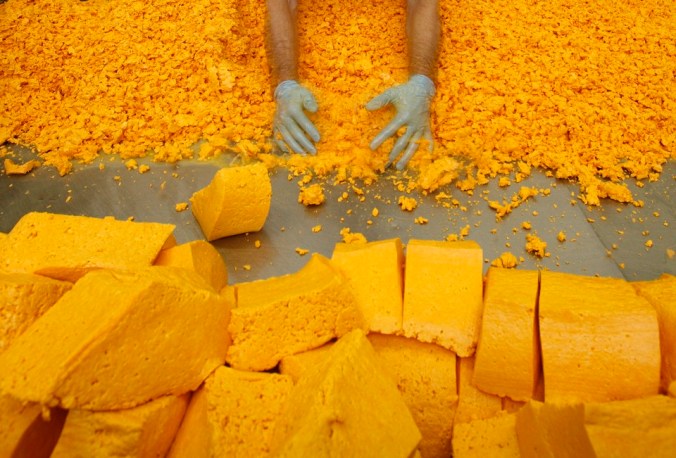
Cheesemaker David Clarke separates the curds and whey to make Red Leicester cheese at Sparkenhoe Farm in Upton, central England October 8, 2007. Red Leicester cheese had not been made in Leicestershire since 1956 until Clarke started producing his traditional, unpasteurised cloth-bound cheese using milk from his 150 pedigree Holstein Fresian cows. REUTERS/Darren Staples (BRITAIN)

Thanks to the Atlantic’s concern for our culinary well-being:

How Real Cheese Made Its Comeback

After decades of Kraft Singles, more Americans than ever are hungry for artisanal varieties of the past. An Object Lesson.

by LAURA KIESEL

As a child, I was a picky eater. Except when it came to cheese. Continue reading

A Tetra Pak Social Experiment

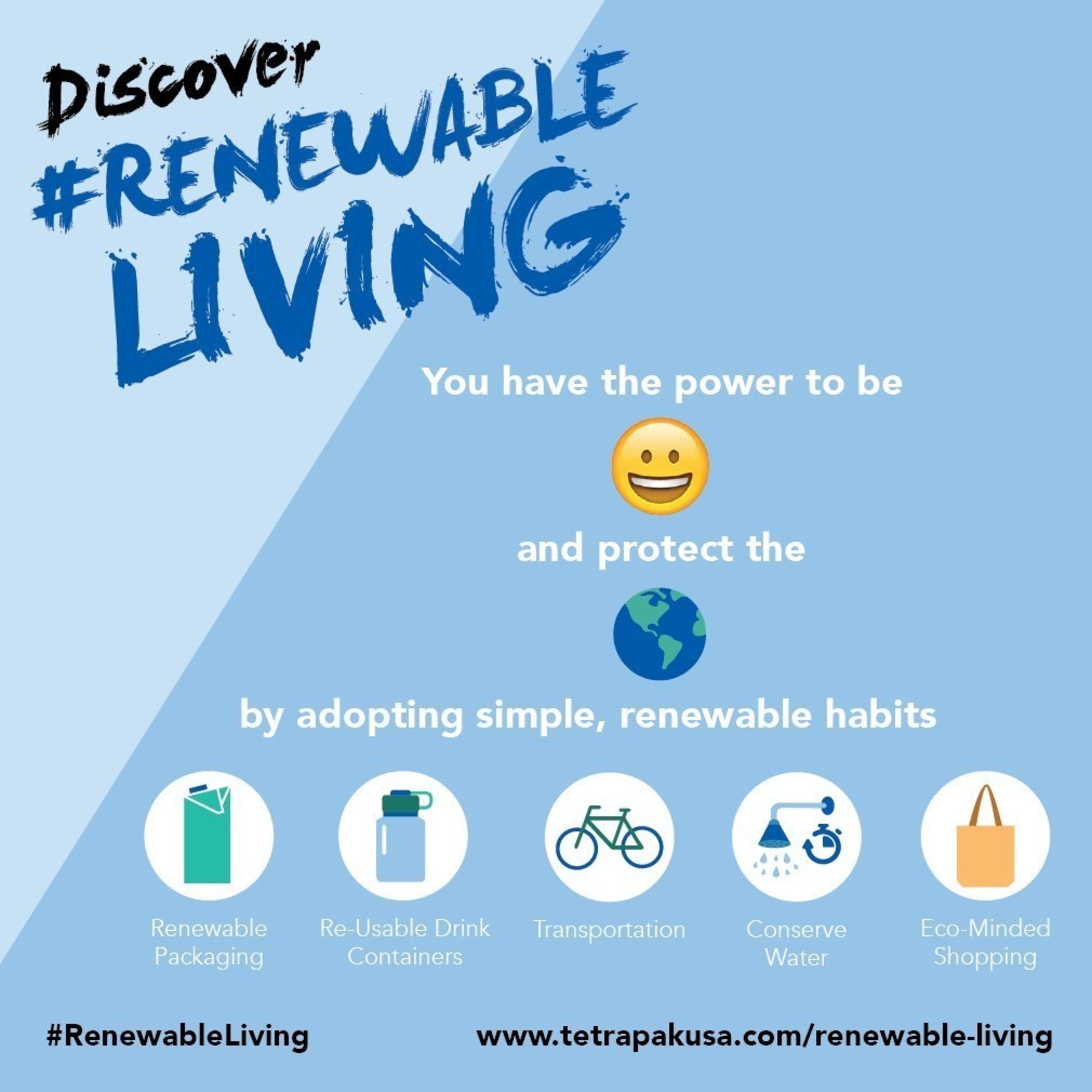
The packaging company Tetra Pak, perhaps best known for its milk cartons, is also dedicated to eco-efficiency and recyclability of its materials. Recently, they put together a study with the participation of ten women who maintain lifestyle blogs while also being mothers. Tetra Pak wanted to explore the sense of happiness that comes from practicing a small renewable habit every day, like using reusable bottles, choosing renewable product packaging, switching one outdoor habit to an indoor one, and others. Here are their key takeaway points from a white paper they released:

1. Start small and start now. Don’t over plan or procrastinate. Choose a habit you can change today and begin. Immediate, incremental changes can quickly become more automatic and result in increased happiness.

2. Cues are the key. Choose a behavior associated with a situational cue and make it more renewable.

3. Make a pact with yourself. Like a New Year’s resolution, commit to a goal and set out to achieve it. A personal contract may help to solidify the commitment, i.e. “When I encounter situation X, I will perform behavior Y.”

Continue reading

Food Waste, Remarkably Grotesque

5451

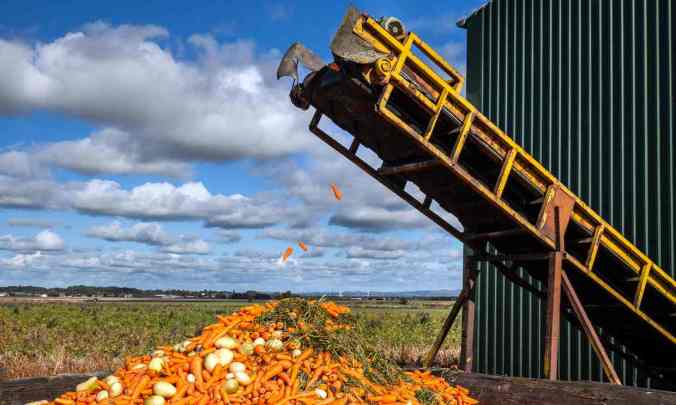
Discarded food is the biggest single component of US landfill and incinerators, according to the Environmental Protection Agency. Photograph: Alamy

We have known for some time the problem is serious, and we are always looking for counter-balancing stories that also highlight solutions. And we are constantly learning more details on just how serious the problem is getting; in short, worse rather than better. Now, new words come to mind. Grotesque is probably the most appropriate (thanks to the Guardian’s ongoing attention to this problem):

The demand for ‘perfect’ fruit and veg means much is discarded, damaging the climate and leaving people hungry

Americans throw away almost as much food as they eat because of a “cult of perfection”, deepening hunger and poverty, and inflicting a heavy toll on the environment.

Vast quantities of fresh produce grown in the US are left in the field to rot, fed to livestock or hauled directly from the field to landfill, because of unrealistic and unyielding cosmetic standards, according to official data and interviews with dozens of farmers, packers, truckers, researchers, campaigners and government officials.

Continue reading

Almond Versus Cow Versus?

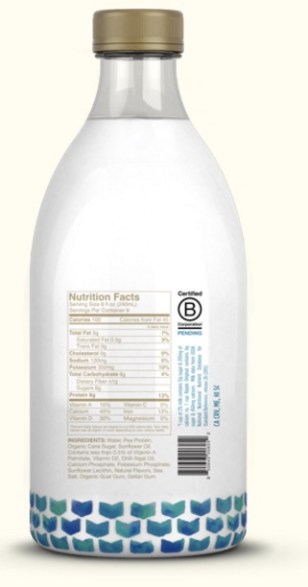
RippleAt first, the name does not help me think anything useful. I do not only mean the name of the contents of the bottle; I mean the brand name on the bottle. So I am showing only the information side of the label. Looks like milk inside. Good start.
If you compare it to almond milk, this one has 8 times the protein. If you compare it to 2% cow milk, this one has half the sugar and 50% more calcium; plus 32mg DHA Omega 3’s Vitamin D & Iron. If this were an advertisement I would face the bottle forward, but it is more an appreciation of how products like this come to be. I like startup stories and particularly the stories of co-founders of startups (which is why I have been listening to this podcast). According this company’s website:

Neil and Adam are committed to making a difference. Adam created Method to bring the world sustainable, beautiful cleaning products. Before trading in his lab coat to start Continue reading

Rethinking Fish

5120

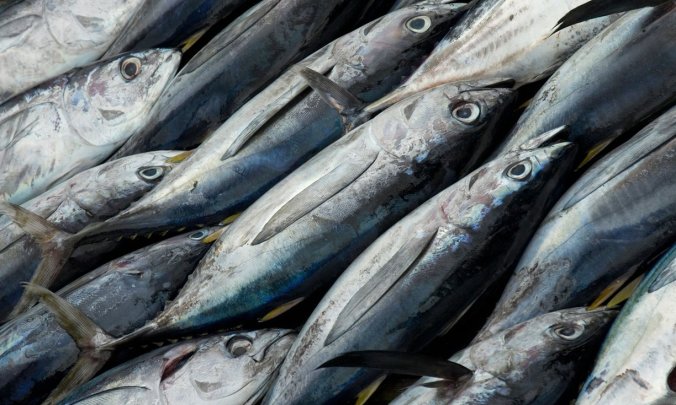
More than 40% of popular species such as tuna are being caught unsustainably, UN FAO says. Photograph: Alamy

Articles like this have me thinking about the meal I had last night, which had not one bit of animal protein in it, and wondering whether I could happily resist adding my own weight to the immensity of the food problem, especially with regard to fish:

Global fish production approaching sustainable limit, UN warns

Around 90% of the world’s stocks are now fully or overfished and production is set to increase further by 2025, according to report from UN’s food body

Continue reading

Drink Maple? Sure

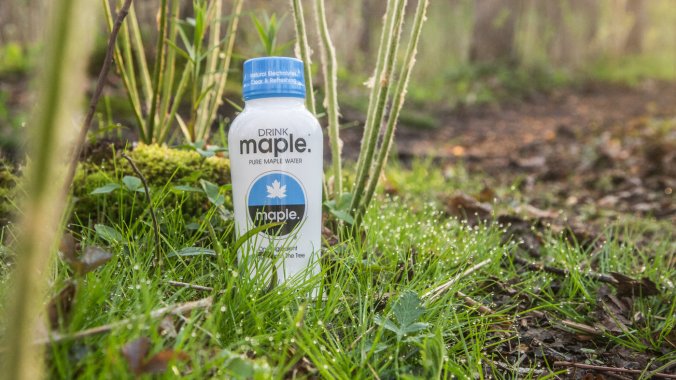
squam-swamp-run-maple--3781_wide-e793fcc0e7e7afb2f5f94466ffbbc47899d9fbae-s1400-c85

Courtesy of Drinkmaple

 Those of us who grew up in maple territory can easily relate to this, and even place palm on forehead and ask–why didn’t I think of that?–so thanks to the Salt over at National Public Radio (USA) for this:

From Tree To Tap: Maple Water Makes A Splash

Unlike syrup, which is boiled down into a thick, sticky liquid, maple water is made from unprocessed sap that is 98 percent water. Its growing popularity is a boon for local farmers. Continue reading

Environment, Rights & Responsibilities

Okeowo-Rebecca-Martin-Fights-Niagara-Bottling-1200.jpg

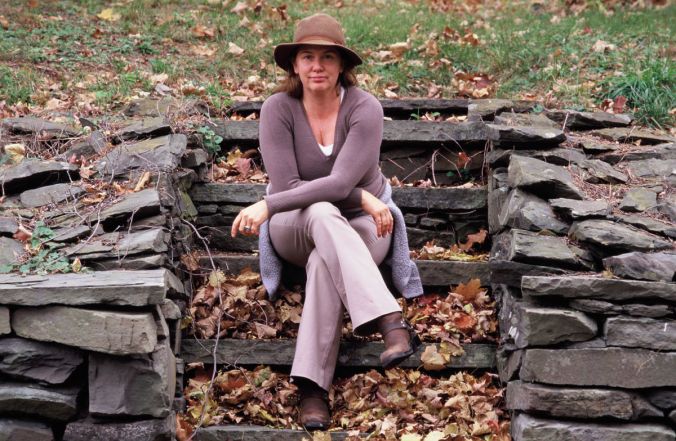
The singer Rebecca Martin helped keep Niagara, a water-bottling company, from tapping a reservoir near her adopted home, in upstate New York. “What’s more important than drinking water? Nothing,” she says. PHOTOGRAPH BY PAT KEPIC

Thanks to Alexis Okeowo for this note about actions our fellow citizens take, a reminder of our rights and responsibilities:

A JAZZ SINGER FIGHTS NIAGARA BOTTLING

By Alexis Okeowo

For years, Rebecca Martin was used to being transient, without a permanent home or commitments. As a jazz musician who performed both solo and with a band named Once Blue, Martin spent much of her time on the road touring and performing, while being loosely based in New York City. When she decided, almost fifteen years ago, to move to Kingston, ninety miles north of the city on the Hudson River, she felt a sense of relief. She had “really lost touch with the idea of community and responsibility to one another,” she said, and took the chance to grow her family and settle down. She started noticing ways that her new town could improve. There was a shop in her neighborhood that was selling large knives, big enough to be called swords, near two schools. Continue reading

Recommended Podcast: Food Packaging

Screen Shot 2016-06-30 at 9.51.21 AM

If you are not yet listening to Gastropod, this would be as good a place to start as any:

Outside the Box: The Story of Food Packaging

The invention of food packaging is one of humanity’s greatest achievements. It may seem hard to imagine today, but the first clay pots made the great civilizations of the ancient world possible, while paper’s first use, long before it became a surface for writing, was to wrap food. But packaging’s proliferation, combined with the invention of plastics, has become one of our biggest environmental headaches. In this episode, we explore the surprising history of how our food got dressed—and why and how we might want to help it get naked again.

Continue reading

Solar for Homes, Empowered by Google

First result when searching “solar power” in Google

We posted about a solar oven yesterday, and today we heard about a less tangible but equally valuable product offered for free by Google: by visiting their Project Sunroof webpage, you can find out in seconds if your roof is suitable for panels, how many panels you’d need, and finally, what your payment options are depending on your location (at the moment it seems focused on the US and the different state and federal tax credits available). From their About page:

Why are we doing this?

As the price of installing solar has gotten less expensive, more homeowners are turning to it as a possible option for decreasing their energy bill. We want to make installing solar panels easy and understandable for anyone.

Project Sunroof puts Google’s expansive data in mapping and computing resources to use, helping calculate the best solar plan for you.

Continue reading

Watch Your Wood, Know Its Origin

2000 (1)

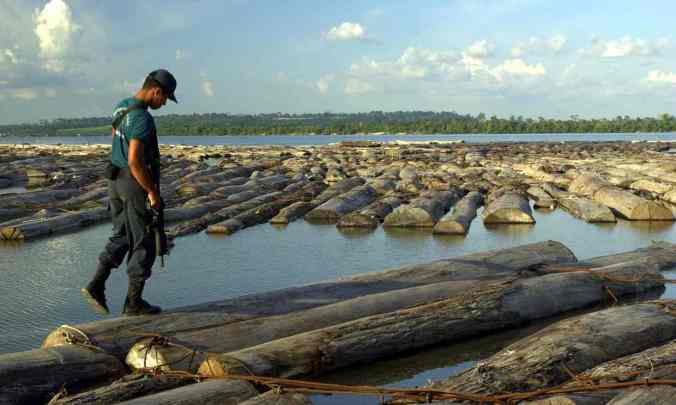
An armed officer inspects a seizure of thousands of illegal mahogany logs in Brazil. Photograph: Dado Galdieri/AP

Thanks to the Guardian for this reminder that we consumers need to do our caveat emptor duties when buying wood products:

Deforestation is rife in the Amazon, Colombia and the Philippines, say environmental groups

British shoppers could be unknowingly buying wooden furniture, flooring and even food items that are byproducts of destructive illegal logging in the Amazon, environmental campaigners are warning.

Friends of the Earth is calling on ministers to make companies reveal the source of their products in order to stop the black market trade. Last week human rights watchdog Global Witness revealed that 185 environmental activists were killed in 2015, many of whom had been trying to stop illegal logging in the Amazon. An estimated 80% of Brazilian hardwood is illegally logged.

Continue reading

Changing Our Eating Habits

impossible-foods-6_edited_custom-7dc5fbab4da8c072dcd7f800ee14c96766bb0f58-s1400-c85

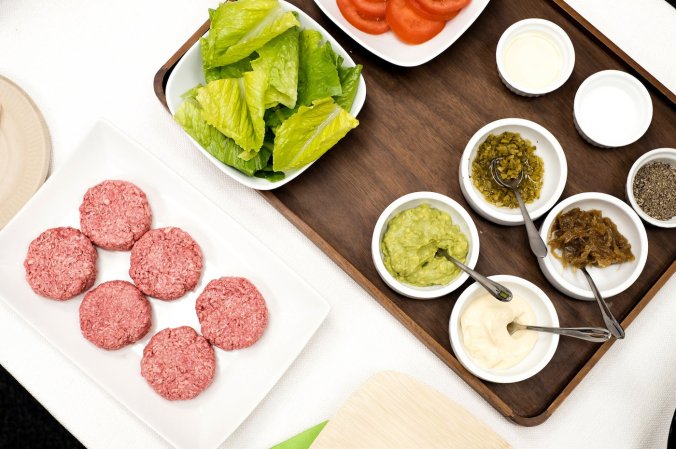
Silicon Valley-based Impossible Foods has taken a high-tech approach to creating a plant-based burger that smells and tastes like real meat. At the company’s headquarters in Redwood City, Calif., chef Traci Des Jardins served the Impossible Burger (pictured uncooked) with vegan mayo, Dijon mustard, mashed avocado, caramelized onions, chopped cornichon, tomato and lettuce on a pretzel bun. Maggie Carson Jurow

Full disclosure first: we operate restaurants that serve meat. It is always the best quality meat we can source, and best includes the most humane and most ecologically sensitive growing conditions. But still, it is meat, and meat is problematic. So, we tread lightly when we speak about our behaving responsibly, and try to minimize judgementalism.

When we get reminders of the importance of reducing meat consumption we know it is true, but we still ensure all our guests are able to get, within reason, the best of what they want food-wise.  I spent more time, and consumed more calories than I care to count, taste-testing for the new menus at three hotel restaurants in the last two years; that is my own sin to bear, and I am in penance mode now, trust me.

So, when I see a good feature story related to vegetarianism, or to vegetarian innovations, I am all in. Here is one from the Salt show on National Public Radio (USA) and I look forward to taste-testing it:

This summer, diners in New York, San Francisco and Los Angeles will get their hands on a hamburger that has been five years in the making.

The burger looks, tastes and smells like beef — except it’s made entirely from plants. It sizzles on the grill and even browns and oozes fat when it cooks. It’s the brainchild of former Stanford biochemist Patrick Brown and his research team at Northern California-based Impossible Foods. Continue reading

Palm Oil Problems

By now not many people who are literate and connected to global news can say they did not know that palm oil is problematic; they can only say either that they care, or do not. Knowing where your biodiesel comes from may influence what you can do about this problem:

Leaked figures show spike in palm oil use for biodiesel in Europe

Steep rise between 2010 and 2014 shows link between EU’s renewable energy mandate and deforestation in south-east Asia, say campaigners

3000 (2)

A forest activist inspects land clearing and drainage of peat natural forest Sumatra, Indonesia. Photograph: Ulet Ifansasti/Getty Images

Leaked trade industry figures show a five-fold increase in the use of palm oil for biodiesel in Europe between 2010 and 2014, providing new evidence of links between deforestation in southeast Asia and the EU’s renewable energy mandate. Continue reading

Please Do Not Close The Door, Iceland

lead_large (2)

The Northern Lights above the ash plume of Iceland’s Eyjafjallajokull volcano Lucas Jackson / Reuters

We have had a thing for Iceland for a few years now, mainly due to Seth’s honors thesis. But none of us currently contributing to this blog have actually been there, yet. There is a plan in the air, very vaguely, for several of us to meet up there one day soon. Thanks to writers such as the Atlantic‘s Feargus O’Sullivan, and our own ongoing discussion on travel conundrums, we are not rushing into the plan, but contemplating it in back burner mode. We know we cannot wait forever:

Iceland vs. Tourists

It’s not easy fitting 1.2 million annual visitors onto an island of 330,000 residents.

Fighting Flouting Fishing Fleets

3888

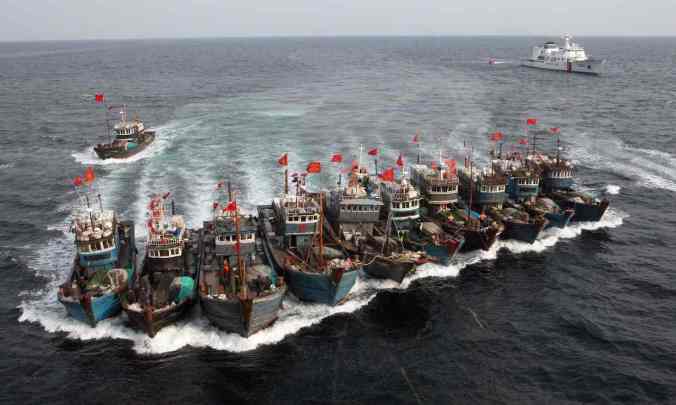
Chinese boats banded together with ropes, after alleged illegal fishing in South Korean waters in the Yellow Sea off the southwestern coast county of Buan. Photograph: Dong-A Ilbo/AFP/Getty Images

Tragedy of the commons on the high seas, fought by those who perceive their interests in common enough to do something about it (a tricky thing, as we note frequently), once again in the news.  Thanks to the Guardian, and environmental reporter Emma Bryce, for this reportage:

Tens of countries sign up to shut pirate fishers out of their ports

The first of its kind, a new international treaty obliges signatories to intercept pirate fishers before they can sell their catch

In March, the Argentinian coast guard shot at and sank a Chinese vessel that was alleged to be fishing illegally in Argentinian waters (the crew were all rescued). While it’s unclear whether the boat was committing crime, the incident showed that the tension surrounding pirate fishing is reaching a peak, marked elsewhere by increasing conflict, and the detainment and scuttling of illegal fishing fleets. But for pirate fishers, the financial gains appear to be worth these risks. Continue reading

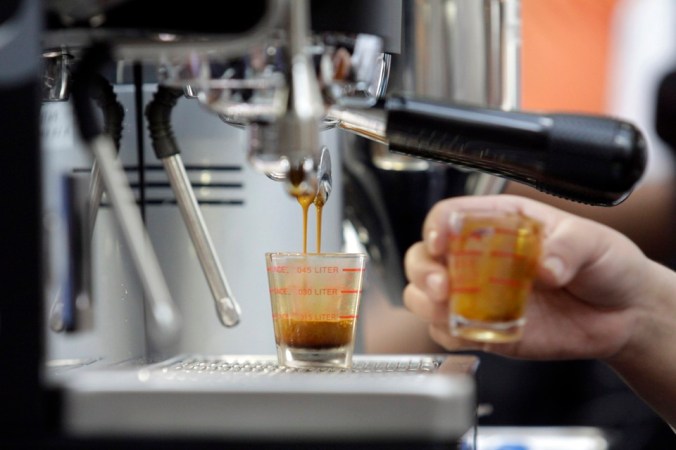
Coffee Better Understood

A competitor prepares coffee during the El Salvador National Barista Championship at a mall in San Salvador

STR New / Reuters

From the Atlantic, where some of (but not all) our favorite coffee stories have come from in the past, we have this new item to share:

Specialty Coffee’s Resident Scientist

A computational chemist is changing the way coffee makers think about water.

by Sarah Kollmorgen

Wherever he goes, Christopher H. Hendon brings a homemade supply of powdery white chemicals. Made from coral-reef care sets, the little bottles and plastic bags may raise some TSA eyebrows, but they serve a perfectly innocent purpose. The substances comprise his personal water filtration titration kit.

“Who travels with this much white powder?” Hendon says with a laugh. His duffel currently contains several compounds including calcium chloride, magnesium sulfate, and potassium bicarbonate. These mixtures help detect the invisible chemicals present in a glass of water, he explains. Using them, Hendon can determine how hard the water is in any geographical area, based on the minerals it contains. Continue reading

Five Minutes Related To Taste

Screen Shot 2016-04-27 at 7.54.16 PM

By NATALIA V. OSIPOVA. Image by Joshua Thomas for The New York Times.

Thanks to the New York Times for continuing to reach for our attention (click above to go to the video):

Eduardo Rivera, a Mexican-born farmer living in Minnesota, is striving to make organic vegetables accessible to the Latino community.